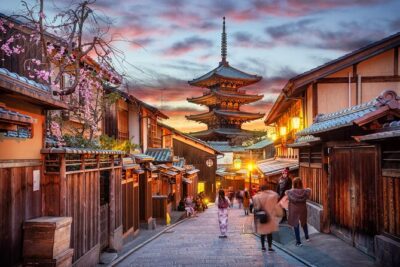
Reviewed · GION GEISHA QUARTER WALKS
Kyoto: Gion Geisha District & Yasaka Shrine Walking Tour
A short walk, big Kyoto meaning. This Gion and Yasaka Shrine tour brings the feel of the traditional geisha district to life by focusing on what the streets, buildings, and rituals represent. I like that you spend time on the quiet details most visitors rush past, especially around Shirakawa Canal and the older lanes behind Gion’s main drag.
Two things I really like: you get cultural context about geiko and maiko (not just a search for sightings), and you visit Yasaka Shrine, the spiritual center tied to Gion’s major festivals. One consideration, though, is that this is a daytime walking tour, so you’ll want to bring comfortable shoes and be ready for Kyoto weather changes, including rain.
In This Review
- Key Highlights You Will Actually Feel on the Walk
- A 90-Minute Gion Walk That Focuses on Traditions, Not Photo Ops
- Where Shirakawa Canal Feels Like Kyoto’s Best Kept Secret
- Hanamikoji Street and Machiya You Can Actually Appreciate
- Yasaka Shrine, the Shinto Center Tied to Gion Festivals
- Geiko and Maiko Traditions Explained With Clarity and Respect
- Price and What $38 Buys You in Real Value
- Timing, Meeting Point, and How to Prepare for a Smooth Walk
- Who This Tour Fits Best (and Who Might Want Something Else)
- Should You Book This Gion and Yasaka Shrine Walking Tour?
- FAQ
- How long is the Kyoto Gion Geisha District and Yasaka Shrine walking tour?
- What is the price per person for this tour?
- Is this a private tour or a group tour?
- What languages are available for the live tour guide?
- What does the tour include?
- What is not included in the price?
- Where does the tour start?
- Can I cancel and get a full refund?
- Is there an option to reserve without paying immediately?
- Is the tour helpful for people who need a slower pace?
Key Highlights You Will Actually Feel on the Walk
- Shirakawa Canal in soft daylight with willow-lined views and postcard-worthy façades
- Hanamikoji Street and historic machiya that help you “read” the neighborhood
- Yasaka Shrine, over a thousand years of Shinto significance and Gion’s festival connection
- Geiko and maiko traditions explained with respect and clarity (more meaning, less hunting)
- Back streets you might miss on your own, plus a guide who adjusts the pace
A 90-Minute Gion Walk That Focuses on Traditions, Not Photo Ops
Gion can feel like one big stage from the sidewalk. This tour keeps it grounded. You get a guided daytime walk that treats the district like a living classroom, where architecture and ritual explain each other.
Because it runs about 90 minutes, it is long enough to go beyond the headline sights, but short enough that you will not feel trapped in a “tour bus mindset.” You also go as a private group, so the guide can match your pace and answer your questions without the usual crowd chaos. One review even notes a guide being accommodating with a walking stick and helping with small needs, which is exactly the kind of practical care you want on a city walk.
The overall focus is respectful context. You learn how geiko and maiko fit into Kyoto society, including the discipline and artistry behind the roles. That makes the experience more useful if you care about culture. It also means you are less likely to end up disappointed if your expectations are mainly about spotting someone famous.
Where Shirakawa Canal Feels Like Kyoto’s Best Kept Secret
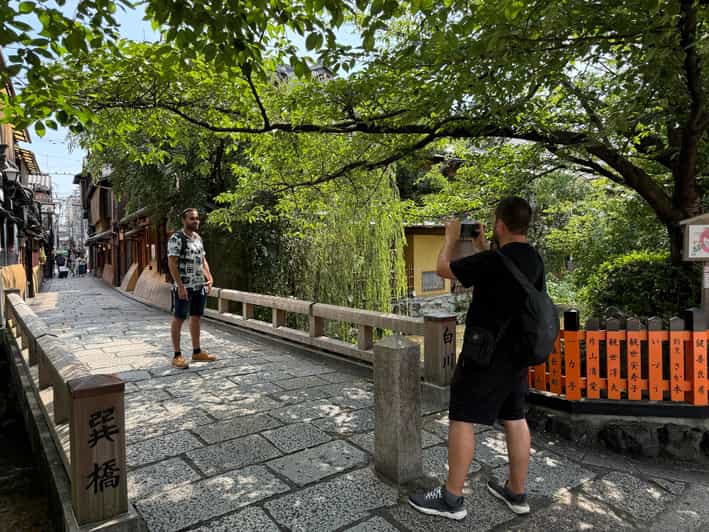
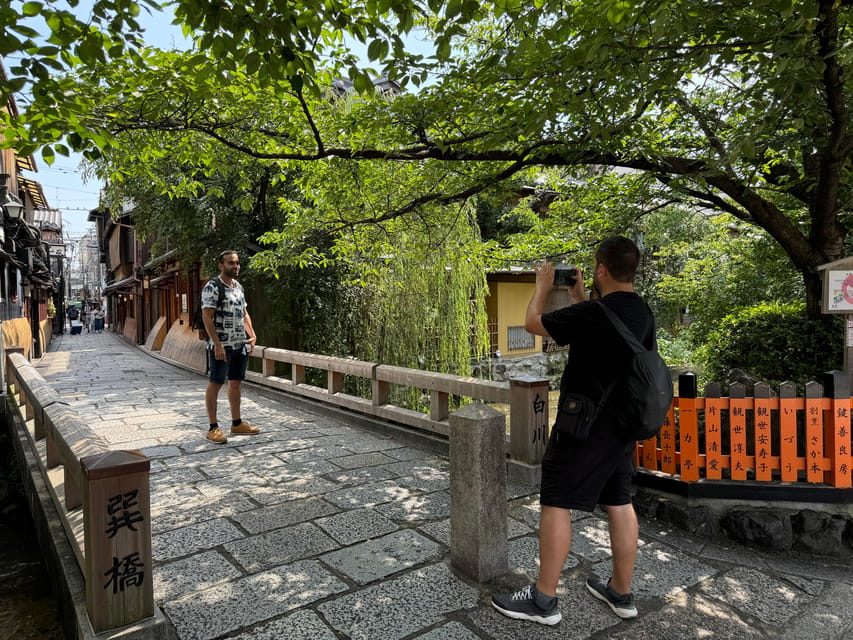
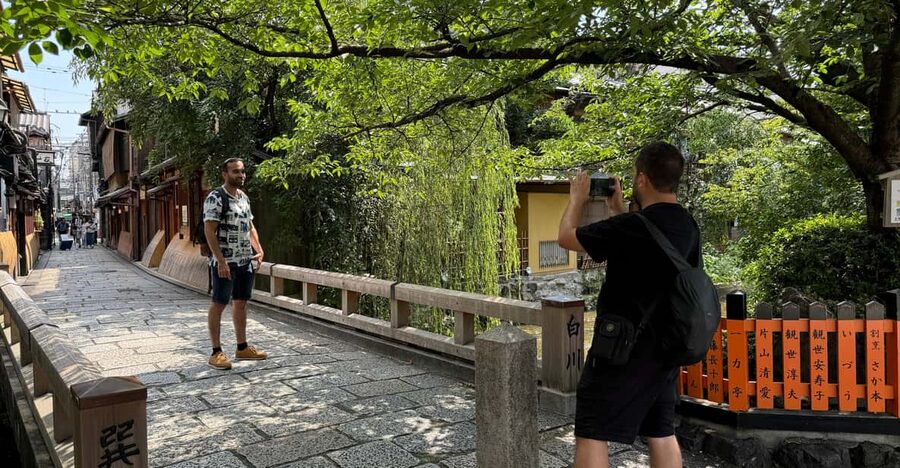
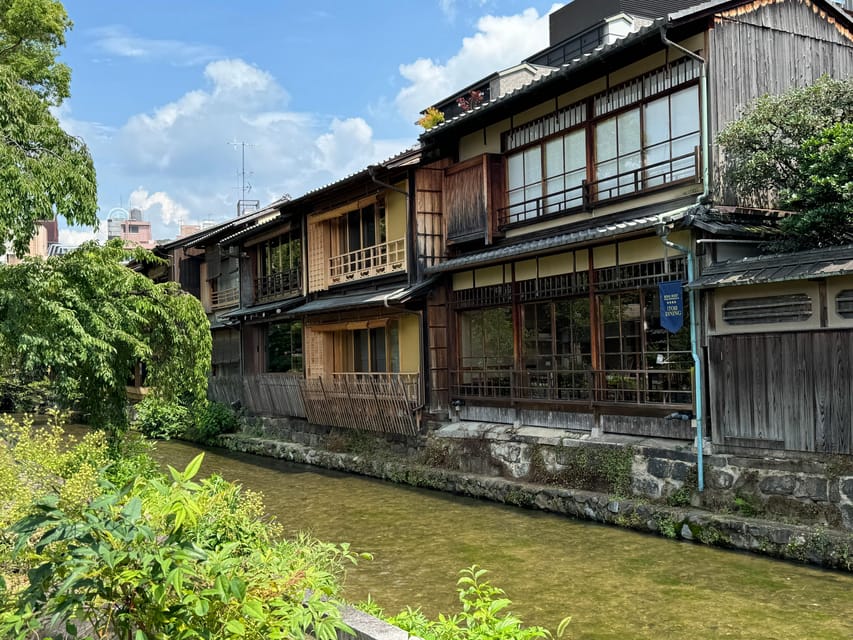
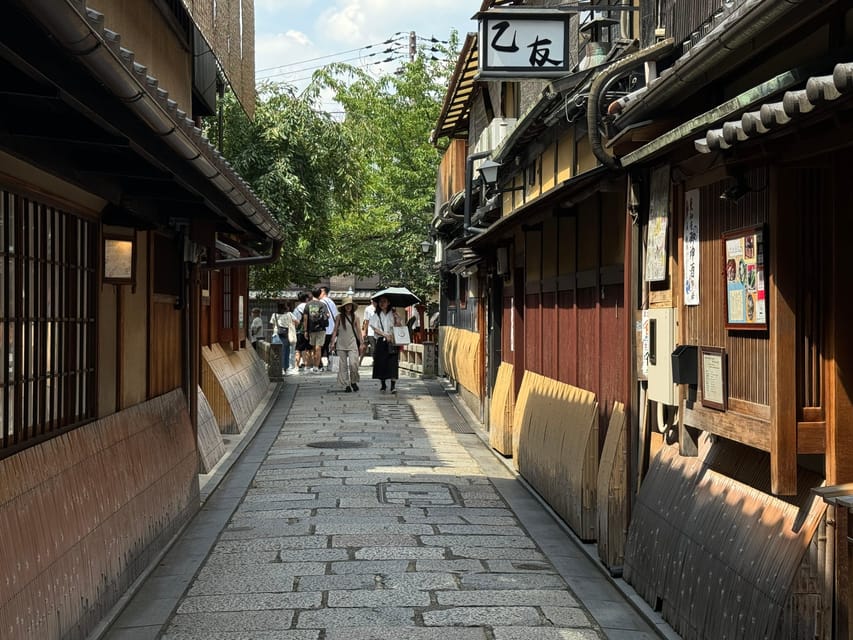
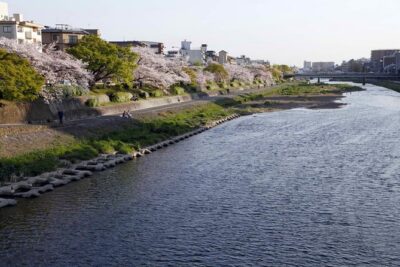
If you only see Gion from the busiest parts, you miss the calmer rhythm. This tour guides you toward Shirakawa Canal, a tranquil stretch known for its willow trees, small bridges, and neatly preserved town façades.
Daytime changes everything. In daylight, you can notice the details that get lost at night, like the craftsmanship on wooden fronts and the way the canal frames the buildings. It’s the kind of place where your brain clicks into “slow down” mode, even if you started the day in city-scanning mode.
One reason this stop works well in a short tour is the contrast. You are not stuck looking at one landmark. You move from street to canal, from lively stone-paved lanes to quiet water-side views. That keeps your attention fresh and makes the neighborhood feel more three-dimensional.
Practical note: wear shoes you can walk in comfortably on uneven surfaces. Kyoto’s traditional streets look charming because they are old, and old streets do not always prioritize flat footing.
More rooftops worth a detour
- Kyoto: Tea Ceremony Ju-An at Jotokuji Temple
★ 4.9 · 3,207 reviews - Arashiyama Bamboo, Temple, Monkeys, or Secret Sake Brewery
★ 4.8 · 886 reviews - Kyoto: Arashiyama Bamboo Forest, Monkeys, Matcha & Temple Tour
★ 5.0 · 759 reviews - Osaka/Kyoto: Arashiyama, Nara & Fushimi Inari Shrine w/Lunch
★ 4.4 · 754 reviews
Hanamikoji Street and Machiya You Can Actually Appreciate
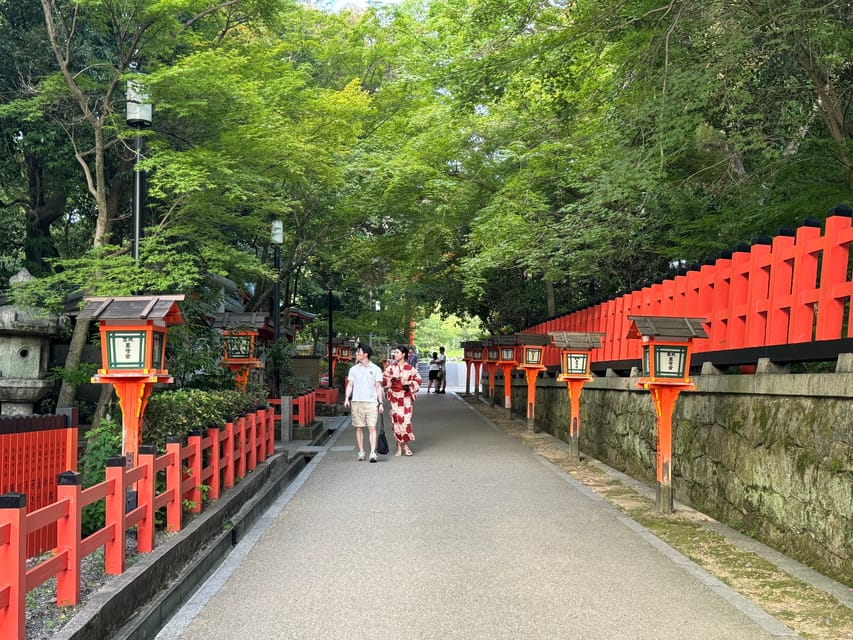
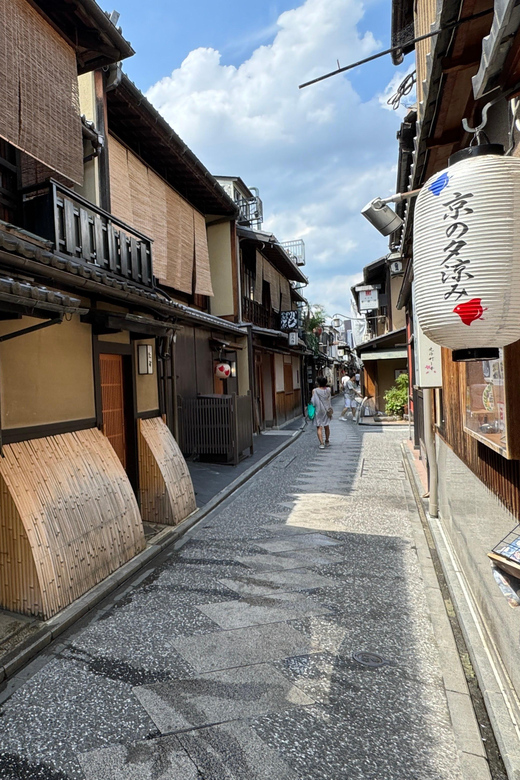
Then comes Hanamikoji Street, the classic Gion corridor with machiya townhouses and the older-style atmosphere you came for. Even if you have seen photos, walking it is different. Standing still in an image does not show you the texture of the place, the spacing of buildings, or the way the street feels like it has its own tempo.
Here’s what I think makes this section valuable: your guide helps you notice architectural cues. You see how the wooden structures and the layout of the lane connect to the district’s traditional functions. You also learn about ochaya tea house culture at a level that stays respectful and understandable, without turning it into a gossip tour.
This is also the moment where the tour’s “you are here for meaning” style becomes clear. The guide does not just point and say, here is a famous street. They explain why these streets matter, and how the traditions of performing arts connect to the neighborhood’s design and rhythms.
One small but meaningful plus: a review mentions the group going through back streets you might miss on your own. That matters because Gion’s best atmosphere often lives in the quieter corridors.
Yasaka Shrine, the Shinto Center Tied to Gion Festivals
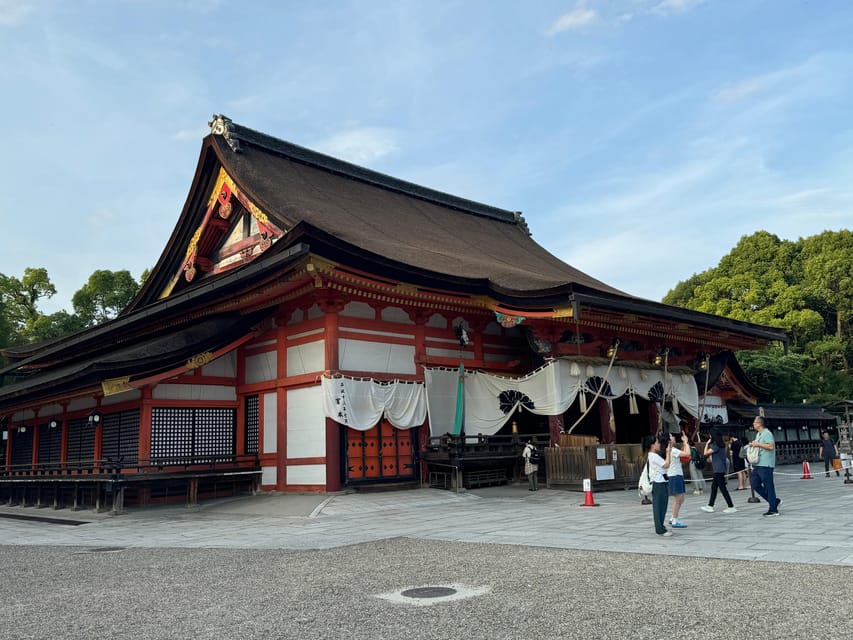
Yasaka Shrine is not a random add-on. It is one of the key Shinto sites that connects religion, community, and the calendar of Kyoto events. During this tour, you visit the shrine as the spiritual heart of Gion.
The tour frames it with historical context, including the shrine’s long timeline, and how it has been intertwined with the district’s development for more than a thousand years. That kind of context matters because many visitors walk past shrine sites like they are scenery. With a guide, you start to notice how a shrine functions as a living place of belief, not just a photo location.
You will also hear about major festivals such as Gion Matsuri, and how Yasaka Shrine connects to them. Even if you are not visiting during festival season, understanding that link helps you make sense of why certain areas feel so ritual-centered.
If you care about religion as culture, Yasaka Shrine is a strong payoff stop. It gives your walking route a “center of gravity,” so the neighborhood’s artistry feels anchored, not decorative.
Geiko and Maiko Traditions Explained With Clarity and Respect
The biggest value here is that the tour does not treat geiko and maiko as mystery characters. It explains their roles in Kyoto society with a calm, respectful tone.
You learn about the traditions behind the arts, including the discipline and training associated with those roles. This is the part that often makes or breaks a culture-focused tour. If the guide only tells you where to stand for possible sightings, the experience stays shallow. When the guide explains tradition and meaning, the neighborhood makes more sense even after you leave.
I also like that the tour steers you away from turning the district into a spectacle. Instead of getting caught in expectations, you get a better understanding of why the district is preserved and how the performing arts shaped its identity.
One review specifically praises the guide, Peco, for being friendly and well informed about the areas visited. Another notes Yozo as a treasure and highlights good English and helpful pacing for seniors. Those are the kinds of qualities that matter in this particular tour: you want a guide who can explain culture clearly, without rushing, and who can adapt to the group.
Price and What $38 Buys You in Real Value
At $38 per person for a 90-minute private guided walk, this sits in a reasonable mid-range for Kyoto guided experiences. What you should evaluate is not just the price tag, it is the value of the time and the quality of the guidance.
Here’s why it can be a good deal:
- You get a local English-speaking guide with cultural and historical commentary throughout
- The route is designed to include multiple meaningful stops, not a single point of interest
- It is private, so you can ask questions and keep a comfortable walking pace
Also, because it is daytime, you are less dependent on the exact lighting conditions that can make or break photo-heavy tours. You are looking at streets, canal views, shrine context, and architectural details, and those are readable in daylight.
The main trade-off is that the tour does not include food or drinks, so you’ll still need to plan that separately. If you love snack stops, you may want to add a casual break before or after your tour rather than expecting it to roll into the experience.
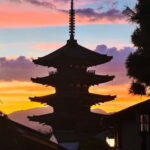
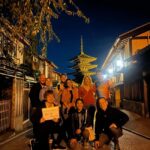
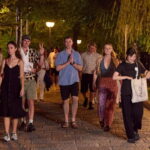
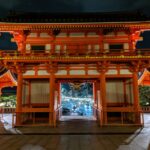
Lantern-lit streets of the geisha quarter
Timing, Meeting Point, and How to Prepare for a Smooth Walk
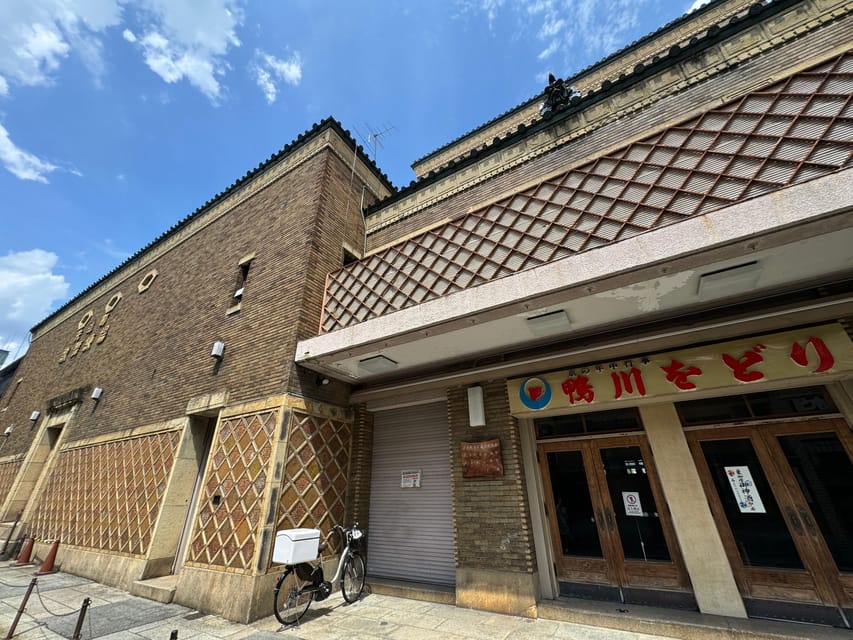
Meeting point can vary depending on the option you book, so you’ll want to double-check your specific details before heading out. Also, arrive a few minutes early so you do not start the walk stressed.
For a 90-minute tour in Gion, your best preparation is simple:
- Wear comfortable walking shoes
- Bring a small umbrella if rain is in the forecast
- Have water if you tend to get thirsty while walking
One review mentions the rain did not stop the tour, which tells you this is built for real weather. Kyoto weather can swing quickly, so plan for that. If you are thinking of taking photos, daylight makes it easier to capture architectural details, but you still want to stay present enough to notice what the guide is pointing out.
Who This Tour Fits Best (and Who Might Want Something Else)
This is a great fit if you want culture with structure. You should enjoy it if you like:
- understanding historical districts through architecture and ritual
- learning about geiko and maiko traditions in a respectful, non-sensational way
- mixing scenic walking with a major Shinto site visit
It may not be the best match if your main goal is to maximize chances of seeing performers in the act, or if you want a tour focused on shops and food. This experience is about meaning and context, not a shopping loop or a nightlife-style exploration.
It also suits different ages well, based on at least one review that describes a guide adjusting pace for seniors and assisting with a walking stick. Since the guide is part of a private group, you can often communicate your needs more easily than on large group tours.
Should You Book This Gion and Yasaka Shrine Walking Tour?
If you want Gion to feel like a real place with real context, book it. The standout value is the combination of Shirakawa Canal daylight atmosphere, Hanamikoji’s architectural texture, and Yasaka Shrine’s spiritual and festival connections, all explained in a clear way.
I would especially recommend it if you tend to enjoy guided walks where you come away understanding why something matters, not just where it is. For the price, $38 for a 90-minute private tour with cultural commentary is solid, as long as you are comfortable doing most of your exploring on foot.
If you hate walking, or you want food included, you might prefer a different option. But if you are here for Kyoto’s traditions and want a guide who keeps things respectful and practical, this is a smart, low-stress choice.
FAQ
How long is the Kyoto Gion Geisha District and Yasaka Shrine walking tour?
The tour duration is 90 minutes.
What is the price per person for this tour?
The price is listed as $38 per person.
Is this a private tour or a group tour?
It is a private group experience.
What languages are available for the live tour guide?
The live tour guide is available in English and Japanese.
What does the tour include?
It includes a private guided walking tour in Gion, an English-speaking local guide, and cultural and historical commentary throughout.
What is not included in the price?
Food and drinks, transportation to and from the meeting point, and personal expenses are not included.
Where does the tour start?
The meeting point may vary depending on the option booked.
Can I cancel and get a full refund?
Yes, free cancellation is offered up to 24 hours in advance for a full refund.
Is there an option to reserve without paying immediately?
Yes, there is a reserve now and pay later option, where you book your spot and pay nothing today.
Is the tour helpful for people who need a slower pace?
The provided details do not list formal accessibility policies, but one review mentions the guide being accommodating with a walking stick and adjusting pace for seniors.
More Walking Tours in Kyoto
New This Season
- Koyasan Day Trip by Private Car from Kyoto
- Old Port Town and Ultimate Sake Tasting Private Tour From Kyoto
- Kyoto’s Timeless Charm: 3hr Exploration of History and Peace
- Kyoto: 5 Types of Sushi Making
- Sacred Peak & Ancient Paths: Kurama-Kibune Hiking Experience
- Kyoto: Exclusive ZEN practice at Manpukuji temple in Uji
- Kyoto: Private Seasonal Aroma Yoga Class
- Traversing Kyoto’s Scenic West – Arashiyama to Kinkakuji
Gion Geisha Quarter Walks, compared.
Kyoto Geisha Walking Tour: Gion District & Hidden Gems
Read our review →
Gion Magical Night Walking Tour with Geisha Trivia
Read our review →
Gion Geisha District Walking Tour – Stories of Geisha
Read our review →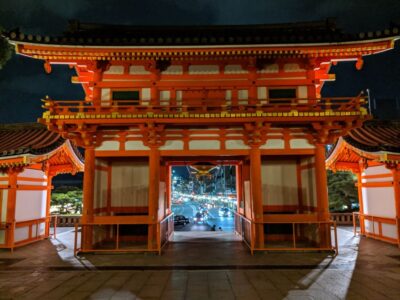
Best of Kyoto: Gion, Geisha, Pagodas & Cobblestones
Read our review →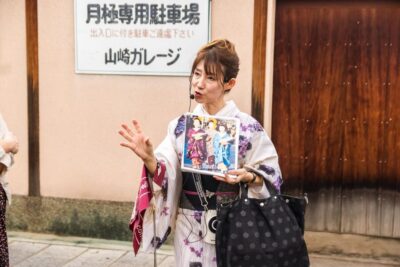
Kyoto Night Foodie Tour in Gion (9+ dishes + 6 Sake tastings)
Read our review →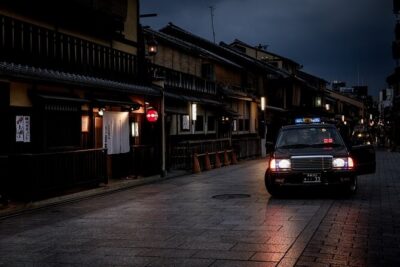
Kyoto Gion Geisha District Walking Tour – The Stories of Geisha
Read our review →