Reviewed · FUSHIMI INARI SHRINE WALKS
Kyoto Heritage Path – Fushimi Inari’s Mystery to Kiyomizu Temple
Kyoto changes when you walk it right. I love how this day-long route connects Fushimi Inari and Kiyomizu-dera with on-the-ground context, so the big landmarks feel understandable instead of random. I also like the built-in stop at Nishiki Market, where you get a guide-led taste of Kyoto’s food culture.
My one caution is that it’s a long day with lots of walking, and food and drinks are not included, so you’ll want to plan how you handle lunch and snacks.
In This Review
- Key highlights to know before you go
- Getting oriented: a smooth start at Kyoto Tower Sando
- Fushimi Inari-taisha and the Senbon Torii gates, without the guesswork
- Nishiki Market: where the food stop turns into Kyoto understanding
- Kennin-ji and the Zen temple break that resets your day
- Gion and Yasaka Shrine: old Kyoto streets with context
- Ninenzaka and Sannenzaka: cobblestones that change your pace
- Kiyomizu-dera: UNESCO architecture and end-of-day energy
- Price and value: is $149.95 worth it for an 8-hour day?
- Who this Kyoto Heritage Path works best for
- Should you book this Kyoto Heritage Path tour?
- FAQ
- How long is the Kyoto Heritage Path tour?
- What does the tour cost?
- Where do I meet the tour guide?
- What time does the tour start?
- Is lunch included in the price?
- Are entrance fees included?
- Are train tickets included?
- What is the group size limit?
- Can I cancel and get a full refund?
Key highlights to know before you go
- Senbon Torii start: You begin at Fushimi Inari and walk through the famous “thousands of torii gates” area.
- Nishiki Market with guidance: You sample local delicacies, then get time to choose lunch on your own.
- Old-temple pauses: Kennin-ji gives you Zen history, and the route continues through major historic temple zones.
- Gion and Yasaka Shrine area: You slow down through Kyoto’s historic entertainment district and nearby shrine scenery.
- Sannenzaka and Ninenzaka streets: Cobblestone lanes help you switch from landmark mode to street-level Kyoto watching.
- Capstone views at Kiyomizu-dera: You finish at a UNESCO World Heritage site with dramatic temple architecture.
Getting oriented: a smooth start at Kyoto Tower Sando
This tour starts near Kyoto Tower, at the Starbucks Coffee in the Kyoto Tower Sando area. That matters more than you might think, because it reduces the stress of finding your meeting point and getting to the train in time.
You’ll move as a group using public transportation, and the day is designed around an easy rhythm: meet, ride, walk, stop, and repeat. The tour includes train tickets, so you are not stuck figuring out which line goes where mid-day.
The group size caps at 18 travelers, which helps a lot in places like Fushimi Inari and the market. Big crowds in Kyoto are real, but smaller groups make it easier to keep track of your guide and stay moving.
Fushimi Inari-taisha and the Senbon Torii gates, without the guesswork
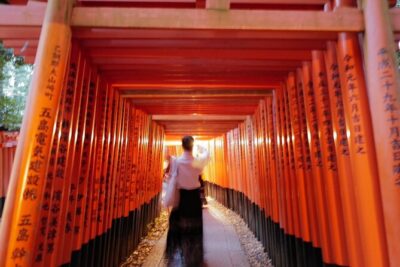
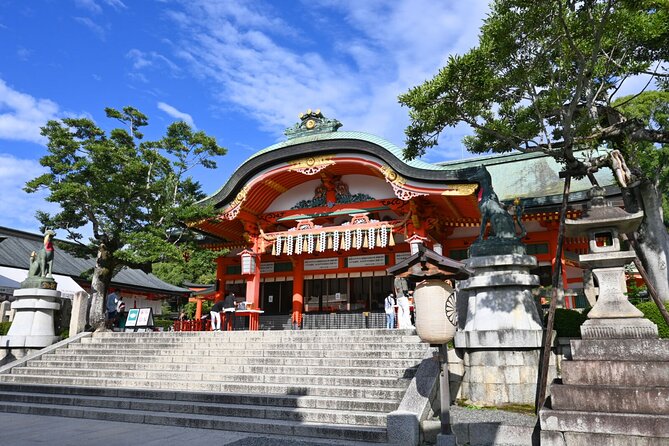
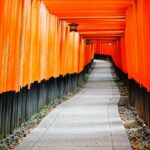
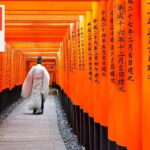
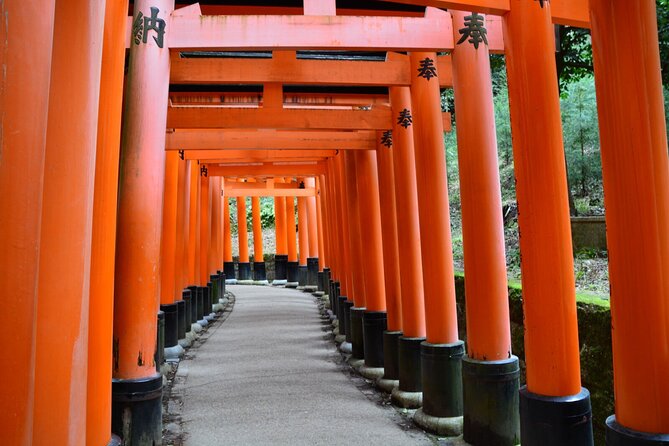
Fushimi Inari is famous for a reason: the Senbon Torii area feels like you’ve stepped into a red maze of repeating gates. The tour gives you about 1 hour 30 minutes at the shrine complex, which is enough time to enjoy the iconic path and still keep your energy for the rest of the day.
What I like about having a guide here is simple. You get help reading the place as more than a photo spot. You’ll learn the basics of what you are looking at, and you can pace yourself instead of rushing to hit every corner because you’re worried about falling behind.
One practical tip for this first major stop: wear shoes you can walk on for hours. The ground can be uneven and you’re layering in up-and-down motion early, which helps later stops feel less draining.
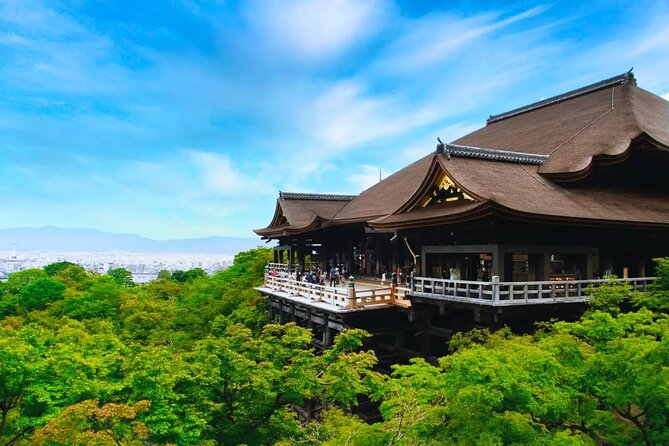
The wooden stage above the hillside
- Kyoto: Tea Ceremony in a Traditional Tea House in Kiyomizu
★ 4.9 · 3,519 reviews - Kyoto: Nijo Castle, Kiyomizu & Fushimi Inari Guided Tour
★ 4.7 · 700 reviews - Kyoto: Nijo, Kinkaku-ji, Arashiyama, Kiyomizu & Fushimi Inari
★ 5.0 · 699 reviews - Kyoto Tea Ceremony & Kiyomizu-dera Temple Walking Tour
★ 5.0 · 115 reviews
Nishiki Market: where the food stop turns into Kyoto understanding
After Inari, you head to Nishiki Market, often called Kyoto’s kitchen. The tour gives you about 2 hours here, including time to sample local delicacies with your guide.
This is a high-value part of the day for two reasons. First, you get a “what to try and how to eat here” moment, instead of wandering and guessing when every stall looks tempting. Second, you get context for the market’s role in Kyoto daily life, which makes even simple snacks feel like part of the bigger story.
Lunch is not included, so you’re free to choose what fits your tastes and budget. That flexibility is a plus, especially if you find something you really want or if your group wants to split up for a short browse and regroup.
If you’re sensitive to spice or strong flavors, decide early what level you want. Market food can move fast from mild to intense, and a little planning keeps the experience fun instead of stressful.
Kennin-ji and the Zen temple break that resets your day
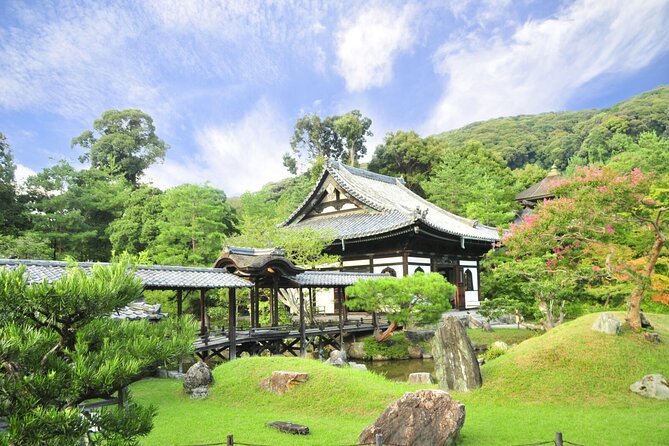
Kennin-ji is next, and it’s a temple with serious roots in Japanese Buddhism. It was founded in 1202, and it’s known for Zen, with Eisai connected to the founding story. You get about 1 hour 30 minutes here, which feels like a thoughtful pause rather than another rush to the next photo.
I love temple time on a walking tour because it slows everything down. Even if you just spend a portion of that hour watching how people move through the grounds, you start to notice Kyoto’s calm rhythm.
The guide support here is helpful because it points out what to notice. When you understand why a temple is important, you can stop treating every garden wall and gate like a background. You start actually seeing the place.
A mild drawback to consider: temples can be quieter but not always easier. Expect a bit of walking within the grounds, plus standing time if you want to take in details. If you need frequent breaks, it’s worth pacing yourself from the start.
Gion and Yasaka Shrine: old Kyoto streets with context
Next comes the Gion area, including a slow walk through Kyoto’s old entertainment district. This is where you start seeing the city’s past feel more tangible, because you are not only looking at buildings, you’re moving through the neighborhoods that made them matter.
The tour includes about 1 hour 30 minutes for this section, and it’s designed for slow, steady viewing. That pace matters in Gion. If you sprint through, you miss the scale, the street corners, and the way the area feels at human speed.
The route also includes Yasaka Shrine, which gives you a strong cultural anchor after the neighborhood walk. The shrine area is visually busy in its own way, but it’s also a good reset point so you can shift from “street watching” into “understanding what you’re seeing.”
In one standout example, a guide named Justin was credited for making the walk easy, fun, and informative, including the ability to accommodate different needs. That kind of guidance helps you enjoy the day instead of constantly worrying about timing.
Ninenzaka and Sannenzaka: cobblestones that change your pace
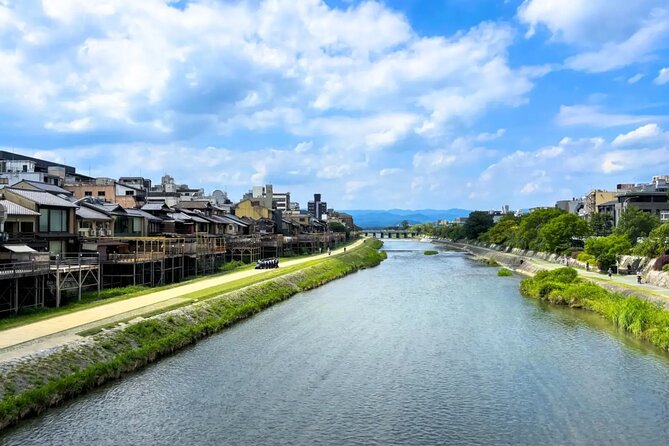
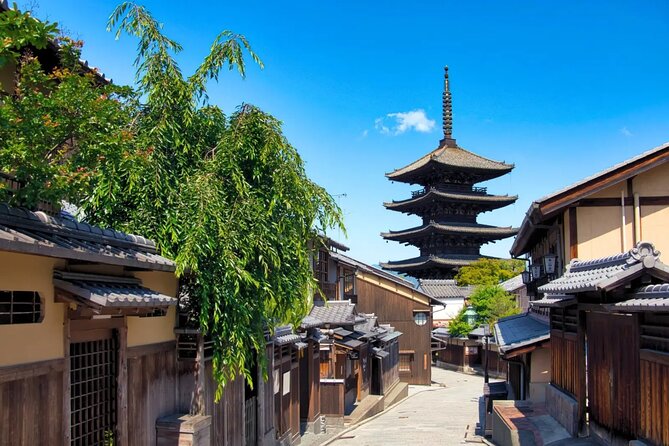
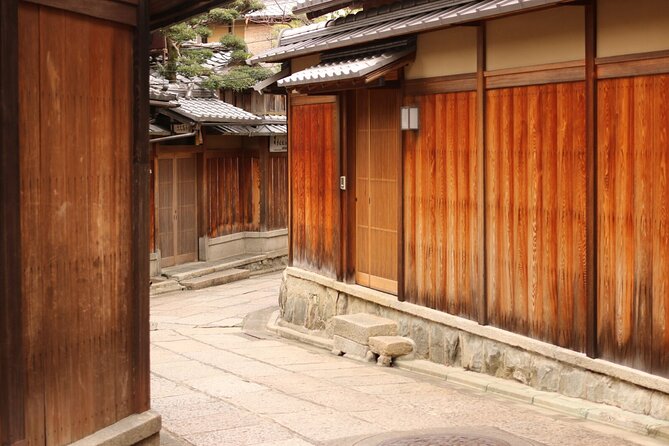
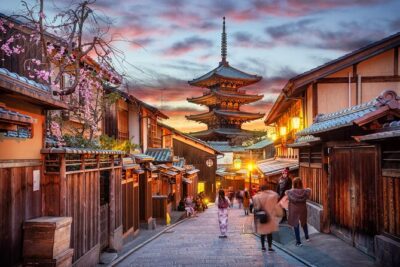
Between Gion and the final temple, you’ll stroll the cobblestone lanes of Ninenzaka and Sannenzaka. These streets are famous for atmosphere, and the tour uses them as a transition from big landmarks to everyday Kyoto sights.
This part of the day is valuable because it lets you process everything you’ve already seen. Fushimi Inari and Kennin-ji give you structure and meaning. Nishiki gives you flavor and energy. Now you get the in-between, the walking space where Kyoto feels lived-in.
If you like taking your time, this is where you can do it. You can slow down for small views between buildings and shopfronts, and you don’t feel like you’re “behind” on a schedule, because you’re in the softer part of the route.
Watch your step on the stones. They can be pretty, but they are not the same as flat pavement. Good shoes here are a real quality-of-life upgrade.
Still climbing through the orange gates?

Kiyomizu-dera: UNESCO architecture and end-of-day energy
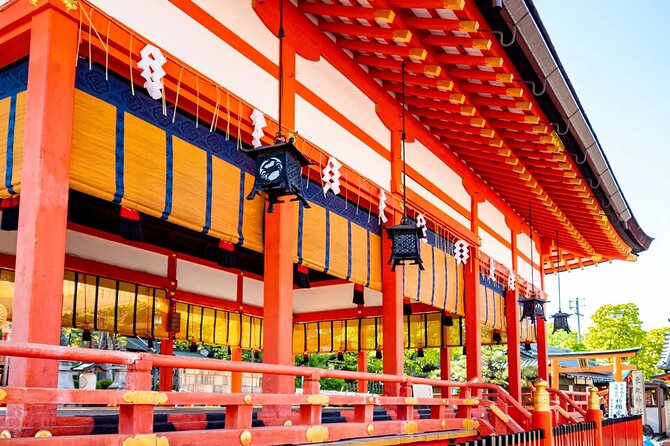
You finish at Kiyomizu-dera, a UNESCO World Heritage site. The temple is known for its famous waterfall within the complex, fed by water cascading down from a nearby hill, and the meaning behind the name connects to clear water.
You get about 1 hour 30 minutes here. That’s a solid amount of time to take in the main temple areas and also enjoy the views. Even if you aren’t the type who studies architecture, the scale and the setting do the work for you.
The best thing about ending here is emotional payoff. After a full day of gates, markets, and temple grounds, Kiyomizu-dera feels like a grand closing scene. The contrast is part of the charm: it’s not just more sightseeing, it’s the moment when the route clicks into place.
One planning note: because you end at a popular destination, expect crowds and limited space to stop in your favorite view spot. If you want photos, consider taking a few from different angles rather than trying to hold one perfect spot forever.
Price and value: is $149.95 worth it for an 8-hour day?
At $149.95 per person for about 8 hours, this tour feels most worth it when you value three things: guidance, logistics, and stress reduction.
You’re not just paying for a checklist of stops. Entrance fees for the included sites are part of the price, and train tickets are included too. That removes a chunk of decision-making, and it also helps keep the day moving without constant detours.
The mobile ticket is another small convenience win. You can show it as needed and keep your focus on the route, not paperwork.
You’re also getting an English-speaking guide for the full day, and the guide support seems to be a big part of the overall satisfaction. A guide who can keep the walk easy and informative makes the difference between rushing through Kyoto and actually understanding what you’re seeing.
If you love designing your own day and you’re comfortable navigating trains and crowds, you could plan this on your own. But if you want a structured route that stitches together major highlights and the right neighborhoods, the price starts to look fair.
Who this Kyoto Heritage Path works best for
This tour fits best if you want a guided Kyoto sampler that still includes major cultural anchors. You’ll likely enjoy it most if you like walking, like architecture and temples, and want help connecting what you see to what it means.
It’s also a good fit for many ages because the route is paced with stops rather than pure nonstop hiking. The group size cap at 18 helps keep things organized without feeling like a giant stampede.
If you hate group tours or you need frequent breaks with long sit-down time, you might find it less comfortable. You will be walking a lot, and you will need to manage meals since food and drinks are not included.
Should you book this Kyoto Heritage Path tour?
Yes, I think it’s a smart booking choice if you want a single, well-built day that covers Fushimi Inari, Nishiki Market, classic temple stops, Gion, and finishes at Kiyomizu-dera. The included entrance fees and train tickets do real work for your time and sanity.
I would book it if you like guided context, because the day is designed to make Kyoto feel connected. I would also book it if you prefer a smaller group, since 18 travelers keeps it manageable.
I would hesitate only if you want total freedom in timing and food choices, or if you struggle with long walking days, because about 8 hours on your feet is the core of this experience.
FAQ
How long is the Kyoto Heritage Path tour?
It runs for about 8 hours.
What does the tour cost?
The price is $149.95 per person.
Where do I meet the tour guide?
You meet at Starbucks Coffee Kyoto Tower Sando (Kyoto Tower Sando area), in Kyoto.
What time does the tour start?
The start time is 9:00 am.
Is lunch included in the price?
No. Food and drinks are not included, and you get time for lunch during the market stop.
Are entrance fees included?
Yes. Entrance fees for each included spot are included during the tour.
Are train tickets included?
Yes. Train tickets required for the tour are included.
What is the group size limit?
The tour has a maximum of 18 travelers.
Can I cancel and get a full refund?
Yes. You can cancel up to 24 hours in advance for a full refund.
Historical Tours of Kyoto
Temples and Shrines

New This Season
- Koyasan Day Trip by Private Car from Kyoto
- Old Port Town and Ultimate Sake Tasting Private Tour From Kyoto
- Kyoto’s Timeless Charm: 3hr Exploration of History and Peace
- Kyoto: 5 Types of Sushi Making
- Sacred Peak & Ancient Paths: Kurama-Kibune Hiking Experience
- Kyoto: Exclusive ZEN practice at Manpukuji temple in Uji
- Kyoto: Private Seasonal Aroma Yoga Class
- Traversing Kyoto’s Scenic West – Arashiyama to Kinkakuji
Fushimi Inari Shrine Walks, compared.
Fushimi Inari, Kinkakuji, Bamboo Grove 1 Day Bus Tour
Read our review →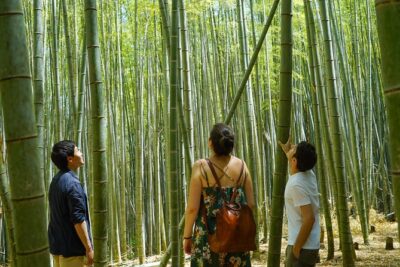
Fushimi Inari Hidden Hiking Tour (Private Option Available)
Read our review →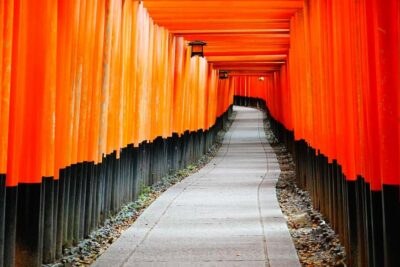
Kinkakuji,Arashiyama,FushimiInariShrine,NaraPark
Read our review →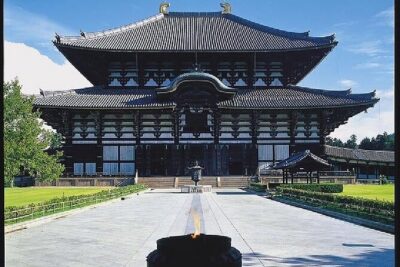
Nara, Fushimi Inari Taisha, Arashiyama Bus Tour
Read our review →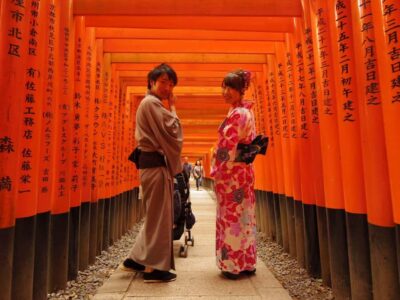
Arashiyama, Nara & Fushimi Inari Shrine w/Lunch
Read our review →
Nijo Castle, Kiyomizu & Fushimi Inari Guided Tour
Read our review →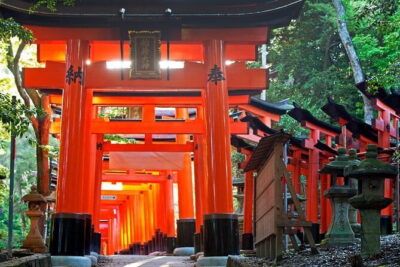
Nijo, Kinkaku-ji, Arashiyama, Kiyomizu & Fushimi Inari
Read our review →