
Reviewed · ARTISAN CRAFT WORKSHOPS
Kyoto: Kinsai Gold Craft and Tsutsugaki Technique Experience
Kyoto makes craft feel personal, not museum-still. This Kinsai gold craft experience gets you practicing the delicate Tsutsugaki technique and then applying it to your own design on a paulownia box. I also love how you see the gold leaf and gold powder materials up close in a working Kyoto studio, with clear English support. The main drawback to consider is that it takes real focus and fine motor control, so it may not feel comfortable if you expect a laid-back, casual activity.
You get 90 minutes, small group size limited to 4, and a take-home item you helped make, not just a souvenir photo. It is priced at $258 per person, and you should think of it as paying for materials, instruction, and the finished box in one package.
In This Review
- Key Things You Will Notice
- Kyoto Kinsai and Tsutsugaki: What You Are Really Learning
- Inside the Traditional Studio Before You Touch Anything
- The Tsutsugaki Technique Explained in Workshop Terms
- Your Hands-On Project: Gold Leaf, Gold Powder, and a Paulownia Box
- How Long It Takes, and How to Plan Your Day
- What the Small Group Size Changes (Up to 4 Participants)
- Price and Value: Is $258 Worth It?
- Who This Works For, and Who Should Skip It
- What to Do With Your Paulownia Box After You Leave
- Should You Book This Kyoto Tsutsugaki Workshop?
- FAQ
- What is the duration of the Kyoto Kinsai Gold Craft and Tsutsugaki Technique experience?
- How many people are in the group?
- Is the workshop taught in English?
- What will I create during the workshop?
- What is included in the price?
- What should I bring?
- Can I cancel and get a refund?
Key Things You Will Notice
- Tsutsugaki gold-line practice: learn the refined method that builds patterns with thin gold lines traced carefully.
- Gold leaf and gold powder materials: you get hands-on time with the materials Kinsai uses, not a vague demo.
- A working Kyoto studio visit: you watch artisans at work before you start your own box.
- Small group up to 4: more individual attention when you are trying to stay precise.
- Your finished paulownia box to take home: the best kind of souvenir, one you made.
Kyoto Kinsai and Tsutsugaki: What You Are Really Learning
This workshop is about Kinsai, a Kyoto craft that adds gold and silver leaf, or gold powder, onto everyday objects and textiles until they look ceremonial and expensive. Think of it as turning simple surfaces into designs with gentle brilliance, where the shine is controlled, not flashy.
Within Kinsai, you will focus on Tsutsugaki, a technique that is known for its delicate gold lines. In plain terms, the goal is to create clean outlines and refined linework that guides the design and creates that special Kyoto look. It is detailed work, the kind where slow and steady wins.
You also learn the story behind the technique, which helps the hands-on part click. Tsutsugaki evolved from a Yuzen dyeing related method called Itome, where glue is applied along outlines of patterns to separate colors. Those glue outlines were then traced with gold lines. Over time, the complexity of the method made it harder to pass on, and the technique faded for about 60 years, then returned in the early Showa era thanks to artisans who had specialized in glue application. Knowing that history helps you understand why the workshop treats precision like it matters.
Inside the Traditional Studio Before You Touch Anything
Before your hands get busy, you start in the studio where artisans work. This part is more than a quick look. It sets expectations for the skill level and the pace of the craft.
You will observe craftsmanship firsthand, including how gold leaf and gold powder fit into the process. Even if you do not speak Japanese, the materials and the tools tell the story. You can see the difference between work that is meant to look simple and work that is actually controlled down to tiny details.
There is also language support, and the workshop is taught in English. One verified review praised the translation as perfect, and that matches what you want here. When your activity depends on thin lines and careful steps, you need instructions that are accurate and easy to follow.
If you are sensitive to strong smells or messy substances, note that gold craft work can involve powders and adhesives. You are in a traditional studio, so you should expect a real working space, not a polished classroom.
Make something with a Kyoto craftsman
- Authentic knife making experience at a blacksmith in Kyoto
★ 4.8 · 350 reviews - Kyoto: Calligraphy class at Buddhist temple in city center
★ 5.0 · 167 reviews - Roketsu dyeing experience: M course Roketsu Dyeing Experience
★ 5.0 · 163 reviews - Kyoto: Japanese Calligraphy Class
★ 4.8 · 89 reviews
The Tsutsugaki Technique Explained in Workshop Terms
Tsutsugaki can sound technical. In practice, what you need to know is this: you are creating fine gold lines that follow the design plan. The technique relies on careful outlining, so your line quality affects the final look.
The workshop starts with instructions and guided practice. Skilled craftsmen support you as you learn the method. That matters because Tsutsugaki is not just about drawing. It is about the discipline of repeating precise motions, keeping alignment, and maintaining clean boundaries between parts of the design.
You will learn how Tsutsugaki connects back to Yuzen dyeing traditions. The technique is rooted in glue outlines that separate colors, then traced with gold. That is why your workshop plan emphasizes outlines and linework. You are not only making something pretty, you are reproducing a method built for clarity and refinement.
Your Hands-On Project: Gold Leaf, Gold Powder, and a Paulownia Box
Now comes the part you actually want to remember months later. You create your own original artwork on a specially provided paulownia box.
The box is important. Paulownia is a traditional Japanese material, and it gives the craft a sense of authenticity. You are not applying gold to a generic coaster. You are working with an item designed to be kept. The workshop gives you a finished piece you can store, display, or gift without it feeling like a disposable souvenir.
Materials included are gold leaf and gold powder, and you receive them as part of the workshop. You also get the language support staff and guidance, which helps you avoid the common frustration of DIY craft classes where the instructions stay unclear.
What to expect during your making time:
- You will follow steps for preparing and creating the design using the Tsutsugaki method.
- You will practice with guidance so you can reach a clean result even if you are a first-timer.
- You will complete an original artwork on your box, then take it home.
This is the kind of activity where your results improve as you calm down. If you rush, your lines will show it. If you slow down, your work starts to look intentional. You do not need to be an artist, but you do need a steady hand and patience.
How Long It Takes, and How to Plan Your Day
The experience lasts 90 minutes, which is a nice length for a craft workshop. Short enough to keep energy up, long enough to feel like you actually did something real with your hands.
You should plan around a working studio pace. You will go from observing the artisans, to receiving instruction, to practicing, and finally to creating your finished piece. The sequence matters because Tsutsugaki depends on understanding the logic of the technique, not just copying a final image.
One practical note: transportation to and from the workshop is not included, and meals and drinks are not included. So you will want to build time buffer around your pickup or your travel route. If you are pairing this with other Kyoto sights, give yourself breathing room. You are in a traditional studio, and you may want a little time to reset afterward.
Also, what you wear matters. Bring comfortable shoes and comfortable clothes. You will likely be standing and concentrating, and you want fabric that lets you focus without feeling restricted.
What the Small Group Size Changes (Up to 4 Participants)
This workshop is limited to 4 participants, which is a big deal for a technique as fine as Tsutsugaki. In a larger class, you often watch, follow along, and hope you do not get lost. Here, you get more chances to ask for help, and the instructors can spot small issues early, like line alignment or control.
If you like personal attention, this group size is one of the strongest value points. You can also learn faster because you see how the technique works from multiple angles. Even when everyone is working on the same overall craft steps, the final outcomes differ based on how people hold their tools and follow the outlines.
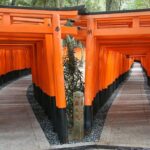
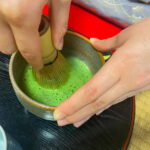
A day of temples goes further with something to break it up.


Price and Value: Is $258 Worth It?
At $258 per person, this is not a cheap “hands-on” activity. So you should judge it by what you get, not just the headline cost.
Here is what is included:
- Visit to the studio where artisans work
- Materials for the workshop, including gold leaf and gold powder
- Guidance by skilled craftsmen
- Your own crafted paulownia box to take home
- Language support staff
- English instruction
You are paying for more than a lesson. You are paying for rare-skill instruction and the physical materials and tools needed to do Kinsai properly, plus a take-home finished piece that is part of the craft tradition.
The price starts to make sense if you want a meaningful Kyoto souvenir and you value technique, not just a finished object. If you only want something quick and decorative, there are cheaper craft options. But if you want to understand how Kinsai and Tsutsugaki work, and you want an item you helped make, it feels closer to a private lesson plus a quality memento.
Who This Works For, and Who Should Skip It
This experience is best if you want craft with real discipline and you enjoy calm, careful work. You will get the most satisfaction if you like details, clean lines, and learning how a traditional method is actually executed.
It is not listed as suitable for:
- Children under 10 years, and also not suitable for children under 11 years
- People with mobility impairments
- Wheelchair users
- Babies under 1 year
So if you have any mobility constraints, you should treat this as a no-go. The info suggests the studio setup and the nature of the hands-on technique do not align with wheelchair access.
If you are a beginner, the workshop is still designed for comfortable participation because craftsmen provide clear guidance. The challenge is not “experience level,” it is focus and precision.
What to Do With Your Paulownia Box After You Leave
After 90 minutes, you take home your uniquely crafted paulownia box. This is where the experience really pays off long after the class.
Keep in mind:
- You will likely want to store it carefully so the gold lines and surface finish stay intact.
- It can also be a great conversation piece when people ask what you did in Kyoto.
Because it is a traditionally framed material and a handcrafted outcome, it tends to feel more meaningful than a mass-made souvenir. You will remember the process, and your box will remind you of the Tsutsugaki method you practiced.
Should You Book This Kyoto Tsutsugaki Workshop?
Book it if you want a Kyoto craft experience that is specific, hands-on, and tied to a technique with real historical depth. The small group size, English instruction, and studio visit make it practical, and the take-home paulownia box makes it feel like a real value purchase, not a disposable activity.
Skip it if you want something very fast-paced, if you need an activity that is fully accessible for mobility needs, or if you expect a casual class with minimal concentration. Tsutsugaki is precise work, and that is part of its charm.
If you are the type of traveler who likes to slow down and learn a method rather than just collect photos, this workshop is a strong fit for your Kyoto schedule.
FAQ
What is the duration of the Kyoto Kinsai Gold Craft and Tsutsugaki Technique experience?
The experience lasts 90 minutes.
How many people are in the group?
The group is small, limited to 4 participants.
Is the workshop taught in English?
Yes. The instructor is English, and there is language support staff.
What will I create during the workshop?
You will create your own original artwork on a specially provided paulownia box using gold leaf and gold powder and practicing the Tsutsugaki technique.
What is included in the price?
The price includes a studio visit, workshop materials (including gold leaf and gold powder), guidance by skilled craftsmen, your crafted paulownia box to take home, and language support staff.
What should I bring?
Bring comfortable shoes and comfortable clothes.
Can I cancel and get a refund?
Free cancellation is available up to 24 hours in advance for a full refund.
New This Season
- Koyasan Day Trip by Private Car from Kyoto
- Old Port Town and Ultimate Sake Tasting Private Tour From Kyoto
- Kyoto’s Timeless Charm: 3hr Exploration of History and Peace
- Kyoto: 5 Types of Sushi Making
- Sacred Peak & Ancient Paths: Kurama-Kibune Hiking Experience
- Kyoto: Exclusive ZEN practice at Manpukuji temple in Uji
- Traversing Kyoto’s Scenic West – Arashiyama to Kinkakuji
- Kyoto: Private Seasonal Aroma Yoga Class
Artisan Craft Workshops, compared.
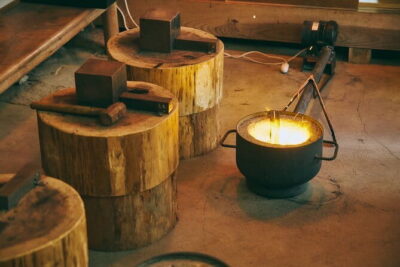
Authentic knife making experience at a blacksmith in Kyoto
Read our review →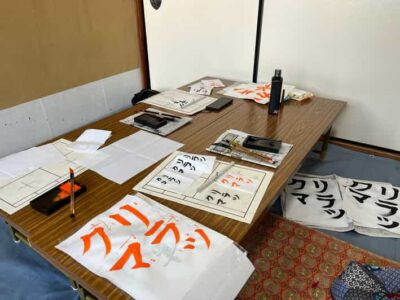
Calligraphy class at Buddhist temple in city center
Read our review →
Roketsu dyeing experience: M course Roketsu Dyeing Experience
Read our review →

Traditional Japanese Washi Papermaking- Kyoto morning
Read our review →
Also filed under