
Reviewed · SUSHI-MAKING WORKSHOPS
Kyoto: Making Sushi Art & Maki sushi class
Kyoto sushi turns into your own craft. I love the hands-on push to make nigiri-zushi and Kyoto stick sushi, and I love that the instructor is a licensed chef with a background that started at 19 in a famous sushi restaurant. One thing to consider is the class is only two hours, so you make about 8 pieces plus one stick rather than a big, hours-long meal.
This is structured like a real sushi workflow: a chef demo, then you take over at your station with guidance. You finish by eating what you made, with miso soup included, and you get time for optional sake pairing. It keeps the lesson practical, not just a performance.
It is offered as a private group class, taught in Japanese and English. You can also add a sake set with three kinds for comparison, and you end with a Sushi Chef Experience Diploma plus staff help for photos.
In This Review
- Key takeaways before you go
- Kyoto sushi art class: what you’ll actually make
- The chef factor: why this lesson feels different
- 16:00 registration to 16:15 demo: set-up and expectations
- 16:30 hands-on practice: nigiri and stick sushi at your pace
- 17:15 tasting window: miso soup and optional sake pairings
- Why the diploma and photos matter more than you think
- Value check: $116 for 2 hours, with real chef instruction
- Who this Kyoto sushi art class suits best
- Practical tips to make the most of your 2-hour session
- Should you book this Kyoto sushi art and maki class?
Key takeaways before you go
- Two sushi styles in one sitting: nigiri-zushi and Kyoto traditional stick sushi
- A serious chef background: licensed sushi chef, started apprenticeship at 19, trained for 20 years
- Hands-on practice: you shape, make, and eat your own sushi
- Built-in tasting: miso soup included, plus optional sake set with 3 kinds
- Private, intimate feel: English support so you can follow along and ask questions
- Take-home souvenir: graduation certificate and staff photo support
Kyoto sushi art class: what you’ll actually make
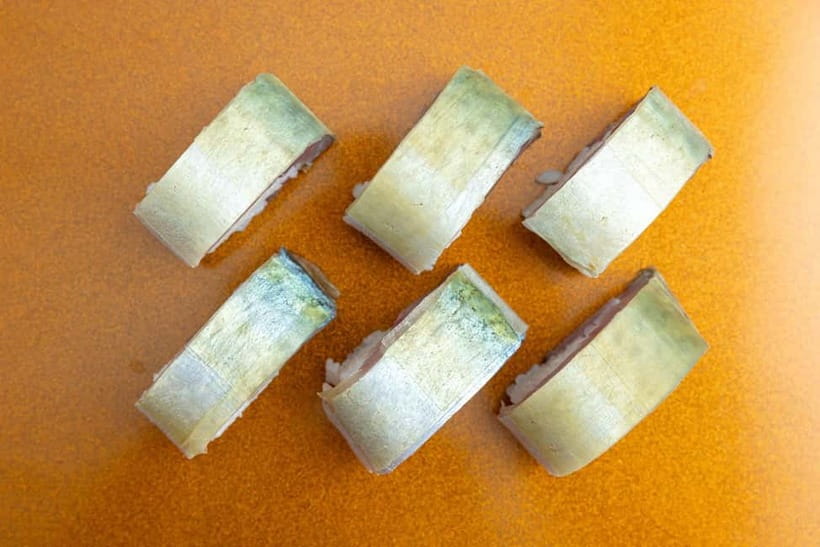
This class is built around two things. First, you make nigiri-zushi, the classic hand-formed sushi. Second, you also make Kyoto-style traditional stick sushi, which is essentially a maki format that you shape by hand.
That combo matters because it forces you to learn more than one approach. Nigiri teaches rice handling and topping placement. Stick sushi teaches rolling and shaping in a way that feels very Kyoto, not just generic sushi.
The portion is intentionally modest for the time window. You’ll make around 8 pieces plus one stick, so plan to treat this as a lesson plus a satisfying tasting, not a full dinner.
The chef factor: why this lesson feels different
A lot of cooking classes show you steps. This one leans on the instructor’s professional track record, and that changes the pacing.
The chef leading you has a chef’s license and also a license to cook fugu, blowfish. He began his apprenticeship at a famous sushi restaurant at age 19 and has been honing skills for 20 years. After that training, he relocated to Kyoto and now runs sushi academies and even sushi experiences for hotels and ryokans.
In practice, what you get from that background is clearer instruction. You’re not just following motions, you’re learning the why behind the technique, and you get patient coaching while you work.
Learn to roll your own sushi
- Sushi Making in Kyoto! Same-day bookings welcome!
★ 5.0 · 713 reviews - The Original Small-Group Sushi Making Class in Kyoto
★ 5.0 · 436 reviews - Kyoto: Small-Group Authentic Sushi Making Workshop
★ 5.0 · 137 reviews - Sushi – Authentic Japanese Cooking Class – the best souvenir from Kyoto!
★ 5.0 · 93 reviews
16:00 registration to 16:15 demo: set-up and expectations
You start at 16:00 with registration, then you put on an apron. That little step is more than ceremonial. It signals that you’re about to work with rice and toppings the way a kitchen does, with attention and focus.
At 16:15, the chef demonstrates both nigiri and the Kyoto stick sushi. This is your blueprint moment. You watch how he handles the rice, how he positions toppings, and how he structures the process so it stays clean and repeatable.
The main benefit here is timing. You’re not guessing your way through later. By the time you start making, you already know what good form looks like.
16:30 hands-on practice: nigiri and stick sushi at your pace
At 16:30, you get into the real work: making nigiri-zushi and maki, including Kyoto-style stick sushi. The class guidance is direct, and you practice the full sequence rather than stopping at one step.
You’ll form the pieces yourself, then taste them. That you can eat what you made is key for learning. It turns the lesson into feedback you can actually trust.
One practical consideration: with only two hours total, you need to stay present. You will move from demo to production quickly, so if you get distracted, you’ll feel the pressure. The flip side is that you avoid the common problem of long lessons where you never quite finish learning.
17:15 tasting window: miso soup and optional sake pairings
Your tasting happens after the making phase, around 17:15. You’re not left with just leftovers, the experience is designed so you sit down and enjoy what you produced.
Miso soup is included as part of the sushi experience. It’s a grounding palate cleanser, and it also helps you stay comfortable while you learn. Sushi is lighter than many hot meals, so miso adds warmth and balance.
If you want to go further, there’s an optional sake drinking set with three kinds for comparison. The program price includes sushi and miso, while the sake add-on is $20. This option is worth considering if you’re the type who likes to map flavors, because sake can change how you perceive rice, fat, and acidity in the toppings.
Why the diploma and photos matter more than you think
At the end, you graduate. Around 18:00, you receive your certificate, and staff assist with commemorative photos. That might sound like a standard add-on, but it’s useful.
First, the certificate gives structure to the memory. You leave with a clear marker that you completed a skill-focused session, not just a tasting stop.
Second, the photo support helps you capture the moment while the details are fresh. Sushi classes look good on camera, but most people fumble the timing and angles while they’re working. Here, the staff helps so you can keep your hands on the food and still get good photos.
A quieter way to spend a day in Kyoto
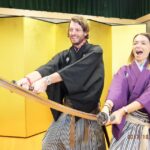
Value check: $116 for 2 hours, with real chef instruction
At $116 per person for a two-hour class, you’re paying for more than ingredients. You’re paying for expert guidance, a licensed chef, and a structured experience that includes what you eat.
Here’s how the value stacks up based on what’s included:
- Sushi experience, including nigiri and stick sushi
- The meal component, plus miso soup
- The diploma
- Souvenir photo support
Then there’s the optional sake set for $20, which gives you a built-in way to compare three kinds. If you’re curious about sake pairing, that extra cost can feel reasonable because it turns tasting into an organized part of the lesson.
What you should watch for is that the class is private, which usually means higher pricing but more attention. If you want one-on-one time, that matters. If you’re looking for a cheaper hands-on activity, you might decide this is more than you need. Still, the combination of professional chef credentials and the fact you make and eat both styles is the core of what you’re paying for.
Who this Kyoto sushi art class suits best
This fits best if you want a skill lesson, not a passive meal. If you care about doing things correctly and you enjoy learning technique, you’ll get a lot out of the chef demo and then the supervised practice.
It’s also ideal if you like intimate experiences. The class is run as a private group, with English instruction support. That helps if you don’t read Japanese menus but you want to understand the process.
Consider skipping or adjusting expectations if you mainly want a large dinner. The making portion is limited by time, and you only produce about 8 pieces plus one stick. You’ll likely want something else for a full food day.
Practical tips to make the most of your 2-hour session
You’ll get the best results when you treat this like a short workshop, not a leisurely sightseeing stop. Be mentally ready at the start time so you can absorb the chef demonstration at 16:15 and then move into production at 16:30.
Since the class includes tasting, you may want to show up ready to eat. Sushi and miso are part of the session, and optional sake is only available if you add the $20 set.
Also note the rules: smoking is not allowed. If you’re a smoker, plan to avoid it before class so you stay comfortable and focused.
Finally, use your questions. The chef teaches in Japanese and English, and the private format gives you a better shot at getting clear answers than in a big group.
Should you book this Kyoto sushi art and maki class?
Book it if you want hands-on sushi technique with a chef who has serious credentials. You get both nigiri-zushi and Kyoto stick sushi, then you eat what you made, with miso soup included. The private setting, English support, and take-home diploma and photo support make it feel like a real experience, not just a snack lesson.
Skip it or pair it with another meal if you’re hunting for a long, heavy dining event. The time is tight, and you make a limited number of pieces.
If you want a Kyoto activity that’s practical, skill-based, and memorable the moment you taste it, this is a strong pick.
New This Season
- Koyasan Day Trip by Private Car from Kyoto
- Old Port Town and Ultimate Sake Tasting Private Tour From Kyoto
- Kyoto’s Timeless Charm: 3hr Exploration of History and Peace
- Kyoto: 5 Types of Sushi Making
- Sacred Peak & Ancient Paths: Kurama-Kibune Hiking Experience
- Kyoto: Exclusive ZEN practice at Manpukuji temple in Uji
- Kyoto: Private Seasonal Aroma Yoga Class
- Traversing Kyoto’s Scenic West – Arashiyama to Kinkakuji
Sushi-Making Workshops, compared.
Sushi Making in Kyoto! Same-day bookings welcome!
Read our review →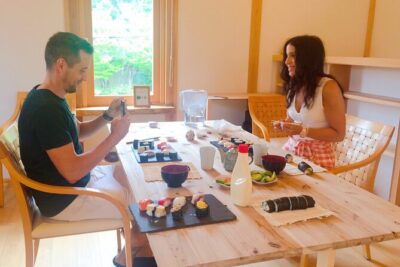
The Original Small-Group Sushi Making Class in Kyoto
Read our review →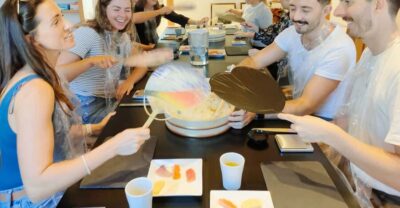
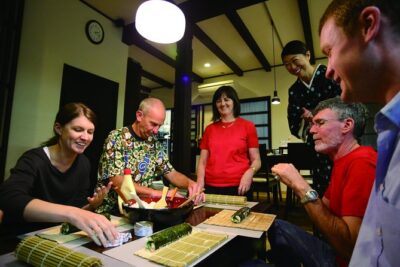
Sushi – Authentic Japanese Cooking Class – the best souvenir from Kyoto!
Read our review →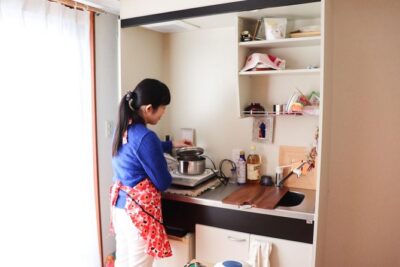
Private Kyoto Sushi Cooking Class & Tea Ceremony with Emika
Read our review →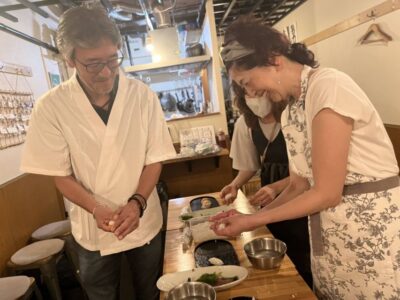
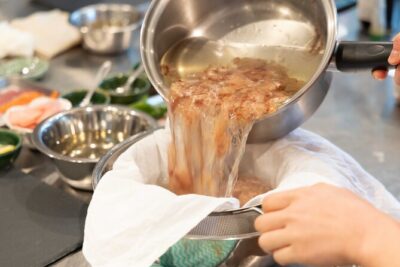
Enjoy Sushi & Market Tour! Best for Family & Couple!
Read our review →
Sushi or Traditional Japanese Cuisine in a Kyoto Home with Emika
Read our review →Also filed under