
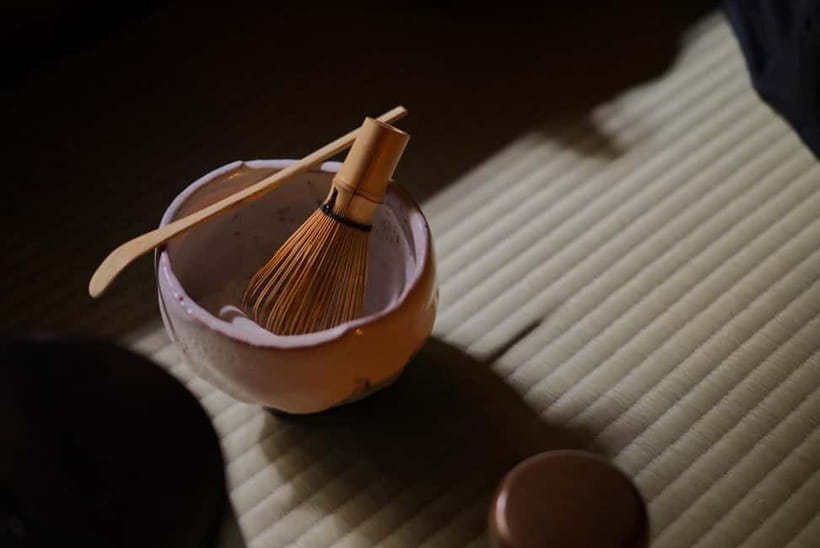
Reviewed · TEA CEREMONIES
Kyoto: Mindful Tea Ceremony in 100-Year-Old Teahouse
Candlelight and matcha, in quiet Kyoto. At Oboro, the candlelit setting inside a 100-year-old teahouse turns a simple drink into a sensory pause you can feel.
What I liked most was the calm, low-distraction atmosphere that helps your mind slow down fast, and the host’s approach to matcha that feels welcoming rather than rule-heavy. You watch, you learn, and you get to ask questions without the ceremony turning into a test.
The only real consideration is the ceremony asks for quiet and punctuality, plus socks only once shoes come off. If you’re dealing with mobility limits like back pain, or you need wheelchair access, this one may not suit you.
In This Review
- Key things that make this Kyoto tea ceremony work
- Why this 100-year-old teahouse makes the matcha taste better
- The 45-minute flow, welcome sweets to final candle
- 1) Arrival and quick orientation
- 2) Welcome tea with seasonal sweets
- 3) Main tearoom: low distractions, higher awareness
- 4) The host prepares each bowl of tea for you
- 5) Drink slowly, notice the warmth and the taste
- 6) A small handmade candle to take home
- How the matcha steps actually work, purification to whisking
- Candlelight mindfulness, what you feel and what you miss
- English instruction and the small-group advantage
- Price and value: is $45 a fair deal for Kyoto?
- Practical notes: socks, shoes off, quiet rules, and photography
- What to bring and wear
- Quiet environment rules
- Photography
- Not suitable for everyone
- Meeting point
- Should you book this Kyoto mindful tea ceremony?
- FAQ
- How long is the Kyoto tea ceremony at Oboro?
- Is the instruction offered in English?
- What is the price per person?
- What should I bring and what should I wear?
- Is flash photography allowed?
- What happens if I arrive late?
- Is this activity suitable for kids or wheelchair users?
- In summer, do they use regular hot water?
Key things that make this Kyoto tea ceremony work
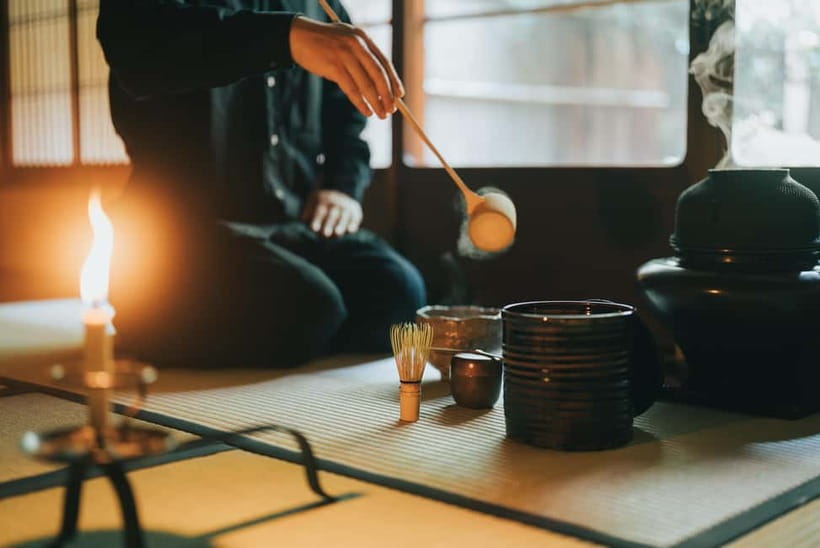
- Candlelight-first mood that softens the room and sharpens your senses
- A newcomer-friendly flow with gentle guidance and room to observe quietly
- Real matcha technique explained while the host purifies tools and whisks properly
- Sensory details on purpose, like water simmer sounds and the aroma of fresh matcha
- A small group size (up to 8) that keeps the pace unhurried
Why this 100-year-old teahouse makes the matcha taste better
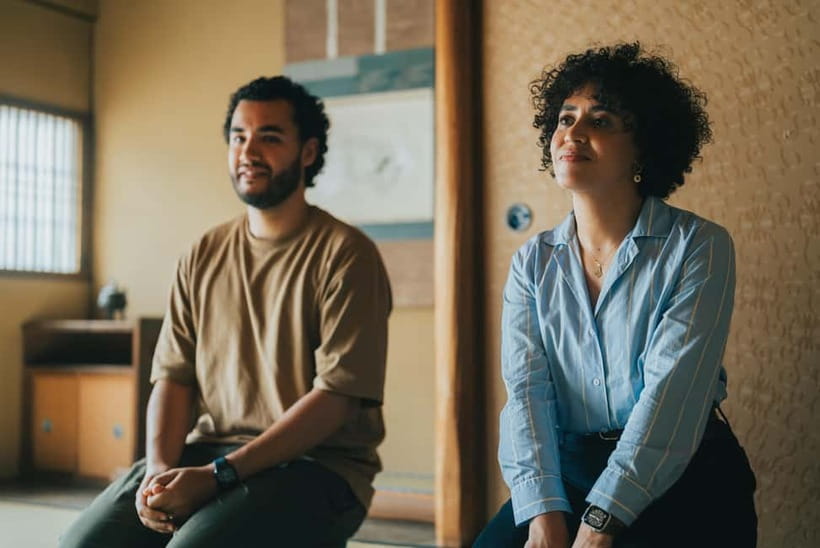
Kyoto can feel like a highlight reel: temples, crowds, photos, repeat. This experience is the opposite. You step into a softly lit room where the light is warm, not harsh, and the whole space nudges you to lower your volume and your speed.
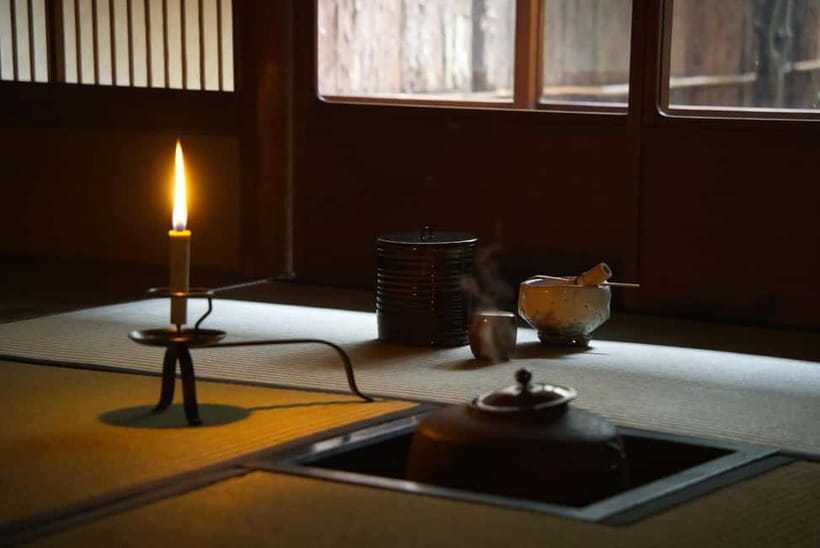
The teahouse itself is a big part of why the tea ceremony lands. It’s minimal. That matters. When there’s less visual noise, you notice tiny things: the faint smell of matcha, the sound of water simmering nearby, the quiet rhythm of the host’s movements. Several people have also mentioned the garden view through the window, and that makes sense. Natural framing outdoors plus candlelight indoors is an easy formula for calm.
The result is not just a nice break. It’s a reset. You don’t leave feeling like you watched someone do a performance. You leave feeling like you remembered how to pay attention.
The 45-minute flow, welcome sweets to final candle
This is a tight, well-paced 45 minutes. It’s long enough to learn the basics and experience the calm, but short enough that you won’t spend your whole day sitting down.
Here’s how the session typically unfolds:
More bowls, poured the traditional way
- Kyoto: Tea Ceremony in a Traditional Tea House in Kiyomizu
★ 4.9 · 3,519 reviews - Kyoto: Tea Ceremony Ju-An at Jotokuji Temple
★ 4.9 · 3,207 reviews - Kyoto: 45-Minute Tea Ceremony Lesson Experience
★ 4.3 · 2,378 reviews - Kyoto: Table-Style Tea Ceremony at a Kyo-Machiya
★ 4.9 · 1,211 reviews
1) Arrival and quick orientation
You arrive, store your belongings if needed, and meet the host. Then you get a brief walkthrough of how the ceremony flows. This is a small thing, but it helps. When you understand what happens next, you relax and stop guessing.
2) Welcome tea with seasonal sweets
Before you go to the main tearoom, you’ll enjoy a welcome tea plus seasonal sweets. The sweets are there for a reason: they gently guide your taste so the matcha later feels more nuanced.
If you’re the kind of person who thinks tea is tea, this part often changes your mind. The combination of warm flavors and quiet pacing makes the whole experience feel slower and more intentional.
3) Main tearoom: low distractions, higher awareness
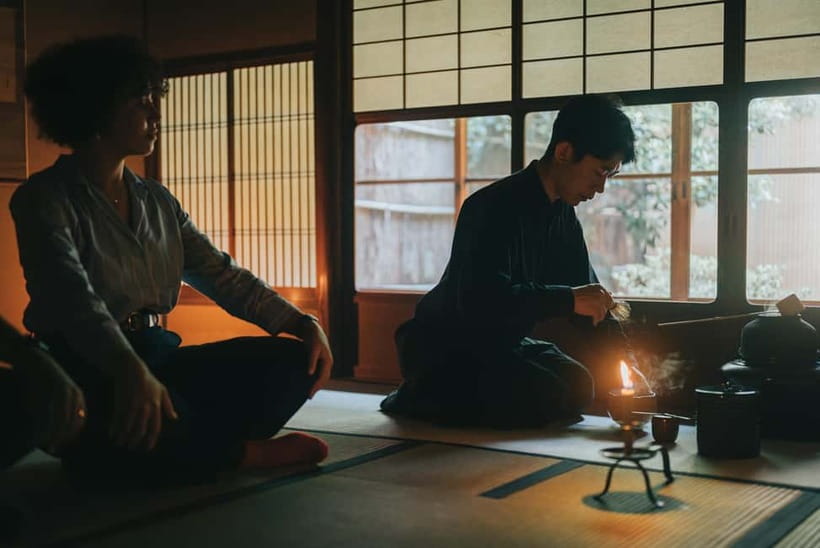
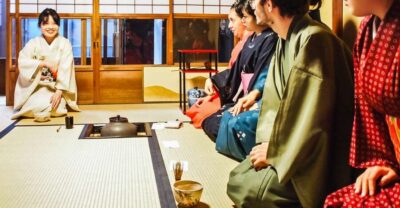
Next, you move to the main tearoom. The room is designed to minimize distractions. You’ll notice candlelight, simple décor, and a focus on sensory cues instead of spectacle.
You can observe quietly, ask questions, or simply sit with the shared quiet. The ceremony keeps moving, but the pace stays gentle.
4) The host prepares each bowl of tea for you
In the main portion, the host prepares each bowl of matcha. The steps are practical and easy to follow, even if you’re new. Expect to see:
- Purifying utensils first
- Whisking the matcha properly
- Presenting the bowl with a graceful bow
That bow is not just a flourish. It frames the next moments as something you do with respect, not rush through.
A day of temples goes further with something to break it up.
5) Drink slowly, notice the warmth and the taste
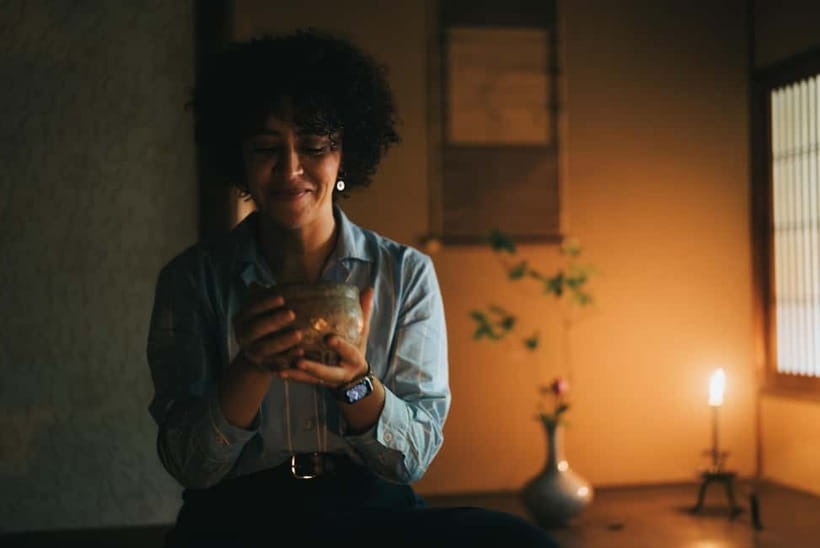
When your bowl is ready, you lift it gently and take your sip. Then you take time to notice the tea’s flavor and comfort. The warmth of matcha is physical, not just emotional.
6) A small handmade candle to take home
To close, you receive a small handmade candle. It’s a simple souvenir, but it matches the tone of the whole experience. You don’t bring home a fridge magnet. You bring home a reminder to slow down.
How the matcha steps actually work, purification to whisking
Even when a ceremony looks elegant, it can be frustrating if you don’t understand what’s happening. Here, the host’s guidance keeps it grounded in process.
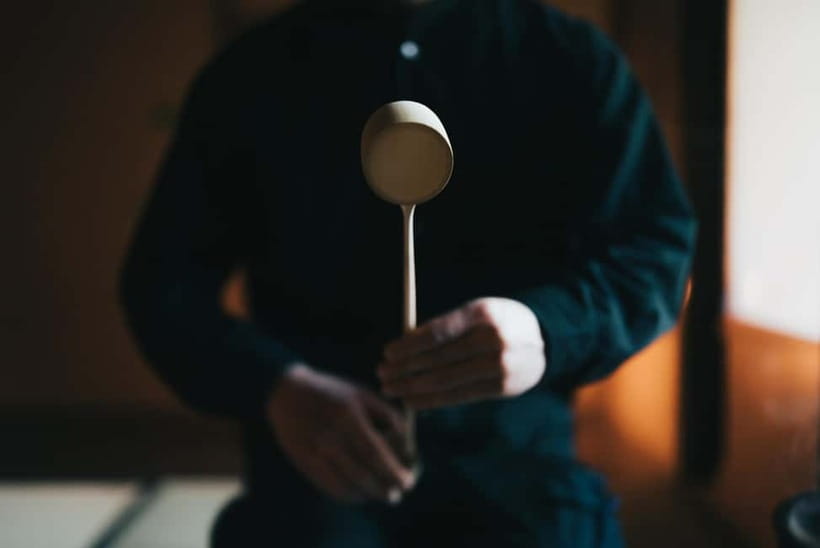
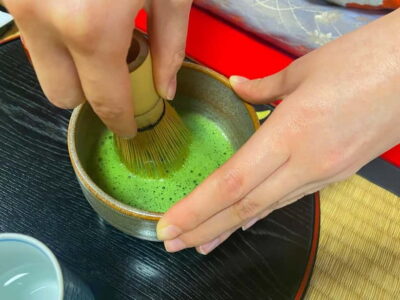
Purifying utensils is the first step you’ll notice. It signals clean intention and proper handling. Then comes whisking. The host will show you how the matcha gets mixed into a smooth, frothy bowl.
If you’re a matcha beginner, the key is that the experience doesn’t demand perfection from you. The host does the main technique. Your part is observation, learning what matters, and then tasting with attention.
There’s also a gentle flexibility that helps newcomers. The atmosphere is calm, and the guidance is more like support than strict instruction. That means you can ask basic questions without worrying you’re asking something wrong.
One useful seasonal note: in summer, the ceremony may use chilled water and ice. If you’re visiting during hot months, that’s good to know. It changes the feel of the ceremony and how the tea experience lands in your body.
Candlelight mindfulness, what you feel and what you miss
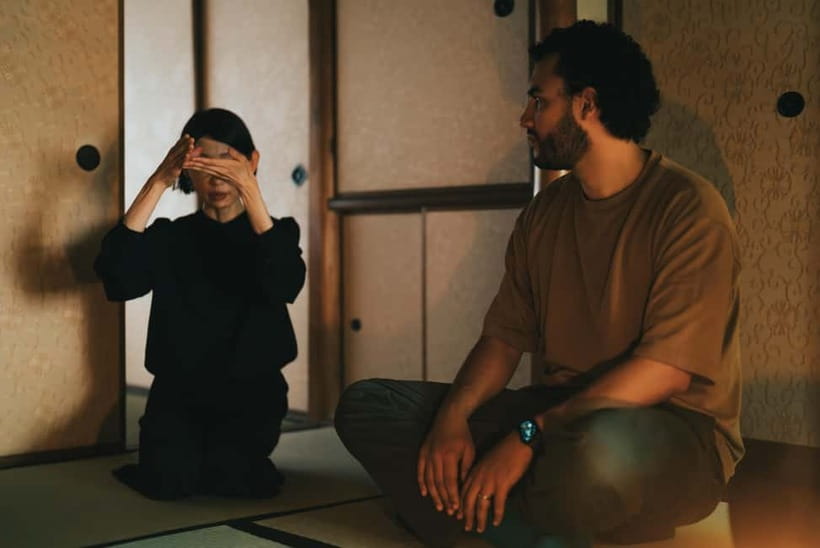
Oboro’s candlelit approach isn’t aesthetic fluff. Candlelight replaces overhead lighting with something softer, and that changes your behavior right away. You naturally lower your eyes and your voice. You stop fidgeting.
You also start noticing small cues your busy days usually drown out. The sound of water simmering becomes part of the background rhythm. The aroma of matcha becomes easier to detect. Your hands, when you lift the bowl, move more slowly because the room asks for it.
That’s the magic, and it’s also why you might miss this if you’re expecting a traditional performance with lots of dramatic rules. The experience blends ceremonial roots with gentle guidance. It feels authentic, but not intimidating.
So if you want calm, quiet, and a sensory lesson in how to drink matcha well, this format works. If you want a loud, fast, itinerary-style attraction, it’ll feel too slow.
English instruction and the small-group advantage
This is an English-led ceremony, and that matters in Kyoto where some experiences assume you already know the etiquette. Here, instruction is built for clarity.
The group is limited to 8 participants. In practice, that helps you actually hear what the host explains. It also helps the tone stay personal. With fewer people, the host can move at a mindful pace instead of rushing to keep everyone together.
Also, the host presence seems to be a standout from past sessions. Names like Naoki and Taku come up repeatedly in connection with welcoming, calm guidance. Even if you don’t recognize the name beforehand, you’ll likely notice the same style: patient explanations, a warm tone, and answers that help you connect the steps to meaning.
Price and value: is $45 a fair deal for Kyoto?
At $45 per person for about 45 minutes, you’re paying for an intimate cultural experience, not a take-a-picture attraction. The value is strongest if you care about how things are done, not just seeing them once.
Here’s what’s included, which affects value more than the headline price:
- Expert instruction in English
- All necessary tea ceremony equipment
- Seasonal sweets to complement the tea
- The candlelight matcha experience
- A small handmade candle to take home
What’s not included:
- Meals
- Hotel pickup and drop-off
So you’re basically buying access to a focused, guided session in a real teahouse setting, plus the tasting and the take-home reminder. If you’re budgeting, think of it as paying for calm instruction and a crafted cultural moment, not for a meal.
I’d also say it’s a good fit when you want balance. Kyoto can be intense. This is one of those experiences that gives your day structure without adding stress.
Practical notes: socks, shoes off, quiet rules, and photography
This is where people often decide whether the experience will be comfortable.
What to bring and wear
- Comfortable clothes
- Socks
Shoes must be removed, so socks are not optional.
Quiet environment rules
You’ll need to maintain silence. This isn’t a “talk if you want” kind of session. The entire point is a calm room and slow attention.
You also need to arrive early. Plan to be there 10 minutes before. If you’re more than 10 minutes late, you will not be allowed to enter the session.
Photography
Photography is allowed without flash. No flash matters because it keeps the candlelit mood intact.
Not suitable for everyone
This experience is listed as not suitable for:
- Children under 6
- People with back problems
- Wheelchair users
If you have mobility concerns, sit comfortably with that in mind. The room is traditional and focused on stillness, not on easy chair access.
Meeting point
If you’re trying to find it, search for Oboro: Mindful Tea Ceremony on Google Maps. It’s the simplest way to avoid a time-wasting detour in Kyoto.
Should you book this Kyoto mindful tea ceremony?
Book it if you want a calmer side of Kyoto and you’re excited about tasting matcha with attention. It’s especially worth it if you like cultural experiences that explain the meaning behind the steps, not just the steps themselves.
Skip or reconsider if you’re looking for something fast, loud, or flexible with timing. This one relies on quiet, punctual arrival, and a comfortable seated setup. If you’re traveling with mobility limits, take the not-suitable notes seriously.
My bottom line: if you’re even a little curious about matcha, this is a high-value use of a small chunk of your day. You’ll likely leave with more than tea. You’ll leave with a new pace.
FAQ
How long is the Kyoto tea ceremony at Oboro?
The ceremony lasts 45 minutes.
Is the instruction offered in English?
Yes, the instructor provides instruction in English.
What is the price per person?
The price is $45 per person.
What should I bring and what should I wear?
Bring comfortable clothes and socks. Shoes must be removed during the session.
Is flash photography allowed?
No. Flash photography is not allowed, but photography without flash is allowed.
What happens if I arrive late?
You should arrive 10 minutes early to prepare. If you are more than 10 minutes late, you will not be allowed to enter the session.
Is this activity suitable for kids or wheelchair users?
It is not suitable for children under 6 and it is not suitable for wheelchair users. It is also noted as not suitable for people with back problems.
In summer, do they use regular hot water?
In summer, the ceremony may use chilled water and ice.
New This Season
- Koyasan Day Trip by Private Car from Kyoto
- Old Port Town and Ultimate Sake Tasting Private Tour From Kyoto
- Kyoto’s Timeless Charm: 3hr Exploration of History and Peace
- Kyoto: 5 Types of Sushi Making
- Sacred Peak & Ancient Paths: Kurama-Kibune Hiking Experience
- Kyoto: Exclusive ZEN practice at Manpukuji temple in Uji
- Traversing Kyoto’s Scenic West – Arashiyama to Kinkakuji
- Kyoto: Private Seasonal Aroma Yoga Class
Tea Ceremonies, compared.
Tea Ceremony in a Traditional Tea House in Kiyomizu
Read our review →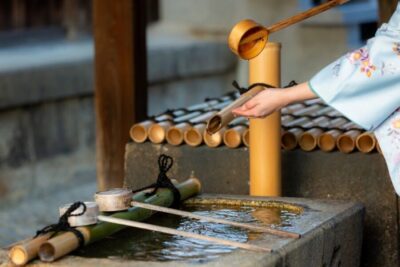
Kimono Tea Ceremony at Kyoto Maikoya, NISHIKI
Read our review →
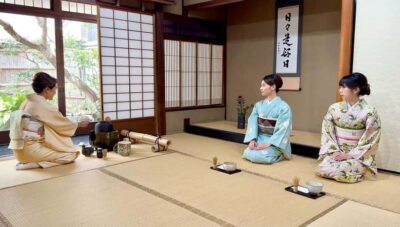
Tea Ceremony in 100-year-old Kyo-Machiya Townhouse
Read our review →
Also filed under