Reviewed · FUSHIMI INARI SHRINE WALKS
Kyoto & Nara Day Tour: Golden Pavilion, Fushimi Inari & Deer Park
Golden Pavilion in the morning light feels like a cheat code for Kyoto. This day tour strings together Kinkakuji, Fushimi Inari, and Nara’s sacred deer with a tight schedule and guided storytelling to keep the day moving in the right order. It’s built for travelers who want major sights without wrestling transit.
I especially like the time value: big blocks for Fushimi Inari and Nara, plus shorter, focused stops for Kinkakuji and Arashiyama. I also like that key admission tickets are included, so you spend less time figuring out what’s paid and what’s not.
The main thing to consider is that the plan can shift, especially around year-end and New Year’s when traffic restrictions may prevent a stop at Fushimi Inari. If that shrine is your top priority, you’ll want to confirm what’s feasible for your exact dates.
In This Review
- Key highlights you’ll actually feel on the ground
- A One-Day Route That Stacks Kyoto’s Icons
- Meeting Point and Timing, So You Don’t Lose Prime Walking Time
- Golden Pavilion Kinkakuji: Gold Reflections and a Calm Walk
- Fushimi Inari’s Torii Tunnel: Your Best Stretch for Views
- Arashiyama Bamboo Forest and Tenryu-ji: A Quiet Patch in the Middle
- Togetsukyo Bridge: The Short Photo Break That Adds Context
- Nara Deer Park and Todaiji’s Giant Buddha: The Emotional Payoff
- Price and Value: Why $93 Can Work for the Right Person
- Group Size, Guide Style, and Communication That Matters
- Who Should Book This Kyoto and Nara Day Tour
- Practical Tips for Making the Most of the Day
- Should You Book This Kyoto and Nara Day Tour?
- FAQ
- How long is the Kyoto and Nara day tour?
- What time does the tour depart?
- Where do you meet for the tour?
- Is transportation included?
- Which temple or attraction tickets are included?
- Are meals or drinks included?
- How many stops are included, and how long are they?
- Is Arashiyama Bamboo Forest included every time?
- Is there any situation where Fushimi Inari might not be visited?
- What is the cancellation policy?
Key highlights you’ll actually feel on the ground
- Guaranteed entry for Kinkakuji and Fushimi Inari, so you can spend your time walking, not waiting.
- A long, rewarding Fushimi Inari window (about 1 hour 20 minutes), including time to climb toward the halfway point views.
- Arashiyama bamboo and Tenryu-ji in one stretch, which makes the Arashiyama area less chaotic.
- Nara Deer Park with deer-cracker feeding time, plus the Todaiji giant Buddha moment.
- Small-group style, up to 40 people, which helps keep the day from feeling like a cattle line.
- Use of WhatsApp for communication in at least some cases, which can help if plans change.
A One-Day Route That Stacks Kyoto’s Icons
This is the kind of Kyoto and Nara day tour that makes sense when you have limited time. You get one of Kyoto’s most photographed temples, one of Japan’s most famous shrine walks, a signature Arashiyama nature stop, then you hop to Nara for deer and the Great Buddha at Todaiji.
The big win is pacing. The day is organized so you’re not bouncing randomly across the city, and each stop gets a set amount of time, from 20 minutes at Togetsukyo Bridge to 1 hour 20 minutes at Fushimi Inari and Nara Deer Park.
The order also matters. Starting with Kinkakuji first, then moving through Kyoto’s shrine and Arashiyama highlights before heading to Nara, keeps the day from feeling like one long sprint with no breathing room.
Meeting Point and Timing, So You Don’t Lose Prime Walking Time
You’ll meet at a Kyoto VIP Lounge setup, and the tour departs at 9:00 AM from VIP Villa Namba. It’s also noted that you should arrive 10 minutes early because the group leaves on time.
The total day runs about 10 to 11 hours, and the remaining time is allocated to transfers from meeting point and between the sights. Translation: don’t plan an evening after this tour unless you’re comfortable with being tired. This is a full day, not a relaxed sampler.
One practical perk is the air-conditioned vehicle for round-trip transport. In Kyoto heat and humidity (or any rainy mood), that alone can make the day feel easier.
Kinkaku-ji's gold roof over still water
- Kyoto: Fushimi Inari, Kinkakuji, Bamboo Grove 1 Day Bus Tour
★ 4.8 · 4,316 reviews - Osaka/Kyoto:Kinkakuji,Arashiyama,FushimiInariShrine,NaraPark
★ 4.1 · 1,596 reviews - Kyoto: Nijo, Kinkaku-ji, Arashiyama, Kiyomizu & Fushimi Inari
★ 5.0 · 699 reviews - Kyoto: Kinkakuji, Golden Pavilion Guided Tour
★ 4.7 · 71 reviews
Golden Pavilion Kinkakuji: Gold Reflections and a Calm Walk
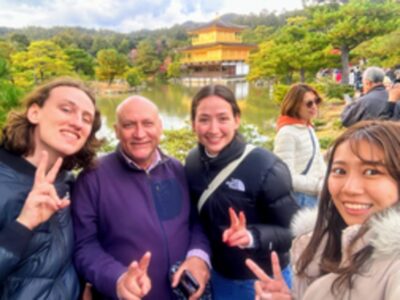
Kinkakuji Temple, the Golden Pavilion, gets about 40 minutes, and that’s the right length for a first-time visit. The top floors are covered in shimmering gold leaf, and the reflections in the mirror-like pond are the visual payoff you came for.
What I like about this stop is the balance. You’re not rushed straight onto one photo angle and out. You also get time for the Zen-inspired gardens around the temple, with carefully maintained trees, stone pagodas, and koi-filled ponds.
There’s even a small tea house element included in the experience description, which is a nice counterweight to the visual intensity of the pavilion. If your brain needs a pause between Kyoto’s headline sights, this is where you get it.
A minor consideration: with a fixed 40-minute window, you’ll want to decide early how many photos you truly need. If you’re a slow walker who also likes reading details, you may feel slightly time-pressured.
Fushimi Inari’s Torii Tunnel: Your Best Stretch for Views
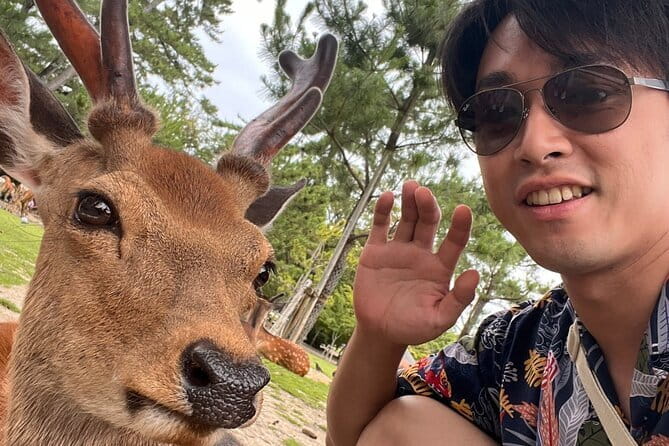
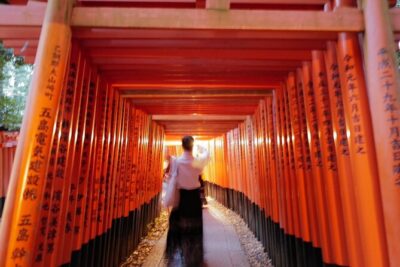
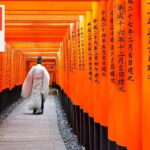
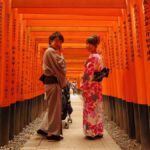
Fushimi Inari Taisha Shrine is scheduled for about 1 hour 20 minutes, and that’s a smart amount of time. This shrine is famous for its thousands of red torii gates that form a tunnel-like path, and the walk is the entire experience.
You’ll also see the smaller shrines and the stone fox statues tied to Inari, which helps you feel like you’re moving through a lived-in religious landscape rather than just checking boxes. The halfway hike is called out for a reason: it’s when you start getting panoramic views of Kyoto.
There’s one important caveat. During year-end and New Year’s holidays, traffic restrictions may mean you cannot stop at Fushimi Inari. If you’re traveling around late December into early January, treat Fushimi Inari as a conditional highlight, not a guaranteed one.
If Fushimi Inari is your priority, I’d also plan your clothing and footwear like you’ll be walking and climbing for a while. The experience is a hike, even when it’s beautiful and iconic.
Arashiyama Bamboo Forest and Tenryu-ji: A Quiet Patch in the Middle
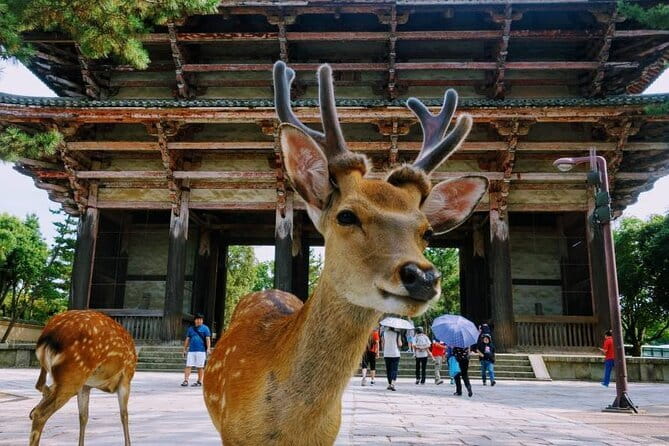
After Fushimi Inari, the tour shifts to Arashiyama with a 40-minute stop at the bamboo forest. The bamboo grove effect is immediate: towering stalks, shifting light through the leaves, and that almost dreamlike pattern of shadow.
This timing can work well for photos because you’re not spending all day in crowds before you even reach Arashiyama. And because the time is fixed, you can move at your own pace within that window instead of feeling trapped in a long queue.
Then you move to Tenryū-ji Temple for about 40 minutes. Tenryu-ji is known for its Zen influence and a landscape garden design that harmonizes with the Arashiyama mountains. In practice, it’s a calmer, slower stop that balances the bamboo’s visual drama.
If you’re trying to understand Kyoto beyond temples as scenery, Tenryu-ji is a useful pause. You see how Zen aesthetics shape what people value, not just what they photograph.
Togetsukyo Bridge: The Short Photo Break That Adds Context
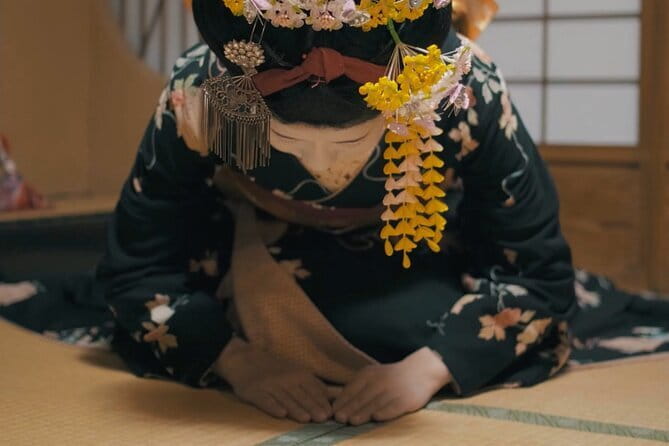
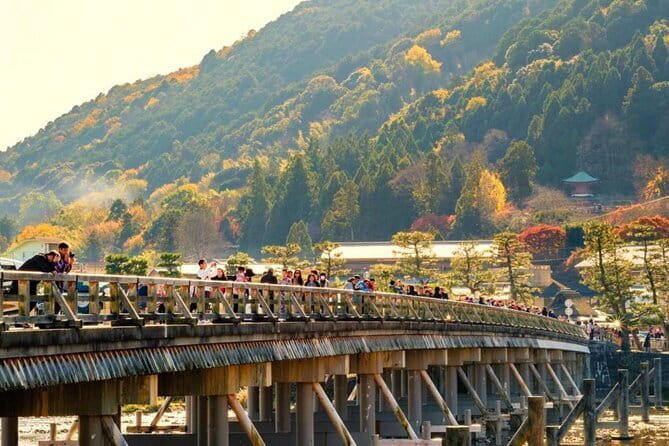
Togetsukyō Bridge is a smaller stop, about 20 minutes, but it’s a good one to include. The wooden bridge crosses the Katsura River, and the surrounding mountain views are part of why Arashiyama is so popular.
What helps here is the seasonal context described for cherry blossoms in spring and red and orange foliage in autumn. Even if you’re not there in peak season, the bridge area gives you a sense of place, like a geographic bookmark tying the bamboo and temple back to the river and hills.
Because this is the shortest stop, treat it like a quick reset. Use it to check where you are in the day, refocus for Nara, and grab any photos you still feel you need.
Still climbing through the orange gates?
Nara Deer Park and Todaiji’s Giant Buddha: The Emotional Payoff
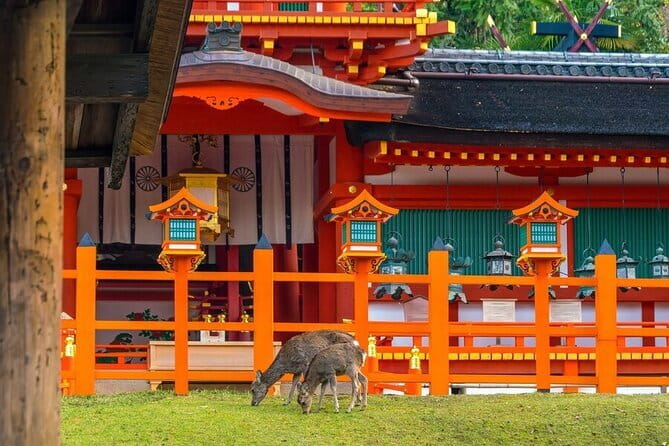
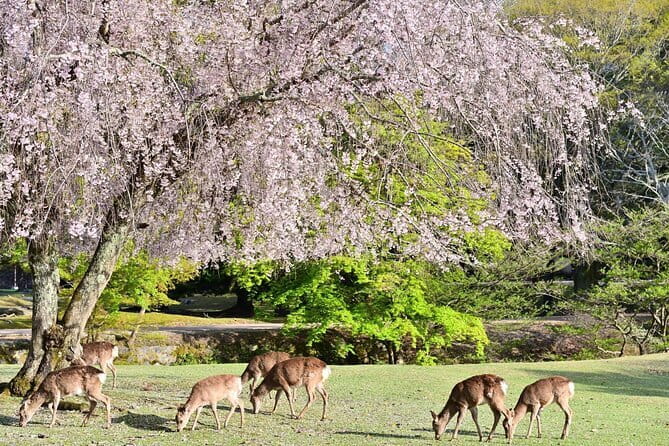
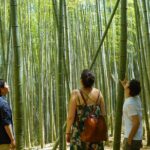
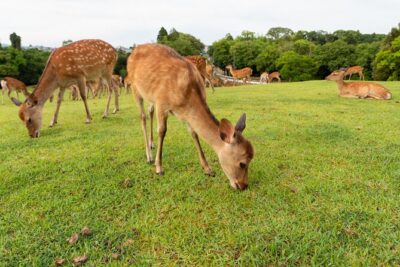
Nara Deer Park is scheduled for about 1 hour 20 minutes, which is enough time to do the signature deer moment without turning it into a rushed stunt. The deer here roam freely, and they’re tied to Shinto beliefs as sacred messengers, which adds meaning to what can otherwise be a simple animal encounter.
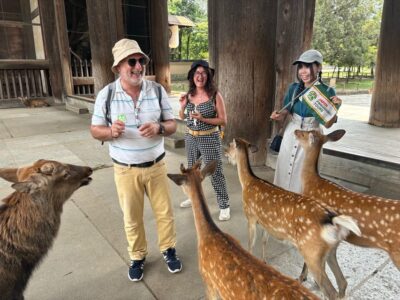
A concrete detail that changes the experience: you can buy shika senbei (deer crackers) to feed them. The feeding interaction is described as polite, with deer bowing before taking the treat. It’s surprisingly memorable, and it’s also one of those experiences that doesn’t require you to know a lot of background to enjoy it.
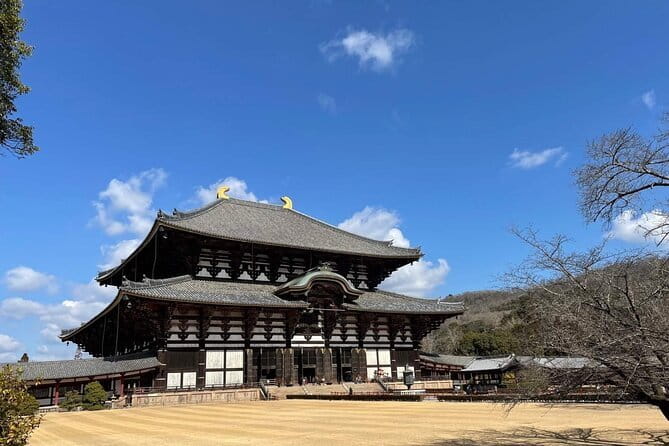
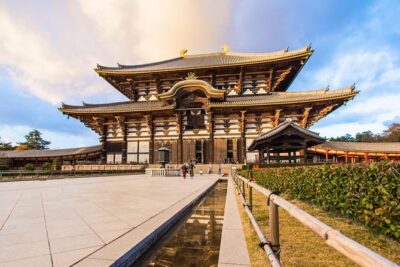
This Nara section also links to Todaiji Temple and the famous Great Buddha. The tour overview calls out the temple as home to the world’s largest bronze Buddha, and the Nara stop description points you toward Todaiji.
If you’re traveling with family, this portion is usually the easiest sell. If you’re traveling as a solo adult, it still works, because it gives you contrast: you go from shrine gates and temple gardens to an open park where the animals and the scale of Todaiji create a different kind of awe.
One consideration: deer interaction can be intense if you don’t like being approached by animals. If you’re the sort of traveler who prefers distance from wildlife, you may want to keep your crackers secured and be ready to step back when the deer get curious.
Price and Value: Why $93 Can Work for the Right Person
At $93.00 per person, this tour is priced as a time-saver with included entry tickets. You also get round-trip transportation in an air-conditioned vehicle and a professional English-speaking guide.
Here’s how the included value stacks up. Kinkakuji Temple admission is included. Fushimi Inari admission is included. Nara Deer Park admission is included. The bamboo forest and Tenryu-ji and Togetsukyo Bridge are listed as free admission.
So you’re not just paying for scenery. You’re paying for reduced friction: guided pacing, included entry for the top ticket items, and transportation that handles the Kyoto-to-Nara shift.
This kind of pricing makes the most sense if you:
- Have only one day to cover Kyoto highlights plus Nara
- Want a guide to help you understand what you’re looking at
- Prefer set times over building your own route
It may be less worth it if you enjoy slow travel, hate group timing, or want to spend long unstructured hours at just one or two sites. With fixed time blocks, you’ll feel the clock at multiple stops.
Group Size, Guide Style, and Communication That Matters
The tour caps at 40 travelers, which is relatively friendly compared to huge day-trip buses. Still, 40 people means you’ll be moving in a pack, following the guide’s lead and timing.
The guide is described as professional and English-speaking. That’s important because these stops have lots of cultural context, and the whole point is to make your photos and walking feel meaningful.
One practical thing I’d pay attention to is communication. In the feedback I saw, WhatsApp showed up as a communication method for confirming instructions. That’s useful if you need quick clarity on where the group meets after each stop.
Also, be aware that not every tour day runs perfectly. Some negative feedback focused on guide behavior and a sense of confusion when a planned stop did not match expectations. I can’t predict that for your day, but it’s enough to suggest a smart strategy: confirm your must-see priorities right at the start, and ask what your plan is when you arrive.
Who Should Book This Kyoto and Nara Day Tour
This is a strong fit for travelers who want classic, high-impact sights in one day, with tickets handled and transport provided. It’s also a good match if you like guided context, because the day is not only about landmarks, it’s about what they mean and how they connect.
You’ll likely enjoy it if you:
- Want Kinkakuji, Fushimi Inari, and Nara in one schedule
- Like a mix of temple, shrine, and nature stops
- Are okay with a 10 to 11 hour day and fixed time windows
You might want to skip or choose something else if you:
- Want deep, slow exploration at just one location
- Dislike group timing or prefer private touring
- Are very specific about seeing a particular stop every day, especially around year-end and New Year’s when Fushimi Inari may be affected
Practical Tips for Making the Most of the Day
Because meals and drinks are not included, plan for hunger between stops. This tour includes big sights, not restaurant time, so you’ll want some cash on hand for snacks and drinks.
Bring a small mindset switch: you’re not just sightseeing, you’re collecting “Kyoto sensations.” That means you’ll get the gold reflection moment at Kinkakuji, the torii tunnel walk at Fushimi Inari, the light-and-shadow bamboo experience, and then the deer feeding and Great Buddha scale at Nara.
For the deer moment, remember crackers are a paid add-on. The feeding is part of the experience, so treat that as a planned expense and a planned photo memory.
Finally, keep your schedule brain switched on. With multiple stops, the only way this day stays enjoyable is if you move with the group, use your time blocks wisely, and don’t get stuck needing one more “perfect angle” at every stop.
Should You Book This Kyoto and Nara Day Tour?
I’d recommend booking if your goal is clear: see the major Kyoto highlights plus Nara deer and Todaiji in one day, with transportation handled and key tickets included. The included entry for Kinkakuji and Fushimi Inari and the long Fushimi Inari and Nara windows help this tour feel like real value, not just a rushed checklist.
I would hesitate if Fushimi Inari is your must-see and you’re traveling around year-end and New Year’s, since the stop may be blocked by traffic restrictions. I’d also proceed with caution if you’re very sensitive to guide behavior or you’re hoping for maximum flexibility, because like any large-group day trip, the experience depends on how the day unfolds.
If you want a structured, classic day across Kyoto and Nara without the logistics headache, this tour is a solid option.
FAQ
How long is the Kyoto and Nara day tour?
It runs for about 10 to 11 hours.
What time does the tour depart?
The tour departs at 9:00 AM.
Where do you meet for the tour?
Guests meet at the Kyoto VIP Lounge setup, with departure from VIP Villa Namba.
Is transportation included?
Yes, round-trip transportation in an air-conditioned vehicle is included.
Which temple or attraction tickets are included?
Kinkakuji Temple admission, Fushimi Inari Taisha Shrine admission, and Nara Deer Park admission are included.
Are meals or drinks included?
No. Personal expenses and drinks and meals are not included.
How many stops are included, and how long are they?
The tour includes Kinkakuji Temple (about 40 minutes), Fushimi Inari (about 1 hour 20 minutes), Arashiyama Bamboo Forest (about 40 minutes), Tenryu-ji (about 40 minutes), Togetsukyo Bridge (about 20 minutes), and Nara Deer Park (about 1 hour 20 minutes).
Is Arashiyama Bamboo Forest included every time?
The provided schedule includes Arashiyama Bamboo Forest and Tenryu-ji, both marked as free admission.
Is there any situation where Fushimi Inari might not be visited?
Yes. During year-end and New Year’s holidays, traffic restrictions may prevent a stop at Fushimi Inari Taisha.
What is the cancellation policy?
You can cancel up to 24 hours in advance for a full refund. If you cancel less than 24 hours before the start time, the amount paid is not refunded.
Nara and Deer Park Day Trips
New This Season
- Koyasan Day Trip by Private Car from Kyoto
- Old Port Town and Ultimate Sake Tasting Private Tour From Kyoto
- Kyoto’s Timeless Charm: 3hr Exploration of History and Peace
- Kyoto: 5 Types of Sushi Making
- Sacred Peak & Ancient Paths: Kurama-Kibune Hiking Experience
- Kyoto: Exclusive ZEN practice at Manpukuji temple in Uji
- Kyoto: Private Seasonal Aroma Yoga Class
- Traversing Kyoto’s Scenic West – Arashiyama to Kinkakuji
Fushimi Inari Shrine Walks, compared.
Fushimi Inari, Kinkakuji, Bamboo Grove 1 Day Bus Tour
Read our review →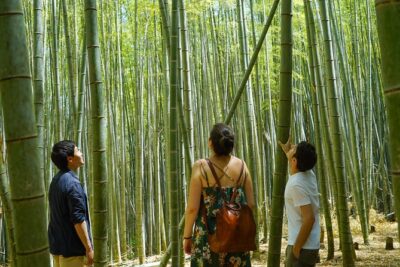
Fushimi Inari Hidden Hiking Tour (Private Option Available)
Read our review →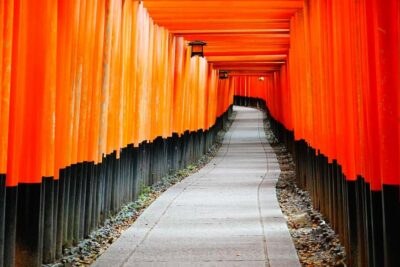
Kinkakuji,Arashiyama,FushimiInariShrine,NaraPark
Read our review →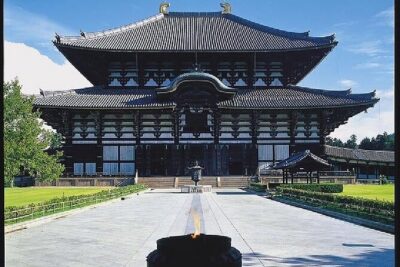
Nara, Fushimi Inari Taisha, Arashiyama Bus Tour
Read our review →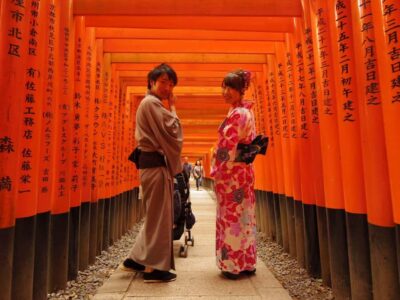
Arashiyama, Nara & Fushimi Inari Shrine w/Lunch
Read our review →
Nijo Castle, Kiyomizu & Fushimi Inari Guided Tour
Read our review →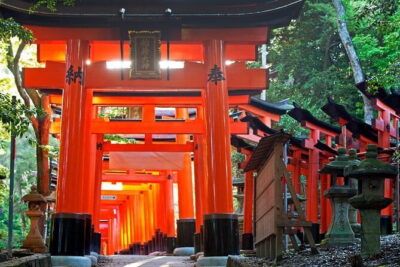
Nijo, Kinkaku-ji, Arashiyama, Kiyomizu & Fushimi Inari
Read our review →