
Reviewed · TEA CEREMONIES
Kyoto: Newly Opened Tea Ceremony – Sanjo Chasuian
This tea ceremony is Kyoto’s calm on demand. At Sanjo Chasuian, you get a hands-on matcha session in a new facility with a crawl-in Nijiriguchi entrance that shifts your focus fast. It runs about an hour and is designed for international visitors, with English guidance and a small group size.
I especially like the structure: you watch the host, learn the meaning behind the steps, then make your own bowl. I also like the included seasonal sweets from a Kyoto shop with over a century of history, because it makes the tea feel like part of a larger seasonal tradition, not just a drink demo.
The main thing to plan around is timing and rules. The door locks when the session starts, entry is allowed only from 5 minutes before, and it’s not suitable for wheelchair users or for children under 6.
In This Review
- Key highlights worth putting on your shortlist
- A Kyoto tea ceremony in a newly opened Sanjo Chasuian room
- Location and getting there without making it harder than it needs to be
- The flow of the ceremony: history first, then two matcha moments
- Nijiriguchi: the crawl-in entrance that changes your whole mood
- Making your own matcha: what you learn and what to expect
- The included wagashi: seasonal sweets that make the tea make sense
- English guidance and group size: how the experience stays personal
- Photos, purchases, and the stuff you might want to take home
- Optional Uchikake: a kimono-style coat if you want extra atmosphere
- Who should book this Kyoto tea ceremony, and who might skip it
- Small but critical tips so your hour goes smoothly
- Price and value: why $31 can feel worth it
- Should you book Sanjo Chasuian? My take
- FAQ
- What is included in the Sanjo Chasuian tea ceremony?
- How long does the tea ceremony last?
- Is the instruction in English?
- Where is the venue located?
- Do I need to wear socks?
- Are children allowed?
- Is it wheelchair accessible?
- Is kimono rental included?
- What if I arrive late?
- Are hotel transfers included?
Key highlights worth putting on your shortlist
- Nijiriguchi (crawl-in entrance) that creates an instant mindset shift before you even sit down
- Two bowls of matcha: one prepared by the host, one you whisk yourself (with a companion option)
- Kyoto seasonal wagashi included, from a sweets maker with 100-plus years of experience
- English instruction with a real teaching style, history included before you make tea
- Small group up to 10, so your questions actually get answers
- English-speaking hosts often named in recent sessions, like Reina and Yuko, who focus on clear guidance
A Kyoto tea ceremony in a newly opened Sanjo Chasuian room
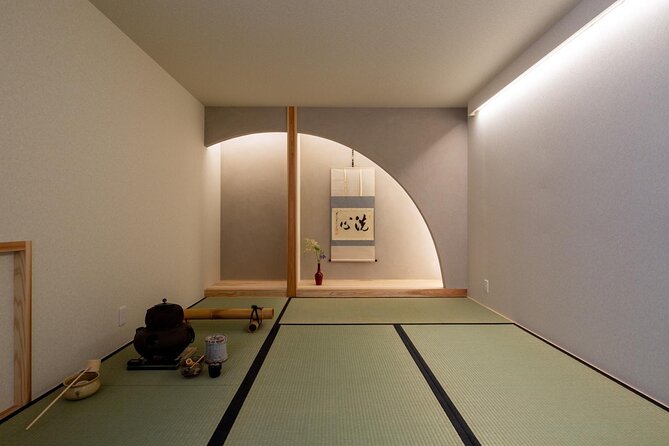
Sanjo Chasuian is a newer tea ceremony facility, and you can feel that in the setup. The experience is built for first-timers who want something real, not a rushed show. It’s also close to transit, about a 5-minute walk from Subway Karasuma Oike station, which matters in Kyoto when walking is your default plan.
You’re paying for one thing: a focused 1-hour ritual where you taste matcha, then learn to make it. At $31 per person, that’s a fair value for the combination of instruction, tools, two servings of matcha, and included wagashi. If you’ve done other short ceremonies in Kyoto, this one stands out because you do the whisking yourself, not just watch.
One more practical point: it’s held in a serene atmosphere, so your behavior is part of the design. Expect quiet, slower pacing, and guidance that explains the “why,” not only the “how.”
Location and getting there without making it harder than it needs to be
This is the kind of activity you can fit between neighborhoods without burning half your day on logistics. The venue is a short walk from Karasuma Oike, so you’re not stuck with a complicated transfer plan.
You should also plan your arrival around a strict entry window. Entry is allowed from 5 minutes before the start time, and once the session begins, the door locks. If you’re even a minute late, you can’t join and there’s no refund, so buffer time is not optional.
When you arrive, look for the big plate with the Sanjo Chasuian logo and name. Open the door and staff will be waiting to welcome you. That simple, obvious entry helps a lot in a city where signage can be hit-or-miss for non-Japanese readers.
More bowls, poured the traditional way
- Kyoto: Tea Ceremony in a Traditional Tea House in Kiyomizu
★ 4.9 · 3,519 reviews - Kyoto: Tea Ceremony Ju-An at Jotokuji Temple
★ 4.9 · 3,207 reviews - Kyoto: 45-Minute Tea Ceremony Lesson Experience
★ 4.3 · 2,378 reviews - Kyoto: Table-Style Tea Ceremony at a Kyo-Machiya
★ 4.9 · 1,211 reviews
The flow of the ceremony: history first, then two matcha moments
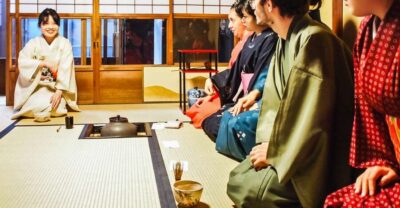
The session is intentionally paced. It starts with an explanation of the tea ceremony’s history and what the practices represent, then moves into the matcha portion. You’ll feel the logic of it quickly: you learn what you’re doing, then you do it with attention.
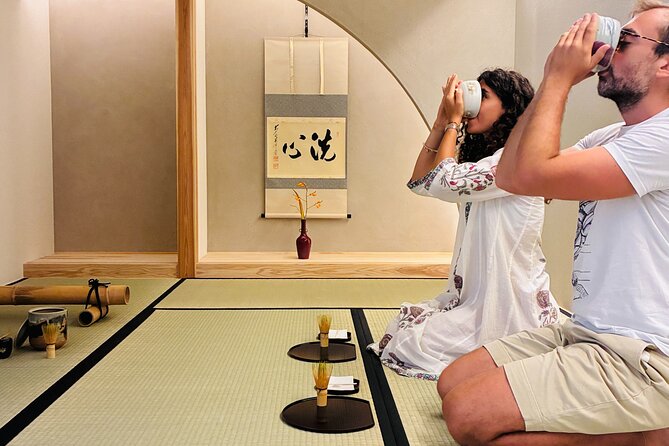
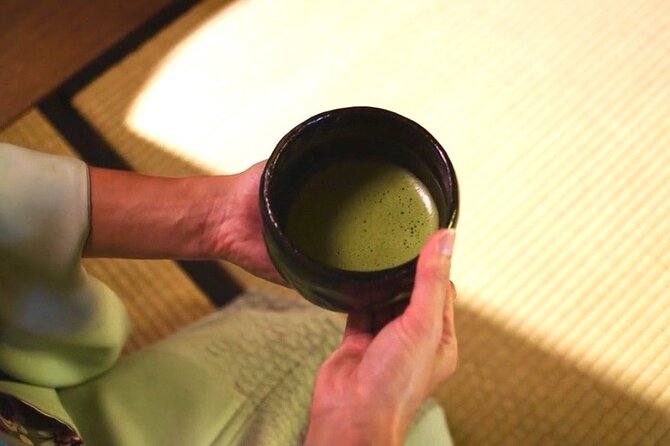
You begin by observing the host’s movements and steps. Then you taste the host-prepared bowl and get ready for the hands-on part. The second bowl is where you really earn the experience: you choose a tea bowl and whisk your matcha, either solo or with a companion depending on how the group is set.
This “watch, taste, do” rhythm is the difference between a photo stop and a real skill transfer. Even if you never plan to make matcha at home, you leave understanding why certain motions matter, and you can feel the ceremony’s discipline in your body, not only in your head.
Nijiriguchi: the crawl-in entrance that changes your whole mood
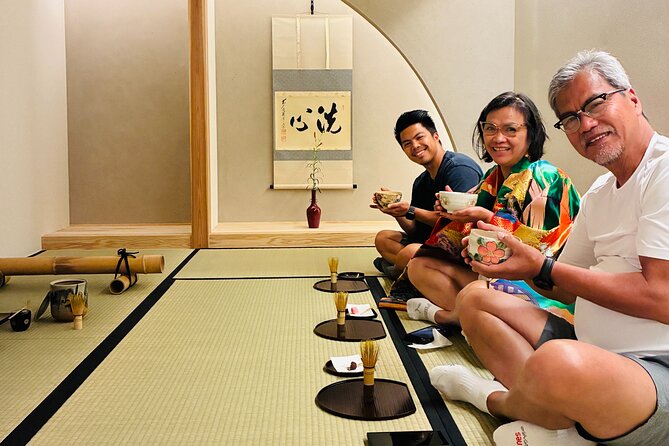
Before the tea even touches your lips, you’ll notice the Nijiriguchi entrance. It’s a crawl-in doorway that leads into the heart of the ceremony, and it’s not there for decoration.
What it does, practically, is slow you down. You can’t stroll through casually. You duck, adjust, and make a small act of compliance with the space. That physical cue sets the tone for the rest of the hour, and most people appreciate it because it feels like stepping into a different rule set.
Chairs are available if you prefer them, which helps if kneeling is not your thing. The key is that the room is designed for calm, and the entry ritual reinforces that from the start.
Making your own matcha: what you learn and what to expect
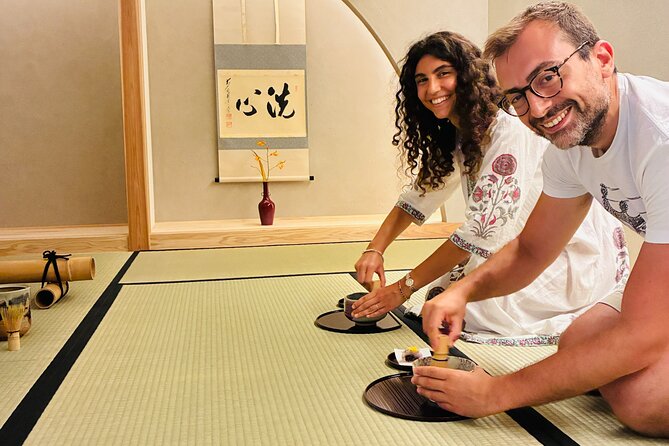
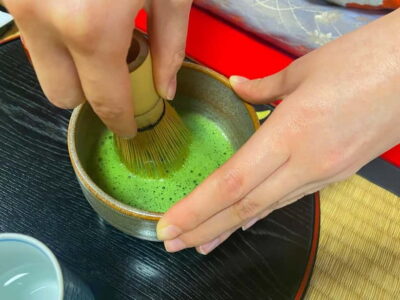
The hands-on section is where Sanjo Chasuian earns its high marks. You’ll choose a tea bowl and whisk your matcha. Observing the host’s timing and posture helps you copy the movements, and then you do the whisking yourself.
Recent experiences repeatedly mention that the hosts teach clearly in English and take the time to explain the process before you start. Names that come up often include Reina and Yuko, and the pattern is consistent: they explain the steps, answer questions, then guide you while you whisk.
You get two bowls total. The first is made by the host, so you can taste the baseline of what the ideal texture and flavor should feel like. The second is yours, which turns the ceremony into a learning loop instead of a one-way performance.
If you’re the type who worries about doing it wrong, don’t. The whole setup is instructional. You’re not there to pass a test. You’re there to practice, with guidance.
The included wagashi: seasonal sweets that make the tea make sense
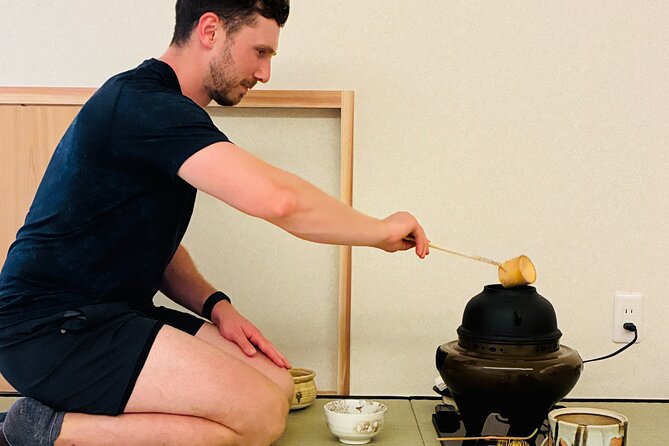
Tea ceremony matcha doesn’t exist in a vacuum. Included with your session is traditional seasonal Japanese confectionary from a Kyoto sweet shop with over 100 years of history.
In real terms, this matters because wagashi changes how you taste matcha. Matcha has a distinct bitterness and earthy depth, and the sweet gives your palate a reference point. Even if you don’t care about sweets, you’ll likely notice the balance more than you expected.
Also, this included sweet is part of the cultural message: the ceremony is about seasonal and respectful choice, not only the tool or the drink. In a one-hour format, that context would be easy to skip, but Sanjo Chasuian includes it, and you feel the completeness of the experience.
A day of temples goes further with something to break it up.
English guidance and group size: how the experience stays personal
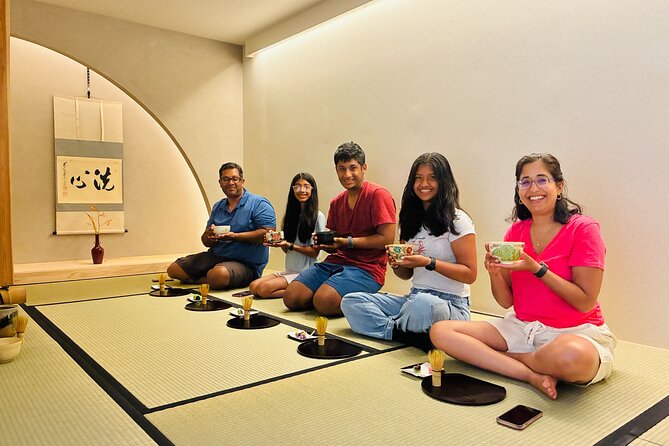
This is a shared plan, and the group size is limited to 10 participants. That number is small enough that instruction doesn’t feel like an auditorium lecture. You can actually follow along, and questions are feasible.
The instructor is listed as English-speaking, and the overall approach is built for international guests. Many sessions are described as peaceful and well organized, with hosts explaining both the history and the practical steps so you’re not guessing what to do next.
You’ll also notice a difference in teaching style compared with some “tea tourism” experiences. The best parts of the flow emphasize meaning and sequence: where your hands go, why you pause, how the utensil handling links to respect for the moment.
Photos, purchases, and the stuff you might want to take home
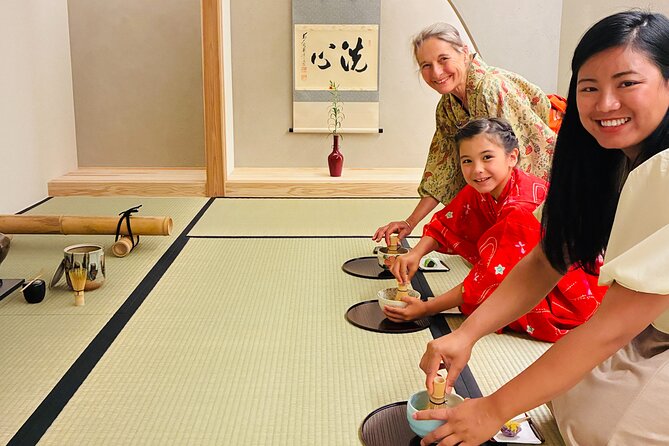
The ceremony includes tools and matcha for the experience, and select items are available for purchase. That can include matcha, tea bowls, and other items used or related to the ceremony.
More than one person notes that the host took photos or videos while they were making matcha. If you’d like that, ask politely when you arrive, because it’s easiest when the host can incorporate it into the timing.
If you’re buying matcha, this is one of the best times in Kyoto to do it. You just tasted the flavor and watched how to whisk it, so you have a reason to choose one kind over another. Even if you only buy a small amount, it turns the ceremony into something you can repeat at home.
Optional Uchikake: a kimono-style coat if you want extra atmosphere
Sanjo Chasuian does not offer standard kimono rental or dressing services. However, there is an optional Uchikake experience available for ¥1,500 (tax included).
Two important details. You need to inform staff on the day, and advance reservations are not accepted. Quantity is limited, so if you want it, I’d treat it as first-come, first-served and not as a guaranteed add-on.
If you choose it, it can add a layer of visual tradition and help you feel more “inside” the ritual. If you don’t, you’re still fully set. The core experience is the ceremony itself and your two matcha servings.
Who should book this Kyoto tea ceremony, and who might skip it
This is a great fit if you want a calm cultural break in Kyoto and you like learning by doing. You’ll especially enjoy it if you’re curious about matcha beyond taste, because you whisk a bowl yourself and get a real explanation of the process.
It’s also a strong choice for first-time tea ceremony visitors who aren’t sure which version to pick. The structure is straightforward: history, host-prepared bowl, then your bowl, plus included seasonal sweets.
But there are clear limits. It’s not suitable for wheelchair users, and it’s not for children under 6. If you’re traveling with a smaller child, or if you require an interpreter, the information suggests you should book a private plan instead of the shared plan so the atmosphere stays calm and the experience remains appropriate.
Small but critical tips so your hour goes smoothly
Here are the practical things that make the difference with this format.
- Bring or wear socks. This is specifically required for the experience.
- Arrive early enough to get in before the 5-minute entry window. Late entry means you can’t join.
- Plan for quiet. The ceremony is designed to avoid disturbing other guests once it starts.
- Ask questions during the teaching portion, not mid-ritual. The hosts guide you with a clear sequence for a reason.
If you tend to rush through Kyoto, treat this like a scheduled pause. The best part of a tea ceremony is that you slow down on purpose.
Price and value: why $31 can feel worth it
Let’s be real. A tea ceremony can range from a quick show to a full guided experience. At $31 for one hour, you’re not just paying for a cup.
You’re paying for:
- Two bowls of matcha (one by the host, one made by you)
- Seasonal wagashi included
- English instruction focused on both history and technique
- A small group format capped at 10 participants
If you compare this to buying matcha and learning utensils on your own, the cost starts to make sense quickly. You’re essentially buying a guided lesson plus the tasting and sweets. And because it’s hands-on, you get a skill you can carry home.
If the grand opening discount is available during your dates, that can make it an even better deal through September 15.
Should you book Sanjo Chasuian? My take
Book it if you want a tea ceremony that feels structured, calm, and practical. You’ll enjoy the two-bowl format, the included seasonal sweets, and the way English guidance makes the ritual understandable without turning it into a lecture.
Skip it if you need wheelchair accessibility or you’re traveling with a young child under the minimum age. Also, if your schedule is unpredictable and you don’t like strict start times, pick a different activity. The door locking rule is firm, and the hour is designed as one uninterrupted session.
If you’re looking for a Kyoto experience that quietly resets your pace, this one fits the bill. You leave with matcha in your hands, not just a souvenir photo.
FAQ
What is included in the Sanjo Chasuian tea ceremony?
You get two cups of matcha: one made by the host and one you whisk yourself (or with a companion). You also get traditional seasonal Japanese confectionary (wagashi).
How long does the tea ceremony last?
The experience is listed as 1 hour.
Is the instruction in English?
Yes. The instructor provides English guidance.
Where is the venue located?
It’s about a 5-minute walk from Subway Karasuma Oike station.
Do I need to wear socks?
Yes. You should bring or wear socks for the experience.
Are children allowed?
It’s listed as not suitable for children under 6. For children under 5 or anyone who requires an interpreter, the information says you must book the Private Plan instead.
Is it wheelchair accessible?
No. It is listed as not suitable for wheelchair users.
Is kimono rental included?
No standard kimono rental or dressing services are offered. There is an optional Uchikake experience for ¥1,500, but you must inform staff on the day and advance reservations are not accepted.
What if I arrive late?
Entry is allowed from 5 minutes before the start time, and once the session begins the door is locked. If you are late by even 1 minute, you can’t join and no refunds are given.
Are hotel transfers included?
No. Hotel transfers and transfers to the venue are not included.
New This Season
- Koyasan Day Trip by Private Car from Kyoto
- Old Port Town and Ultimate Sake Tasting Private Tour From Kyoto
- Kyoto’s Timeless Charm: 3hr Exploration of History and Peace
- Kyoto: 5 Types of Sushi Making
- Sacred Peak & Ancient Paths: Kurama-Kibune Hiking Experience
- Kyoto: Exclusive ZEN practice at Manpukuji temple in Uji
- Kyoto: Private Seasonal Aroma Yoga Class
- Traversing Kyoto’s Scenic West – Arashiyama to Kinkakuji
Tea Ceremonies, compared.
Tea Ceremony in a Traditional Tea House in Kiyomizu
Read our review →
Kimono Tea Ceremony at Kyoto Maikoya, NISHIKI
Read our review →
Tea Ceremony in 100-year-old Kyo-Machiya Townhouse
Read our review →
Also filed under