
Reviewed · ARTISAN CRAFT WORKSHOPS
Kyoto Ninenzaka : Easy Origami Experience
Paper cranes, but for real beginners. This Kyoto Ninenzaka class turns a famous craft into something you can actually finish, even if you’ve never folded before. It’s also a nice way to learn why origami matters in Japan, not just how to make shapes.
I love the gentle, step-by-step coaching, with English instruction that keeps the lesson clear. I also like that you learn cultural meaning while you fold, especially the symbolism tied to the orizuru, the folded paper crane.
One thing to consider: there’s no hotel pickup, and you meet the class by finding a private road left of Starbucks Ninenzaka.
In This Review
- Key Things I’d Prioritize
- Where Easy Origami Fits Into a Kyoto Day
- Finding the Class by Starbucks Ninenzaka (Without Stress)
- What Happens During the 50-Minute Lesson
- The Paper Crane (Orizuru) Symbol You’ll Learn Along the Way
- Several Figures, One Clear Skill Set
- Price, Value, and What You Really Get for $49
- Who This Kyoto Origami Class Works Best For
- Logistics You’ll Want to Know Before You Go
- Should You Book This Easy Origami Experience?
- FAQ
- How long is the Kyoto Ninenzaka easy origami class?
- How much does it cost?
- Is the class taught in English?
- What is included in the price?
- Where do I meet the class?
- Is hotel pickup or drop-off included?
- What is the cancellation policy?
Key Things I’d Prioritize
- Beginner-friendly pace with supportive, easy instructions
- English instruction so you can follow every step
- Paper crane meaning tied to peace and wishes for happiness
- Several origami figures beyond just one model
- Small, relaxed group feel for a more personal session
- Take-home handmade souvenirs you made yourself
Where Easy Origami Fits Into a Kyoto Day
Kyoto has a way of giving you a little culture lesson without turning it into a long, exhausting project. This easy origami experience is a perfect example. It’s short, practical, and focused on helping you succeed quickly, which is huge when you’re on vacation and don’t want to spend your precious time stuck with a wrinkled sheet of paper.
The location also helps. This class is in the Ninenzaka area, and the meeting point is right by a Starbucks reference point that’s easy to spot. If you like activities that don’t require special planning, this one is refreshingly straightforward.
At $49 per person for about 50 minutes, it’s not a “cheap souvenir” kind of deal. It’s more like paying for instruction, materials, and the chance to make something meaningful you can carry home.
Finding the Class by Starbucks Ninenzaka (Without Stress)
Meeting point directions matter more than people think, especially in Japan where streets can look similar fast. Here, you’re told the class is located down a private road that is left of Starbucks Ninenzaka. That’s useful because Starbucks is a clear landmark you can navigate toward.
Because there’s no hotel pickup and drop-off, I recommend treating this like a “walk yourself there” activity. Give yourself a little buffer time so you’re not rushing at the start. Even a 5 to 10 minute scramble can kill the relaxed vibe this class is designed to have.
If you’re planning to pair this with other sightseeing nearby, think of it as an anchor stop you can walk to. That makes it easier to stay on schedule while still enjoying Kyoto at a human pace.
Make something with a Kyoto craftsman
- Authentic knife making experience at a blacksmith in Kyoto
★ 4.8 · 350 reviews - Kyoto: Calligraphy class at Buddhist temple in city center
★ 5.0 · 167 reviews - Roketsu dyeing experience: M course Roketsu Dyeing Experience
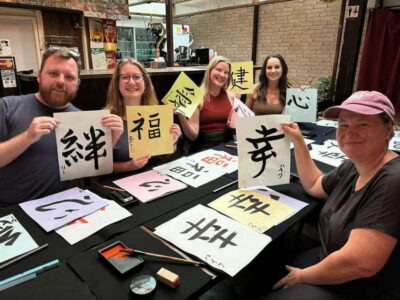
★ 5.0 · 163 reviews - Kyoto: Japanese Calligraphy Class
★ 4.8 · 89 reviews
What Happens During the 50-Minute Lesson
This is listed as a 50-minute experience, and the way it’s described makes it clear that the focus is getting you folding, not just watching. The instructor provides guidance and materials, so you should not need to bring anything special besides yourself and a calm attitude.
Expect a beginner-friendly flow where you learn multiple models. The lesson specifically mentions you’ll fold several different origami figures, including the well-known paper crane. If you’ve always thought origami was only for people who can count tiny angles in their sleep, this is designed to prove you wrong.
You’ll also get cultural context as you go. The experience doesn’t treat origami like a random craft. Instead, it frames folding paper as a meaningful practice, which makes each step feel more intentional.
By the end, you’ll have finished creations you can take home as unique handmade souvenirs. That matters more than it sounds. When you leave with something you made yourself, it turns into a story, not just a purchase.
The Paper Crane (Orizuru) Symbol You’ll Learn Along the Way
The orizuru, or folded paper crane, is one of the most recognized origami figures worldwide. In Japan, it’s also tied to a specific message: people often fold paper cranes as a symbol of peace and to wish happiness for loved ones.
This class gives you a chance to learn that meaning in a relaxed setting, while you’re actively folding. That combo is what makes the experience feel more authentic. You’re not just reading about the symbolism later, you’re holding the finished crane and understanding what it represents.
If you’re traveling with family or friends, this part is a great conversation starter. It’s the kind of cultural detail that doesn’t require a museum ticket, but still adds depth to what you’re doing.
And if you’re worried you’ll have trouble with the crane itself, you’re in the right place. The instruction is described as gentle and step-by-step, with English support available. That’s exactly what you want for a model that’s famous, but sometimes intimidating.
Several Figures, One Clear Skill Set
One reason this class feels like good value is that it doesn’t stop at a single model. You’ll learn multiple origami figures, not just the crane and a quick finish.
That means you’re practicing a repeated set of skills: basic folding techniques, careful creases, and staying patient through small adjustments. Even if one figure is harder, the overall lesson builds your confidence fast. You leave with proof that you can follow instructions and create something structured.
From a practical standpoint, this also helps with souvenir quality. A single tiny crane can feel underwhelming if you’re expecting a more substantial keepsake. Learning several figures gives you variety, so you can pick favorites and share what you made.
Price, Value, and What You Really Get for $49
Let’s talk money plainly. $49 per person for about 50 minutes may sound like a splurge if you’re comparing it to a basic craft shop purchase. But this isn’t just buying paper and instructions. You’re paying for a live instructor, guided learning in English, and materials provided for the session.
You also get something that’s hard to price: the satisfaction of finishing, plus the cultural meaning that gives the craft context. That’s why the cost can make sense, especially if you’re paying for an experience you’ll enjoy right away, instead of something you only hang on a fridge later.
Small, relaxed groups are part of the promise here too. Even without a listed group size, the point is personal attention over a crowd-style workshop. If you’ve ever tried to learn anything complicated while everyone is competing for the instructor’s time, you know why that matters.
A day of temples goes further with something to break it up.


Who This Kyoto Origami Class Works Best For
This experience is especially well suited for people who want Kyoto culture without heavy homework. If you’re a first-timer at origami, the beginner-friendly support and step-by-step pacing are the big draw.
It’s also family-friendly. The class is described as great for families, and English instruction is available. That combination can be a lifesaver when you’re traveling with kids or with adults who are tired of language barriers.
I’d also recommend it if your schedule is tight. At under an hour, it fits neatly into a day in the Ninenzaka area. You can do it even if you’re not sure how much energy you’ll have after walking around.
If you’re an expert folder, you might find it a bit basic, since the class is aimed at beginners. But even then, learning the cultural meaning behind the orizuru can make it worthwhile, especially if you want a calmer, structured lesson rather than a competitive craft session.
Logistics You’ll Want to Know Before You Go
This is the kind of activity where the details are simple, which is good. The class includes the origami making class, and the description notes that materials and guidance are provided. You should plan to get there on time since there’s no hotel pickup.
Food and drinks are not included. That means you’ll want to eat before or after, especially if you’re doing it during a busy day of sightseeing. As always, it helps to carry a bottle of water if you’re out walking in Kyoto.
Two policies are mentioned clearly: you can cancel up to 24 hours in advance for a full refund, and there’s a reserve now & pay later option. If your plans are fluid, that pay-later choice gives you flexibility without forcing payment immediately.
Should You Book This Easy Origami Experience?
If you want a short Kyoto activity that feels personal, teaches you real cultural meaning, and gives you a take-home souvenir you made yourself, then yes, I think this is a strong choice. The beginner-friendly format, English instruction, and focus on the paper crane (or izuru) make it ideal for first-timers and families.
I’d skip it only if you specifically want a long, intensive class, or if you hate the idea of finding your own meeting point with no hotel pickup. But for most people visiting Kyoto, that’s a fair trade for an experience that’s calm, guided, and actually finishable.
FAQ
How long is the Kyoto Ninenzaka easy origami class?
The experience lasts about 50 minutes.
How much does it cost?
It costs $49 per person.
Is the class taught in English?
Yes, the instructor provides English instruction.
What is included in the price?
The included part is the 1-hour origami making class, and the experience description notes that materials and guidance are provided. You can take your creations home.
Where do I meet the class?
The class is located down a private road, left of Starbucks Ninenzaka.
Is hotel pickup or drop-off included?
No, hotel pickup and drop-off are not included.
What is the cancellation policy?
You can cancel up to 24 hours in advance for a full refund.
New This Season
- Koyasan Day Trip by Private Car from Kyoto
- Old Port Town and Ultimate Sake Tasting Private Tour From Kyoto
- Kyoto’s Timeless Charm: 3hr Exploration of History and Peace
- Kyoto: 5 Types of Sushi Making
- Sacred Peak & Ancient Paths: Kurama-Kibune Hiking Experience
- Kyoto: Exclusive ZEN practice at Manpukuji temple in Uji
- Kyoto: Private Seasonal Aroma Yoga Class
- Traversing Kyoto’s Scenic West – Arashiyama to Kinkakuji
Artisan Craft Workshops, compared.
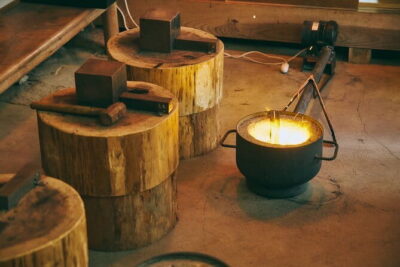
Authentic knife making experience at a blacksmith in Kyoto
Read our review →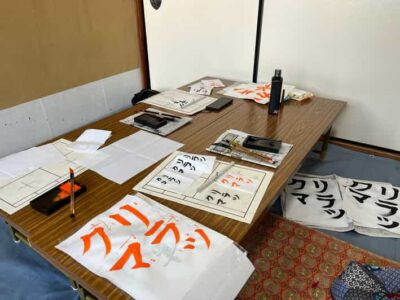
Calligraphy class at Buddhist temple in city center
Read our review →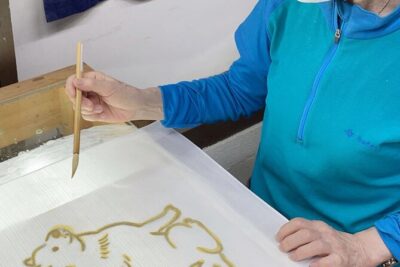
Roketsu dyeing experience: M course Roketsu Dyeing Experience
Read our review →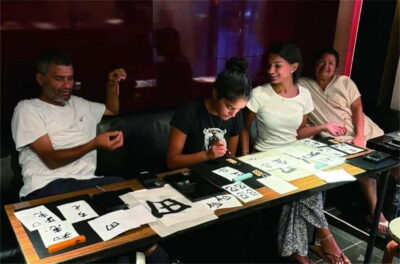

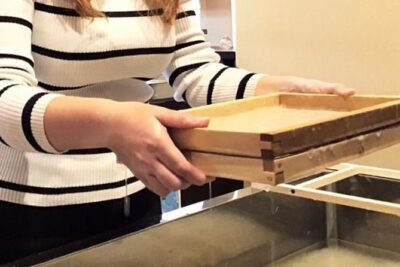
Traditional Japanese Washi Papermaking- Kyoto morning
Read our review →
Also filed under