
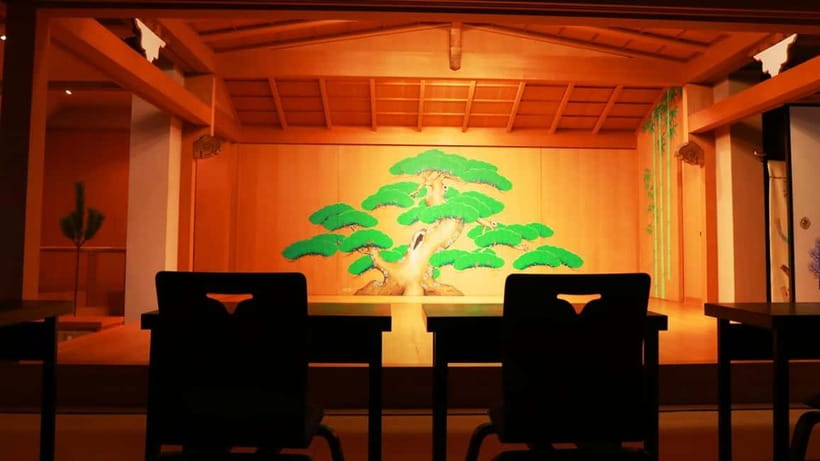
Reviewed · TEA CEREMONIES
Kyoto: Once-in-a-Lifetime Tea Ceremony on a Noh Stage
First-time matcha here feels different. Kyoto’s tea ceremony on a Noh stage turns a classic ritual into something you can actually see, hear, and understand, all in a historic performance setting. I love the way the session gives you the etiquette basics without making you feel graded, and I also love that the matcha is made by a professional instructor for a real sense of craft. The one catch is timing, you need to arrive about 15 minutes early because the program starts promptly.
The whole thing runs in a small group, up to 15 people, and an English-speaking guide stays with you throughout. If you want to dress up, there is an optional kimono add-on that adds extra time, so you should plan for a slightly longer visit.
One possible drawback for some people is the shoe-off indoors setup, so if you are not comfortable in socks, you will want to bring the right pair and treat it like a quiet, formal space.
In This Review
- Key things I think you will enjoy
- A Noh Theater Stage Makes Matcha Feel Like Performance
- Where Kurochiku Tensho-kan Fits Near Nishiki Market
- 15 Minutes Early, Socks On, Shoes Off: The Practical Reality
- What Happens in the 40-Minute Tea Ceremony Session
- The Noh Stage Connection: Why It Changes How You Watch
- Matcha, Sweets, and the Etiquette Bits That Actually Help
- Optional Kimono Dressing: Worth It If You Want More Than a Cup
- Price and Value: Does $58 Make Sense?
- Who This Kyoto Tea Ceremony on a Noh Stage Is For
- Should You Book This Tea Ceremony on a Noh Stage?
- FAQ
- Where is this experience located?
- How long is the tea ceremony experience?
- How much does it cost?
- How many people are in a group?
- What time should I arrive?
- Is there an English-speaking guide?
- Do I need to remove my shoes?
- What should I bring?
- Is kimono dressing included?
- Is it suitable for children?
- What is the cancellation and payment policy?
Key things I think you will enjoy
- Noh theater setting makes tea feel like part of Japan’s performing arts, not just a drink lesson
- Former geisha demonstration adds authenticity to the matcha moment
- Small group size (up to 15) means questions and guidance feel personal
- Matcha plus traditional sweets so you taste the full ceremony rhythm
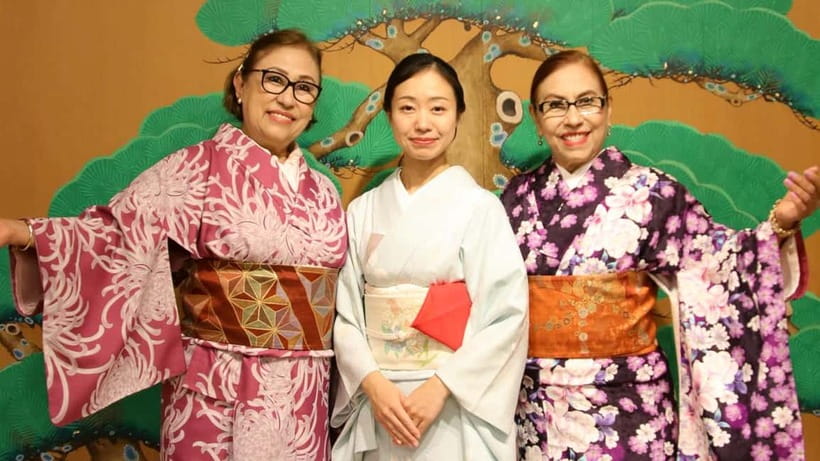
- Optional kimono dressing for extra cultural immersion if you have the time
- English support helps you understand the etiquette as it happens
A Noh Theater Stage Makes Matcha Feel Like Performance
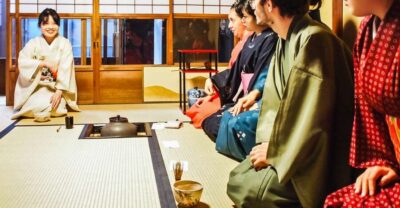
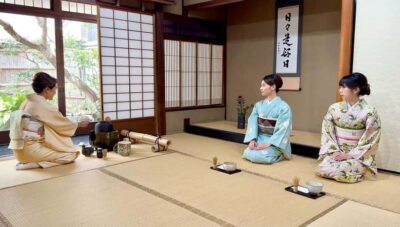
Tea ceremonies in Kyoto often focus on calm and craft, and that is exactly what you get here. What makes this one special is the setting: you are experiencing it in a Noh theater atmosphere, through an explanation of Noh classical performing art and how it connects to ceremony culture. Instead of watching from the edge of a shop, you sit in a space designed for serious, traditional performance.
I like that you are not just served tea. You get context first, then you taste. The session includes the history and techniques of the ceremony, plus etiquette and what to pay attention to when you receive and drink your matcha. That turns a simple cup into a small cultural lesson you can carry home.
Also, this is built for first-timers. If Kyoto is your first stop in Japan, you will still feel oriented. And if you already know the basics, you can enjoy it as a clean, structured introduction, with real demonstration rather than vague explanations.
Where Kurochiku Tensho-kan Fits Near Nishiki Market
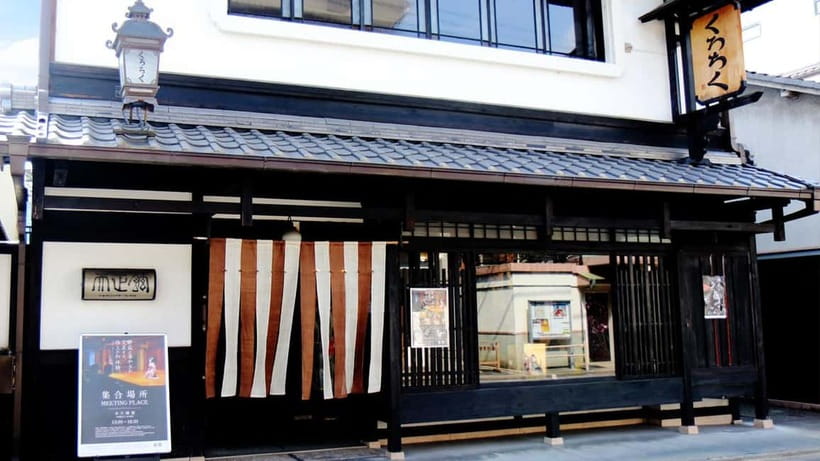
The venue is Kurochiku Tensho-kan, located conveniently near Kyoto’s Nishiki Market. That matters because Nishiki is one of those areas where you can burn time fast, then realize you have to be somewhere formal soon.
If you are combining this with market strolling, I suggest planning tea first, then food and shopping afterward. The ceremony itself is indoors and follows a schedule, and you do not want to show up frazzled. The best way to enjoy both is to treat the ceremony like a reset, not an afterthought.
Your meeting point can vary depending on the option you book. So when you get your confirmation, treat it like a checklist item. If you show up at the first floor reception on time, you will be fine.
More bowls, poured the traditional way
- Kyoto: Tea Ceremony in a Traditional Tea House in Kiyomizu
★ 4.9 · 3,519 reviews - Kyoto: Tea Ceremony Ju-An at Jotokuji Temple
★ 4.9 · 3,207 reviews - Kyoto: 45-Minute Tea Ceremony Lesson Experience
★ 4.3 · 2,378 reviews - Kyoto: Table-Style Tea Ceremony at a Kyo-Machiya
★ 4.9 · 1,211 reviews
15 Minutes Early, Socks On, Shoes Off: The Practical Reality
Here is the practical part that makes the experience smooth. You should arrive at the 1st floor reception at Kurochiku Tensho-kan at least 15 minutes before the starting time. The program begins promptly, so arriving late can throw off your pacing.
Inside, you participate indoors after removing your shoes. The experience notes that comfortable seating is arranged for relaxed enjoyment, but you are still sitting in traditional style for part of the session. Bring socks, since that is what you are asked to have. If your socks are too thin or you get cold easily, consider thicker ones, especially in cooler seasons.
And since the group is small, this is not a chaos situation. It is more like a guided cultural appointment. You will feel better if you treat it that way: calm arrival, quiet attention, and then the ceremony.
What Happens in the 40-Minute Tea Ceremony Session
The core program is described as a 40-minute traditional Japanese cultural experience, with the overall duration listed as 40 to 70 minutes depending on options. In the tea ceremony portion, the flow is structured so you understand what you are seeing, then you enjoy it with your own cup.
First, the guide helps you with the background. You learn about the history, etiquette, and techniques of the Japanese tea ceremony. That explanation matters because tea ceremony is not about being fussy. It is about attention, respect, and how the host and guest share a moment with intention.
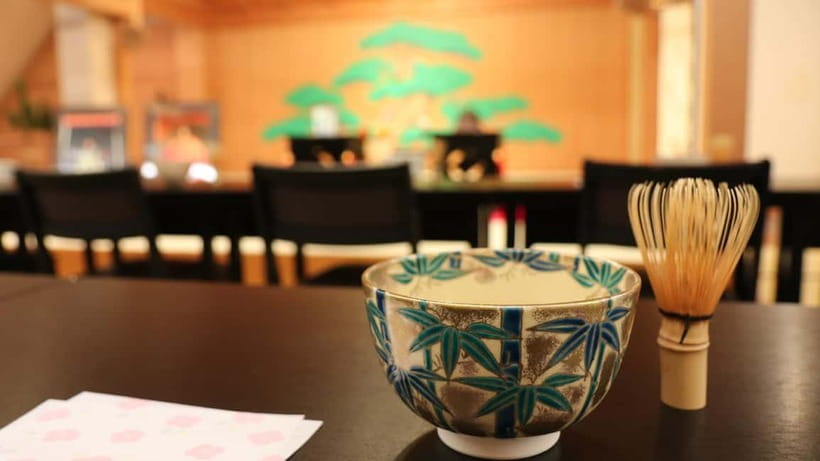
Then you move into the tasting portion. You will savor matcha green tea prepared by a skilled instructor, served alongside traditional Japanese sweets. The sweets are not just a bonus. They help you experience the balance the ceremony aims for, sweetness up front, then the bitter-green clarity of matcha.
You also get a demonstration by a former geisha. That is one of the standout elements in the experience information because it points to a high level of seriousness about how tea is handled, presented, and taught. Even if you only catch part of the finer details, you will notice the difference when someone trained in ceremony leads the room.
You will also get an explanation of Noh classical performing art during the program. That may sound like a curveball, but it actually supports the feeling of the ceremony. Noh is about restraint, timing, and presence. Tea culture shares that same rhythm of controlled movements and focused attention.
The Noh Stage Connection: Why It Changes How You Watch
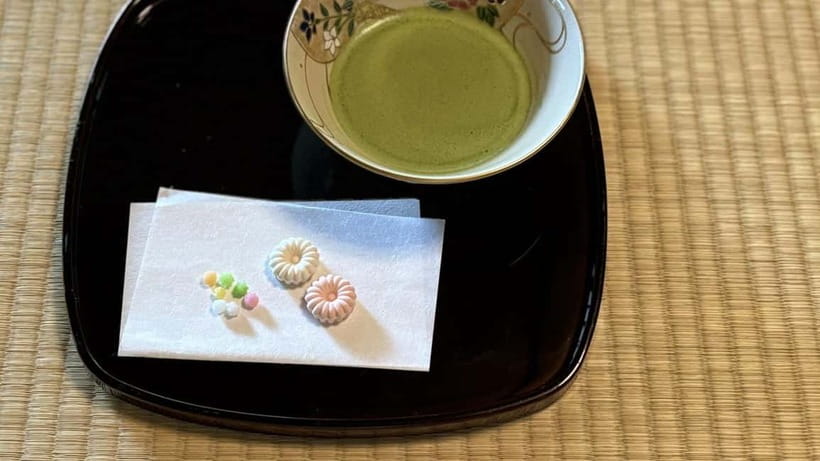
Most tea ceremonies you find in tourist areas feel like a demonstration with a few audience moments. Here, the Noh theater framing shifts your mindset. The experience is intentionally linked to classical performing arts, so even if you do not know Noh yet, you will learn enough to make the room make sense.
You get to watch in a setting built for formal tradition, not just a classroom table. When the guide explains the Noh art form, it helps you understand why the atmosphere is quiet and why timing matters. It also helps you appreciate how the ceremony can feel like a short performance, where each action has a reason.
I like that this is not just cultural trivia. You can feel it in the structure. The group is small, the staff is English speaking, and the session is paced so you do not miss the meaning behind the gestures.
Matcha, Sweets, and the Etiquette Bits That Actually Help
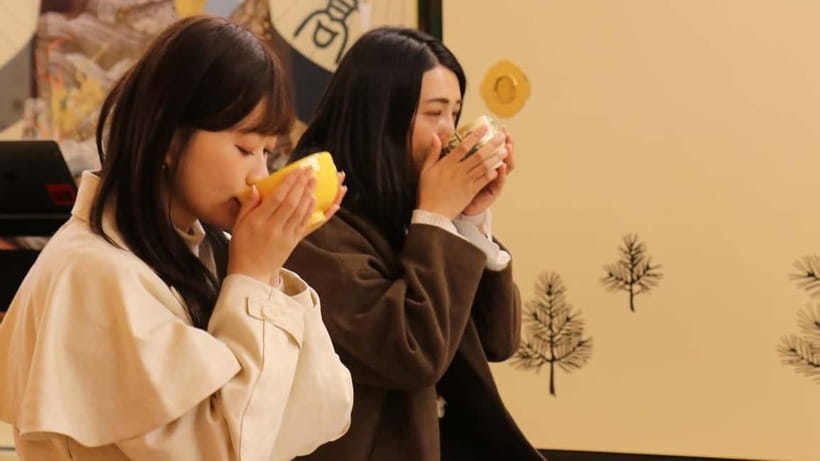
The ceremony includes the standard tea etiquette topics, but what you want is practical understanding you can use while you are sitting there. Here are a few types of things you are likely learning, based on what the experience promises: the correct mindset for receiving tea, the etiquette surrounding how the tea is presented, and what to observe in the technique and flow.
When I think about value, the big question is whether you taste something memorable and whether you understand what you tasted. This experience answers both. You get matcha made by a skilled instructor and traditional sweets served alongside it. Then you get the reasoning behind the ceremony’s etiquette and techniques.
That is what makes it more than a photo stop. You leave with a clearer sense of how tea culture functions as social ritual in Japan, not just as a beverage experience.
A day of temples goes further with something to break it up.

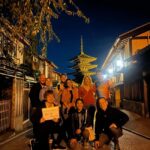
Optional Kimono Dressing: Worth It If You Want More Than a Cup
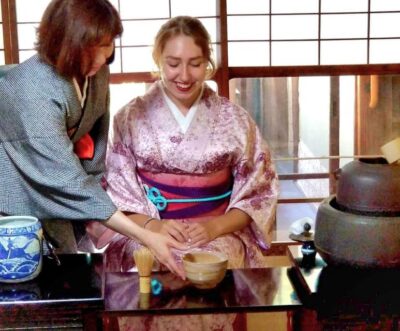
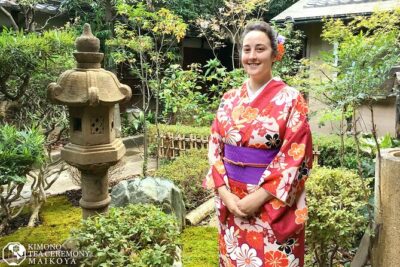
There is an optional kimono dressing experience available. The key detail for planning is time, it requires an additional 30 minutes.
If you are someone who loves getting into the look and feel of a place, this can add a lot. You will likely enjoy it more if you are comfortable with traditional clothing and you do not mind an extra chunk of time before or after the tea portion.
If you are on a tight schedule, the kimono add-on is the part to evaluate first. Without it, you get the full ceremony program in a tighter window. With it, you get a longer experience that can help your brain switch from sightseeing mode to ceremony mode.
Price and Value: Does $58 Make Sense?
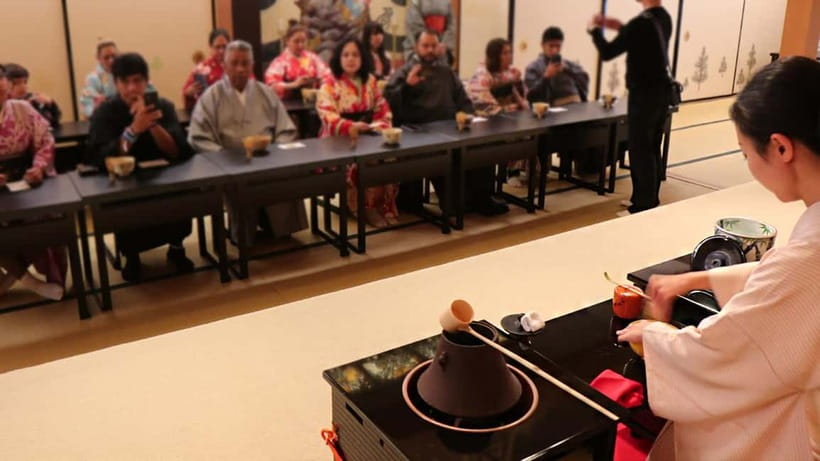
The price listed is $58 per person, for the tea ceremony experience. On paper, 40 minutes can look short. In practice, you are not paying only for a cup of matcha.
You are paying for several things that matter:
- A structured cultural program, including explanations of Noh classical performing art and tea etiquette
- Matcha green tea prepared by a professional instructor
- Traditional Japanese sweets served with the tea
- An English-speaking guide and support
- A demonstration led by a former geisha, which signals serious technique and presentation
When you add those together, the value is clearer. If your goal is a quick cultural taste with context, this lands in the right price zone for Kyoto. If your priority is maximum time, you might feel the session is compact, especially if you skip kimono and you expected a long, slow sit.
But if you want an organized, guided, small-group cultural activity that fits well into a Kyoto day, $58 for a guided, matcha-focused experience feels reasonable.
Who This Kyoto Tea Ceremony on a Noh Stage Is For
This experience is described as perfect for individuals, families, and small groups in a relaxed setting. The biggest limitation is children under 12 are not suitable.
So, who should book?
- First-time Kyoto visitors who want a cultural activity that is easy to understand, especially in English
- People who like watching craft done properly, not just sipping something quickly
- Travelers who want tea ceremony plus context about Noh and how the arts connect
- Small groups that want attention and guidance without being swallowed by a large crowd
If you already know tea basics and you want a deeper ceremony study, you might find this more of an approachable entry point than an advanced workshop. Still, the Noh setting and former geisha demonstration are strong reasons to go even with some prior knowledge.
Should You Book This Tea Ceremony on a Noh Stage?
Yes, you should book it if you want a focused Kyoto cultural experience that actually explains what you are doing. The combination of matcha, traditional sweets, and etiquette teaching, delivered with English support and in a Noh theater environment, makes it feel more meaningful than a basic tea show.
I would skip it only if you are very sensitive to shoe removal indoors or you strongly prefer long, hands-on activities. If you are fine with socks, on-time arrival, and a guided session in the 40 to 70 minute range, this is a smart, high-signal cultural stop near Nishiki Market.
FAQ
Where is this experience located?
It takes place at Kurochiku Tensho-kan, conveniently located near Kyoto’s Nishiki Market.
How long is the tea ceremony experience?
The duration is listed as 40 to 70 minutes. The traditional program is described as 40 minutes, and the optional kimono option adds extra time.
How much does it cost?
The price is listed as $58 per person.
How many people are in a group?
It is designed for small groups of up to 15 participants.
What time should I arrive?
You should arrive at the 1st floor reception at least 15 minutes before the starting time, because the program begins promptly.
Is there an English-speaking guide?
Yes. The experience includes English-speaking staff and a live tour guide (English and Japanese).
Do I need to remove my shoes?
Yes. Guests participate indoors after removing their shoes.
What should I bring?
The experience notes that you should bring socks.
Is kimono dressing included?
Kimono dressing is optional. If you choose it, it requires an additional 30 minutes.
Is it suitable for children?
It is not suitable for children under 12.
What is the cancellation and payment policy?
You can cancel up to 24 hours in advance for a full refund. There is also a reserve now & pay later option where you book your spot and pay nothing today.
New This Season
- Koyasan Day Trip by Private Car from Kyoto
- Old Port Town and Ultimate Sake Tasting Private Tour From Kyoto
- Kyoto’s Timeless Charm: 3hr Exploration of History and Peace
- Kyoto: 5 Types of Sushi Making
- Sacred Peak & Ancient Paths: Kurama-Kibune Hiking Experience
- Kyoto: Exclusive ZEN practice at Manpukuji temple in Uji
- Kyoto: Private Seasonal Aroma Yoga Class
- Traversing Kyoto’s Scenic West – Arashiyama to Kinkakuji
Tea Ceremonies, compared.
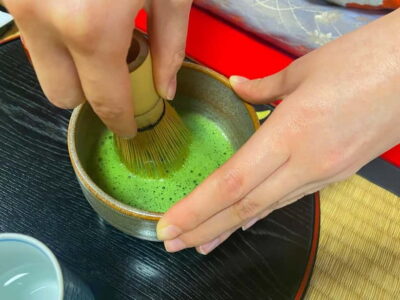
Tea Ceremony in a Traditional Tea House in Kiyomizu
Read our review →
Kimono Tea Ceremony at Kyoto Maikoya, NISHIKI
Read our review →
Tea Ceremony in 100-year-old Kyo-Machiya Townhouse
Read our review →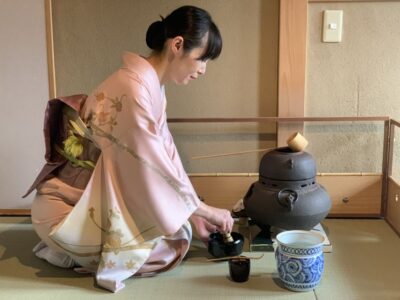
Also filed under