
Reviewed · KIMONO & YUKATA RENTALS
Kyoto: Private Kimono Dressing Lesson
A kimono lesson in your hotel room.
In Kyoto, this private kimono dressing session is interesting because the teacher comes to you, and you practice the whole process while you see each step in real time. I like that it is private too, so you can ask the small questions that usually get lost in a group.
One more thing I like a lot is the follow-along support: after the lesson, you get a special YouTube link so you can replay the steps later when your memory goes on Japanese vacation. The main drawback to consider is simple, this is not a rental service, so you need to come with your kimono, obi, and nagajuban (under-kimono) ready to go.
In This Review
- Key highlights worth clocking
- Why this Kyoto kimono lesson in your own hotel room works so well
- What you learn before any fabric touches you
- The 2-hour flow: how the session usually goes
- Kimono layers and tools: what they do, and what you should plan to buy
- What to bring, and how to prepare your day so it goes smoothly
- Price and value: is $60 a good deal for kimono know-how?
- Who this lesson is best for
- The little details that make a big visual difference
- Should you book this private kimono dressing lesson?
- FAQ
- Do I need to buy the ¥4000 combo-pack?
- Is a rental kimono included?
- What items are required for me to bring?
- Where does the lesson take place?
- What is the duration of the lesson?
- Will I get instructions I can use after the lesson?
Key highlights worth clocking
- Hotel-room practice: the teacher dresses alongside you in your own space
- Private pace: you can stop, ask, and redo steps until it clicks
- Step-by-step underlayers: you learn what sits where, and why
- Follow-along YouTube link: rewatch guidance after the lesson
- Seasonal guidance: plan for yukata options when summer heat hits
Why this Kyoto kimono lesson in your own hotel room works so well
Kyoto is the place where kimono feel close to everyday life, but kimono are also famous for being confusing. The outside looks simple. The reality is different, because the garment system is layered and structured. This lesson helps you make sense of it fast because you practice where you will actually get dressed later, in your own room.
I also like the comfort factor. You do not need to find a shop, change in public, or wrestle your outfit while strangers watch your sleeves wobble. Instead, the teacher arrives and works at your pace, and you can keep the room set up in a way that makes sense for you. Plus, because it is private, the experience is not one-size-fits-all. If you are trying to dress for photos, a ceremony, or just fun, you can ask what matters most.
The big idea here is control. You leave with a method you can repeat, not just a nice memory of someone else dressing you.
What you learn before any fabric touches you
Before you tie anything, the session gives you the basics you need to avoid the most common kimono mistakes. A kimono is not just a single garment. Beneath it, there are multiple layers and supporting items that hold the shape, smooth the collar, and keep everything from slipping.
You will learn the role of the under-kimono and how it sets the base for your entire look. You will also learn the purpose of the collar insert and tie pieces. These details are what separate a kimono that looks correct in motion from one that looks correct only while standing still.
Even if you have dressed in yukata before, a kimono is usually a different workout. The session is designed to make the process readable, so you understand the sequence, not just the result. And that is what makes it useful back at your hotel later.
Walk the old streets in kimono
- Kimono Tea Ceremony at Kyoto Maikoya, NISHIKI
★ 5.0 · 911 reviews - Kyoto: Kimono Rental with Hairstyling and Accessories
★ 4.8 · 653 reviews - Kyoto: Kimono Tea Ceremony at Orizuruya Gion
★ 4.9 · 618 reviews - KYOTO Tea Ceremony with kimono near by Imamiya Jinjya Shrine
★ 5.0 · 343 reviews
The 2-hour flow: how the session usually goes
This is a two-hour private lesson, and the structure is straightforward. The teacher contacts you before the appointment through GetYourGuide to confirm what items you already have, what is missing, and your hotel information and room number. On arrival, the teacher wears her own kimono. Then you both dress at the same time, so you can copy her steps.
Here is what that means for your practical experience. When you are learning, you often get stuck on one tiny part, like positioning the collar or lining up the sleeves. Seeing the teacher handle the same exact step in real time is a huge help, because you are not guessing.
During the session, you can take pictures and videos. That matters more than people think. If you only rely on memory, you will forget details like how far to pull a tie, or which layer creates the line at the collar. With your own notes in video form, you can rebuild the look later without stress.
At the end, you receive a special YouTube link with videos of the teacher dressing in kimono so you can follow along again. This turns the lesson into something you can actually use after the class, not just survive through.
Kimono layers and tools: what they do, and what you should plan to buy
A kimono outfit works because it has a system of supportive pieces. The combo-pack offered in-class (¥4000) includes key items that are basically required to dress correctly. The pack is not mandatory to buy, but it is the easiest path if you do not already own the tools.
The most important pieces in that combo-pack are:
- Hadajuban (肌襦袢): the undergarment worn beneath the nagajuban
- Nagajuban: your under-kimono, which you must have
- Koshihimo (腰紐): strings used for tying the kimono
- Erishin (衿芯): a stiff collar insert to keep the collar shape
- Korin belt (コーリンベルト): an elastic band that helps prevent collar gapping
- Maeita (前板): a flat “plate” that helps keep the obi area straight
If you are wondering why all of this exists, here is the plain answer. Kimono are designed to look crisp because the collar, torso line, and wrap area are supported. Without the underlayer structure, the outfit tends to twist, sag, or gape at the collar. That is why these items are treated as essentials.
Also note what you cannot expect to be solved by the teacher. You are asked to have the big three before your lesson date: a kimono, a hanhaba-obi (half-width obi), and a nagajuban (under-kimono). Other items may be borrowed if discussed after booking, but they must be returned at the end of class. So even if borrowing is possible, think about buying or bringing your own so you can keep things simple.
What to bring, and how to prepare your day so it goes smoothly
The experience is in your hotel room, so your preparation really matters. You should bring cash and a hair tie. The cash is likely for the optional combo-pack or any items you choose to purchase. The hair tie is about keeping your hair controlled while the kimono process happens.
Most importantly, you need to verify your outfit basics before you arrive. This is not a rental kimono service. If you show up without a kimono, the right obi type, or a nagajuban, you will not be set up for the lesson.
Also keep the seasonal reality in mind. From June through September, it is recommended that you wear yukata, since a regular kimono can be too hot. If you have a yukata, the lesson guidance is to bring it along with a hanhaba-obi. That is an easy adjustment that can make the whole class feel more comfortable and less like you are learning while sweating.
One small practical note: plan your timing so you are not rushing afterward. You will be handling layers, ties, and collar shaping. Your room might feel temporarily like a small tailoring studio. That is normal. Give yourself enough time to reset.
Price and value: is $60 a good deal for kimono know-how?
The price is $60 per person for a private two-hour lesson. On paper, that can sound like a lot if you are comparing it to a basic ticket or a quick photo stop. But kimono dressing is a skill. Skills are valuable because they save time later, and they stop you from guessing every step.
Here is the value equation I see:
- Private instruction means faster correction. You can redo steps right away instead of learning from trial and error.
- You practice in your own room, so you build a routine that matches your real setup.
- The follow-along YouTube link extends the lesson after the appointment, so you are not stuck with just a single session.
- The teacher dresses in sync with you, which reduces confusion.
Yes, there is an extra cost possibility. The combo-pack is ¥4000 if you choose to buy it, and rental kimono are not included. That said, many of the essential pieces are exactly the stuff that you would otherwise need to track down or rent elsewhere. If you already own the kimono basics, the lesson becomes even more of a value play.
In short, this is worth it if you want repeatable results. If your goal is only to wear a kimono once with minimal effort, you might find other options simpler. But if you want competence, this price is easier to justify.
A quieter way to spend a day in Kyoto

Who this lesson is best for
This is ideal if you:
- Want to learn to wear kimono by yourself, not just have it done for you
- Prefer private guidance and a calm practice setting in your hotel room
- Are okay doing a little prep shopping for the underlayers and obi basics
- Care about getting the collar and shape right, not just getting dressed quickly
It is also a good choice if you like taking photos and videos for your own reference. The class allows it, and that helps you repeat the steps later.
It may be less suitable if you need wheelchair access, since the activity is listed as not suitable for wheelchair users.
The little details that make a big visual difference
What makes this kind of lesson feel legit is that it does not treat kimono as costume cosplay. The process focuses on how the clothing should sit and why.
Two details I think you will notice once you learn them:
- The collar line. The collar insert (erishin) and collar control pieces help keep the look clean and consistent.
- The obi area. The maeita helps keep the structure straight, which affects how your kimono sits through your movements and photos.
When you learn these, the outfit stops looking random and starts looking intentional. Even if you are not aiming for a full traditional look, you will end up with better proportions and fewer slip-ups.
And because the teacher is in kimono too, you get a real sense of how the outfit behaves in practice. It is one thing to read directions. It is another to match your handling to the person demonstrating the method.
Should you book this private kimono dressing lesson?
I would book it if you want to learn a real skill and you are okay with prep. The big payoff is learning to dress yourself correctly, in a private setting, with support you can replay later.
Do not book it expecting a free kimono rental. Plan to bring a kimono, a hanhaba-obi, and a nagajuban. If you are visiting in summer, consider yukata to stay comfortable during the lesson.
Also, if you are the type who likes clear steps, photos, and rewatchable guidance, you will like this. The teacher guidance is designed to be repeated, and that is what makes the experience practical, not just pretty.
If you want, tell me your travel month and whether you already have a kimono or yukata. I can help you think through what you likely need before the lesson so nothing feels last-minute.
FAQ
Do I need to buy the ¥4000 combo-pack?
No. The ¥4000 combo-pack is optional. It contains essential items like hadajuban, koshihimo, erishin, korin belt, and maeita, but you are not required to purchase it from the teacher. You should still make sure you have what you need for dressing properly.
Is a rental kimono included?
No. Rental kimono are not included. You are asked to bring a kimono and the required underlayers and obi type before the lesson.
What items are required for me to bring?
You should bring a kimono, a hanhaba-obi, and a nagajuban (under-kimono). You also need to bring cash and a hair tie.
Where does the lesson take place?
The teacher comes to your hotel room, so the lesson happens in your own space. The meeting point is at your hotel.
What is the duration of the lesson?
The lesson lasts 2 hours.
Will I get instructions I can use after the lesson?
Yes. After the session, you receive access to a special YouTube link with videos of the teacher dressing in kimono so you can follow along later.
New This Season
- Koyasan Day Trip by Private Car from Kyoto
- Old Port Town and Ultimate Sake Tasting Private Tour From Kyoto
- Kyoto’s Timeless Charm: 3hr Exploration of History and Peace
- Kyoto: 5 Types of Sushi Making
- Sacred Peak & Ancient Paths: Kurama-Kibune Hiking Experience
- Kyoto: Exclusive ZEN practice at Manpukuji temple in Uji
- Kyoto: Private Seasonal Aroma Yoga Class
- Traversing Kyoto’s Scenic West – Arashiyama to Kinkakuji
Kimono & Yukata Rentals, compared.
Kimono Tea Ceremony at Kyoto Maikoya, NISHIKI
Read our review →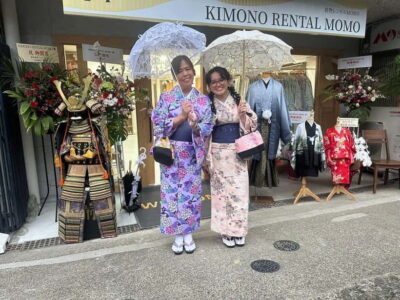
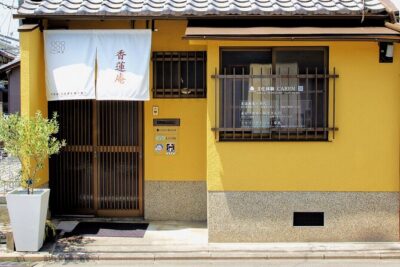
KYOTO Tea Ceremony with kimono near by Imamiya Jinjya Shrine
Read our review →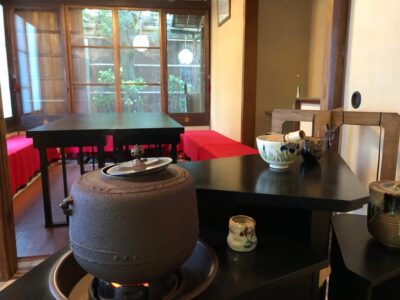
Kimono and Tea Ceremony Experience at Cultural Asset
Read our review →
Family-Friendly Kimono & Yukata Experience at WARGO
Read our review →Also filed under