
Reviewed · TEA CEREMONIES
Kyoto: Private Tea Ceremony at local home with tea master
Tea calm, right in central Kyoto. This private ceremony happens in a local home near Nijo Castle, led by a certified tea master. I like that you get a clear, step-by-step lesson, and I love the focus on Uji matcha plus seasonal sweets. One thing to plan for though, the rules are strict, no perfume and no shorts, and you’ll need socks for the tea room.
For $101 per person, the structure is simple and worth it: it runs about 1 hour, it’s private, and it’s in a real home setting, not a big show room. You’re also close to the Kyoto Imperial Palace area, so it fits nicely into a sightseeing day.
I also appreciate that the host says they can accommodate LGBTQ visitors, Halal needs, vegan preferences, and various allergies. The main limitation is age, it’s not suitable for kids under 13.
In This Review
- Key highlights you should care about
- Why this tea ceremony near Nijo Castle feels like Kyoto, not a performance
- Finding the meeting point without stress: Sakura 日本文化体験
- The 1-hour flow: what you’ll do, in order, inside the tea room
- What you learn beyond tea etiquette: tools, history, and the mindset
- Uji matcha and seasonal sweets: the part you taste, not just watch
- Dietary needs and visitor comfort: Halal, vegan, allergies, LGBTQ
- Dress code and tea room rules you must follow
- Price check: is $101 per person good value for a private tea master?
- Who should book this Kyoto tea ceremony, and who should skip
- Should you book this Kyoto tea ceremony at a local home?
- FAQ
- How long is the Kyoto private tea ceremony?
- Where is the meeting point?
- What is included in the price?
- Is this experience private?
- What languages are offered?
- Can you accommodate Halal, vegan, or allergies?
- Do I need to wear socks?
- Are shorts or sleeveless shirts allowed?
- Can I record video or audio during the ceremony?
- Is there an age limit?
Key highlights you should care about
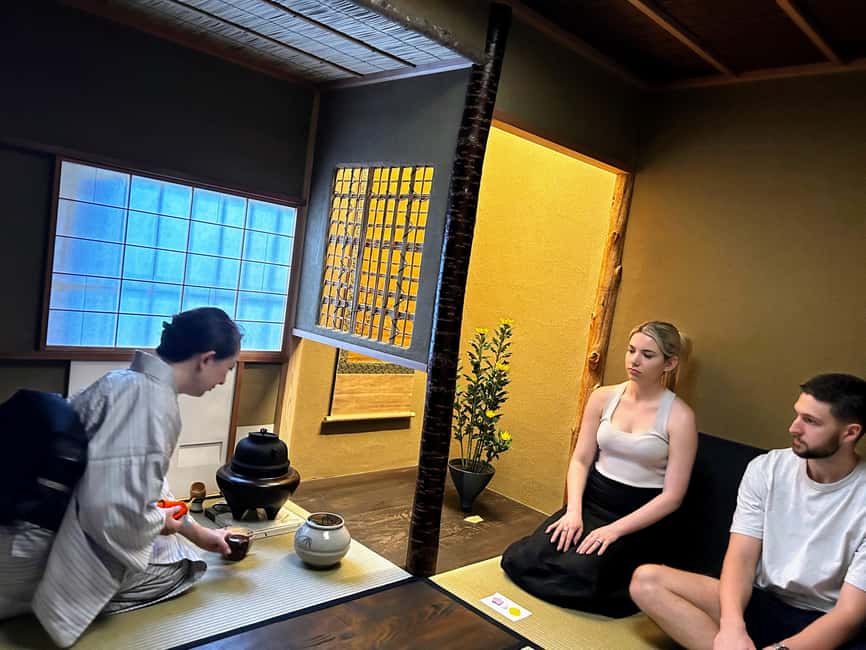
- Local-home setting near Nijo Castle: quieter and more personal than many group-style setups
- Certified tea master instruction: history, tools, and etiquette explained step by step
- Uji matcha with hands-on whisking: you don’t just watch, you practice
- Two matcha servings plus seasonal sweets: you’ll taste the ceremony, not just learn it
- Private group format: questions and pacing feel easier in a smaller setting
- Built-in accommodation options: Halal, vegan, LGBTQ needs, and allergies are specifically welcomed
Why this tea ceremony near Nijo Castle feels like Kyoto, not a performance
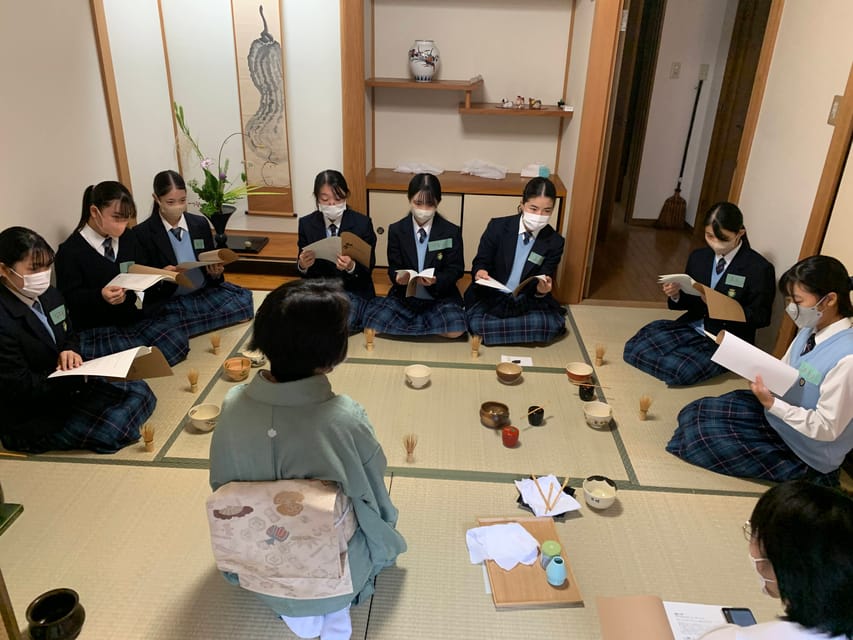
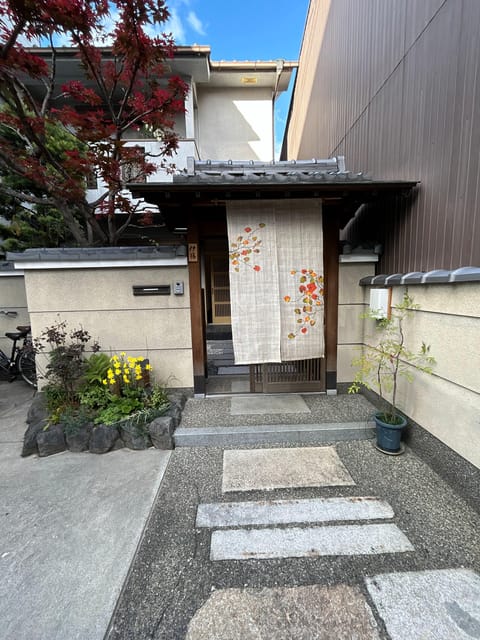
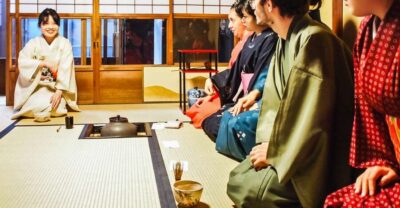
Kyoto’s tea ceremony can be done lots of ways, but the best version is the one that feels lived-in. Here, you’re going to a tea room inside a local home, close to Nijo Castle and not far from the Kyoto Imperial Palace area. That setting matters because it changes the tone. You’re not fighting crowds, and you’re not treated like you’re there to fill seats for a schedule.
The second big reason I think this works is the teaching style. The experience is led by a certified tea master born and living in Kyoto, and the session is built around explanation, demonstration, and then hands-on practice. You learn why each step happens, not just what to do with your hands.
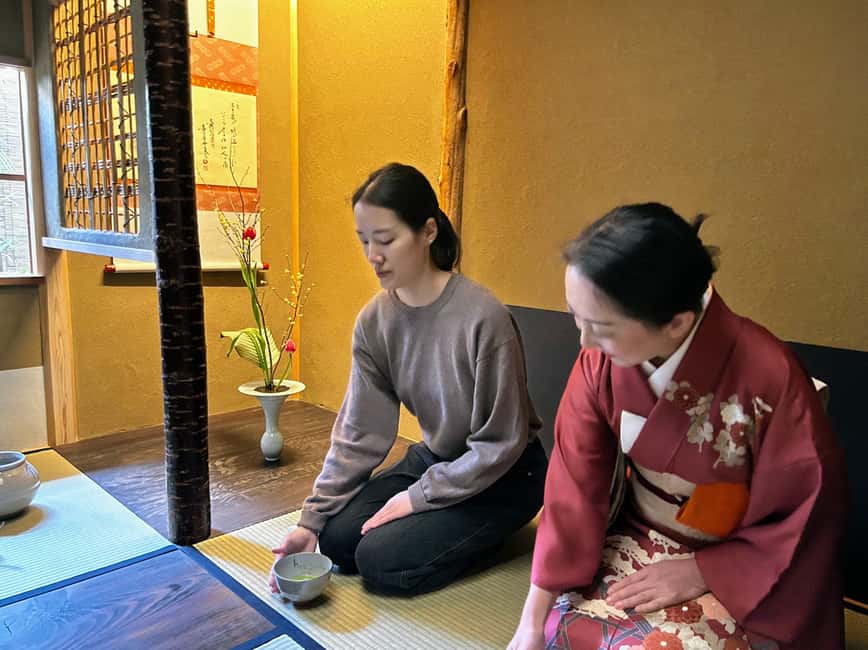
The session also has a clear cultural rhythm. You’ll start with an introduction to the Japanese tea ceremony, then step into the tea room and move through the gestures of the ceremony. The tea master explains the purpose and philosophy behind actions like preparing utensils, folding the ceremonial cloth, and mindfully pouring tea. That’s the “why” that turns manners into understanding.
Finding the meeting point without stress: Sakura 日本文化体験
You meet at さくら 日本文化体験. The location is handy if you’re doing this as part of a day that includes Nijo Castle or nearby neighborhoods.
Here’s what the directions mean in real life:
- It’s about a 3-minute walk from Nijojomae station, and about 3 minutes from Nijo Castle on foot.
- It’s around 15 minutes on foot from Hankyu Shijo station.
- It’s roughly 3 minutes from the Kyoto city bus Nijojomae stop by walk.
- If you’re coming from farther away, it’s about 10 minutes by taxi from JR Kyoto station.
So you’re not locked into a complicated transit route. You can walk from one key stop, or take a short taxi hop if you need to save time.
More bowls, poured the traditional way
- Kyoto: Tea Ceremony in a Traditional Tea House in Kiyomizu
★ 4.9 · 3,519 reviews - Kyoto: Tea Ceremony Ju-An at Jotokuji Temple
★ 4.9 · 3,207 reviews - Kyoto: 45-Minute Tea Ceremony Lesson Experience
★ 4.3 · 2,378 reviews - Kyoto: Table-Style Tea Ceremony at a Kyo-Machiya
★ 4.9 · 1,211 reviews
The 1-hour flow: what you’ll do, in order, inside the tea room
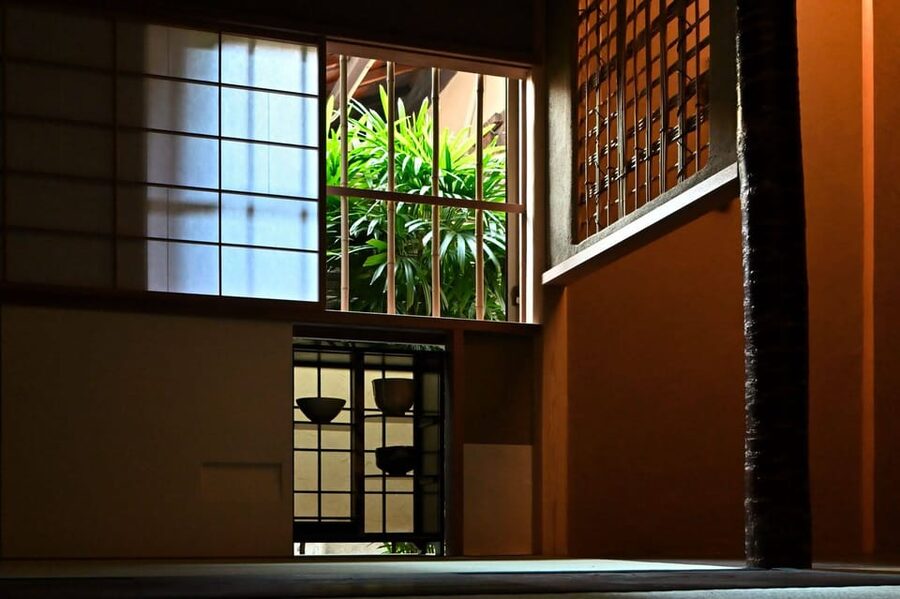
This experience is designed to fit into one focused hour. That’s good, especially if you’re touring all day. You won’t get bored, but you also shouldn’t expect endless Q and A.
After you arrive, you’ll get an introduction to the tea ceremony from the tea master. The session is set up for beginners, with complex terms and actions simplified so you can follow without feeling lost.
Then you move through the main ritual parts:
- Enter and observe the tea room setup
You’ll step into the tea room where the details reflect respect and tranquility. You’ll learn that the smallest movements have meaning.
- Ceremony gestures explained in plain language
The tea master walks you through actions like folding the ceremonial cloth and mindfully pouring the tea.
- Tools you’ll actually hear about
You’ll be taught the roles and significance of the main utensils, including the tea bowl (chawan), tea whisk (chasen), and tea scoop (chashaku). You’ll also get tips for handling and care, which is useful if you ever want to try matcha at home.
- A demonstration before you participate
You’ll watch the instructor’s movements and seasonal hospitality style during the demonstration. This is where you pick up the pacing and rhythm.
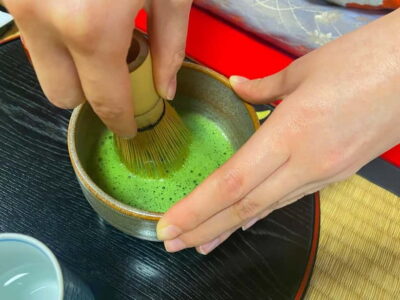
- Hands-on matcha preparation
You’ll prepare matcha yourself. This is one of the most valuable parts because it turns a cultural lesson into a physical experience you remember.
- Questions, reflection, and a better sense of etiquette
There’s time for Q and reflection so you can connect the gestures to the mindset behind them.
One practical note: because it’s only one hour, the ending can feel a little time tight if you have lots of extra questions. Plan for thoughtful questions, not a long list.
What you learn beyond tea etiquette: tools, history, and the mindset
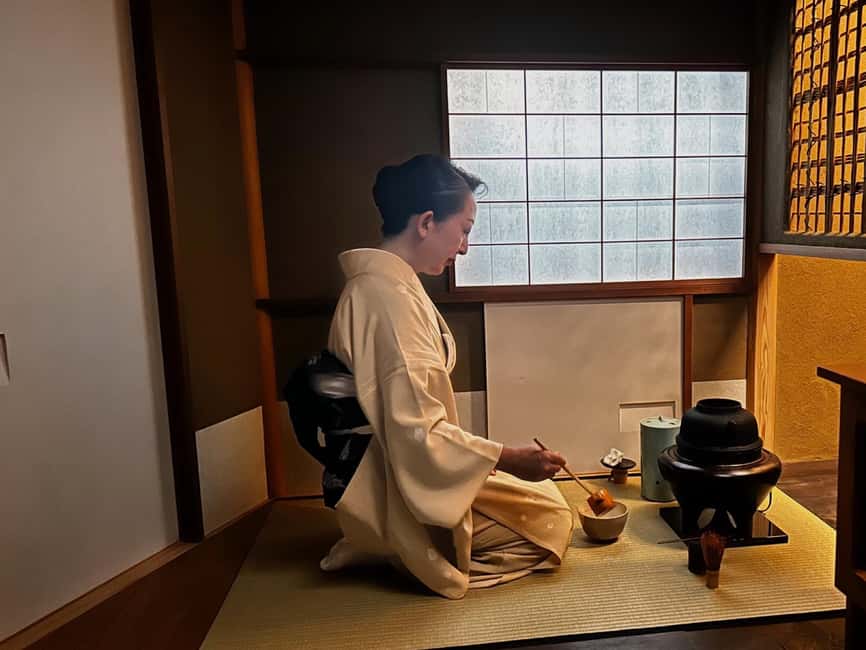
A tea ceremony can become either “pretty performance” or “real understanding.” This format aims for understanding.
You’ll learn:
- Introduction and history
The tea master explains the history and cultural background, including how the practice developed and has been passed down. You’re not going to get a textbook lecture, you’re going to get context tied to what you’re doing.
- Utensils and why they matter
The lesson covers the chawan, chasen, and chashaku, including what each tool does and why it’s used that way.
- Etiquette for handling and enjoying tea
You’ll practice proper handling of the tea bowl and the etiquette for appreciation. The “how” is taught, but the “why” matters too, because it changes how you hold the bowl and how you sip.
- A demonstration plus hands-on preparation
Watching is helpful, but preparing matcha yourself is where you start to understand the care behind each gesture.
If you like culture that you can feel in your hands, this is the better match than a lecture. It’s also a nice way to slow down during a Kyoto day that may already feel packed.
Uji matcha and seasonal sweets: the part you taste, not just watch
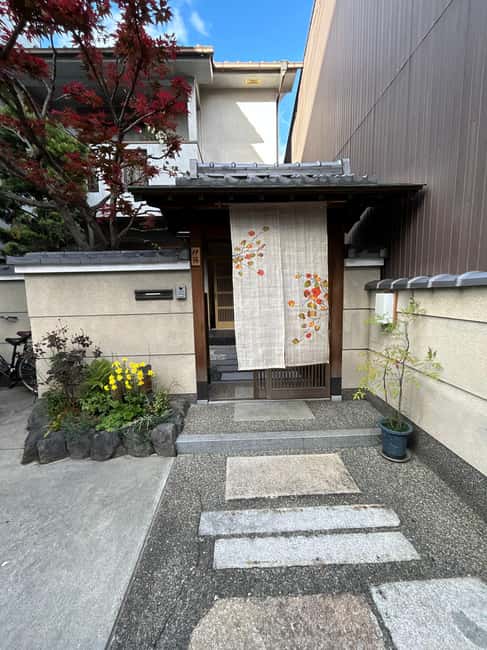
You’ll be served 2 cups of matcha during the ceremony. The matcha is described as coming from Uji, Kyoto, which is exactly the kind of detail that matters for flavor.
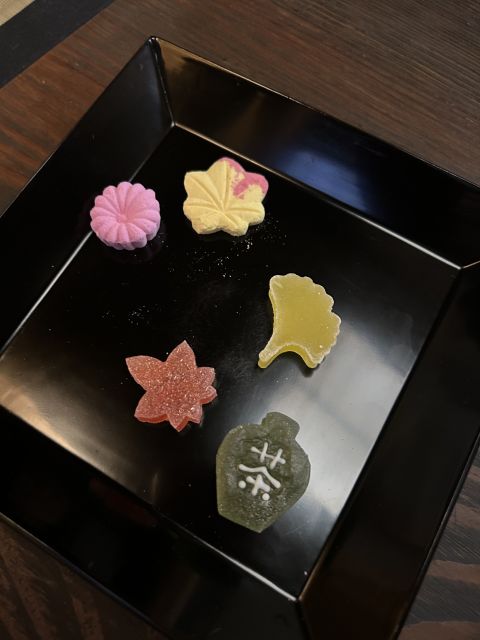
You’ll also get two kinds of traditional Japanese dried sweets. The experience description frames them as seasonal and order-based, so the sweets are meant to balance the tea.
What’s the practical value here? You’re learning the tea ceremony through the full sensory cycle:
- You prepare the matcha.
- You taste it in the quiet setting.
- You reset your palate with sweets that are meant to complement what you’re drinking.
- You learn where the rhythm comes from, so the next sip makes more sense.
If you’re matcha-curious but not sure where to start, this is a guided entry point. And if you already like matcha, you’ll probably enjoy noticing the care in the utensils and the preparation.
Dietary needs and visitor comfort: Halal, vegan, allergies, LGBTQ
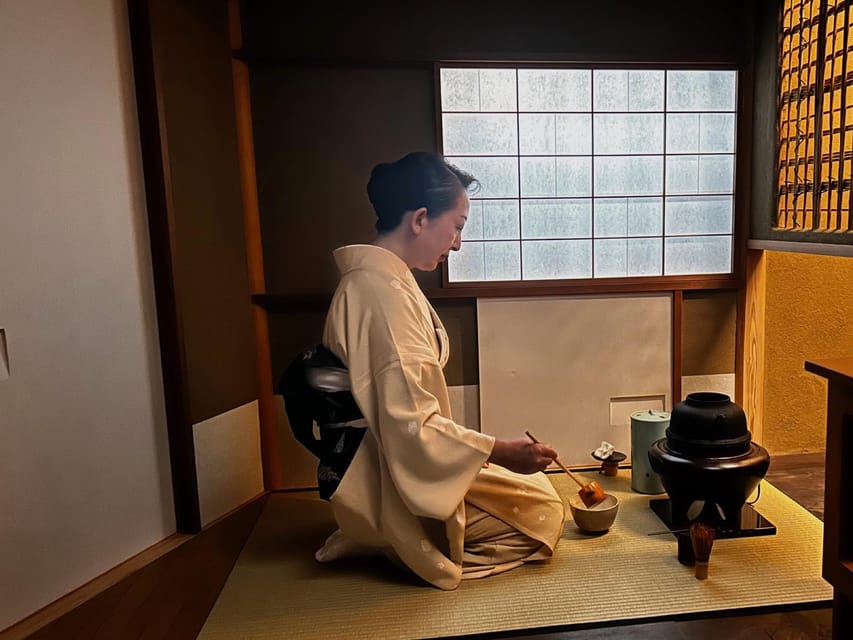
Kyoto is a great food city, but diet rules can be tricky when you’re in small cultural experiences. The provider explicitly says they can accommodate:
- LGBTQ visitors
- Halal needs
- Vegan preferences
- Various allergies
That’s a strong plus because it shifts the burden away from you. Instead of hoping a meal works out, you can ask before you go and get a clearer answer.
Also, the room rules are part of the experience, and that can affect comfort more than you’d expect. You’ll want to come prepared for the tea room environment. This is where you should read the dress and behavior rules carefully, because they are strict.
A quieter way to spend a day in Kyoto


Dress code and tea room rules you must follow
This ceremony is respectful and formal, and the rules reflect that. If you miss one, you might end up uncomfortable, stressed, or needing to adjust on the spot.
What to bring and wear:
- Comfortable clothes
- Long pants (or a long skirt)
- Socks
What is not allowed:
- Shorts
- Hats
- Smoking
- Short skirts
- Sleeveless shirts
- Jewelry
- Smoking indoors
- Vaping
- Alcohol and drugs
- Shoes indoors
- Video recording
- Audio recording
- Strong fragrances
- Bare feet
Two details are easy to overlook:
- No perfume. Come without fragrance products.
- No bare feet and no shoes indoors. You must wear socks. If you don’t have socks, they have socks available for purchase.
If you’re visiting in summer or during warm weather, pick breathable long trousers and plan your outfit around the restrictions. It’s one of the only real downsides, but once you follow the rules, you’ll likely feel calmer in the space.
Price check: is $101 per person good value for a private tea master?
$101 per person sounds like a lot until you break down what’s included in the hour.
You’re getting:
- A private group tea ceremony format
- Instruction in English and Japanese
- Matcha (2 cups)
- Seasonal traditional sweets (two kinds)
- A full explanation of history, utensils, and etiquette
- A demonstration plus hands-on matcha preparation
- Certification from the tea master
- Statement of accommodation for Halal, vegan, allergies, and LGBTQ needs
- Wheelchair accessibility
For $101, you’re paying for expert time and personalized instruction in a setting that’s close to major central Kyoto landmarks. A shorter “photo stop” tea tasting usually costs less, but you would not get the same guided etiquette lesson, the tool explanation, or the hands-on matcha prep.
The main tradeoff is that it’s only one hour. If you want an all-day deep study, this is not that. But if you want a real tea ceremony that fits into a touring schedule, the price looks fair.
Who should book this Kyoto tea ceremony, and who should skip
Book it if:
- You want a private tea ceremony in central Kyoto near Nijo Castle
- You like learning with your hands, not just watching
- You’re a beginner who wants etiquette explained clearly
- You care about matcha from Uji and want a guided tasting
- You need support for Halal, vegan preferences, or allergies
Skip it or think twice if:
- You cannot follow strict room rules (long clothes, no perfume, no shorts)
- You travel with strong fragrance products you do not want to leave behind
- You want a long multi-hour immersive experience instead of a focused one-hour session
- You’re bringing a child under 13
Should you book this Kyoto tea ceremony at a local home?
I’d say yes if your goal is authentic, calm culture in a central location, with real instruction. The combination of a certified tea master, hands-on matcha preparation, and a tea room setting in a local home is the winning formula here.
If you’re the type of traveler who enjoys small rituals, respectful etiquette, and food that you actually taste in the moment, this fits well. And the fact that dietary and visitor needs are explicitly welcomed makes it a safer choice than random walk-ins.
Just be honest about the dress and behavior rules. If you can show up in long clothes with socks and no fragrance, you’ll likely get a smoother, more enjoyable ceremony.
FAQ
How long is the Kyoto private tea ceremony?
The experience duration is 1 hour.
Where is the meeting point?
You meet at さくら 日本文化体験, which is about a 3-minute walk from Nijojomae station and close to Nijo Castle.
What is included in the price?
It includes 2 cups of matcha, 2 kinds of Japanese traditional dried sweets, and certification from a tea master.
Is this experience private?
Yes, it is a private group.
What languages are offered?
Instruction is available in English and Japanese.
Can you accommodate Halal, vegan, or allergies?
The experience provider states they can accommodate Halal, vegan, allergies, and various needs.
Do I need to wear socks?
Yes. Bare feet are not allowed, and shoes are not allowed indoors. You should bring socks, and socks are available for purchase if needed.
Are shorts or sleeveless shirts allowed?
No. Shorts and short skirts are not allowed, and sleeveless shirts are also not allowed.
Can I record video or audio during the ceremony?
No. Video recording and audio recording are not allowed.
Is there an age limit?
Yes, it is not suitable for children under 13.
New This Season
- Koyasan Day Trip by Private Car from Kyoto
- Old Port Town and Ultimate Sake Tasting Private Tour From Kyoto
- Kyoto’s Timeless Charm: 3hr Exploration of History and Peace
- Kyoto: 5 Types of Sushi Making
- Sacred Peak & Ancient Paths: Kurama-Kibune Hiking Experience
- Kyoto: Exclusive ZEN practice at Manpukuji temple in Uji
- Kyoto: Private Seasonal Aroma Yoga Class
- Traversing Kyoto’s Scenic West – Arashiyama to Kinkakuji
Tea Ceremonies, compared.
Tea Ceremony in a Traditional Tea House in Kiyomizu
Read our review →
Kimono Tea Ceremony at Kyoto Maikoya, NISHIKI
Read our review →
Tea Ceremony in 100-year-old Kyo-Machiya Townhouse
Read our review →
Also filed under