
Reviewed · TEA CEREMONIES
Kyoto Private Tea Ceremony with Tea Master at Home
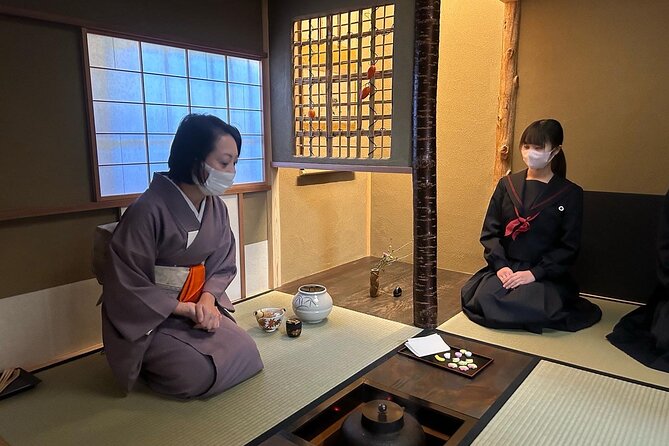
Matcha tastes better with context. This private Kyoto tea ceremony at a local home is guided by Aya-sensei, so you learn the why behind every bow, sip, and pause in between. You also get to see how living Kyoto tradition works when it is not staged for crowds.
Two things I really liked: first, the home setting near Nijō Castle, where the tea room feels calm and respectful instead of rushed. Second, the hands-on part, including making matcha the traditional way with a bamboo whisk and tasting two bowls made with a blended matcha from Uji. One catch to plan for: the rules are strict on timing and clothing, and there is no kimono rental included.
In This Review
- Key things to know before you go
- Why a tea ceremony in a real home changes the whole vibe
- Getting to the Sakura Experience Nijo Home (and why that matters)
- Tea rooms, bowls, and matcha: what you are actually tasting
- The wagashi moment: three sweets, diet-friendly
- How the ceremony usually unfolds in your hour
- Your etiquette checklist: socks, sleeves, perfume, and tatami reality
- Socks, not bare feet
- Clothing rules
- No perfume or fragrance
- Seating options
- Price and value: is $99.08 worth it?
- Who should book this Kyoto tea ceremony at home?
- What you take home besides good tea
- Should you book it? My honest take
- FAQ
- How long is the Kyoto private tea ceremony?
- Is this activity private?
- What sweets are included?
- Are the wagashi gluten-free and vegan?
- What matcha is included?
- What should I wear?
- Do I need to wear socks?
- Is kimono rental included?
- Can children join?
Key things to know before you go
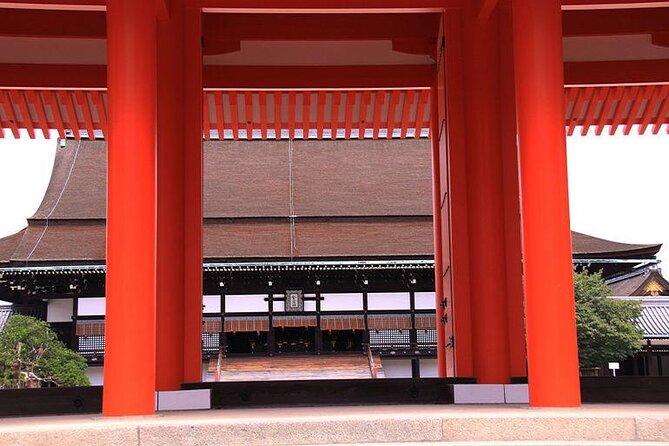
- Private tea ceremony in a Kyoto home near Nijō Castle, not a big public show
- Guided by Aya-sensei with clear instruction and time for questions
- Three types of seasonal wagashi, gluten-free and vegan-friendly
- Hands-on matcha prep with a bamboo whisk, then tasting two bowls
- Tatami etiquette basics covered in person (including socks and fragrance rules)
- A keepsake tea ceremony booklet to take home
Why a tea ceremony in a real home changes the whole vibe
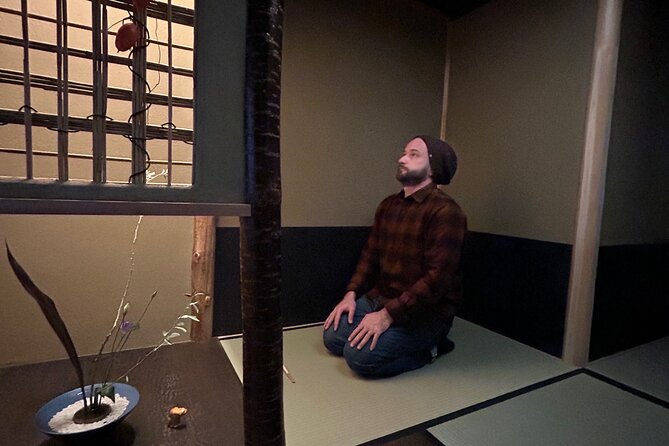
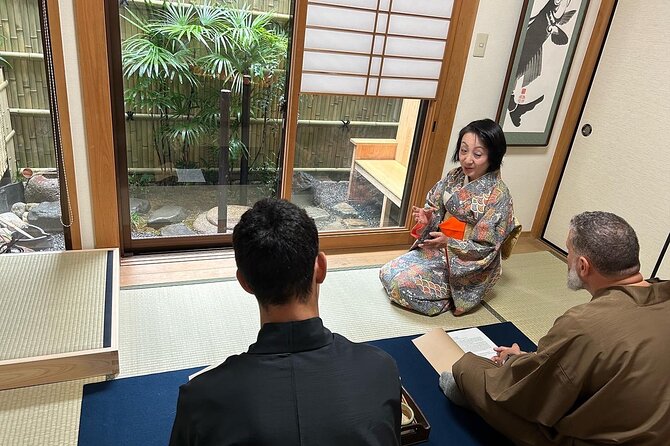
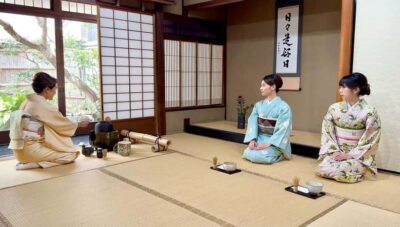
If you have only seen tea ceremonies as photos and performances, this one will feel refreshingly human. You step into Aya-sensei’s home, into traditional tea rooms (named Koma and Hiroma), and the tone is quiet. That matters, because tea ceremony etiquette is not about showing off, it is about attention.
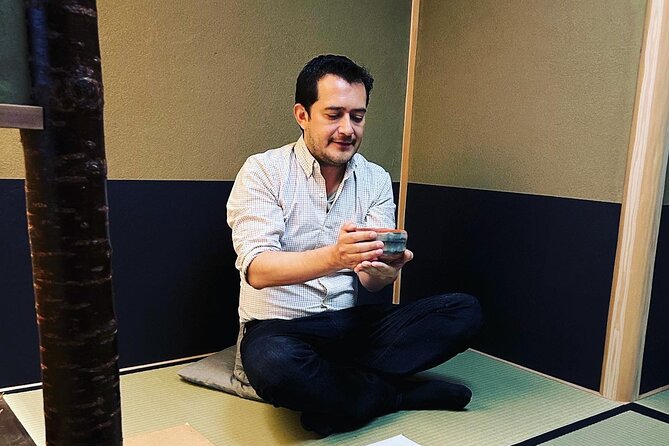
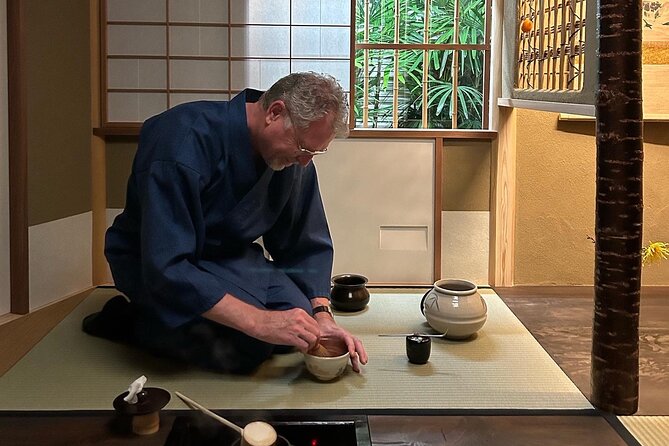
I also like that you are not just watching. The session is designed for learning, with demonstration and a hands-on portion where you prepare matcha yourself. In a place like Kyoto, where traditions can turn into checklists, this approach helps you understand the ceremony as a set of practical, repeatable gestures.
There is also a nice “local craft” feeling to it. Aya-sensei uses custom tea bowls commissioned from potters connected to Kyoto traditions, and the matcha comes from Uji. Even if you are new to matcha, you can taste the difference when someone walks you through what you are doing and why.
Getting to the Sakura Experience Nijo Home (and why that matters)
The meeting point is さくら日本文化体験 二条城教室 / SAKURA Experience Japanese Culture Nijo Home at Izumichō in Nakagyō Ward, about a short walk from the Nijō Castle area. It is near public transportation, so you are not stuck planning a taxi route just to find a doorbell.
This location is a big deal for your day. You can pair it with other central Kyoto sights without turning the tea ceremony into a logistics headache. One practical tip: aim to arrive early, because the session timing is strict. If you show up more than 15 minutes late, you may not be able to participate, and refunds are not offered in that case.
Also, this is a private activity, meaning it is only your group. That is one of the best parts of booking private in Kyoto. You get quieter pacing, fewer translation bottlenecks, and more time to ask “small questions” that make the ritual click.
More bowls, poured the traditional way
- Kyoto: Tea Ceremony in a Traditional Tea House in Kiyomizu
★ 4.9 · 3,519 reviews - Kyoto: Tea Ceremony Ju-An at Jotokuji Temple
★ 4.9 · 3,207 reviews - Kyoto: 45-Minute Tea Ceremony Lesson Experience
★ 4.3 · 2,378 reviews - Kyoto: Table-Style Tea Ceremony at a Kyo-Machiya
★ 4.9 · 1,211 reviews
Tea rooms, bowls, and matcha: what you are actually tasting
This experience is built around real materials and real provenance, not vague “authentic vibes.” Aya-sensei shares the tea tools and helps you understand what each piece contributes to the experience.
Here is what stands out from the details you are given:
- Tea bowls: custom-made for the retreat, connected to potters from Kiyomizu and Raku traditions
- Matcha: original blended matcha sourced from historic tea gardens in Uji
- Seasonal wagashi: prepared by a long-established Kyoto confectioner
So when you drink, you are not just tasting green powder. You are sampling a carefully chosen system: matcha origin, bowl character, and the etiquette surrounding serving and sipping.
In the reviews, I noticed a recurring theme: people were impressed not only by the tea itself, but by how smoothly the instructor could explain it and guide you through it. Aya-sensei’s English is described as strong and communication as friendly, which is a big deal if your Japanese is limited. You should be able to understand what you are doing, and that makes the whole thing more enjoyable.
The wagashi moment: three sweets, diet-friendly
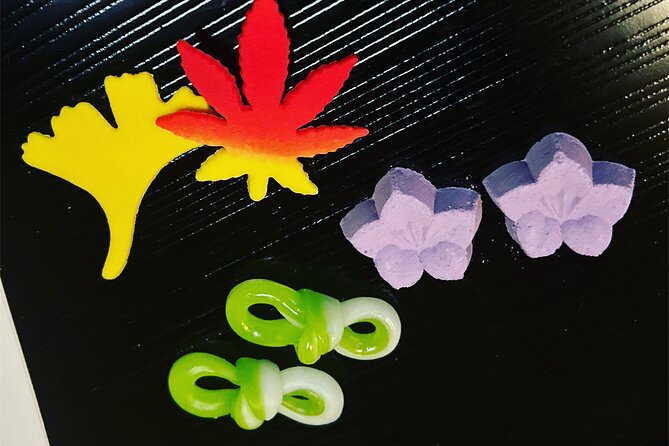
Tea ceremony in Japan traditionally includes wagashi before the tea. Here, you get three types of handcrafted wagashi from a long-established Kyoto confectioner, and they are designed to fit many diets: the snacks are gluten-free and vegan.
That is not a minor detail. Many food-focused activities in Japan are tricky if you are avoiding gluten or animal products. When a host already accounts for dietary needs, you do not spend the session worrying about what you can eat. You can focus on taste, texture, and the seasonal feel of the sweets.
What to expect with wagashi:
- You will snack as part of the flow of the ceremony
- You will likely get quick context for what you are eating and how it connects to the tea moment
- You will leave with a better sense of why wagashi is not just dessert, it is part of the ritual timing
If you are the type who likes to understand everything you eat, this helps. You get the tea and you also get the snack culture, in a format that respects dietary restrictions.
How the ceremony usually unfolds in your hour
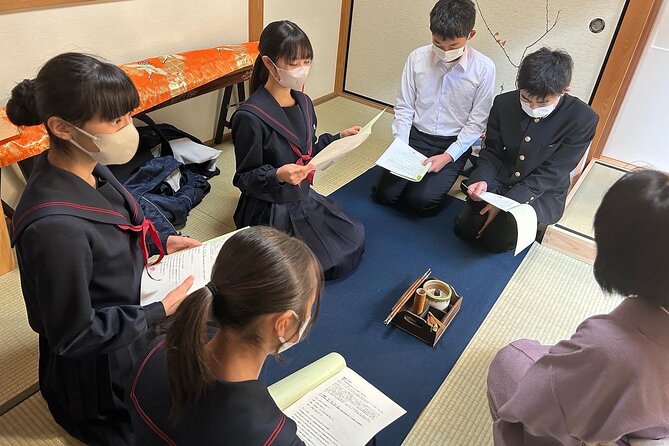
This is about 1 hour total, so it is focused. You will see the proper etiquette, learn the meaning behind it, and then get hands-on practice.
A typical flow you can expect:
- Welcome and orientation in the tea room
You are guided on basic etiquette and how to behave on tatami. This includes practical hygiene rules, like wearing socks instead of bare feet.
- Matcha preparation, first by demonstration
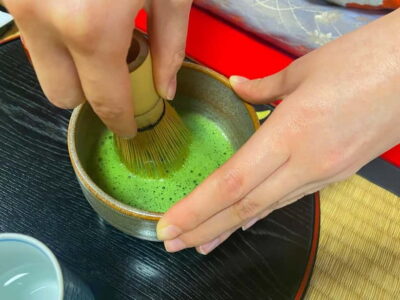
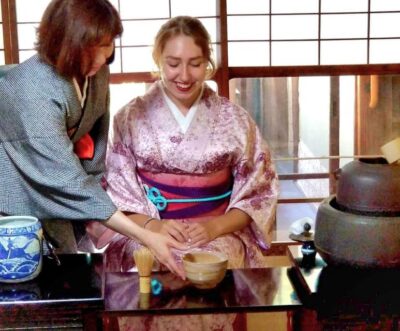
Aya-sensei shows the steps of preparing matcha with a bamboo whisk, so you see the rhythm and the technique.
- Your hands-on turn
You prepare matcha yourself. This is where the session becomes memorable, because you realize how small motions affect the drink.
- Sampling the wagashi
You snack on the three seasonal wagashi types as part of the ceremony flow.
- Tasting the tea
You are served two bowls of matcha made with the blended matcha from Uji.
- Close with questions and take-home learning
You also receive a tea ceremony booklet about the spirit and etiquette of the ceremony, so you can remember what you learned after you leave.
Because the session is private, the pace can feel calmer than a group class. The reviews also suggest Aya-sensei is patient and encouraging. If you worry you will do everything wrong, you can breathe. This kind of class is about learning the process, not winning a competition.
One extra detail I found useful from real experiences: Aya’s husband may take photos during the session and share them while you are still there. That is handy, because tea ceremony happens in a space where you might not want to pull out your phone every two minutes.
Your etiquette checklist: socks, sleeves, perfume, and tatami reality
Tea ceremony etiquette is strict in a way that can be surprisingly calming once you know the rules. The key ones here are clear and they matter:
A quieter way to spend a day in Kyoto



Socks, not bare feet
Tatami mats are part of the experience, and you are asked to wear socks for hygiene and protection. If you forget, socks are available for purchase on site. So you do not need to panic.
Clothing rules
You should wear a long skirt or long pants and a top with sleeves. Sleeveless tops, shorts, and mini skirts are not permitted. This is one of those rules that keeps the room atmosphere respectful and helps you move comfortably while sitting.
No perfume or fragrance
Fragrance can interfere with the tea room atmosphere. You are asked to refrain from wearing perfume, including musk-based scents. If you do wear something and it conflicts with the room rules, you might be asked to remove it before entering.
Seating options
There are small chairs available if you need them. If you think you might need that, inform the team in advance.
If you want the smoothest visit, do a quick outfit check the night before. Wear something comfy, long, and sleeve-covered. Think “quiet indoor culture class,” not “Kyoto street style.”
Price and value: is $99.08 worth it?
At $99.08 per person for about one hour, the price is not low. But in Kyoto, private cultural activities often cost more than you expect. What makes this one feel like solid value is what is included.
You get:
- Three types of seasonal wagashi, including gluten-free and vegan options
- A tea ceremony booklet you keep
- Demonstration and hands-on matcha preparation
- Two bowls of matcha made with a blended matcha from Uji
So you are paying for instruction from a licensed tea master, the use of the tea room, and quality ingredients tied to Uji and Kyoto confection craftsmanship. If you have ever done a cheaper “tea experience” that felt like a rushed photo stop, this private format tends to feel more intentional.
Also, this is booked fairly ahead of time on average, which usually signals demand for small, high-touch experiences in central Kyoto. If you want it, do not leave it to the last minute.
Who should book this Kyoto tea ceremony at home?
This one is especially a good fit if:
- You want quiet, private cultural learning, not a group performance
- You enjoy food details and want wagashi and matcha explained
- You like hands-on activities, even if you are a beginner at tea
- You prefer an instructor who can answer questions in English (Aya’s communication is praised in experiences)
It may not be the right fit if:
- You are traveling with kids under 13, since children aged 13 and under are not permitted
- You need maximum flexibility on arrival time, because being late can prevent participation
- You want a kimono experience, since kimono rental is not included
What you take home besides good tea
The souvenir here is not just a photo memory. You receive an original tea ceremony booklet that covers the spirit and etiquette of the ceremony. That is the part that keeps paying you back after the session, because you can revisit what you learned when you make matcha at home.
Even if you do not plan to practice right away, the booklet helps you decode what you saw: why the order matters, why the gestures matter, and why the calm pacing is part of the teaching.
And if you are the type who likes to shop during cultural experiences, you may find yourself tempted by tea tools after seeing how carefully they are handled. Some people have left with a tea cup to remember the day, which makes sense after you have used the bowls as part of the flow.
Should you book it? My honest take
Book this if you want a one-hour Kyoto experience that feels respectful, practical, and personal. The private home setting, the hands-on matcha whisking, and the diet-friendly wagashi make it a strong choice for many travelers, including those who usually struggle with food restrictions.
The main reason not to book is simple: the rules are real. Wear the right clothes, arrive on time, and do not bring strong fragrance into the room. If that sounds like a fair trade for a calm cultural lesson, you are going to enjoy this.
FAQ
How long is the Kyoto private tea ceremony?
The experience runs for about 1 hour.
Is this activity private?
Yes. It is a private tour, and only your group will participate.
What sweets are included?
You get seasonal handcrafted wagashi in three types, made by a long-established Kyoto confectioner.
Are the wagashi gluten-free and vegan?
Yes. The snacks are gluten-free and vegan, designed to accommodate many dietary needs.
What matcha is included?
You will prepare matcha with a bamboo whisk and are served two bowls of matcha made with a blended matcha from Uji.
What should I wear?
Wear a long skirt or long pants, and a top with sleeves. Sleeveless tops, shorts, and mini skirts are not permitted.
Do I need to wear socks?
Yes. Socks are required for hygiene and to protect the tatami mats. If you forget, socks can be purchased on site.
Is kimono rental included?
No, kimono rental is not included.
Can children join?
Children aged 13 and under are not permitted to join this class.
New This Season
- Koyasan Day Trip by Private Car from Kyoto
- Old Port Town and Ultimate Sake Tasting Private Tour From Kyoto
- Sacred Peak & Ancient Paths: Kurama-Kibune Hiking Experience
- Kyoto’s Timeless Charm: 3hr Exploration of History and Peace
- Kyoto: 5 Types of Sushi Making
- Kyoto: Exclusive ZEN practice at Manpukuji temple in Uji
- Kyoto: Private Seasonal Aroma Yoga Class
- Traversing Kyoto’s Scenic West – Arashiyama to Kinkakuji
Tea Ceremonies, compared.
Tea Ceremony in a Traditional Tea House in Kiyomizu
Read our review →
Kimono Tea Ceremony at Kyoto Maikoya, NISHIKI
Read our review →
Tea Ceremony in 100-year-old Kyo-Machiya Townhouse
Read our review →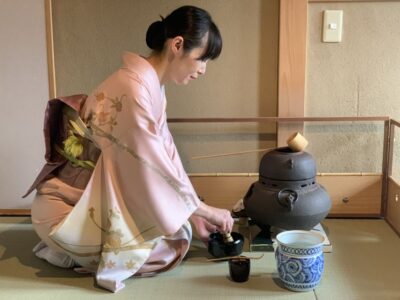
Also filed under