
Reviewed · TEA CEREMONIES
Kyoto: Quiet and Graceful Tea Ceremony
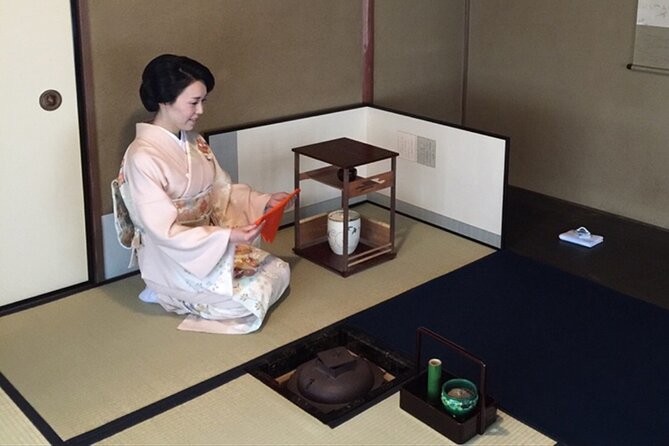
Kyoto slows your breathing for 45 minutes. This tea ceremony at Omotenashi Tea Ceremony 南茶道教室 is built around quiet, exacting matcha preparation taught by a tea master, then topped with traditional sweets. I especially like that it feels small and personal, capped at a maximum of 8 travelers, and that you do not just watch, you learn the ritual steps up close.
One thing to plan for: the tea space can feel cold in cooler months. If you’re visiting in November or winter, bring a warm layer, because a tatami-room chill is real when you’re sitting still.
In This Review
- Key things to know before you go
- Kyoto Matcha in a Calm, Private Setting
- Price and Value: Why $56.49 Can Make Sense
- Meeting Point Near Nakagyo, Then Into the Tea Room
- What Happens During the 45 Minutes
- Matcha You Can Taste, Not Just Sip
- Seasonal Wagashi: Sweetness With a Reason
- Etiquette Lessons You’ll Actually Use Later
- The Main Trade-Offs: Cold Rooms, Limited Photos, No Kimono
- Who This Kyoto Tea Ceremony Suits Best
- Practical Tips to Get the Most Out of Your Visit
- Should You Book This Tea Ceremony in Kyoto?
- FAQ
- How long is the Kyoto tea ceremony experience?
- What is the group size limit?
- Is tea and a snack included?
- Is kimono rental included?
- Can I take photos or videos during the ceremony?
- What is the cancellation policy?
Key things to know before you go
- Small group, maximum 8: more attention, less waiting, better focus on etiquette and timing.
- Tea master instruction: you learn the precise steps for premium matcha, not just the story.
- You get to participate: you can make your own tea, then taste it properly.
- Seasonal sweets included: the wagashi is part of the experience, not an afterthought.
- No kimono rental: you should go without expecting dressing up.
- Photos are limited: you can take pictures before and after, but not during the tea performance.
Kyoto Matcha in a Calm, Private Setting
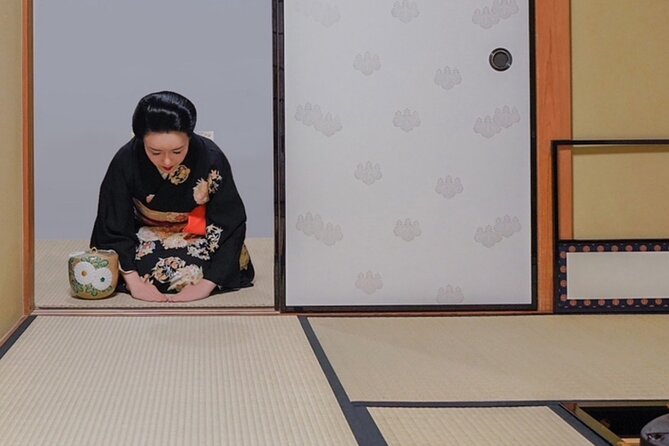
Kyoto is famous for tea, but this experience leans into the quieter side of it. Omotenashi Tea Ceremony 南茶道教室 runs in a private home setting tied to a tea master, so the atmosphere is controlled, intimate, and designed for slow attention. You come in, learn how to enter and sit with correct etiquette, and then the session settles into the choreography of the ritual.
What you’re really buying here is the space to pay attention. In a typical restaurant, matcha is a drink. In a tea ceremony like this, matcha is a process. The host’s movements, the utensil handling, and the pacing of each step are part of the teaching, and they matter because they change how you taste. Several guests highlight the calm feeling that starts the moment you enter the room, which is exactly what you want in Kyoto.
Also, this is not a crowd event. With a maximum of 8 travelers, you’re less likely to feel like a background extra. You get room to ask questions too, and one review specifically praises a host named Mai for being warm, precise, and easy to understand in English.
Price and Value: Why $56.49 Can Make Sense
At $56.49 per person for about 45 minutes, you’re not paying for a long tour. You’re paying for a focused, instructor-led cultural session with included tea and sweets, plus time to practice the ritual steps.
Here’s what makes the value work:
- The matcha is premium and sourced from Kyoto producers, and that quality shows in the taste.
- Tea and traditional sweets are included, so you’re not doing math mid-visit while your stomach is asking questions.
- You’re in a capped group, which keeps the experience from becoming a quick demo.
- You learn the process, including tasting and etiquette, rather than just observing.
Now, the fair caution. A few reviews point out that kimono dressing is not included and that the setting is not aiming for a flashy, tourist-show vibe. If you want costumes, Instagram backdrops, and lots of photo ops inside the room, this may feel too quiet. If you want a real lesson in how tea ceremony works, the structure is strong.
More bowls, poured the traditional way
- Kyoto: Tea Ceremony in a Traditional Tea House in Kiyomizu
★ 4.9 · 3,519 reviews - Kyoto: Tea Ceremony Ju-An at Jotokuji Temple
★ 4.9 · 3,207 reviews - Kyoto: 45-Minute Tea Ceremony Lesson Experience
★ 4.3 · 2,378 reviews - Kyoto: Table-Style Tea Ceremony at a Kyo-Machiya
★ 4.9 · 1,211 reviews
Meeting Point Near Nakagyo, Then Into the Tea Room
You meet at 南総合会計事務所450-1 Sanbongichō, Nakagyo Ward, Kyoto, 604-0871, Japan. The activity ends back at the same meeting point, which is a nice way to avoid getting stranded across town after a short, calming session.
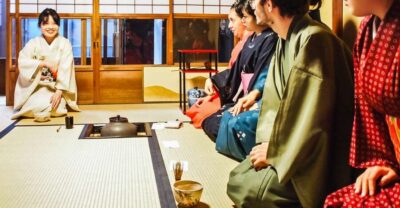
From there, you’re led into the tea ceremony space, which is described as an elegant private area designed for tea ceremony. Expect a tatami-room feel based on guest comments. That matters. Tatami seating changes how you physically experience the ceremony. You sit still, you watch carefully, and you absorb the pacing.
One practical tip: arrive a few minutes early and settle yourself. One review notes they felt warmly welcomed even after arriving late, but the whole point of tea ceremony is rhythm, not rushing. If you’re coming from Kyoto Station or a busy morning neighborhood walk, slow down on purpose before the door closes.
What Happens During the 45 Minutes
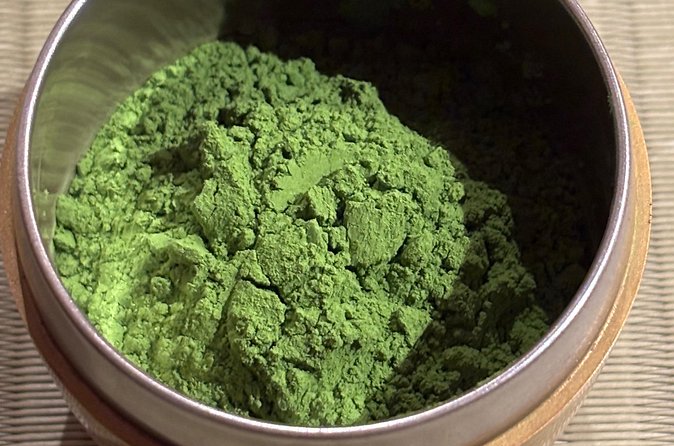
This experience is short on purpose. Forty-five minutes is enough time to learn the basics without turning the ceremony into a lecture marathon.
A typical flow looks like this:
- Welcome and etiquette basics
You’re shown how to enter the room and where to sit. Even if you’ve never done this before, the goal is to keep it comfortable and natural, not strict or intimidating. Guests mention that etiquette is taught clearly.
- Matcha preparation instruction
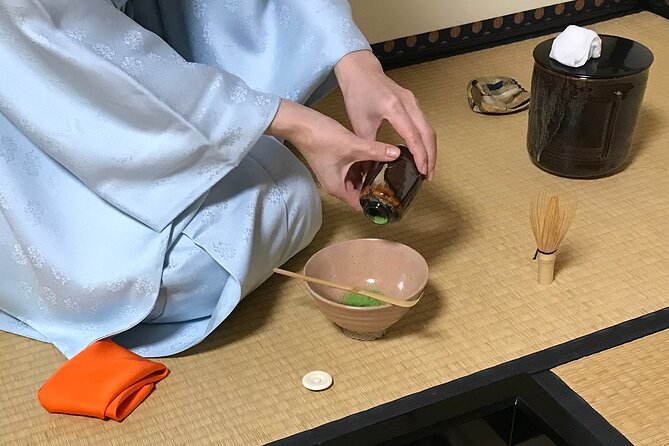
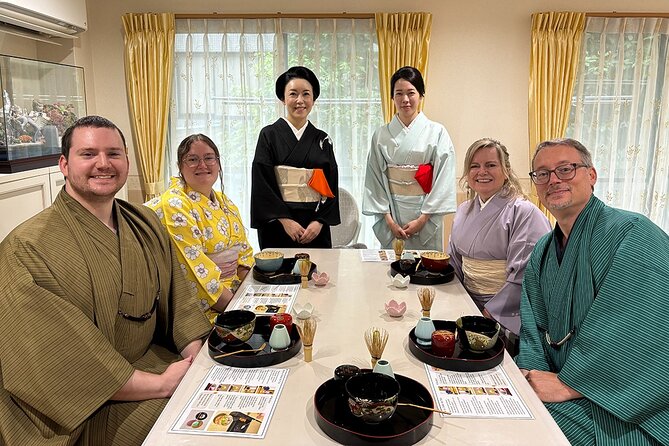
A tea master demonstrates the precise steps in preparing premium matcha. You’ll see the sequence, the utensil handling, and how the host keeps the process calm and deliberate.
- Your hands join the ritual
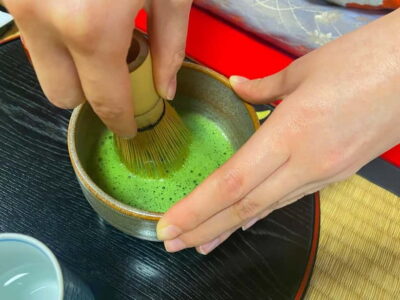
Several guests specifically mention making the tea themselves. This is a big difference from many “watch only” ceremonies. When you try whisking and pouring, you understand why the ceremony is done this way.
- Seasonal sweets and tasting
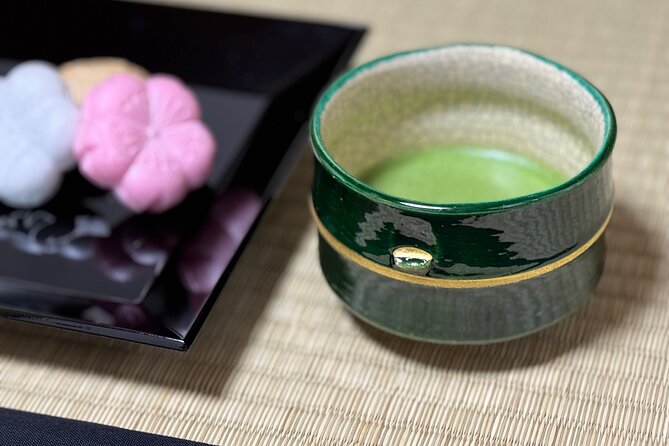
You enjoy traditional Japanese sweets to go with the matcha. The timing matters, too. You eat the wagashi, then taste the tea as the flavors settle.
- Questions, if time allows
Reviews point out Q and A that feels helpful and friendly, not stiff.
The strongest praise in the reviews is about the host’s graceful, deliberate movements, and the quiet in the room while the tea is prepared. That quiet is not accidental. It’s part of the design, so you get that “slow down” effect people describe as mindfulness and calm.
Matcha You Can Taste, Not Just Sip
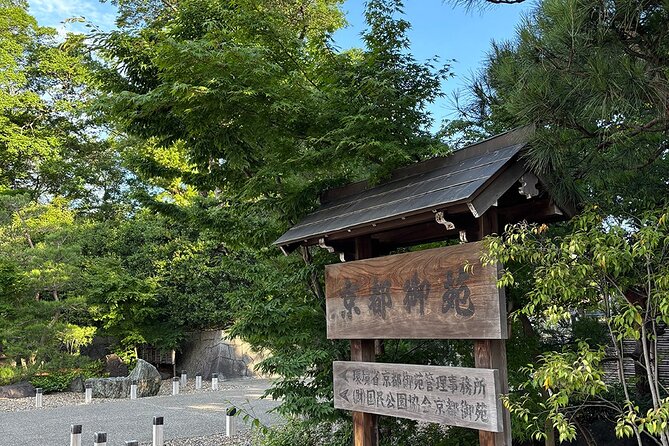
In a lot of Kyoto tea experiences, matcha can feel like a prop. Here, matcha is the centerpiece, and you can tell because the instruction focuses on preparation, not just drinking.
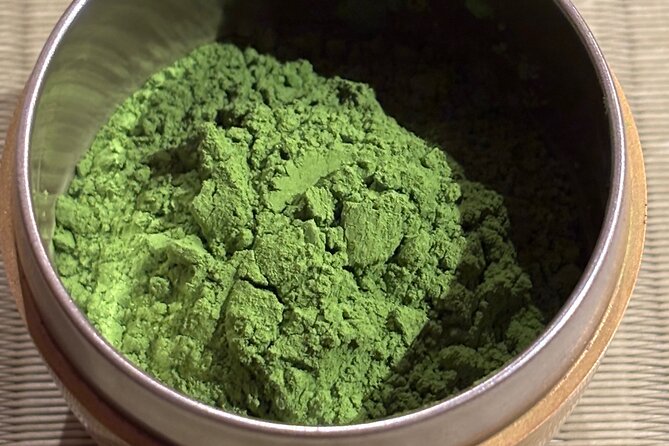
You’ll learn the ritual steps for matcha, which usually includes how to handle the tools and how to prepare the bowl so the tea tastes right. One featured review calls out the host’s movements and the attention to detail, from utensil placement to the careful flow of steps. That level of precision is the point: it shows you that matcha is not random. It’s built for flavor and balance.
If you’re a matcha fan already, this is a good check on your standards. One guest says the matcha tasted among the best they had experienced. If you’re new to matcha, this is a gentle intro because you are learning by doing, not drowning in jargon.
Seasonal Wagashi: Sweetness With a Reason
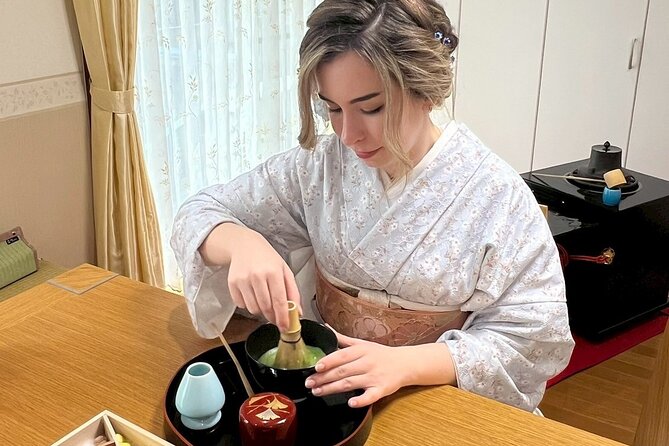
The sweets here are traditional Japanese seasonal sweets, served alongside your premium matcha. That pairing is important. Wagashi often reflects the season and the mood of the tea event, and it gives your palate something to contrast with the bitterness and depth of matcha.
A small but telling detail from one review: when kids did not like the sweet, the host brought Oreos. That does not change the cultural core of the experience, but it shows the flexibility and care. If you’re traveling with kids or picky eaters, you’re not going to be left without an alternative.
Do keep expectations realistic. This is not a buffet of snacks. It’s a considered small serving that’s meant to be eaten slowly, then followed by the tea. If you need big hunger relief, plan a meal nearby and treat this as a cultural pause.
A day of temples goes further with something to break it up.

Etiquette Lessons You’ll Actually Use Later
One of the best “value” parts of tea ceremonies is etiquette. It’s not just manners. It’s how you learn what matters in the space.
Guests mention that the host shows proper etiquette for entering the room and sitting down. You also see how utensils are handled and how the host guides attention. When you learn those basics, your next tea experience, even in a café, becomes less confusing. You’ll notice the difference between a rushed pour and a prepared ritual.
This matters for first-timers. If you’ve never sat on tatami, never handled tea utensils, and never tried matcha beyond a drink order, this kind of instruction makes the whole thing click.
The Main Trade-Offs: Cold Rooms, Limited Photos, No Kimono
Let’s be honest about what might bother you.
Cold in the room (especially in November): one review calls out that the house kept very cold for November. If you run cold, wear layers. Tea ceremony has you sitting still, and staying warm helps you stay present.
No kimono rental: several reviews mention kimono dressing is not included. If you came hoping for a full costume moment, adjust your expectations. You’re coming for the ritual and the teaching, not for outfit drama.
Photo limits: you can take photos before and after, but you should not expect to film or photograph during the tea performance inside the room. If your priority is Instagram content inside the ceremony space, this may feel restrictive.
Finally, a couple of comments suggest the pace can feel slightly rushed, or that the setup may not feel fancy. That comes down to expectations. This is designed to be quiet and authentic, which can feel plain compared with touristy “performance” ceremonies.
Who This Kyoto Tea Ceremony Suits Best
This is a great fit if you want:
- A calm cultural experience rather than a loud tour stop
- Hands-on learning of matcha preparation steps
- A small-group setting with space for questions
- Traditional sweets paired thoughtfully with your tea
It also works well for couples who want a shared, low-pressure moment in Kyoto. Reviews mention the experience can feel intimate even for solo visitors, and one family even brought kids and found the host accommodating.
If you’re traveling with big tour energy, you may find this too quiet. If you like structured craft, mindful pacing, and doing small things carefully, you’ll enjoy it.
Practical Tips to Get the Most Out of Your Visit
A few small moves can make the experience feel smoother:
- Arrive a few minutes early so you can settle into the ritual mindset.
- Wear layers for tatami-room temperatures.
- Keep your phone away during the performance. Photo limits are part of the calm.
- Ask questions if anything about etiquette or matcha technique is unclear. The host’s Q and A is part of the value.
- Plan lunch or dinner nearby. The sweets are traditional, small, and meant to pair with tea.
Also, if you’re sensitive to noise, tea ceremonies are your friend. One theme in the feedback is how quiet the room feels while tea is prepared, and that’s exactly what you want if Kyoto feels a bit too hectic on your first day.
Should You Book This Tea Ceremony in Kyoto?
I’d book it if you want a real tea lesson in Kyoto, with premium matcha, seasonal sweets, and a tea master who guides you step-by-step in a small group. The limited group size, the chance to make your own matcha, and the emphasis on etiquette are the core strengths here.
I’d think twice if you’re expecting kimono dressing, big photo opportunities inside the ceremony room, or a flashy show with lots of spectacle. And if you travel in colder months, bring warm layers so the room temperature does not steal your attention.
If you want Kyoto to feel gentle for a while, this is a strong way to do it.
FAQ
How long is the Kyoto tea ceremony experience?
It lasts about 45 minutes.
What is the group size limit?
The experience has a maximum of 8 travelers.
Is tea and a snack included?
Yes. You’ll be served tea and traditional sweets/snacks as part of the ceremony.
Is kimono rental included?
No. Kimono rental is not included in the tea ceremony experience.
Can I take photos or videos during the ceremony?
Photos before and after the ceremony are allowed, but photos or videos are not allowed during the tea performance inside the ceremony area.
What is the cancellation policy?
You can cancel for free up to 24 hours before the experience starts for a full refund.
New This Season
- Koyasan Day Trip by Private Car from Kyoto
- Old Port Town and Ultimate Sake Tasting Private Tour From Kyoto
- Kyoto’s Timeless Charm: 3hr Exploration of History and Peace
- Kyoto: 5 Types of Sushi Making
- Sacred Peak & Ancient Paths: Kurama-Kibune Hiking Experience
- Kyoto: Exclusive ZEN practice at Manpukuji temple in Uji
- Kyoto: Private Seasonal Aroma Yoga Class
- Traversing Kyoto’s Scenic West – Arashiyama to Kinkakuji
Tea Ceremonies, compared.
Tea Ceremony in a Traditional Tea House in Kiyomizu
Read our review →
Kimono Tea Ceremony at Kyoto Maikoya, NISHIKI
Read our review →
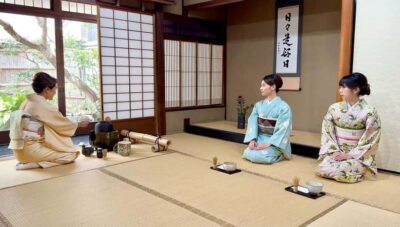
Tea Ceremony in 100-year-old Kyo-Machiya Townhouse
Read our review →
Also filed under