
Reviewed · COOKING CLASSES
Kyoto Ramen Bowl Painting and Michelin Cooking Class
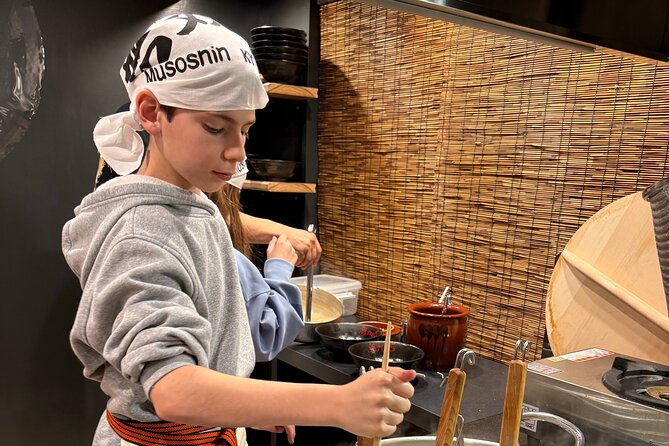
Ramen gets personal in Kyoto. This class mixes hands-on Michelin-style cooking with bowl painting, all guided inside a real ramen restaurant setting. I love that the ingredients you use are handled like they do at Musoshin, with prep coming from their nearby store, and that you can shape the meal to your diet with vegetarian or vegan options.
The one thing to keep in mind is the schedule is tight. With temple stops plus cooking and painting in about 1.5 hours, you will need to keep a steady pace and be ready to follow along without lots of downtime.
In This Review
- Kyoto Temple Walk Meets Michelin-Style Ramen Cooking
- Key highlights to know before you go
- Temples, Then Ramen: How the Kyoto Morning Flow Actually Works
- Musoshin Ramen Academy: The Working Restaurant Behind the Class
- Chef Shin’s Ramen Workshop: What You Learn Beyond the Recipe
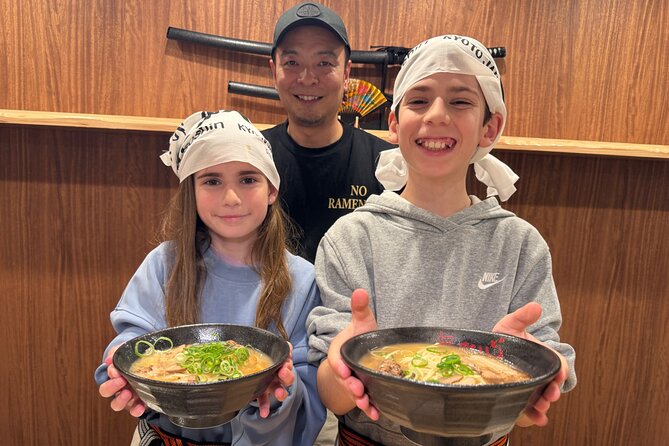
- From Your Bowl to Your Plate: Cooking, Then Eating What You Made
- Painting Your Ramen Bowl on the Second Floor
- Baking and Pickup: How to Plan Around Next-Day Time
- Why This Ramen Class Feels Like a Real Kyoto Experience
- Price and Value: Is $78.18 Actually Fair?
- Temple Stops, Time Limits, and Who Should Book
- Should You Book Musoshin Ramen Academy?
- FAQ
- How long is the Kyoto Ramen Bowl Painting and Michelin Cooking Class?
- How much does the experience cost?
- Where does the experience start?
- What happens during the Michelin cooking part?
- Can the ramen be made vegetarian or vegan?
- What is the ramen bowl painting part?
- Is there an option to bake the painted bowl?
- What souvenirs do you receive?
- Can I cancel for a full refund?
Kyoto Temple Walk Meets Michelin-Style Ramen Cooking
Key highlights to know before you go
- Michelin-starred ramen training in a working ramen academy run by Musoshin Ramen
- Chef Shin-led class with Q and A built into the process
- Vegetarian and vegan ramen options so it is not a compromise meal
- Paint your ramen bowl on the second floor, then take it home
- Optional oven-baking with pickup the next morning or later
Temples, Then Ramen: How the Kyoto Morning Flow Actually Works
This experience starts in the Higashiyama area, right where Kyoto’s old-temple vibe is thick in the air. You meet at 440-5 Nishigomonchō, Higashiyama Ward, Kyoto, and then your group heads out on temple stops: Kiyomizu-dera, Kennin-ji, and Sanjusangendo.
The best way to think about these stops is as mood-setting. You get that quick sense of Kyoto’s spiritual center first, then you pivot into something very practical, the kind of hands-on food craft most cities do not offer inside a single neat block of time. If you like your travel days structured, this one is. If you prefer wandering slowly and stopping to snack whenever you feel like it, you may feel slightly rushed.
Also note the group size: it is capped at 12 people. That matters, because the cooking and painting are the main event, and a smaller group helps the instructor keep the class moving and still answer questions.
More bowls worth the wait
- Ramen Cooking Class at Ramen Factory in Kyoto
★ 5.0 · 1,937 reviews - Kyoto: Ramen Cooking Class at a Ramen Factory with Souvenir
★ 4.9 · 532 reviews - Kyoto: Ramen, Gyoza, and Onigiri Cooking Class
★ 5.0 · 445 reviews - Kyoto Ramen and Gyoza Cooking Class with Professional Chefs
★ 5.0 · 282 reviews
Musoshin Ramen Academy: The Working Restaurant Behind the Class
The ramen academy is run by Musoshin Ramen. They operate multiple locations, including three in Kyoto and three in Toronto, and the Toronto operation has been nominated for Michelin three times. That restaurant background is the point. This is not a generic cooking demo with pre-made food. You are learning the method from a team that cooks these bowls for real customers.
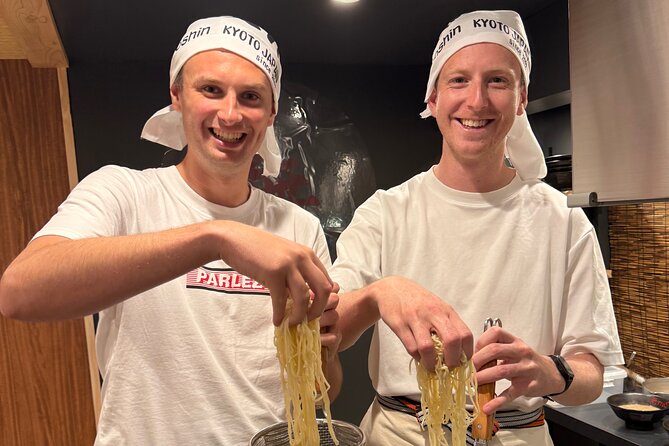
Inside the academy, the flow is simple and efficient. You get instruction on the first floor, then you eat what you make. After that, you move to the second floor for bowl painting. The structure keeps the experience from feeling like separate activities taped together.
Another detail I really liked: the ingredients are brought from the nearby Musoshin Gion store, and they are the kind of ingredients the chef handled the day before. That means you are not waiting around for everything to be cooked from scratch on the spot. You get more time for learning and doing.
Chef Shin’s Ramen Workshop: What You Learn Beyond the Recipe
At the core, you are making Michelin-starred ramen. That sounds fancy, but in a cooking class, what matters is what you actually practice. The academy teaches you how to make the ramen and the recipes, step by step, with the goal of helping you understand what makes each part work.
What I found especially valuable is that the class focuses on the building blocks. You do not just assemble a bowl and move on. You learn what goes into every single ingredient and why the process matters. In other words, you walk away with more than taste memory. You get a framework you can use later.
A big win for different diets: you can switch to vegetarian or vegan ramen. That is not an afterthought menu item. It is built into the class, which keeps the experience from feeling like you are sitting out while everyone else makes the real deal.
And then there is the instructor energy. Chef Shin is both serious about the craft and easy to engage with. People ask questions, and he answers them directly about the recipe and the process. If you are the kind of diner who wants to understand why restaurant ramen tastes the way it does, this is the part that clicks.
From Your Bowl to Your Plate: Cooking, Then Eating What You Made
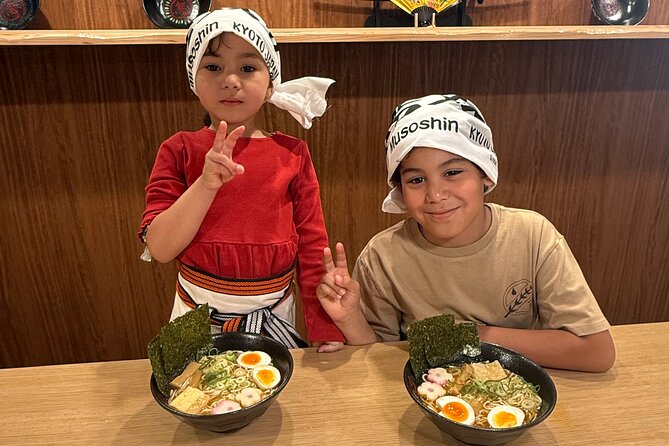
Once the prep and cooking steps are done, you get to enjoy the ramen you made. This is one of those travel details that can seem small on paper, but it changes the whole experience.
Because you eat what you cooked, you notice things you would miss if the class ended with a takeaway box. You can taste how your broth and toppings are balanced, and you understand the recipe in your mouth, not just in your notes.
Also, the class is designed to keep you moving. Since the experience runs about 1 hour 30 minutes, the academy likely uses timing and prepped ingredients to prevent long waits. For you, that means less standing around, more action, and a smoother transition from cooking to eating to painting.
Painting Your Ramen Bowl on the Second Floor
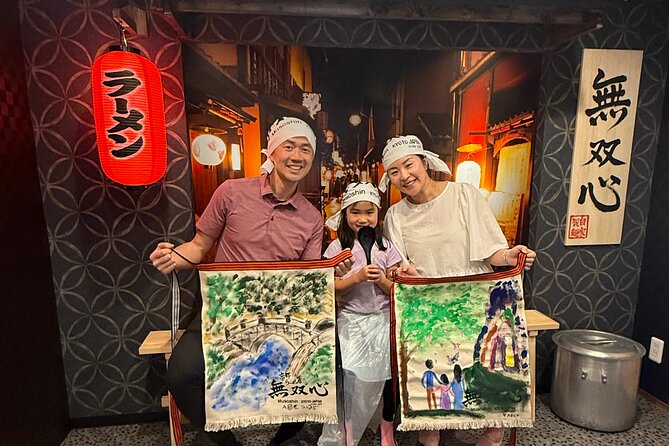
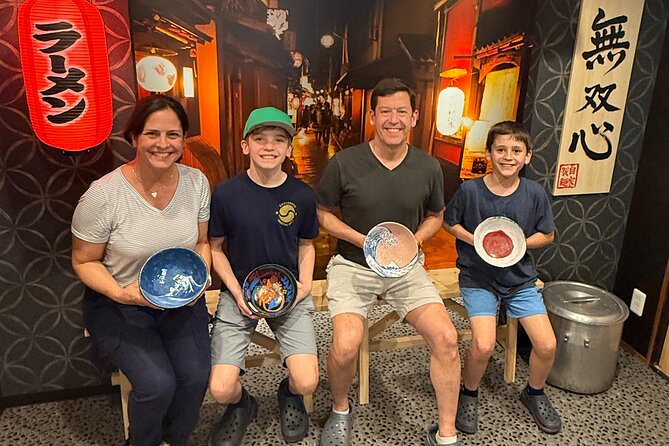
After you eat, the experience shifts into a different kind of creativity. You paint your ramen bowl on the second floor. This is not just a side activity. It is a real moment that turns the meal into a souvenir you made.
You can take the painted bowl home right away. That is the simple option, and it is great if you want to keep the workshop feeling light and complete.
But there is an upgraded option, and it is kind of fun: you can put the bowl in a special oven to bake it. Baking turns your painted bowl into a more durable keepsake. You then take your original bowl home as a souvenir to use in future meals.
If you plan carefully, this part feels like the best souvenir method in Kyoto for food lovers. You are not carrying a fridge magnet and hoping it survives the flight. You are bringing home a useful object with a story attached.
A quieter way to spend a day in Kyoto

Baking and Pickup: How to Plan Around Next-Day Time
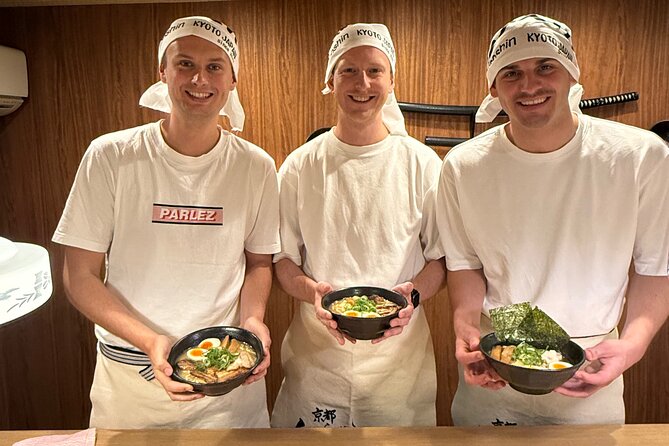
If you choose the baked-bowl option, your painted bowl goes into the special oven and you pick it up the next morning or later. That means your day after the class needs a little flexibility.
This is the one logistical tradeoff. If your itinerary is already locked with day trips and tight check-in times, you might skip baking and take the bowl as-is today. That way you do not have to coordinate a return visit or wait.
But if you do have a little slack time, baking is worth considering. It gives your artwork a reason to last, and it turns the bowl from a temporary craft into something you will actually use.
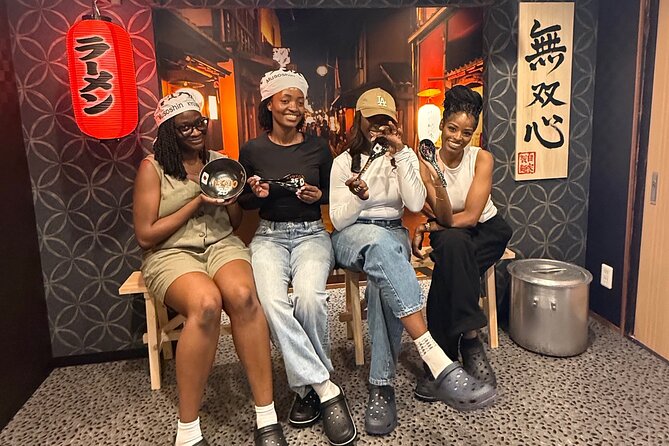
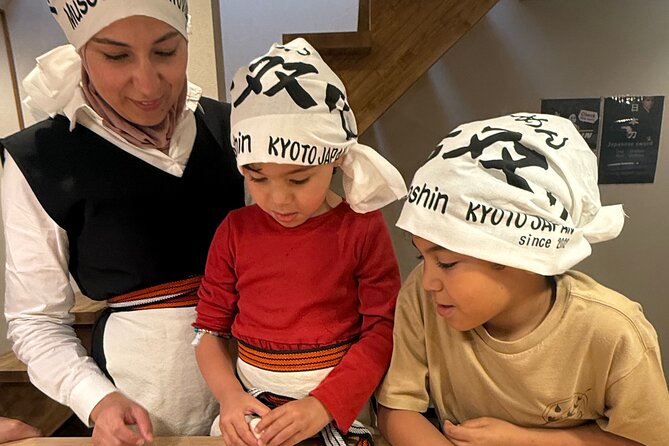
Either way, you also receive a bandana as a souvenir. It is a small item, but it fits the ramen academy vibe and makes the experience feel complete.
Why This Ramen Class Feels Like a Real Kyoto Experience
Plenty of food classes teach basics. This one leans into authenticity by using a real restaurant operation and by connecting the ramen process to ingredients prepped in their own system.
A few details make it feel grounded:
- Musoshin Ramen academy ties back to Musoshin Ramen stores, not a stand-alone kitchen.
- Ingredient sourcing from Musoshin Gion keeps flavors and consistency aligned with how they cook day to day.
- Vegetarian and vegan switching makes the ramen culture feel inclusive, not watered down.
And yes, the Michelin angle is real enough to matter here because the class is explicitly framed around Michelin-starred ramen. What you can trust is that the instructors are teaching a method, not just handing you a themed bowl.
Price and Value: Is $78.18 Actually Fair?
At $78.18 per person, you are paying for more than a meal. You are paying for:
- A hands-on ramen cooking class
- Instruction toward Michelin-style ramen
- Time to eat the ramen you made
- Bowl painting on site
- A bandana souvenir
- An optional baking step that improves the keepsake
When a class includes both cooking and creating an object you can take home, the pricing usually pencils out better than you might expect. The ingredient prep from their nearby store, done the day before, also suggests they are running this like a production, not a one-off.
The other value factor is the group size cap at 12 travelers. Smaller groups usually mean more attention and fewer bottlenecks, especially when you are cooking and painting in sequence.
So for me, the value hinges on one question: do you want a cooking lesson plus a craft souvenir in Kyoto, all in a single compact block? If yes, this is a strong buy. If you only want ramen tasting, you might find other options cheaper, but you would be giving up the hands-on part.
Temple Stops, Time Limits, and Who Should Book
This experience works best for people who like structure and hands-on travel.
It is a great fit if you:
- Enjoy food classes where you actually cook, not just watch
- Want a ramen-focused activity that feels authentically tied to a working restaurant
- Like the idea of a functional souvenir, a bowl you can use later
- Need vegetarian or vegan options and want the class to include you
It may be less ideal if you:
- Hate being on a schedule. The full run is about 1 hour 30 minutes, and it packs in three temple stops plus ramen plus painting.
- Prefer long, unhurried temple wandering. This is more of a quick visit-and-transition day.
- Want a class that ends with time to explore the area deeply. The main program is the priority.
A practical tip: wear comfortable shoes. Even if the temple visits are brief, you will be moving. And keep your travel stamina up, because the best classes are the ones where you stay engaged the whole way.
Should You Book Musoshin Ramen Academy?
I think you should book this if you want the combination of ramen craft, Michelin-style technique, and a take-home bowl made by you. The class led by Chef Shin is the kind of experience where questions make sense, because the teaching is focused on the process, not just the final product.
Skip it if your idea of Kyoto is slow temples and long photo stops first. This is a more active, structured experience. Also consider skipping the baked bowl option if you cannot spare time for next-day pickup.
If you are a ramen person, or you are traveling with someone who is, this is one of the few activities that gives you both a memorable meal and a real object to keep. In a city full of things to buy, that is a refreshing kind of value.
FAQ
How long is the Kyoto Ramen Bowl Painting and Michelin Cooking Class?
It runs about 1 hour 30 minutes.
How much does the experience cost?
The price is $78.18 per person.
Where does the experience start?
You start at 440-5 Nishigomonchō, Higashiyama Ward, Kyoto, 605-0816, Japan, and it ends back at the meeting point.
What happens during the Michelin cooking part?
A chef instructs you to make your own Michelin-starred ramen on the first floor, and you then enjoy the ramen you cooked.
Can the ramen be made vegetarian or vegan?
Yes, the ramen can be changed to vegetarian or vegan.
What is the ramen bowl painting part?
On the second floor, you paint your ramen bowl, and you can take the painted bowl home.
Is there an option to bake the painted bowl?
Yes. As a free option, you can put the bowl in a special oven to bake it, then pick it up the next morning or later.
What souvenirs do you receive?
You receive a bandana as a souvenir, and you take your painted bowl home.
Can I cancel for a full refund?
Yes. You can cancel up to 24 hours in advance for a full refund. If you cancel less than 24 hours before the start time, the amount paid is not refunded.
More Workshops in Kyoto



New This Season
- Koyasan Day Trip by Private Car from Kyoto
- Old Port Town and Ultimate Sake Tasting Private Tour From Kyoto
- Kyoto’s Timeless Charm: 3hr Exploration of History and Peace
- Kyoto: 5 Types of Sushi Making
- Sacred Peak & Ancient Paths: Kurama-Kibune Hiking Experience
- Kyoto: Exclusive ZEN practice at Manpukuji temple in Uji
- Kyoto: Private Seasonal Aroma Yoga Class
- Traversing Kyoto’s Scenic West – Arashiyama to Kinkakuji
Cooking Classes, compared.

Ramen Cooking Class at Ramen Factory in Kyoto
Read our review →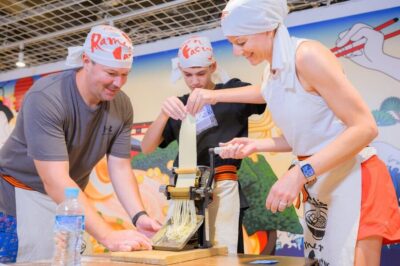
Ramen Cooking Class at a Ramen Factory with Souvenir
Read our review →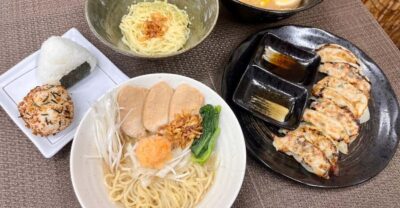
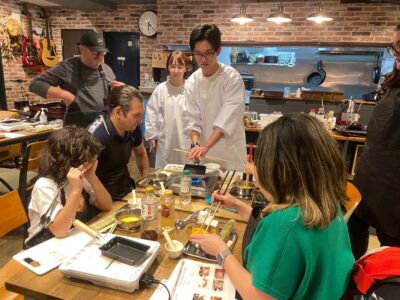
Japanese Washoku Bento Small Group Cooking Class
Read our review →
Japanese Traditional Sweets Making and Tea Ceremony
Read our review →
Kyoto Ramen and Gyoza Cooking Class with Professional Chefs
Read our review →
Also filed under