
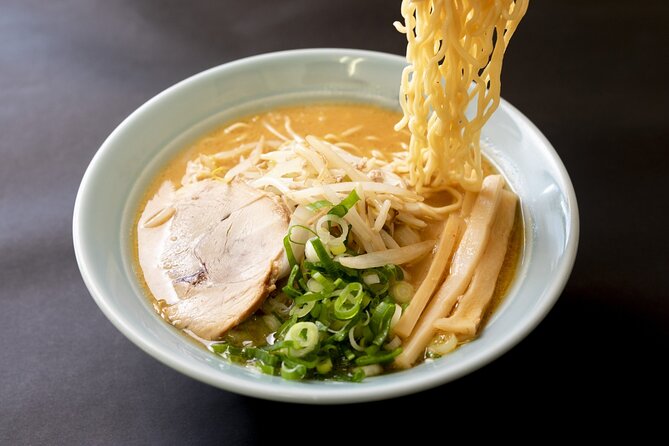
Reviewed · RAMEN TOURS
Kyoto Ramen Koji Guided Tour with Local Guide
Two bowls, one Kyoto Station mission. The Kyoto Ramen Koji Guided Tour turns ramen browsing into a full-on food challenge, with your guide walking you from shop to shop for a true compare and conquer moment at Ramen Koji. It is built around two tastes in about 2 hours, so you get variety fast without hopping all over town.
I like the guided ordering support here, because it helps you cut through menu confusion and focus on what you actually want. I also like the ramen expert framing, where you learn how different regions show up in broth styles like tonkotsu, soy, and miso, plus the dipping-noodle style tsukemen.
One big consideration: this is not set up for dietary limits. The tour is unable to accommodate food allergies, religious dietary restrictions, or vegan/vegetarian preferences, and you are strongly encouraged to come with an empty stomach, since the whole point is that second bowl.
In This Review
- Quick hits before you go hungry
- Kyoto Station’s Ramen Koji feels like a ramen training ground
- The 2-hour, two-shop format, and why the pacing matters
- Stop 1 at Ramen Koji, your first guided bowl
- Stop 2 is the test, when tsukemen and miso hit harder
- Why the guide makes more difference than you’d expect
- Price and value: $137.51 for two bowls plus admission
- Practical location tips: meeting at Sky Garden 901
- Who this Kyoto ramen challenge is best for
- Simple tips to make the second bowl survivable
- Should you book this Ramen Koji guided tour?
- FAQ
- How long is the Kyoto Ramen Koji Guided Tour?
- What does the price include?
- How many ramen shops do you visit?
- Where do I meet the guide?
- Is transportation to and from Kyoto Station included?
- Is this tour private?
- Can I join if I have a food allergy or dietary restriction?
- Should I come hungry?
- What is the cancellation policy?
Quick hits before you go hungry
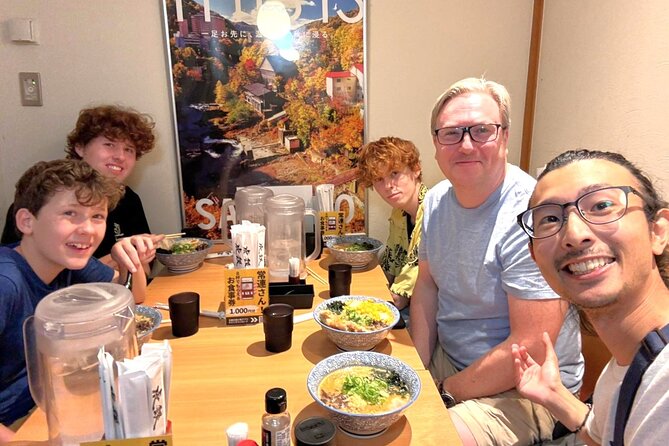
- Two shops in a row at Ramen Koji, so you taste more than one regional direction in one sitting
- Ramen expert guide who can explain how regions shape broth and noodle style (including tsukemen)
- Admission included, and the tour includes ramen tasting plus recommendations for ordering
- Private group experience, so you are not squeezing in with random strangers
- No accommodations for allergies or vegetarian needs, so plan carefully if you have restrictions
- Come prepared for a second-bowl test, often heavier with tsukemen or miso styles
Kyoto Station’s Ramen Koji feels like a ramen training ground
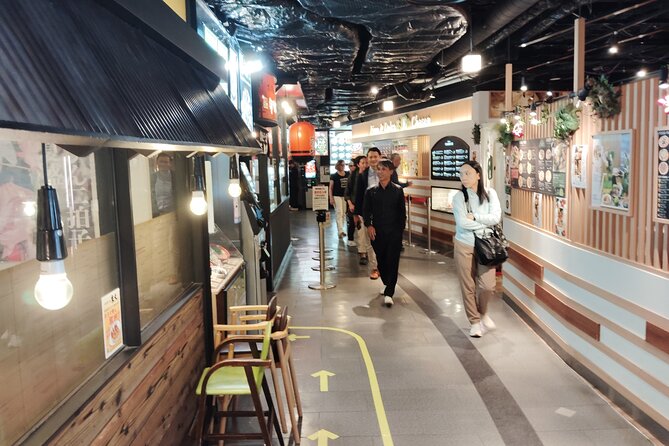
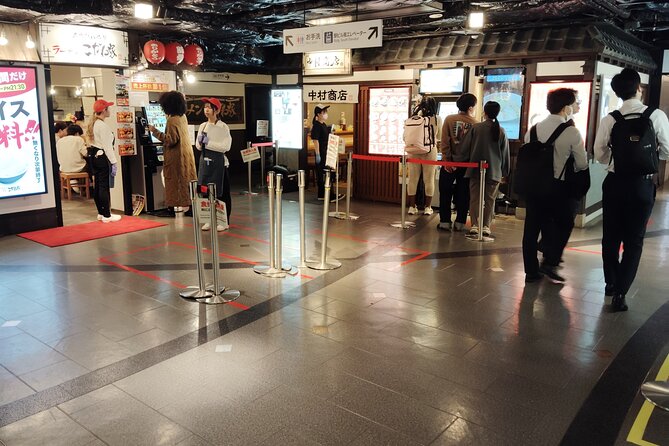
Kyoto Station’s Ramen Koji is one of those places that makes ramen fans grin immediately. Instead of treating ramen like one stop on a trip, it treats ramen like a menu of regional styles. You are in Kyoto, but you get flavors that point across Japan, all in one compact area on the upper floors of the station.
What makes this tour interesting is that it is not about drifting and grazing. You go in with a plan, guided by someone who knows the menu language and how the styles differ. That matters because ramen can be confusing fast. The difference between tonkotsu (rich, pork-based style), soy, miso, and tsukemen (noodles you dip, usually with heavier flavor concentration) is not subtle. Once you notice those patterns, your enjoyment goes up.
Ramen Koji also works well for travelers who want comparison without time waste. You can taste more than one direction in the same location, which is a practical way to learn what you like. Instead of guessing, the structure pushes you to compare back-to-back.
The 2-hour, two-shop format, and why the pacing matters
This experience runs about 2 hours and includes visits to two different ramen shops. The rhythm is simple: you start at one shop, eat a bowl, then move straight to the next.
That pacing changes the whole experience. If you were doing ramen on your own, you could end up choosing based on what looks easiest, or you might second-guess yourself too much. Here, the guide keeps the tour moving and helps you stay focused on the point, which is getting two distinct bowls and learning the differences.
You also need to be honest about your appetite. The tour strongly recommends coming with an empty stomach, and the experience is built around the idea that the second bowl is the breaking point for unprepared people. If you arrive hungry, you are more likely to enjoy both bowls fully, not just survive one.
If you are thinking of this as a casual snack, you may be surprised. This is a ramen-focused challenge, not a slow tasting stroll.
More bowls worth the wait
- Ramen Cooking Class at Ramen Factory in Kyoto
★ 5.0 · 1,937 reviews - Kyoto: Ramen Cooking Class at a Ramen Factory with Souvenir
★ 4.9 · 532 reviews - Kyoto: Ramen, Gyoza, and Onigiri Cooking Class
★ 5.0 · 445 reviews - Kyoto Ramen and Gyoza Cooking Class with Professional Chefs
★ 5.0 · 282 reviews
Stop 1 at Ramen Koji, your first guided bowl
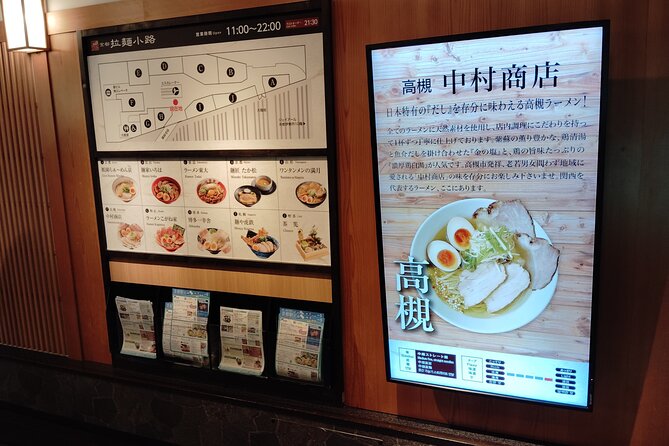
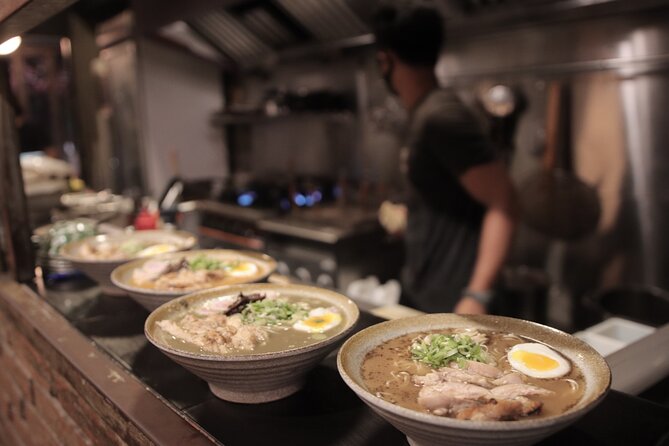
Your first stop is at Ramen Koji itself, where a curated set of famous ramen shops serves regional styles like tonkotsu, soy-based soup, miso ramen, and tsukemen. Your guide leads you into the shop experience, helps with ordering, and makes recommendations so you are not stuck decoding menus while your hunger climbs.
In practice, the first bowl is where you get your bearings. It is the palate warm-up. If the second shop leans heavier, this first stop sets your baseline. You start tasting with clearer expectations, because the guide is there to steer you toward styles you can compare later.
Because the tour includes expert support for ordering, you can ask for recommendations based on what you like. That is a good move if you are ramen-curious but not fluent in the style differences. You are not just eating randomly, you are learning what to look for next.
Possible drawback at stop 1: if you already know your ramen preferences and you are picky, you might want extra control over toppings or broth style. The tour data confirms ordering support, but it does not describe guaranteed customization. So if you need very specific preferences, you should be ready to work with the guide’s recommendations.
Stop 2 is the test, when tsukemen and miso hit harder
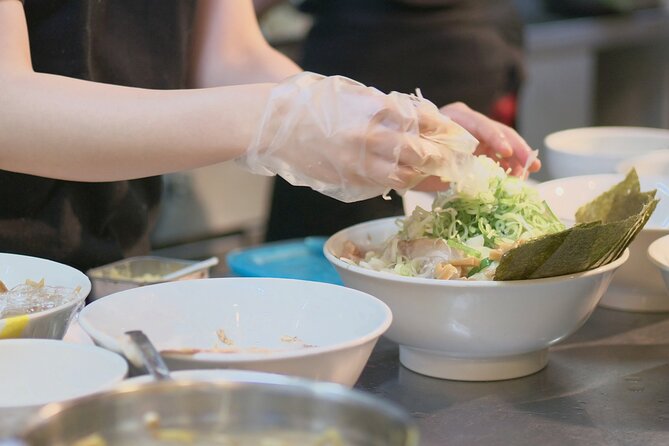
The second stop is where the experience earns its reputation. The tour setup is designed around the idea that the second bowl is the tougher one. The tour description specifically notes heavy tsukemen or miso broth as a common challenge for people who show up unprepared.
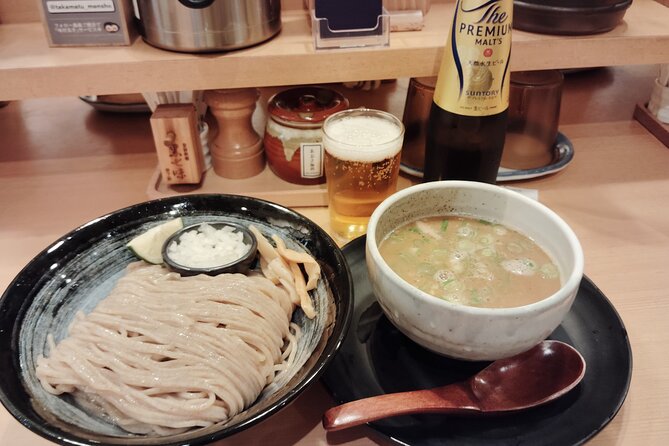
Why does that matter? Tsukemen, with dipping noodles and concentrated flavor, can feel more intense than standard soup ramen. Miso broths also tend to be bold and filling. If you go in already full, the second bowl can turn into something you push through instead of enjoy.
If you want this to feel fun, plan around the structure. Do not treat this like lunch plus dinner. Treat it like the meal that defines your Kyoto Station time.
Here is what I find helpful for the second-bowl moment:
- Pace yourself during the first bowl so you do not burn all your stamina immediately.
- Decide early in stop 1 that your goal is finishing both, not simply sampling.
- Use the guide’s ordering support strategically. If you know you get overwhelmed by very thick or heavy flavors, say so and let them steer you toward something you can handle.
A useful detail from a real review: one traveler noted that a pork allergy prevented their family from eating at the restaurants they tried. That lines up with the tour’s general rule that it cannot accommodate food allergies, so the second shop can be a problem point if you have restrictions. If you fall outside the tour’s dietary fit, you might want to skip this specific challenge and choose a ramen option where you can control ingredients.
Why the guide makes more difference than you’d expect
A guide can be the difference between eating ramen as a meal and eating ramen as a lesson. In at least one review, the guide Akino was praised for explaining the variety of ramen from different regions. That is exactly the kind of context that makes the two-shop structure worthwhile.
Without that framing, you might finish two bowls and still not know what you liked and why. With the framing, you start noticing patterns like:
- broth depth and how it coats the noodles
- how soy-based flavors feel compared to miso
- how tsukemen changes the whole texture and timing of eating
Also, the guide helps with ordering. That is practical value, especially when menus are in Japanese and not set up for fast tourist decoding. You spend less time stuck thinking about what something means, and more time enjoying the bowl you actually ordered.
One more thing I appreciate: this is described as a private tour/activity, meaning only your group participates. That matters for food experiences because it is easier to ask questions, adjust your pacing, and keep the experience comfortable.
Price and value: $137.51 for two bowls plus admission
At $137.51 per person, this is not the cheapest way to eat ramen in Kyoto. But the value comes from what is bundled.
You are getting:
- a guided tour at Ramen Koji
- visits to two different ramen shops
- ramen tasting
- expert recommendations and support for ordering
- the admission ticket is included
You are also getting the structure of comparison. Two bowls in two shops back-to-back is the core product here, and the guide is part of what makes that comparison work. If you tried to recreate this on your own, you would still need time to pick shops, figure out menus, and decide what to eat twice in a row. Paying for the coordination can be worth it if you want the ramen challenge experience without the guesswork.
Timing also affects value. The tour is commonly booked in advance, with an average booking window of about 21 days. That suggests demand, so if you want a specific date, plan ahead rather than assuming you can walk up.
A quieter way to spend a day in Kyoto

Practical location tips: meeting at Sky Garden 901
You start at the Sky Garden area of Kyoto Station, with the meeting point listed as Sky Garden901, 901 Higashishiokōjichō, Shimogyo Ward, Kyoto, 600-8216, Japan. Your activity ends back at the same meeting point.
This location is a big plus for most visitors because it keeps you anchored near transit. You are not committing to a long walk across neighborhoods just to start a food tour. It is also helpful if your plan includes other Kyoto Station time, like shopping or catching a train later.
One note: transportation to and from Kyoto Station is not included. So if you are coming from elsewhere in Kyoto, just budget time for getting to the station first.
Who this Kyoto ramen challenge is best for
This experience is listed as suitable for most travelers, and that makes sense given the simple focus: eat ramen, learn differences, finish two bowls.
I think it is especially good for:
- ramen fans who want a guided comparison in one place
- people who enjoy food challenges and like a clear plan
- travelers who want ordering help and prefer not to wrestle with menus while hungry
- small groups who want a private experience rather than a crowded food court shuffle
It is not a fit for:
- anyone with food allergies or pork-related restrictions, since the tour cannot accommodate allergies (and a review specifically described trouble with pork avoidance)
- anyone with religious dietary restrictions
- vegan or vegetarian travelers, since it cannot accommodate those preferences
If you are in any of those categories, you will likely run into menu limitations at one or both shops. With a two-shop challenge structure, that can turn into a frustrating experience fast.
Simple tips to make the second bowl survivable
This tour is about finishing two bowls, so the best advice is about showing up prepared.
Go in hungry. The tour strongly recommends coming with an empty stomach. If you eat a big meal first, you are increasing the odds you will leave noodles behind, and that is the opposite of what the tour is designed for.
Use the guide early. When ordering support is included, ask for recommendations based on your comfort level. You can also ask questions about what you are getting, since the tour is built around explaining how styles vary by region.
Plan your food day. Since this is about ramen as the main event for about two hours, avoid stacking other heavy meals right around it. Treat it like the center.
If you have restrictions, rethink the plan. This tour cannot accommodate allergies or vegetarian or vegan preferences. Even if you think you can get by with one bowl, the structure still expects you to eat at two shops. One review notes the pork allergy issue during a ramen tour, which shows how real that risk is.
Should you book this Ramen Koji guided tour?
Book it if you want ramen with a purpose. The two-shop, back-to-back setup makes it easy to compare styles like tonkotsu, soy, miso, and tsukemen without spending your day traveling between neighborhoods. Add in the ordering support and regional explanations, and you get more than full. You get understanding.
Skip it if you need dietary flexibility or you are not comfortable with the idea of a tougher second bowl. If you have allergies, religious restrictions, or vegan/vegetarian needs, this tour is explicitly not set up for that, and you could end up unable to eat where you need to.
If you fall into the ramen challenge sweet spot, this is a fun, efficient way to turn Kyoto Station into your ramen classroom for the afternoon.
FAQ
How long is the Kyoto Ramen Koji Guided Tour?
The tour lasts about 2 hours.
What does the price include?
The price includes a guided tour of Ramen Koji, visits to two different ramen shops, ramen tasting, expert recommendations and support for ordering, and admission ticket.
How many ramen shops do you visit?
You visit two different ramen shops at Ramen Koji.
Where do I meet the guide?
The meeting point is Sky Garden901, 901 Higashishiokōjichō, Shimogyo Ward, Kyoto, 600-8216, Japan.
Is transportation to and from Kyoto Station included?
No, transportation to and from Kyoto Station is not included.
Is this tour private?
Yes, it is private, and only your group participates.
Can I join if I have a food allergy or dietary restriction?
This tour is unable to accommodate food allergies, religious dietary restrictions, or vegan/vegetarian preferences.
Should I come hungry?
Yes. You are strongly recommended to come with an empty stomach, since the tour visits two ramen shops.
What is the cancellation policy?
Free cancellation is available up to 24 hours in advance for a full refund.
New This Season
- Koyasan Day Trip by Private Car from Kyoto
- Old Port Town and Ultimate Sake Tasting Private Tour From Kyoto
- Kyoto’s Timeless Charm: 3hr Exploration of History and Peace
- Kyoto: 5 Types of Sushi Making
- Sacred Peak & Ancient Paths: Kurama-Kibune Hiking Experience
- Kyoto: Exclusive ZEN practice at Manpukuji temple in Uji
- Kyoto: Private Seasonal Aroma Yoga Class
- Traversing Kyoto’s Scenic West – Arashiyama to Kinkakuji
Ramen Tours, compared.
Ramen Cooking Class at Ramen Factory in Kyoto
Read our review →
Ramen Cooking Class at a Ramen Factory with Souvenir
Read our review →
Kyoto Ramen and Gyoza Cooking Class with Professional Chefs
Read our review →
Home style Ramen and Homemade Gyoza in Kyoto
Read our review →
Kyoto Michelin Ramen Workshop or Painting Ramen Essentials
Read our review →Kyoto Ramen & Gyoza Cooking Class with Professional Chefs
Read our review →Also filed under