
Reviewed · KIMONO & YUKATA RENTALS
Kyoto: Samurai Sword & Kimono Action Filming Experience
Sword practice in a Kyoto temple sounds serious, but it is fun. This is a short, high-energy samurai and kimono experience at Myokaku-ji where you learn moves, dress up, then film your own chambara-style scene.
I love how hands-on it is, you get real instruction on sword tricks and then you actually do them on camera. I also love the setting, Myokaku-ji feels like more than a backdrop, it is tied to the Sengoku era atmosphere.
One thing to keep in mind: it is only 70 minutes, so you are not training to be a swordsman. You are learning safe, choreographed basics and getting great footage, not mastering a lifelong discipline.
In This Review
- Quick take: My favorite parts at a glance
- Why Myokaku-ji is the point of this Kyoto samurai sword day
- Getting to the Myokaku-ji Dojo and the fast temple entry
- Sword technique practice: makkogiri, kesagiri, and safe basics
- Dressing up in a kimono: included rental and photo payoff
- The chambara performance: professional actors with period-drama energy
- Your swordplay filming session: getting great footage with your camera
- Price and value: what $127 buys in real time
- Included versus not included: meals and transport
- Who should book this, and who should skip it
- Practical tips: what to bring, what to wear, and what not to do
- FAQ
- Where is the meeting point?
- How long does the experience take?
- Is a kimono included?
- Can I record the experience with my own camera?
- What should I bring?
- What is included in the price?
- What is not included?
- Is this experience limited to a small group?
- Should you book the Kyoto Samurai Sword and Kimono Action Filming Experience?
Quick take: My favorite parts at a glance
- Hands-on sword technique coaching you practice techniques such as makkogiri and kesagiri.
- Kimono rental included and you get real practice-style dressing for photos.
- Chambara performance by film-ready actors showing authentic bushido-focused sword skills.
- Your own action filming using your own camera, then a photo download service for keepsakes.
- Small group of up to 6 so it stays friendly and easy to follow.
- Myokaku-ji temple experience gives the training a strong, historical feel.
Why Myokaku-ji is the point of this Kyoto samurai sword day
Kyoto has no shortage of samurai themed experiences, but this one is built around a specific location, Myokaku-ji Temple. The big appeal is that you do sword tricks at this temple setting, and it leans hard into the Sengoku era vibe tied to that site.
You also get a format that works well for most people: you learn the basics, watch real performers, then perform the action yourself for a filming moment. This keeps the energy up and avoids the trap of starting with a long lecture and ending with photos from far away.
The other nice touch is the small group size, limited to 6. That matters because sword practice needs space and attention. If you prefer activities where people actually help you correct your stance, this format is a good match.
Getting to the Myokaku-ji Dojo and the fast temple entry
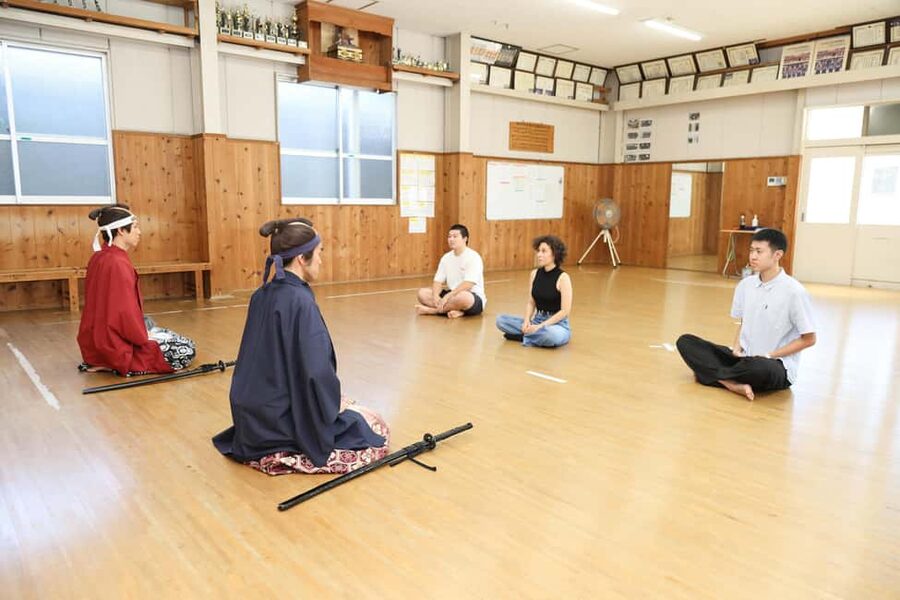
Your meeting point is the Myokaku-ji Dojo, to the left after you enter the main gate of Myokaku-ji Temple. If you get flustered when you arrive, just slow down and look for that dojo location first, then you will be ready to go.
You also get skip-the-line access through a separate entrance. In plain terms, it means you spend less time waiting around and more time doing the fun part. In a 70-minute experience, saving minutes really adds up.
You should wear comfortable clothes for physical activity. This is not an event where you just sit and watch. Even if you are not athletic, the instructors guide you step-by-step, and most of the moves are designed to be safe and camera-friendly.
Pick up a sword for an afternoon
- Kyoto Samurai Experience
★ 5.0 · 1,294 reviews - Kyoto: Kendo and Samurai Experience with Uniform and Gear
★ 4.9 · 815 reviews - Kyoto: Samurai Sword Class by Experts in Traditional Arts
★ 4.9 · 657 reviews - Skip the lines Basic Ticket at SAMURAI NINJA MUSEUM KYOTO
★ 4.5 · 632 reviews
Sword technique practice: makkogiri, kesagiri, and safe basics
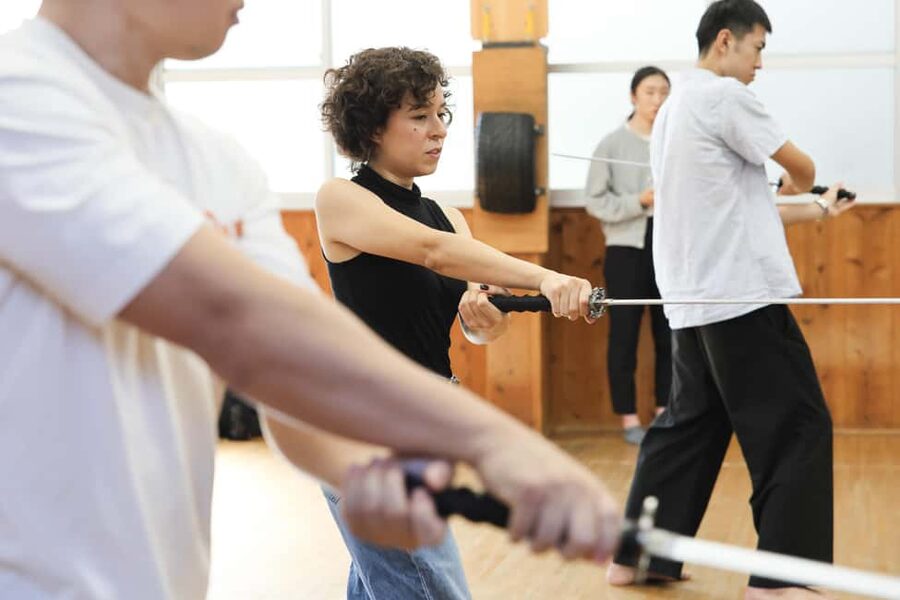
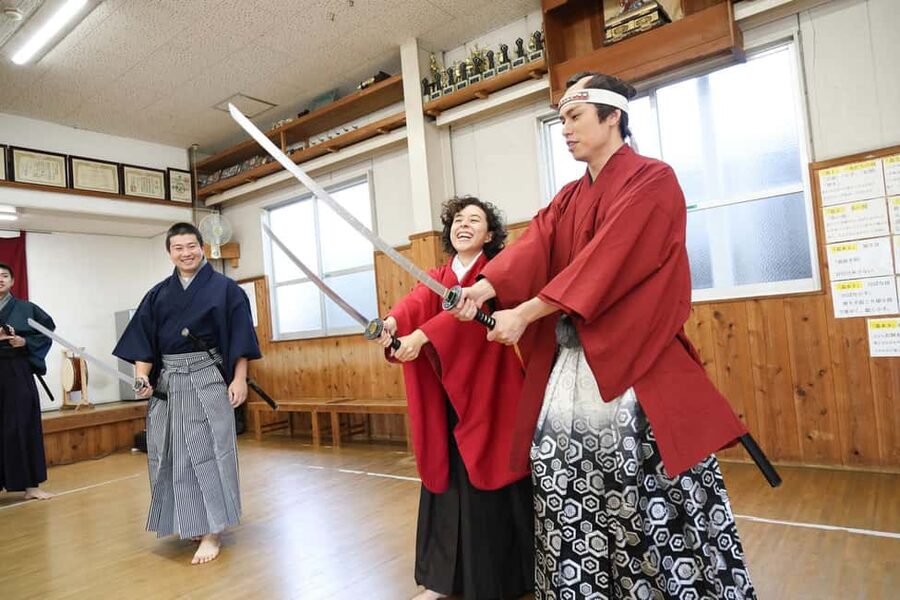
This is the core of the experience, and it is structured to make you feel capable quickly. You receive instruction on holding and wielding the sword, and you learn techniques such as makkogiri and kesagiri.
What I like about this approach is that it gives you a handful of key moves, then uses those moves for the rest of the program. That turns the experience into something you can remember and replicate while watching your video later.
Choreography matters here. You are not being asked to free-form fight. You learn technique cues and then perform them in a controlled way. That is why people consistently describe it as entertaining and safe, even if their sword skills are basically zero at the start.
Dressing up in a kimono: included rental and photo payoff
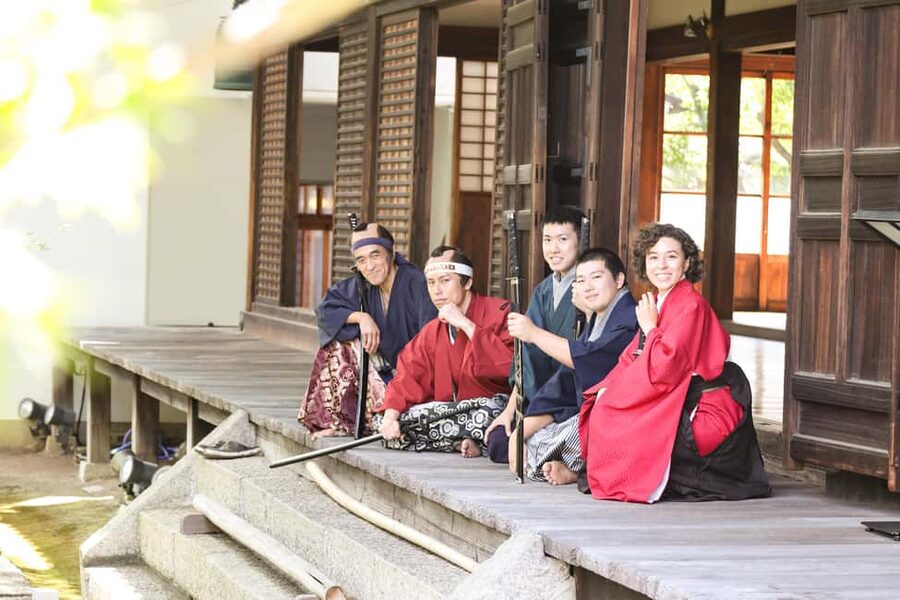
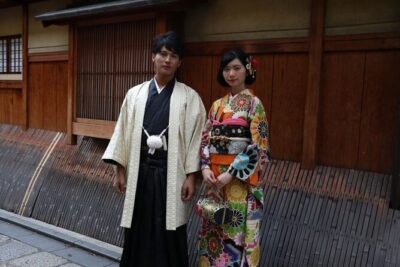
The kimono dressing experience is included, and the rental fee is part of the price. This is one of those activities where the “cost” is not just money, it is how much fun you will have wearing the outfit while you do something you cannot do at home.
Kimono can also change how photos look. In the temple setting, the clothing lines up with the vibe of the training. You end up with images that feel like you actually stepped into the scene, not just a costume next to a landmark.
Timing-wise, kimono dressing happens as part of the session flow. That means you are not spending hours arranging your outfit and then waiting. You dress, get ready, and keep moving through the sword and filming parts.
The chambara performance: professional actors with period-drama energy
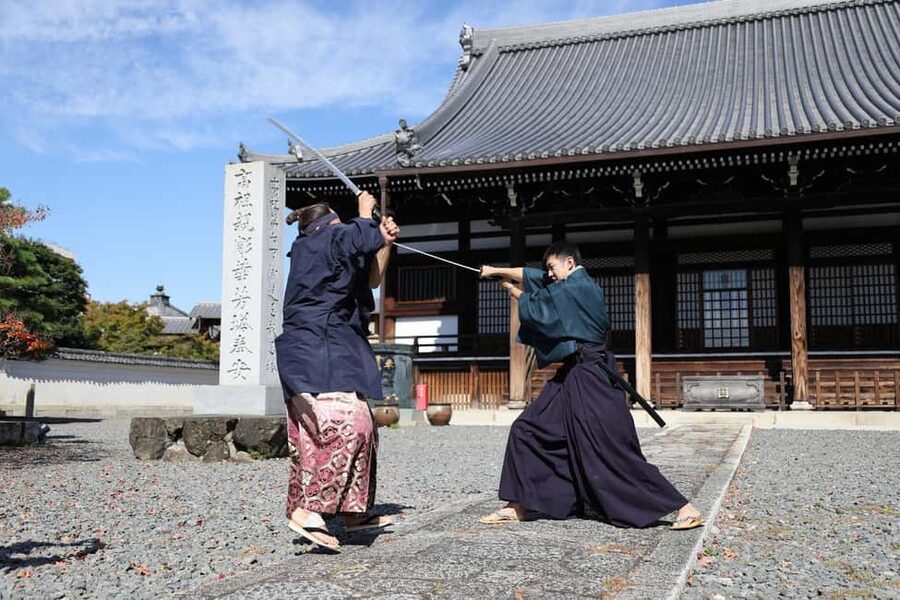
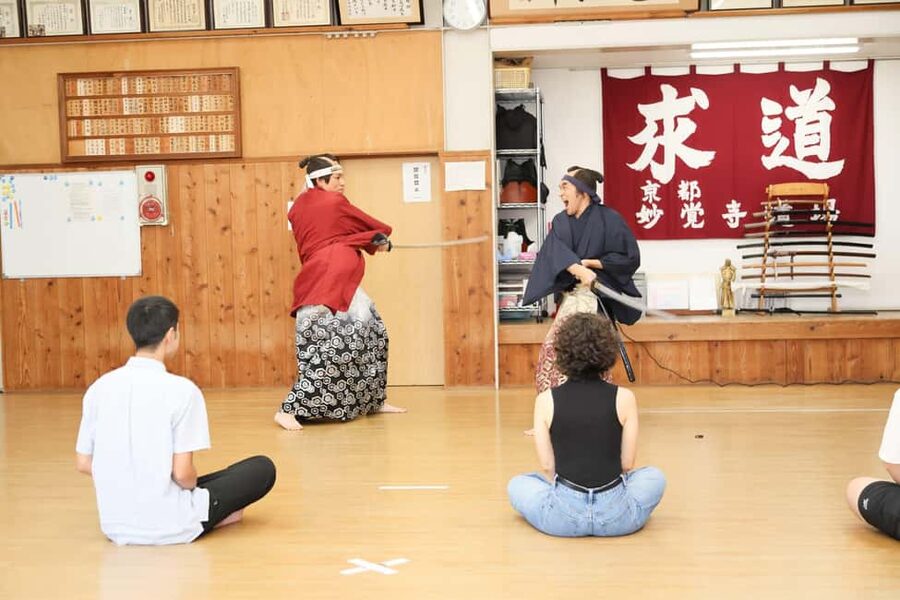
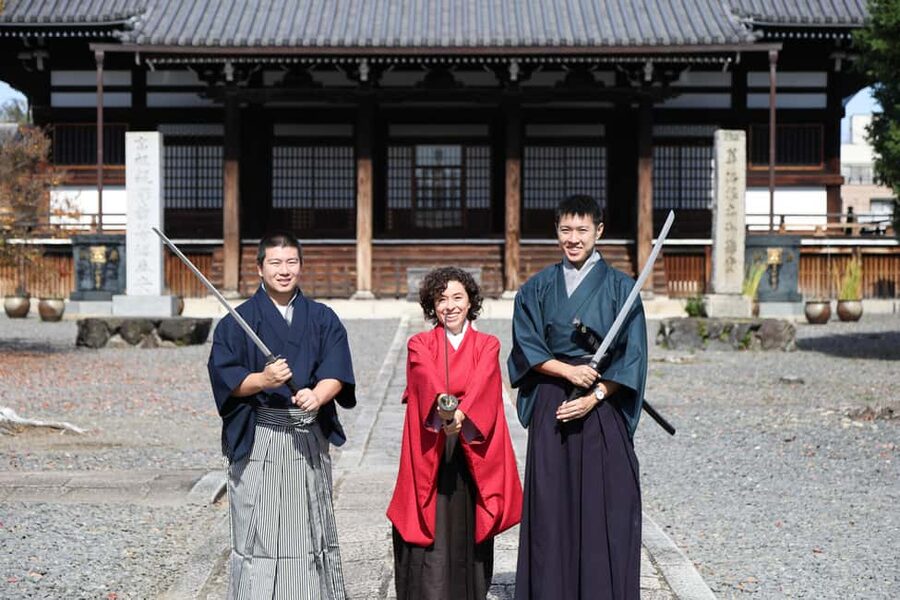
After the training and dressing, you watch a chambara performance by professional samurai actors. These instructors perform sword skills that reflect years of training in bushido.
This part matters for two reasons. First, it gives you a visual standard for what you are trying to do. Second, the actors bring the scene to life in a way that makes your own practice feel more like action and less like drills.
You might also meet instructors who have appeared in film and TV. For example, some participants have been taught by performers such as Kesuke Irie San and Kazuya Naito San. Even if your group has different actors, the point stays the same: they know how to teach and they know how to perform under pressure, like a scene set.
Your swordplay filming session: getting great footage with your camera
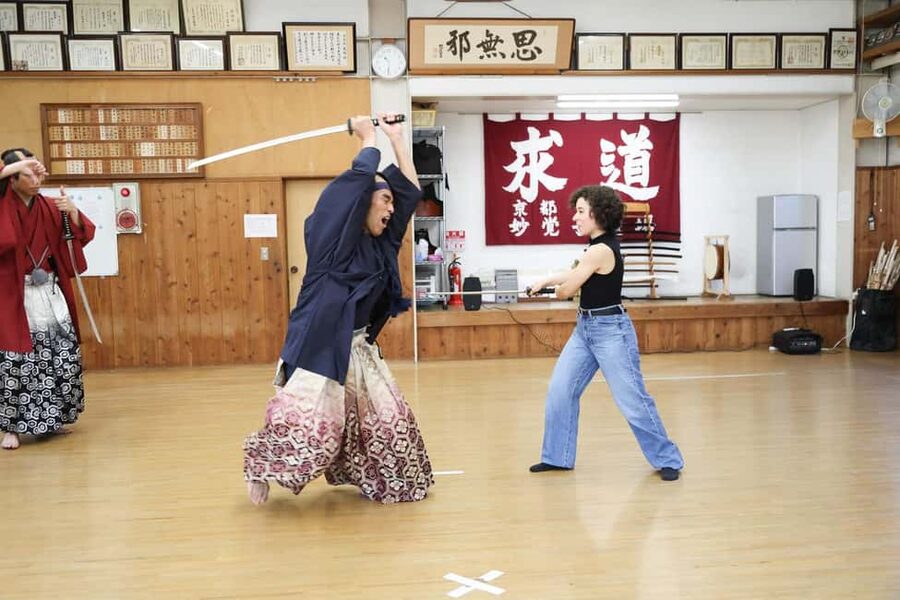
At the end, you perform the sword techniques you learned during a filming session. The experience is designed so you can record with your own camera, and photography and video recording with your camera are included.
Then there is a practical add-on: a photo download service. That is helpful because you do not want to spend your Kyoto night trying to move files and untangle cables. It keeps the “action” part from turning into a tech headache.
A small tip that will actually help your results: wear clothes that keep you comfortable and stable for movement. Your kimono dressing experience is included, but your base layer still affects how easy it is to turn, raise arms, and follow instruction. If you are squeezing into something tight, your posture will suffer and your footage will look less confident.
Walk the old streets in kimono
Price and value: what $127 buys in real time
At $127 per person for 70 minutes, this is not a budget-only activity. But for what you get, it is priced like an experience, not like a casual class.
Here is what you are paying for: you get instructor-led sword technique coaching, kimono rental included, a chambara performance by professional actors, and your own filmed action sequence using your camera. You also get a photo download service and indemnity insurance specified by the provider.
When I judge value, I focus on whether the money buys both learning and a keepsake. This one does. You leave with footage you can show later, which is the main reason people pick this kind of activity in the first place. If your goal is only a photo with costumes, there are cheaper options. If your goal is to actually do something and capture it, this one starts to feel fair.
Included versus not included: meals and transport
Included items are clear and useful: photo download service, photography and video recording with your camera, rental kimono, and indemnity insurance specified by the provider.
Not included are transportation to and from Myokaku-ji Temple and meals. That means you need to plan a bit around timing. Since the session is only 70 minutes, you do not want a long commute eating your day.
If meals are missing from your plan, build buffer time nearby. The experience itself is short enough that most people can slot it between other Kyoto stops.
Who should book this, and who should skip it
This works best for people who want a hands-on, story-like activity. If you like performing a scene, learning a small set of sword moves, and walking away with video footage, you will probably enjoy it a lot.
It is also a strong choice for parents and kids over age 5, because the performance energy and the structured guidance make it easier to participate. Some participants even go with a child while one parent does other things nearby, then swap when it is time.
It is not suitable for children under 5 years, pregnant women, people with back problems, people with pre-existing medical conditions, or people over 95 years. If any of those apply, skip this and choose a gentler temple experience.
Practical tips: what to bring, what to wear, and what not to do
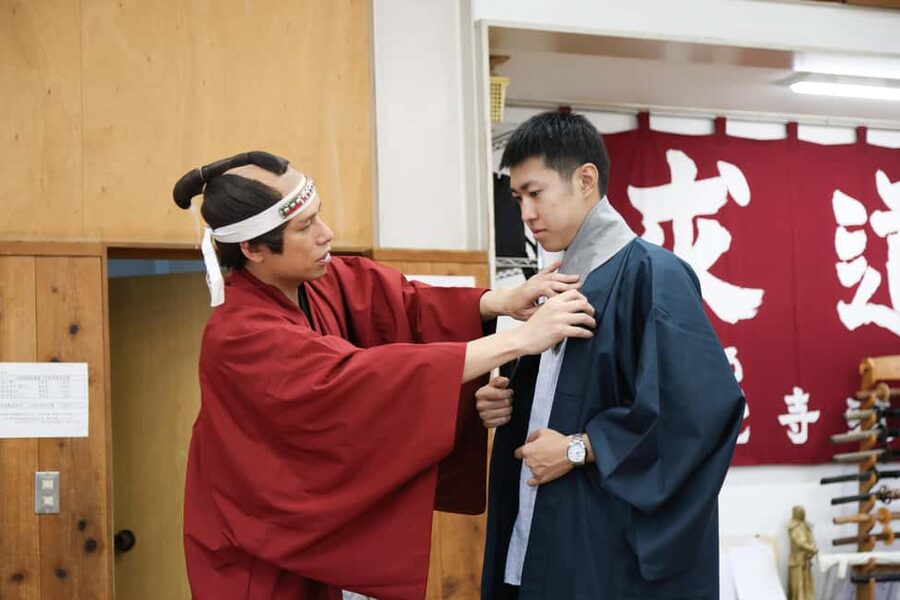
Bring a camera. Also bring comfortable clothes suitable for physical activity. Even if you are dressed in a kimono, you still need comfortable layers for movement and for staying relaxed during instruction.
If you want sharp video, assume you will be filming while moving. That is why you want stable stance and easy clothing. Avoid shoes you cannot pivot in.
Not allowed are smoking, alcohol, and drugs. In other words, keep it clean and focused so the instructors can keep everyone safe and on schedule.
FAQ
Where is the meeting point?
Meet at the Myokaku-ji Dojo, to the left after you enter the main gate of Myokaku-ji Temple.
How long does the experience take?
The duration is 70 minutes.
Is a kimono included?
Yes. Kimono rental is included, and the kimono rental fee is included.
Can I record the experience with my own camera?
Yes. You are welcome to take photos and videos during the experience, and photography and video recording with your camera are included.
What should I bring?
Bring a camera and wear comfortable clothes suitable for physical activity.
What is included in the price?
Included items are a photo download service, photography and video recording with your camera, rental kimono, and indemnity insurance specified by the provider.
What is not included?
Transportation to and from Myokaku-ji Temple and meals are not included.
Is this experience limited to a small group?
Yes. It is a small group limited to 6 participants, and the instructors speak Japanese and English.
Should you book the Kyoto Samurai Sword and Kimono Action Filming Experience?
If you want a Kyoto activity that mixes training, costume, and a real filming moment in one compact 70-minute slot, this is a strong pick. The small group size and hands-on coaching make it feel friendly, and the included kimono and video download make it easy to take your memory home.
If you are looking for a calm, long sightseeing experience with minimal movement, you might find this too active. And if you have restrictions like back problems or certain medical conditions, this is not the right fit.
For everyone else who thinks sword practice sounds fun, even as a beginner, book it. Plan your day so you are not racing across Kyoto afterward, then enjoy your chambara scene with the kimono, right where the training happens.
New This Season
- Koyasan Day Trip by Private Car from Kyoto
- Old Port Town and Ultimate Sake Tasting Private Tour From Kyoto
- Kyoto’s Timeless Charm: 3hr Exploration of History and Peace
- Kyoto: 5 Types of Sushi Making
- Sacred Peak & Ancient Paths: Kurama-Kibune Hiking Experience
- Kyoto: Exclusive ZEN practice at Manpukuji temple in Uji
- Kyoto: Private Seasonal Aroma Yoga Class
- Traversing Kyoto’s Scenic West – Arashiyama to Kinkakuji
Kimono & Yukata Rentals, compared.
Kimono Tea Ceremony at Kyoto Maikoya, NISHIKI
Read our review →
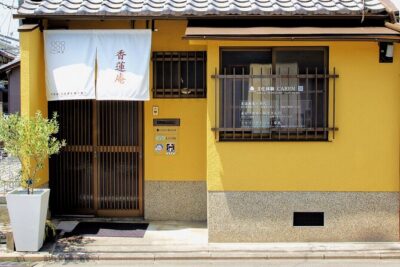
KYOTO Tea Ceremony with kimono near by Imamiya Jinjya Shrine
Read our review →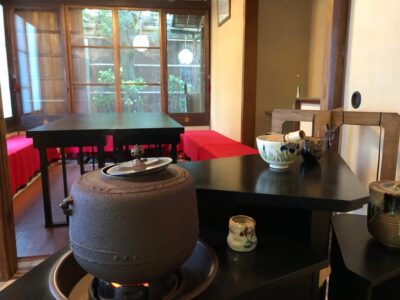
Kimono and Tea Ceremony Experience at Cultural Asset
Read our review →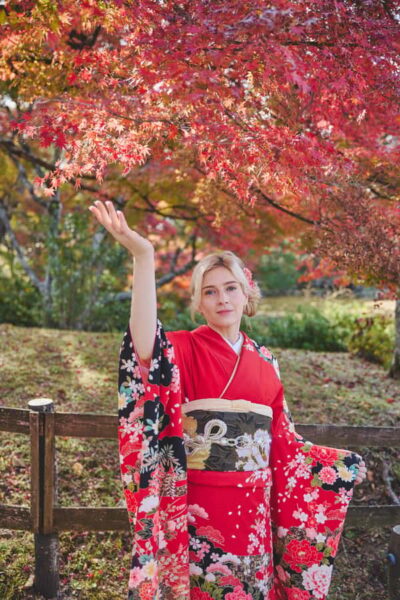
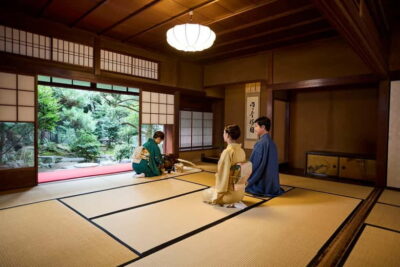
Family-Friendly Kimono & Yukata Experience at WARGO
Read our review →Also filed under