
Reviewed · TEA CEREMONIES
Kyoto: Tea Ceremony Experience in a Small Tea Room
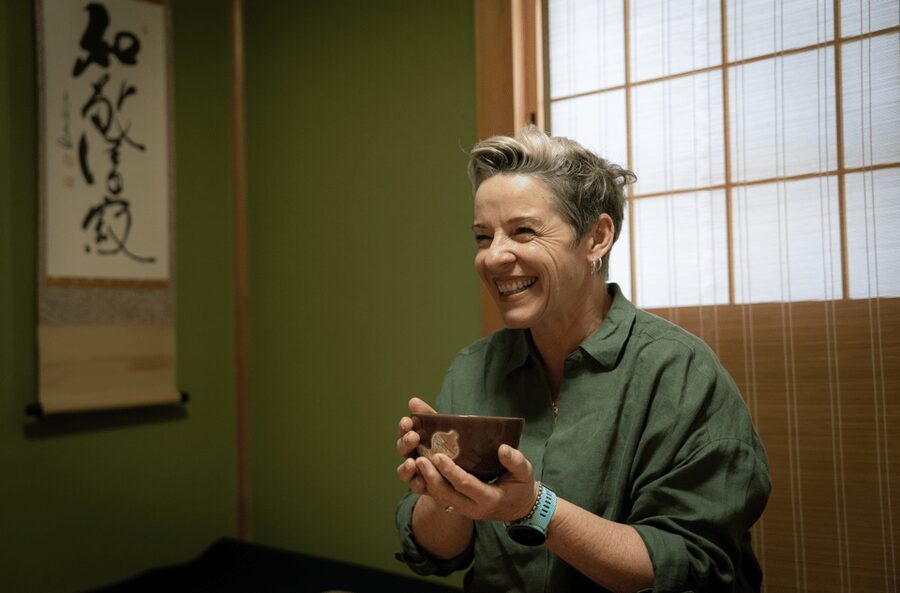
Matcha is the slowest kind of fun. In Kyoto, this one-hour tea ceremony happens in a small, calm room near the Kamogawa Delta, led by a tea master with 30 years of experience. You get a real, teach-you-the-why session, not just a sit-and-watch show.
I love the hands-on part. You can actually make your own matcha, with step-by-step guidance that turns the ritual into something you can repeat. I also like the small-group feel, limited to 6 people, so questions do not get lost in the shuffle.
One possible drawback: it is only one hour, so if you want lots of free time to wander while learning, you will need to plan the rest of your day around it.
In This Review
- Key things that make this Kyoto tea ceremony worth your time
- Tisato Tea Room, and the Calm Walk from Kamogawa Delta
- Your First Minutes: Welcome, Pace, and the Tea Room Rules
- Hands-On Matcha: Whisking the Powdered Tea with Guidance
- Traditional Dried Sweets, and Why They Belong with Tea
- What a Small Group of 6 Changes About the Experience
- English Instruction That Keeps Culture from Feeling Like Homework
- Where to Fit It in Your Day: Demachiyanagi, Kibune Shrine, and Rurikou Temple
- Price and Value: Is $38 for One Hour Reasonable?
- Who This Kyoto Tea Ceremony Suits Best
- Should You Book This Kyoto Tea Ceremony at Tisato?
- FAQ
- How long is the Kyoto tea ceremony experience?
- What language is the instruction in?
- How many people are in the group?
- Can I make my own matcha during the ceremony?
- What is included in the experience?
- Where do I meet the group?
- How far is it from Kamogawa Delta?
- How far is it from Demachiyanagi Station?
- Is there free cancellation and can I reserve without paying right away?
Key things that make this Kyoto tea ceremony worth your time
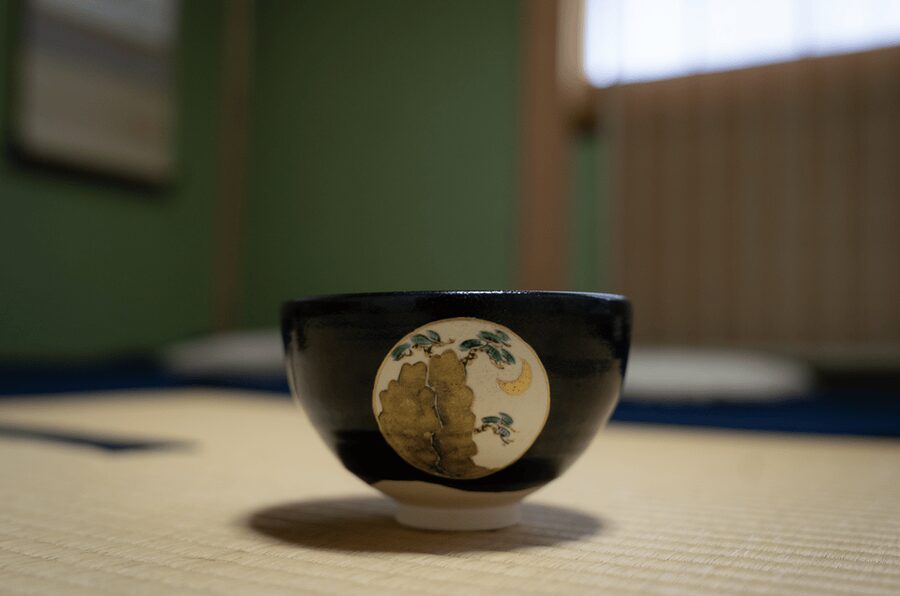
- 30 years of tea expertise from a seasoned instructor, with clear explanations throughout
- Make-your-own matcha option, guided while you whisk the powdered tea
- Serene setting near Kamogawa Delta, a short walk from a very scenic riverside area
- Small group of 6, which keeps the pace patient and the questions easy
- Traditional dried sweets included, so you experience the full tea moment
- English instruction, making the culture feel accessible without dumbing it down
Tisato Tea Room, and the Calm Walk from Kamogawa Delta
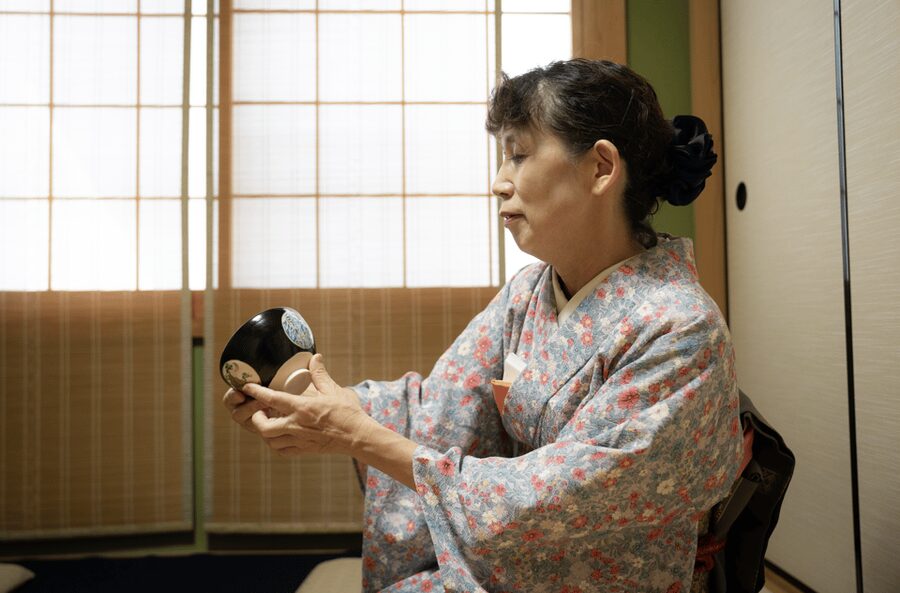
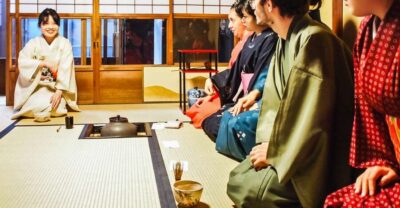
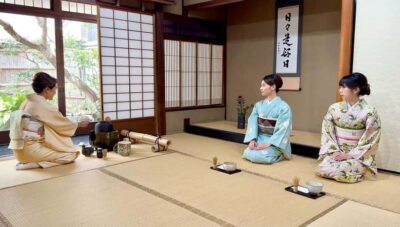
This ceremony takes place in a small Japanese house. Your meeting point is straightforward: look for the Japanese house with the sign that says Tisato, then step inside when the host indicates.
The location is a practical win. It is about a 15-minute walk from the Kamogawa Delta, so you can pair this with a riverside stretch either before or after your ceremony. If you are starting your Kyoto sightseeing from Demachiyanagi Station, it is also about a 15-minute walk from there, which makes the tea stop easy to slot in.
I like that you are not stuck in a tourist maze. The whole point is a quieter pause in a city that can move fast. And since the session is guided, you spend that time learning instead of guessing what you are looking at.
Tip that helps: wear shoes you can walk in, then plan to arrive a bit early. This gives you a buffer to find Tisato without rushing, and it helps you show up in the right mood for a ritual that runs at its own pace.
Your First Minutes: Welcome, Pace, and the Tea Room Rules
When a tea ceremony is done well, the beginning matters. You are guided through what you are about to do, so you do not need prior experience to understand the logic of the steps.
The instructor is English-speaking, and that is a big deal. Japanese etiquette can feel intimidating if you do not know the background, but here the goal is to keep it welcoming. You get instructions designed for beginners, while still respecting the tradition.
This is also a session where you can learn by watching and then doing. The host’s calm, patient way of explaining is part of what people remember. Instead of rushing you through motions, the teaching style focuses on helping you get it right.
Even if you have done matcha before, I suggest you treat this as a fresh lesson. The value is not just the tea. It is the sequence, the attention to small movements, and learning why each step matters.
More bowls, poured the traditional way
- Kyoto: Tea Ceremony in a Traditional Tea House in Kiyomizu
★ 4.9 · 3,519 reviews - Kyoto: Tea Ceremony Ju-An at Jotokuji Temple
★ 4.9 · 3,207 reviews - Kyoto: 45-Minute Tea Ceremony Lesson Experience
★ 4.3 · 2,378 reviews - Kyoto: Table-Style Tea Ceremony at a Kyo-Machiya
★ 4.9 · 1,211 reviews
Hands-On Matcha: Whisking the Powdered Tea with Guidance
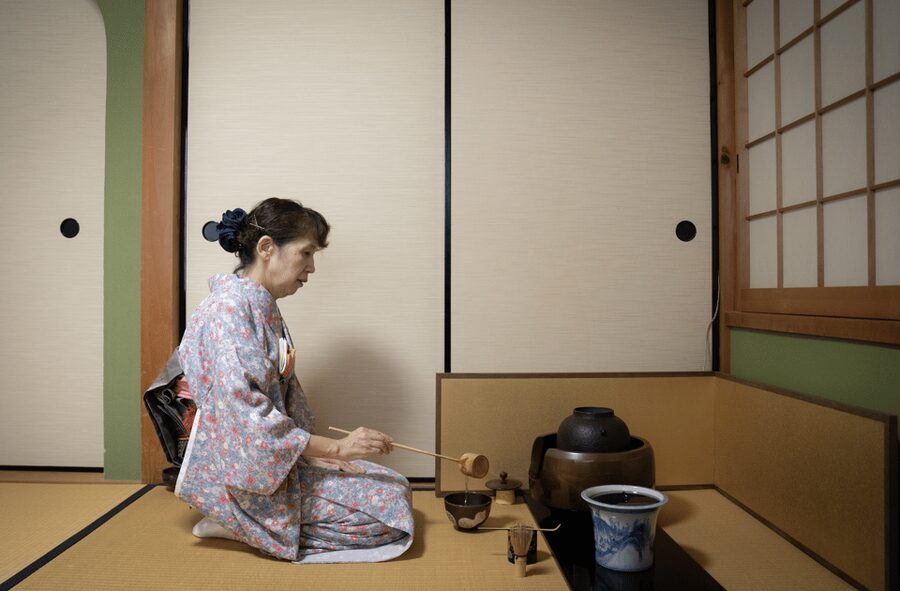
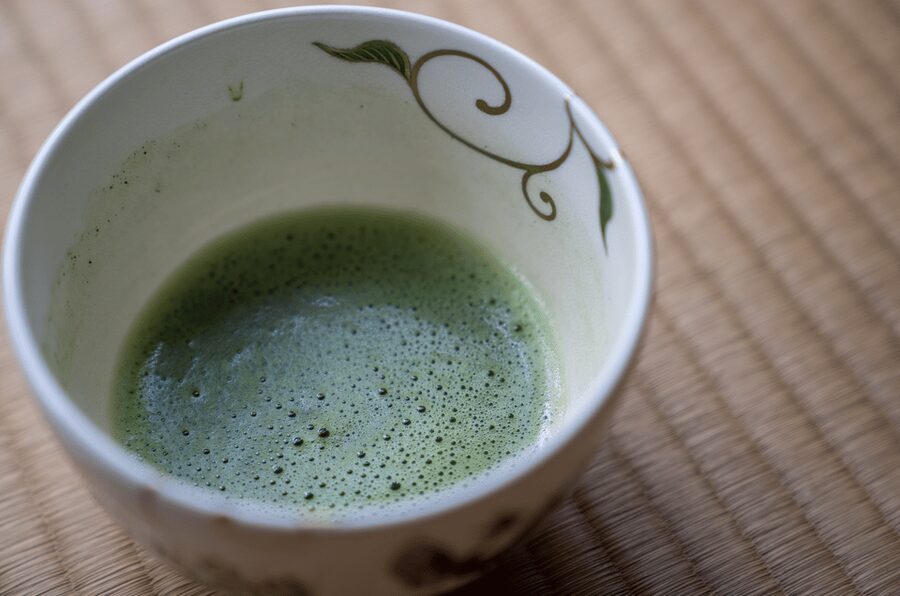
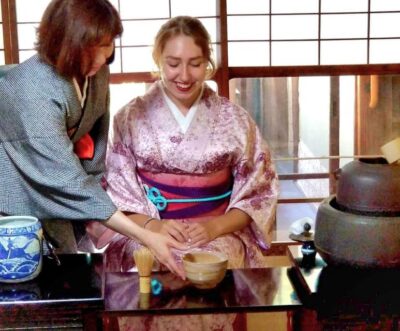
The heart of the experience is your matcha preparation. You can make your own tea if you wish, and the instructor will guide you through the steps. That means you are not just tasting, you are building the drink.
You start with whisking the powdered tea. The instruction focuses on both technique and mindfulness, with precise movements that connect the actions to the calm tempo of the ceremony. It sounds simple, but this is where the real skill lives, in how you move and how you control the process.
Because the group is limited to 6 participants, you get time to try without feeling like you are competing for attention. That matters in a hands-on class. If you were in a large group, you might only get half the instruction you need to feel confident.
Also, the teacher’s experience shows in how the steps are explained. In a good session, you leave understanding the process, not just copying it. You want that because matcha is not always the same from one bowl to the next, and knowing the why helps you adapt.
Traditional Dried Sweets, and Why They Belong with Tea
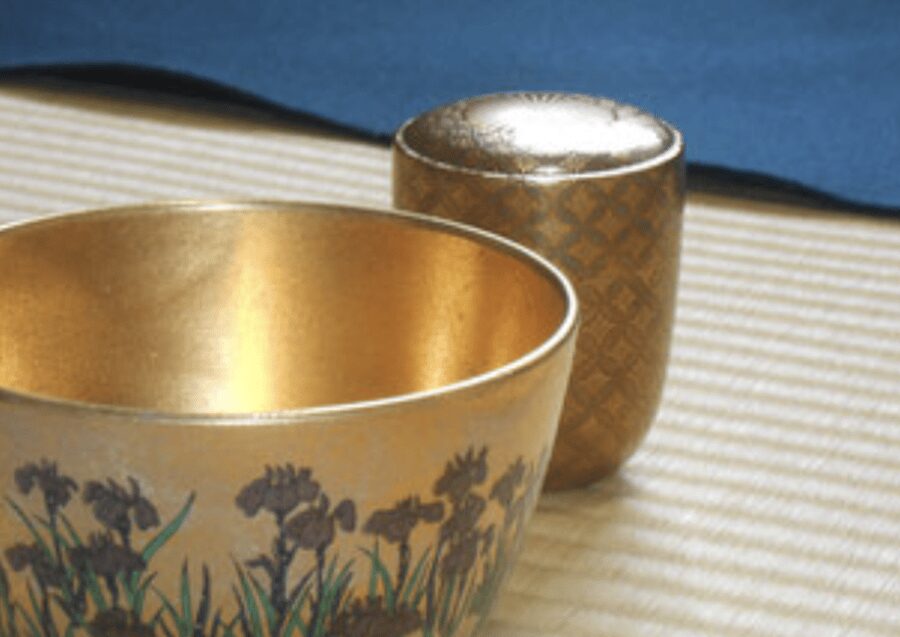
Tea ceremonies in Japan are not only about the drink. You are also served traditional dried sweets as part of the session, so you experience the full tea moment.
These sweets are included, which makes the experience feel complete. You get a small pause where the flavors and textures change the rhythm from preparing matcha to enjoying it.
I like that this inclusion prevents the classic problem of a culture activity that feels incomplete. If you only made matcha and then left, you might miss a key part of how the ceremony flows.
You do not have to be a sweets person either. The point is the pairing and the pacing, not turning it into a sugar binge.
What a Small Group of 6 Changes About the Experience
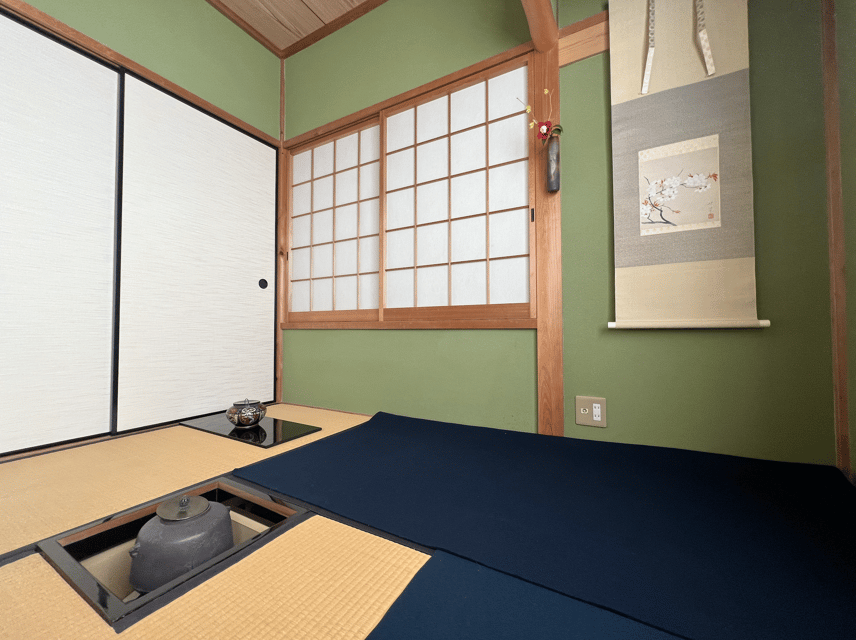
A lot of Kyoto activities are crowded. This one is not. The small group size, limited to 6, changes everything about how the teaching feels.
First, it keeps the room calmer. A tea ceremony is not a loud experience, so more people usually means less comfort and more waiting. Here, the smaller number supports the kind of focus the ritual needs.
Second, it makes questions realistic. If you get stuck or you simply want clarification, you are more likely to get an answer in the moment. That is especially helpful if you are new to tea ceremony basics.
Third, it helps you learn the sequence. Matcha is hands-on, and you need enough time to actually practice. The smaller group makes it possible to follow the pace without feeling like you are falling behind.
If you are traveling with friends, consider that this format is best when you want shared quiet. It is not a party vibe, and that is exactly why it works.
English Instruction That Keeps Culture from Feeling Like Homework
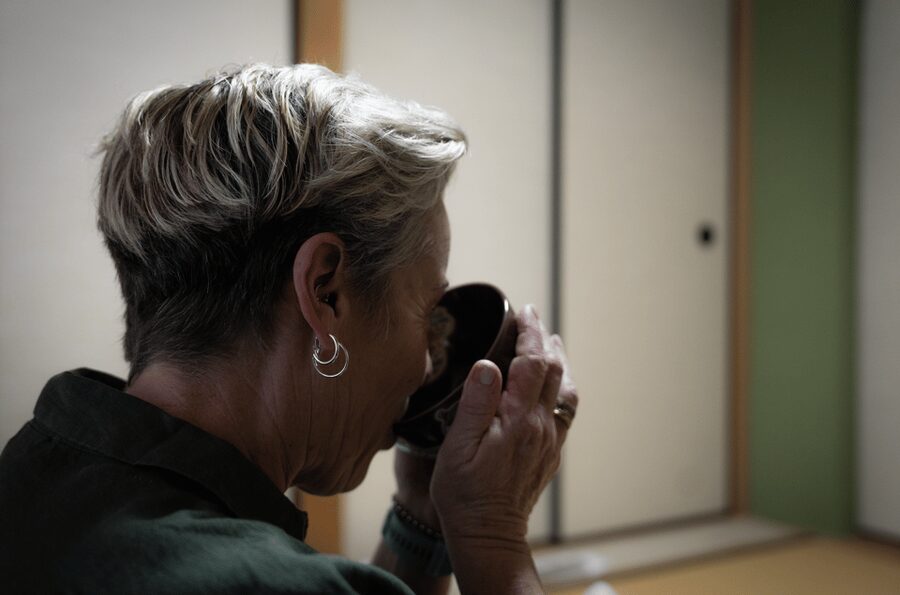
One of the best parts here is that the instructor teaches in English. That means you can focus on the experience instead of decoding instructions in your head.
English instruction does not remove the cultural seriousness of the tea ritual. It just lowers the friction. You learn the meaning behind the steps, and you can ask questions in a way that feels natural.
This is especially valuable if you have ever felt awkward in cultural classes because you worried you might do something wrong. The session is designed to be accessible and welcoming, so you can relax and follow along.
And yes, the tea itself matters. But what you really pay for is having a guide who can explain the ritual clearly while you practice it.
A day of temples goes further with something to break it up.
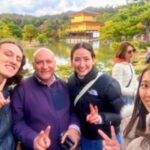
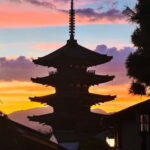
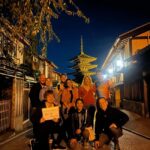
Where to Fit It in Your Day: Demachiyanagi, Kibune Shrine, and Rurikou Temple
This is a smart stop in a Kyoto itinerary because the area makes adding other things easy. The tea room is about a 15-minute walk from Demachiyanagi Station, which is a starting point for exploring places like Kibune Shrine and Rurikou Temple.
So you can treat the ceremony like a reset button. Do the tea first, then go exploring with a calmer brain. Or do sightseeing first, then use the ceremony to slow down and steady your feet after walking.
Near Kamogawa Delta, the setting also makes sense. You are close to a scenic riverside area where locals and visitors enjoy the quiet vibe. That makes your tea ceremony feel like part of a coherent neighborhood experience, not a random ticket pulled from a list.
Practical advice: if you are planning shrine and temple time, do not stack too many timed activities. Give yourself breathing room between walking and sitting rituals. Your legs and your attention will thank you.
Price and Value: Is $38 for One Hour Reasonable?
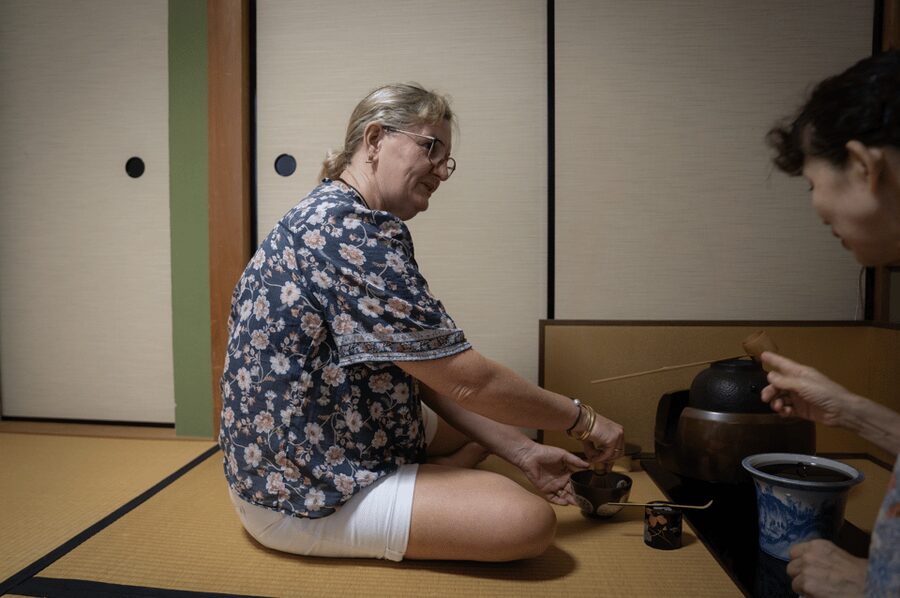
At $38 per person for a 1-hour experience, you are paying for more than tea. You are paying for guided instruction from a tea master with 30 years of experience, hands-on matcha preparation, and traditional dried sweets.
In other words, you are buying time with an instructor and a structure for learning. That is why the small-group limit matters. If you were paying the same price in a larger group, you would likely get less personalized attention while still paying for the same tea and lesson.
Also, the included items reduce decision fatigue. You do not need to hunt down matcha or figure out what to order. You show up, learn, whisk, taste, and leave with a real activity completed.
If plans shift, the experience also offers flexible booking options like free cancellation up to 24 hours in advance and reserve now, pay later. That kind of flexibility can be worth real money when Kyoto plans start changing day to day.
My take: $38 feels fair for a one-hour, instructor-led, hands-on cultural activity where you actually make the tea yourself.
Who This Kyoto Tea Ceremony Suits Best
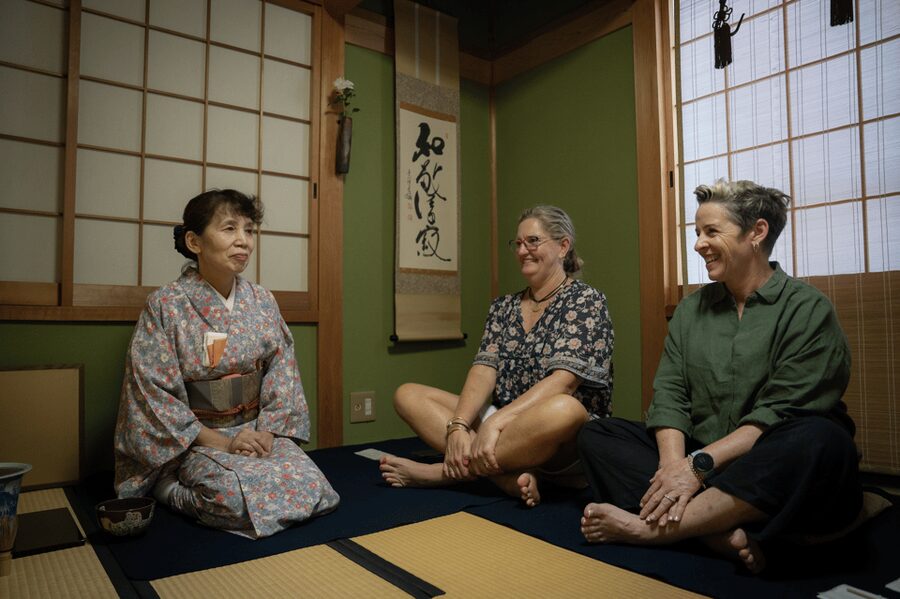
This experience is ideal if you want a calm, structured way to understand Japanese tea culture without feeling lost.
It is a great pick for:
- First-time visitors who want cultural depth that is actually explained clearly
- People who like hands-on learning, not just watching
- Anyone who wants a quiet break near Kamogawa Delta
- Small-group lovers who hate overcrowded classes
It may not be the best choice if you want a long, free-flowing experience. This session is one hour, and the rhythm is traditional. You follow the pace, rather than steering it.
Also, if you are the type who loves lots of photos and constant movement, this is slower. But if you like taking in details and enjoying a composed moment, it fits well.
Should You Book This Kyoto Tea Ceremony at Tisato?
I would book this if you want a straightforward, welcoming matcha lesson with real guidance. The combination of 30 years of expertise, an English-speaking instructor, and the option to make your own tea makes it a high-value use of one hour.
It is also a nice choice if you want to keep your day feeling human. Kyoto is full of impressive stops, but tea ceremonies give you something different: a chance to slow down and do one thing well.
If you are close to Demachiyanagi Station or Kamogawa Delta anyway, the location makes the decision even easier. You are not burning half your day to reach a venue.
If you want a calm cultural activity that teaches you practical steps, and you like the idea of sipping matcha you prepared yourself, this is the kind of booking that pays off.
FAQ
How long is the Kyoto tea ceremony experience?
The session lasts 1 hour.
What language is the instruction in?
The instructor provides instruction in English.
How many people are in the group?
This is a small group limited to 6 participants.
Can I make my own matcha during the ceremony?
Yes. If you wish, you can make your own tea with guidance from the instructor.
What is included in the experience?
It includes the tea ceremony, instructions by the instructor, matcha tea, and traditional dried sweets.
Where do I meet the group?
Meet at the Japanese house with the sign that says Tisato.
How far is it from Kamogawa Delta?
It is about a 15-minute walk from the Kamogawa Delta.
How far is it from Demachiyanagi Station?
It is about a 15-minute walk from Demachiyanagi Station.
Is there free cancellation and can I reserve without paying right away?
Yes. Free cancellation is available up to 24 hours in advance for a full refund, and you can reserve now and pay later.
New This Season
- Koyasan Day Trip by Private Car from Kyoto
- Old Port Town and Ultimate Sake Tasting Private Tour From Kyoto
- Kyoto’s Timeless Charm: 3hr Exploration of History and Peace
- Kyoto: 5 Types of Sushi Making
- Sacred Peak & Ancient Paths: Kurama-Kibune Hiking Experience
- Kyoto: Exclusive ZEN practice at Manpukuji temple in Uji
- Kyoto: Private Seasonal Aroma Yoga Class
- Traversing Kyoto’s Scenic West – Arashiyama to Kinkakuji
Tea Ceremonies, compared.
Tea Ceremony in a Traditional Tea House in Kiyomizu
Read our review →
Kimono Tea Ceremony at Kyoto Maikoya, NISHIKI
Read our review →
Tea Ceremony in 100-year-old Kyo-Machiya Townhouse
Read our review →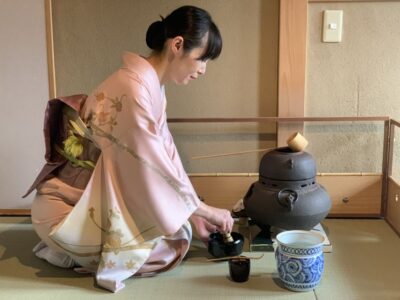
Also filed under