
Reviewed · TEA CEREMONIES
Kyoto: Tea Ceremony Experience in the candle light
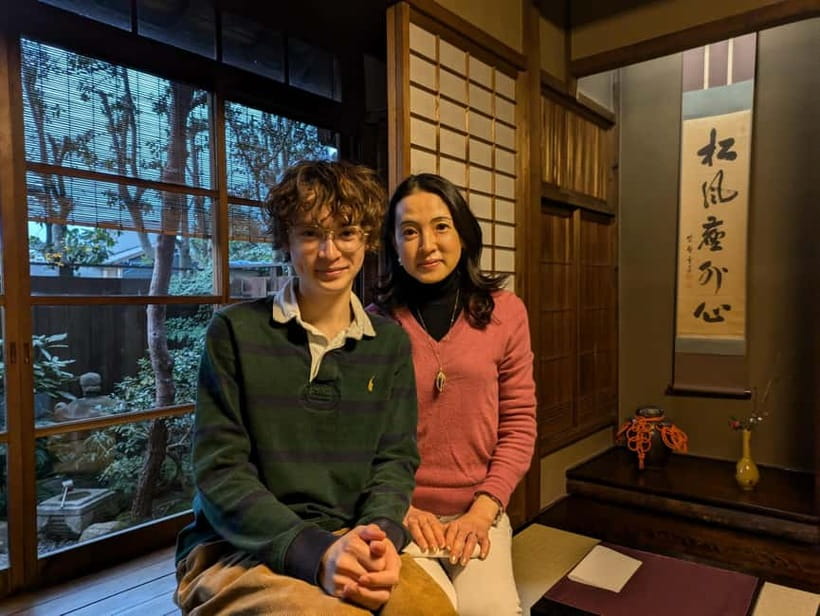
Candlelight changes everything in Kyoto tea. At Joukeian, the room dims into candlelight mood, and you slow down on purpose.
I especially like the quiet pacing, plus the garden view with its moss that makes the whole place feel alive. You’ll also get an English-led experience that keeps the meaning of what you’re doing clear.
The best part for me is the matcha pair: thick tea and light tea. You taste both, and the host’s guidance helps you understand what you’re noticing, not just how to hold the cup.
One drawback to factor in: transportation isn’t included, so you’ll need a plan to get to Joukeian in Kyoto on time.
In This Review
- Key things to know before you go
- Candlelight Tea at Joukeian in Kyoto: What the 100 Minutes Feels Like
- Finding Your Seat: Seasonal Drink and the Waiting Room Calm
- The Tea Garden and Moss: Your First Visual Anchor
- When the Room Gets Dark: Candlelight Atmosphere in Action
- Understanding the Meaning: Spirit of Tea, Chaji, and How You Drink
- The Main Sweet and the Short Break: A Taste-Schedule You’ll Appreciate
- Tea Master Demonstration: Watching Before You Taste
- Thick Tea vs Light Tea: Your Two Matcha Experiences
- Monthly Themes at Joukeian: Why Your Ceremony Might Look Different
- Price and Value: Is $129 Worth It?
- Practical Tips: Socks, No Bare Feet, and How to Prepare
- Who This Kyoto Candlelight Tea Ceremony Fits Best
- Should You Book It?
- FAQ
- How long is the Kyoto tea ceremony experience?
- How much does the experience cost?
- What tea and sweets are included?
- Is transportation to Joukeian included?
- Is the experience offered in English, and is it private?
- What should I bring and wear?
- What are the key rules during the ceremony?
Key things to know before you go
- Candlelight tea room timing, the lights change as the ceremony moves along
- Thick and light matcha tasting, with sweets matched to each
- Seasonal tea-house details, utensils and hanging scrolls can change monthly
- Moss garden views, visible as you settle in before the room darkens
- English tea instruction in a private group, so you can ask questions
Candlelight Tea at Joukeian in Kyoto: What the 100 Minutes Feels Like
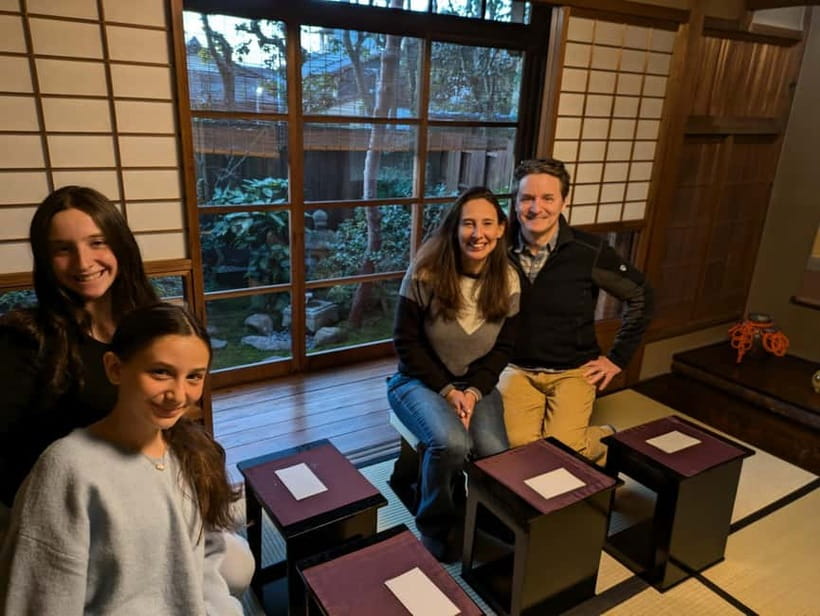
If you want Kyoto in a quieter key, this is a strong pick. The tea room goes from brighter to darker, and the Japanese candlelight becomes the main backdrop for the ceremony and the tea tasting. It’s not about speed or crowds, it’s about paying attention.
I like that you start with a clear structure. You’re not left guessing when to look, when to sit, or when to taste. The experience is also 100 minutes, which is long enough to feel complete, without turning into an all-day commitment.
You’ll also be surrounded by details that matter in Japanese tea settings. At Joukeian, the tea utensils and hanging scrolls are changed each month based on seasonal events or themes. Even if you come back later, the room setup can be different, which keeps the experience from feeling copy-paste.
Finding Your Seat: Seasonal Drink and the Waiting Room Calm
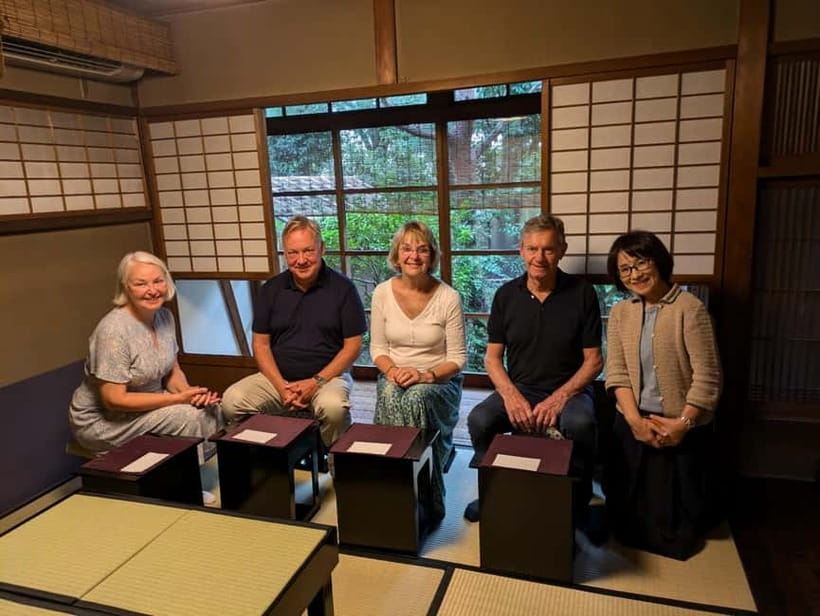
The ceremony begins in a waiting room with a seasonal drink. This matters more than it sounds. It sets the mood before you enter the tea room, and it gives you a small buffer to settle in, especially if you arrive a few minutes early.
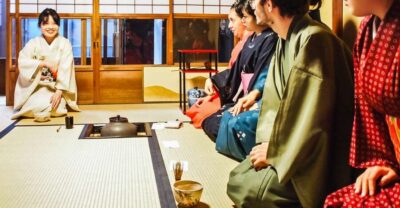
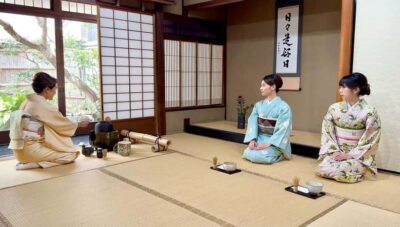
From there, you move into the tea room. As you enter, you can view the tea garden and the moss. That first look gives you something steady to focus on, before the room grows darker.
One practical thought: this is a place where rules and comfort go together. You’ll want clean socks, and you should be prepared to keep your feet covered since bare feet are not allowed.
More bowls, poured the traditional way
- Kyoto: Tea Ceremony in a Traditional Tea House in Kiyomizu
★ 4.9 · 3,519 reviews - Kyoto: Tea Ceremony Ju-An at Jotokuji Temple
★ 4.9 · 3,207 reviews - Kyoto: 45-Minute Tea Ceremony Lesson Experience
★ 4.3 · 2,378 reviews - Kyoto: Table-Style Tea Ceremony at a Kyo-Machiya
★ 4.9 · 1,211 reviews
The Tea Garden and Moss: Your First Visual Anchor
In many Kyoto activities, the “wow” moment happens once, then you’re on to the next stop. Here, the garden is part of the rhythm.
As the ceremony begins, the tea room offers a view of the garden with moss. That visual anchor helps the change in lighting feel purposeful rather than dramatic for drama’s sake. In other words, you see something calm first, then you get the candlelight atmosphere as things move forward.
This is also a good reminder for your planning. If you care about quiet visuals, go in with your camera use under control. Let the room moments land first. The candles and the tea action are the point, not photo roulette.
When the Room Gets Dark: Candlelight Atmosphere in Action
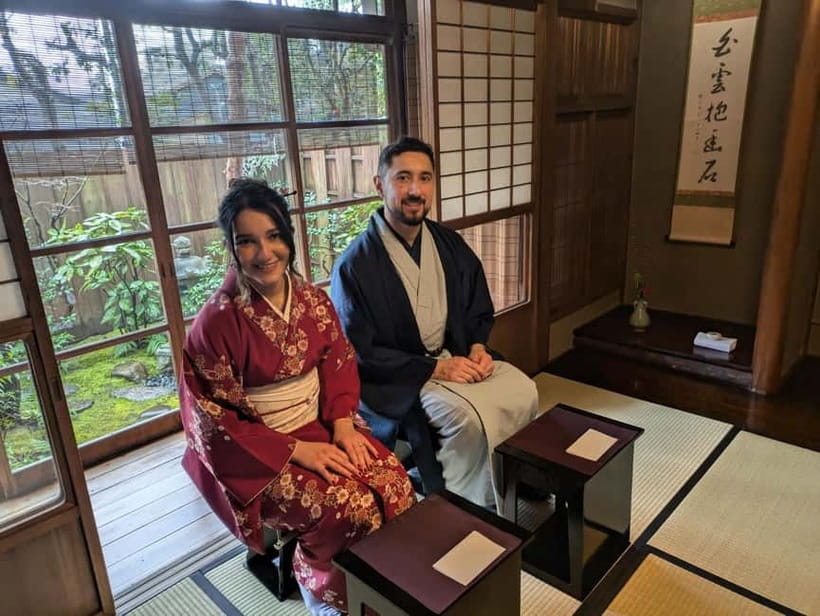
At Joukeian, the room becomes darker as the ceremony progresses. That’s when you’re enveloped in the magical atmosphere of Japanese candles.
This part is the headliner for most people, and for good reason. Candlelight changes the feel of time. You’re not looking at a screen. You’re watching hands move carefully, listening, and tasting when the moment arrives. It’s the kind of experience that makes you stop multi-tasking.
If you’re the type who gets distracted easily, this is still a nice fit. The atmosphere guides you. There’s no need to guess what comes next, because the host explains each stage and then demonstrates.
Understanding the Meaning: Spirit of Tea, Chaji, and How You Drink
A big value here is that you’re not just doing a ritual. You also learn why it matters.
The host explains the spirit of tea, Chaji, and the way of drinking the tea. Chaji is described in the course as a formal tea gathering of ultimate hospitality, which frames the ceremony as more than performance. It’s hospitality, attention, and respect, carried out in real steps.
What you’ll walk away with is a clearer mental model for the actions you see. When the thick tea and light tea arrive, you’re tasting with context, not guessing. That makes the experience feel personal instead of like you attended a show.
The Main Sweet and the Short Break: A Taste-Schedule You’ll Appreciate
Before the second tea-room segment, you’ll have a main sweet. Then you go back to the waiting room for a short break.
This break is smart. Tea ceremonies can require patience and quiet focus. Getting a pause gives you a chance to reset your attention so the second half does not blur together.
The sweets themselves are planned, not random. Later in the ceremony you’ll enjoy sweets matched to the thick tea and the light tea. That pairing is one of the best ways to understand how the flavors are intended to work together.
A day of temples goes further with something to break it up.
Tea Master Demonstration: Watching Before You Taste
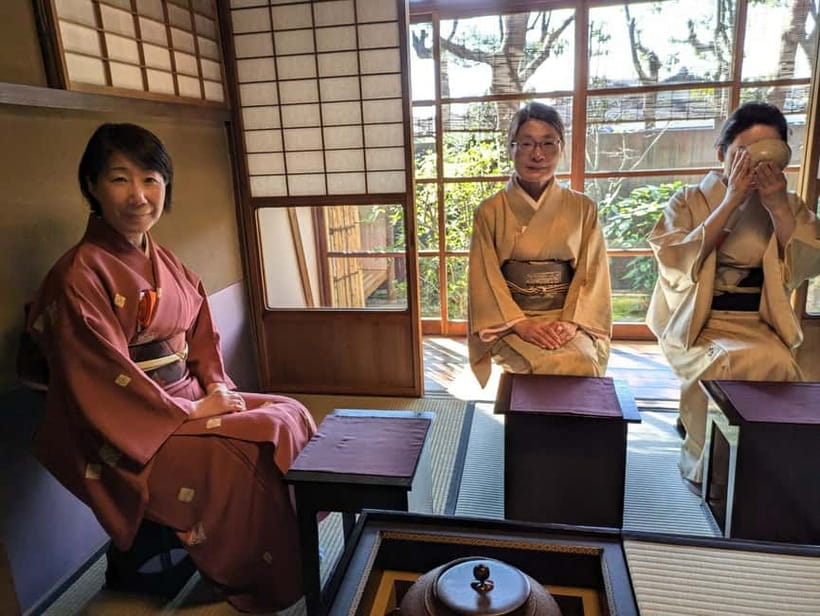
After the short break, you move to the tea room again. This is when you watch the demonstration of the tea ceremony by a tea master.
A demonstration sounds simple, but it’s the difference between acting out and understanding. Watching first lets you see the rhythm, how the host handles the utensils, and how the tasting portion is meant to unfold. Even if you’ve seen tea ceremonies before, the candlelight setting and the specific monthly tea-house presentation add their own angle.
Since your experience is in English, you’re not forced to decode silently. The explanation plus the demonstration helps you connect what you see with what you learn.
Thick Tea vs Light Tea: Your Two Matcha Experiences
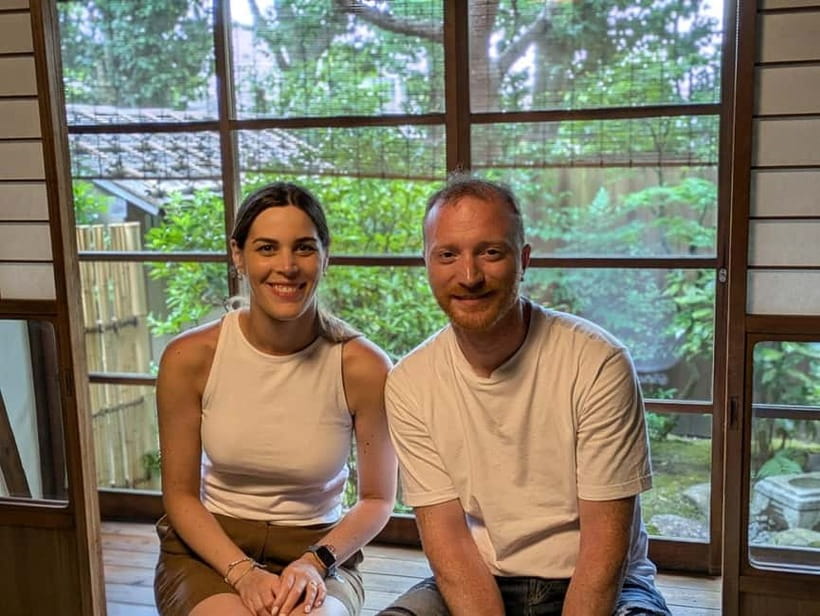
Now comes the part you came for: tasting two types of powdered green tea.
You’ll enjoy two kinds of powdered green tea, described as thick tea and light tea. You’ll also have confectionery sweets paired with each tea type.
Here’s what makes this worth your time. Most people think matcha is just one flavor, one “green tea taste.” The thick and light distinction helps you notice how texture and intensity can shift. That is the real payoff of doing both, rather than tasting only one style.
It’s also one of the best parts for non-experts. You don’t need tea knowledge to appreciate the difference, because the experience is guided and structured around your tasting moments.
Monthly Themes at Joukeian: Why Your Ceremony Might Look Different
One detail I really like is that Joukeian changes the tea utensils and hanging scrolls each month according to seasonal events or a theme.
This matters for repeat visitors, but it also helps first-timers. The room you experience is tied to a specific seasonal idea in that month. That makes your visit feel current, not like you walked into a permanent set.
If you’re planning a trip around a specific time of year, this is worth keeping in mind. You might find you care less about hunting the perfect photograph and more about noticing the month’s theme at the tea-house display level.
Price and Value: Is $129 Worth It?
The price is $129 per person for a 100-minute private group experience.
For some people, that sounds like a splurge. For me, the value comes from a few concrete things you can feel: candlelight atmosphere, a guided explanation of the ceremony’s meaning, and a tasting that includes both thick tea and light tea plus sweets for each.
You’re also not doing a quick “tour and leave” version. The time is long enough to experience the full pacing, including the waiting room stages and the short break. And since it’s an English-led private group, you’re less likely to miss details compared with a fast multi-language group setting.
Where the value can feel weaker is logistics. Transportation to Joukeian is not included. If you’re already near the tea house, it’s smooth. If you’re far away, you’ll want to budget time and cost for getting there so you don’t arrive rushed.
Practical Tips: Socks, No Bare Feet, and How to Prepare
This experience comes with simple rules, but they matter.
- Bring socks. Clean, comfortable socks are your best friend here.
- Bare feet are not allowed.
- Smoking is not allowed.
You’ll also be guided in English by the host. If you like asking questions, a private group format usually makes it easier to get clarity without speaking over others.
Finally, check starting times based on availability. The duration is listed as 100 minutes, but exact start times can vary, so plan to be on time.
Who This Kyoto Candlelight Tea Ceremony Fits Best
This is a great match if you want an experience that is calm, structured, and meaningful. It’s also a good choice if you care about cultural context, because the host explains the spirit of tea and Chaji rather than keeping everything purely performative.
I’d especially recommend it for:
- People who like quiet, hands-on cultural experiences
- First-timers to Japanese tea who want guidance in English
- Anyone who appreciates atmosphere, garden views, and candlelight settings
It may not be ideal if you’re looking for a high-energy, sightseeing-heavy day. This is slower. Think focused attention, not check-list tourism.
Should You Book It?
I’d book it if you want a Kyoto moment that feels intentional and personal. You get candlelight atmosphere, a garden-with-moss setting, guided learning about the ceremony’s meaning, and a tasting that includes both thick and light matcha with sweets.
Pass or choose another option if you’re tight on budget for experiences that include instruction and a tea master demonstration. Also consider skipping if getting to Joukeian is likely to be a hassle for you, since transportation isn’t included.
If you can handle a calm, rules-based setting and you’ll enjoy learning while tasting, this is the kind of Kyoto experience you remember long after the matcha taste fades.
FAQ
How long is the Kyoto tea ceremony experience?
It lasts 100 minutes.
How much does the experience cost?
The price is $129 per person.
What tea and sweets are included?
You’ll enjoy two kinds of powdered green tea, thick tea and light tea, and sweets for each.
Is transportation to Joukeian included?
No. Transportation to Joukeian Tea House is not included.
Is the experience offered in English, and is it private?
Yes. The instructor is English, and it is a private group.
What should I bring and wear?
You should bring socks. Bare feet are not allowed.
What are the key rules during the ceremony?
Smoking is not allowed, and bare feet are not allowed.
New This Season
- Koyasan Day Trip by Private Car from Kyoto
- Old Port Town and Ultimate Sake Tasting Private Tour From Kyoto
- Kyoto’s Timeless Charm: 3hr Exploration of History and Peace
- Kyoto: 5 Types of Sushi Making
- Sacred Peak & Ancient Paths: Kurama-Kibune Hiking Experience
- Kyoto: Exclusive ZEN practice at Manpukuji temple in Uji
- Kyoto: Private Seasonal Aroma Yoga Class
- Traversing Kyoto’s Scenic West – Arashiyama to Kinkakuji
Tea Ceremonies, compared.
Tea Ceremony in a Traditional Tea House in Kiyomizu
Read our review →
Kimono Tea Ceremony at Kyoto Maikoya, NISHIKI
Read our review →
Tea Ceremony in 100-year-old Kyo-Machiya Townhouse
Read our review →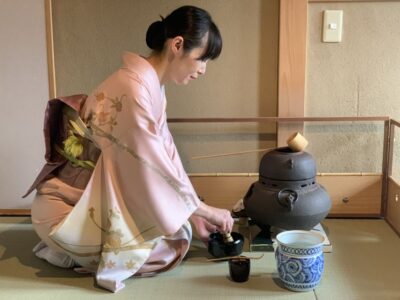
Also filed under