
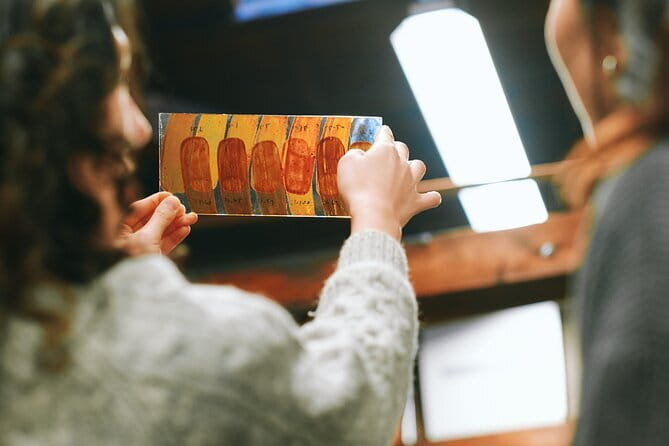
Reviewed · ARTISAN CRAFT WORKSHOPS
Kyoto Urushi Lacquer Factory Tour and Chopstick Making Experience
Lacquer starts as tree sap. This 90 minute Kyoto visit gives you the full story from urushi sap to workshop-ready lacquer, then lets you use it on your own pair of chopsticks. I especially like how the guide connects craft tradition to how the factory still supports working artisans today.
I also like the hands-on part on the top floor: you apply lacquer using the fuki-urushi technique and you take the finished chopsticks home as a real souvenir, not just a photo. The tour stays tightly focused, and the English guidance makes the craft process easy to follow step by step.
One practical catch: you will be working with lacquer, so wear clothes you do not mind getting dirty. Also, there is no large luggage storage, so plan to travel light for the day.
In This Review
- Key highlights you should know before you go
- Entering Tsutsumi Asakichi Urushi, the Und store vibe
- The sap to lacquer process, and what it means for your eyes
- Factory tour details that help you understand the craft
- Workshop time: applying lacquer to chopsticks with fuki-urushi
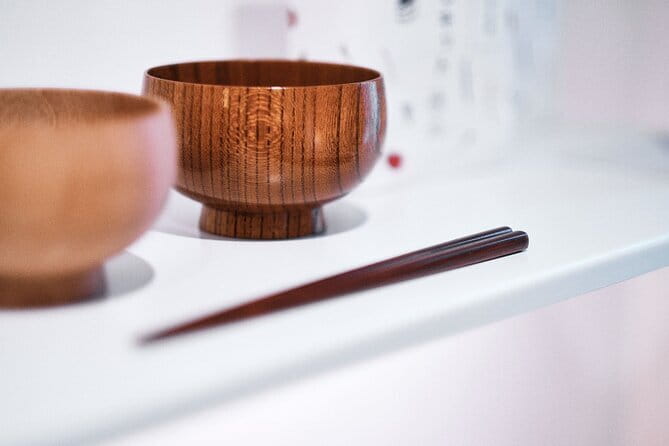
- Your take-home chopsticks, and how to treat your souvenir
- Price and timing: is $97.55 good value for this Kyoto stop?
- Who should book the Kyoto urushi lacquer chopstick tour
- Should you book this Kyoto urushi tour?
- FAQ
- How long is the Kyoto Urushi lacquer factory tour and chopstick making experience?
- Where does the tour start?
- What time does the tour begin?
- Is the tour conducted in English?
- Is this experience hands-on, or just a factory viewing?
- Do I need to bring anything or wear special clothes?
- How large are the groups?
- Is there a minimum number of participants?
- Is the price refundable if I cancel?
- What transportation is included?
Key highlights you should know before you go
- See how urushi lacquer is refined for real artisans: the factory supplies lacquerware makers across Japan.
- Learn the full sap-to-lacquer story: you get the process from collecting sap through refinement and coloring.
- Hands-on chopstick lacquer workshop: you apply lacquer yourself and keep the chopsticks.
- A small group experience: the tour tops out at 5 travelers, so it stays personal.
- English tour: the entire experience is conducted in English.
- Central Kyoto location: easy to reach via public transportation in Shimogyo Ward.
Entering Tsutsumi Asakichi Urushi, the Und store vibe
The experience starts at Tsutsumi Asakichi Urushi in central Kyoto, at Inaricho (Shimogyo Ward). You go into a factory store called Und, where you can browse items and tools for lacquerware artists before the tour begins. It is a small detail, but I like the way it sets your mind on the craft from minute one, not as a distant museum stop.
Because this is a working operation, the atmosphere feels practical. You are not just looking at finished goods behind glass. You are stepping into the same kind of commercial space that serves people who make lacquerware as a daily job.
Tip: plan to arrive with your basics handled, because there is no mention of any big luggage storage. If you have a lot with you, you will want to use your hotel or a nearby locker strategy so you do not feel stuck carrying it.
The sap to lacquer process, and what it means for your eyes
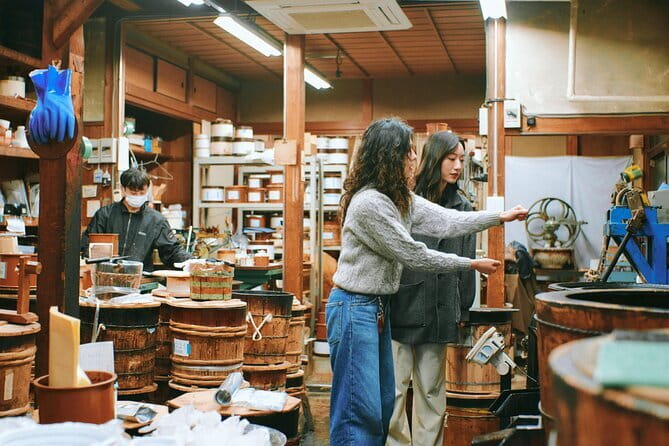
The main factory tour explains how urushi is made, starting from collecting sap from the Japanese lacquer tree and moving through refinement until it becomes usable for craftsmen. You also hear how lacquer is colored and refined to meet the needs of local makers. The experience is built around the idea that urushi is not a simple paint. It is a carefully prepared material that craftsmen treat with respect.
One of the most valuable parts, in my view, is that you see how the factory thinks about consistency and quality. This is not just art for display, it is production for use. When the guide talks about refining and coloring lacquer for craftsmen, you start to understand why Japanese lacquerware has such a reputation. It is not only the finish on the object, it is what goes into the material before it ever touches wood.
The factory you visit, Tsutsumi Asakichi Urushi, refines over 70% of Japan’s domestic urushi lacquer and supplies high-quality lacquer to lacquerware artisans across the country. That is a big number, and it matters. It tells you this is not a hobby setup. You are learning from the kind of operation that keeps the broader craft economy running.
Founded in 1909, Tsutsumi Asakichi Urushi also has a story shaped by the 20th century decline in traditional urushi use. The current 4th generation owner is focused on bringing urushi back into everyday life, with safe use of high quality lacquer for both traditional items and modern goods. That back-and-forth between past and present is exactly what keeps the tour from feeling like a history lesson only.
Make something with a Kyoto craftsman
- Authentic knife making experience at a blacksmith in Kyoto
★ 4.8 · 350 reviews - Kyoto: Calligraphy class at Buddhist temple in city center
★ 5.0 · 167 reviews - Roketsu dyeing experience: M course Roketsu Dyeing Experience
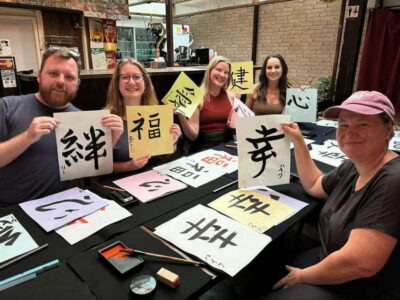
★ 5.0 · 163 reviews - Kyoto: Japanese Calligraphy Class
★ 4.8 · 89 reviews
Factory tour details that help you understand the craft
During the tour, you see well-kept secrets of refining and coloring lacquer for local craftsmen. The exact techniques are shared through the guide’s explanation as you walk through the factory space, so you are learning by seeing the workflow and hearing how artisans rely on this material.
I like that the tour stays organized, because urushi lacquer can sound like a single ingredient. The guide makes it feel like a process with steps, choices, and quality control. That is useful for you later, even if you never plan to make lacquerware yourself. You start to recognize why different finishes exist, why some pieces look deeper or more refined, and why craftsmanship is not just about the final coat.
Also, the tour is private for your group and conducted entirely in English. With a maximum of 5 travelers, you can actually follow along without feeling lost in a crowd. If something is unclear, you have a better chance of getting a direct answer.
Small consideration: factory tours can be visually busy. If you are the type who likes taking notes, bring a pen and paper or be ready on your phone. The guide gives you a lot of information in a short time.
Workshop time: applying lacquer to chopsticks with fuki-urushi
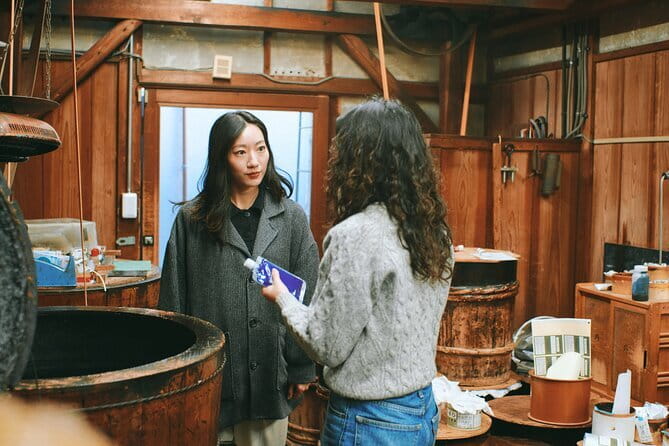
After the factory tour, you head to the workshop area on the top floor. This is where the experience turns from watching to doing.
You apply lacquer on a pair of chopsticks using the traditional fuki-urushi technique. The key benefit here is control. You get to experience the craft at the scale of a simple object, with clear instructions from your guide. It is not a full self-directed workshop, but it gives you the core feeling of how lacquer work differs from normal crafts or painting.
Because lacquerware requires care, the workshop also gives you respect for the material. Even without learning every technical nuance, you understand quickly that this is slow work compared with many tourist activities. The goal is not a fast souvenir, it is a finished pair of chopsticks you can bring home as a memory of the process you just watched.
What I think you will like most: you end with an object that matches the tour theme. You do not buy a random trinket and forget it. You own the craft story in your hands.
Wear advice: you are told to wear clothes suitable for getting dirty. That matters more than you might think, because lacquer work can be messy, and you do not want to worry about a nice outfit.
Your take-home chopsticks, and how to treat your souvenir
You take the lacquered chopsticks with you as a present and a memory from the factory visit. That is the whole point of the experience: you get a wearable, usable craft item tied to the specific process you learned.
What you can do before you go: think about how you will carry them home comfortably. The tour includes the application of lacquer, but the experience does not describe extra packaging or care steps. So treat them gently after the workshop, and keep them protected in your day bag.
If you are gifting these to someone, you might consider timing. A shop-floor lacquer souvenir is personal, and the story behind it is the real value. Give them the context of what you did: sap to refinement, then your own lacquer application.
Price and timing: is $97.55 good value for this Kyoto stop?
The price is $97.55 per person for about 1 hour 30 minutes. That sounds like a lot until you match it to what is included: a guide, the store and factory tour, and the chopstick lacquer application. You also get a take-home item, and you are not paying extra for materials.
I think this pricing can be strong value if you want hands-on craft learning. If you only want a quick look and photos, this may feel like a bigger commitment than a short walk-in exhibit. But if you enjoy process, materials, and skill, the time and included workshop justify it.
Group size is also a factor. With a maximum of 5 travelers and a minimum of 2 to operate, it tends to stay small and conversational. Small groups usually mean better pacing, and you are less likely to feel like you are watching from the back of the room.
Timing-wise, the tour starts at 10:00 am and ends back at the meeting point. Since it is centrally located in Kyoto and near public transportation, it can fit into a day without major logistics headaches.
A day of temples goes further with something to break it up.

Who should book the Kyoto urushi lacquer chopstick tour
This is ideal for you if:
- You like craft processes, materials, and the people behind them.
- You want a hands-on Kyoto experience that results in something you keep.
- You prefer English guidance and a small group format.
- You are curious about how traditional techniques survive and adapt in modern life.
It may be less ideal if:
- You dislike anything messy or hands-on.
- You travel with large luggage and do not want to deal with storage limits.
- You are short on time and only want a quick stop.
The factory’s focus is also worth noting. The 4th generation owner aims to reestablish urushi in everyday life with safe, high-quality lacquer for both traditional and modern goods. If you like that idea, you will probably enjoy the way the guide frames the process, not just the steps.
Should you book this Kyoto urushi tour?
Yes, I would book it if you want one Kyoto activity that combines explanation with a real souvenir you made yourself. The strongest reasons are simple: you get the sap-to-lacquer process and you leave with chopsticks you lacquered using a traditional technique. That combination is rare.
Also, because it is an English tour with a small maximum group size, it is a good pick for travelers who want to ask questions and get clarity instead of standing silently near exhibits.
If you are unsure, think about your goal for the trip. If you want more than photos and shopping, this is a high-satisfaction craft experience in central Kyoto.
FAQ
How long is the Kyoto Urushi lacquer factory tour and chopstick making experience?
It lasts about 1 hour 30 minutes (approximately).
Where does the tour start?
The meeting point is Tsutsumi Asakichi Urushi Japan, 600-8098 Kyoto, Shimogyo Ward, Inarichō, 540番地. The tour ends back at the meeting point.
What time does the tour begin?
The start time is 10:00 am.
Is the tour conducted in English?
Yes. The tour is conducted entirely in English.
Is this experience hands-on, or just a factory viewing?
It includes a hands-on workshop where you apply lacquer to a pair of chopsticks using the traditional fuki-urushi technique.
Do I need to bring anything or wear special clothes?
Wear clothes suitable for getting dirty. There is no large luggage storage available, so travel light if you can.
How large are the groups?
The tour has a maximum of 5 travelers.
Is there a minimum number of participants?
Yes. The tour requires a minimum of 2 participants to operate. If the minimum is not met, the provider may cancel by the day before with a full refund.
Is the price refundable if I cancel?
No. This experience is non-refundable and cannot be changed for any reason. If you cancel or ask for an amendment, the amount you paid will not be refunded.
What transportation is included?
Private transportation is not included. The tour is near public transportation.
New This Season
- Koyasan Day Trip by Private Car from Kyoto
- Old Port Town and Ultimate Sake Tasting Private Tour From Kyoto
- Kyoto’s Timeless Charm: 3hr Exploration of History and Peace
- Kyoto: 5 Types of Sushi Making
- Sacred Peak & Ancient Paths: Kurama-Kibune Hiking Experience
- Kyoto: Exclusive ZEN practice at Manpukuji temple in Uji
- Kyoto: Private Seasonal Aroma Yoga Class
- Traversing Kyoto’s Scenic West – Arashiyama to Kinkakuji
Artisan Craft Workshops, compared.
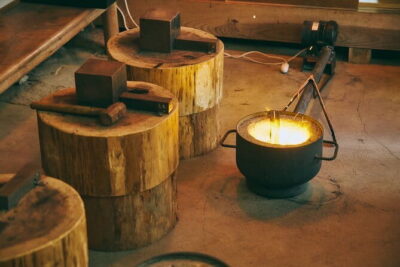
Authentic knife making experience at a blacksmith in Kyoto
Read our review →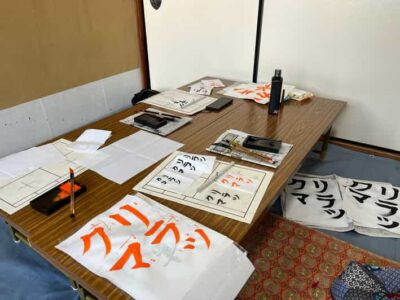
Calligraphy class at Buddhist temple in city center
Read our review →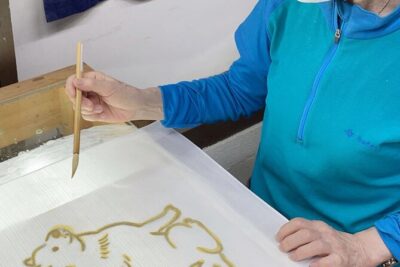
Roketsu dyeing experience: M course Roketsu Dyeing Experience
Read our review →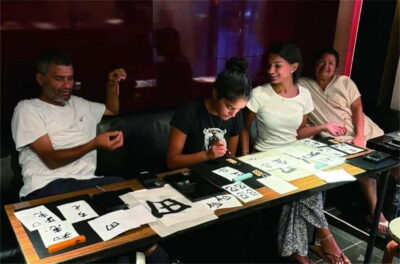

Traditional Japanese Washi Papermaking- Kyoto morning
Read our review →
Also filed under