
Reviewed · ARTISAN CRAFT WORKSHOPS
Let’s make only one original onigawara in the world
You will leave Kyoto with a demon tile. This hands-on onigawara workshop in Higashiyama is a creative break from temples, and you learn why these fearless roof ornaments protect buildings from evil and rain. You also get a small-group class, capped at five people, so you are not just watching.
I especially liked the step-by-step way Yuya-san teaches the sculpting, even if your hands feel clumsy with clay. You also end up with a souvenir that is truly yours, because even using the same build process, each tile comes out different. The main thing to plan for is that shipping is not included, and you wait for clay drying and kiln firing before it comes home.
In This Review
- Key things that make this workshop worth your time
- Making Kyoto onigawara, one demon tile at a time
- What you actually do during the 2 to 3 hour session
- Learning what onigawara do for roofs and people
- Kiln firing, drying time, and why you should plan for waiting
- Price, value, and the one cost you must budget for
- Where you meet in Kyoto, and what to bring
- Beginner-proofing: how Yuya-san and You-san help you finish
- The small-group size, and how it changes the feel
- Who should book this onigawara workshop in Kyoto
- So, should you book it?
- FAQ
- Where is the meeting point for the onigawara workshop?
- How many people are in the class?
- How long does the workshop take?
- What is included in the price?
- Is shipping included?
- How do I get my finished onigawara tile?
- What should I wear since the class uses clay?
- Is an apron provided?
- Is the workshop suitable for beginners or children?
- Can I cancel if my plans change?
Key things that make this workshop worth your time
- Ogre-faced onigawara meaning in plain language, including how the design and placement protect roofs
- Maximum 5 people for real coaching, not a crowded class
- Yuya-san, You-san style instruction, clear steps that help beginners finish
- Kiln firing plus home delivery, so you are not stuck storing wet clay in your hotel
- One-of-a-kind results, because your demon face is shaped by you
Making Kyoto onigawara, one demon tile at a time
Kyoto has the kind of crafts you can only understand by touching them. This workshop takes you into the process behind onigawara, the demon-faced roof ornaments you see at temple edges and along traditional ridgelines. The best part is that you do not just admire examples, you build your own.
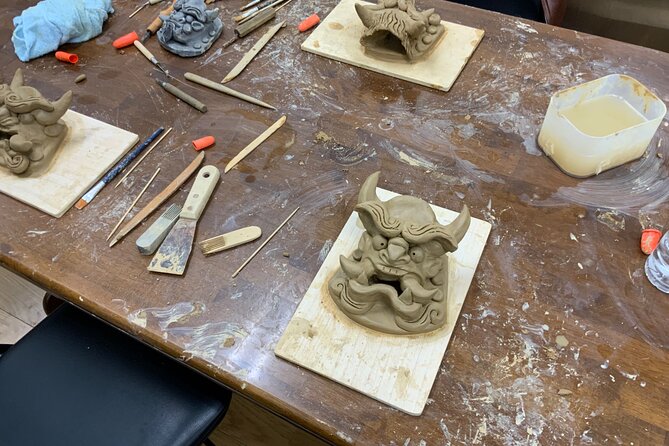
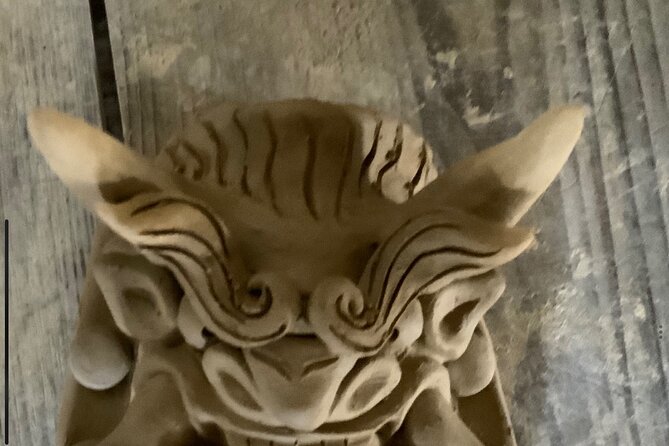
You start with soil-based clay and follow a build process designed to get you to a finished demon-face tile within the session. The faces are inspired by ogres and guardian imagery, the same visual language used on historic roof tiles. By the time you are done, you have an object that feels like a real piece of cultural practice, not a plastic souvenir.
And because the class is limited to five people, the instructor can correct small issues early. That matters with clay. Fixing it at the start is much easier than trying to rescue a slightly warped piece at the end.
What you actually do during the 2 to 3 hour session
Your workshop experience is built around a simple promise: you make a small onigawara tile from scratch, the team fires it in a kiln, and then your finished tile is shipped to your home.
Here is how the session typically feels in real time:
You begin by learning what onigawara are and where they belong in Japanese architecture. Then you shape a basic tile form and assemble the demon face components. The procedure is described as an instructor-developed method, and it is aimed at keeping the project achievable.
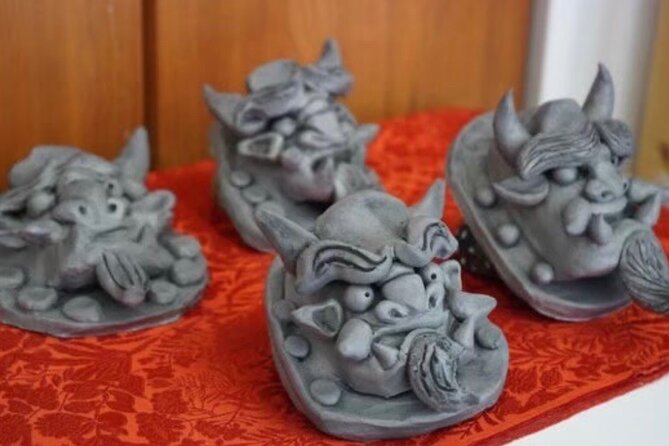
Then the class moves through hands-on shaping. You form, carve, and refine the face details. The goal is not perfection. The goal is getting to a demon that looks convincing and holds its form. The group ends up with wildly different results because you are not copying a single mold. Reviews highlight that you might get something fierce, something goofy, or something in between, and all of it is part of the charm.
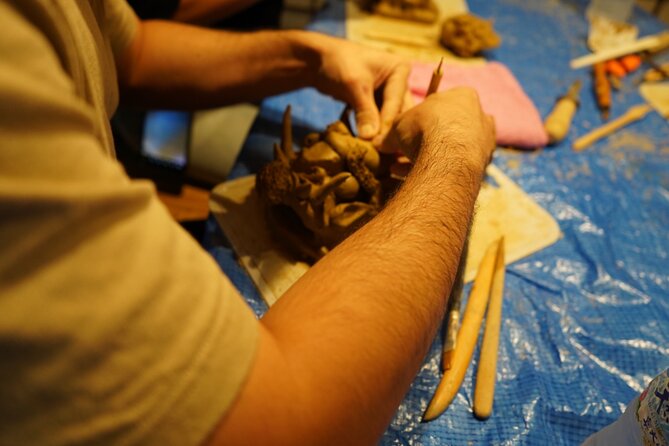
You also get time coaching. Beginners often worry they will ruin the clay, but the teaching is structured as a step-by-step build. Even if your first attempt looks odd, you learn how to correct the proportions and surface details before it becomes a lost cause.
Most sessions run about two hours on the schedule, but plan for close to three hours depending on your pace and how many questions you ask.
Make something with a Kyoto craftsman
- Authentic knife making experience at a blacksmith in Kyoto
★ 4.8 · 350 reviews - Kyoto: Calligraphy class at Buddhist temple in city center
★ 5.0 · 167 reviews - Roketsu dyeing experience: M course Roketsu Dyeing Experience
★ 5.0 · 163 reviews - Kyoto: Japanese Calligraphy Class
★ 4.8 · 89 reviews
Learning what onigawara do for roofs and people
The story of onigawara is why this workshop goes beyond craft night. These demon-faced tiles are tied to roof protection, traditionally believed to ward off evil and shed rain. When you hear that and then mold a face yourself, it clicks in a different way.
You also learn that the tile is not random decoration. Onigawara sit at the ends of the main roof ridge, where their presence matters. That roof placement is part of why the face style became such a recognizable visual marker in traditional architecture, especially around temples.
The instructor explains this purpose as you work, not as a lecture you tolerate. That makes the meaning feel practical. You are not just making a souvenir, you are participating in a centuries-old design idea: the roof is an important boundary, so guardians and symbols belong where weather and threats meet the building.
Kiln firing, drying time, and why you should plan for waiting
The clay part is the fast part. The real work happens after you leave.
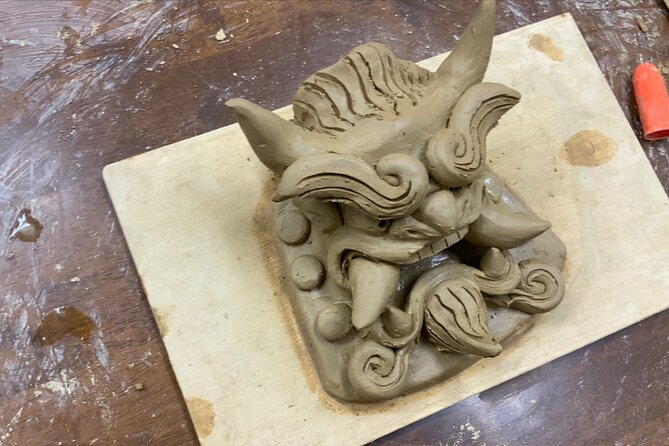
After you finish shaping your onigawara, the tile is fired in a kiln at the factory. But before firing, clay needs to dry. One review notes an important timeline detail: it can take about one month for the clay to dry out fully. That is why you cannot treat this like a quick buy-and-go craft. It is more like a take-home project with a delivery date.
Shipping is how it becomes a true Kyoto keepsake. The workshop ships the fired tile to your address after the necessary curing and firing steps. You should also budget for the fact that delivery is not instant, and your tile will arrive weeks later in many cases.
This is also where the workshop can feel slightly different from other ceramic classes. You get to create the piece in the moment, then you transition to waiting for the finish.
Price, value, and the one cost you must budget for
The listed price is $89.17 per person, and the workshop includes bottled water. You also get a mobile ticket.
In terms of value, what you are paying for is not just a few minutes of hands-on clay. You are paying for:
- instructor-led sculpting so beginners can finish
- kiln firing done for you
- and shipping your finished piece to your home
The one missing piece in the price is shipping. Shipping costs are not included in the experience fee. Based on the way the process is described in a review, shipping may be handled at the end of class, in cash, and the final amount can be determined then.
So your best move is to mentally separate the experience fee from the delivery cost. You will enjoy the workshop more if you treat the shipping charge as a planned add-on rather than a surprise.
Also, check the current opening deal. The workshop mentions a special discount price for their opening period, and it can make the overall value even better if your travel dates line up.
Where you meet in Kyoto, and what to bring
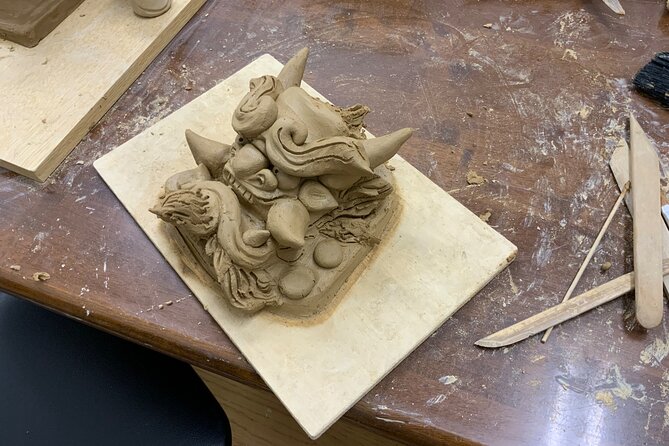
You meet at 瓦工房you家 kawarakoubouyouya, 373-2 Yamazakichō, Higashiyama Ward, Kyoto, 605-0841, Japan. The activity ends back at the same meeting point.
You should plan your day so you are not rushing afterward. Even if the class is short on paper, clay work and questions take time.
What to bring is simple:
- clothes that you do not mind getting dirty, because the class uses soil-based clay
- an apron is not included, so wear something that protects your clothing as much as possible
The workshop notes that most travelers can participate, and service animals are allowed. It is also near public transportation, which helps because Kyoto traffic and parking can be annoying.
A day of temples goes further with something to break it up.


Beginner-proofing: how Yuya-san and You-san help you finish

A big reason this class gets such strong marks is the teaching style. Yuya-san, and also references to You-san in communication, comes across as patient and practical. The step sequence is set up so you can keep moving forward even when the clay feels wrong.
If you are new to ceramics, you will likely worry about breaking the tile or getting uneven shapes. The class approach helps you because the instructor breaks the end product into manageable pieces. You build the demon face part by part, then refine.
Another practical detail: the class design is aimed at getting similar results from different people, but not identical results. That is a good thing. Identical crafts feel like a factory line. Different crafts feel alive.
Reviews highlight a range of participants, including people who said they were creatively challenged and families with children and teenagers. That is a strong sign the instructions are made for real humans, not just experienced sculptors.
The small-group size, and how it changes the feel
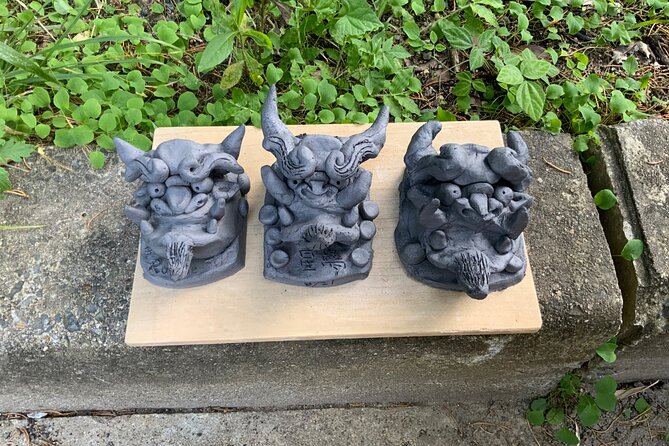
Maximum five travelers means you get more than a seat. You get attention.
In a larger class, an instructor may only glance at your work once. Here, you can get quick guidance if your proportions slip or if your surface details are not holding. That is especially helpful with a project that uses a specific design language.
The small group also makes conversation easier. Many reviews mention the instructor speaking English clearly enough to guide steps, plus friendly back-and-forth during the session. If you want cultural talk while you work, this format supports it.
For larger groups of five or more, the workshop notes that location may change. If you are traveling as a big party, you will want to confirm the assigned workshop site when booking.
Who should book this onigawara workshop in Kyoto
This is a great fit if:
- you want a hands-on Kyoto activity that still teaches meaning
- you enjoy making one special object instead of collecting a pile of small purchases
- you like small-group classes where you can ask questions and adjust in real time
- you want a souvenir that changes depending on your own style
It may not be your best pick if:
- you dislike waiting weeks for a finished item
- you do not want to deal with added shipping cost after the workshop
- you prefer a strictly sightseeing schedule with no studio time
For most people who enjoy crafts, though, this is an unusually personal souvenir. You can even think of it as a guardian you make, not just buy.
So, should you book it?
If you want one Kyoto experience that feels like something you made with your own hands, this is an easy yes. The workshop hits a sweet spot: meaningful context about onigawara, plus a practical process that helps beginners finish.
Just go in with two expectations set correctly. First, you will get dirty. Second, you will wait for delivery because drying and kiln firing take time. If you can accept those tradeoffs, you will come away with a one-of-a-kind demon tile, shaped by you, with a story that actually makes sense when you look at it on a shelf or in a garden.
FAQ
Where is the meeting point for the onigawara workshop?
You meet at 瓦工房you家 kawarakoubouyouya, 373-2 Yamazakichō, Higashiyama Ward, Kyoto, 605-0841, Japan.
How many people are in the class?
The workshop has a maximum of 5 travelers.
How long does the workshop take?
The experience is listed as about 2 hours.
What is included in the price?
Bottled water is included.
Is shipping included?
No. Shipping costs are not included in the experience fee.
How do I get my finished onigawara tile?
After you make your tile, it is fired in a kiln at the factory, and it is delivered to your home.
What should I wear since the class uses clay?
Wear clothes that may get dirty, because the experience uses soil.
Is an apron provided?
No, an apron is not included.
Is the workshop suitable for beginners or children?
The activity says most travelers can participate. Reviews include families and teenagers, and the instructor is described as giving clear, step-by-step guidance for beginners.
Can I cancel if my plans change?
Free cancellation is available. You can cancel up to 24 hours in advance for a full refund. If you cancel less than 24 hours before the start time, the amount paid will not be refunded.
New This Season
- Koyasan Day Trip by Private Car from Kyoto
- Old Port Town and Ultimate Sake Tasting Private Tour From Kyoto
- Kyoto’s Timeless Charm: 3hr Exploration of History and Peace
- Kyoto: 5 Types of Sushi Making
- Sacred Peak & Ancient Paths: Kurama-Kibune Hiking Experience
- Kyoto: Exclusive ZEN practice at Manpukuji temple in Uji
- Kyoto: Private Seasonal Aroma Yoga Class
- Traversing Kyoto’s Scenic West – Arashiyama to Kinkakuji
Artisan Craft Workshops, compared.
Authentic knife making experience at a blacksmith in Kyoto
Read our review →
Calligraphy class at Buddhist temple in city center
Read our review →
Roketsu dyeing experience: M course Roketsu Dyeing Experience
Read our review →

Traditional Japanese Washi Papermaking- Kyoto morning
Read our review →
Also filed under