
Reviewed · GION GEISHA QUARTER WALKS
Maiko Dance and Tea Ceremony on a Noh Stage in Kyoto
A maiko on a real Noh stage is special. You get tea ceremony matcha plus seasonal sweets, and you also see a graceful maiko dance in a calm, dignified theater setting. One catch: the experience happens indoors without shoes, so you’ll want to be ready with socks and comfortable for seated viewing.
If you like Japanese culture that feels close up, this one works. The event includes an English interpreter guide and time to take photos and chat with the maiko after the performance, all within about 1 to 1.5 hours, depending on the start time and flow.
In This Review
- Key things to know before you go
- From Reception to Noh Stage: What the 1 to 1.5 Hours Feels Like
- The Maiko Dance on a Noh Stage: What to Watch for
- The Tea Ceremony Part: Matcha, Seasonal Sweets, and Calm Ritual
- Shoes Off, Socks On: The Kyoto Comfort Checklist
- English Support and Photo Time: Getting More Than a Passively Watched Show
- Price and Value: Is $141 Worth It?
- Where It Fits in Your Kyoto Day
- Who Should Book This Maiko Dance and Tea Ceremony?
- Should You Book It?
- FAQ
- How long is the Maiko Dance and Tea Ceremony?
- What should I bring?
- Where do I meet, and when should I arrive?
- Is transportation included?
- What’s included in the experience?
- Do I need to remove my shoes?
- Do I get English help during the tour?
Key things to know before you go
- Authentic Noh stage in Kyoto, not a staged-for-tour bus replacement
- Tea ceremony with freshly prepared matcha and seasonal Japanese sweets
- English interpreter guide to keep everything clear and relaxed
- Handkerchief gift for each participant, a small but thoughtful touch
- Shoes off indoors, plus comfortable seating for relaxed viewing
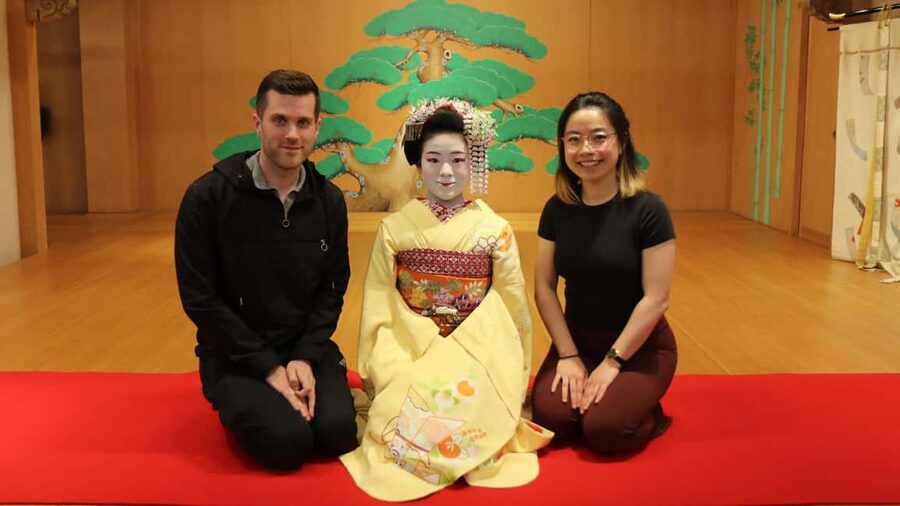
- Photo time and a chat with the maiko in an intimate setting
From Reception to Noh Stage: What the 1 to 1.5 Hours Feels Like
This is one of those Kyoto experiences that runs on quiet precision instead of big energy. You’ll arrive at the 1st floor reception of Kurochiku Tensho-kan at least 15 minutes before the start time, then check in and get settled. Since you’ll be indoors after removing your shoes, I recommend wearing socks you actually like.
Once everyone is ready, you’ll follow the flow of the event with a professional English interpreter guide. The pace stays calm, which matters here. Japanese tea culture and Noh dance are about timing, posture, and attention, so you get more value when you’re not rushing or trying to multitask.
You should also know the duration is listed as 1 hour to 90 minutes. That range is usually normal for small cultural programs, where the performance and tea preparation take what they take. Either way, it’s short enough to fit into a busy Kyoto day without turning into your whole afternoon.
The Maiko Dance on a Noh Stage: What to Watch for
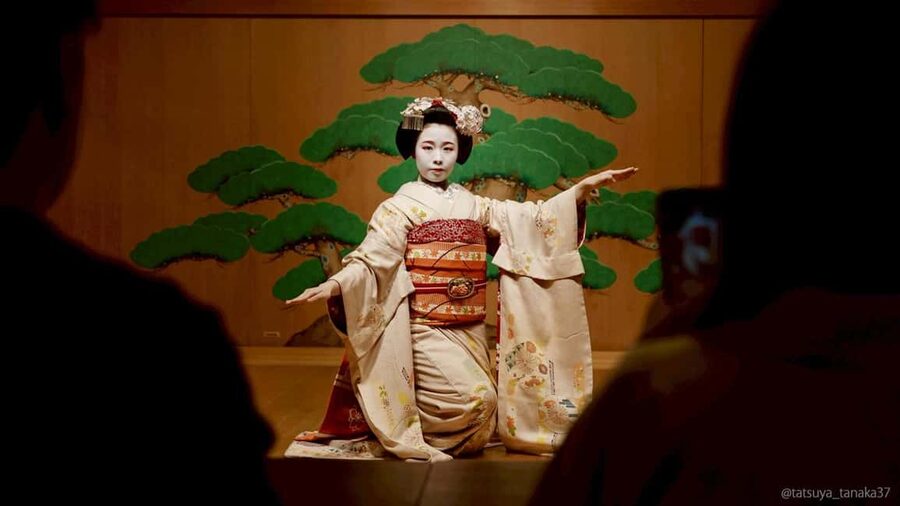
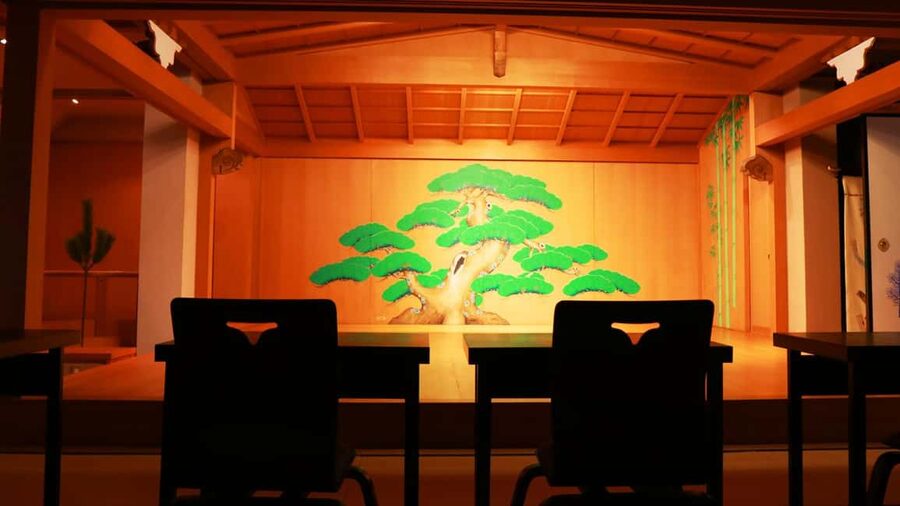
The headline is a maiko dance performed on an authentic Noh stage in Kyoto. Even if you have never seen Noh theater before, the stage itself gives you a strong sense of formality. This isn’t just watching a costume show, it is watching movement shaped by tradition.
Here’s what I’d focus on while you’re watching:
- Posture and hand gestures: In Noh-influenced performance, the smallest changes look intentional.
- Tempo: Some moments feel almost still. That is part of the art, not a pause that means the show is over.
- Facial expression: A gentle shift in expression can carry more meaning than you’d expect.
You’ll likely feel the room getting quieter as the dance starts. That matters, because the experience is set up to feel dignified and serene, not loud or chaotic. The result is that you can actually pay attention instead of trying to figure out what’s going on.
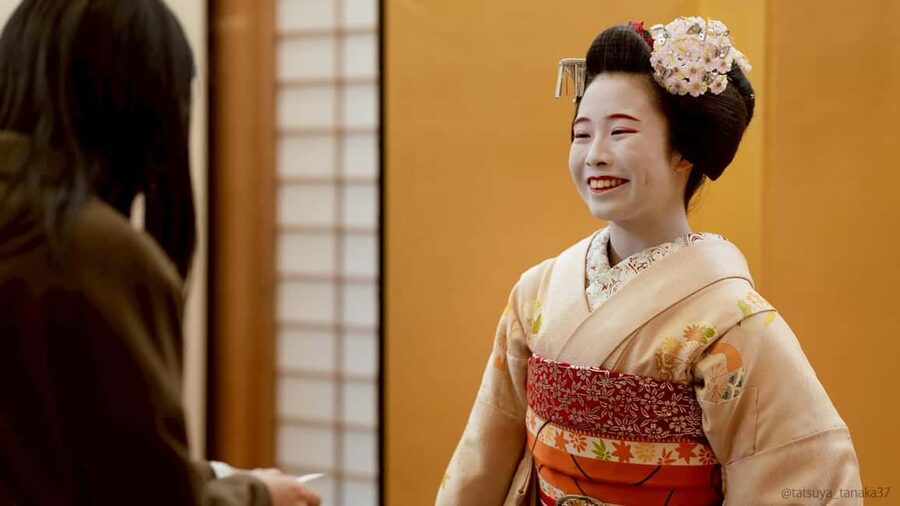
And yes, you should expect to be able to take photos as part of the experience. There is also time to chat with the maiko afterward, which is a big part of why this tour feels more personal than a typical theater ticket.
More bowls, poured the traditional way
- Kyoto: Tea Ceremony in a Traditional Tea House in Kiyomizu
★ 4.9 · 3,519 reviews - Kyoto: Tea Ceremony Ju-An at Jotokuji Temple
★ 4.9 · 3,207 reviews - Kyoto: 45-Minute Tea Ceremony Lesson Experience
★ 4.3 · 2,378 reviews - Kyoto: Table-Style Tea Ceremony at a Kyo-Machiya
★ 4.9 · 1,211 reviews
The Tea Ceremony Part: Matcha, Seasonal Sweets, and Calm Ritual
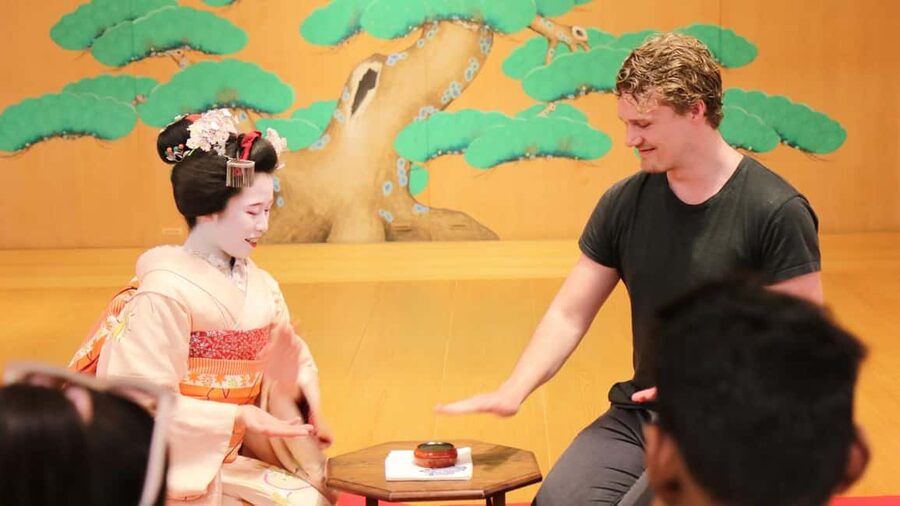
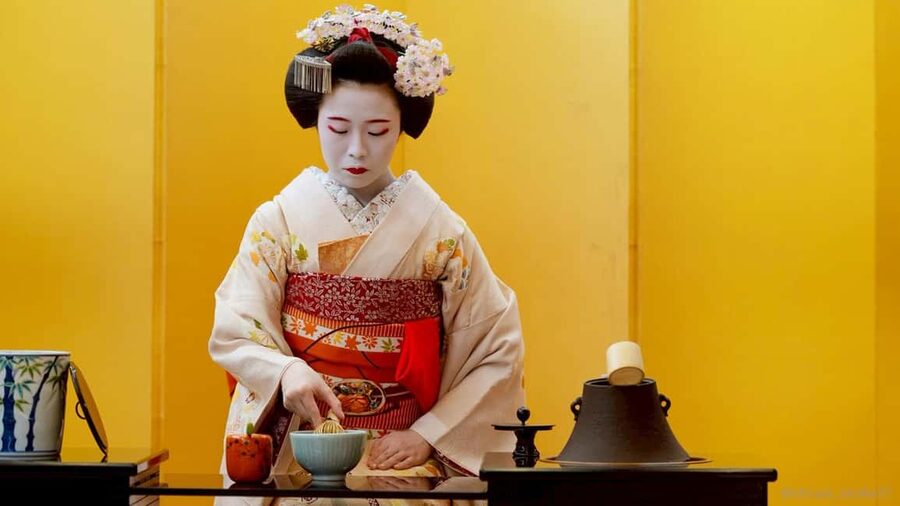
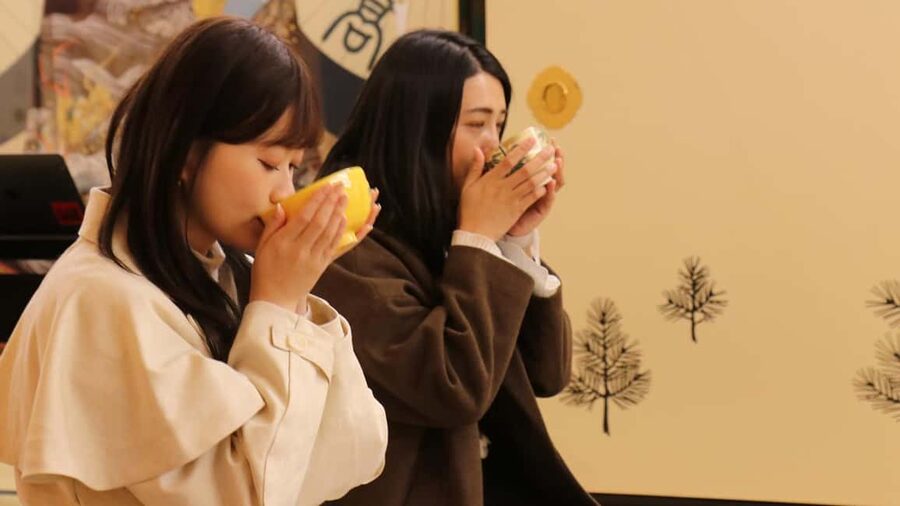
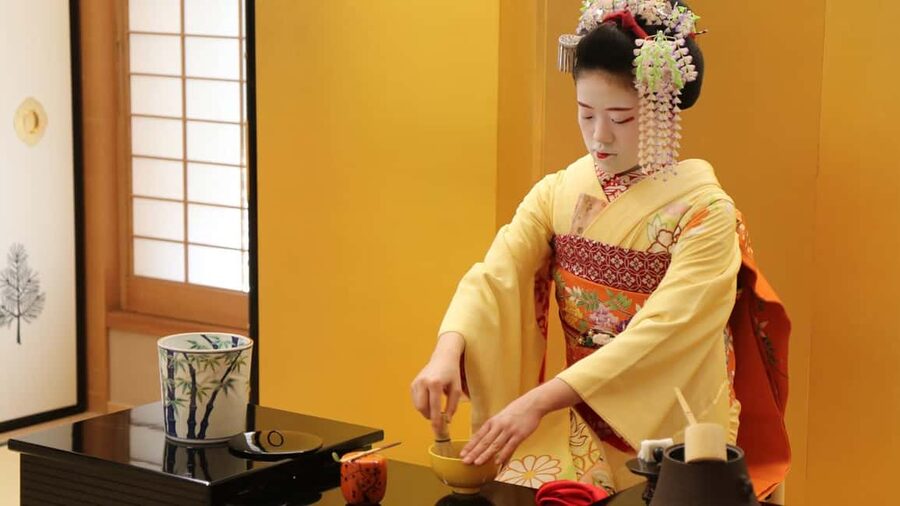
After, or alongside, the performance, you take part in a Japanese tea ceremony where matcha is prepared with refined precision. The tour includes matcha and sweets served as part of the ceremony, and they’re described as seasonal Japanese sweets.
This is the part that helps most people slow down. Matcha is not just a drink here, it’s a ritual you experience with your senses. You taste it, you smell the matcha, and you pay attention to how the sweets pair with the tea. If you like food moments that aren’t just about Instagram photos, this one is worth it.
What makes the tea ceremony valuable for your Kyoto trip is the structure. Instead of “watch a video about tea,” you participate in the ceremony itself. That gives you a feeling for hospitality and attention to detail, which is exactly what Japanese traditional arts are built around.
A small but useful detail: each participant receives a Japanese-patterned handkerchief. It might seem minor, but it reinforces that this is meant to feel welcoming and ceremonial, not like a generic tour stop.
Shoes Off, Socks On: The Kyoto Comfort Checklist
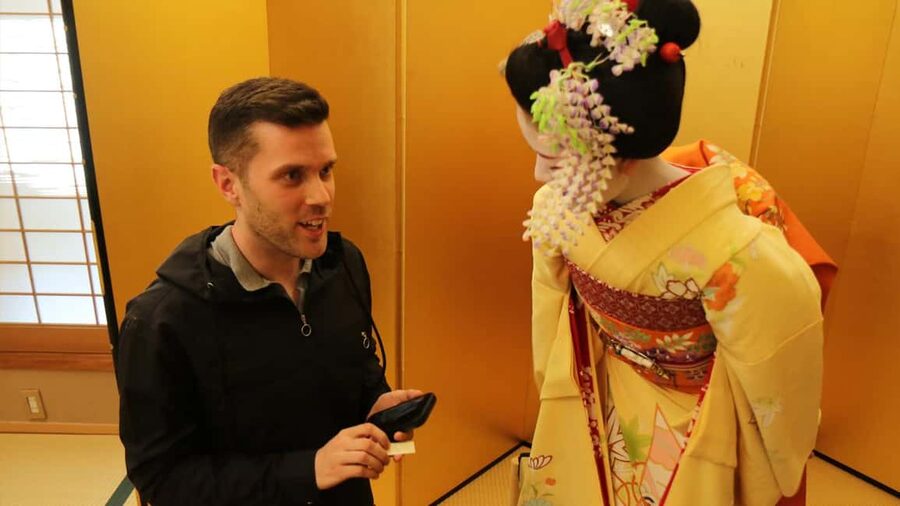
The biggest practical item is the shoes-off rule. Guests participate indoors after removing their shoes, so socks are required. The tour explicitly lists socks as what to bring.
That detail sounds simple, but it changes how you should prepare:
- If you wear socks with thick seams or wear them only once, you might feel it after time seated.
- If you’re coming from a long walk around Kyoto, plan a quick reset so your feet feel comfortable for the ceremony and viewing.
Seating is described as comfortable, arranged to allow relaxed enjoyment. That’s important because Noh stage viewing can be very still. You don’t want to be fighting an uncomfortable seat while trying to focus on gestures, posture, and the calm pacing of the program.
Also consider timing. You’re asked to arrive at the reception at least 15 minutes before the starting time. That buffer helps you settle in, remove shoes without feeling rushed, and get ready to enjoy the show.
English Support and Photo Time: Getting More Than a Passively Watched Show
One thing I really like about this experience is the inclusion of a professional English interpreter guide. The tour lists English and Japanese for live guidance, so you’re not left guessing what’s happening during the tea ceremony or the dance.
In cultural experiences, understanding is half the enjoyment. You can still appreciate beauty without the details, but when you know what to pay attention to, you remember it longer. The interpreter guide is there to keep that barrier low.
Then there is the social part. The highlights say you can take photos and chat with the maiko in an intimate, authentic setting. That is a rare combination: you get a formal performance moment, then you get a human connection afterward.
A quick reality check: photo and chat time usually works best when you keep your questions simple and respectful. If you come with a couple of ready ideas, like asking about the tea ceremony experience or what it’s like to train, you’ll get more out of the limited time you have.
Price and Value: Is $141 Worth It?
The price is listed at $141 per person, with a duration of about 1 to 1.5 hours. That’s not “impulse buy” money in Kyoto terms, so the value question matters.
Here’s what you actually get for the cost:
- Matcha and sweets served during the tea ceremony
- A Japanese-patterned handkerchief for each participant
- A professional English interpreter guide
- Access to a Noh stage in Kyoto for the dance performance
- Maiko dispatch fee
And what you do not get: private transportation.
When I evaluate value, I look at whether the experience is mostly “watching” or whether it includes participation and special access. This one includes both a tea ceremony you take part in and a dance performance on an authentic stage, plus English support and time to chat and take photos.
If your Kyoto itinerary already includes standard temples and markets, this offers something more structured and performance-based. You’re paying for access to a specific cultural moment and for the care needed to make it understandable in English.
If you’re the type who enjoys food rituals, arts, and calm cultural settings, you’re likely to feel this was worth it. If you only want broad, casual sightseeing, you may feel it’s pricier than other options. Still, the inclusion of matcha, sweets, guide support, and stage access makes it more than a simple ticket price.
Lantern-lit streets of the geisha quarter

Where It Fits in Your Kyoto Day
This is best when you want a pause in the middle of Kyoto walking. Tea ceremony and Noh dance both work well as a “reset” after busier sightseeing. Because it’s indoors and shoes-off, it can also be a smart plan when weather changes.
Try to plan your day so you’re not sprinting across town right before the start. You’ll need to arrive 15 minutes early at the reception of Kurochiku Tensho-kan. If you’re traveling with limited mobility or you hate last-minute timing stress, give yourself buffer time.
Also, remember the experience is designed for a calm, dignified space. That means it’s not a place to treat as a quick photo stop only. If you show up ready to sit, taste, and watch, you’ll get the most.
Who Should Book This Maiko Dance and Tea Ceremony?
This experience is a strong match for:
- People who enjoy Japanese tea culture and want a real ceremony, not just a demonstration
- Anyone curious about Noh theater style staging and wants to see a performance in that kind of space
- Visitors who appreciate English guidance when it comes to cultural context
- Travelers who value intimate access, including photos and a chat afterward
It may be less ideal if:
- You dislike seated indoor activities
- You have trouble removing shoes or don’t have comfortable socks
- You want something more spontaneous and self-guided
If you’re on your first trip to Kyoto and you want one “Japanese arts” moment that feels focused, this checks a lot of boxes.
Should You Book It?
I’d book this if you want a Kyoto experience that blends matcha tea ceremony participation with a maiko dance on an authentic Noh stage, while staying friendly for English speakers. The price is serious, but the inclusions do real work: sweets and matcha, guide support, stage access, and a small gift that makes it feel cared for.
If you’re deciding last-minute, I’d treat the key decision as comfort and intent. Bring socks, arrive early, plan for seated quiet, and you’ll likely leave feeling like you saw something specific and meaningful rather than a generic performance.
FAQ
How long is the Maiko Dance and Tea Ceremony?
The duration is listed as 1 hour to 90 minutes, depending on the starting time.
What should I bring?
You should bring socks, since the experience takes place indoors after removing shoes.
Where do I meet, and when should I arrive?
The meeting point may vary by option booked, but you should arrive at the 1st floor reception of Kurochiku Tensho-kan at least 15 minutes before the starting time.
Is transportation included?
No, private transportation is not included.
What’s included in the experience?
You get matcha and sweets, a Japanese-patterned handkerchief, a professional English interpreter guide, access to the Noh stage in Kyoto, and the maiko dispatch fee.
Do I need to remove my shoes?
Yes. Guests participate indoors after removing their shoes.
Do I get English help during the tour?
Yes. The tour includes a live tour guide and interpreter guide in English and Japanese.
New This Season
- Koyasan Day Trip by Private Car from Kyoto
- Old Port Town and Ultimate Sake Tasting Private Tour From Kyoto
- Kyoto’s Timeless Charm: 3hr Exploration of History and Peace
- Kyoto: 5 Types of Sushi Making
- Sacred Peak & Ancient Paths: Kurama-Kibune Hiking Experience
- Kyoto: Exclusive ZEN practice at Manpukuji temple in Uji
- Kyoto: Private Seasonal Aroma Yoga Class
- Traversing Kyoto’s Scenic West – Arashiyama to Kinkakuji
Gion Geisha Quarter Walks, compared.
Kyoto Geisha Walking Tour: Gion District & Hidden Gems
Read our review →
Gion Magical Night Walking Tour with Geisha Trivia
Read our review →
Gion Geisha District Walking Tour – Stories of Geisha
Read our review →
Best of Kyoto: Gion, Geisha, Pagodas & Cobblestones
Read our review →

Kyoto Night Foodie Tour in Gion (9+ dishes + 6 Sake tastings)
Read our review →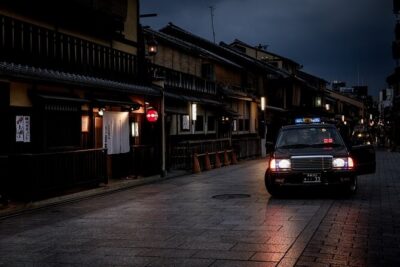
Kyoto Gion Geisha District Walking Tour – The Stories of Geisha
Read our review →
Kyoto Gion: 2-Hour Geisha Culture & History Walking Tour
Read our review →Also filed under