
Reviewed · SUSHI-MAKING WORKSHOPS
Private Art Sushi Roll Class in Kyoto
Sushi art, taught in a Kyoto home. In this private coaching session, I love how the instructor guides you through kazarimaki, the craft of building picture patterns inside a sushi roll. You make a peach flower design in about 60 minutes, with clear English explanations and hands-on shaping, not just a watched performance.
The big win here is that you get a finished roll you can be proud of, plus you leave with a booklet and certification that makes the whole thing feel real, not like a quick snack break. One thing to plan for, though, is the practical side: you must bring socks, and the tatami seating rules are strict.
In This Review
- Key Things You Can Expect From This Kyoto Sushi Art Class
- Kyoto’s Kazarimaki Lesson, One Hour at Nijo
- Meeting Point and What Happens When You Arrive
- Kimono Moment: Traditional Garments Before You Roll
- The Core Skill: Making Kazarimaki Sushi Art (Peach Flower Pattern)
- English Guidance and Real Help From the Hosts
- What You Leave With: Booklet and Certification
- Price and Value: Is $93.32 Worth It?
- Timing, Rules, and Small Logistics That Matter
- Who This Kyoto Sushi Class Fits Best
- Should You Book This Private Art Sushi Roll Class in Kyoto?
- FAQ
- How long is the private art sushi roll class?
- What time does the class start?
- Where is the meeting point in Kyoto?
- Is this a private class or a shared group activity?
- Is the instructor available in English?
- What sushi design will you make?
- Are ingredients and drinks included?
- Do I need to bring anything?
- What happens if I arrive late?
- What is the cancellation policy?
Key Things You Can Expect From This Kyoto Sushi Art Class
- Private kazarimaki coaching in English so you can ask questions as you go
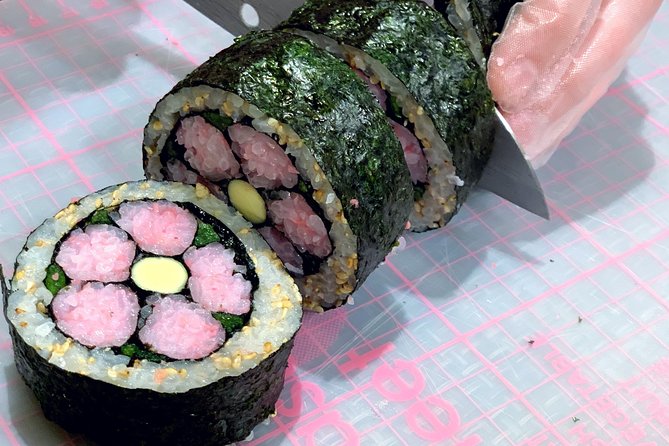
- A peach flower pattern roll made in about 60 minutes
- Plant-based edible pigments used for colorful designs inside the sushi
- Booklet plus certification at the end, plus bottled water and tea or coffee
- Traditional garments included (kimono for women, other traditional attire for men and children)
- Socks required for tatami so plan to come prepared and arrive on time
Kyoto’s Kazarimaki Lesson, One Hour at Nijo
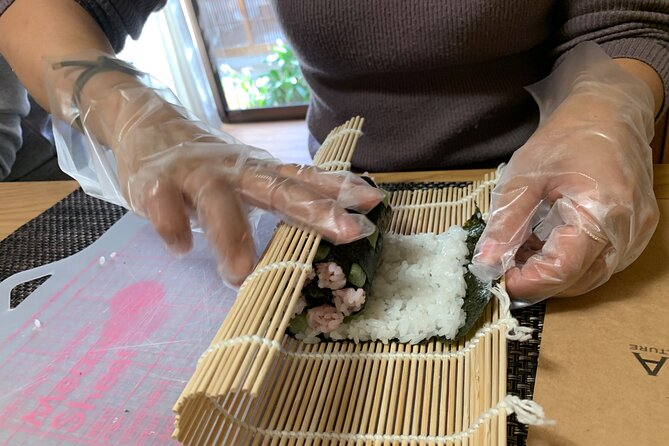
This class is all about edible art, not just learning to roll sushi. The technique is called kazarimaki, which means creating designs within a sushi roll using colored materials made from plants. In plain terms, you’re building a pattern with edible pigments, then wrapping it into a roll so the design shows up beautifully when you’re done.
The setting also matters. You meet at the Sakura Experience Japanese Culture Nijo Home in the Nijo area, and the whole class is set up like a visit to a real Japanese household rather than a cafeteria-style cooking demo. You start at 4:30 pm, and it runs about 1 hour, so it fits nicely into an evening in Kyoto without eating your whole day.
Meeting Point and What Happens When You Arrive
You’ll meet at さくら日本文化体験 二条城教室, also listed as SAKURA Experience Japanese Culture Nijo Home, around Izumichō in Nakagyo Ward. It’s noted as being near public transportation, which is helpful because you’re not locked into taxis or long walks.
Because this is a private class, it’s just your group. That usually translates into better pacing, less waiting, and more time for the instructor to correct your technique. Still, the place is set up for a specific flow, so you’ll want to be respectful of timing.
Here are the two arrival rules that make or break the experience:
- If you arrive more than 15 minutes late, you can’t join the class.
- You need socks for the tatami room. This isn’t a suggestion. It’s part of Japanese customs in that space.
If you have even basic flexibility in your schedule, arriving a little early is the easiest way to keep the evening calm.
Learn to roll your own sushi
- Sushi Making in Kyoto! Same-day bookings welcome!
★ 5.0 · 713 reviews - The Original Small-Group Sushi Making Class in Kyoto
★ 5.0 · 436 reviews - Kyoto: Small-Group Authentic Sushi Making Workshop
★ 5.0 · 137 reviews - Sushi – Authentic Japanese Cooking Class – the best souvenir from Kyoto!
★ 5.0 · 93 reviews
Kimono Moment: Traditional Garments Before You Roll
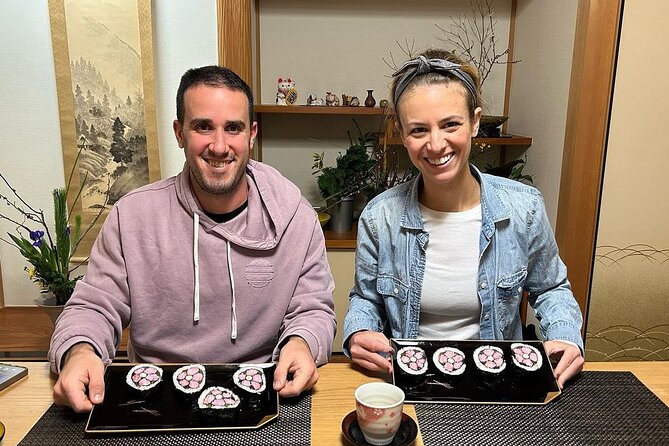
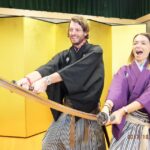
One of the small touches that makes this class feel special is the costume option. The instructor provides a kimono for women, and other traditional garments for men and children. You get to wear it during the experience, which adds a fun layer of cultural immersion without turning it into a rigid photo shoot.
It also helps you focus. When you’re dressed for the occasion, you usually take the steps more seriously and enjoy the process more. And since sushi art is detail work, that mindset actually helps.
Also, the class accommodates very young kids in a practical way. Babies and toddlers can sit or sleep on the tatami mats. If you’re traveling with a mixed-age group, this is a setup that acknowledges real family logistics.
The Core Skill: Making Kazarimaki Sushi Art (Peach Flower Pattern)
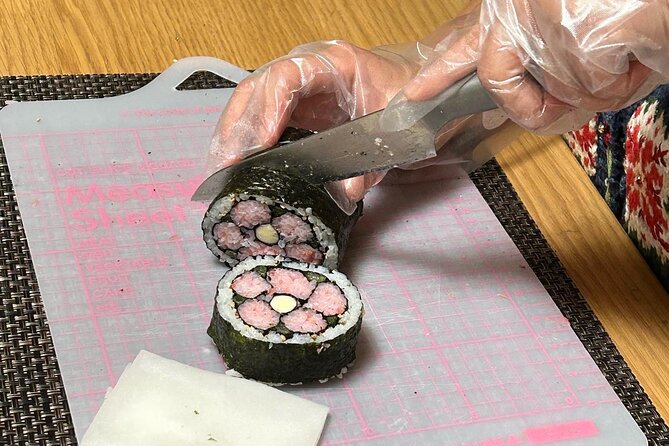
Now for the main event: building a design inside a sushi roll. The class is described as modern cuisine with a traditional craft twist, and that’s exactly what kazarimaki feels like in practice. You’re using natural colorings and traditional ingredients, then shaping everything so the artwork stays intact.
In this session, the design is a peach flower pattern roll. The target is doable for both beginners and more experienced cooks, but the key is the structure you get from a private instructor. This isn’t just, Here’s a roll mat, good luck. It’s step-by-step guidance while you work.
You’ll also be using edible materials that create the colors. The idea is that the pigments come from plants, so the design isn’t only about looking good. It’s part of how you make the art functional as food.
A practical note: the class offers vegan and vegetarian options. That means you should be able to participate without forcing your diet preferences into a compromise. If you have dietary needs, make sure you align them before you arrive so the instructor can plan ingredients accordingly.
English Guidance and Real Help From the Hosts
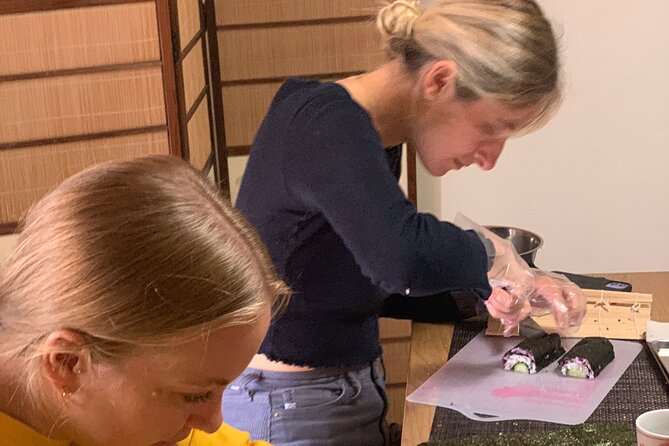
The experience is operated by an English speaker, and the instruction style is built around clarity. In the teaching approach, you’ll get commentary that helps you understand why each step matters, not just what to do next. That’s important with kazarimaki, because the artwork depends on how you handle layers and placement.
The hosts also play an active role beyond teaching. Aya is the instructor name tied to the class, and her husband Manabu Ito is involved with support tasks like tool setup and cleanup. That division of labor is part of why an hour-long class can feel smooth, not rushed.
One fun tip that came up in how people interacted with them: if a playful reference comes up in conversation, ask about it. The class has that friendly, human rhythm that makes you feel welcome rather than processed.
What You Leave With: Booklet and Certification
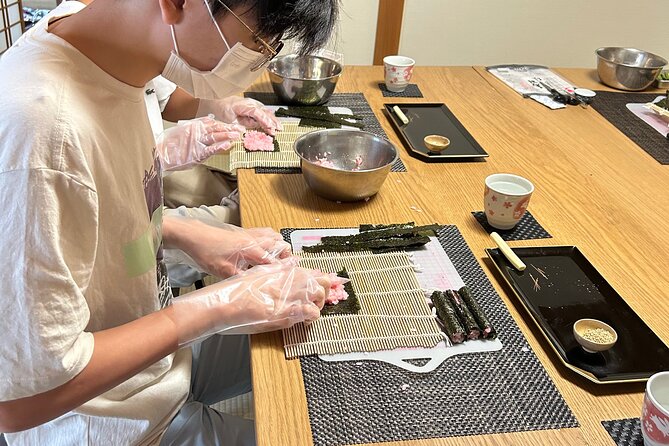
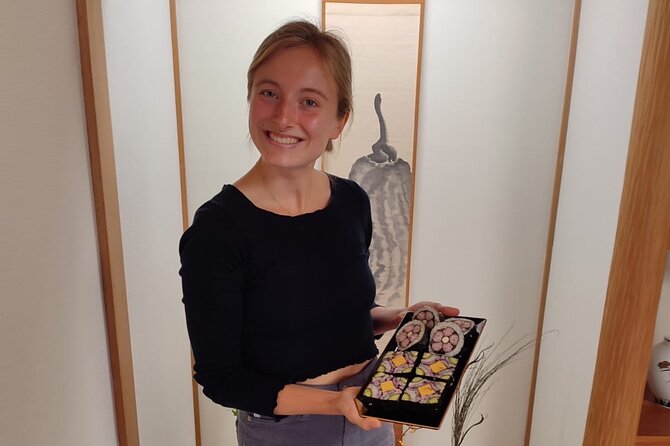
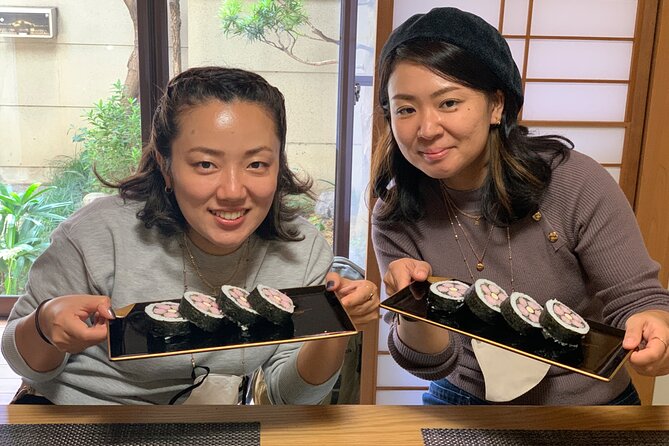
This is not just a hands-on cooking moment that disappears the second you wash your hands. You receive a booklet and certification at the end of the class. That sounds formal, but it makes sense for a skill-based activity like sushi art.
Why it’s valuable:
- The booklet gives you a reference for repeat practice at home.
- The certification gives the class a sense of completion that’s meaningful, especially if you’re traveling as a family or couple.
- It turns what might otherwise be a one-time souvenir experience into something you can redo.
If you like bringing skills home from trips, this one gives you tools, not just photos.
A quieter way to spend a day in Kyoto
Price and Value: Is $93.32 Worth It?
The price is $93.32 per person. For Kyoto, that’s not budget-only pricing, but it’s also not excessive for a private class where you get instruction, ingredients, drinks, and cultural attire.
Here’s what you’re actually paying for, and why it matters:
- Private class format: You’re not sharing the instructor with a room full of people.
- All ingredients included: Sushi art needs more than rice and a calm attitude.
- Bottled water plus tea or coffee: It keeps the class comfortable so you can focus.
- Booklet and certification: You get documentation and a tangible finish.
- Traditional garment provided: That adds cultural value and makes the experience more memorable.
Also, there are group discounts. So if you’re traveling with a friend group or family unit that wants to do it together, your per-person value can improve. If you’re going solo, it’s still reasonable for a private, skill-focused experience that ends with something you can recreate at home.
Timing, Rules, and Small Logistics That Matter
A lot of cooking classes fail because of timing details. This one makes those rules explicit, which is good for you.
Plan around these points:
- Start time is 4:30 pm, and the experience runs about 1 hour.
- Arriving more than 15 minutes late means you can’t join.
- You must wear socks to enter the tatami room.
- Confirmation is received at booking time.
- The meeting point is the Nijo Home address, and the class ends back there.
One more rule to note if you’re traveling with minors: under 18 must come with a parent or guardian over 21. The class is also described as private, so only your group participates.
Who This Kyoto Sushi Class Fits Best
This class fits best if you want a hands-on cooking experience that feels culturally grounded but not intimidating. If you’re the type who likes learning techniques you can practice later, the booklet and certification make it easier to keep momentum after the trip.
It also suits multi-generation travel. The way the space is described, with tatami seating for babies and toddlers, suggests the class can work for families who want something meaningful beyond a typical restaurant meal.
If you already make sushi at home, you might move faster, and you’ll likely appreciate the design side. If you’re new, you’ll still be okay, as long as you show up ready to follow directions closely during the hour.
Should You Book This Private Art Sushi Roll Class in Kyoto?
Book it if you want a private, English-friendly sushi art class in Kyoto where you learn kazarimaki design, make a peach flower roll, and leave with a booklet and certification. The socks and time rules are real, but they’re simple to manage if you plan ahead.
Skip it if you’re hoping for a long, slow cooking day or a flexible schedule. This is an hour. It’s structured. That’s the point, but it’s not for everyone.
If you want a fun Kyoto evening that mixes skill, culture, and edible art, this is one of the cleaner choices for your time.
FAQ
How long is the private art sushi roll class?
The class runs about 1 hour.
What time does the class start?
The start time is 4:30 pm.
Where is the meeting point in Kyoto?
You meet at さくら日本文化体験 二条城教室, also listed as SAKURA Experience Japanese Culture Nijo Home, 660番地 Izumichō, Nakagyo Ward, Kyoto 604-0015.
Is this a private class or a shared group activity?
It’s a private class, and only your group participates.
Is the instructor available in English?
Yes, the experience is operated by an English speaker.
What sushi design will you make?
You make a peach flower pattern sushi roll.
Are ingredients and drinks included?
Yes. Bottled water, tea or coffee, and all sushi ingredients are included. Vegan and vegetarian options are mentioned as available.
Do I need to bring anything?
You need to bring socks. The tatami room cannot be entered without wearing socks.
What happens if I arrive late?
If you arrive more than 15 minutes late, you will not be able to join the class.
What is the cancellation policy?
You can cancel for free up to 24 hours in advance for a full refund. If you cancel less than 24 hours before the start time, the amount paid is not refunded.
New This Season
- Koyasan Day Trip by Private Car from Kyoto
- Old Port Town and Ultimate Sake Tasting Private Tour From Kyoto
- Kyoto: 5 Types of Sushi Making
- Sacred Peak & Ancient Paths: Kurama-Kibune Hiking Experience
- Kyoto’s Timeless Charm: 3hr Exploration of History and Peace
- Kyoto: Exclusive ZEN practice at Manpukuji temple in Uji
- Kyoto: Private Seasonal Aroma Yoga Class
- Traversing Kyoto’s Scenic West – Arashiyama to Kinkakuji
Sushi-Making Workshops, compared.
Sushi Making in Kyoto! Same-day bookings welcome!
Read our review →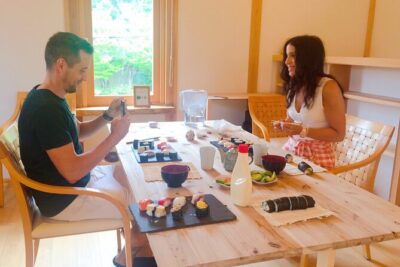
The Original Small-Group Sushi Making Class in Kyoto
Read our review →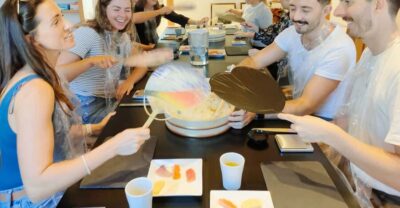
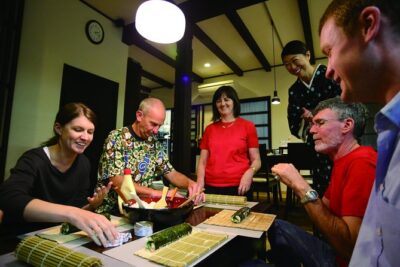
Sushi – Authentic Japanese Cooking Class – the best souvenir from Kyoto!
Read our review →
Private Kyoto Sushi Cooking Class & Tea Ceremony with Emika
Read our review →
Enjoy Sushi & Market Tour! Best for Family & Couple!
Read our review →
Sushi or Traditional Japanese Cuisine in a Kyoto Home with Emika
Read our review →Also filed under