Reviewed · ARTISAN CRAFT WORKSHOPS
Private Pewter Sake Cup Experience with a Kyoto Artisan
Hammering pewter turns into Kyoto magic. In a private, small-group class led by artisan Kanako at Craft Gallery SALUK, you make a one-of-a-kind sake cup by hand. You’ll learn traditional hammering techniques, then finish the rim so it feels good in your hand.
I especially love the hands-on pace, where you can choose from different hammers and shape the pattern by how you strike. I also like the personalization option, with space to stamp letters, numbers, initials, or a date. Plus, your finished cup is genuinely usable, not just a shelf souvenir.
One consideration: the workshop is outside central Kyoto, and the trip out takes real time, even if the surroundings are worth it.
In This Review
- Key highlights you will actually remember
- Pewter sake cups: what you are making, and why it matters
- Craft Gallery SALUK: a calm workshop setting outside Kyoto center
- The anvil lesson: how the hammering part actually works
- Stamping your letters and choosing a design with meaning
- Finishing the rim: comfort for drinking, safety for finishing
- From workshop to your kitchen: what to drink and how to use it
- Price and time: does $144.96 per person feel fair?
- Who should book this private pewter cup class in Kyoto?
- Practical planning: how to make the workshop day easier
- Should you book this pewter sake cup workshop?
- FAQ
- How long is the private pewter sake cup experience?
- How much does the class cost?
- What do I need to bring?
- Can I personalize the cup?
- Is this a private activity?
- Where do we meet?
- Will I get to drink from the cup after making it?
- What if I am a beginner at crafts?
- Can service animals join?
- Quick verdict: who should book, and who might skip
Key highlights you will actually remember
- Private, small-group workshop led by Kanako, with clear instruction and plenty of time at the anvil
- Pick your hammers, then create your pattern by striking and rotating the pewter cup
- Personalize the base with letters, numbers, initials, or a date
- Rim finishing for comfort, with filing and beveling followed by safety polishing by the craftsperson
- Your cup works for more than sake, including whiskey and chilled green tea
Pewter sake cups: what you are making, and why it matters
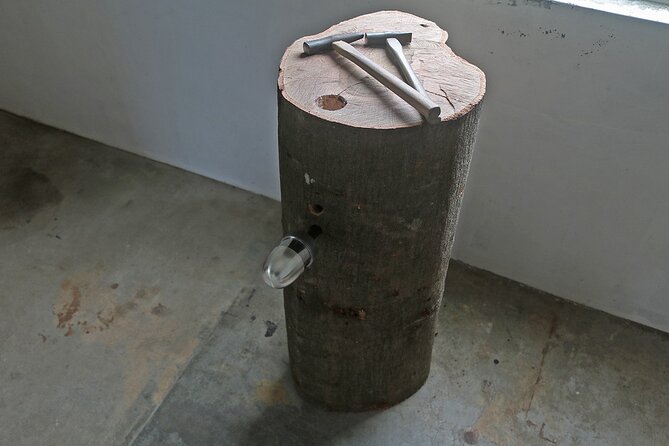
This class is about more than making a cute souvenir. You are learning a traditional craft technique where metalwork becomes functional drinkware. Pewter is a big deal in Japan for a reason: it is valued as a drinking material, and it has a practical, food-and-drink connection. One thing that came up from the craft side, not just the aesthetic side, is that pewter is also associated with keeping water clean, which can help when you use water for ikebana.
Your cup is a squat, comfortable shape designed to sit in the hand. The workshop uses real-world dimensions so you can picture the result before you go: about 64 mm in diameter, about 53 mm tall, and roughly 90 ml by the usual measure, or about 115 ml when filled to the rim. In other words, this is not a tiny shot glass gimmick. It is sized for actual enjoyment.
Also, you are not stuck doing one narrow thing. Your finished cup can be used for sake, whiskey, chilled green tea, and other occasions. That matters because it changes how you travel with the item afterward. You are not just carrying art. You are carrying something you can reach for at home.
Craft Gallery SALUK: a calm workshop setting outside Kyoto center
Your meeting point is Craft Gallery SALUK, 35-2 Shizuichinonakachō, Sakyo Ward, Kyoto, 601-1122, Japan. The standout theme in the experiences here is the setting: it is away from the hectic center, with a peaceful, slower-feeling atmosphere. People talk about a quiet workshop mood, and even mention nature sounds like a babbling stream in the area, which fits the craft work. Hammering needs focus, not chaos.
From Kyoto Station, plan on a commute that takes time. Past visitors describe it as about an hour by scenic train, then a short local walk or onward transit depending on your route. The good news is that the trip out is part of the experience. You are moving from sightseeing intensity into something calmer, which helps you get into the rhythm of making.
Two practical tips if you want this to feel smooth:
- Go a little earlier than you think you need. It is a working studio, not a busy tourist counter.
- Wear comfortable shoes. You will be standing at the bench and handling tools, so you want your feet happy.
If you need public transit, the workshop is described as near public transportation, and service animals are allowed.
More cups to sample before dinner
- Kyoto Night Foodie Tour in Gion (9+ dishes + 6 Sake tastings)
★ 5.0 · 1,762 reviews - 3-Hour Kyoto Insider Sake Brewery Tour with Tastings & Pairings
★ 5.0 · 917 reviews - Arashiyama Bamboo, Temple, Monkeys, or Secret Sake Brewery
★ 4.8 · 886 reviews - Kyoto: Insider Sake Brewery Tour with Sake and Food Pairing
★ 5.0 · 704 reviews
The anvil lesson: how the hammering part actually works
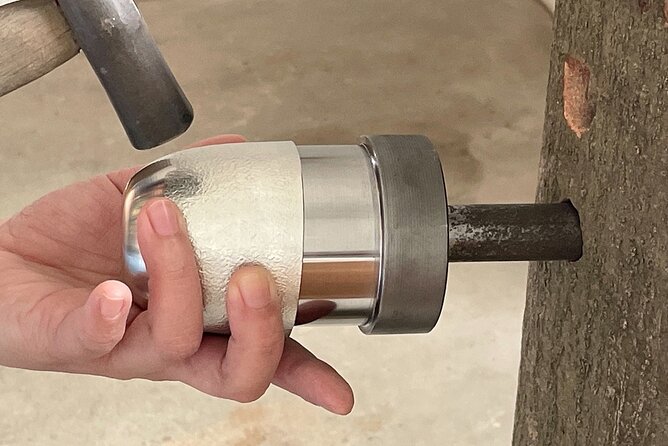
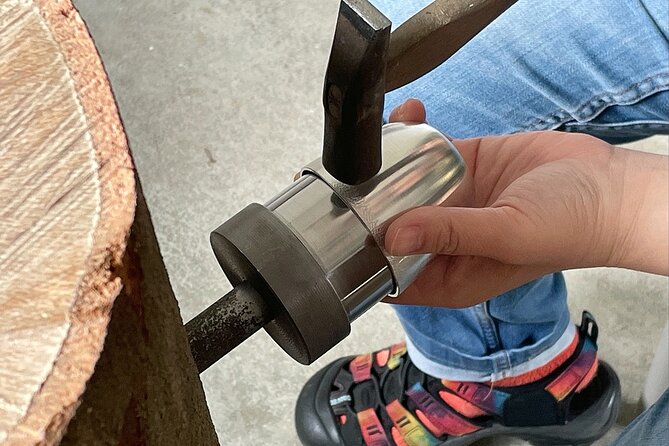
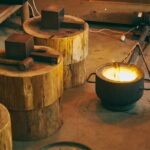
Here is the core of it: you shape the pewter by striking it. You start by choosing a hammer from several types. The instructor then shows you how to place the pewter cup on the anvil and strike while rotating it. That rotation is key because it changes the pattern all the way around the cup, not just on one spot.
You can use one hammer for a consistent look, or you can combine different hammers for a more layered surface. This is one of the reasons the cups feel personal. Even if two people pick the same theme, their patterns come out differently because the final texture depends on how you hit and how you rotate.
The cup itself has a shape that fits comfortably during the process. That is not a small detail. If the object were awkward, you would fight your tools instead of learning the technique. Here, the form is set up so your hands can focus on accuracy and control.
As you work, your cup takes on an expression that grows endlessly depending on the hammer and your strikes. This is the part where you stop thinking of it as a lesson and start thinking of it as making. And when the instructor corrects your form, you tend to immediately see the improvement because the metal reacts right away.
If you are new to crafts, you are in the right place. The instruction is clear and you get guided support as you go, with an emphasis on making the process feel manageable.
Stamping your letters and choosing a design with meaning
After the hammering, personalization is your chance to turn metal texture into a personal message. You can stamp letters, numbers, initials, or a date on the base. It is not just decorative flair. A date or initials makes the cup feel like it belongs to your trip timeline, which helps it stay emotionally attached to the memory.
What I like about this format is that it is controlled. You are not trying to carve something freehand while also learning a new craft. Stamping is a straightforward step that still feels special because it is your own mark.
A useful mindset: decide your personalization early, but do not overthink the layout. The base is the spot the workshop provides for your marks, so you are working within a known, crafted space. That reduces stress and keeps the focus on enjoying the class.
If you are gifting the cup, personalization is a big value add. A handmade pewter cup becomes a story object. You can add a date, then later explain to someone how you made it in Kyoto and why pewter matters.
Finishing the rim: comfort for drinking, safety for finishing
Hammering creates texture, but the cup still needs to be pleasant to hold and pleasant to drink from. Next comes the finishing work: you use a file to adjust the height and shape the rim with a bevel at an angle. That rim finishing is what helps the cup feel good when you lift it, not just when you admire it.
Here is a practical safety note: the final polishing is done by the craftsperson using a rotary machine. That matters for two reasons. First, it helps ensure the cup feels smooth and safe. Second, it keeps the class on schedule, so you do not end up doing extra finishing steps that need specialized equipment.
So the arc of the workshop is smart:
- You do the creative, physical hammering.
- The craftsperson helps with the specialized finishing step.
- You leave with a finished cup that is ready to use.
You end the class with something functional and wearable in daily life, not just a rough pattern on metal.
From workshop to your kitchen: what to drink and how to use it
Once your cup is done, it is ready for real use. You can enjoy sake from it, and people also talk about using it for whiskey and chilled green tea. If you do not drink alcohol, there is an accommodation: one account includes green tea served so non-drinkers still get the fun moment of using the cup right away.
That matters because it helps you connect the craft to a sensory payoff. You feel the weight, you notice the rim comfort, and you understand why pewter is a valued drinking material. Even if you just take one small sip, you learn how your hand-made object behaves.
A simple way to think about the cup at home:
- Use it for small pours, since it is built as a sake cup format.
- Consider it as a daily-rotation item for tea or an occasional drink, not a fragile museum piece.
Also, because pewter is associated with keeping water clean, it may be relevant if you ever try water-based flower arrangements. Even if you do not do ikebana, this property is part of why pewter has cultural value beyond the aesthetic.
If you want to pack it safely, plan on it being handled as a finished craft item. People mention that cups can come packaged nicely, including in wood-style gift packaging. Treat it like a usable craft tool, and you will be fine.
Make something with a Kyoto craftsman

Price and time: does $144.96 per person feel fair?
At $144.96 per person for about 2 hours 30 minutes, this is not a cheap activity. But it also is not a generic tourist workshop. You are paying for a few things at once:
- Private access to a workshop setup that is usually closed to the public
- A hands-on class focused on real metal shaping, not a pre-made craft kit
- Instructor time with personalized help, especially at the hammer stage
- Materials provided, so you do not waste time shopping or bringing gear
- A durable keepsake you can actually drink from afterward
Think about it like this: the price buys your full experience from first hammer choice to rim finishing and the finished cup. You are also buying the fact that it is a small group. When you are paying this kind of money, that small-group feel is the difference between learning something and just getting photos.
Time-wise, 2.5 hours works well. It is long enough for your patterns to evolve and for you to go through the full process, but short enough that you can still keep your Kyoto evening plans.
If you are comparing value, this fits best when you care about craft, hands-on travel, and taking home something with a story you can explain.
Who should book this private pewter cup class in Kyoto?
Book it if you:
- Want a craft experience that is hands-on from start to finish, not a passive demo
- Like making one meaningful item, where you can add initials or a date
- Prefer quieter, less crowded settings outside central Kyoto
- Enjoy practical souvenirs you can use, not just display
Skip it or consider alternatives if:
- You hate commuting to areas outside the main sightseeing grid, because the workshop is not in the center
- You want a high-energy, loud, constantly entertaining activity. This is calm, focused metalwork.
It also suits couples and small groups. The pace lets you work at your own level, and the workshop setup supports different comfort levels with tools.
If you care about local hospitality, the host style comes through in how people are welcomed with tea and snacks and how instruction is given in clear English. Even better, non-drinkers still get included in the cup moment with green tea.
Practical planning: how to make the workshop day easier
A few things will help you have a smoother experience:
- Plan for the commute timing from Kyoto Station. If you are doing other afternoon plans, keep them flexible.
- Wear comfortable clothes. You will be doing manual work at a bench, and you want to move easily.
- Think about your base stamping before you arrive, even if you keep it simple. A date or initials is often the best way to make it feel personal without overcomplicating it.
- If you do not drink alcohol, you can still enjoy the ritual moment with green tea.
Because this is private, only your group participates. That usually means the instructor can keep the attention on your pace, not the rhythm of a big class.
Should you book this pewter sake cup workshop?
If your idea of a great Kyoto memory includes hands-on making, small-group attention, and a usable souvenir, this is an easy yes. The experience is built around a satisfying craft process: hammer choice, rotating patterns, then finishing so it actually feels right in the hand.
The main tradeoff is location. If you are planning a tight schedule in central Kyoto, you need to budget time for the trip out. But if you treat that commute as part of the day, the calm workshop setting and the finished cup experience make the cost and time feel justified.
FAQ
How long is the private pewter sake cup experience?
It takes about 2 hours 30 minutes.
How much does the class cost?
The price is $144.96 per person.
What do I need to bring?
Nothing. Materials are provided, so you do not need to bring tools or supplies.
Can I personalize the cup?
Yes. You can stamp letters, numbers, initials, or a date on the base.
Is this a private activity?
Yes. It is private, so only your group participates.
Where do we meet?
You meet at Craft Gallery SALUK, 35-2 Shizuichinonakachō, Sakyo Ward, Kyoto, 601-1122, Japan. The activity ends back at the meeting point.
Will I get to drink from the cup after making it?
You can enjoy sake tasting out of your cup. If you do not drink alcohol, green tea is provided.
What if I am a beginner at crafts?
Most travelers can participate. The class includes clear instructions, and the final polishing is done by the craftsperson for safety.
Can service animals join?
Yes, service animals are allowed.
Quick verdict: who should book, and who might skip
I recommend booking this if you want a calm, hands-on Kyoto craft with a personalized result you can actually use. If your schedule is extremely central and inflexible, the workshop’s location outside the city center might be the reason to choose something closer.
More Food & Drink in Kyoto



More Drinking Tours in Kyoto

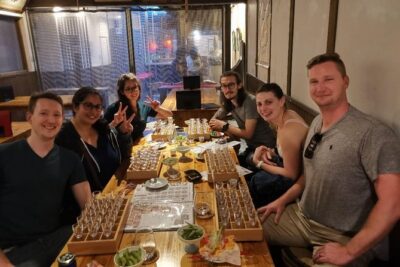


New This Season
- Koyasan Day Trip by Private Car from Kyoto
- Old Port Town and Ultimate Sake Tasting Private Tour From Kyoto
- Kyoto’s Timeless Charm: 3hr Exploration of History and Peace
- Kyoto: 5 Types of Sushi Making
- Sacred Peak & Ancient Paths: Kurama-Kibune Hiking Experience
- Kyoto: Exclusive ZEN practice at Manpukuji temple in Uji
- Kyoto: Private Seasonal Aroma Yoga Class
- Traversing Kyoto’s Scenic West – Arashiyama to Kinkakuji
Artisan Craft Workshops, compared.
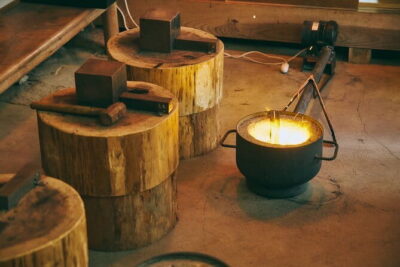
Authentic knife making experience at a blacksmith in Kyoto
Read our review →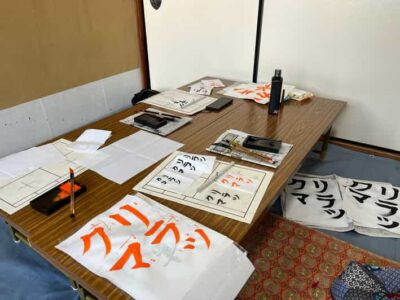
Calligraphy class at Buddhist temple in city center
Read our review →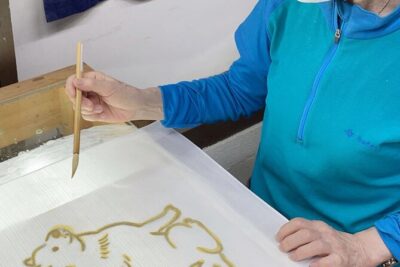
Roketsu dyeing experience: M course Roketsu Dyeing Experience
Read our review →

Traditional Japanese Washi Papermaking- Kyoto morning
Read our review →