
Reviewed · COOKING CLASSES
Private Ramen or Gyoza Cooking Class in Kyoto with Chef Midori
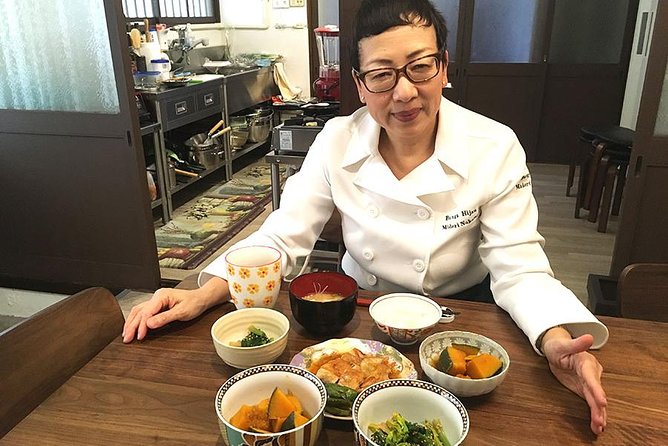
Kyoto cooking in a real home beats tours. With Chef Midori you get a true, hands-on lesson, served in a private setting instead of a crowded classroom. I love the warm, personal teaching style, and I love that you actually eat what you make right after. One catch: you need to choose your set menu ahead of time, so the planning part is real.
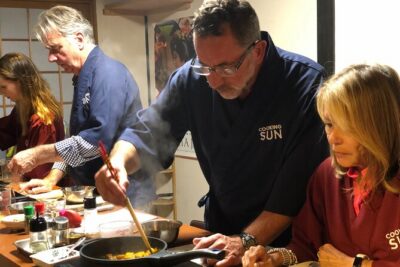
This class happens near Gion in a local studio. You start with a traditional cup of Japanese tea, then you work with core pantry ingredients that show up in a ton of home cooking, including soy sauce, mirin, sake, and miso. The vibe is relaxed and friendly, and the attention is clearly one-on-one.
You’ll also want to note a small household detail. A cat lives in the home but stays upstairs during the class and does not go into the kitchen or dining area. If you have dietary needs, you should tell the host in advance since vegetarian, vegan, kosher, and halal options are available when arranged.
In This Review
- Key highlights you’ll feel on day one
- Why Chef Midori’s Kyoto studio feels different from a cooking class
- Menu choices: ramen, gyoza, and more in one private session
- Vegetarian and vegan options are not an afterthought
- Choosing your menu is the only real planning pressure
- A smooth 2.5-hour flow you can actually follow
- Step 1: Meet in Kyoto, then head into the studio
- Step 2: Tea first, then the ingredient story
- Step 3: Cook with hands-on guidance
- Step 4: Shared meal, then Kyoto recommendations
- What you will learn about Japanese flavor, not just dishes
- Price and value: why $169 can still feel fair
- Logistics that matter: getting there, bringing needs, and the cat upstairs
- Location near Gion, with transit access
- The cat rule is clear
- Dietary restrictions you can plan for
- Private means you keep control
- Who this cooking class is for, and who might want another option
- Best matches
- Consider if you prefer big group energy
- Quick practical tips before you book
- Should you book Chef Midori’s private ramen or gyoza class?
- FAQ
- How long is the cooking class?
- Where do we meet for the class?
- How many menu options do I choose from?
- Does the class offer vegetarian or vegan options?
- Are kosher and halal options available?
- Is this a private class or shared with other people?
- Is a cat in the home during the class?
Key highlights you’ll feel on day one
- Chef Midori’s 30+ years of teaching gives you practical technique, not just recipes
- Tea, ingredients, and seasonal dishes set the tone before you cook
- Pick from 5 set menu options with vegetarian and vegan choices available
- Private class for your group only, so questions never get lost
- Eat together at the end, with Midori sharing shop and restaurant recommendations
- A calm studio environment near public transportation instead of a frantic tourist kitchen
Why Chef Midori’s Kyoto studio feels different from a cooking class

Most cooking classes in Kyoto teach you how to follow steps. This one tries to teach you how to understand Japanese flavors so you can cook later at home. That difference comes from two things: Chef Midori’s approach and the setting.
First, Chef Midori brings decades of kitchen experience, and her teaching style is personal. You get direct guidance as you work. When something feels confusing, you can ask. When your sauce tastes slightly off, she can point you toward the fix. That sort of real-time feedback is hard to get in a larger group class where you wait your turn.
Second, you are not herding people through a “show kitchen.” You’re in a local cooking studio near Gion. The room feels like you are visiting someone’s home, not being processed like a ticket number. You start with a traditional cup of Japanese tea, and that small ritual matters because it signals the class tone: calm, welcoming, and focused.
The result is that you leave with more than a plate of food. You leave with confidence about what soy sauce, mirin, sake, and miso are doing in recipes, and how Japanese home cooking builds flavor.
One more small but meaningful detail: you’ll likely notice how much explanation Midori includes around ingredients and practical technique. That’s why this experience earns full marks from repeatable aspects like teaching clarity and the way guests feel looked after.
Menu choices: ramen, gyoza, and more in one private session
This isn’t just one recipe. You choose between several set menus before you go, and the class centers on that selection.
The menus include options such as teriyaki chicken, sushi, tonkatsu, and Kansai-style street snacks like gyoza (dumplings), takoyaki (octopus balls), or okonomiyaki (savory pancakes). The exact menu names can vary by what’s offered, but the key point for you is choice.
If you are aiming specifically at ramen or gyoza, you’re in the right place because those themes fit within the set menu approach. Even if your final menu is not exactly what you pictured at first glance, you’ll still get the Japanese cooking foundations that show up in tons of dishes: seasoning balance, sauce building, and how to time cooking so food lands hot.
More bowls worth the wait
- Ramen Cooking Class at Ramen Factory in Kyoto
★ 5.0 · 1,937 reviews - Kyoto: Ramen Cooking Class at a Ramen Factory with Souvenir
★ 4.9 · 532 reviews - Kyoto: Ramen, Gyoza, and Onigiri Cooking Class
★ 5.0 · 445 reviews - Kyoto Ramen and Gyoza Cooking Class with Professional Chefs
★ 5.0 · 282 reviews
Vegetarian and vegan options are not an afterthought
You can request vegetarian or vegan options when you book. The class is also listed as offering kosher and halal options, as long as you advise the host in advance. That’s a big deal. It means you can plan the meal without showing up and hoping someone can adapt at the last minute.
If you have a strict dietary need, I strongly suggest you put it in the booking notes. The more specific you are about what you eat and avoid, the easier it is for the host to prepare a menu that works for you.
Choosing your menu is the only real planning pressure
The one possible drawback is timing and decision-making. Because it’s private and set-menu based, you cannot just swap in a different dish once you arrive without the host having planned for it. This is still very manageable, but it does mean you should check menus carefully before you book.
A smooth 2.5-hour flow you can actually follow
The experience runs about 2 hours 30 minutes. Within that, the main cooking session is about 1.5 hours, followed by a shared meal.
Here’s how it typically unfolds in a way that helps you understand what you are buying, not just what you are doing.
Step 1: Meet in Kyoto, then head into the studio
You meet at the start point in Kyoto, Shimogyo Ward. The listed meeting address is Japan 600-8806 Kyoto, Shimogyo Ward, Chūdōji Mibukawachō, 713 7番地13. The activity ends back at the meeting point.
This is important for your day plan. It means you can treat it like a contained block. You do not need to worry about moving between multiple locations.
It’s also near public transportation, so you can get there without a complicated taxi run. You’ll use a mobile ticket, and you’ll get confirmation at booking.
A quieter way to spend a day in Kyoto

Step 2: Tea first, then the ingredient story
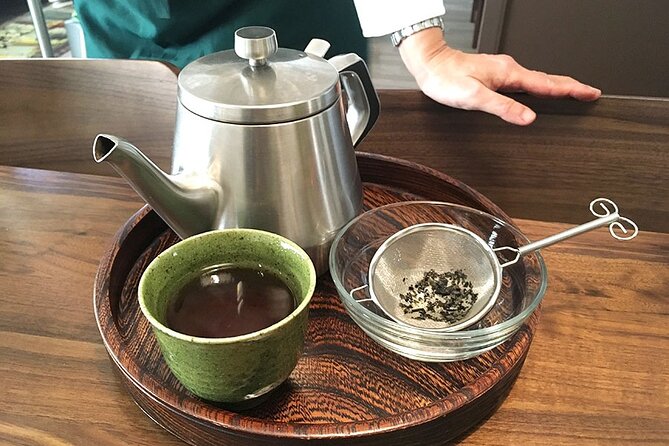
Once inside, you start with a traditional cup of Japanese tea. After that, Midori introduces core ingredients that form the foundation of home-style Japanese cooking: soy sauce, mirin, sake, and miso.
This part is more than a welcome speech. It sets you up to understand why Japanese flavor tastes the way it does. Soy sauce brings savory depth. Mirin adds sweetness and a glossy finish. Sake affects aroma and balance. Miso contributes fermented richness. Learning what they do helps you later when you cook at home and have to adjust by taste.
Step 3: Cook with hands-on guidance
Midori then leads you through preparing seasonal dishes using time-honored techniques and traditional ingredients. Since this is private, her attention stays on your group.
This matters if you are a confident cook, but it’s even more valuable if you’re not. The class is designed to be friendly and practical, with enough instruction that you can follow along and improve over the session.
In real terms, you are working through your set menu as a lived cooking sequence. You’re not just watching someone else cook while you take notes.
Step 4: Shared meal, then Kyoto recommendations
After cooking, you all eat what you helped make. Midori shares her favorite local restaurant recommendations and insider tips on where to shop for food and souvenirs in Kyoto.
That extra conversation is one reason this class can feel like more than a meal. You’re learning how locals think about food and shopping. It’s not tourist shopping advice. It’s practical and usually more useful for planning the rest of your trip.
Some guests also mention that Midori let them record the lessons for later use. If that matters to you, it’s worth asking politely during the session so you understand what is allowed and what is not.
What you will learn about Japanese flavor, not just dishes
Cooking classes can turn into recipe recitals. This one does better. It teaches you the building blocks, so your dishes come out tasting like the real thing, not like a substitute.
You start with the ingredient foundations. Then you apply them in the dish you chose. That connection is where learning happens.
Here are the specific flavor skills you should expect to take away:
- Sauce balance: You’ll see how sweetness, salt, and fermented flavors work together.
- Timing and temperature awareness: Japanese home cooking relies on getting things done at the right moment so textures stay right.
- Technique for classic dishes: Whether you choose tonkatsu, gyoza, or okonomiyaki, you learn technique enough to repeat it.
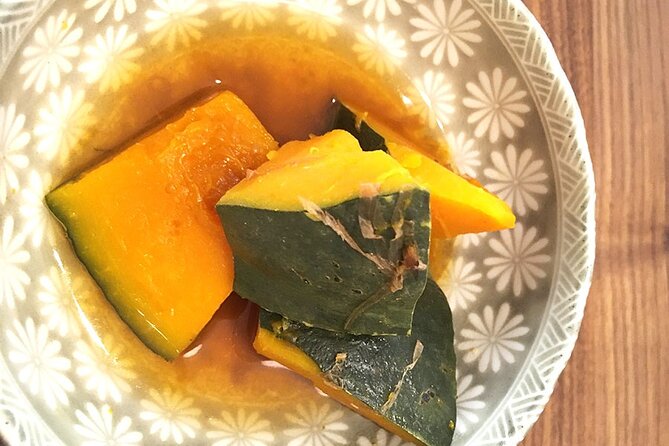
- Seasonal adaptation: The class uses seasonal dishes, so you see how recipes adjust based on what’s available.
Even if you forget the exact step order later, you’re more likely to remember how the dish should taste and how to adjust. That’s the kind of knowledge that keeps paying off after your Kyoto trip ends.
Price and value: why $169 can still feel fair
At $169 per person, this isn’t a budget activity. But it’s also not a generic group cooking class.
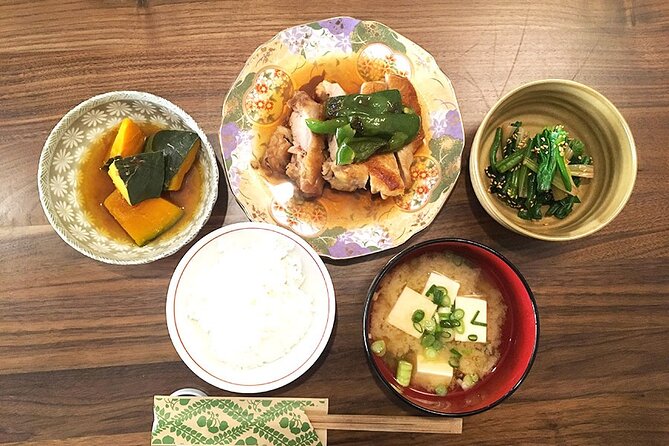
You are paying for a few things that often cost more when they are separated out: a private chef, a studio setting, hands-on instruction, and the meal at the end. Plus, you can choose menus including vegetarian and vegan options, which takes extra planning off your plate.
It’s also worth noting this is booked about 63 days in advance on average. That tends to mean limited availability. If you wait too long, you may lose the time slot you want. For popular travel windows, that matters.
If you compare value, this works best when you want more than food. It’s for people who care about the how and want a lesson that sticks, in a setting that feels calm and local.
Logistics that matter: getting there, bringing needs, and the cat upstairs
Location near Gion, with transit access
The studio is near Gion, and the listing says it’s near public transportation. That’s a big practical win. Kyoto can be spread out, so the easier the access, the more relaxed your schedule stays.
The cat rule is clear
A cat resides in the home but stays upstairs during the class. It does not enter the kitchen or dining area. If you have allergies or just prefer fewer surprises, it’s good you have this detail up front.
Dietary restrictions you can plan for
You can request vegetarian, vegan, kosher, and halal options. The key is that you must advise at booking so the host can accommodate in advance. If you keep it vague, you risk getting a menu that is not fully aligned with your needs.
Private means you keep control
This is explicitly a private, personalized experience. Only your group participates. That means you are not sharing bench space with strangers or waiting for the chef to switch attention.
If you’re cooking with a partner, family, or close friends, that privacy is often the difference between a fun class and an awkward one.
Who this cooking class is for, and who might want another option
This fits best if you want Japanese food culture through actual cooking, not just tasting.
Best matches
- Couples who want a date-like activity with real teaching, not just dinner
- Small families or groups who like structured instruction they can ask questions about
- Anyone who wants gyoza or related Kansai street-style flavors with proper technique
- Food lovers who want Midori’s recommendations for where to eat and shop after class
Consider if you prefer big group energy
If you love social atmospheres with lots of strangers and lots of people talking at once, you might find a private class quieter than you expect. That is not “bad.” It’s just a different vibe.
Quick practical tips before you book
- Pick your set menu carefully, because your class is built around your choice.
- If you have dietary restrictions, specify them clearly during booking.
- Plan for the full 2.5-hour block so you are not rushing afterward.
- Bring curiosity. Midori shares shop and restaurant tips, and those are often the part you use most later.
Should you book Chef Midori’s private ramen or gyoza class?
I think you should book this if you want a Kyoto experience that feels personal and useful after the trip. The strongest reasons are Chef Midori’s teaching style, the private attention, and the fact that you eat what you cook immediately in a relaxed studio setting.
If you’re the type who likes learning why a sauce tastes right, this class is a good bet. If you’re coming only for a quick bite and you already know you will never cook at home again, the price might feel steep.
One last decision helper: choose this if you want to spend time in Kyoto like a local visitor with a real guide, not like a passenger in line. That is what this experience is built for.
FAQ
How long is the cooking class?
The experience lasts about 2 hours 30 minutes, with the cooking session around 1.5 hours followed by a shared meal.
Where do we meet for the class?
The start point is in Kyoto, Shimogyo Ward at Japan 600-8806 Kyoto, Shimogyo Ward, Chūdōji Mibukawachō, 713 7番地13. The activity ends back at the meeting point.
How many menu options do I choose from?
You choose between 5 different set menu options, and you include your selection in the Special Requirements section when booking.
Does the class offer vegetarian or vegan options?
Yes. Vegetarian and vegan options are available if you advise the host at booking.
Are kosher and halal options available?
Yes. Kosher and halal options are available, as long as you inform the host in advance.
Is this a private class or shared with other people?
It is private. Only your group will participate.
Is a cat in the home during the class?
Yes, a cat resides in the home but stays upstairs during the class and does not enter the kitchen or dining area.
More Workshops in Kyoto



New This Season
- Koyasan Day Trip by Private Car from Kyoto
- Old Port Town and Ultimate Sake Tasting Private Tour From Kyoto
- Kyoto’s Timeless Charm: 3hr Exploration of History and Peace
- Kyoto: 5 Types of Sushi Making
- Sacred Peak & Ancient Paths: Kurama-Kibune Hiking Experience
- Kyoto: Exclusive ZEN practice at Manpukuji temple in Uji
- Kyoto: Private Seasonal Aroma Yoga Class
- Traversing Kyoto’s Scenic West – Arashiyama to Kinkakuji
Cooking Classes, compared.
Ramen Cooking Class at Ramen Factory in Kyoto
Read our review →
Ramen Cooking Class at a Ramen Factory with Souvenir
Read our review →
Japanese Washoku Bento Small Group Cooking Class
Read our review →
Japanese Traditional Sweets Making and Tea Ceremony
Read our review →
Kyoto Ramen and Gyoza Cooking Class with Professional Chefs
Read our review →
Also filed under