
Reviewed · TEA CEREMONIES
Tea Ceremony Experience in Kyoto
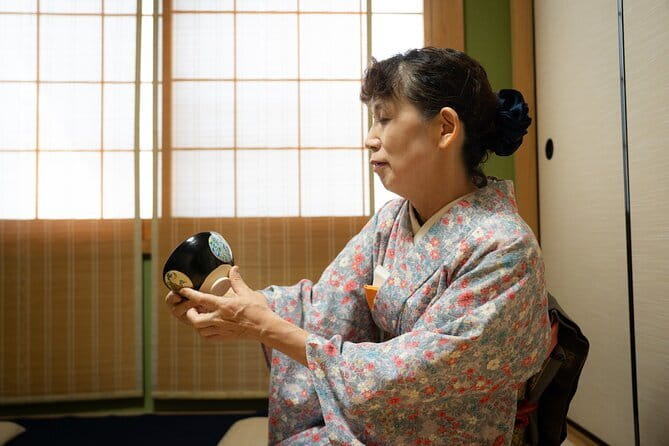
Matcha teaches you how to slow down. In this Kyoto tea ceremony, I like two things most: the chance to make your own matcha and the calm, respectful rhythm the guide brings to the whole experience. It turns a sightseeing day into something quieter and more intentional.
You’re guided by Chisato, an instructor with 30+ years of tea-ceremony experience, and the session runs about an hour. With a small group size (up to 6), you actually get time to ask questions and learn the basic steps without feeling rushed.
One consideration: the experience is not wheelchair accessible, so plan accordingly if mobility is an issue.
In This Review
- Key Highlights You’ll Feel Right Away
- Finding the Right Spot in Kyoto (Kamogawa to Demachiyanagi)
- Your 1-Hour Tea Lesson, What Actually Happens
- Whisking Matcha Like You Mean It
- Wagashi Pairing, How the Sweet Fits the Ritual
- Chisato’s Teaching Style: Calm, Direct, and Respectful
- Group Size and Why Up to 6 Matters
- Location Strategy: How to Fit This into a Kyoto Day
- Value Check: Is $39.09 Worth It?
- What to Bring, What to Skip
- Who Should Book This Tea Ceremony
- Should You Book This Kyoto Tea Ceremony with Chisato?
- FAQ
- How long is the tea ceremony experience?
- Where does the experience meet in Kyoto?
- Is matcha included, or do I need to pay extra?
- Are wagashi included?
- Do I get to make my own tea?
- Is a kimono included?
- Are tips included in the price?
- How large is the group?
- Is the experience wheelchair accessible?
- What if I need to cancel?
- What do I receive after booking?
Key Highlights You’ll Feel Right Away
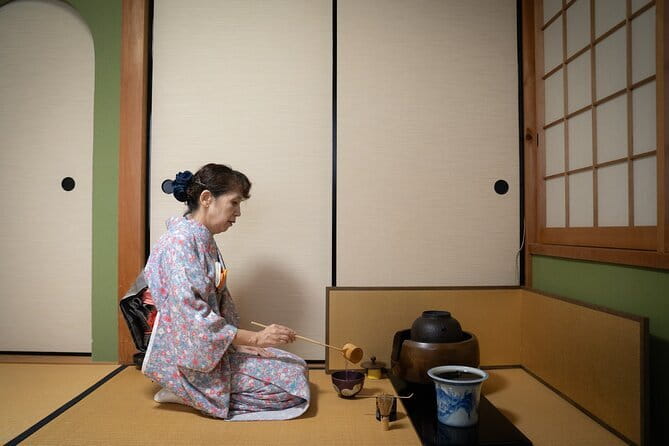
- Matcha practice, not just watching: You’ll whisk and prepare your own bowl with guidance.
- Wagashi included: The traditional sweets are part of the lesson, not an add-on.
- Chisato’s teaching style: Patient, friendly explanations in English.
- Intimate group size: Maximum 6 travelers keeps things personal.
- Easy Kyoto location: About a 15-minute walk from Kamogawa Delta and Demachiyanagi Station.
Finding the Right Spot in Kyoto (Kamogawa to Demachiyanagi)
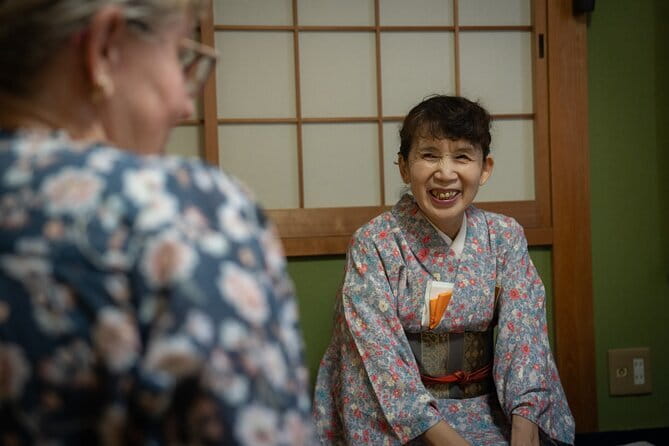
This tea ceremony meets at Tea Ceremony Experience Chisato, at 67-23 Shimogamo Matsunokichō in Sakyo Ward. The area is convenient for planning your day, especially if you’re already mixing together walks along the Kamogawa Delta and exploring nearby temples and shrines.
If you’re using public transit, Demachiyanagi Station is one of your easiest anchors. From there, you can build the rest of your day around a gentle, on-foot route that also lines up with stops like Kibune Shrine and Rurikou Temple. And if you want the setting to feel Kyoto-soft instead of tourist-buzzy, the Kamogawa Delta area is a great place to take a pre-session stroll.
Why this matters: tea ceremonies feel better when you’re not sprinting across the city. Kyoto days can run hot and crowded, so a 15-minute walk window helps you arrive with your brain switched off from travel mode.
Your 1-Hour Tea Lesson, What Actually Happens
This is an about-1-hour experience, and it follows a straightforward pattern: you’re shown how to prepare matcha, then you do the key steps yourself. The structure matters because tea ceremony is less about memorizing lines and more about learning a few meaningful movements and doing them with care.
You’ll get instruction from a teacher with more than 30 years of experience. That translates into a session that works for complete beginners too, because the pacing and explanations are built around welcoming first-timers. The overall goal is to lower the barrier that can make traditional cultural experiences feel intimidating.
You’ll end back at the meeting point. That’s useful if you’re timing the rest of your evening and don’t want to fight transit right after a calm activity.
More bowls, poured the traditional way
- Kyoto: Tea Ceremony in a Traditional Tea House in Kiyomizu
★ 4.9 · 3,519 reviews - Kyoto: Tea Ceremony Ju-An at Jotokuji Temple
★ 4.9 · 3,207 reviews - Kyoto: 45-Minute Tea Ceremony Lesson Experience
★ 4.3 · 2,378 reviews - Kyoto: Table-Style Tea Ceremony at a Kyo-Machiya
★ 4.9 · 1,211 reviews
Whisking Matcha Like You Mean It
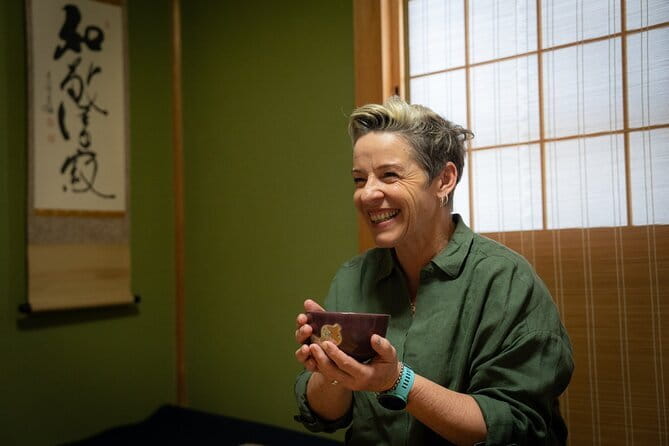
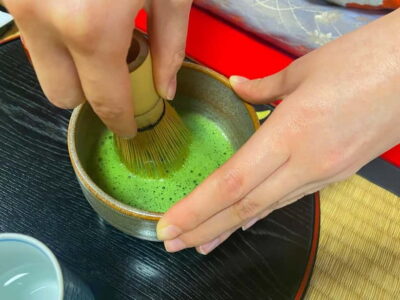
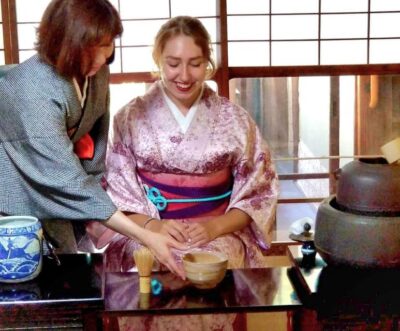
The star of the show is matcha, and the big difference here is hands-on participation. You won’t just watch someone demonstrate. You’ll learn the steps involved in preparing matcha and whisk it yourself, following the guide’s rhythm and movements.
What I like about this style is that it gives you a real takeaway: you can understand what makes matcha preparation different from simply making tea. It’s about precision in the whisking and attention to small details, which is exactly what the ceremony is trying to teach.
A practical tip before you go: wear comfortable clothing and be ready for focused movements at table height. You don’t need fancy clothes. Kimono is not included, so you won’t spend your time worrying about costume logistics. (If you decide to rent a kimono elsewhere, just remember you still have to sit and whisk safely.)
Wagashi Pairing, How the Sweet Fits the Ritual
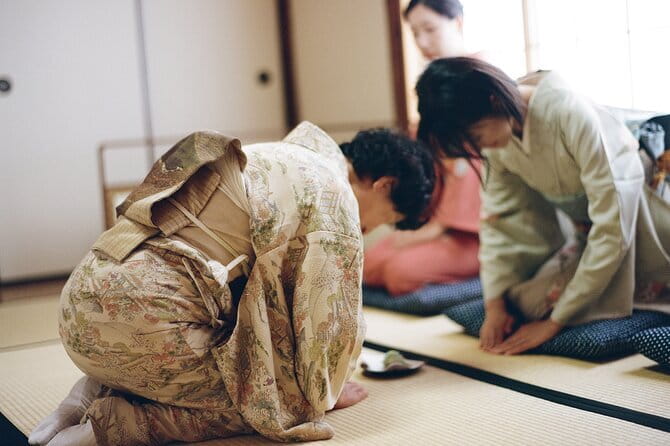
Included with your session are wagashi, the traditional Japanese sweets served alongside tea. In tea ceremony, this is not random sugar. It’s part of the sensory sequence, helping you transition from everyday life into the ceremony’s slower pace.
You should expect to taste something designed to complement matcha, and you’ll get to enjoy it as part of the flow rather than eating it after the fact. Reviews also point out that the sweets and matcha taste genuinely good, not like the token portion you sometimes see in cultural add-ons.
If you’re a foodie, this detail can be surprisingly meaningful. Tea ceremony becomes a mini lesson in how Japanese taste and seasonality thinking shows up in daily rituals, even at a simple sweet-and-tea moment.
Chisato’s Teaching Style: Calm, Direct, and Respectful
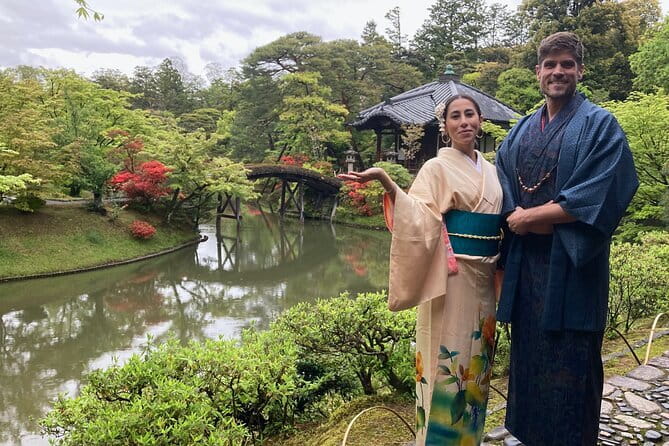
The experience is led by Chisato, and her approach comes through in the way she explains both technique and etiquette. The session isn’t just whisking skills. You’ll also learn how to be present and show respect for the culture behind the ritual.
I find that’s what turns a tea ceremony from a performance into a connection. When the guide sets the tone, you naturally slow down. That helps you actually notice what you’re doing with your hands, and it keeps the whole thing from feeling like a checklist.
One more detail worth noting: you’ll be in English for the explanation. You may still need to simplify questions to match the flow of conversation, but the experience is designed to be accessible to beginners.
Also, this is set up to be friendly for families, with accommodating support mentioned for small children. That doesn’t mean it’s a playground. It just means the vibe is patient enough for real life, not only for adults who know how to sit quietly for an hour.
Group Size and Why Up to 6 Matters
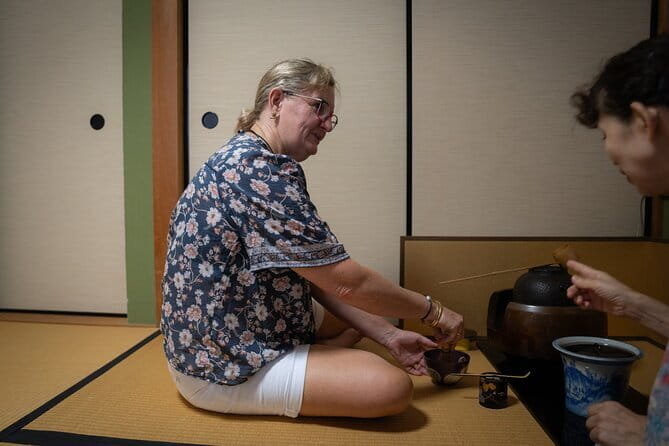
The maximum group size is 6 travelers. That’s a sweet spot for this kind of activity. With fewer people, your guide can correct technique and still keep the pace gentle. You’re more likely to feel like you’re learning with the group, not waiting your turn for a quick photo moment.
At the same time, it’s not so small that you’ll feel awkward if it’s your first cultural class. Even if you arrive nervous, the format nudges you toward comfort.
A day of temples goes further with something to break it up.
Location Strategy: How to Fit This into a Kyoto Day
Because it’s only about an hour and you return to the same meeting point, you can slot this into the middle of your day without ruining your schedule. I like pairing it with a morning walk or an early afternoon break, then heading back out for temples and shrine areas once you’ve reset.
Here are two practical ways to plan it:
- Pre-temple reset: Walk near Kamogawa Delta first, then come to the ceremony for a quieter focus before more sightseeing.
- Transit-friendly afternoon: Start around Demachiyanagi Station, do nearby sights, then use the ceremony as a calm reset before dinner.
The key is timing. Try not to stack too many “must-see” stops right before your ceremony. If you arrive overheated or stressed, you’ll feel it in the sitting and whisking more than you think.
Value Check: Is $39.09 Worth It?
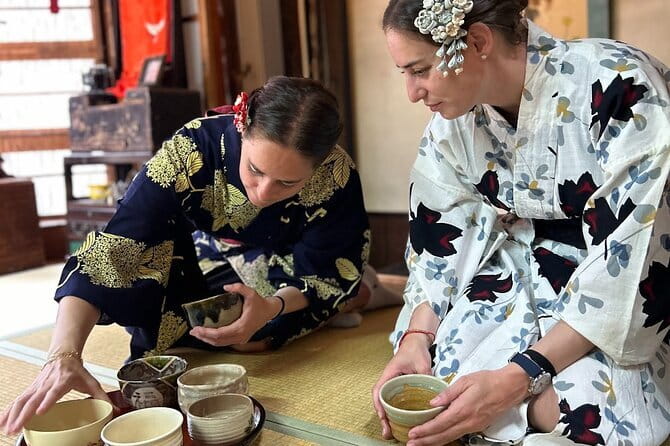
At $39.09 per person for about an hour, this can feel like a splurge on paper. But tea ceremony pricing usually reflects several things you can’t always measure: a skilled instructor, a calm setting, and hands-on materials (matcha plus wagashi) that you wouldn’t otherwise have.
Here, you do get tangible value:
- Matcha and wagashi are included, so you’re not paying extra for the core experience.
- You learn by doing, not just watching.
- The teacher has 30+ years of experience, which matters when your goal is learning proper movements.
- The small group size supports real instruction.
If your Kyoto itinerary includes temples and shrines, this is a great contrast activity. It’s not a “check the box” show. It’s skill-based and mindful, and you leave with a story you can actually explain.
If you’re traveling on a tight budget, you might compare it to other short cultural activities. But if you want one moment in Kyoto that feels intentional, this is a strong use of time and money.
What to Bring, What to Skip
You don’t need much. The session includes matcha, wagashi, and the guide. Kimono is not included, so you can keep your packing simple. Tips are not included either, so if you want to reward your guide, you’ll need to decide based on your comfort and local custom.
What I recommend you do bring:
- Comfortable shoes for the walk to the meeting point
- Water if you’re combining the ceremony with other stops
- A calm mindset. Tea ceremony goes better when you aren’t rushing
Who Should Book This Tea Ceremony
This is a great fit if you:
- Want a beginner-friendly introduction to matcha preparation
- Prefer small, calm activities over crowded attractions
- Enjoy cultural etiquette, not just food tasting
- Like learning something practical you can remember later
It may not be the best choice if mobility needs are involved, since the experience is not wheelchair accessible.
Should You Book This Kyoto Tea Ceremony with Chisato?
Yes, if you’re looking for one authentic, hands-on cultural experience that balances technique with mindfulness. The best reason to book is simple: you’ll make matcha yourself, and the lesson is taught in a welcoming way by Chisato, with up to 6 people so you’re not lost in the group.
If you’re the type who wants only the most famous sights, this might feel too quiet. But if you want a Kyoto moment that feels personal, respectful, and genuinely educational, this is a solid choice.
FAQ
How long is the tea ceremony experience?
The experience lasts about 1 hour.
Where does the experience meet in Kyoto?
It starts at Tea Ceremony Experience Chisato67-23 Shimogamo Matsunokichō, Sakyo Ward, Kyoto 606-0816, Japan.
Is matcha included, or do I need to pay extra?
Matcha is included.
Are wagashi included?
Yes, wagashi is included.
Do I get to make my own tea?
Yes, you can make your own tea if you wish, with guidance from the teacher.
Is a kimono included?
No, kimono is not included.
Are tips included in the price?
No, tips are not included.
How large is the group?
The maximum group size is 6 travelers.
Is the experience wheelchair accessible?
No, it is not wheelchair accessible.
What if I need to cancel?
You can cancel for a full refund if you cancel at least 24 hours in advance. If you cancel less than 24 hours before the start time, the amount paid will not be refunded.
What do I receive after booking?
You’ll receive a confirmation at booking time, and the experience uses a mobile ticket.
New This Season
- Koyasan Day Trip by Private Car from Kyoto
- Old Port Town and Ultimate Sake Tasting Private Tour From Kyoto
- Kyoto’s Timeless Charm: 3hr Exploration of History and Peace
- Kyoto: 5 Types of Sushi Making
- Sacred Peak & Ancient Paths: Kurama-Kibune Hiking Experience
- Kyoto: Exclusive ZEN practice at Manpukuji temple in Uji
- Kyoto: Private Seasonal Aroma Yoga Class
- Traversing Kyoto’s Scenic West – Arashiyama to Kinkakuji
Tea Ceremonies, compared.
Tea Ceremony in a Traditional Tea House in Kiyomizu
Read our review →
Kimono Tea Ceremony at Kyoto Maikoya, NISHIKI
Read our review →
Tea Ceremony in 100-year-old Kyo-Machiya Townhouse
Read our review →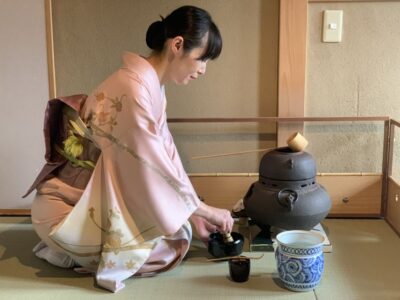
Also filed under