
Reviewed · TEA CEREMONIES
Tea Ceremony with Japanese Harp Performance in Kyoto
Matcha first, Koto right after. This Kyoto experience teaches you how to make smoother, less bitter matcha, then pairs it with a professional koto performance.
I like that you actually work hands-on, with an English guide showing what to do step by step during the tea ceremony. You also get a short, music-focused cooldown at the end, which feels like the perfect match for coffee people and music people alike.
The vibe is warm and personal, with the ceremony happening in a room set up for visitors to take it in properly, not just snap photos and rush out. The group cap is small, up to 6 travelers, so questions feel normal instead of interrupting. One note: it is about 1 hour total, so if you want a long, multi-course deep dive into tea culture, you may feel a bit rushed.
In This Review
- Key highlights I’d plan my day around
- How the hour actually plays out in Kyoto
- Where to meet at 411 Dainichichō (and why it’s convenient)
- Making matcha: what you learn and why it feels different
- Tea sweets and your first real taste test
- Koto performance: what it adds after the tea
- Optional extras on site: kimono photos and extra koto
- Small group comfort: why max 6 travelers matters
- Price and value: is $57.62 a fair deal?
- Who should book this Kyoto tea and koto session
- Practical tips before you go
- Should you book this tea ceremony with Japanese harp in Kyoto?
- FAQ
- How long is the tea ceremony and koto experience?
- How much does it cost per person?
- Where does the experience start and end?
- What is included in the price?
- Is private transportation included?
- Is there a limit on group size?
- Is the ticket mobile?
- Can I add a kimono photo or video?
- Can I cancel for a full refund?
Key highlights I’d plan my day around
- Creamier matcha technique, aimed at less bitterness instead of just drinking pre-made powder
- Tea sweets included, so you taste the matcha with something Kyoto-style
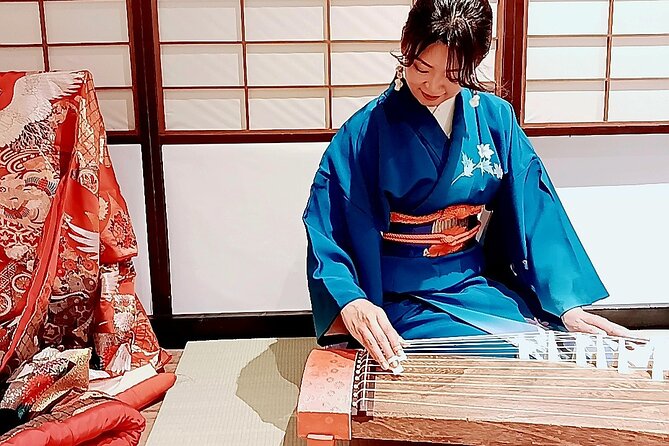
- Live koto (Japanese harp) right after the tea, making the whole session flow
- Max 6 travelers, which keeps the experience personal and easy to follow
- Optional kimono photo or video, plus an extra option connected to koto for added cost
- One-hour format in Nakagyo, ideal when Kyoto days get crowded
How the hour actually plays out in Kyoto
This is a tight, well-paced session in Kyoto, roughly 1 hour, starting and ending back at the same meeting point on 411 Dainichichō in Nakagyo Ward. Expect a straightforward sequence: make your matcha, enjoy it with sweets, then settle in for koto music. It is designed so you leave with both a tea skill and a sensory memory.
The included snack is 抹茶とお茶菓子, which matters because matcha is not just a drink, it is a flavor system. You are meant to taste it alongside sweets, so the experience is more complete than a stand-up demo. And because it is only a one-hour slot, you can fit it between temple stops without scrambling.
Where to meet at 411 Dainichichō (and why it’s convenient)
Your meeting point is 411 Dainichichō, Nakagyo Ward, Kyoto, 604-8044. The good news is that it is described as near public transportation, so you are not locked into taxis or private drivers. Also, the activity ends back at the meeting point, so you do not have to plan a complicated second journey.
For planning, I’d still give yourself a little buffer time. Kyoto streets can be easy to walk, but you want to arrive calmly, not hunting for the exact door while everyone else is ready. If you are using a map app, zoom in early and double-check the building number.
More bowls, poured the traditional way
- Kyoto: Tea Ceremony in a Traditional Tea House in Kiyomizu
★ 4.9 · 3,519 reviews - Kyoto: Tea Ceremony Ju-An at Jotokuji Temple
★ 4.9 · 3,207 reviews - Kyoto: 45-Minute Tea Ceremony Lesson Experience
★ 4.3 · 2,378 reviews - Kyoto: Table-Style Tea Ceremony at a Kyo-Machiya
★ 4.9 · 1,211 reviews
Making matcha: what you learn and why it feels different
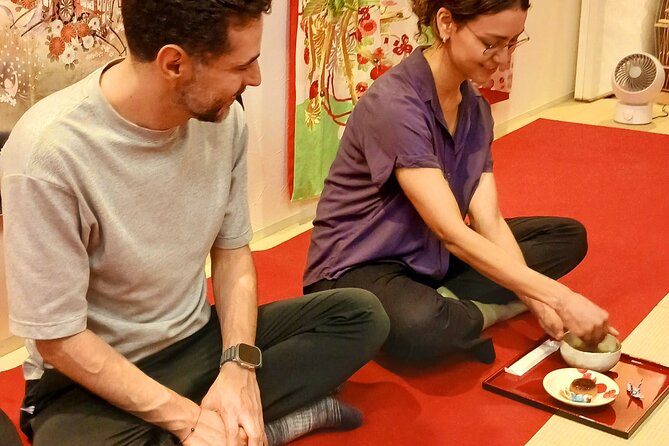
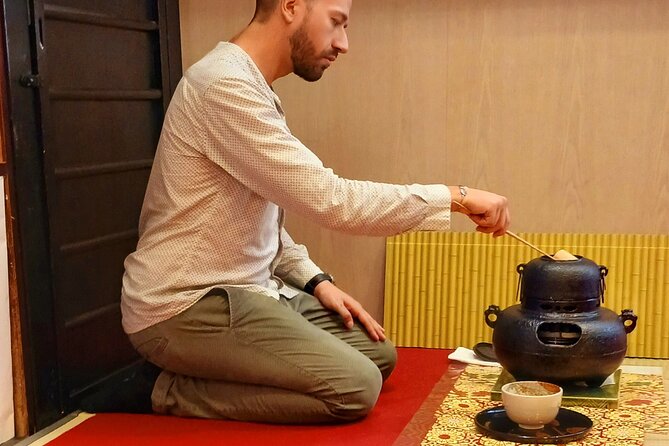
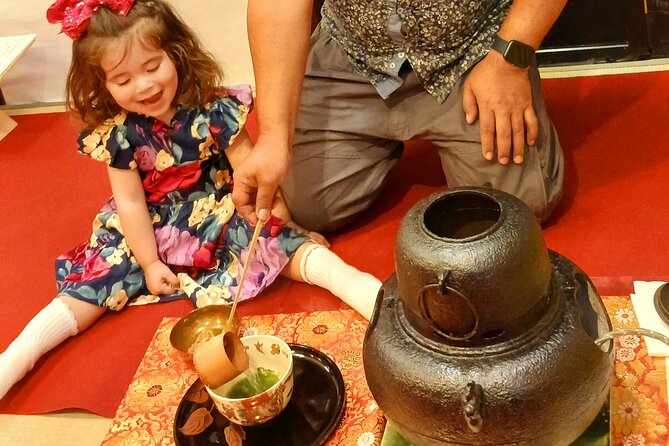
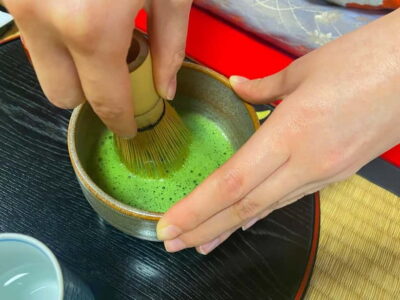
The core of this experience is hands-on matcha preparation. You receive careful instruction on how to brew a cup that tastes creamy and less bitter. That distinction is important, because many first-timers end up with matcha that’s too strong or too harsh, especially if the powder is handled casually or the mixing is off.
You should think of the lesson as learning the texture first. When matcha is properly made, it feels smoother and tastes more balanced. The goal here is not just making something that looks right, it’s getting to a cup you want to keep sipping, especially after you add the sweets.
Also, because the session is built around a guided tea ceremony, you are not doing this alone in your hotel room later. You get immediate feedback, which helps you remember what to repeat next time you buy matcha in Kyoto or back home.
Tea sweets and your first real taste test
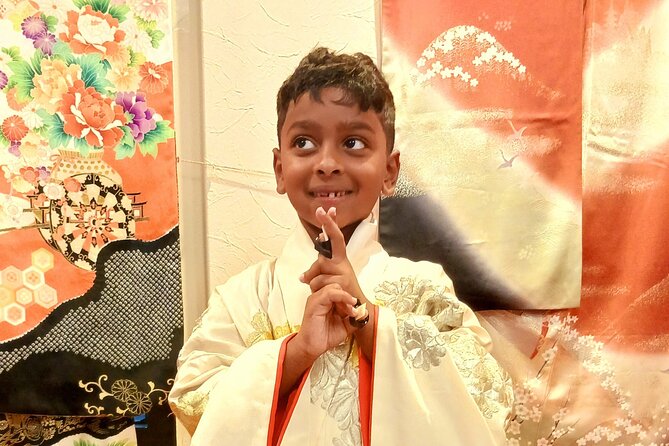
Once you finish making your tea, you drink your matcha with tea sweets. These included snacks, 抹茶とお茶菓子, are not an afterthought. They help you understand how matcha changes depending on what you eat with it.
Here is what I like about this setup: it gives you a built-in feedback loop. If your matcha is too bitter, you will notice it right away. If it is mixed well, the sweets make it taste even better instead of masking it poorly. Either way, you leave with a clearer sense of what “good matcha” means to your own palate.
If you are the type who tastes slowly, this part is your moment. Take a beat, pay attention to texture, and let the flavor settle. You are also, practically speaking, giving your brain a break from sightseeing right before the music starts.
Koto performance: what it adds after the tea
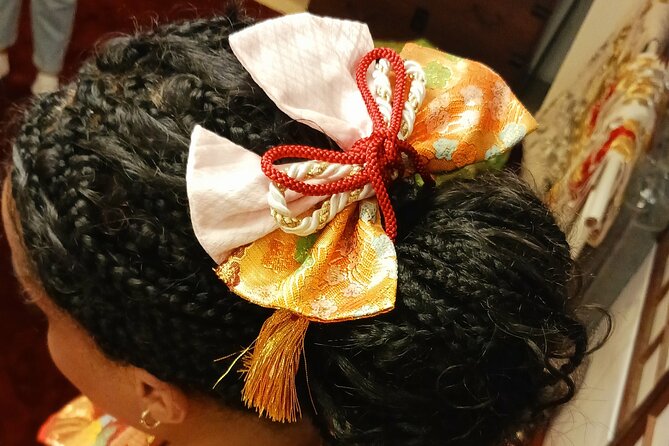
After the tea and sweets, you get live Koto music. Koto is a traditional Japanese stringed instrument, and hearing it after you’ve had matcha is a smart pairing. The tea settles your senses, and the music gives you something to focus on without needing to “do” anything.
From a planning angle, this works well because it keeps the experience from feeling like a checklist. You are not just collecting a stamp for tea. You do the hands-on part, then you get a professional performance as a reward and a decompression window.
If you love music, this is the real reason to book even if you are not a strict tea fanatic. The reviews for this experience strongly point to the koto element as a big part of the overall satisfaction.
Optional extras on site: kimono photos and extra koto
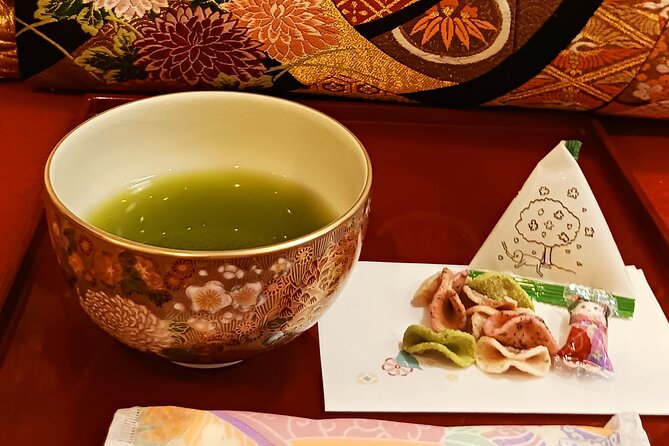
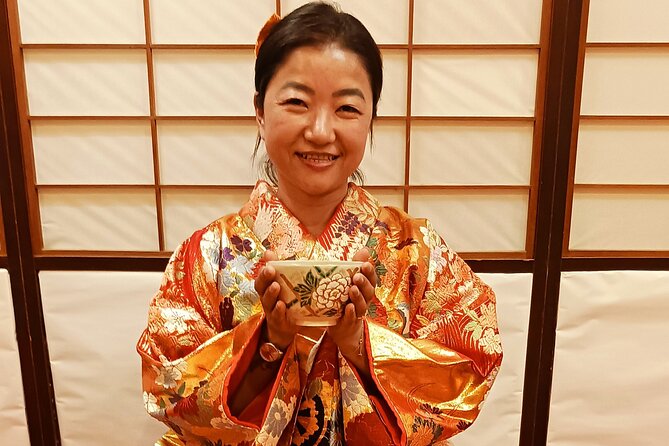
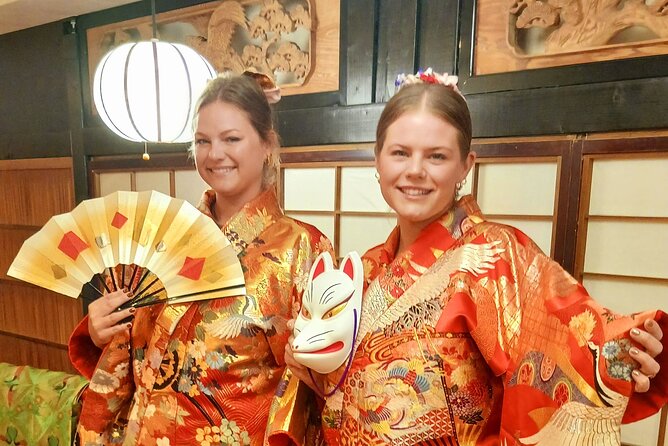
On site, there are optional add-ons for additional fees. One option is wearing a gorgeous kimono and having your photo or video taken. Another option is experiencing koto performance on site for an additional fee.
These extras are not included in your base price, so decide ahead of time if you want to spend the extra money. My practical advice: treat them like souvenirs, not “required documentation.” If you want the kimono photo because you’d actually use it, go for it. If you’re trying to keep Kyoto costs under control, you can still get the full tea ceremony and the included koto performance without paying more.
A day of temples goes further with something to break it up.
Small group comfort: why max 6 travelers matters
This activity has a maximum of 6 travelers. That changes the feel of the session. In a large class, you can get drowned out, or you lose track of what the guide is telling the person next to you. Here, the pacing is usually easier, and you are more likely to get direct help if you have questions about your technique.
It also makes the English guide more useful. You can ask follow-ups without feeling like you’re slowing down a machine. If you’re coming alone or with someone who is new to Japanese culture, a small group setup helps the whole thing feel less awkward.
Price and value: is $57.62 a fair deal?
The price is listed as $57.62 per person. For Kyoto, one-hour cultural experiences can be hit-or-miss, but this one justifies the cost in a few ways.
You get three valuable pieces in one booking:
- Instruction to make your own matcha, aimed at a creamy, less bitter cup
- Included snacks, matcha and tea sweets (抹茶とお茶菓子)
- A live koto performance after the tea
Add in that it is guided in English and capped at 6 people, and you’re not paying just for entry into a room. You are paying for a structured, supervised experience that ends with both taste and music.
The main reason it might not be worth it for everyone is the same reason it works for many people: it is only about an hour. If you want a longer session, more time to ask questions, or a bigger “festival” of activities, the format may feel short. But if your goal is quality and not time shopping, it’s strong value.
Who should book this Kyoto tea and koto session
I think this suits you best if any of these are true:
- You want a matcha lesson that tries to fix common beginner bitterness issues
- You like cultural experiences that end with a real performance
- You prefer smaller group settings where you can actually ask questions
- You are in Kyoto for a limited time and want a one-hour activity that doesn’t steal half a day
It might not be your top pick if you already know how to make matcha well and you’re only hunting for photos. The base experience is about learning a technique and tasting it, then listening to koto. The optional kimono photo and extra koto option are add-ons, not the main event.
Practical tips before you go
A few small moves will make this smoother.
- Wear comfortable clothes you can sit in easily. The ceremony is part instruction, part sitting and tasting.
- Plan your timing so you arrive a few minutes early. Kyoto locations can be easy to miss if you rush.
- If you care about the koto side, consider whether you want any extra koto add-on. The base experience already includes koto performance after tea.
And since private transportation is not included, if you are coming from a far area, plan your route early using public transport or walking time.
Should you book this tea ceremony with Japanese harp in Kyoto?
Yes, I’d book it if you want a short, well-guided matcha experience that includes sweets and ends with a live koto performance. It sounds especially compelling for music lovers, because the koto element is not just background sound, it is part of the schedule.
I would skip or think twice only if you strongly prefer long-form classes, or if you do not care about matcha technique and would rather spend your money on another Kyoto activity where time and variety are the point.
If you want one clean plan that gives you a skill, a taste, and a music moment, this is a solid choice for Kyoto.
FAQ
How long is the tea ceremony and koto experience?
It lasts about 1 hour.
How much does it cost per person?
The price is $57.62 per person.
Where does the experience start and end?
It starts at 411 Dainichichō, Nakagyo Ward, Kyoto, 604-8044, Japan, and ends back at the meeting point.
What is included in the price?
Included items are snacks (抹茶とお茶菓子) and an English guide.
Is private transportation included?
No, private transportation is not included.
Is there a limit on group size?
Yes. The group maximum is 6 travelers.
Is the ticket mobile?
Yes, it uses a mobile ticket.
Can I add a kimono photo or video?
Yes, kimono photos or video and a koto-related extra experience are available on site for an additional fee.
Can I cancel for a full refund?
Yes. Free cancellation is offered, and you can cancel up to 24 hours in advance for a full refund. If you cancel less than 24 hours before the start time, the amount paid is not refunded.
New This Season
- Koyasan Day Trip by Private Car from Kyoto
- Old Port Town and Ultimate Sake Tasting Private Tour From Kyoto
- Kyoto’s Timeless Charm: 3hr Exploration of History and Peace
- Kyoto: 5 Types of Sushi Making
- Sacred Peak & Ancient Paths: Kurama-Kibune Hiking Experience
- Kyoto: Exclusive ZEN practice at Manpukuji temple in Uji
- Kyoto: Private Seasonal Aroma Yoga Class
- Traversing Kyoto’s Scenic West – Arashiyama to Kinkakuji
Tea Ceremonies, compared.
Tea Ceremony in a Traditional Tea House in Kiyomizu
Read our review →
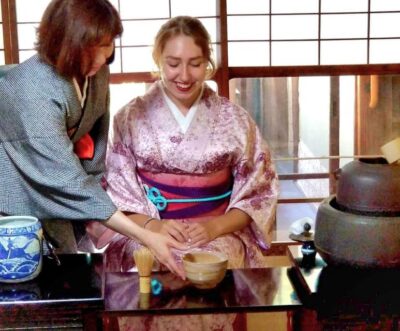
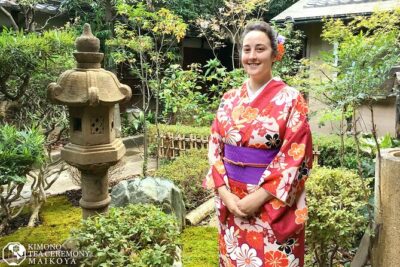
Kimono Tea Ceremony at Kyoto Maikoya, NISHIKI
Read our review →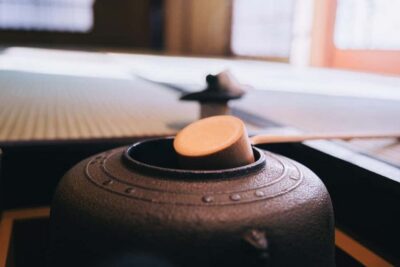
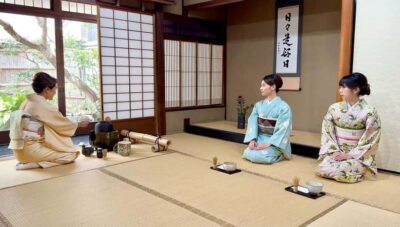
Tea Ceremony in 100-year-old Kyo-Machiya Townhouse
Read our review →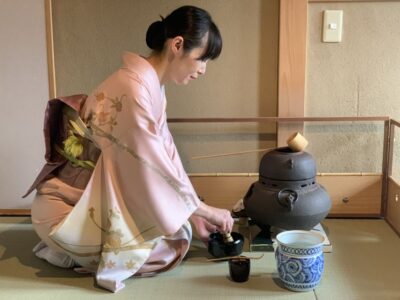
Also filed under