
Reviewed · TEA CEREMONIES
The Art of Mindful Living: Tea Ceremony in Kyoto
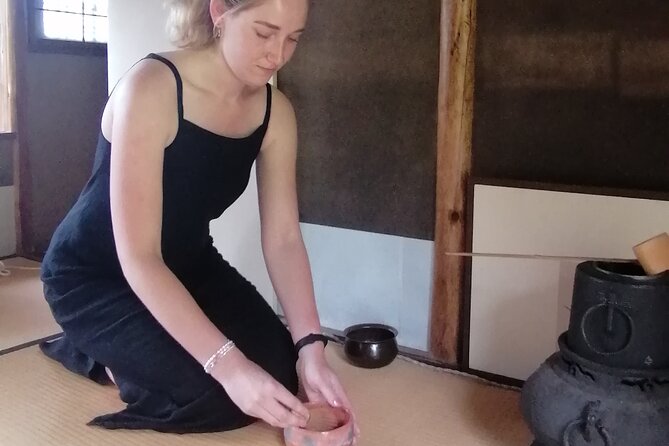
Kyoto slows you down fast. In a quiet old residence in Ukyo Ward, you get an organic Ujimatcha tea ceremony with a garden that makes even waiting feel peaceful.
I love that the host, Naomi, teaches the ritual step-by-step, then lets you make your own matcha, not just watch from the sidelines. One thing to plan for: the location is a bit away from central Kyoto, and kimono photo rules get tricky in the rain.
In This Review
- Key Highlights You Should Know
- Finding The Meeting House: Kaze no Waon in Ukyo Ward
- What Happens in a One-Hour Tea Ceremony
- Matcha Basics: History, Types, and How You Drink It
- The Garden Pause: Photos Before and During the Tea
- Sweets Included, With Vegan and Allergy Options
- Making Matcha Yourself, Chair Included
- Optional Kimono and Hakama: Costs and What Is Provided
- Private Sessions and Photo Props With Umbrella and Imitation Sword
- Price for One Hour of Calm, Plus Extra Options
- Who This Kyoto Tea Ceremony Fits Best
- Should You Book This Tea Ceremony in Kyoto?
- FAQ
- How long is the tea ceremony?
- Where does the experience start, and is it near public transportation?
- What is included, and are there allergy or vegan options?
- Can I rent a kimono or hakama?
- Do children need to drink matcha?
- Can I get a full refund if plans change?
Key Highlights You Should Know
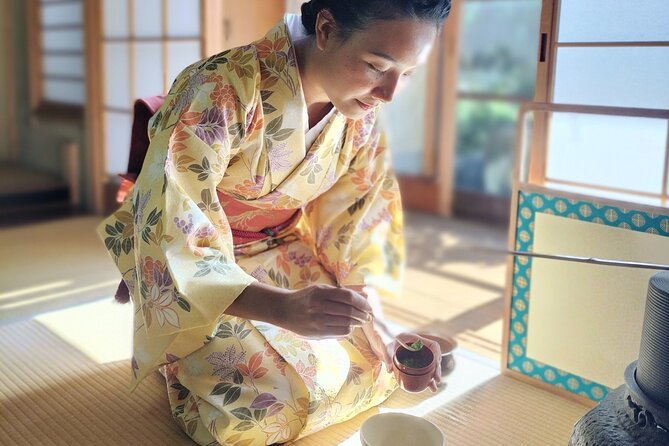
- Organic Ujimatcha made in Kyoto, plus guidance on how to drink it
- Hands-on matcha making as part of the one-hour flow
- Garden time for photos before and during the ceremony
- Sweets included, with traditional options and vegan or allergy accommodations
- Optional kimono, hakama, and kid-friendly choices like cocoa instead of matcha
- Private session perks, including photo props like a traditional umbrella and imitation sword
Finding The Meeting House: Kaze no Waon in Ukyo Ward
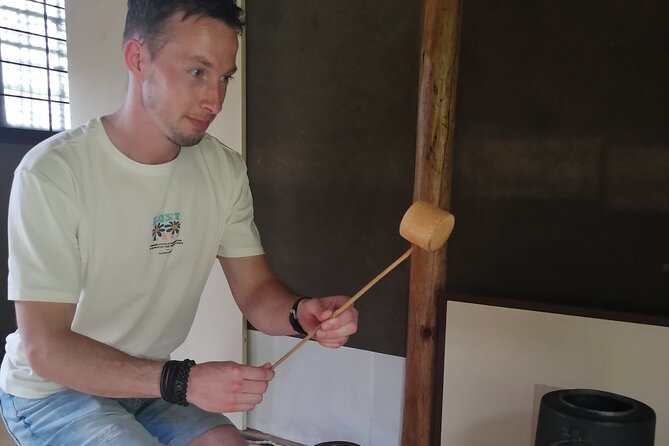
This tea ceremony takes place at Kaze no Waon (14 Utanokitanoinchō, Ukyo Ward). It is not in the middle of Kyoto’s busiest tourist lanes, so you should build extra time for the ride.
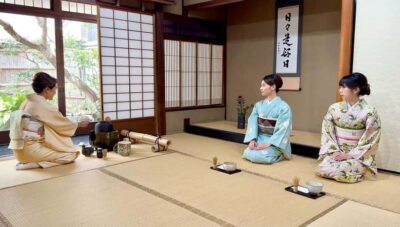
The payoff is that the setting feels removed from the usual city noise. The ceremony room sits inside a Japanese old residence, and you also get access to a beautiful garden area before the tea begins. If you want Kyoto quiet without the “everyone is in a hurry” feeling, this location helps.
Public transportation is nearby, which makes it doable. If you are using a stroller, you can enter the premises with it, but you cannot bring it inside the building. That is a small but real detail for families.
What Happens in a One-Hour Tea Ceremony
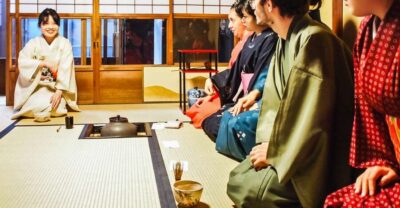
The full experience runs about 1 hour. That time is structured so you get both the calm “watch and learn” part and the active “try it yourself” part.
You’ll follow a simple progression:
First, Naomi explains what you’re doing and why. You’ll hear about the tea ceremony, plus the history and effects of matcha, the different types of matcha and Japanese tea, and how to drink matcha properly.
Then you move into the tasting moment. During the tea ceremony, you enjoy matcha along with a Japanese sweet (one sweet is included). The pace stays slow on purpose, so you can actually pay attention to what you’re tasting and doing.
Finally, you get to make matcha yourself. Chairs are provided, so you can participate without the stress of standing or kneeling for the whole session. It’s a nice structure for couples, friends, and families who want something meaningful, but not exhausting.
More bowls, poured the traditional way
- Kyoto: Tea Ceremony in a Traditional Tea House in Kiyomizu
★ 4.9 · 3,519 reviews - Kyoto: Tea Ceremony Ju-An at Jotokuji Temple
★ 4.9 · 3,207 reviews - Kyoto: 45-Minute Tea Ceremony Lesson Experience
★ 4.3 · 2,378 reviews - Kyoto: Table-Style Tea Ceremony at a Kyo-Machiya
★ 4.9 · 1,211 reviews
Matcha Basics: History, Types, and How You Drink It
This is not just a “here is your bowl of tea” stop. You get an explanation that covers the background and the technique, including the types of matcha and Japanese tea you might hear about in Kyoto. You also get the key idea of how to drink matcha, which matters if you want your first sip to feel intentional, not random.
What I like about this approach is that it helps you connect the dots. Matcha can be unfamiliar at first, especially if you usually stick to coffee or regular green tea. Here, you’re guided into the mindset of the ceremony, so the tea actually lands as part of a ritual instead of just a beverage.
Naomi’s English communication comes up in the feedback, and that matters. A cultural activity is more relaxing when you do not spend the whole time guessing what comes next. You should expect a steady, friendly explanation that keeps the atmosphere calm rather than lecture-heavy.
The Garden Pause: Photos Before and During the Tea
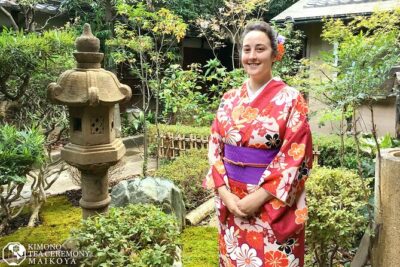
One of the standout pieces is the garden. Before the ceremony, you can enjoy the space and take photos there. The garden time gives you breathing room, and it’s also a practical win, because you can warm up your camera skills before you settle into the tea routine.
During the ceremony itself, you can also take photos. That is helpful because it means you do not have to choose between enjoying the moment and capturing it.
Weather changes the photo rules. If it rains, you’ll take photos while holding an umbrella. If you’re wearing a kimono, you should understand you cannot take photos in the rain while getting wet without the right umbrella setup. It sounds obvious, but it can surprise people once they are dressed up.
If you care about photos, wear shoes you can walk in comfortably, then plan your route from meeting area to garden. Even a short garden walk is easier when you are not carrying everything in panic mode.
Sweets Included, With Vegan and Allergy Options
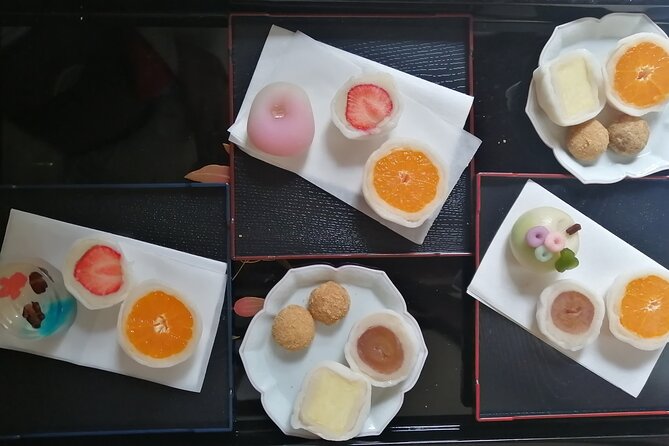
You get Japanese sweets included with your matcha. You can choose one sweet from the available options: traditional bean paste or fresh fruit daifuku. If you want both, there is an extra fee of 500 yen per person.
This is a smart setup for first-timers. You can pick what you think you’ll like most, and still have the option to level up and sample both textures and flavors if you’re curious. In one-hour experiences, fewer choices usually means the group stays on time, so this works.
Food needs are also taken seriously. The experience can accommodate food allergies and offers vegan options. That is important for tea ceremonies, where people sometimes assume everything will be safe by default. If you tell the host ahead of time, you should feel comfortable making selections without guesswork.
From the feedback, the sweets tend to land as soft, satisfying bites, not heavy desserts. Expect a gentle pairing style with matcha rather than a sugar bomb that overwhelms the tea.
Making Matcha Yourself, Chair Included
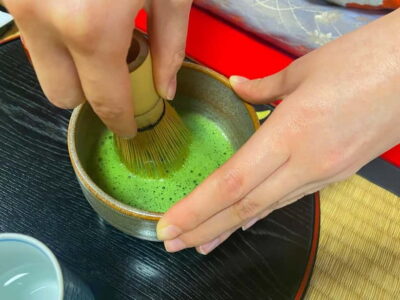
Hands-on matcha making is a core part of this experience. You are not just tasting, you’re doing. That is often what turns a cultural activity from “pretty” into “I remember this.”
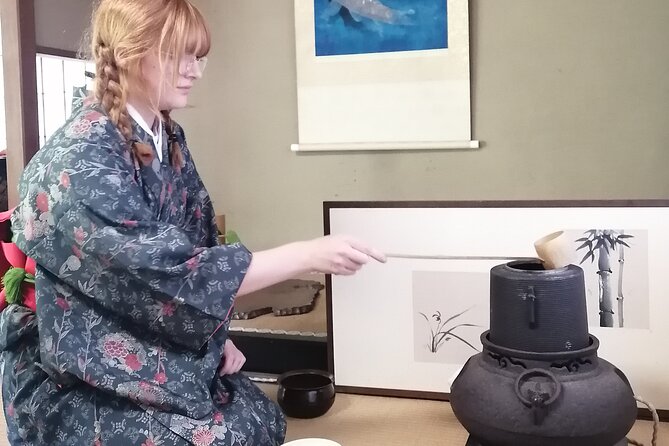
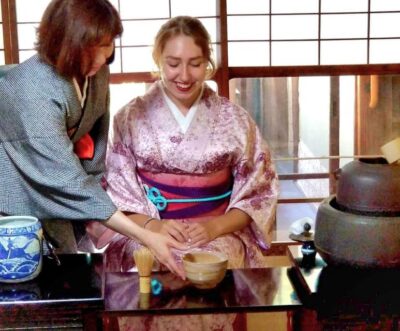
You’ll follow Naomi’s instruction on the steps, and then you’ll try making your own bowl of matcha. Chairs are provided, so you can focus on technique and attention without worrying about posture.
This is also a great moment for families. One of the details that caught my eye is that kids can have cocoa instead of matcha. It keeps everyone included, and it avoids the awkward situation where children feel forced to sip something they do not like.
If you want to get the most out of the making portion, treat it like a mini class. Look closely during the explanation, then try to copy what you’re shown. Your first attempt will likely be imperfect, and that is fine. The point is learning the rhythm and the method.
A day of temples goes further with something to break it up.

Optional Kimono and Hakama: Costs and What Is Provided
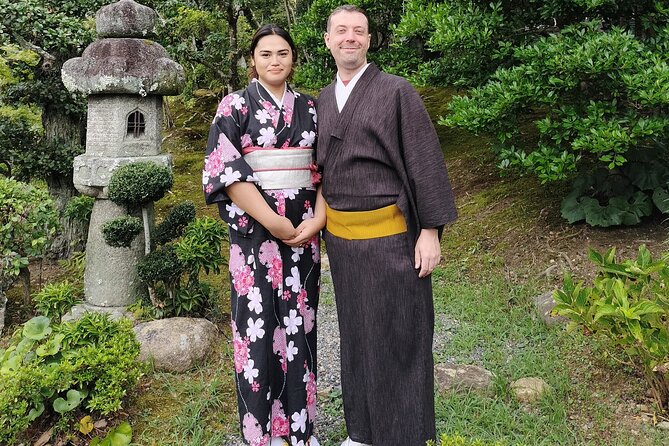
The kimono option is real, and it is not just a photo prop. Rental kimono costs 4000 yen. Hakama rental is 8000 yen, and there are also baby romper-type kimono rentals for 600 yen. An undershirt rental is 200 yen.
If you’re doing a dress-up session, go in with realistic expectations about what is included. Hair set and make-up are not provided. Instead, you’ll get hair accessories to use freely. This keeps the experience focused on the ceremony, not on a full salon makeover.
It also means you can manage your hair in a way that feels comfortable. Bring simple pins or a hair tie if you use them at home, then use the accessories provided to finish the look.
Before you book, think about rain. Photos are available, but kimono is not ideal if you plan to be outside in wet weather without the umbrella plan. If you want the dressed-up look, check the forecast and plan accordingly.
Naomi also takes a playful, photo-friendly tone in the space. One review mentioned pictures of a kimono helper character, which points to how casual and fun the photo moment can feel when you’re prepared.
Private Sessions and Photo Props With Umbrella and Imitation Sword
You can book a private tea ceremony session. Private sessions are available, and you should contact the operator before booking.
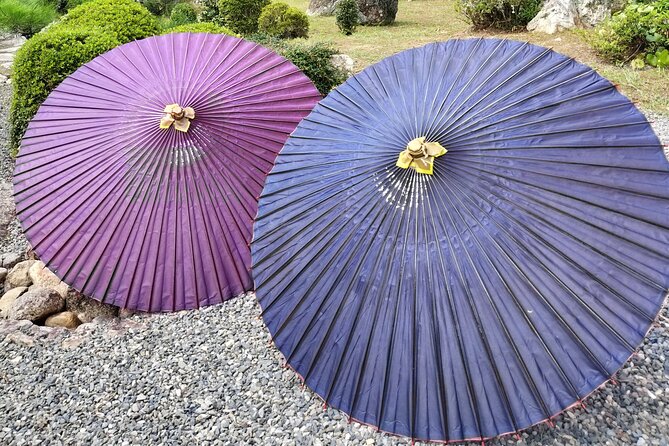
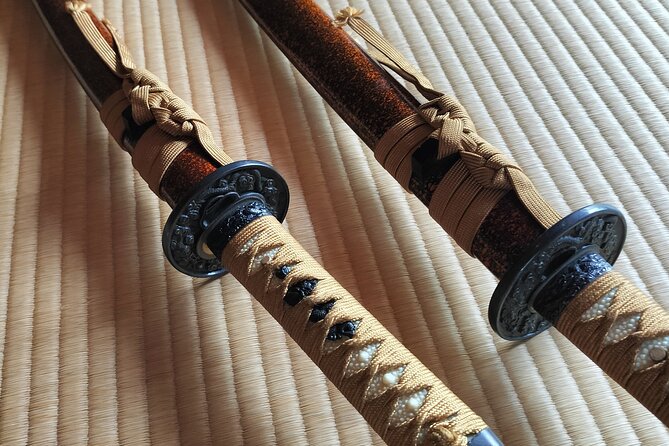
Private does not just mean quieter. There is a special photo option: guests can use a Japanese traditional umbrella and an imitation sword, but only for taking pictures. That gives you something different from standard ceremony photos, without turning it into a costume show.
If you’re celebrating something, private can be a smart choice because the host can match the pacing to your group. For couples, it can feel like a calm date. For families, it can reduce the stress of fitting in with a group schedule.
It also makes sense if you want more time for photos in the garden and during the ceremony. The experience already allows photos, but private lets you slow down in a controlled way.
If you think you’ll spend half your time checking for the next group instruction, private may be worth it. You get more control over attention, timing, and photos.
Price for One Hour of Calm, Plus Extra Options
The price is $44.42 per person for an experience that lasts about one hour. You also get matcha and a Japanese sweet, and the listing includes snacks in what is provided.
For value, consider what you get for that time:
You get instruction on matcha and the ceremony approach, not just tasting.
You get both observation and hands-on making.
You get a garden setting for photos and a historic residence atmosphere.
Alcoholic beverages are not included, so you are paying for the tea and sweets portion, not a meal with drinks. If you’re comparing to other “tea experiences,” this one is positioned as education plus ritual, with the option to add kimono for a dress-up memory.
The extra costs are predictable. Kimono and related clothing rentals have set fees in yen. If you want both sweet options, there’s a 500 yen per person add-on.
Group size is kept small. The maximum for group sessions is 6, though the operator says they can accommodate sessions with more than 6 participants. Small group size matters for a hands-on activity, because you want the host to actually reach your table and guide you.
Location is the practical trade-off. The experience is a bit away from downtown Kyoto, so you should factor transport time. The calm setting is part of the price you pay for that tranquility.
Who This Kyoto Tea Ceremony Fits Best
This tea ceremony is a good fit if you want a calm Kyoto moment that is not another crowded temple stop. The whole point is slow attention, and you’ll feel it in the pacing.
It also works well if you like learning through doing. The best part is that you do not just watch tea preparation, you make matcha yourself. That makes the experience easier to remember later, even if you forget the exact steps.
Families are welcome, with child-friendly accommodations like cocoa instead of matcha and baby kimono rental options. If you have kids who get restless, the ceremony still moves in a structured way, and the group size cap helps keep the atmosphere manageable.
Couples and solo travelers will also appreciate the quiet. The garden gives you a setting to breathe and take photos that do not feel like a tourist photo booth.
If you hate sitting still, you might find one hour too long. But if you can handle a slow hour with tea, sweets, and a hands-on activity, this is a strong match.
Should You Book This Tea Ceremony in Kyoto?
Book it if you want organic Kyoto-made Ujimatcha, clear instruction, and a hands-on matcha session inside a traditional old residence with a real garden. The small-group feel, Naomi’s calm teaching style, and the photo-friendly garden time make it a practical choice for first-time visitors who want something authentic and not rushed.
Skip it or plan carefully if you need everything to be central Kyoto. The meeting point is outside the core tourist loop, and travel time matters. Also, if you’re set on kimono photos, keep rain in mind and plan around umbrellas and wet-weather limits.
If you’re flexible, you’ll get exactly what this experience is built for: a meditative pace for tea, sweets, and a skill you can repeat at home.
FAQ
How long is the tea ceremony?
It runs for about 1 hour.
Where does the experience start, and is it near public transportation?
The meeting point is Kaze no Waon, 14 Utanokitanoinchō, Ukyo Ward, Kyoto (616-8201). It is near public transportation.
What is included, and are there allergy or vegan options?
Snacks are included, and one Japanese sweet is included with your matcha. The experience can accommodate food allergies and offers vegan options.
Can I rent a kimono or hakama?
Yes. Kimono rental is 4000 yen, hakama rental is 8000 yen, and baby romper-type kimono rental is 600 yen. An undershirt rental is 200 yen. Hair set and make-up are not included, but hair accessories are provided.
Do children need to drink matcha?
No. There is cocoa for children instead of matcha.
Can I get a full refund if plans change?
Yes. You can cancel up to 24 hours in advance for a full refund. If it is canceled due to poor weather, you’ll be offered a different date or a full refund.
New This Season
- Koyasan Day Trip by Private Car from Kyoto
- Old Port Town and Ultimate Sake Tasting Private Tour From Kyoto
- Kyoto’s Timeless Charm: 3hr Exploration of History and Peace
- Kyoto: 5 Types of Sushi Making
- Sacred Peak & Ancient Paths: Kurama-Kibune Hiking Experience
- Kyoto: Exclusive ZEN practice at Manpukuji temple in Uji
- Kyoto: Private Seasonal Aroma Yoga Class
- Traversing Kyoto’s Scenic West – Arashiyama to Kinkakuji
Tea Ceremonies, compared.
Tea Ceremony in a Traditional Tea House in Kiyomizu
Read our review →
Kimono Tea Ceremony at Kyoto Maikoya, NISHIKI
Read our review →
Tea Ceremony in 100-year-old Kyo-Machiya Townhouse
Read our review →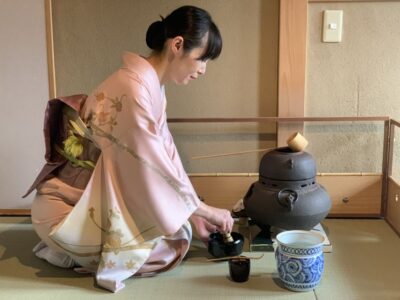
Also filed under