
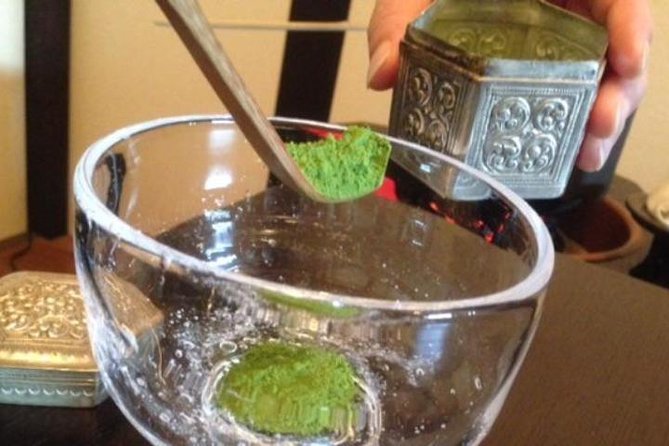
Reviewed · TEA CEREMONIES
Traditional Tea Ceremony in Kyoto
Kyoto has a quiet kind of magic. This ryurei tea ceremony gives you a formal look at chanoyu, with Randy Channell Soei guiding the rhythm, etiquette, and details that usually stay hidden behind closed doors. The whole thing is built around how tea served hospitality, historically even for visiting diplomats, so it feels intentional, not like a quick show.
What I like most is the hands-on part. You learn the structure of a formal ceremony, then you actually make your own bowl of matcha, instead of just watching. I also really enjoy the food side, because you get Kyoto-grown matcha plus traditional Kyoto sweets from famous sweet makers, which makes the experience taste like Kyoto, not just feel like Kyoto.
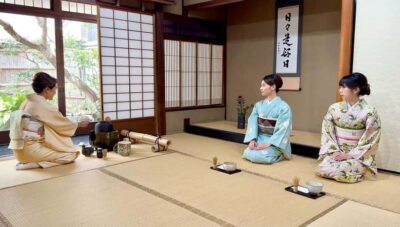
One consideration: the setting is not the full tatami-and-low-table setup. You will not be seated on tatami mats or low tables, and one review noted the space felt small, so if you’re expecting a very traditional staging you might feel a bit underwhelmed.
In This Review
- Key takeaways before you go
- Why ryurei tea feels special in Kyoto
- Meeting Randy Channell Soei at the townhouse setting
- The ceremony flow: formal etiquette you can actually use
- Matcha, sweets, and making your own bowl
- Seating and comfort: not on tatami mats
- Price and value for a 90-minute tea lesson
- Logistics that matter: meeting point, group size, and pace
- Who should book this tea ceremony, and who might pass
- Should you book it?
- FAQ
- How long is the traditional tea ceremony experience?
- What is included in the price?
- Do I need a kimono?
- Will I be seated on tatami mats or low tables?
- Where do I meet for the ceremony?
- Is transportation included?
- How large is the group?
- Do I get a ticket on my phone?
- What is the cancellation policy?
Key takeaways before you go
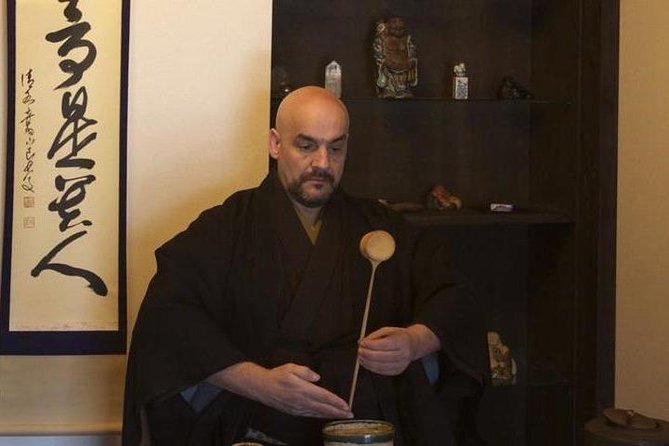
- Ryurei-style focus: You get a formal, hospitality-focused version of chanoyu, rooted in tradition that traces back to the 1870s
- Randy Channell Soei’s tea expertise: Highest-ranked tea ceremony master from outside Japan, leading the session in a very structured way
- Hands-on matcha making: You get your turn preparing matcha, not just sampling it
- Kyoto-grown matcha and Kyoto sweets: You’ll pair tea with traditional sweets from Kyoto’s well-known confection makers
- Comfort note on seating: You are not on tatami mats or low tables, which can be easier on your body
- Small group feel: Max 25 travelers, with a group photo included
Why ryurei tea feels special in Kyoto
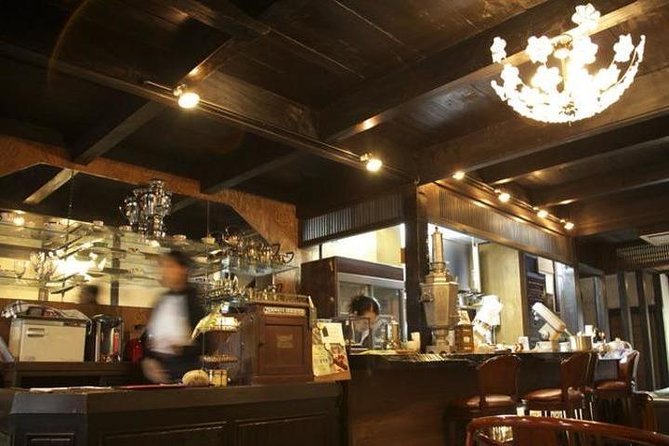
There are tea ceremonies that feel like performance, and then there are tea ceremonies that feel like etiquette you can practice. Ryurei sits firmly in the second camp. It’s a traditional style of Japanese tea ceremony that’s formal by design, so you’re not just learning how to whisk matcha. You’re learning how hospitality looks when every movement has meaning.
In Kyoto, tea culture is everywhere, but formal training is not. The value here is that you’re guided by someone who treats the ceremony like a language: bowing, presenting, tasting, and even how you hold yourself during each moment. The session is also framed around hospitality for visiting foreign dignitaries. That historical angle makes the ceremony feel less mysterious and more purposeful, like you’re being shown how respect can be expressed through tiny actions.
You’ll also notice how the experience is paced. It’s about understanding the details of a formal tea ceremony, then trying it yourself. That combination is what makes ryurei stick after you leave: you come away with a clear sense of what to look for the next time you see tea culture in Kyoto.
Meeting Randy Channell Soei at the townhouse setting
The ceremony takes place at a townhouse setting in Kyoto, at the meeting point near ran Hotei, 64 Kamikawarachō, Nakagyo Ward (604-8374). You’ll meet right at the start location, and the activity ends back there, so you don’t need to build a transport puzzle around it.
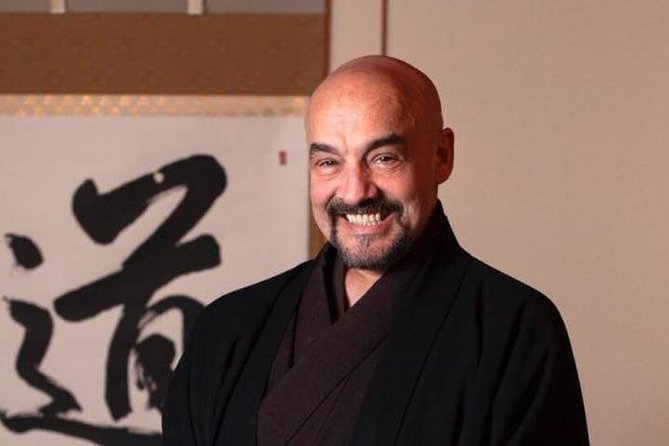
The standout is your teacher: Randy Channell Soei. The session is led by him, and he’s described as the highest-ranked master of tea ceremony from outside Japan. In practical terms, that matters because you’re not just learning a routine. You’re learning the reasoning behind it. A formal ceremony has rules, but those rules exist so the guest feels considered.
If you’ve ever felt awkward in cultural experiences because you didn’t know what to do with your hands, your shoulders, or your eyes, this kind of guided approach is what you want. You’re being walked through how a guest is greeted and how you, as a participant, fit into the flow. That’s why ryurei is such a good choice for first-timers. You get structure, and you’re given clear moments to practice.
More bowls, poured the traditional way
- Kyoto: Tea Ceremony in a Traditional Tea House in Kiyomizu
★ 4.9 · 3,519 reviews - Kyoto: Tea Ceremony Ju-An at Jotokuji Temple
★ 4.9 · 3,207 reviews - Kyoto: 45-Minute Tea Ceremony Lesson Experience
★ 4.3 · 2,378 reviews - Kyoto: Table-Style Tea Ceremony at a Kyo-Machiya
★ 4.9 · 1,211 reviews
The ceremony flow: formal etiquette you can actually use
The core of the experience is discovering the details of a formal tea ceremony. That means you don’t just hear general background, you learn the sequence and etiquette that make it formal.
Expect the session to include:
- An introduction to the ceremony style, ryurei, and what makes it formal
- Guidance on how hospitality is shown through tea
- Explanations of etiquette during the ceremony, so you understand what to do and why
- Time for you to participate, not just observe
A key point here is the balance between explanation and practice. Formal tea etiquette can sound like a list of rules, but when it’s taught inside the ceremony, it starts to feel intuitive. You’ll pick up how attention, timing, and respect work together.
Also, you’re not left floating in the middle of a cultural performance. The ceremony includes a very practical teach-and-try approach. One review highlighted that Randy was very informative and that they learned a lot. That matches the experience you should expect: you’re there to learn how to do it properly, not to rush through it.
And yes, there is a group photo included. It’s a small thing, but it helps you remember the experience, especially when the ceremony itself is quiet and measured and you might not think to capture it.
Matcha, sweets, and making your own bowl
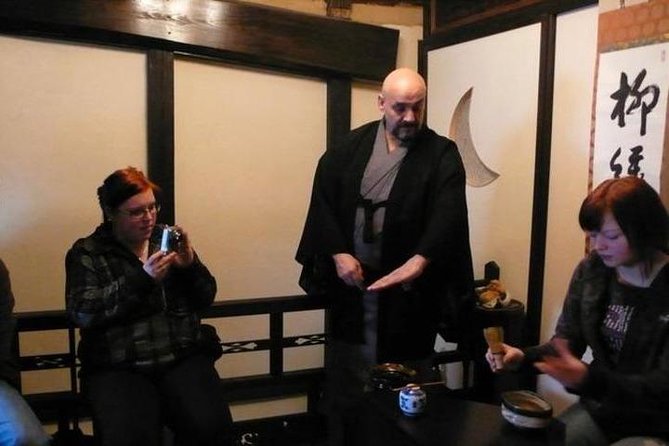
This is not a ceremony where matcha is just an afterthought. You’re served tea and you also get Kyoto-grown matcha as part of the experience.
Then comes the best part for most people: you get to make your own bowl of matcha. That’s the moment when it stops being a lesson and becomes a skill you can take home. Even if you know nothing about matcha now, you’ll leave understanding what goes into a proper bowl and how matcha fits into the full ceremony.
Alongside the tea, you’ll taste traditional sweets from Kyoto’s famous sweet makers. This matters more than it sounds. Tea and sweets are meant to complement each other, and Kyoto sweets are part of the city’s identity. It’s also a big emotional anchor. During a quiet, etiquette-heavy activity, having something sweet to sample keeps you grounded and helps you pay attention to flavors, not just rules.
In reviews, people praised the tea as delicious and called the experience educational. That tracks with the structure: you learn the formal steps and you experience the results through taste. When you make your own bowl, you don’t just learn etiquette. You feel what the tea is supposed to taste like when the process is done correctly.
Seating and comfort: not on tatami mats
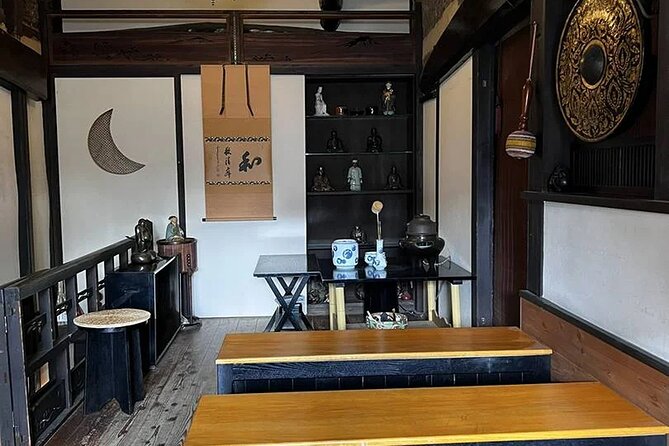
One of the most useful details you get up front is seating. You are not seated on tatami mats or low tables. That detail may sound minor, but it can completely change how comfortable you feel during a ceremony.
Tea etiquette often involves specific posture. If you’ve tried kneeling on tatami before, you know how quickly comfort can become a problem. The setup here avoids that, which makes the ceremony more accessible for many people. And because the experience is about learning, not suffering, this is a smart choice.
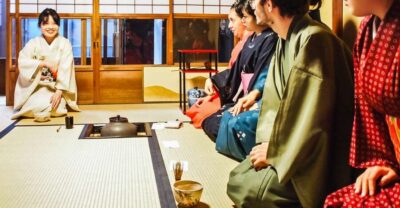
That said, one review mentioned the place felt small and expected something more authentic, including the kind of traditional sitting setup you might associate with classic tatami scenes. So if you were picturing a full-on, visual movie set of tatami and low tables, your expectations may need adjusting.
The good news is that you’re still learning the formal tea ceremony style. You’re just learning it in a way that prioritizes practicality and comfort. For many travelers, that’s the right trade.
Price and value for a 90-minute tea lesson
At $56.34 per person for about 1 hour 30 minutes, this sits in the category of experiences that feel like a “pay for expertise” purchase. You’re not just paying for tea. You’re paying for:
- A tea ceremony with a tea master
- Access to Randy Channell Soei’s formal ryurei teaching
- Kyoto-grown matcha
- Traditional Kyoto sweets
- Time to make your own matcha bowl
- A group photo
If you compare it to doing a tea tasting without instruction, the difference is clear. Instruction turns the meal into learning, and learning turns the tasting into something you can repeat. The hands-on bowl making is also a strong value driver because it gives you a personal output, not just a memory.
You’ll also see the experience described as having group discounts and mobile ticket use. That’s helpful if you’re traveling with others or you want less friction on the day. It’s not a cheap activity, but for many people it’s worth it because it’s both educational and edible.
One more practical point: it’s typically booked around 61 days in advance on average. That suggests it’s popular enough that you shouldn’t wait until the last week of your Kyoto trip.
A day of temples goes further with something to break it up.


Logistics that matter: meeting point, group size, and pace
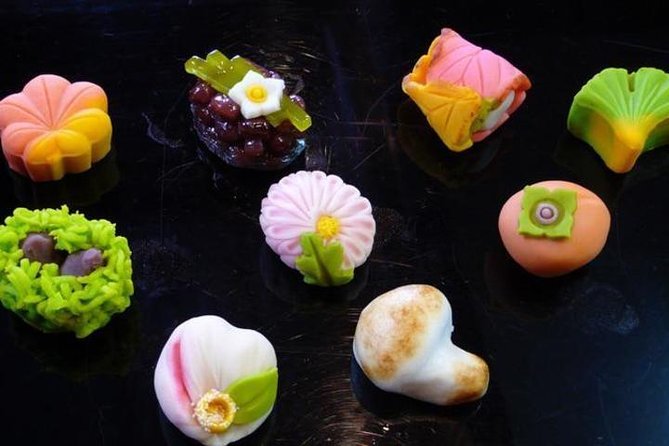
This is a small-group experience, with a maximum of 25 travelers. That size usually allows for real attention and guidance during participation. The pace is also built for clarity: you have time to learn the formal details, sample matcha and sweets, and make your bowl.
The meeting point is near public transportation, which keeps your day from turning into a scavenger hunt. Just plan to arrive a bit early so you can settle before the ceremony starts.
Transportation and kimono are not included. That’s normal for many cultural lessons in Kyoto, but it does change how you prepare. Wear comfortable shoes and clothing that lets you move smoothly, since you’ll be participating and handling items during the ceremony.
Also remember: confirmation is received within 48 hours of booking, based on availability. So if your plans are shifting, you may need to book sooner rather than later.
Who should book this tea ceremony, and who might pass
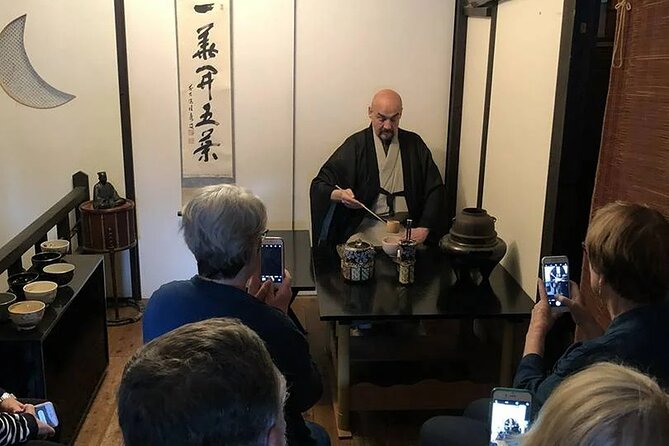
You should book this if you:
- Want a formal tea ceremony, not a quick demo
- Like experiences where you learn etiquette you can understand and repeat
- Enjoy matcha and Kyoto sweets, and want to taste them as part of a cultural process
- Prefer a guided session led by a major tea master, Randy Channell Soei
You might consider passing or tempering expectations if you:
- Want the full tatami, low-table visual setup as your top priority
- Are looking for a large venue experience with lots of space, since at least one person felt the room was small
- Prefer high-energy sightseeing rather than a calm, etiquette-focused session
For most first-timers, this is a strong match because the structure is clear and the participation is real. You’ll leave feeling like you learned something concrete.
Should you book it?
Book this traditional tea ceremony in Kyoto if you want a serious, formal lesson in ryurei with real participation. The biggest reasons to go are simple: the teaching is highly informative, you make your own bowl of matcha, and the tea plus Kyoto sweets give you an experience that’s educational and delicious at the same time.
If your dream is a perfectly classic tatami scene with low-table seating as the main visual, you might feel the room and setup are not what you imagined. But if comfort and learning matter to you, the seating note plus the structured guidance make it a smart way to experience Kyoto tea culture without guesswork.
My take: this is one of those Kyoto activities that can genuinely change how you notice tea afterward. It’s not just pretty and quiet. It’s instructional, respectful, and hands-on.
FAQ
How long is the traditional tea ceremony experience?
It lasts about 1 hour 30 minutes.
What is included in the price?
The experience includes a tea ceremony with a tea master, Randy Sensei’s original Kyoto-grown matcha, traditional sweets from Kyoto sweet makers, making your own bowl of matcha, and a group photo.
Do I need a kimono?
No. Kimono is not included.
Will I be seated on tatami mats or low tables?
No. You are not seated on tatami mats or low tables.
Where do I meet for the ceremony?
You meet at ran Hotei, 64 Kamikawarachō, Nakagyo Ward, Kyoto, 604-8374, Japan, and the activity ends back at the meeting point.
Is transportation included?
No. Transportation is not included.
How large is the group?
The maximum group size is 25 travelers.
Do I get a ticket on my phone?
Yes. It includes a mobile ticket.
What is the cancellation policy?
You can cancel for free up to 24 hours in advance for a full refund. If you cancel less than 24 hours before the start time, the amount paid is not refunded.
New This Season
- Koyasan Day Trip by Private Car from Kyoto
- Old Port Town and Ultimate Sake Tasting Private Tour From Kyoto
- Kyoto’s Timeless Charm: 3hr Exploration of History and Peace
- Kyoto: 5 Types of Sushi Making
- Sacred Peak & Ancient Paths: Kurama-Kibune Hiking Experience
- Kyoto: Exclusive ZEN practice at Manpukuji temple in Uji
- Kyoto: Private Seasonal Aroma Yoga Class
- Traversing Kyoto’s Scenic West – Arashiyama to Kinkakuji
Tea Ceremonies, compared.
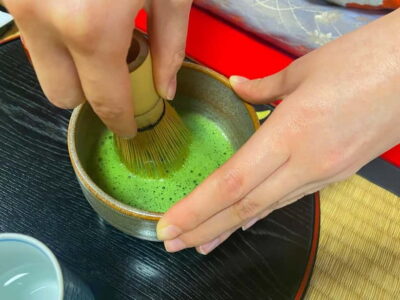
Tea Ceremony in a Traditional Tea House in Kiyomizu
Read our review →
Kimono Tea Ceremony at Kyoto Maikoya, NISHIKI
Read our review →
Tea Ceremony in 100-year-old Kyo-Machiya Townhouse
Read our review →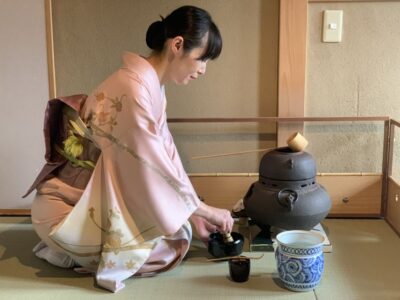
Also filed under