
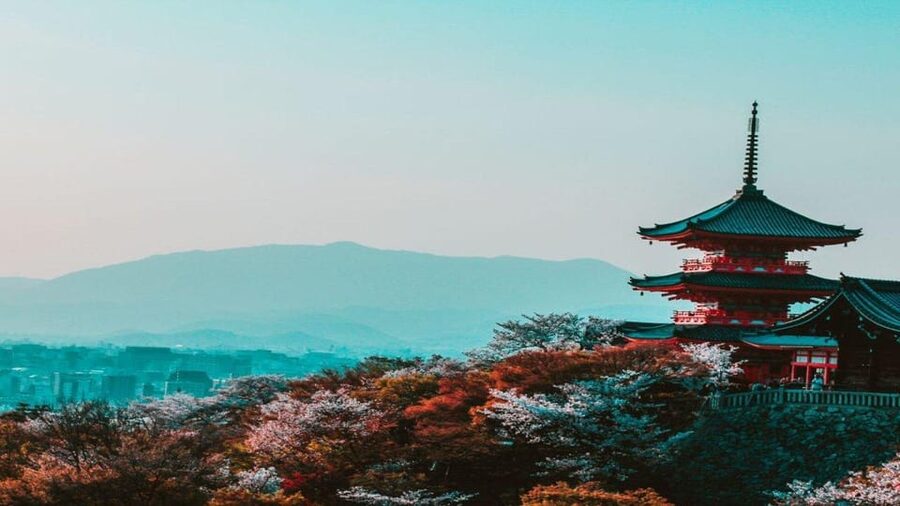
Reviewed · GION GEISHA QUARTER WALKS
Treasures of Kyoto: Gion & historical Walking Tour
Gion at night turns Kyoto into a story. This 3-hour walking tour is a tight, friendly way to see the core sights you came for, like Hanamikoji Street and Yasaka Shrine, while also picking up practical advice you can use for the rest of your trip. I especially like how the guide offers lots of clear guidance beyond the walk, and how the format stays private or small group. One possible drawback: with a 3-hour window, you move at a comfortable pace but you will not slow down for long stops or long museum-style browsing.
What makes it feel worth it is the way the tour blends the obvious with the useful. You get photo stops, short visits, and guided explanations about the area’s customs and architecture, and the night atmosphere does the heavy lifting for you. If you’re hoping to spot a geiko or maiko, keep expectations realistic, since sightings are possible but not guaranteed.
The tour runs in the evening light through key Gion lanes and nearby districts, and it’s built for walking. That’s great for seeing street-level Kyoto, but plan for an active 3 hours, and note that food and drinks are not included, so bring water and make your meal plans after.
In This Review
- Key highlights you will actually feel
- Gion at night: what a 3-hour walk gets you
- The route, stop by stop, and what each place is good for
- Starting at 213 Nakanochō
- Pontocho Park
- Nene-no-michi
- Statue of Izumo-no-Okuni
- Chion-in
- Maruyama Park
- Hanamikoji Street
- Yasaka Shrine (Gion Shrine)
- Shijo-dori
- Kyoto Minami-za
- Why the guide’s advice is the real value
- Geiko and maiko sightings: how to plan smart
- Price and logistics: is $44 a fair deal for Kyoto?
- Who should book this tour
- Should you book the Treasures of Kyoto: Gion & historical Walking Tour?
- FAQ
- How long is the Treasures of Kyoto: Gion & historical Walking Tour?
- Where does the tour start?
- Is this tour private or small group?
- What language options are available for the live guide?
- Does the tour include food or drinks?
- Is local transportation around the city included?
- Which areas and sights are included on the route?
- Can you see geiko or maiko during the tour?
- What is the cancellation policy?
Key highlights you will actually feel
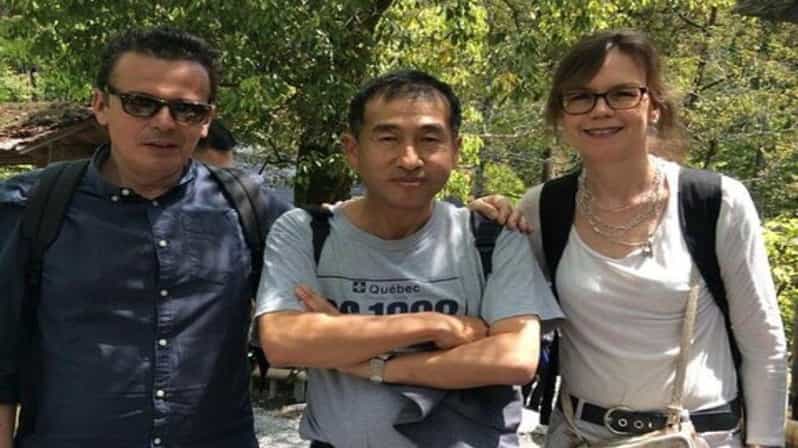
- Small group or private pacing so you are not lost in a crowd
- Gion after dark route built around night sights and photo stops
- Yasaka Shrine, also called Gion Shrine for a classic Kyoto moment
- Hanamikoji Street for the best-known preserved-street vibe
- Off-the-main-lane stops like Nene-no-michi that help you understand the neighborhood
- Guide recommendations that help you plan more than just this one walk
Gion at night: what a 3-hour walk gets you
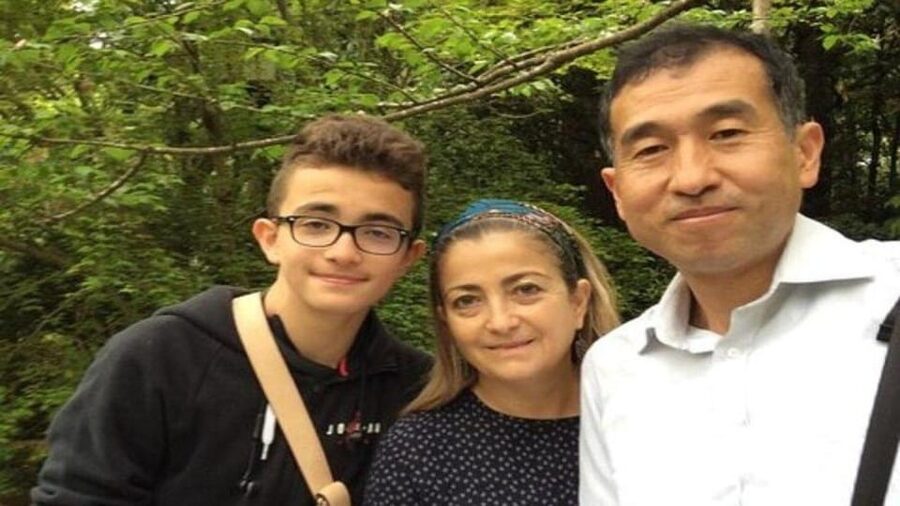
Kyoto’s Gion district is famous for its nighttime look, and this tour is designed for that exact payoff. In just three hours, you get the illuminated-street feel, the atmosphere of traditional restaurants and teahouses, and the sense that you’re in a living neighborhood rather than a theme park.
This is also a smart length for real-life schedules. If you only have a partial evening in Kyoto, you can still cover the most-asked-for highlights without spending the whole night in transit or waiting in lines. And because it is a guided walk, you are not left guessing where to go next once you see the big-name places.
The route, stop by stop, and what each place is good for
The tour is structured as a sequence of short, high-impact stops. Most segments are about 20 minutes, with photo opportunities and guided time at each spot, so you get rhythm instead of wandering.
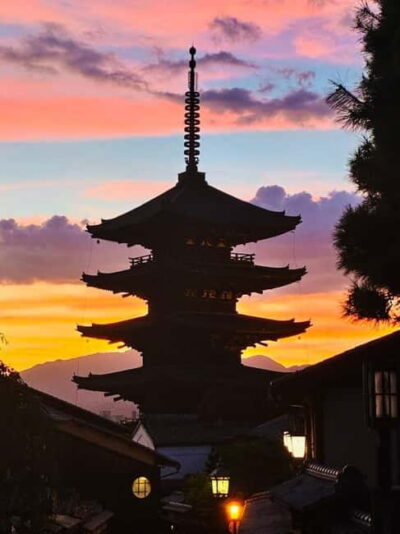
Lantern-lit streets of the geisha quarter
- Kyoto Geisha Walking Tour: Gion District & Hidden Gems
★ 4.7 · 3,273 reviews - Kyoto: Gion Magical Night Walking Tour with Geisha Trivia
★ 4.9 · 2,393 reviews - Kyoto: Gion Geisha District Walking Tour – Stories of Geisha
★ 4.7 · 2,187 reviews - Best of Kyoto: Gion, Geisha, Pagodas & Cobblestones
★ 4.9 · 2,058 reviews
Starting at 213 Nakanochō
You begin at 213 Nakanochō in Higashiyama Ward. I like that the meeting area is already in the historic part of town, so you can start your evening immediately in the right setting. If you arrive early, take a minute to look around the streets first. Kyoto can feel like a maze after dark, and being oriented early makes the walk smoother.
Pontocho Park
Your first major stop is Pontocho Park, with a photo stop and a short guided visit. This is a good way to ease into Gion before you get deeper into the narrow lanes. You also get that night-street lighting effect right away, which sets the tone for everything that follows.
Possible drawback here: if you are hoping for a long stop for photos only, the time is limited. This place works best as a quick “get your bearings and start snapping” moment.
Nene-no-michi
Next is Nene-no-michi. You get another photo stop and guided walk time, and this is the kind of narrow path that helps you understand the neighborhood layout. It’s one of those segments that makes the difference between seeing Kyoto and seeing how Kyoto connects.
If you prefer wide viewpoints or big plazas, you may find this section more about atmosphere and street-level detail than open views.
Statue of Izumo-no-Okuni
Then you pass the Statue of Izumo-no-Okuni. This is a quick landmark stop, again with photo time and guide context. I like stops like this because they give you a reference point. Even after you leave, you remember the streets because you can picture that one distinct spot.
More of Kyoto's centuries, explained
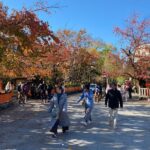
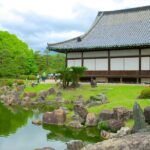
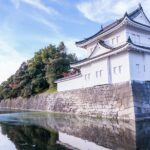
Chion-in
Chion-in comes next for a guided visit. For many first-time Kyoto visitors, temple stops are where the cultural weight shows up fast, and this one helps balance the street-scene focus of Gion. The guide’s explanations about architecture and customs are likely to be the main value here, since you get less time for slow exploration than you would on a longer temple-focused tour.
A practical tip: temples can be busy and photos can be tricky. Keep your phone ready, but also watch what your guide is pointing out so you don’t miss the best angles.
Maruyama Park
After Chion-in, you reach Maruyama Park. It’s another photo stop with guided sightseeing time. Parks like this often feel like a breather in an evening route, and they can help you transition between temple space and the more “street life” parts of Gion.
Hanamikoji Street
This is one of the headline moments: Hanamikoji Street, with photo stop and guided tour time. If you want the classic Gion street view, this is it. I like how this segment gives you the postcard Kyoto look without forcing you into hours of wandering.
Time note: the tour format keeps you moving, so you will get the vibe without turning it into a sit-down photo session. If you want extra time here, your guide is often a great person to ask for where to go next with that same street feel.
Yasaka Shrine (Gion Shrine)
Then you visit Yasaka Shrine, also known as Gion Shrine. This is a big cultural stop on the evening route. Even if you do not know the details ahead of time, a good guide helps you see what you’re looking at and why it matters in the neighborhood’s daily life.
The main consideration is crowd flow. Evening can bring more foot traffic around major shrines, so the guided approach helps you navigate without stressing.
Shijo-dori
Shijo-dori is the next photo stop and guided walk segment. This is useful because it connects the Gion world to a larger Kyoto street grid. It helps you understand where Gion sits in the bigger picture, which makes it easier to plan your remaining time after the tour.
Kyoto Minami-za
The final stop is Kyoto Minami-za, again with photo time and guided sightseeing. I like that the tour ends with a different type of cultural landmark. It nudges your understanding of the area beyond just streets and shrines, and it can give you ideas for evening options after the walk.
Why the guide’s advice is the real value

The most consistent praise tied to this tour is the way guides share extra tips. I love that you are not just collecting photos and ticking boxes. You’re getting practical suggestions that can save you hours later, like what to see next, how to structure your remaining day(s), and what might be worth adjusting based on time and interests.
English-language comfort is part of that too. You can choose among multiple languages, including English, French, Spanish, and Italian, so the guided explanations should land clearly. And the tone matters. In previous tour guidance from the team, names like Raphaël, Jérôme, and Déborah have been called out for clear, captivating explanations, and for keeping the mood friendly even when kids are with the group.
If you like tours where the guide feels like a local coach rather than a reciter, this is the style to pick. The walking format also means you get those tips while everything still feels fresh, not after you’ve already gone back to your hotel.
Geiko and maiko sightings: how to plan smart

The tour includes the chance to see geiko or maiko, depending on availability. I recommend treating this as a bonus, not a requirement. Kyoto’s entertainment world is active, but sightings are never something you can lock in like a train schedule.
What you can do is let your guide frame what to look for and how to behave respectfully if you notice someone. Even without a sighting, the walk still works because you’re seeing the district’s structure and learning what the customs mean for how the streets function.
One more practical point: if you spot someone and you want photos, keep it discreet. Your goal here is to understand the atmosphere, not turn the moment into a free-for-all.
Price and logistics: is $44 a fair deal for Kyoto?
At $44 per person for about three hours, this tour lands in the “good value if you want guidance” category. It’s not a bargain, and it’s not an all-day private driver experience. But you are paying for three things that matter in Kyoto: a local guide, a focused route that covers major and minor stops, and the built-in structure so you spend your limited time efficiently.
A key detail for value: the experience includes a mix of walking and public transport, depending on the option you select. Since it is primarily a walking tour, you avoid the cost and time drain of a long car ride through a city that is best explored on foot.
Also, food and drinks are not included. That’s normal for a short night tour, but it’s still your job to plan. If you want a complete evening plan, consider doing the walk first, then choosing dinner nearby so you do not have to rush.
Who should book this tour
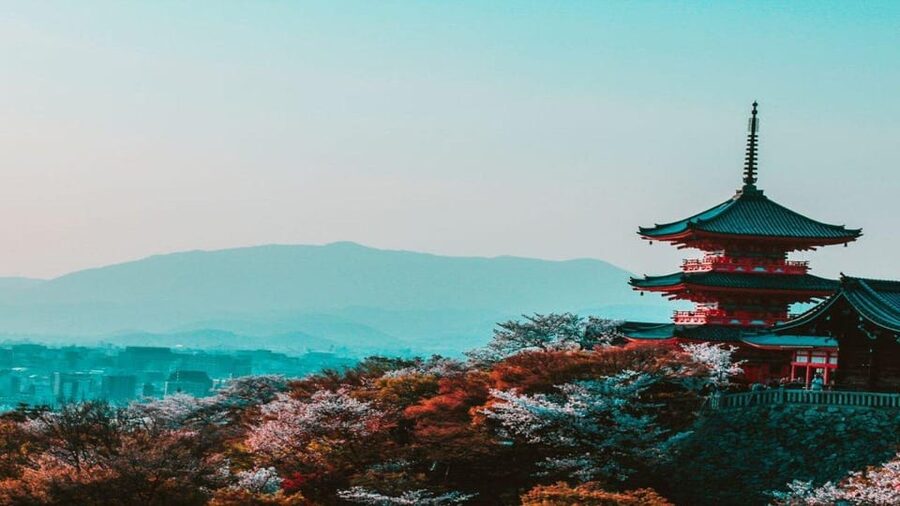
This tour is a great match if you:
- Have limited time in Kyoto and want Gion’s key sights without over-planning
- Like learning from a guide while you walk, rather than reading or self-guiding only
- Prefer a private or small group format
- Want practical recommendations for what to do next beyond this one tour
You might want a different plan if you:
- Want a slow, deep temple-and-gardens day (this is more street-focused and time-boxed)
- Really dislike evening walking, since it is designed around night atmosphere
- Expect food or drinks to be part of the ticket price
Should you book the Treasures of Kyoto: Gion & historical Walking Tour?
Yes, I think you should book it if your goal is Gion at night plus real local guidance in a short window. The combination of big-name stops like Hanamikoji Street and Yasaka Shrine, paired with smaller lane experiences, makes the route feel complete without being overwhelming. And the strongest signal from the tour’s past guests is that the guide does not just show you the sights, they help you plan the rest of your Kyoto time.
If you want to get your bearings fast, learn the neighborhood logic, and still have energy left for dinner and another Kyoto stop afterward, this is a solid choice.
FAQ
How long is the Treasures of Kyoto: Gion & historical Walking Tour?
It lasts 3 hours.
Where does the tour start?
The meeting point is 213 Nakanochō, Higashiyama Ward, Kyoto, 605-0075, Japan.
Is this tour private or small group?
Yes, it is offered as a private group or as a small group walking tour.
What language options are available for the live guide?
The live guide is available in English, French, Spanish, and Italian.
Does the tour include food or drinks?
No. Drink or food is not included.
Is local transportation around the city included?
It is mainly a walking tour. Walking tour and public transport are included, except if you select one of the options. Local transportation beyond that is not included.
Which areas and sights are included on the route?
You will visit several key stops in the Gion area, including Pontocho Park, Nene-no-michi, Chion-in, Maruyama Park, Hanamikoji Street, Yasaka Shrine, Shijo-dori, and Kyoto Minami-za.
Can you see geiko or maiko during the tour?
You may have a chance to see a geiko or maiko, but it is subject to availability.
What is the cancellation policy?
Free cancellation is available up to 24 hours in advance for a full refund.
More Walking Tours in Kyoto
New This Season
- Koyasan Day Trip by Private Car from Kyoto
- Old Port Town and Ultimate Sake Tasting Private Tour From Kyoto
- Kyoto’s Timeless Charm: 3hr Exploration of History and Peace
- Kyoto: 5 Types of Sushi Making
- Sacred Peak & Ancient Paths: Kurama-Kibune Hiking Experience
- Kyoto: Exclusive ZEN practice at Manpukuji temple in Uji
- Kyoto: Private Seasonal Aroma Yoga Class
- Traversing Kyoto’s Scenic West – Arashiyama to Kinkakuji
Gion Geisha Quarter Walks, compared.
Kyoto Geisha Walking Tour: Gion District & Hidden Gems
Read our review →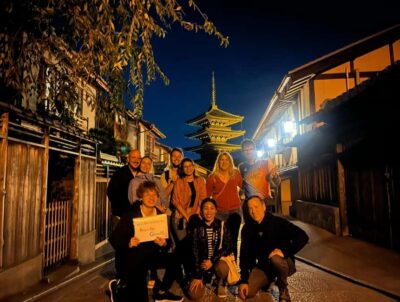
Gion Magical Night Walking Tour with Geisha Trivia
Read our review →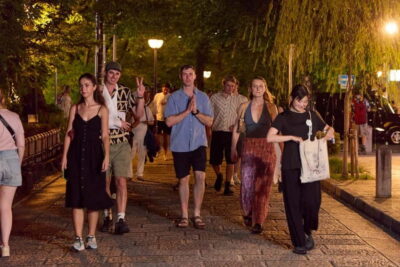
Gion Geisha District Walking Tour – Stories of Geisha
Read our review →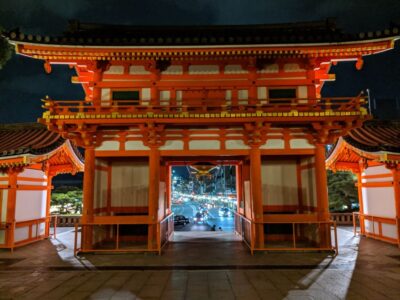
Best of Kyoto: Gion, Geisha, Pagodas & Cobblestones
Read our review →
Kyoto Night Foodie Tour in Gion (9+ dishes + 6 Sake tastings)
Read our review →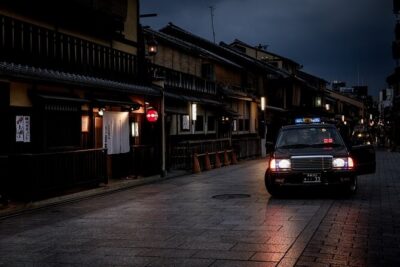
Kyoto Gion Geisha District Walking Tour – The Stories of Geisha
Read our review →
Kyoto Gion: 2-Hour Geisha Culture & History Walking Tour
Read our review →Also filed under