
Reviewed · NARA & DEER PARK DAY TRIPS
1-Day Kyoto Uji & Nara Tour with Tea Ceremony
Tea, temples, and deer in one long day. This tour strings together Uji tea culture and major UNESCO temple stops in a carefully timed 11 hours, starting with a stroll over Uji Bridge before you sit down for a real tea ceremony in Uji’s tea town atmosphere.
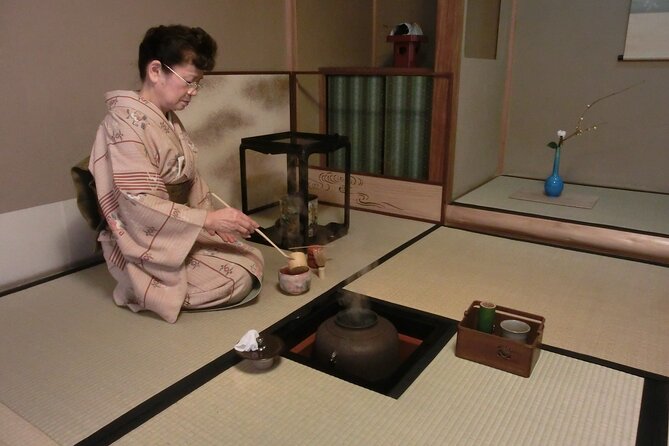
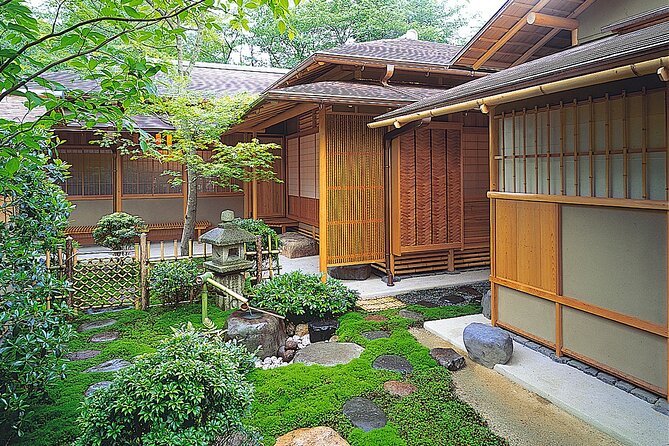
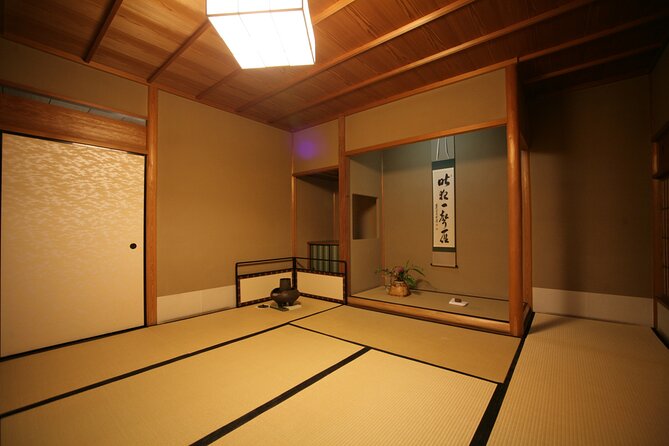
I especially love the tea ceremony setup at Taihoan. You spend time in a tatami-room experience, and the guide keeps it smooth, from what you’ll be served (matcha on one day, sencha on another) to the simple rules like no video in the tea room. Second, I like the way the day moves through world-famous sights without turning into a rushed photo sprint, especially at Todai-ji and Kasuga Taisha, where you get real time to look, not just pose.
One thing to plan for: this is a long day with a walking morning and public trains that have non-reserved seating, so you should be okay with crowded transport and stepping around a bit.
In This Review
- Key highlights you’ll feel right away
- The Uji start: bridge views and tea culture, not just a stop
- Byodo-in Temple: the Phoenix Hall plan (and what happens if you can’t enter)
- Lunch time in Kyoto: budget it, because it is not included
- Todai-ji: the Great Buddha stop that you’ll actually remember
- Kasuga Taisha Shrine: lantern corridors and deer as messengers
- Nara Park deer time: fun, close, and very real
- Price and value: what $121.14 actually covers
- Getting around: public trains, no reserved seats, and a walking morning
- Small group energy: up to 40, with real guide support
- If rain, crowds, or access issues happen, here’s what to expect
- Who this tour fits best
- Should you book this Uji and Nara tea tour?
- FAQ
- How long is the tour, and when does it start?
- Where do we meet for the tour?
- Is lunch included in the price?
- What’s included in the $121.14 price?
- Are train seats reserved?
- What should I wear for the tea ceremony?
- Can I record videos during the tea ceremony?
- Can we always enter the Phoenix Hall at Byodo-in?
- What happens if the Kasuga Taisha special visit area cannot be entered?
- Where does the tour end, and is there hotel drop-off?
Key highlights you’ll feel right away
- Taihoan tea ceremony in a tatami room, with socks required, and matcha or sencha depending on the day
- Ujibashi Bridge viewpoints, including the san-no-ma side-protrusion for great looks
- Byodo-in’s Phoenix Hall visit plan, with a possible 300 yen refund at the site if access is blocked
- Todai-ji and the Great Buddha, plus time in the massive main hall area
- Kasuga Taisha lantern corridor and deer connection, where deer are treated as shrine messengers
- Nara Park deer time, with a walk that gets you close to the real action
The Uji start: bridge views and tea culture, not just a stop
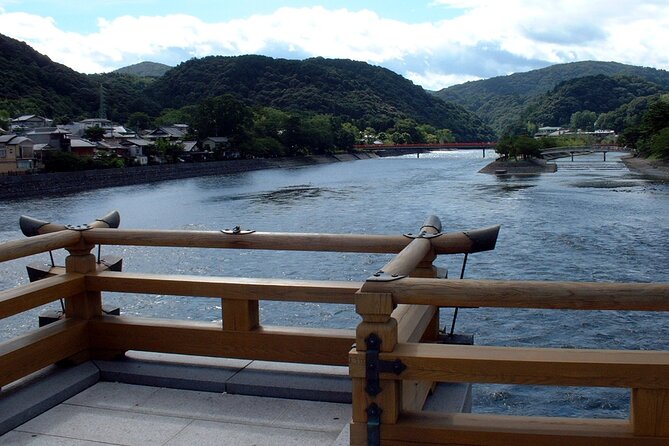
The day begins in Kyoto with an early meetup at the JTB Sunrise Tours desk inside Kyoto Avanti (at the Avanti building, B1F level). From there, the tour kicks off with Uji Bridge, a spot that’s easy to underestimate because it’s only a short walk. Still, it’s worth your attention. Uji Bridge is thought to date back to the 7th century and is one of Japan’s older bridges, and the guide points out the san-no-ma side protrusion where you can catch a better view along the river.
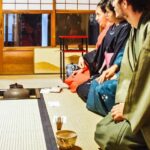
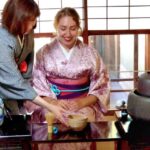
Then you head to Taihoan for the tea ceremony portion. This is one of the best reasons to book the tour instead of trying to DIY it. A guided tea experience gives you the structure to understand what you’re doing, even if you’re not fluent in Japanese. The tea itself can be matcha green tea or sencha tea depending on the day, and you can’t choose. The experience also happens with other guests at the same time, so it’s not a private moment, but it does feel authentic and grounded.
Practical note that matters: the tea room is a tatami space, and you’re asked to wear socks. If you arrive in shoes without socks, you might be scrambling, so bring socks that you’re comfortable wearing for a short sitting time. Also, recording videos in the tea room isn’t allowed, so take your notes in your head and enjoy the moment rather than trying to capture it all.
Byodo-in Temple: the Phoenix Hall plan (and what happens if you can’t enter)
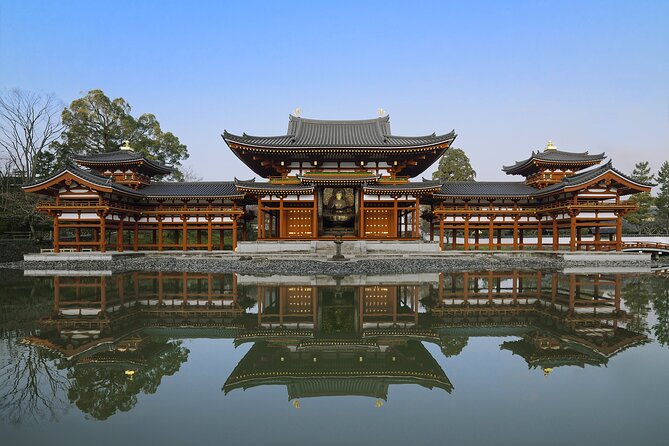
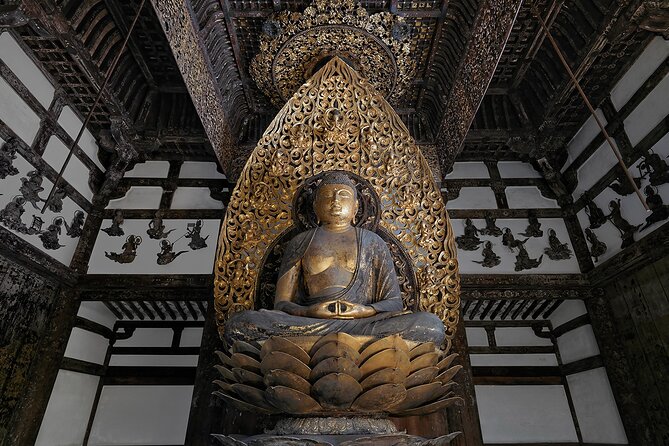
After Uji, the tour goes to Byodo-in Temple. This is one of those stops where the name alone can sound famous, but the experience becomes real once you’re there. The temple dates to the end of the Heian Era and includes a Buddha statue and other images, surrounded by a garden setting. It’s also part of the wider UNESCO recognition for the historic monuments of ancient Kyoto area.
The star is the Phoenix Hall, which is known for its distinctive restored architecture. In normal conditions, you’ll get the chance to see it as part of the visit. But this tour includes a very honest contingency: if the Phoenix Hall can’t be entered due to congestion, you’ll receive a refund of JPY 300 at the location. That’s the kind of detail that saves you stress. Instead of worrying all day, you can simply plan to be flexible. Crowds can happen, and this system acknowledges that reality.
If you care about photos, focus less on trying to get every perfect shot and more on taking in scale and setting. The garden surroundings and hall atmosphere are part of why people come here.
Deer that bow back, a short ride away
- Osaka/Kyoto:Kinkakuji,Arashiyama,FushimiInariShrine,NaraPark
★ 4.1 · 1,596 reviews - Kyoto/Osaka: Nara, Fushimi Inari Taisha, Arashiyama Bus Tour
★ 4.7 · 1,275 reviews - Osaka/Kyoto: Arashiyama, Nara & Fushimi Inari Shrine w/Lunch
★ 4.4 · 754 reviews - Kyoto and Nara Day Trip from Kyoto
★ 4.5 · 445 reviews
Lunch time in Kyoto: budget it, because it is not included
Midday you get about an hour for lunch in Kyoto, and you’re on your own for what you eat. Lunch isn’t included in the booking price, so keep that in mind when you do the math.
I like this approach for one simple reason: it gives you control. If you want something quick near Kyoto Station areas, or you prefer a specific style of meal, you can choose it. Just know the clock is part of the deal. You’ll need to eat, regroup, and be back ready to continue.
Todai-ji: the Great Buddha stop that you’ll actually remember
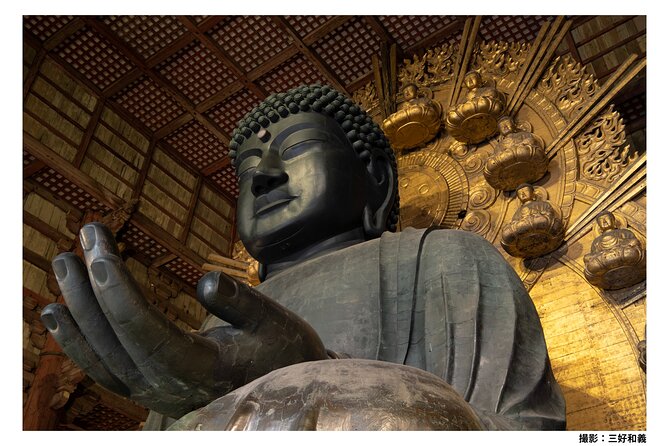
Once the afternoon hits Nara, the big hitter is Todai-ji Temple. This isn’t just a “see the statue” moment. Todai-ji is a World Heritage site and a symbol of the Nara Period, and the main hall is one of the world’s largest wooden structures. You can feel why people describe it as overwhelming once you’re inside that space.
The main highlight is the bronze Great Buddha. The scale comes through fast, and it tends to reset your sense of what “a statue” even means. Instead of being a single object at a distance, it’s more like a presence in the room.
The tour gives you around 1 hour 10 minutes here, which is a comfortable window for a first-timer. You’ll have time to look around the main hall area without feeling like you’re being pushed out immediately.
Kasuga Taisha Shrine: lantern corridors and deer as messengers
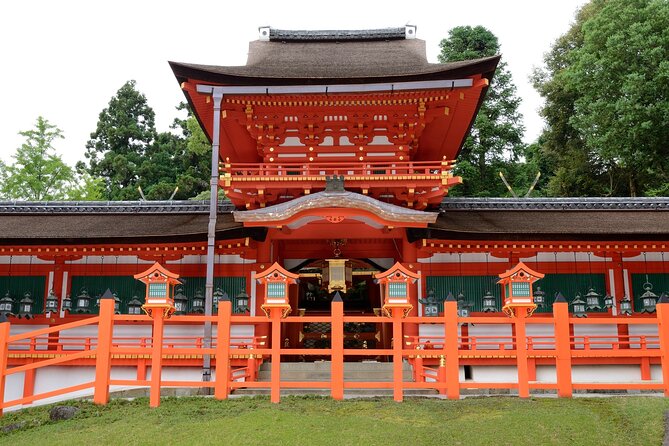
Next up is Kasuga Grand Shrine. This is a World Heritage site, and it’s famous for the lantern-lined walkways that create a strong sense of place. You’ll also get an explanation for the deer relationship. In Nara, deer are thought to be shrine messengers, so they’re not treated as random wildlife. They’re part of the shrine’s identity and the way people experience the space.
You’ll spend about 1 hour at Kasuga Taisha. That time is long enough to slow down and actually notice the lantern corridors rather than just passing through. It also gives you a chance to take in details like the rhythm of the approach and how the shrine grounds feel compared to the Todai-ji environment.
Special visit area note for 2025 and beyond: the tour plan includes entering the Main Sanctuary special visit area. But if it’s not possible due to events or operational circumstances, you’ll be taken to an alternative location instead. For 2025, it can be the Kasuga Taisha Museum or Manyo Botanical Garden. For 2026, it may be the Kasuga Taisha Museum or Todaiji Museum. Importantly, there’s no refund if the alternative stop is used.
That’s a fair heads-up. If this specific area matters a lot to you, accept the idea that access can change based on how the site is operating that day.
Nara Park deer time: fun, close, and very real
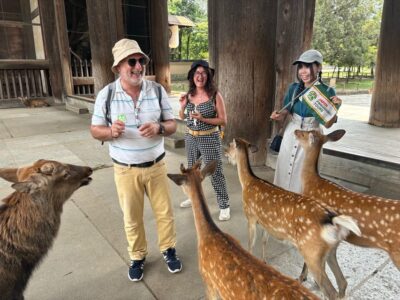
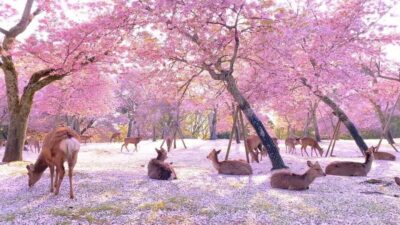
The tour finishes with time walking in Nara Park. This is the “you can’t fake this” part of the day. Wild deer roam freely, and the experience is designed to let you see them up close while you’re in the park.
Don’t treat it like a theme park. It’s a public park with animals around, so you should expect them to be part of your walking path. Keep your awareness up and watch your footing. Even without any special instructions, the key is simple: don’t rush, and don’t assume the deer will act like you’re in a staged photo moment.
This is also where the day feels like it clicks. After temples with huge architecture and historical scale, the deer and park walk reset your senses in a very different way.
More bowls, poured the traditional way
Price and value: what $121.14 actually covers
At $121.14 per person, this is one of those deals that looks reasonable until you break down what’s included. The price covers:
- A national government licensed English guide interpreter fee
- Other admission fees
- Transportation costs
Lunch is not included, so you’ll still spend money that day on food. Also, you’re using public transportation. The upside is you’re not paying for a private bus, and the experience is built around trains.
The duration is about 11 hours, so you’re getting an all-day loop across Uji and Nara plus a Kyoto lunch break. The value is strongest if:
- You want guided context for a tea ceremony
- You want UNESCO sites without figuring out transit on your own
- You appreciate having admissions handled for you
The biggest “value check” is contingency. If Phoenix Hall access is blocked, you get a JPY 300 refund at the location. If the Kasuga special visit area is not accessible, you don’t get a refund, and the tour swaps to museums or a botanical option instead (depending on year). Those are real-world factors that affect what you see, but the day still keeps its overall structure.
Getting around: public trains, no reserved seats, and a walking morning
This is where you should pay attention, because it affects comfort. The tour uses public transportation, and all trains have non-reserved seats, with seating not guaranteed. That means you should expect some standing, especially during busier commute or sightseeing hours.
The morning portion is also described as a walking tour, not a bus tour. So wear shoes that you can walk in without regret. Comfortable socks and breathable layers help too.
There’s a simple practical mindset that works well here: pack like you’re going to walk for most of the day, then treat the temples as rest opportunities, not the other way around.
Small group energy: up to 40, with real guide support
The tour is capped at a maximum of 40 travelers. That’s large enough to meet people, but small enough that a guide can still manage timing and keep you moving.
A detail I really appreciate in this kind of setup is how much help the guide provides for questions and getting around. Even after the tour ends, the guide support often matters because you’re still navigating Kyoto transit. Plan to use your last moments to ask anything you’re unsure about, like how to get back to your hotel area.
If rain, crowds, or access issues happen, here’s what to expect
Japan day plans can be sensitive to congestion, weather, and site operations, and this tour includes a few explicit “here’s how we handle it” items:
- Phoenix Hall entry at Byodo-in may be restricted due to congestion, with a JPY 300 refund if it happens
- Kasuga Taisha Main Sanctuary special visit area may be replaced by museum or garden options in specific year-based ways, with no refunds when alternates are used
- The tour may not be able to stop at Nakanoshima Park if water levels in the Uji River are high
So your best strategy is flexible expectations. You’re booking a day focused on big cultural highlights, not a promise to access every single room.
Who this tour fits best
This one-day combo works well if you:
- Want tea ceremony plus UNESCO temples without planning every detail
- Prefer an English guide to connect the dots across sites
- Are comfortable with a long day and some walking
It may not be the best match if you:
- Hate crowds and standing on trains
- Want a fully unhurried day with minimal transit
- Need strict control over which specific interior area you see at each stop
Kids can join up to age 5 for free, but they won’t get bus seats, and the tour notes that socks are needed for the tatami tea room. Also, anyone under 18 needs parental permission in writing, with special joining rules for those under 15.
Should you book this Uji and Nara tea tour?
Book it if you want a well-paced “greatest hits” day that mixes Uji tea culture, Byodo-in, Todai-ji, Kasuga Taisha, and Nara Park deer into one guided experience. The price feels fair when you factor in admissions and guide support, and the tea ceremony makes the Uji portion more than just a sightseeing checkbox.
Skip it or think twice if you’re sensitive to crowded trains and you dislike walking in the morning. Also, be comfortable with the fact that temple interior access can change, and Kasuga’s special area may swap to a museum or garden depending on conditions.
If you like structure, guidance, and a day that teaches you as you go, this is a strong way to spend your time in the Kyoto area.
FAQ
How long is the tour, and when does it start?
The tour lasts about 11 hours and starts at 8:20 am.
Where do we meet for the tour?
You meet at the JTB SUNRISE TOURS desk in Kyoto Avanti, located at Higashikujō Nishisannōchō, Minami Ward, Kyoto (B1F).
Is lunch included in the price?
No. Lunch is not included. There is about 1 hour allotted for lunch in Kyoto, and you choose your own meal.
What’s included in the $121.14 price?
The price includes the English guide interpreter fee and other admission fees and transportation costs.
Are train seats reserved?
No. The tour uses public trains with non-reserved seats, so seating is not guaranteed.
What should I wear for the tea ceremony?
The tea experience is held in a tatami room, so you should wear socks.
Can I record videos during the tea ceremony?
No. Recording videos is not allowed in the tea room.
Can we always enter the Phoenix Hall at Byodo-in?
Not always. If entry into the Phoenix Hall is not possible due to congestion, JPY 300 will be refunded at the location.
What happens if the Kasuga Taisha special visit area cannot be entered?
If the special visit area cannot be entered, the tour visits alternatives. For 2025, it may be Kasuga Taisha Museum or Manyo Botanical Garden. For 2026, it may be Kasuga Taisha Museum or Todaiji Museum, and refunds are not issued when alternatives are visited.
Where does the tour end, and is there hotel drop-off?
The tour ends at Kyoto Avanti, in front of the building across from Kyoto Station Hachijo Exit. There is no drop-off service to hotels.
More 1-Day Tours in Kyoto
New This Season
- Koyasan Day Trip by Private Car from Kyoto
- Old Port Town and Ultimate Sake Tasting Private Tour From Kyoto
- Kyoto’s Timeless Charm: 3hr Exploration of History and Peace
- Kyoto: 5 Types of Sushi Making
- Sacred Peak & Ancient Paths: Kurama-Kibune Hiking Experience
- Kyoto: Exclusive ZEN practice at Manpukuji temple in Uji
- Kyoto: Private Seasonal Aroma Yoga Class
- Traversing Kyoto’s Scenic West – Arashiyama to Kinkakuji
Nara & Deer Park Day Trips, compared.
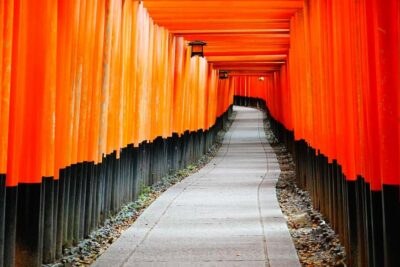
Kinkakuji,Arashiyama,FushimiInariShrine,NaraPark
Read our review →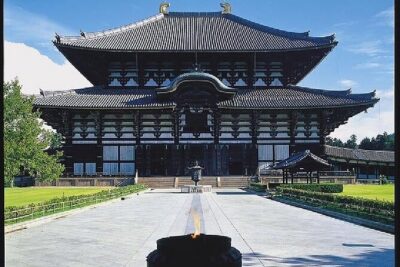
Nara, Fushimi Inari Taisha, Arashiyama Bus Tour
Read our review →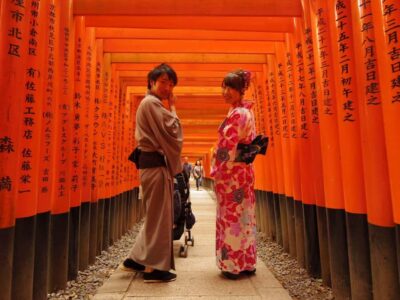
Arashiyama, Nara & Fushimi Inari Shrine w/Lunch
Read our review →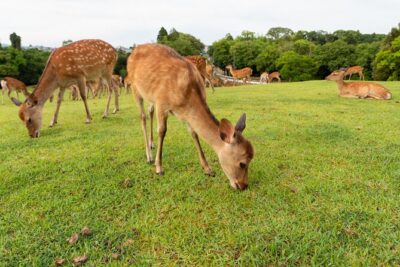
Full Day Guided Tour to Kyoto and Nara from Osaka by Van
Read our review →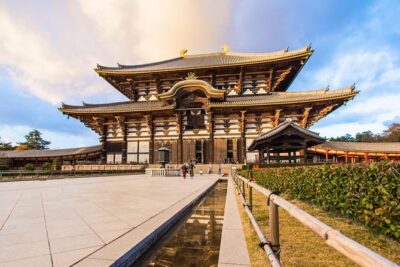
Also filed under