
Reviewed · SUSHI-MAKING WORKSHOPS
1-Hour Sushi Workshop with Local Instructor in Kyoto Japan
One hour, sushi made in a 130-year house. This Kyoto workshop puts you inside a renovated machiya classroom run by 創作料亭出雲 Kyoto Izumo, a stone’s throw from Nishi Honganji Temple, where local instructors teach you how to shape multiple sushi styles and then you eat your creations.
I especially love two things about the setup. First, the traditional machiya setting does real work for the experience, from antique paintings to furniture and artifacts that are over 110 years old. Second, the class is hands-on in a way that pays off immediately, because you end up with plenty of sushi to eat, not just a couple of practice bites.
One consideration: for time and safety, the chef prepares the rice and cuts the fish beforehand, so you are focused on shaping and techniques rather than doing every step from scratch.
In This Review
- Key highlights you will care about
- Entering a 130-year Kyoto dining house, not a typical kitchen
- Finding 364 Momijichō: Kyoto Station nearby, Nishi Honganji even closer
- The classroom flow: how the hour stays focused
- What you will make: nigiri, temari, gunkan, and inari
- Nigiri (6 pieces)
- Temari (3 pieces)
- Gunkan (1 piece)
- Inari (1 piece)
- The instructor connection: local Kyoto teaching you the why
- Tea, miso soup, and eating at your own speed
- Private class energy: what it means for your experience
- Timing that fits Kyoto: do it at 11:00 am and keep moving
- Price and value: what $55.78 buys you in real terms
- Who this Kyoto sushi workshop is for
- Should you book this one-hour Kyoto sushi workshop?
- FAQ
- Where is the meeting point and what time does the class start?
- How long does the sushi workshop last?
- What sushi will I learn to make?
- What food and drinks are included?
- Is this a private class?
- Are service animals allowed, and is there a refund if I cancel or weather is poor?
Key highlights you will care about
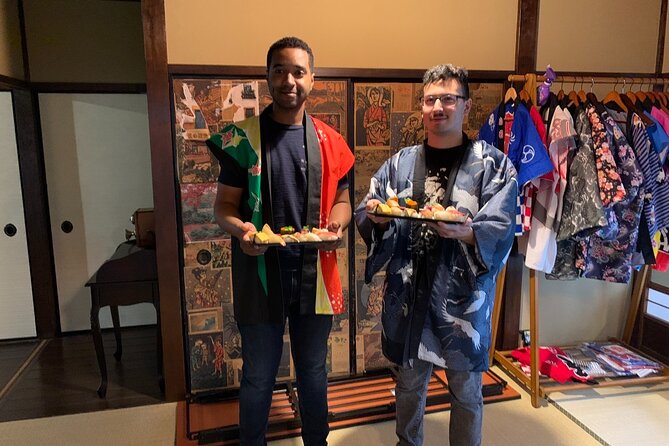
- 130-year machiya classroom with antiques and traditional Japanese music, so it feels like Kyoto, not a generic kitchen
- Private by design, meaning you only share the class with your group
- Hands-on shaping practice across 6 nigiri, 3 temari, 1 gunkan, and 1 inari
- Tea and miso soup included, plus plenty of time to eat what you make
- Chef does the prep, so the session stays smooth, safe, and on schedule
Entering a 130-year Kyoto dining house, not a typical kitchen
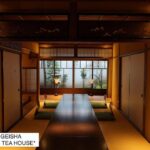
This class starts with atmosphere, and you feel it the moment you walk in. The classroom is housed in a traditional Japanese house dating back to the late nineteenth century, and it has been beautifully renovated into a teaching space by 創作料亭出雲 Kyoto Izumo.
What I like is that the design choices serve the lesson. Antique furniture and artifacts (many over 110 years old) help you slow down and pay attention, and the traditional Japanese music keeps the tone calm and respectful. If you want Kyoto culture in your hands, not just on your camera roll, this is a strong way to do it.
Also, the staff guides you through the mansion. That matters, because older buildings can be tricky to navigate if you arrive with zero local context. Here, you are not left wandering.
Finding 364 Momijichō: Kyoto Station nearby, Nishi Honganji even closer
The meeting point is at 364 Momijichō, Shimogyo Ward, Kyoto, 600-8345, and the session starts at 11:00 am. It also helps that the location is practical for sightseeing: about a 12-minute walk from Kyoto Station and around a 2-minute walk from Nishi Honganji Temple.
That proximity is a real value. You can plan this as an easy anchor in your morning, then keep exploring without a big transit shuffle. If you are arriving into Kyoto by train, you can often take care of this class the same day with less stress.
And because it is near public transportation, you can adjust your plan if your morning pace changes. Just make sure you give yourself a few extra minutes to find the exact entrance, especially if you are not used to Kyoto’s side streets.
Learn to roll your own sushi
- Sushi Making in Kyoto! Same-day bookings welcome!
★ 5.0 · 713 reviews - The Original Small-Group Sushi Making Class in Kyoto
★ 5.0 · 436 reviews - Kyoto: Small-Group Authentic Sushi Making Workshop
★ 5.0 · 137 reviews - Sushi – Authentic Japanese Cooking Class – the best souvenir from Kyoto!
★ 5.0 · 93 reviews
The classroom flow: how the hour stays focused
The workshop runs about one hour, and it is built to fit comfortably into a travel day. You do not have to worry about being late with a long schedule, and you get a clean start and finish because it returns you to the meeting point when the activity ends.
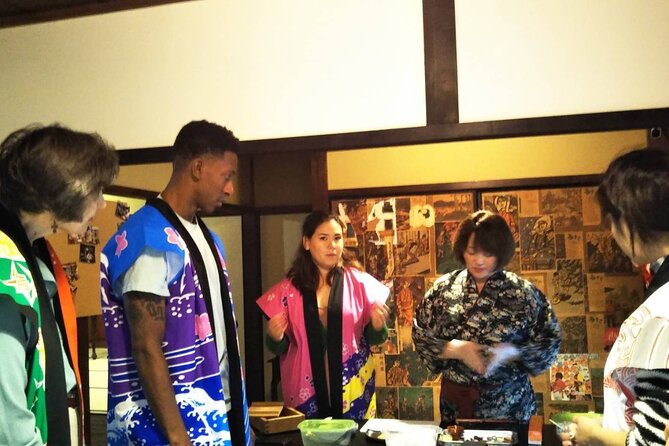
Inside, the instructor leads you through the sushi-making basics you need to succeed during class. Expect a welcome space with antique paintings and classic items, then instruction that moves you from technique to shaping step by step.
One key detail: due to time constraints and safety, the chef prepares the rice and cuts the fish ahead of time. That sounds like a small limitation, but it actually makes the class more rewarding for most visitors. You get more time for the part you came for, shaping the sushi neatly and learning how to handle the rice without turning it into a sticky mess.
What you will make: nigiri, temari, gunkan, and inari
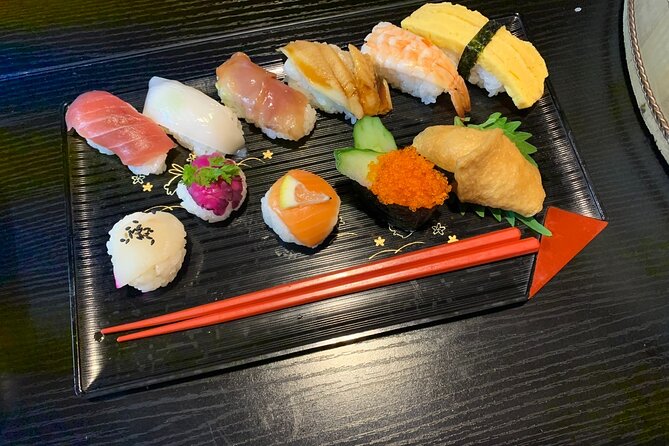
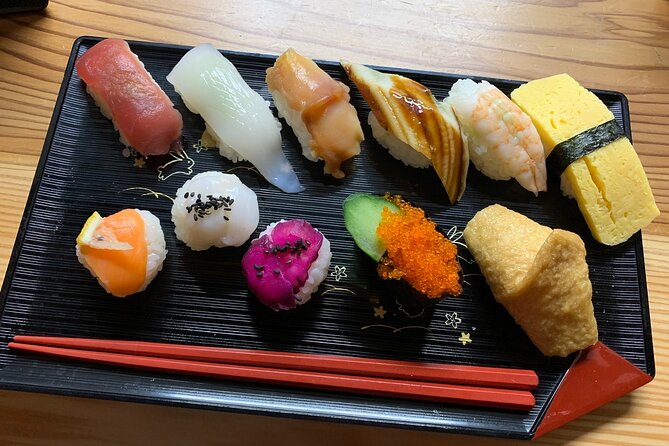
In this one-hour workshop, you learn how to shape a set of sushi types: 6 nigiri, 3 temari, 1 gunkan, and 1 inari.
Here is why that mix is a good choice for first-timers. You are not stuck making only one style over and over, so you see how sushi presentation changes with shape and structure. You also get practice with different rice handling skills, because round, elongated, and wrapped styles each ask for slightly different technique.
Nigiri (6 pieces)
Nigiri is the classic hand-formed sushi. In this class, your focus is shaping rice into a base that matches the topping and holding it in a way that stays tidy.
Temari (3 pieces)
Temari are rounder, more compact bites. This is often where people realize that sushi skills are mostly about control, pressure, and consistency, not fancy tools.
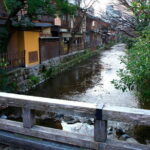
A quieter way to spend a day in Kyoto
Gunkan (1 piece)
Gunkan is the boat-style sushi, typically recognized by its distinct silhouette. Shaping it correctly is a great way to learn that structure matters, because the form needs to hold its shape long enough to be served.
Inari (1 piece)
Inari is a sushi style that uses a pouch format. Even if you have only eaten it before, making it lets you understand how the rice amount and packing technique influence the final look.
By the end, you are not just learning recipes. You are learning the small, repeatable moves that make sushi look right and eat well. That is the real souvenir here.
The instructor connection: local Kyoto teaching you the why
The instructors are local to Kyoto and understand Japanese culture deeply. Even without a long lecture, this kind of local teaching tends to change how you learn. You are more likely to get practical tips that match how people actually approach food and etiquette in Japan.
You should also expect a friendly, step-by-step pace. Since you have a limited time window, the class is designed to keep everything moving smoothly, especially because the chef already handles the heavier prep work.
The result is a workshop that feels informative without getting too technical. If you have ever taken a cooking class where you only half understand what you are doing, this is built to prevent that by keeping you focused on the key techniques you will use right away.
Tea, miso soup, and eating at your own speed
After you finish shaping, you do not rush out. The class gives you time to eat your sushi in the machiya, and you can take as long as you like after the workshop ends.
Tea and miso soup are prepared for you as part of the experience. This matters more than it sounds. Warm soup and tea are a classic pairing that helps reset your palate between bites, especially when you are tasting multiple styles.
And yes, you end up eating a lot. One past participant highlighted that there were heaps of food, and you can see why the workshop is structured this way. You make enough pieces that it feels like a meal, not a snack.
If you are worried you will spend most of the hour learning and then leave hungry, this is a smart pick. The format is clearly designed so the eating is part of the learning, not a quick afterthought.
Private class energy: what it means for your experience
This is listed as a private tour/activity, meaning only your group participates. In practice, that often changes everything, because you can ask questions without feeling like you are slowing down a large group.
It also makes the class feel more personal. Even with just one instructor leading, you get attention during the shaping steps, and you can ask for corrections on your rice handling or how you are forming each piece.
If you come with friends, it is also a fun shared task. Sushi shaping turns into a low-pressure activity where everyone can compare their final looks before taking the first bite.
Timing that fits Kyoto: do it at 11:00 am and keep moving
The session starts at 11:00 am. I like this timing because it lands right in the middle of the morning, so you can pair it with either a cultural stop nearby or an easy lunch afterward.
Because the location is near Nishi Honganji Temple and Kyoto Station, you can plan your day without long detours. If you are doing temples in the morning, you can arrange this workshop as a comfort break in between walking. If you are arriving from another city, it can act like an early local experience before you go deeper into town.
Just remember, this class is about being present in the room. Older houses can be quieter and slower-paced than modern venues, so treat it like an experience, not a rushed meal stop.
Price and value: what $55.78 buys you in real terms
The price is $55.78 per person, and on average this class is booked about 16 days in advance. For Kyoto, the amount you get for that price is mostly about the hands-on time plus the setting.
You are paying for:
- A one-hour, instructor-led workshop
- Multiple sushi styles you shape yourself
- Tea and miso soup
- The chance to eat your creations in a historic machiya space
The biggest value is the combination of craft plus payoff. You learn the shaping techniques across several formats, and you are not just practicing for show. You leave with food you made, and you can eat at your own pace inside the house.
If you compare this to the cost of a high-end meal, the workshop pricing starts to make sense. You are not only eating sushi, you are learning how sushi is assembled and served, and that skill sticks longer than a single dinner.
Who this Kyoto sushi workshop is for
This is ideal if you want a clear, structured food activity that fits into a short stay. It is also a great option if you like culture delivered through hands-on practice, especially in a real historical setting.
You will probably enjoy it most if:
- You are curious about sushi beyond eating it
- You want a guided class with local teaching
- You prefer a small, private-group vibe over a large tour
On the flip side, you might not love it if your goal is to do everything from raw ingredients. Since the chef preps the rice and cuts the fish beforehand, the lesson centers on shaping and technique, not full production from scratch.
Also, if you are extremely time-crunched, note that the experience is about an hour for the workshop itself, with extra time allowed for eating. It is not a 30-minute “quick taste” stop.
Should you book this one-hour Kyoto sushi workshop?
If you want a fun, informative class in a real Kyoto machiya, I would book it. The workshop is clearly designed to give you a lot of hands-on shaping, plus enough sushi to feel like you truly ate the experience, not just learned it.
I especially recommend it for travelers who like practical skills and memorable settings. The antique-filled house, the local instruction, and the variety of sushi types you make in just one hour add up to a strong value for the price.
FAQ
Where is the meeting point and what time does the class start?
The meeting point is 364 Momijichō, Shimogyo Ward, Kyoto, 600-8345, Japan. The start time is 11:00 am.
How long does the sushi workshop last?
The experience lasts around one hour.
What sushi will I learn to make?
You will learn techniques to shape six nigiri, three temari, one gunkan, and one inari.
What food and drinks are included?
Tea and miso soup are prepared for you, and you can eat the sushi you create in the machiya afterward.
Is this a private class?
Yes. It is a private tour or activity, and only your group will participate.
Are service animals allowed, and is there a refund if I cancel or weather is poor?
Service animals are allowed. You can cancel for a full refund if you cancel at least 24 hours before the experience starts, and if the experience is canceled due to poor weather, you will be offered a different date or a full refund.
More Workshops in Kyoto
New This Season
- Koyasan Day Trip by Private Car from Kyoto
- Old Port Town and Ultimate Sake Tasting Private Tour From Kyoto
- Kyoto’s Timeless Charm: 3hr Exploration of History and Peace
- Kyoto: 5 Types of Sushi Making
- Sacred Peak & Ancient Paths: Kurama-Kibune Hiking Experience
- Kyoto: Exclusive ZEN practice at Manpukuji temple in Uji
- Kyoto: Private Seasonal Aroma Yoga Class
- Traversing Kyoto’s Scenic West – Arashiyama to Kinkakuji
Sushi-Making Workshops, compared.
Sushi Making in Kyoto! Same-day bookings welcome!
Read our review →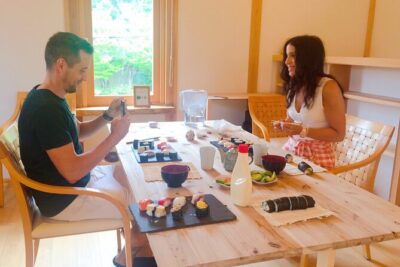
The Original Small-Group Sushi Making Class in Kyoto
Read our review →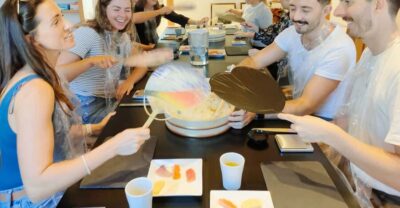
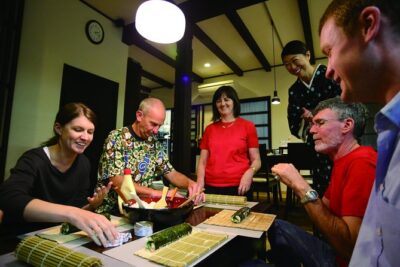
Sushi – Authentic Japanese Cooking Class – the best souvenir from Kyoto!
Read our review →
Private Kyoto Sushi Cooking Class & Tea Ceremony with Emika
Read our review →
Enjoy Sushi & Market Tour! Best for Family & Couple!
Read our review →
Sushi or Traditional Japanese Cuisine in a Kyoto Home with Emika
Read our review →Also filed under