
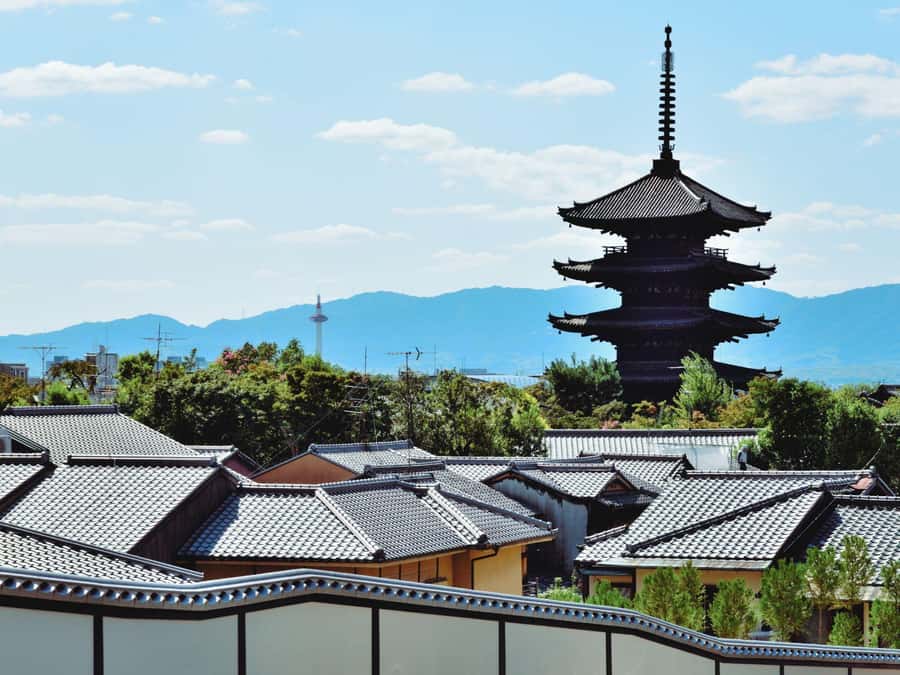
Reviewed · WALKING TOURS
[2.3km / 1.43mi] Kyoto East Early Morning Walking Tour
Morning makes Kyoto kinder. A small group early walk like this is one of the easiest ways to see Kyoto before crowds and heat crank up, and I especially like the English guided stories that connect the sights you pass with real Kyoto culture. The one catch is you are walking a route with slopes and steps, so it can feel tough if you are not used to uphill stone lanes.
This tour focuses on Higashiyama highlights like Kiyomizu-dera Temple, Yasaka Shrine, and Sannenzaka, not the Gion geisha streets. That distinction matters, because you will spend your limited time in the older, temple-and-traditional-street part of Kyoto, rather than doing a costume-tour style sweep.
In This Review
- Key reasons this early walk works
- Why a 2-hour early morning walk is so smart in Kyoto
- What 2.3km feels like: slopes, steps, and comfy-shoe reality
- The Higashiyama focus: seeing the old Kyoto, not just postcard stops
- Kiyomizu-dera Temple in the morning: why the timing matters
- Yasaka Shrine: more than a name on a list
- Sannenzaka and the classic lanes: the Kyoto you want to photograph
- Small group with a real Kyoto guide: the best part is the commentary
- Who this tour suits best (and who should skip it)
- Price and value: what you are really buying for $20
- How to plan your day after the walk
- Should you book this Kyoto East Early Morning Walking Tour?
- FAQ
- How long is the Kyoto East Early Morning Walking Tour?
- How far do you walk during the tour?
- What is the group size?
- What language is the tour guide?
- Which sights are included?
- Is this a Gion geisha walking tour?
- What should I bring with me?
- Are entrance fees included?
- Are food and drinks included?
- Is the tour refundable if I cancel?
Key reasons this early walk works
![[2.3km / 1.43mi] Kyoto East Early Morning Walking Tour - Key reasons this early walk works](https://u.lovingkyoto.com/wp-content/uploads/2-3km-1-43mi-kyoto-east-early-morning-walking-tour-1.jpg)
- Up to 6 people keeps things personal, not chaotic
- English guidance helps you understand what you are seeing, not just look at it
- 2.3km on foot is a doable distance for a morning reset
- Higashiyama must-sees include Kiyomizu-dera, Yasaka Shrine, and Sannenzaka
- Local tips let you turn the rest of your day into something smarter
Why a 2-hour early morning walk is so smart in Kyoto
![[2.3km / 1.43mi] Kyoto East Early Morning Walking Tour - Why a 2-hour early morning walk is so smart in Kyoto](https://u.lovingkyoto.com/wp-content/uploads/2-3km-1-43mi-kyoto-east-early-morning-walking-tour-2.jpg)
Kyoto has a way of rewarding early starts. Even if you do not love waking up, an early window gives you calmer streets and a chance to see temple areas in a more peaceful mood. This tour is designed for that timing: a 2-hour walk covering about 2.3km (1.43mi), with breaks and story stops built into the experience.
I also like the pacing. Two hours is long enough to feel like you saw something real, but short enough that you still have energy to explore on your own afterward. And because it is a walking tour, you get to experience the textures of Kyoto, the steps, the curves, the everyday rhythm of neighborhoods that tourists often rush through.
One more thing I appreciate is the group size. With a maximum of 6 guests, you are not shouting to hear your guide. Questions are easy, and the guide can adjust pace when someone’s legs get tired on a slope.
What 2.3km feels like: slopes, steps, and comfy-shoe reality
On paper, 2.3km looks manageable. In practice, Kyoto likes to keep you honest with slopes and steps, especially in Higashiyama. This is not a flat stroll. You should expect uphill sections and stone stairways as you move between the temple area and the traditional lanes.
So here is my practical advice: wear comfortable shoes you can trust on uneven ground. Bring water. And if you tend to get stiff in the mornings, do a quick warm-up before you meet up, because you will be starting walking right away.
The tour also has clear boundaries. Baby strollers are not allowed, and luggage or large bags are not allowed either. That is usually what you want on a morning walk, since it keeps the group tight and moving smoothly. But it means you should travel light.
Beat the crowds with an early start
- Kyoto Early Morning Tour with English-Speaking Guide
★ 5.0 · 1,427 reviews - Kyoto: Early Morning Tour with English-Speaking Guide
★ 4.9 · 1,128 reviews - From Kyoto: Nara Guided Morning Tour
★ 4.6 · 335 reviews - Kyoto Morning Tour from Kyoto or Osaka
★ 4.0 · 281 reviews
The Higashiyama focus: seeing the old Kyoto, not just postcard stops
![[2.3km / 1.43mi] Kyoto East Early Morning Walking Tour - The Higashiyama focus: seeing the old Kyoto, not just postcard stops](https://u.lovingkyoto.com/wp-content/uploads/2-3km-1-43mi-kyoto-east-early-morning-walking-tour-4.jpg)
This is a Kyoto East early morning walking tour with a specific mission: show you the core of Higashiyama in a way that feels understandable, not random. You are taken to key sights such as Kiyomizu-dera Temple, Yasaka Shrine, and Sannenzaka.
The value here is how the route is explained. The guide shares stories tied to what you are looking at, so you start connecting dots like where religious sites sit in the city, why certain streets grew into famous lanes, and how traditions still shape daily life.
And yes, this tour is explicit about what it is not. It is not a Gion geisha walking tour. That means you get a different slice of Kyoto. If your goal is to understand temple culture and classic preserved streets, this should feel like a better match than a quick stop-and-go around Gion.
Kiyomizu-dera Temple in the morning: why the timing matters
You will visit Kiyomizu-dera Temple, one of Kyoto’s biggest draws. Going in the early hours is a big deal. When you see major sights first thing, you get fewer crowds pressing in around viewpoints, and the whole area feels less like a traffic jam.
Even if you have seen photos, I think the morning changes the experience. The temple area sits in a steep, layered landscape, and walking through the approach in daylight helps you really notice the relationship between the buildings, the slopes, and the open angles for views.
The guide’s role here is not just pointing. It is about putting the place into context. You are not simply checking a box, you are learning what makes this temple area important and how its presence shaped the surrounding Higashiyama streets.
Practical note: this part of the tour likely includes more walking and steps than you expect, because the temple area is built on hills. If you are even slightly unsure about stamina, choose comfortable shoes and plan to take it slow when the guide encourages you to.
Yasaka Shrine: more than a name on a list
Next, you will reach Yasaka Shrine, another major Higashiyama highlight. What I like about adding Yasaka to the route is that it balances the temple focus. You get a different spiritual and cultural atmosphere within the same overall morning walk.
A shrine visit can feel like a blur if you only look at it from a distance. This is where the English guiding helps. You get stories tied to what you are seeing, so you can notice details you might otherwise miss, like how the shrine fits into the neighborhood’s flow and why the place is meaningful to locals.
It also helps that the tour is structured as a walking experience, not a bus stop. You are moving through the area in human time. That makes it easier to connect one stop to the next, instead of feeling like you are bouncing between separate attractions.
Sannenzaka and the classic lanes: the Kyoto you want to photograph
Then there is Sannenzaka (San-nen-zaka), the kind of street area that makes you stop without realizing you did it. This is where traditional Kyoto street life becomes visible in the route itself.
Sannenzaka is famous for its preserved lanes, and arriving during the early hours usually makes the street feel more livable. You can actually move, look up, and take photos without constantly sidestepping tour groups. That alone is a big reason I like early morning walking tours.
Also, because this tour is paired with local stories, Sannenzaka feels less like a set piece and more like a living part of Higashiyama. Your guide’s explanations give you a framework for what you are seeing, and then you can wander around the edges of what is being pointed out, snapping pictures and watching the morning flow.
A quieter way to spend a day in Kyoto

Small group with a real Kyoto guide: the best part is the commentary
The biggest value add here is the guide. This is an English guided walking tour, and the difference between a basic sight list and a story-driven walk can be huge.
From the experience people share, the guide is patient and uses English that is easy to follow. Akari is specifically mentioned in feedback as someone who brings strong English and thoughtful, tailored recommendations, which is exactly what you want in a morning tour when you have a lot of energy but a lot of questions too.
I also love the practical angle: the tour includes local tips and recommendations. That means you finish the walk with a short list of where to eat and shop next, not just a feeling of having walked past pretty things. If you are doing this as a first-visit strategy, those suggestions can shape your whole day.
The guide also helps you understand what you are seeing in a cultural way, which matters in Kyoto. Without context, it is easy to view temples and shrines as scenery. With context, you start appreciating the role these places play and why certain areas get attention.
Who this tour suits best (and who should skip it)
This tour is a strong match if you:
- like morning starts and want a head start before crowds
- enjoy walking and can handle slopes and steps
- want a guided experience that adds meaning, not just photos
- are visiting Kyoto East for the first time, or want your second visit to feel more intentional
It is not a good fit if you:
- use a wheelchair or have mobility impairments, since it is not suitable for wheelchair users
- rely on a stroller, since baby strollers are not allowed
- plan to bring big luggage, because large bags are not allowed
Price matters too. At $20 per person for a 2-hour guided walk that covers multiple major Higashiyama sights, it is positioned as a value experience. You are paying for guide time, organization, and the small group size. Since entrance fees and food are not included, you are also not paying extra for things you can often manage on your own later.
Price and value: what you are really buying for $20
![[2.3km / 1.43mi] Kyoto East Early Morning Walking Tour - Price and value: what you are really buying for $20](https://u.lovingkyoto.com/wp-content/uploads/2-3km-1-43mi-kyoto-east-early-morning-walking-tour-5.jpg)
Let’s be honest about money. $20 is not a luxury tour price. You are not paying for private transportation or a long, multi-stop day. You are buying a guided morning window that includes:
- a small group format (up to 6)
- an English guide
- visits to major Higashiyama sites like Kiyomizu-dera, Yasaka Shrine, and Sannenzaka
- local recommendations for what to do next
That is good value if your goal is to get oriented fast and build a deeper appreciation for Kyoto’s culture. If you already know Kyoto extremely well and you only want scenery with no explanation, you might skip a guided walk. But if you want the story layer plus practical tips, the price feels fair.
The also-important part: you are not locked into big ticket items. Entrance fees are not included, and food and drinks are not included. That keeps the tour cost lower and lets you decide where to spend your money during the rest of your day.
How to plan your day after the walk
When you finish this 2-hour early walk, you will still have plenty of time in the morning or early afternoon. Use the guide’s local tips right away. I like to treat the tour as my Kyoto “setup,” then plan the rest of my day like a local would, not like a checklist.
Because the route is in Higashiyama, you are well-placed to keep exploring around the areas you visited. If the morning made you hungry, this is the moment to follow the food advice while the neighborhood energy is fresh.
And because you walked a compact distance, you are less likely to feel drained compared to a longer day tour. You should still have enough stamina to add one or two smaller stops on your own after.
Should you book this Kyoto East Early Morning Walking Tour?
If you want a fast, meaningful morning in Kyoto’s Higashiyama with a guide who can explain more than the basics, I think this is a very solid pick. The combination of small group size, English storytelling, and high-impact sights like Kiyomizu-dera, Yasaka Shrine, and Sannenzaka is a good value at $20.
Book it if you can handle walking with steps and slopes and you want to spend your time understanding Kyoto, not just collecting stamps. Skip it if you need wheelchair access, you rely on strollers, or you cannot manage an uphill walking route.
FAQ
How long is the Kyoto East Early Morning Walking Tour?
The tour lasts about 2 hours.
How far do you walk during the tour?
You walk about 2.3km (1.43mi) during the experience.
What is the group size?
The tour is limited to a small group with a maximum of 6 guests.
What language is the tour guide?
The tour is guided in English.
Which sights are included?
The tour includes visits to Kiyomizu-dera Temple, Yasaka Shrine, and Sannenzaka, along with other Higashiyama highlights.
Is this a Gion geisha walking tour?
No. This tour is not a Gion geisha walking tour.
What should I bring with me?
Bring comfortable walking shoes and water.
Are entrance fees included?
No, entrance fees are not included.
Are food and drinks included?
No, food and drinks are not included.
Is the tour refundable if I cancel?
Yes. You can cancel up to 24 hours in advance for a full refund.
New This Season
- Koyasan Day Trip by Private Car from Kyoto
- Old Port Town and Ultimate Sake Tasting Private Tour From Kyoto
- Kyoto’s Timeless Charm: 3hr Exploration of History and Peace
- Kyoto: 5 Types of Sushi Making
- Sacred Peak & Ancient Paths: Kurama-Kibune Hiking Experience
- Kyoto: Exclusive ZEN practice at Manpukuji temple in Uji
- Kyoto: Private Seasonal Aroma Yoga Class
- Traversing Kyoto’s Scenic West – Arashiyama to Kinkakuji
Walking Tours, compared.
Kyoto Geisha Walking Tour: Gion District & Hidden Gems
Read our review →
Gion Magical Night Walking Tour with Geisha Trivia
Read our review →
Gion Geisha District Walking Tour – Stories of Geisha
Read our review →
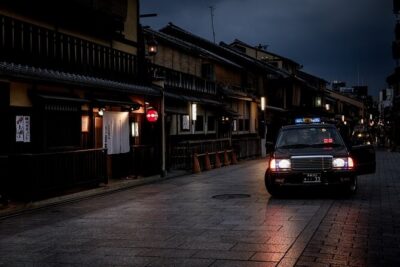
Kyoto Gion Geisha District Walking Tour – The Stories of Geisha
Read our review →
Nishiki Market Brunch Walking Tour (7 Tastings + Brunch)
Read our review →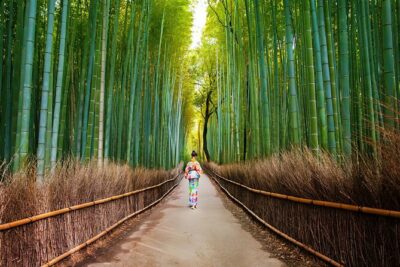
Kyoto Arashiyama Walking Tour: Bamboo, Monkeys, Gardens & Secrets
Read our review →
Kyoto Gion: 2-Hour Geisha Culture & History Walking Tour
Read our review →Also filed under