Reviewed · FUSHIMI INARI SHRINE WALKS
Carefree Private Exploration of Fushimi Inari, Gion, Kiyomizudera, and More
One walk through Kyoto can feel like a time machine. This private 4-hour route threads together Fushimi Inari torii gates, Gion lanes, and several classic Higashiyama stops with an English speaking guide and no stress about entry fees. It is a smart way to hit top sights without spending your day guessing directions.
I especially like how the tour begins with Fushimi Inari’s long, iconic climb, then pivots to Gion for the atmosphere and architecture in the evening-district style. I also like that the guide uses the time well, including quieter moments like taking a steadier pace for easier sightseeing.
One thing to plan for: it is a walk-heavy outing, with up and down hills. Summer heat can feel intense, so you will want good shoes and plan for water breaks.
Key points at a glance
- Private, English speaking guide who can tailor pace and small changes
- Fushimi Inari first, so you tackle the torii climb when you are fresh
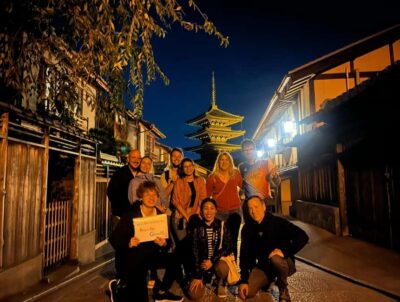
- Gion window, including Hanamikoji Street and a stop near Yasaka Pagoda
- Temple and shrine mix that keeps things varied, not repetitive
- Admissions and transit included, so you avoid surprise costs
- Reviews highlight guides like Oisin, Ferdinand, and Duygo for clear explanations and friendly help
In This Review
- First Stop: Fushimi Inari and the torii-gate trail
- Practical tip
- Gion on Foot: Hanamikoji Street and Yasaka Pagoda views
- How to get more out of this section
- Yasui-Konpiragu: the love shrine with an edge
- A good pacing move
- Kodai-ji Temple: gardens, serenity, and a calmer pace
- Sannenzaka and Ninenzaka: the stone-street climb toward Kiyomizudera
- What to expect
- Price and value: why $129 makes sense for this route
- The booking lead time
- What makes the guide the real upgrade
- The flexibility you should actually use
- Walking and heat: your comfort checklist for a 4-hour loop
- Who should book this private Higashiyama circuit?
- Should you book this tour?
- FAQ
- How long is the tour?
- What is included in the tour price?
- What is the starting point and where does it end?
- Is this a private tour?
- What places are included on the route?
- Do I need to pay for tickets during the tour?
- Is the tour physically demanding?
- Can I cancel for a full refund?
First Stop: Fushimi Inari and the torii-gate trail
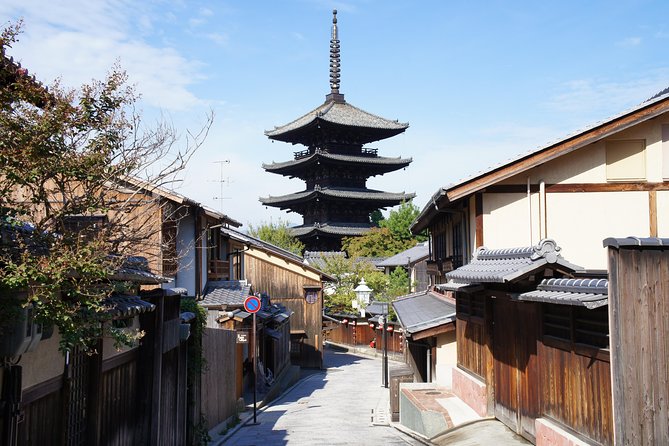
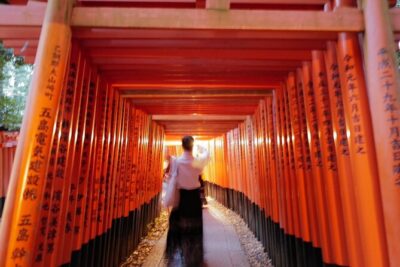
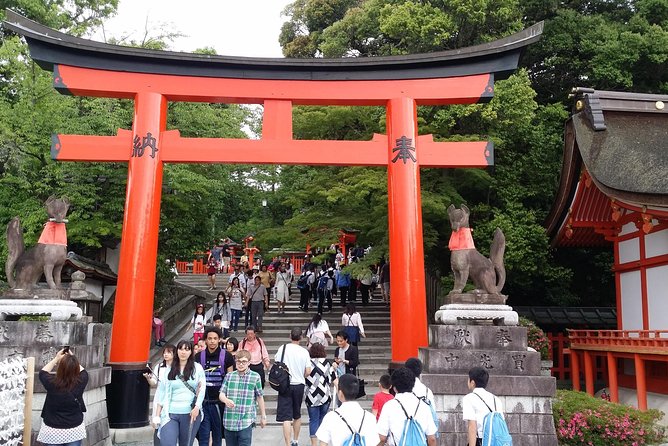
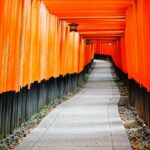
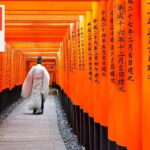
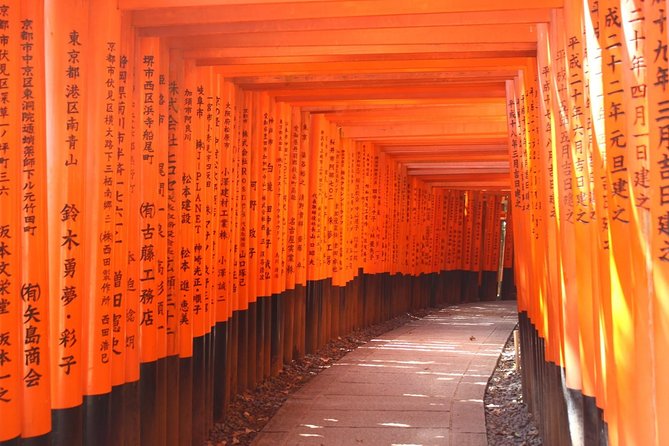
Fushimi Inari-taisha is the start because it sets the mood fast. You begin at Inari Station, then head into the shrine grounds where thousands of bright red torii gates form tunnels of color and perspective. The best part is the feeling of progression. At the start, it is visually loud and iconic. As you move up, it gets quieter, more focused, and more “holy place” than “photo stop.”
This stop also works well on a private tour because the pace is easier to manage. You can move at a comfortable walking rhythm, and if anyone in your group needs it, the guide can help slow things down. One review mentioned a guide and even a trainee, which usually translates to more attention and quicker help with the flow of the area.
Expect about 1 hour 15 minutes for this section, and plan for real walking. Even if you do not go all the way up to the higher points, you still experience the full signature effect: gates, steps, shrine markers, and changing views back over the city.
Practical tip
Wear shoes you trust on stone steps and slightly uneven ground. The torii trail is not technically hard, but it is steady.
Gion on Foot: Hanamikoji Street and Yasaka Pagoda views
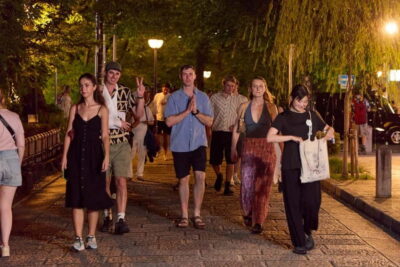
After Fushimi Inari, you take a short train ride into Gion, which is where Kyoto starts to feel like Kyoto. The tour includes a quick hop, so you are not wasting your time battling transit changes. Once you arrive, you stroll through Hanamikoji Street, the famous Gion entertainment district lane where geisha still hold a respected presence in the area’s traditions.
You also pass Kabuki theater, which adds a useful contrast. This is not just temples and gates. It is also Kyoto as a stage for arts and performance culture. In a private format, the guide can point out what you are looking at and why it matters, instead of you trying to figure it out from a guidebook while walking.
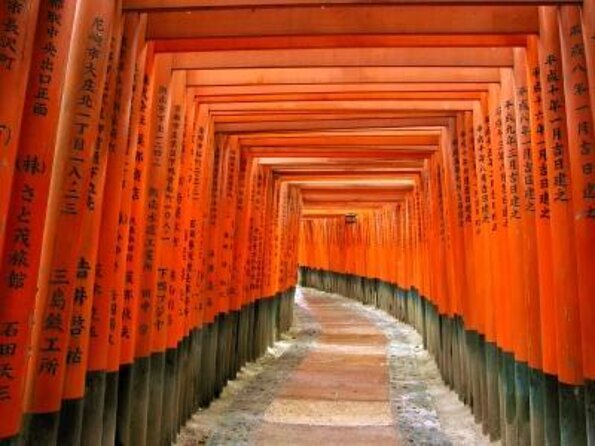
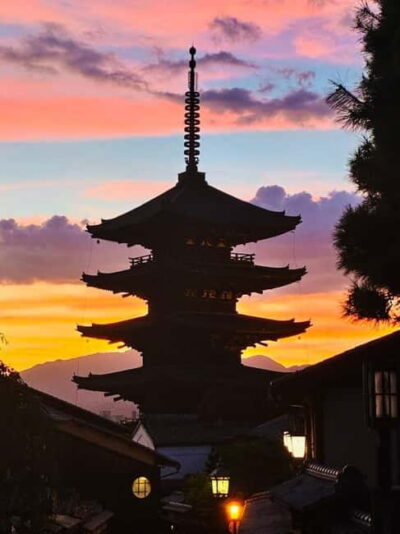
Near the end of this Higashiyama sweep, you also stop by Yasaka Pagoda, which has been part of the district’s fabric since 1440 AD. That detail is one of the reasons this stop lands well. You are not only seeing an old structure, you are seeing something that has watched the neighborhood change over centuries.
The wooden stage above the hillside
- Kyoto: Tea Ceremony in a Traditional Tea House in Kiyomizu
★ 4.9 · 3,519 reviews - Kyoto: Nijo Castle, Kiyomizu & Fushimi Inari Guided Tour
★ 4.7 · 700 reviews - Kyoto: Nijo, Kinkaku-ji, Arashiyama, Kiyomizu & Fushimi Inari
★ 5.0 · 699 reviews - Kyoto Tea Ceremony & Kiyomizu-dera Temple Walking Tour
★ 5.0 · 115 reviews
How to get more out of this section
Keep your eyes open for side streets and building details along Hanamikoji. The main lane is famous, but the small textures are what make it feel like a lived-in district rather than a theme park.
Yasui-Konpiragu: the love shrine with an edge
Most “love” shrines are sweet and straightforward. Yasui-Konpiragu has a sharper reputation. Here, people do not only come to wish for a soulmate. The shrine is also described as a place tied to revenge, which is oddly human. It gives the area depth beyond postcards.
This stop is shorter, about 15 minutes, so treat it like a focused cultural checkpoint. You learn the story behind why the shrine draws people, and you see how beliefs and wishes mix with everyday emotion. It is exactly the kind of detail that makes a guided tour worth it. Without context, it is just another shrine stop. With context, it becomes a window into how people historically made sense of relationships, fate, and justice.
A good pacing move
If it is hot out, ask your guide to keep you moving, but not sprinting. This is one of those spots where you want time to read and listen without getting sweaty and distracted.
Kodai-ji Temple: gardens, serenity, and a calmer pace
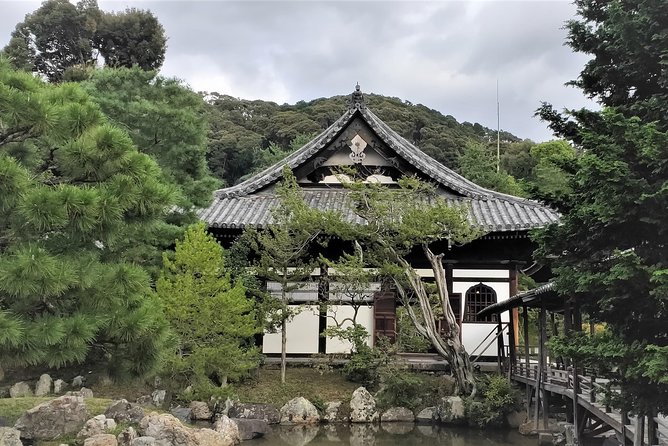
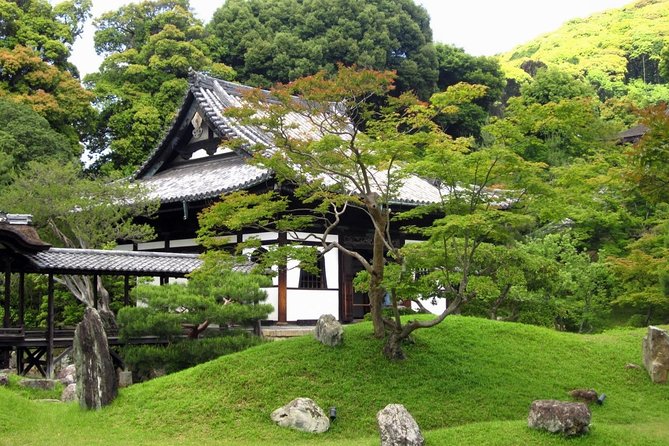
Next comes Kodai-ji, and this is one of the smartest balance choices on the route. The area around Kodai-ji is known for feeling less crowded than some other Kyoto must-sees. That matters, because it makes the experience more breathable in a half-day that otherwise includes walking uphill and hopping between sights.
Kodai-ji is about gardens and atmosphere. You get time, about 45 minutes, to slow down, look at the grounds, and enjoy the quieter rhythm that temple gardens offer. Even if you are not a dedicated garden fan, Kyoto gardens tend to reward you when you take a little time, because your attention keeps finding new compositions and sightlines.
Kodai-ji also includes a mausoleum in the complex. That kind of detail helps you connect the beauty to the deeper purpose of these places.
One review specifically called out how the guide took them to less busy spots to enjoy peaceful surroundings. That is the big advantage of a private guide here. You do not just see temples. You experience them with fewer interruptions.
Still climbing through the orange gates?

Sannenzaka and Ninenzaka: the stone-street climb toward Kiyomizudera
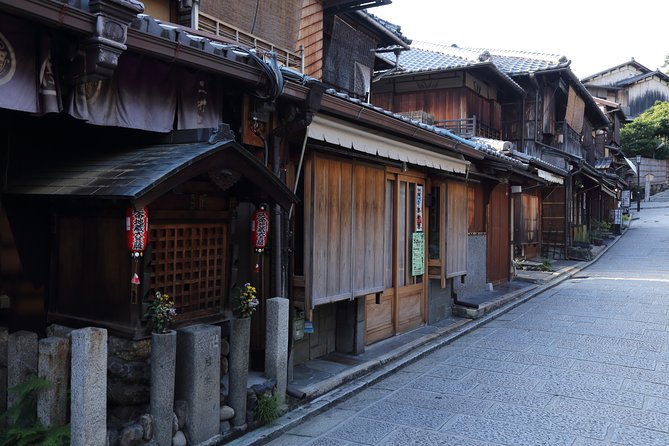
After Kodai-ji, the tour shifts to the street level again with Sannenzaka and Ninenzaka. These are beautifully preserved pilgrimage-style lanes that lead toward the famous Kiyomizudera area. What you get is that “old Kyoto” look with medieval-style townhouses and uninterrupted lines of sight that make the streets feel like scenes from a film.
This segment is about 20 minutes, and it is short for a reason. It is meant as a transition, not a full shopping detour. The streets are lined with shops, but the best experience comes from walking slowly enough to notice the architecture and stonework rather than getting pulled into every storefront.
What to expect
You will likely feel busier here than in the gardens. Still, the lane design and the viewpoint quality make it worth the time, especially at a half-day pace. If your group wants more time toward Kiyomizudera, a private guide can sometimes adjust the walk details, within the overall time window.
Price and value: why $129 makes sense for this route
At $129 per person for about 4 hours, this is not a “cheap and cheerful” add-on tour. But it is also not priced like a full-day private escape. The value comes from what is included and what is not.
Included value points:
- Entrance fees to the temples and shrines on the route
- Transit from Fushimi Inari to Gion
- An English speaking guide (native or equivalent)
- Mobile ticket, which cuts down on admin time
When you compare this to the reality of Kyoto sightseeing, entrance fees and transit add up quickly, and the hidden-cost stress is real. Here, your big spending anxiety is reduced. You also get the benefit of being guided through a known tight circuit. Kyoto can be disorienting, especially when hills force detours. A private guide helps you avoid “walking for the sake of walking.”
Another small but important value note: the tour supports flexibility. Since it is private, you can ask for changes to how the route is paced. That helps if your group is older, faster walkers, or if you want one place to take slightly longer.
The booking lead time
On average, this is booked about 40 days in advance, which tells you demand is steady. If you have a specific date or you are traveling in peak periods, it is smart to reserve early so you have guide and time options.
What makes the guide the real upgrade
Kyoto is not hard, but it is detail-heavy. That is why the guide matters.
In the reviews, guides like Oisin, Ferdinand, and Duygo come up with a consistent pattern: clear explanations tied to what you are seeing right then. One person said Oisin greeted them at the station and helped them connect shrines and temples to the larger Kyoto picture. Another mentioned Ferdinand taking them to less busy spots so they could enjoy a quieter feel. And Duygo was praised for friendly attention and for explanations that made the sites feel understandable, not random.
Also, there is a useful real-world factor: one review noted that the tour included the main guide and a trainee. If that is your situation, it often means extra eyes and more comfortable pacing, especially when someone in the group uses a cane or needs careful movement on slopes.
The flexibility you should actually use
If your group wants fewer photo interruptions or wants extra time for listening, ask your guide. Private does not mean “no structure.” It means you can fine-tune structure.
Walking and heat: your comfort checklist for a 4-hour loop
Let’s address the big practical issue: walking. This route includes hillside walking, and it is designed as a connected circuit rather than a bus-based hit list. Reviews mention that steeper hills can be challenging for older folks, even with accommodating help.
Here is how you set yourself up:
- Wear comfortable shoes with grip for stone steps
- Bring water even though the tour does not include food or drinks
- Consider sunscreen and a hat, especially during warmer months
- Pace yourself early, not at the end. If you feel good at Fushimi Inari, the rest feels easier.
If you are traveling with anyone who needs extra time, tell the guide early. A good guide will adjust on the fly, and you will get a better experience without forcing anyone to sprint.
Who should book this private Higashiyama circuit?
This tour is a strong match if you want:
- The big Kyoto hits in a half-day structure
- An English speaking guide who connects sites to culture and context
- A private format where you can adjust pace
- Entry fees and transit handled so you can focus on the experience
It may not be ideal if:
- You want very minimal walking
- You dislike hills and stairs
- Your group expects lots of seated time
This said, the private setup is exactly what helps in mixed groups. If your party includes different walking comfort levels, you are more likely to get a workable flow.
Should you book this tour?
If your priority is efficiency plus context, this is a smart booking. You get Fushimi Inari first, then Gion, then a focused sequence of shrines and temples that keeps the story going across Higashiyama. The included entrance fees and transit add real value, and the guide feedback in reviews consistently points to friendly, clear guidance.
I would book it if you like walking through neighborhoods with purpose, and you want someone to explain what you are looking at instead of guessing. I would skip it if you want a mostly flat, low-effort sightseeing plan. In that case, you might prefer a more vehicle-based option.
FAQ
How long is the tour?
It runs for about 4 hours.
What is included in the tour price?
Entrance fees to temples and shrines and transit from Fushimi Inari to Gion are included. You also get an English speaking native or equivalent guide and a mobile ticket.
What is the starting point and where does it end?
The tour starts at Inari Station (Fukakusa Inarionmaecho, Fushimi Ward, Kyoto) and ends back at the meeting point.
Is this a private tour?
Yes. It is private, so only your group participates.
What places are included on the route?
The route includes Fushimi Inari-taisha Shrine, Hanamikoji Street, Yasui-Konpiragu, a stop near Yasaka Pagoda, Kodai-ji Temple, and Sannenzaka and Ninenzaka leading toward the Kiyomizudera area.
Do I need to pay for tickets during the tour?
Admission fees for the included temples and shrines are included in the tour price.
Is the tour physically demanding?
It is described as suitable for travelers with a moderate physical fitness level. It involves walking and some steeper hills.
Can I cancel for a full refund?
Yes. You can cancel up to 24 hours in advance for a full refund. If you cancel less than 24 hours before the start time, the amount paid is not refunded.
Gion Geisha Quarter Walks
New This Season
- Koyasan Day Trip by Private Car from Kyoto
- Old Port Town and Ultimate Sake Tasting Private Tour From Kyoto
- Kyoto’s Timeless Charm: 3hr Exploration of History and Peace
- Kyoto: 5 Types of Sushi Making
- Sacred Peak & Ancient Paths: Kurama-Kibune Hiking Experience
- Kyoto: Exclusive ZEN practice at Manpukuji temple in Uji
- Kyoto: Private Seasonal Aroma Yoga Class
- Traversing Kyoto’s Scenic West – Arashiyama to Kinkakuji
Fushimi Inari Shrine Walks, compared.
Fushimi Inari, Kinkakuji, Bamboo Grove 1 Day Bus Tour
Read our review →
Fushimi Inari Hidden Hiking Tour (Private Option Available)
Read our review →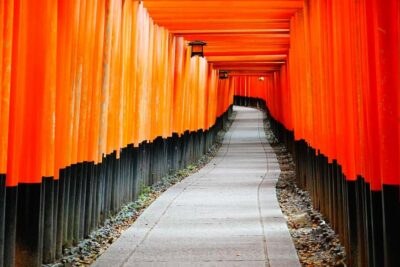
Kinkakuji,Arashiyama,FushimiInariShrine,NaraPark
Read our review →
Nara, Fushimi Inari Taisha, Arashiyama Bus Tour
Read our review →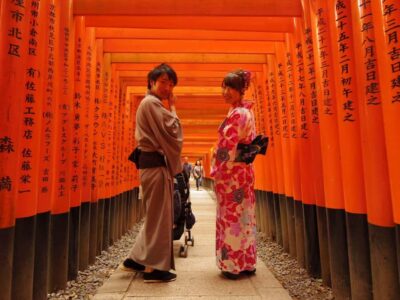
Arashiyama, Nara & Fushimi Inari Shrine w/Lunch
Read our review →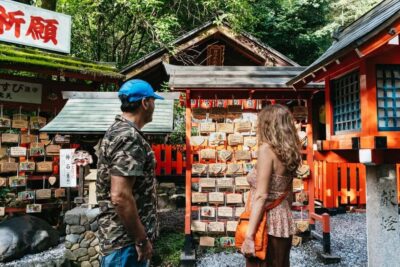
Nijo Castle, Kiyomizu & Fushimi Inari Guided Tour
Read our review →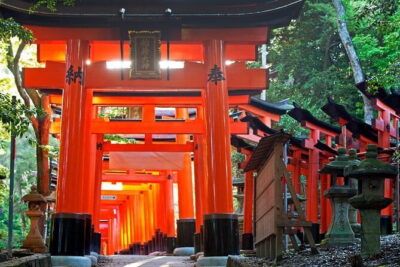
Nijo, Kinkaku-ji, Arashiyama, Kiyomizu & Fushimi Inari
Read our review →