Reviewed · GION GEISHA QUARTER WALKS
Geisha culture & Kiyomizu area Guided Walking Tour in Kyoto
Kyoto turns everyday streets into lessons. On this Geisha culture guided walk in the Kiyomizu area, you get practical context for what you are seeing, from temples to the customs tied to geiko and maiko. I like how guide Lily keeps the stories clear and personable, and I like the steady rhythm of photo stops that help you notice details instead of just moving on. One drawback to plan for, there are stairs and plenty of walking for about two hours.
You meet at the Yajikita statue at the corner of Sanjo street and the Kamogawa path, near a Lawson and a Starbucks, and the tour loops back to that same spot. Do two things early: wear comfortable shoes, and use the restroom before you start, because the first break can be a while. Weather can change fast in Kyoto, so bring an umbrella or raincoat and be ready to walk anyway.
Here is the best part for first-timers: this is not just a “see it and leave” route. You spend time at historic shrines and temples, learn how Kyoto traditions formed, and then you add an optional Chion-in extension if you want more time in the day. If you are expecting a guaranteed geisha sighting, adjust your mindset, this is about culture and context more than a show.
In This Review
- Key Things I’d Plan Around Before You Go
- Kiyomizu Area + Geisha Culture, What This Tour Does Differently
- Finding the Start: Yajikita Statue, Sanjo and the Kamogawa Path
- The Core Walk: Shrines, Temples, and the Stories Between Them
- Photo Breaks and Stairs, the Logistics That Make or Break Comfort
- Hidden Corners and Local Life: What You Gain Beyond the Landmarks
- If You Want Geiko and Maiko in Person, Set Expectations Carefully
- Optional Chion-in Temple Add-On: Worth It If You Still Have Energy
- Price and Value: Why $39 Can Be a Good Deal in Kyoto
- Who This Tour Fits Best (And Who Might Want Something Else)
- Practical Tips to Get the Most From Your Day
- Should You Book This Geisha Culture and Kiyomizu Area Walking Tour?
Key Things I’d Plan Around Before You Go
- 2 hours of walking, plus options: the base tour focuses on a tight route, and there is an optional Chion-in add-on.
- Guide Lily’s geisha-culture storytelling: you learn the terms and traditions around geiko and maiko in a way that actually sticks.
- Photo-friendly stops with time built in: you get breaks for pictures at photogenic spots, not just “quick glance, move on.”
- Stairs are part of the deal: comfortable shoes matter, especially if your legs are already tired from sightseeing.
- Expect respect rules for photos: photography is allowed, but you should ask permission before photographing people.
- No video recording: plan to take still photos and enjoy the moment without filming.
Kiyomizu Area + Geisha Culture, What This Tour Does Differently
This tour works well because it connects Kyoto’s looks to what they mean. In many places, you can walk past a shrine gate or temple hall and feel like you are guessing. Here, you get explanations about the architecture, art, and customs you encounter as you move through the Kiyomizu area and nearby streets.
I also like that the guide keeps it grounded in real culture instead of turning geisha life into a vague, movie-style mystery. You learn the background and language you will hear in Kyoto, including references to geiko and meiko, so the city feels less like a set and more like a living place with rules and traditions.
One practical note: the tour is built for walking, not for a slow sit-down lecture. If you want lots of long indoor time, this may feel like more outside, more on your feet.
Finding the Start: Yajikita Statue, Sanjo and the Kamogawa Path
You start in a very practical spot. Meet in front of the Yajikita statue at the intersection of Sanjyo street and the Kamogawa path. There is a Lawson near the meeting point, and a Starbucks is in front, so you can orient quickly even if you are new to Kyoto.
That matters because Kyoto can be confusing when you first arrive. A clear landmark start helps you avoid the first-day stress, and it makes it easier to get there from nearby tram and bus stops. The tour ends back at the same meeting point, so you do not have to solve the “how do I get back” puzzle at the end.
Tip: arrive a few minutes early, then do a quick check of your umbrella, water, and shoes. You will be glad you did once the group starts moving.
The wooden stage above the hillside
- Kyoto: Tea Ceremony in a Traditional Tea House in Kiyomizu
★ 4.9 · 3,519 reviews - Kyoto: Nijo Castle, Kiyomizu & Fushimi Inari Guided Tour
★ 4.7 · 700 reviews - Kyoto: Nijo, Kinkaku-ji, Arashiyama, Kiyomizu & Fushimi Inari
★ 5.0 · 699 reviews - Kyoto Tea Ceremony & Kiyomizu-dera Temple Walking Tour
★ 5.0 · 115 reviews
The Core Walk: Shrines, Temples, and the Stories Between Them
The tour centers on visiting historic shrines and temples in the heart of the city, paired with stories about how Kyoto traditions developed over centuries. The guide’s job is not only to point out what something is, but to explain why it exists and how it fits into the city’s culture.
You can expect to slow down at the most photogenic and meaningful spots, with the guide offering context on details you might otherwise miss, like the look of structures and what visitors should look for when they see sacred spaces. The goal is that, by the time you are done, you are not just collecting photos, you are collecting understanding.
This is also where you get the geisha-culture side. Instead of treating geiko and maiko traditions like a separate topic, the tour ties them into Kyoto’s broader customs and the kind of etiquette and artistry that the city is known for. You leave with a better mental map of how Kyoto’s art traditions and social rituals connect.
Possible drawback: the tour includes some stairs, so if you have knee issues or get tired easily, this route can feel more physical than you expect. Comfortable walking shoes are not optional here.
Photo Breaks and Stairs, the Logistics That Make or Break Comfort
This tour is built to be photo-friendly, but the photos are not the main show. There will be a break during the walk, and there is plenty of time for photos at photogenic spots. That means you can stop, frame your shot, and not feel like you are constantly sprinting to keep up.
It also means you should plan around stamina. Wear comfortable shoes because there will be a lot of walking, and you will encounter stairs along the way. If you are mixing this with other early-morning Kyoto plans, give yourself enough recovery so your legs do not hit empty halfway through.
Two other helpful reminders from the tour info:
- Use the restroom before the start, because you may not have a chance right away.
- Bring an umbrella or raincoat if weather looks unpredictable.
One more etiquette detail: photography is allowed, but you should be respectful and ask permission before taking photos of people. If you want street photos, this is a good tour to practice doing it the polite way.
Hidden Corners and Local Life: What You Gain Beyond the Landmarks
A lot of Kyoto tours feel like a list of major stops. This one adds a little more texture by including lesser-known sites and small corners that offer a more intimate view of local life.
You do not need to be an “expert shopper” to enjoy this part. What you are really looking for is atmosphere and scale, the way narrow streets and everyday scenes help you understand Kyoto as lived-in space, not just a museum city. When the guide points things out, the streets start to make sense, and the history stops feeling trapped behind ropes.
This is also a good time to ask questions. In the experience’s reputation, the guide is open to questions, which matters a lot when you are trying to learn Kyoto etiquette and the terms around geisha culture. If you are the type who keeps a running list of questions in your notes app, this tour format tends to reward that.
If You Want Geiko and Maiko in Person, Set Expectations Carefully
Here is the honest planning mindset: this tour is focused on geisha culture education, not a guaranteed moment where you will spot geiko or maiko on the street.
You might see signs of geisha culture in the stories, the etiquette, and the references the guide makes as you walk. But you should expect that visibility in public spaces can vary, and the city moves on its own schedule. If you truly need a guaranteed viewing experience, you will want to treat this tour as cultural context first, and street spotting as a bonus if it happens.
That said, even without a sighting, the tour can still be a standout day because you come away knowing how to read what you see. You know what you are looking at, and you have the background to make sense of it.
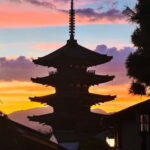
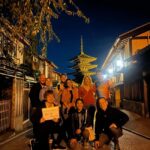
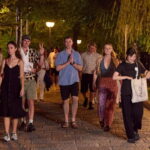
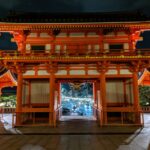
Lantern-lit streets of the geisha quarter
Optional Chion-in Temple Add-On: Worth It If You Still Have Energy
There is an optional extension on the day. An extended Chion-in visit adds about 40 to 50 minutes. It costs 1,000 yen per person, which you should expect to pay directly for the add-on.
I like this option because it gives you a controlled way to add time without having to build a whole second plan. If you are the kind of traveler who wants more temple time after the first route, this can be a natural follow-up.
If you are already tired, or you have dinner reservations, you can skip the extension and keep your schedule intact. The base tour is designed to be a shorter walking experience, so you still get a complete guided story within the initial timeframe.
Price and Value: Why $39 Can Be a Good Deal in Kyoto
At $39 per person, you are paying for three things that matter in Kyoto:
1) a guide who can explain what you are seeing,
2) guided pacing so you do not waste time guessing,
3) a structure that includes break time and photo time.
This is not a “small sightseeing” fee. It is a mid-range walking tour price that can feel good value when you consider how much information you get and how much easier it is to enjoy historic sites when someone gives you the context.
It is also fairly predictable: the base price does not mention meals, so you should plan on buying your own snacks or meals before or after. The optional Chion-in extension is the main additional cost to consider, and it is clearly stated.
If you are trying to get your bearings on your first Kyoto visit, this kind of guided format usually pays off. You see more in less time because you understand what you are looking at as you go.
Who This Tour Fits Best (And Who Might Want Something Else)
This tour is a strong match if you:
- want an English walking tour focused on geisha culture alongside Kyoto temples and shrines,
- like asking questions and getting answers in real time,
- want photo time built into the walk,
- are visiting the Kiyomizu area and want a route that feels organized.
It may not be the best fit if you:
- have mobility limits or need wheelchair-friendly access, since it is not suitable for people with mobility impairments or wheelchair users,
- dislike stairs or heavy walking,
- expect a tour built around indoor comfort or long meal breaks.
Also, if you like filming everything, note that video recording is not allowed. Still photos are fine, but you should leave your video mode off.
Practical Tips to Get the Most From Your Day
Keep these simple and you will enjoy the experience more:
- Wear shoes with good grip. Kyoto streets can be slick, and you will be on your feet.
- Bring an umbrella or raincoat. Weather swings happen, and the plan stays walk-based.
- Do a quick restroom stop before the start. This saves stress later.
- Charge your phone, but save battery for still photos. Video is not allowed.
- Ask before photographing people. It is quick and it keeps things respectful.
One more mindset tip: go in curious, not just camera-ready. When you ask even one good question, the tour tends to feel more personal.
Should You Book This Geisha Culture and Kiyomizu Area Walking Tour?
Book it if you want a guided Kyoto day that connects streets, shrines, and temples to geisha culture in a way that helps you understand what you are seeing. At $39 for a two-hour walking tour with a break, photo time, and English guidance, it is a sensible value for first-timers and culture-minded travelers.
Skip or pair it carefully if you are mainly chasing geiko and maiko sightings, need wheelchair-friendly access, or know you struggle with stairs and long walking blocks. In those cases, you might prefer a different style of tour that better matches your physical needs or your specific viewing goals.
If your goal is learning, context, and a Kyoto walk that feels like more than just a route on a map, this one is an easy yes.
More Walking Tours in Kyoto
New This Season
- Koyasan Day Trip by Private Car from Kyoto
- Old Port Town and Ultimate Sake Tasting Private Tour From Kyoto
- Kyoto’s Timeless Charm: 3hr Exploration of History and Peace
- Kyoto: 5 Types of Sushi Making
- Sacred Peak & Ancient Paths: Kurama-Kibune Hiking Experience
- Kyoto: Exclusive ZEN practice at Manpukuji temple in Uji
- Kyoto: Private Seasonal Aroma Yoga Class
- Traversing Kyoto’s Scenic West – Arashiyama to Kinkakuji
Gion Geisha Quarter Walks, compared.
Kyoto Geisha Walking Tour: Gion District & Hidden Gems
Read our review →
Gion Magical Night Walking Tour with Geisha Trivia
Read our review →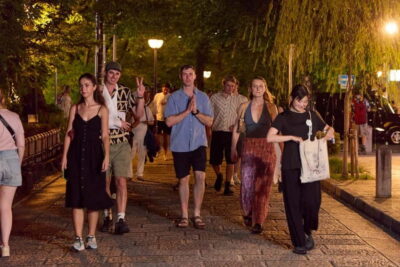
Gion Geisha District Walking Tour – Stories of Geisha
Read our review →
Best of Kyoto: Gion, Geisha, Pagodas & Cobblestones
Read our review →
Kyoto Night Foodie Tour in Gion (9+ dishes + 6 Sake tastings)
Read our review →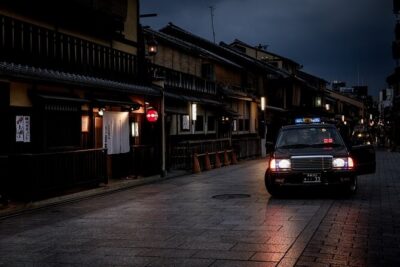
Kyoto Gion Geisha District Walking Tour – The Stories of Geisha
Read our review →