
Reviewed · MATCHA & GREEN TEA TASTINGS
Japanese Sweets Ohigashi making with Tatedashi Matcha
Sweet hands-on craft, no museum fog. In this 30-minute workshop near Gojo Station, I love picking the shape from wooden molds, and I love how the flavor changes when your sweets are made right there. The one thing to plan around is access and timing, since there are stairs and they will not hold the session for delays.
At $13 per person, you get Japanese dried-type sweets (ohigashi) plus tatedashi matcha. I also like that the base version uses no added color, so your first bite is really about the sugar and tea, not decoration.
In This Review
- Key highlights to know before you go
- Where this ohigashi workshop fits into your day
- Start-to-finish timing: what happens in those 30 minutes
- Wasanbon basics: why this sugar tastes different
- Choosing your mold: the fun, practical part
- Making ohigashi the dried-type way
- Optional colorful version: what costs extra and what it means
- Tatedashi matcha pairing at the end
- Price and value: is $13 reasonable here?
- Language and communication: how to make it smoother
- Accessibility and practical constraints (read this part first)
- Who this workshop is best for
- Should you book Japanese Sweets Ohigashi making with Tatedashi Matcha?
- FAQ
- Where is the meeting point for the ohigashi workshop?
- How long does the experience last?
- What is included in the $13 per person price?
- What do I make during the workshop?
- Can I make colorful ohigashi?
- When do I get the matcha?
- What are the operation hours?
- What is the cancellation policy?
- Is the workshop wheelchair accessible?
Key highlights to know before you go
- 100% Wasanbon flavor focus: you make dried-type ohigashi using traditional Wasanbon sugar.
- Pick your own wooden mold: choose a shape that appeals to you before you start packing the sugar.
- Fresh taste you can’t fake: the whole point is eating what you made moments earlier.
- No color in the standard version: plain, natural appearance first, optional color only if you want it.
- Tatedashi matcha is part of the tasting: you end with a matcha serving to pair with your sweets.
Where this ohigashi workshop fits into your day
This is a short, focused stop, the kind of thing that works even when your Kyoto-area schedule is tight. The session runs about 30 minutes total, with most of the time spent making and then a short tasting window.
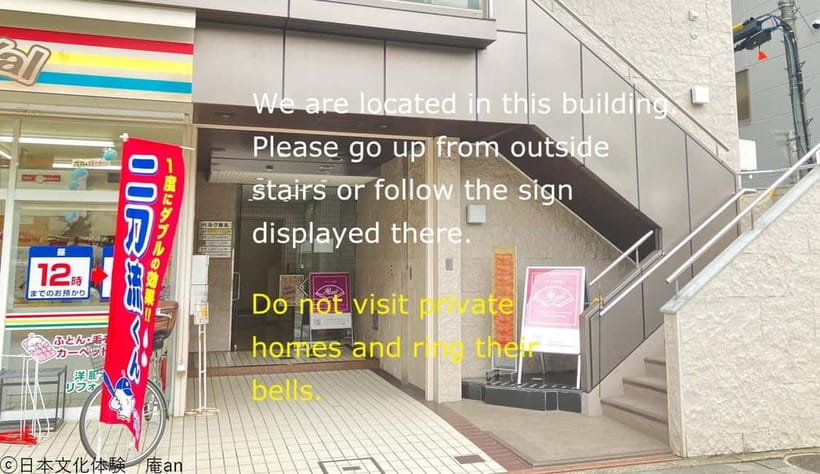
The meeting point is easy: it is a 1-minute walk from Exit 1 of the Karasuma Line Gojo Station. The store entrance faces Gojo-dori, so once you pop up from Exit 1 you should be able to spot the front quickly. If you like saving energy, this helps a lot, because you will not be walking far to start the craft.
One practical note: the provider is B.B.Advisors Inc. AN KYOTO, and the instructor is Japanese. English translation is provided as much as possible, and they ask you to contact them if you specifically want extra translation support.
Start-to-finish timing: what happens in those 30 minutes
The flow is simple, and the timeline stays tight.
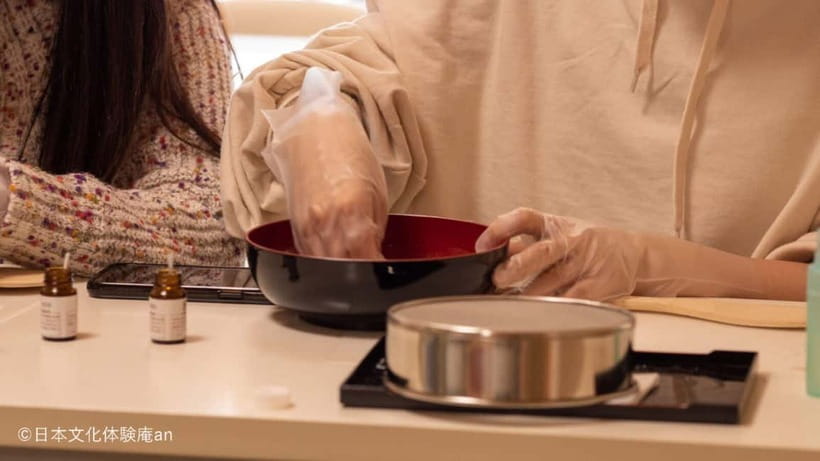
First you get a quick explanation of Japanese traditional sweets and then move into making the dried-type ohigashi. Your hands are busy during the main block, including choosing your mold shape and forming the sweet.
Next comes picture time, right after the making portion. Then you get served tatedashi matcha and you have time to eat and drink. The whole workshop wraps up as the room departure part begins, so you are not stuck for hours watching the process.
Because the session is short, it is smart to treat this like an appointment. If you show up late, they will not hold the event to accommodate delays.
Whisk your own bowl of matcha
- Kyoto: Arashiyama Bamboo Forest, Monkeys, Matcha & Temple Tour
★ 5.0 · 759 reviews - Kyoto: Tea Ceremony Meditation – Make Matcha with Tea Master
★ 4.8 · 406 reviews - Kyoto: Arashiyama Bamboo, Matcha, Monkeys & Temple Tour
★ 4.9 · 291 reviews - Kyoto: Kimono Tea Ceremony with Matcha and Sweet
★ 4.9 · 249 reviews
Wasanbon basics: why this sugar tastes different
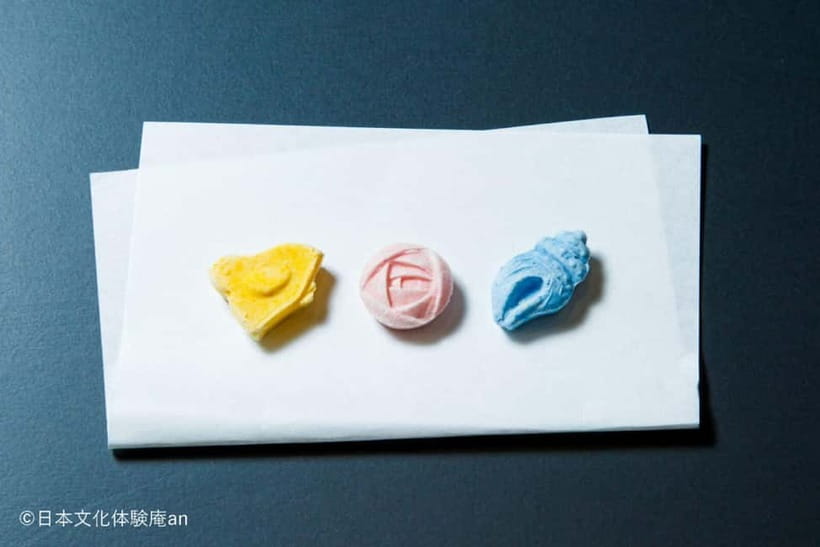
The star here is Wasanbon, a traditional Japanese sugar, and the workshop is built around the idea that Wasanbon has a mellow character you only really understand by tasting it fresh. You make your ohigashi using 100% Wasanbon, not a blend.
What I like about this setup is how direct it is. A lot of food experiences teach you theory, but then you leave without a clear sense of the ingredient itself. Here, you get the ingredient and the eating moment tied together, so the taste is the lesson.
Also, the standard version is made without adding any color. That means your eye does not get a highlight and your tongue does not get a distraction. You taste what the sugar and the process are doing, and then you can decide if you want the extra visual look later.
If you care about ingredients, this is a good use of time. You walk away with something edible, and you also get a better mental handle on why people talk about Wasanbon so specifically.
Choosing your mold: the fun, practical part
Before you start shaping, you choose your favorite wooden mold. That choice matters for two reasons.
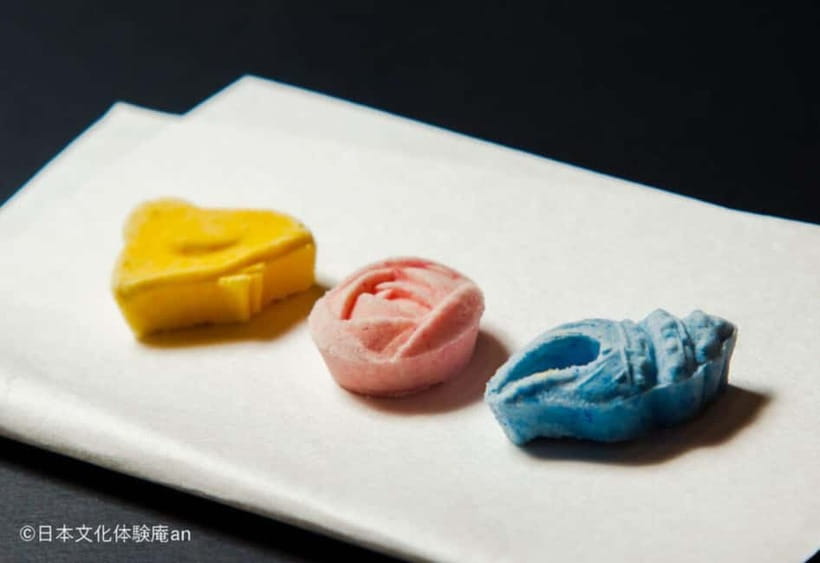
First, it adds a playful element to the technique. Even if you are not a confident maker, the mold gives you a clear outcome, and the shape itself helps you feel like you are creating something real, not just mixing ingredients.
Second, the mold makes the experience easier to follow. In short workshops, clear steps are everything. You do not need a background in Japanese sweets to get good results, because the mold and the process are the guide.
Look for your mold like you would pick a souvenir. Go with what you actually want to eat, and also what you want to remember. These sweets are often cute, and that is not just marketing. The shape is part of the enjoyment.
Making ohigashi the dried-type way
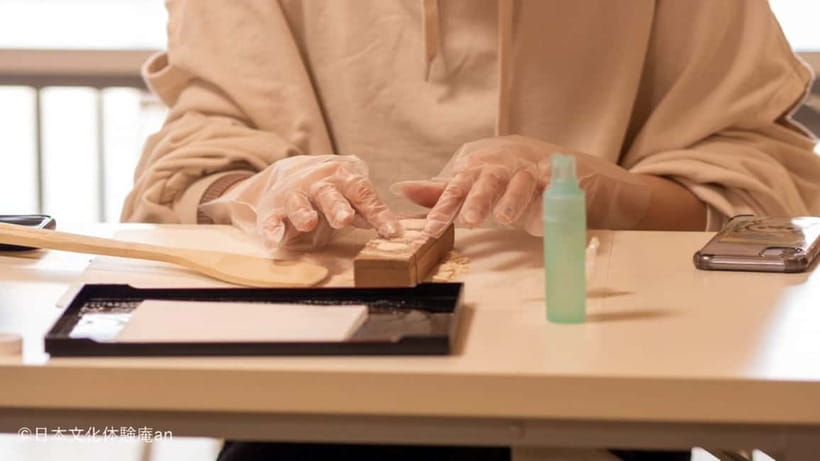
Your main task is making Japanese dried-type ohigashi with 100% Wasanbon. The workshop description emphasizes a texture idea too: the sugar has a fluffy, smooth melt that you experience in your mouth.
Now, a heads-up that helps expectations: dried-type sweets are meant to be eaten at their finished stage, not like fresh mochi that you chew while it is warm. So plan to savor. Take small bites. Let the sweetness and the melt do the work.
Also, the standard version is plain. You will be making ohigashi without adding any color during the base session. If you are hoping for something colorful, you will need the optional add-on.
This is one of the more satisfying parts of the whole experience. You get the tactile step, you watch it take form, and then you get to eat the result quickly, while the experience is still fresh in your mind.
Optional colorful version: what costs extra and what it means
If you want color, you can add it for an additional 200 JPY. The important detail is that this is not included in the standard session. The workshop notes that you can apply for it on the day.
So what does that mean for you? If your goal is pure ingredient taste, skip the color. The no-color version is designed to highlight the mellow Wasanbon flavor and the look is part of that honesty.
If you are bringing home a sweet that you want to photograph or gift, color can make it more fun and more eye-catching. Just remember you are paying extra and you are making a choice at the time of the session.
Either way, you are still making your own ohigashi and eating them, so the core value stays the same.
A quieter way to spend a day in Kyoto
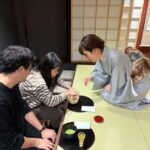
Tatedashi matcha pairing at the end
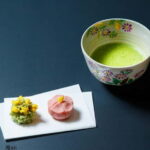
Your workshop includes tatedashi matcha after the making portion. The idea is that you do the crafting first, then you taste and drink.
I like end-stage pairings for two reasons. One, you avoid the common food-tour problem where you eat something, then you miss what made it special because you are already rushing to the next stop. Two, you are in a learning mood right after you made the sweet, so the comparison makes more sense.
Also, matcha brings balance. Wasanbon sweets are about mellow sweetness, and matcha gives a slightly bitter, vegetal counterpoint. When you get both in one sit-down, you can actually tell what each one contributes instead of eating them separately later.
Timing matters, too. The session stays short, so you are not waiting around long after the workshop. You get to enjoy your creation while you are still in the flow.
Price and value: is $13 reasonable here?
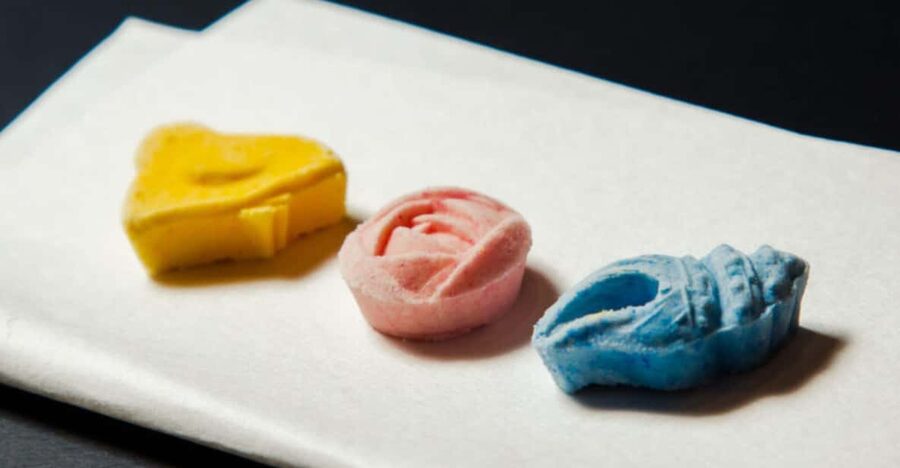
$13 per person for a hands-on workshop plus a matcha tasting is a fair deal, especially because the experience focuses on a specific ingredient and a tangible result.
Here is what you are really paying for:
- Your time with an instructor and a structured, step-by-step craft process
- The materials to make the dried-type ohigashi with 100% Wasanbon
- The tasting portion with tatedashi matcha
- The ability to choose your own wooden mold shape
You also have clearly defined add-ons, which is nice. The base price is for the standard, no-color version. If you want the colorful look, it is 200 JPY extra. If you want additional items like a completion certificate, that is listed as 300 JPY, but it is not presented as part of the core value.
If you are used to paying for experiences that feel more like watching than doing, this one is different. You are making and eating. That is usually where the value shows up.
Language and communication: how to make it smoother
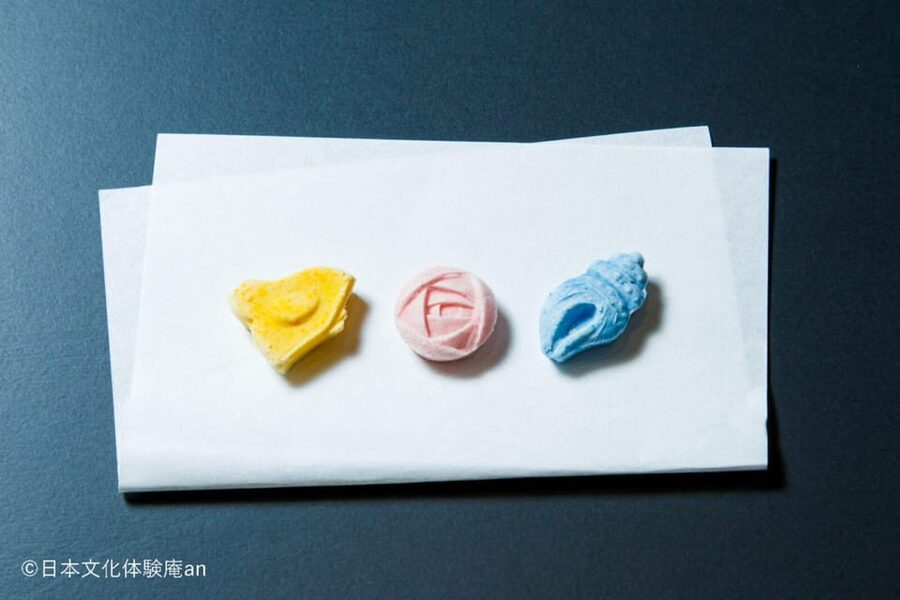
The workshop language is Japanese. They do provide English translation as much as possible, and you can request additional translation support by contacting them.
What you should do to avoid friction is simple: go in with a friendly, flexible mindset. You do not need advanced Japanese to participate in a crafting class. Most of the important steps are visual and hands-on.
If you are very concerned about understanding every detail, send a quick message before you go. The organizer explicitly invites contact if you would like help adding English translation.
Accessibility and practical constraints (read this part first)
This experience is listed as wheelchair accessible, but the details under know before you go are important. There is no elevator, and you will need to take stairs to reach each venue.
That does not mean you cannot go. It means you should plan on the stairs being a real factor. If you use a wheelchair or mobility aid, confirm with the provider what route and assistance they can offer. The listing also says the event cannot be held for delays, so the easiest way to keep things smooth is to arrive early and take your time at the entrance.
One more rule that affects planning: those who do not participate in the experience will not be allowed to enter. So treat it as a true class. If you are only accompanying someone, you likely cannot just sit in.
Who this workshop is best for
This is a great fit if you:
- Want an edible craft experience that lasts about 30 minutes
- Care about food ingredients, especially Wasanbon
- Like the idea of shaping something with wooden molds and then eating it right away
- Enjoy matcha pairings and want the pairing included, not added later
It is also a strong choice for people who do not want a half-day tour. If your day has a lot of walking, this gives you a calm break with a clear payoff.
You might want to think twice if:
- Stairs are a challenge for you, due to the lack of elevator access
- You tend to be late or rely on a very flexible schedule. This one does not pause for delays
- You expect an English-only class. Translation is provided as much as possible, but the base language is Japanese
Should you book Japanese Sweets Ohigashi making with Tatedashi Matcha?
I think this is worth booking if your travel style includes hands-on food, not just food photos. The top reason is the focus on 100% Wasanbon and the “I made it, now I eat it” moment. The mold choice adds joy, and the tatedashi matcha finishes the experience in a way that feels complete.
Book it especially if you want something short, specific, and memorable without spending the whole day on a single activity. Just arrive ready for stairs, and plan your timing so you are not trying to sprint from your next stop.
If that fits your day, you will probably leave with something you actually enjoyed making, plus a better sense of what Wasanbon tastes like when it is not just an ingredient name on a menu.
FAQ
Where is the meeting point for the ohigashi workshop?
You meet about a 1-minute walk from Exit 1 of the Karasuma Line Gojo Station. The store entrance faces Gojo-dori.
How long does the experience last?
The experience lasts 30 minutes total.
What is included in the $13 per person price?
The price includes Japanese dried-type sweets (ohigashi) making with tatedashi matcha.
What do I make during the workshop?
You make Japanese dried-type sweets (ohigashi) using 100% Wasanbon. You choose a wooden mold shape and make your own sweets.
Can I make colorful ohigashi?
Yes. You can add color for 200 JPY, but it is optional and you apply on the day.
When do I get the matcha?
After the making portion, you receive tatedashi matcha, followed by eating and drinking time before you leave the room.
What are the operation hours?
Operation hours are from 10:00 to 17:00. Reservations received after 17:00 are processed the next day.
What is the cancellation policy?
You can cancel up to 24 hours in advance for a full refund. The info also notes that cancellation fees may apply and that cancellations after 17:00 are treated as the next day.
Is the workshop wheelchair accessible?
It is listed as wheelchair accessible, but the building has no elevator, and you will need to take stairs to reach each venue.
More Cooking Classes in Kyoto
New This Season
- Koyasan Day Trip by Private Car from Kyoto
- Old Port Town and Ultimate Sake Tasting Private Tour From Kyoto
- Sacred Peak & Ancient Paths: Kurama-Kibune Hiking Experience
- Kyoto’s Timeless Charm: 3hr Exploration of History and Peace
- Kyoto: 5 Types of Sushi Making
- Kyoto: Exclusive ZEN practice at Manpukuji temple in Uji
- Kyoto: Private Seasonal Aroma Yoga Class
- Traversing Kyoto’s Scenic West – Arashiyama to Kinkakuji
Matcha & Green Tea Tastings, compared.

Arashiyama Bamboo Forest, Monkeys, Matcha & Temple Tour
Read our review →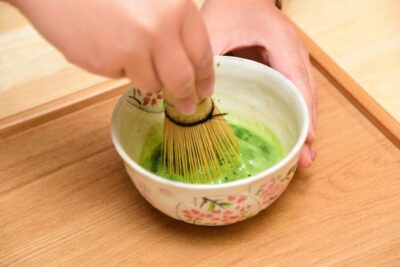
Tea Museum Tickets and Matcha Grinding Experience
Read our review →
Tea Ceremony Meditation – Make Matcha with Tea Master
Read our review →Arashiyama Bamboo, Matcha, Monkeys & Temple Tour
Read our review →

Arashiyama Bamboo, Temple, Matcha, Monkeys & secret spots
Read our review →
Green Tea Tour with Byodoin and Koshoji Temple Visits
Read our review →Also filed under