
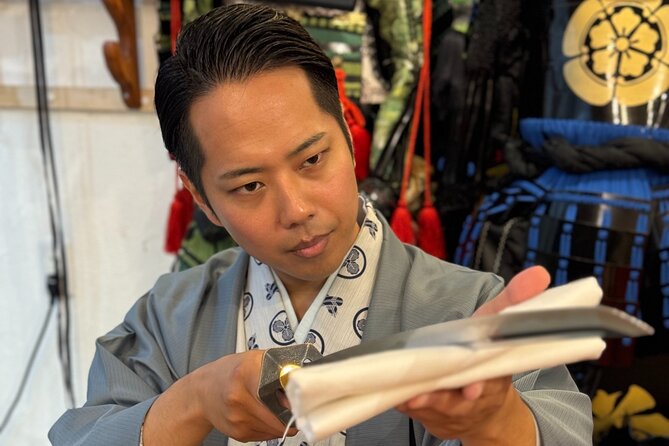
Reviewed · SAMURAI TRAINING EXPERIENCES
Katana Shopping with Professional Guidance in Kyoto
Real swords, real instruction, real choices.
This Kyoto experience brings you into a private dojo where Kenjutsu and iai-focused practice happens, then guides you through shopping with experts. Two things I really like: you get access to the training space, not just a retail floor, and you have Shogo from Let’s Ask Shogo alongside you as translation support and guidance. The main drawback to consider is that this session is meant for people who are seriously thinking about buying a katana, so it may feel too intense if you just want to browse or meet Shogo.
You also get the kind of personal attention that turns shopping into decision-making. The master handpicks blades for the right feel and fit, including some crafted centuries ago, and the process is built around asking the right questions before you commit. Just keep in mind the buying focus, the emotional weight of the choice, and the investment level that comes with “lifelong treasure” type purchases.
In This Review
- Quick highlights
- Kyoto Katana Shopping in a Real Kenjutsu Dojo
- Meet Shogo and Yushin Sensei, and Why Translation Matters
- The Buyer-Focused Goal, and What It Means for Your Expectations
- How the Blade Selection Works When a Master Handpicks
- What You Actually Do During the 1-Hour Session
- Price and Value: $65.32 Per Group Up to 10
- Practical Tips Before You Book (So You Get What You Came For)
- Who This Is Best For, and Who Should Skip It
- Should You Book This Kyoto Katana Session?
- FAQ
- How long is the katana shopping session in Kyoto?
- What does it cost, and how many people can be in a group?
- Is this activity private?
- Where do we meet for the experience?
- Do I get a ticket on my phone?
- Do I need to speak Japanese?
- Is the experience open to most travelers?
- When will I receive confirmation after booking?
- Can I get a full refund if I cancel?
Quick highlights
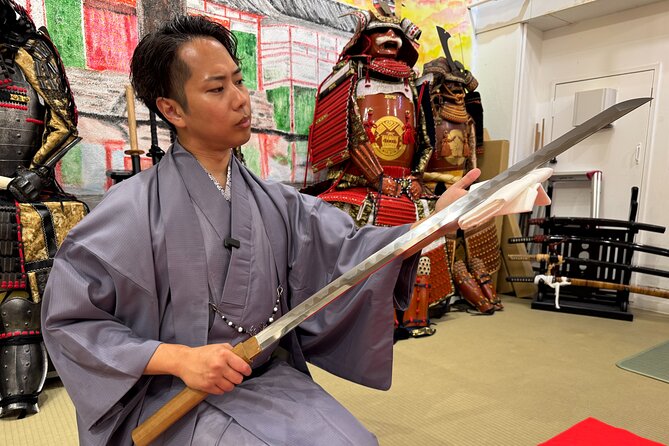
- Private dojo setting focused on Kenjutsu, not a standard sword-shop sales pitch
- Shogo as translator and guide from Let’s Ask Shogo, with 10+ years of Iai (katana budo) experience
- Hand-selected blades by a master, including swords noted as 600+ years old
- For serious buyers only, designed for people who actually want to purchase a Japanese katana
- Up to 10 people per group, but it’s still private, so your questions stay yours
Kyoto Katana Shopping in a Real Kenjutsu Dojo
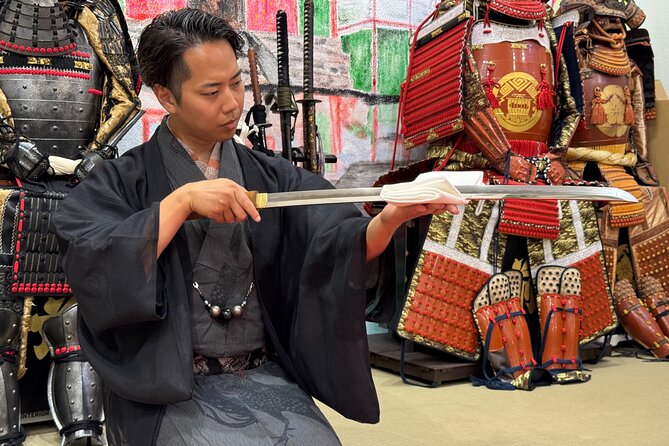
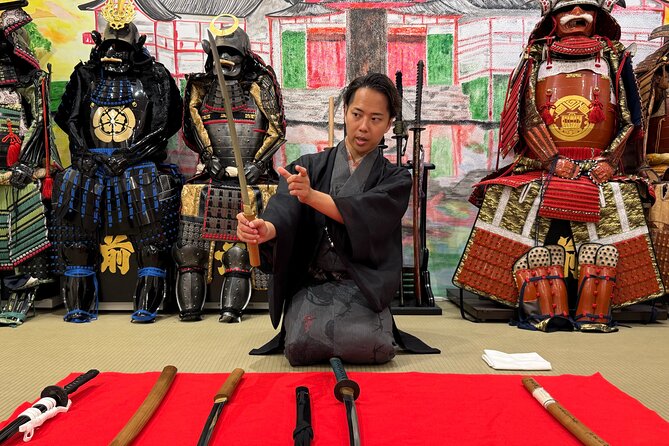
Kyoto is full of places selling swords, but most of them are built for sightseeing. This experience flips the script. You don’t just walk into a storefront and start comparing prices. You step into a private dojo where Kenjutsu is actually practiced and taught, led by a master who trains more than 20 students.
That matters because it changes your whole frame of reference. When you see blades in the context of training, you start thinking about more than looks. You naturally pay attention to shape, balance, and how a sword is meant to be handled in technique, not just displayed in a case.
I also like that this is presented as a genuine “katana shopping” experience rather than a quick cultural stop. The tone is serious, the guidance is direct, and the goal is to help you find a blade you can live with for years.
One more important detail: the swords are described as hand-selected by a master, including some crafted over 600 years ago. Even if you are not buying an ancient blade, being shown the range like that helps you understand what “real” can mean in terms of craftsmanship and age.
Meet Shogo and Yushin Sensei, and Why Translation Matters
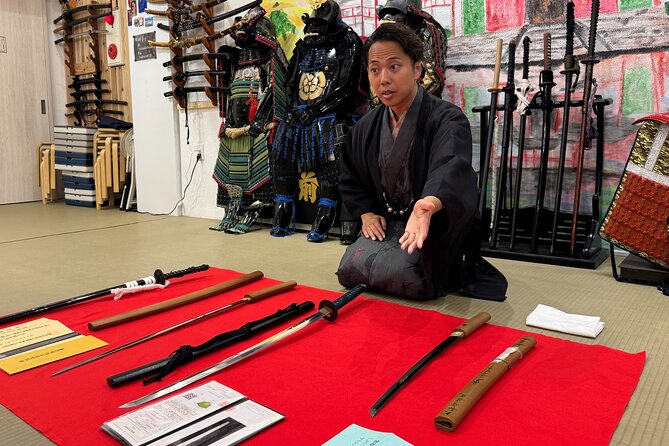
A huge part of value here is the human team, not the objects.
Shogo, from Let’s Ask Shogo, is with you as a translator and shopping guide. He brings 1.8 million+ subscribers, plus 10+ years of iai (katana budo) experience. That combo is practical. You are not left playing guessing games with vocabulary, certifications, or maintenance terms. You can ask questions in a real back-and-forth way, and you get answers that connect to how a katana is used and cared for.
In the dojo environment, you also meet Yushin Sensei. The experience is described as friendly and accommodating in prior sessions, with the team clearly focused on iaido and katana use, history, and preservation. That matters because preservation is often the part people skip when they’re daydreaming about buying a sword.
The effect for you is simple: you can focus on decision quality. You’ll understand what you’re seeing, what questions to ask next, and what to think about after you buy.
Pick up a sword for an afternoon
- Kyoto Samurai Experience
★ 5.0 · 1,294 reviews - Kyoto: Kendo and Samurai Experience with Uniform and Gear
★ 4.9 · 815 reviews - Kyoto: Samurai Sword Class by Experts in Traditional Arts
★ 4.9 · 657 reviews - Skip the lines Basic Ticket at SAMURAI NINJA MUSEUM KYOTO
★ 4.5 · 632 reviews
The Buyer-Focused Goal, and What It Means for Your Expectations
This session is not a “come look around” event. It’s strictly intended for people seriously considering purchasing a Japanese katana. The wording is explicit, and the reviews and description reinforce that this is a real buying process, not a meet-and-greet.
So here’s the expectation-setting tip I want you to keep in mind: if you want to treat the katana like a casual souvenir, you might feel out of place. If you are ready to invest time and attention, you’re in the right place.
The payoff is that your time is used for meaningful evaluation. A master is involved, and Shogo’s role is to help you communicate what you want, connect that to what you’re seeing, and avoid decision confusion. Several past participants describe being guided at all points, with patience and clear explanations.
This also explains why the session is only about an hour. There’s no room for wandering. There’s room for focused conversation and careful selection.
How the Blade Selection Works When a Master Handpicks
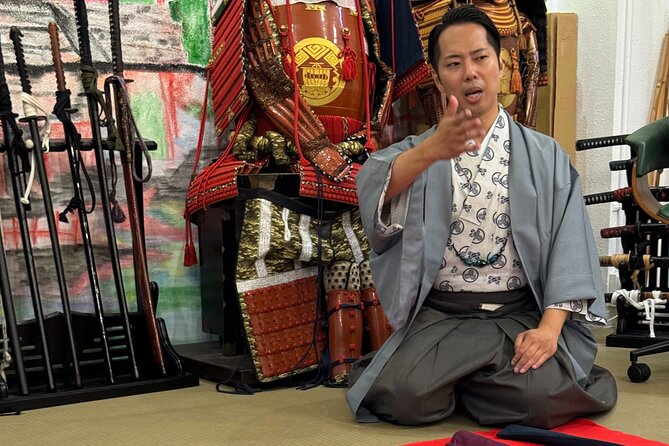
The experience is built around hand-selection by a master, and that’s where the “real” difference shows.
Instead of treating every sword on display as equal, the approach is to narrow down options based on your needs and what you can realistically handle as a new owner. The description also notes that the blades can include pieces made centuries ago, and even when you are not buying the oldest option, seeing older craftsmanship can recalibrate your taste fast.
What I like about this process is that it’s not just, “Here are ten swords, pick one.” It’s more like a guided path toward the right fit.
From past accounts, Shogo is described as helping people find the perfect katana for them, even when the buyer felt skeptical at first. There are also stories of the match being personal, including the way fittings and details like fuchi, kashira, and menuki reflected interests and even a zodiac detail. Now, you should treat that as a possible outcome, not a guarantee. The bigger point is that the guidance is personal. You’re not buying a random blade off a shelf.
If you’re a collector, this matters because you’re thinking about more than trend. If you’re martial-arts-minded, it matters because you’re thinking about use and care. Either way, the goal is to help you make a decision that feels intentional.
What You Actually Do During the 1-Hour Session
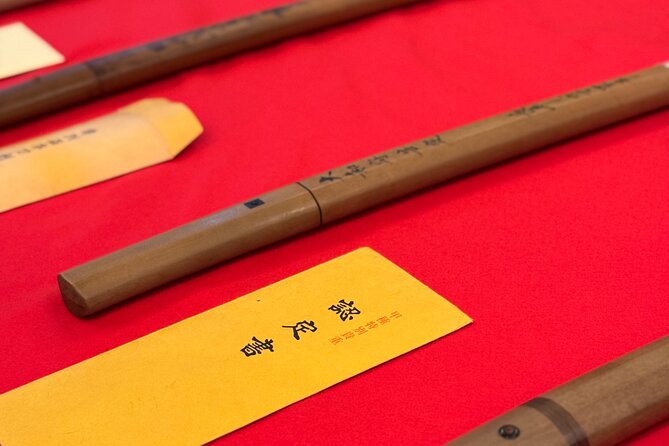
The duration is about one hour. That short window is part of what makes it feel “real” rather than tourist-like. You go in with questions in mind, and the process helps you structure what you’re looking for.
Here’s the rhythm you can expect:
1) Arrival at the meeting point
You start at 452-2 Matsugaechō, Nakagyo Ward, Kyoto, 604-8034, Japan. The activity ends back at that same meeting point.
2) Entering the private dojo
You step into the training space, where Kenjutsu is taught and practiced. This is where the session’s tone becomes clear: you’re in a serious environment.
3) Guided viewing and selection
A master helps handpick blades, and you work through what you’re seeing with Shogo translating and guiding. You should be ready to ask questions, especially about what you’re feeling in terms of balance and what kind of ownership experience you want.
4) Discussion around buying and preservation
Based on prior experiences, the team also explains maintenance and answers questions thoroughly. If you decide to buy, the guidance can continue after the decision, including follow up related to shipping and arrival (described by a past buyer).
A practical note: because the focus is on serious purchase consideration, you should come prepared to talk about your budget and what you want the sword to do for you. If you don’t know yet, that’s not a dealbreaker, but you should be ready for a guided conversation that turns “curiosity” into “criteria.”
Price and Value: $65.32 Per Group Up to 10
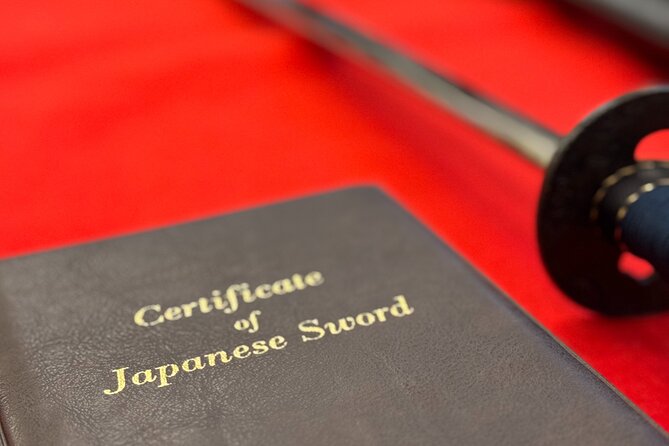
Let’s talk money in a grounded way. The price is $65.32 per group, up to 10 people. That looks low compared to how special this experience is, and the structure helps explain why.
You are paying for:
- a private, dojo-based guided session,
- translation and instruction support via Shogo,
- and access to a master’s handpicked selection.
If you’re traveling with friends or family, splitting the group cost makes it even easier to justify, especially because it’s private rather than crowded.
Where the value calculation changes is if you’re not actually planning to buy. Since the experience is meant for serious buyers, the “value” of your time depends on your mindset. If you just want photos, a quick souvenir stop, or a casual chat, you may feel like you’re missing the intended point.
If you’re ready to consider a katana as an investment, the pricing structure makes the guided time feel very reasonable for Kyoto.
Pottery, paper, and tea to bring home

Practical Tips Before You Book (So You Get What You Came For)
You’ll get the best results if you treat this like a decision meeting, not a casual attraction.
Here are smart prep steps you can do with the info you’re given:
- Think about your end goal
Are you buying as a collector, for practice interest, for a family legacy idea, or for display? Your answer shapes what “perfect” means.
- Have a budget range ready
The experience is buyer-focused. The more you can communicate about your budget and priorities, the faster the team can guide the selection.
- Ask about maintenance early
Because preservation matters, ask questions about basic upkeep and long-term care. Prior accounts highlight that the team explains maintenance and provides answers, which is exactly what you want before committing.
- Plan for a follow-up if you buy
One past buyer described shipping updates after purchase and mentioned payment authorization issues that took a few days to resolve, with the team being helpful. So expect that if you buy, the process may not be instant.
- Know the meeting point
Start at 452-2 Matsugaechō, Nakagyo Ward. The session ends back there. If you’re juggling other Kyoto stops that day, build in a cushion.
Who This Is Best For, and Who Should Skip It
This is a great fit if you:
- are seriously considering purchasing a Japanese katana,
- want expert guidance in a dojo setting,
- care about preservation and not just aesthetics,
- and can appreciate a high-context buying experience.
It may not be the right fit if you:
- want only to meet Shogo,
- want a casual look without purchase intent,
- or feel uncomfortable with a serious, criteria-driven approach.
Also, because it’s private for your group, it’s ideal if you prefer your questions to stay within your circle instead of being shaped by random chatter.
Should You Book This Kyoto Katana Session?
Book it if you’re the kind of person who thinks, I want the right sword, not just any sword. The value here comes from the dojo context, the translator role of Shogo, and the master’s hand-selected approach. You’ll spend your time in a focused environment, ask better questions, and walk away with clearer next steps, whether you buy or you decide to wait.
Skip it if you’re coming primarily for the influencer experience or for quick browsing. The event is designed to support serious buying decisions, and it will likely feel like the wrong energy if that’s not your goal.
If you do book, arrive ready to talk about budget and your criteria, and lean into the preservation conversation. That’s where this experience turns from cool to useful.
FAQ
How long is the katana shopping session in Kyoto?
It runs for about 1 hour (approx.).
What does it cost, and how many people can be in a group?
The price is $65.32 per group, up to 10 people.
Is this activity private?
Yes. It is a private tour or activity, and only your group participates.
Where do we meet for the experience?
You start at 452-2 Matsugaechō, Nakagyo Ward, Kyoto, 604-8034, Japan. The activity ends back at the meeting point.
Do I get a ticket on my phone?
Yes. It uses a mobile ticket.
Do I need to speak Japanese?
Shogo is listed as your translator and guide during the session, so language support is part of the experience.
Is the experience open to most travelers?
Yes, most travelers can participate.
When will I receive confirmation after booking?
Confirmation is received within 48 hours of booking, subject to availability.
Can I get a full refund if I cancel?
Yes, free cancellation is available. You can cancel up to 24 hours in advance for a full refund.
New This Season
- Koyasan Day Trip by Private Car from Kyoto
- Old Port Town and Ultimate Sake Tasting Private Tour From Kyoto
- Kyoto’s Timeless Charm: 3hr Exploration of History and Peace
- Kyoto: 5 Types of Sushi Making
- Sacred Peak & Ancient Paths: Kurama-Kibune Hiking Experience
- Kyoto: Exclusive ZEN practice at Manpukuji temple in Uji
- Kyoto: Private Seasonal Aroma Yoga Class
- Traversing Kyoto’s Scenic West – Arashiyama to Kinkakuji
Samurai Training Experiences, compared.
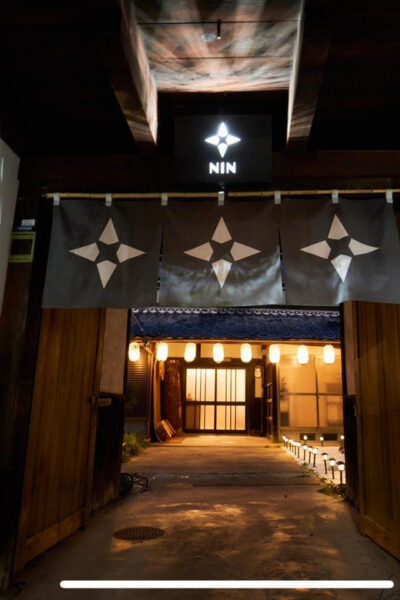
Kendo and Samurai Experience with Uniform and Gear
Read our review →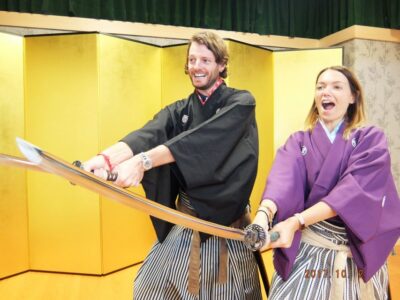
Samurai Sword Class by Experts in Traditional Arts
Read our review →
Skip the lines Basic Ticket at SAMURAI NINJA MUSEUM KYOTO
Read our review →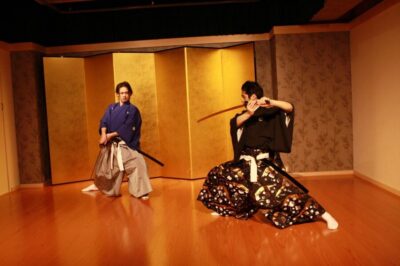
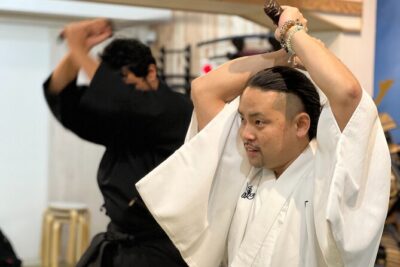
Samurai Training with Modern day Musashi in Kyoto
Read our review →

Private Tea Ceremony and Sake Tasting in Kyoto Samurai House
Read our review →Also filed under