Reviewed · MATCHA & GREEN TEA TASTINGS
Kyoto: A Walking Tour of Four Spring Waters, Tofu Lunch & Matcha
Spring water has a quiet pull in Kyoto. This tour pairs a tofu obanzai lunch with guided tastings at Yasaka and two Tenmangu shrines, a soothing way to slow down and pay attention. The main tradeoff is crowd time, especially near the busiest shrine entrance where queues can form.
I also like that the pace is gentle and built around walking, not museum marathons. You’re in a small group, up to 6 people, with a mobile ticket, and you start right at Kyoto Station (11:00 am). One watch-out: this route does not include Kiyomizu-dera, so if that temple is on your must-see list, you’ll want a separate plan.
In This Review
- Key points to know before you go
- Price and timing: what $130 buys you in Kyoto
- Meeting at Kyoto Station, then switching into walking mode
- Lunch at a Kyoto tofu obanzai set meal: good energy for a walking tour
- Yasaka Shrine: the start of the spring-water tastings
- Nishiki Tenmangu: learning, protection, and success themes
- Hiyoke Tenmangu: the shrine tied to fire prevention
- Kameya Yoshinaga: matcha and sweets made with spring water
- How the group size changes the experience
- Tips for enjoying busy shrine areas without losing the vibe
- Who this tour suits best
- Should you book this Kyoto spring-water and tofu tour?
- FAQ
- What is the duration of the Kyoto walking tour?
- Where does the tour start and end?
- What time does the tour begin?
- What is included in the price?
- What are the main stops during the tour?
- Is Kiyomizu-dera included?
- How many people are in the group?
- What is the cancellation policy?
- What happens if the minimum number of participants is not met?
Key points to know before you go
- Tofu and Kyoto obanzai lunch first, so you’re not wandering hungry
- Three spring water stops plus sampling at each location
- Yasaka Shrine power water theme tied to Gion Shinsui and beauty water
- Tenmangu shrines with clear purposes, learning at Nishiki Tenmangu and fire protection at Hiyoke Tenmangu
- Kameya Yoshinaga (founded 1803) for matcha and sweets made with spring water
- Small group, mobile ticket, and a route that’s easy to follow on foot
Price and timing: what $130 buys you in Kyoto
This is a half-day style tour at about 4 hours 40 minutes. For $130 per person, you get more than just a walk. You’re also covered for the big costs that usually add up in Kyoto: lunch, matcha and sweets, plus transportation fees and admission or activity fees during the tour.
So the value question is simple. If you plan to do three shrine visits plus a sit-down meal and a traditional sweets stop anyway, the bundled ticket starts to make sense. If you only want one or two of those pieces, it may feel pricier. Since the group is small and the guide is coordinating the flow, it’s also a comfort purchase for people who want the route handled.
Timing is important too. The tour starts at 11:00 am at Kyoto Station, and it returns to the same meeting point. The end time can shift a bit due to traffic or other surprises, so give yourself a buffer if you’re connecting to another plan.
Meeting at Kyoto Station, then switching into walking mode
Kyoto Station is a smart place to start. It’s easy to reach from both within the city and from longer-distance trains, and you’re not hunting for a meeting spot in a side street. The meeting point is listed at Kyoto Station Higashishiokoji Kamadonocho in Shimogyo Ward.
From there, you’re essentially guided from one religious site to the next, with time for tasting and looking around. The walking component matters: you’ll want comfortable shoes with grip, especially if the ground is wet in spring or you hit a busy pedestrian area.
There’s also a practical crowd factor. One reason this tour works well is that it concentrates on specific locations, so your guide can keep you moving even when the sidewalks get crowded. That said, shrine approaches can still be busy, and you should expect some waiting near the main entrances.
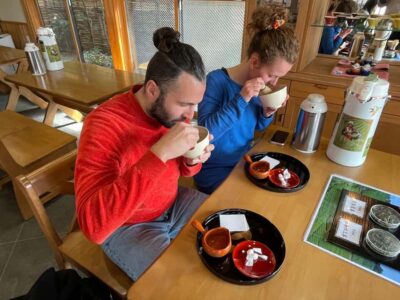
Whisk your own bowl of matcha
- Kyoto: Arashiyama Bamboo Forest, Monkeys, Matcha & Temple Tour
★ 5.0 · 759 reviews - Kyoto: Tea Ceremony Meditation – Make Matcha with Tea Master
★ 4.8 · 406 reviews - Kyoto: Arashiyama Bamboo, Matcha, Monkeys & Temple Tour
★ 4.9 · 291 reviews - Kyoto: Kimono Tea Ceremony with Matcha and Sweet
★ 4.9 · 249 reviews
Lunch at a Kyoto tofu obanzai set meal: good energy for a walking tour
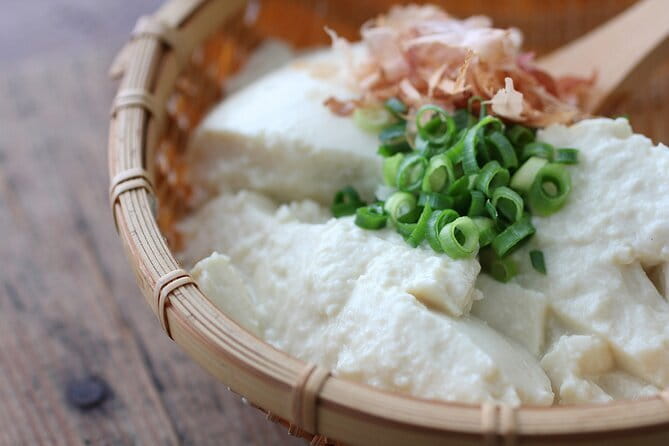
Your first stop is a tofu and Kyoto obanzai lunch. Obanzai is Kyoto home-style cooking, and it’s a big part of why Kyoto feels different from other Japanese food cities. The tour aims for something warming and filling so you can handle 4 plus hours of walking and standing.
One extra detail I appreciate is the note that restaurants may change by season and other factors. That helps explain why you might see small menu shifts at different times of year. In fact, a highlight for some people is that the lunch experience can include tofu skin preparations such as yuba on certain dates. If you’re curious about that, keep an open mind when the menu looks slightly different.
What to expect from a tour lunch like this:
- It’s structured, so you’re not stuck deciding what to order while hungry.
- It’s designed to pair well with the rest of the day, not just a standalone meal.
- You get a set format that’s easy to enjoy even if your Japanese is limited.
Drawback to consider: if you’re picky about soy-based foods, you’ll want to check your comfort level ahead of time. The theme here is clearly tofu and soy milk based flavors, then matcha later.
Yasaka Shrine: the start of the spring-water tastings
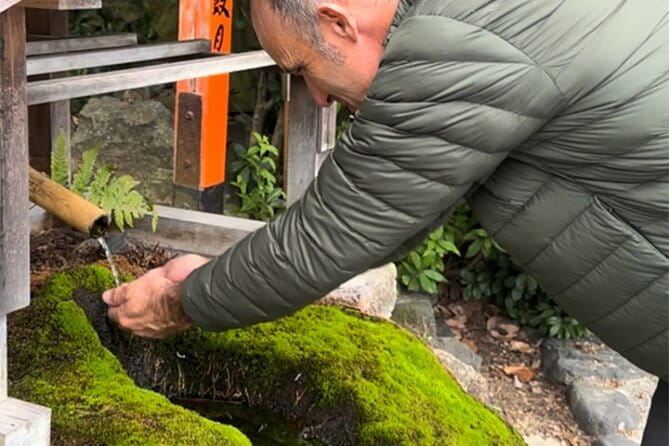
The walking tour of hidden spring water sources begins at Yasaka Shrine. This is where the spirituality of the day becomes more than a cute wellness theme. Kyoto’s Shinto tradition ties sacred water to specific guardians and directions, and this shrine is connected with that idea through the Shijin, four divine creatures who protect the world by cardinal direction.
Yasaka Shrine is linked to spring water known as Gion Shinsui, often described as power water. There’s also a related concept of beauty water, where small amounts are used after drinking. The tour gives you the feeling that the water is part of a ritual cycle, not just a random sip.
The practical side:
- You’ll spend about 20 minutes here, so it’s enough time to take in the shrine atmosphere and do the tasting without rushing.
- Under the main hall, the shrine pond area is part of the legend tied to a dragon-like presence, which helps you understand why locals treat this water respectfully.
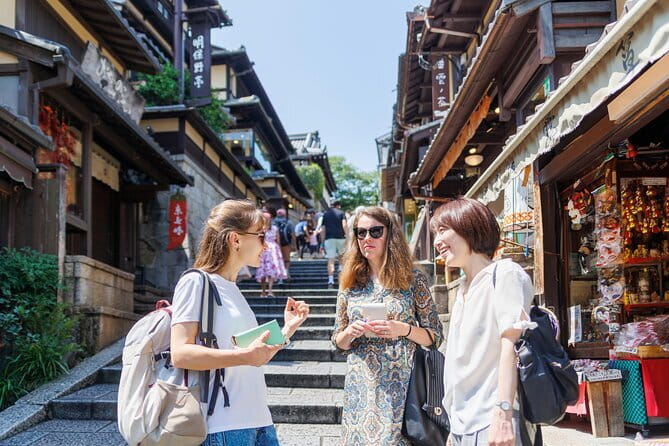
Crowds can be intense here. One person’s take was that the route felt busy on the way and at the sites, but it was still worth it to join the queue for a hands-on, traditional experience. That matches what you should plan for. If you show up calm and patient, the waiting becomes part of the cultural rhythm.
Nishiki Tenmangu: learning, protection, and success themes
Next up is Nishiki Tenmangu Shrine, with a theme connected to Tenjin, the deity of learning. This stop is shorter, about 10 minutes. That’s actually a good thing. It keeps your walking tour from turning into a long shrine marathon, while still letting you connect the water tastings to different ideas.
The water here is described as blessed for protection from misfortune, along with wisdom and success in academic pursuits. Even if you don’t think in those terms, it’s a neat way to see how a single day can map different intentions onto sacred places.
What I like about this stop is the contrast. Yasaka gives you the spiritual, myth-linked power water mood. Nishiki Tenmangu brings you back to a human-focused goal, learning and success.
Hiyoke Tenmangu: the shrine tied to fire prevention
Then you head to Hiyoke Tenmangu, another short stop at around 10 minutes. The theme is fire prevention, with stories tied to a major event in the late Edo period, the Hamaguri-gomon Incident, when fires caused widespread damage.
The tour leans into the idea that this area miraculously avoided a devastating blaze, and that’s why the shrine gained its fire-protection reputation. It’s one of those Kyoto moments where a place’s reputation has a specific historical anchor, not just vague legend.
Practical expectation: this is more about noticing the shrine details and making the tasting portion meaningful, not about extended sightseeing. If you like focused stops where each one has a clear reason, this part works.
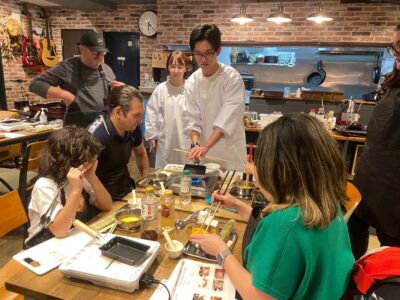
Lunch, wedged between temple visits

Kameya Yoshinaga: matcha and sweets made with spring water
After the three spring water stops, the tour ends at Kameya Yoshinaga, a traditional confectionery founded in 1803. This final stretch is about 30 minutes, and it’s the most relaxing part of the day.
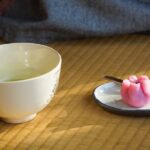
You’ll enjoy sweets and matcha made using the spring water tied to the tour’s theme. In practice, that means the day comes full circle: you start with tofu and soy-based comfort, then you do tastings at shrines, and you end with something sweet that feels earned rather than rushed.
This is also the stop many people remember most. One comment called the confectionary shop delightful, and that matches the general Kyoto formula. Quality sweets plus a calm sitting time helps you digest the whole experience, both food-wise and mentally.
What to watch for here:
- Expect a small wait if the shop is popular, since you’re arriving after a walking run through crowded areas.
- You’ll likely be drinking matcha, so if you’re sensitive to caffeine, pace yourself.
How the group size changes the experience
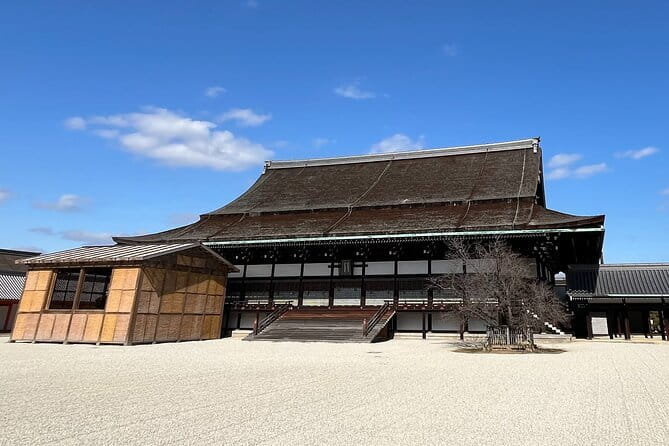
The maximum group size is 6 travelers. That matters more than it sounds. With a small number of people, you’re less likely to get lost in the crowd, and your guide can keep the timing tight across shrine entrances, tasting moments, and the final confection stop.
Also, small groups tend to feel more conversational, even if the tour is focused. You can ask practical questions without feeling like you’re interrupting a big bus.
If you value quiet, this is a good setup compared to longer, larger-cohort tours. If you hate waiting in lines, no Kyoto shrine tour can eliminate queues completely, but a smaller group can reduce chaos.
Tips for enjoying busy shrine areas without losing the vibe
Kyoto in spring can feel like every visitor had the same idea. This tour includes some popular areas, and the timing is midday-ish, starting at 11:00 am. Here’s how you can make it smoother:
- Wear shoes you can stand in for 10 to 20 minutes at a time.
- Carry a small bottle of water, even though you’ll be tasting sacred water at stops.
- Keep your plan flexible for the end time. The tour notes delays can happen due to traffic or unforeseen circumstances.
- If you see people lining up for a traditional experience, don’t panic. Treat it as part of the culture you came to see.
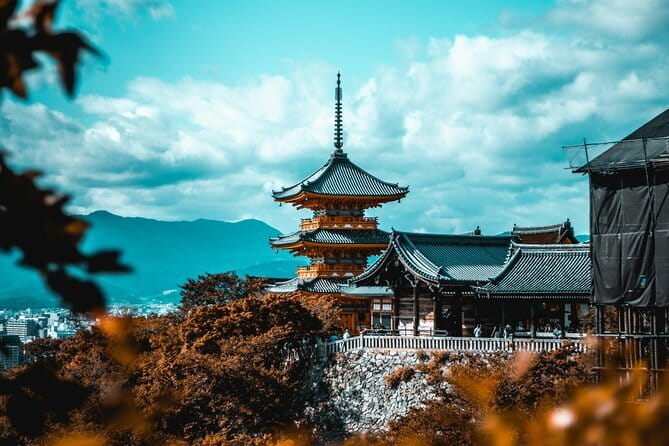
One more tip: because the route does not include Kiyomizu-dera, you can avoid feeling like you’re missing a major icon. If you were hoping to stack Kyoto’s biggest temple hits into one day, this is better viewed as a focused spiritual food and water walk.
Who this tour suits best
This tour is a strong fit if you:
- Want a calmer way to experience Kyoto beyond big temple stops
- Like food experiences tied to place and ritual, not just sightseeing snacks
- Enjoy spring water lore and shrine themes, learning and fire protection included
- Prefer a small group with a guided pace you can relax into
It might be less ideal if you:
- Need a wheelchair-friendly or fully vehicle-based route (the walking component is central)
- Are only interested in Kiyomizu-dera or one specific mega-attraction
- Strongly dislike soy-based foods like tofu and matcha
Should you book this Kyoto spring-water and tofu tour?
Book it if you want a half-day that connects Kyoto’s everyday calm with specific shrine water stories, then wraps it up with a proper tofu lunch and a matcha sweets break at a historic confectionery. The price feels fair because the tour handles more than guidance. It bundles the meals and the access costs so you can focus on enjoying the day.
Skip it or look for another option if your heart is set on visiting Kiyomizu-dera as part of this package, or if you really dislike waiting in lines at popular sacred sites. In that case, you’ll spend the day frustrated instead of refreshed.
If you do book, go in with the right mindset. This tour is less about ticking boxes and more about slow attention, tasting sacred spring water in three themed shrines, and ending with sweets in a shop that has been doing its thing since 1803.
FAQ
What is the duration of the Kyoto walking tour?
The tour lasts about 4 hours 40 minutes.
Where does the tour start and end?
It starts at Kyoto Station Higashishiokoji Kamadonocho in Shimogyo Ward, and it ends back at the same meeting point.
What time does the tour begin?
The start time is 11:00 am.
What is included in the price?
Lunch (tofu and Kyoto obanzai), matcha and sweets, coffee and/or tea, and all transportation fees during the tour, plus all admission fees and activity fees.
What are the main stops during the tour?
You visit Yasaka Shrine, Nishiki Tenmangu Shrine, Hiyoke Tenmangu, and the tour concludes at the confectionery Kameya Yoshinaga, after sampling spring water at the shrine locations.
Is Kiyomizu-dera included?
No, Kiyomizu-dera Temple is not included in the itinerary.
How many people are in the group?
The tour has a maximum of 6 travelers.
What is the cancellation policy?
This experience is non-refundable and cannot be changed for any reason.
What happens if the minimum number of participants is not met?
The tour requires a minimum of 2 participants to operate. If it’s canceled because the minimum isn’t met, you’ll be notified 4 days before departure and receive a full refund, or you may be offered a different date or experience.
More Walking Tours in Kyoto
More Cooking Classes in Kyoto
New This Season
- Koyasan Day Trip by Private Car from Kyoto
- Old Port Town and Ultimate Sake Tasting Private Tour From Kyoto
- Kyoto’s Timeless Charm: 3hr Exploration of History and Peace
- Kyoto: 5 Types of Sushi Making
- Sacred Peak & Ancient Paths: Kurama-Kibune Hiking Experience
- Kyoto: Exclusive ZEN practice at Manpukuji temple in Uji
- Kyoto: Private Seasonal Aroma Yoga Class
- Traversing Kyoto’s Scenic West – Arashiyama to Kinkakuji
Matcha & Green Tea Tastings, compared.
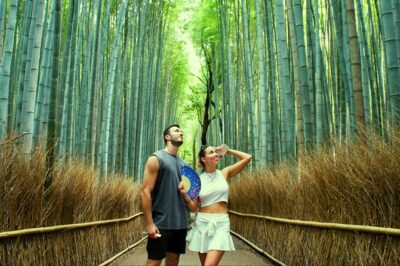
Arashiyama Bamboo Forest, Monkeys, Matcha & Temple Tour
Read our review →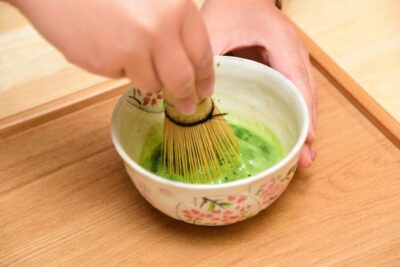
Tea Museum Tickets and Matcha Grinding Experience
Read our review →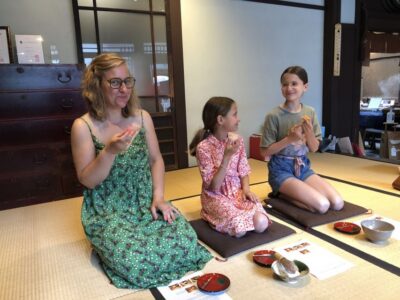
Tea Ceremony Meditation – Make Matcha with Tea Master
Read our review →Arashiyama Bamboo, Matcha, Monkeys & Temple Tour
Read our review →
Arashiyama Bamboo, Temple, Matcha, Monkeys & secret spots
Read our review →