
Reviewed · WALKING TOURS
Kyoto: Early Morning Walking Tour with Local Guide
One of the best ways to see Kyoto is before the day starts moving. This early-morning walking tour strings together the places you actually want, with time to look around while streets feel calm and temples are less crowded. You also get local context, not just checkpoints.
I especially like the first-light calm at Kiyomizu-dera and the way the walk keeps you in quieter corners. The second thing I love is the guide-led flow, including Gion and classic lanes like Sannen-zaka and Ninen-zaka, so you spend less time figuring out routes and more time noticing details.
One consideration: the tour covers a lot of walking plus a short local train ride, so you will want comfortable shoes and a steady pace, especially if you come with kids or plan to linger at photo stops.
In This Review
- Key points to know before you go
- Why Kyoto feels different at first light
- Meeting near Kiyomizu-dera, then moving on foot
- Kiyomizu-dera morning views, plus the 3 USD entrance fee note
- Sannen-zaka and Ninen-zaka: the streets that slow you down
- Chion-in Temple: quieter architecture and a more reflective pace
- Yasaka Shrine and the five-story Yasaka Pagoda moment
- Gion in the quiet morning hours
- The short local train ride to Fushimi Inari Taisha
- Fushimi Inari Taisha: torii gates, not just a queue
- What you get with a private group (and why it matters)
- Price and value: $316 for up to 10 people
- What to bring for an easy, comfortable morning
- Who this tour is best for
- Should you book the Kyoto early morning walking tour?
- FAQ
- Where does the tour start?
- How long is the tour?
- Is this tour private?
- What is included in the tour price?
- Is food or drinks included?
- Is the Kiyomizudera entrance fee included?
- Do I need to arrange transportation to the meeting point?
- Where does the tour end?
- What should I bring?
- What is the cancellation and payment flexibility?
Key points to know before you go
- Early start, calmer temples for a more peaceful feel at Kiyomizu-dera and the surrounding area
- Old-street wandering through Sannen-zaka and Ninen-zaka instead of rushing straight to the big sights
- Yasaka Shrine and Chion-in in the same rhythm, so you get different temple moods back-to-back
- Gion’s quiet morning lanes, a more reflective look at Kyoto’s geisha district
- Yasaka Pagoda viewing time plus the easy payoff of Fushimi Inari’s torii gates at the end
- Private group up to 10 with an English or Italian live guide who can adjust the pace
Why Kyoto feels different at first light
Kyoto has a way of changing with the hour of the day. When you arrive early, you get more than fewer people. You get temples that feel less like a photo stop and more like a living place with atmosphere.
That is exactly why an early morning tour works so well here. The day’s main sights are still there, but you experience them with cooler temperatures, easier walking, and breathing room for the views.
Meeting near Kiyomizu-dera, then moving on foot
You start at the Family Mart in front of Higashiyama Fire Station, address 4 Chome-182-18 Kiyomizu, which is also close to Kiyomizu-dera Temple. If it is easier, you can request meeting at your hotel in Kyoto city.
From that starting point, you work your way through Kyoto’s eastern temple and old-street zone on foot. The benefit of this structure is simple: you are not hopping around randomly. You are walking through neighborhoods that actually connect these landmarks.
This is also a private group format, up to 10 people. That usually means fewer bottlenecks at viewpoints and more chance to ask questions when something catches your eye.
Beat the crowds with an early start
- Kyoto Early Morning Tour with English-Speaking Guide
★ 5.0 · 1,427 reviews - Kyoto: Early Morning Tour with English-Speaking Guide
★ 4.9 · 1,128 reviews - From Kyoto: Nara Guided Morning Tour
★ 4.6 · 335 reviews - Kyoto Morning Tour from Kyoto or Osaka
★ 4.0 · 281 reviews
Kiyomizu-dera morning views, plus the 3 USD entrance fee note
Kiyomizu-dera is where Kyoto often feels cinematic. Even with no extras, the big views from the temple area are the reason it draws so many people. Going early helps you enjoy those vistas without fighting the flow.
Your time here is about one hour, focused on Kiyasunoto Pagoda at the Kiyomizu-dera complex. You get the calm morning atmosphere before crowds build and it becomes harder to stop, look, and take in the architecture.
Practical budget note: the Kiyomizudera entrance fee is 3 USD and is not included. So plan to carry a bit of cash or be ready to pay at the site.
Sannen-zaka and Ninen-zaka: the streets that slow you down
After Kiyomizu-dera, the route includes Sannen-zaka and Ninen-zaka, the classic traditional lanes that make people fall for old Kyoto. These streets are narrow, layered with stone paths and storefront textures, and they feel best when you are not rushing.
This part matters because it changes the tour from landmark collecting into actual neighborhood walking. You see how the area feels at human speed, and you get time to notice the street rhythm, not just buildings.
A small but real tip: wear shoes you trust on uneven stone and steps. These lanes are gorgeous, but your feet will notice every climb and descent.
Chion-in Temple: quieter architecture and a more reflective pace
Next you head to Chion-in Temple, with about 30 minutes here. This is a smart contrast to Kiyomizu-dera because it slows the pace. Instead of only chasing sweeping views, you get to focus more on temple space and impressive architecture.
Chion-in also helps you break up the tour flow. It sits in the broader Higashiyama temple belt, but it feels different enough that the day does not blend into one long blur of “another shrine.”
If you like architecture, you will likely enjoy this stop more than you expect. When you are visiting early, the temple grounds tend to feel more spacious, so you can take your time with details.
Yasaka Shrine and the five-story Yasaka Pagoda moment
Yasaka Shrine is a highlight for a reason. It is lively, historically rooted, and easy to recognize once you are there. Your guided time is about 30 minutes, which is usually enough to understand what you are seeing and still have time for photos.
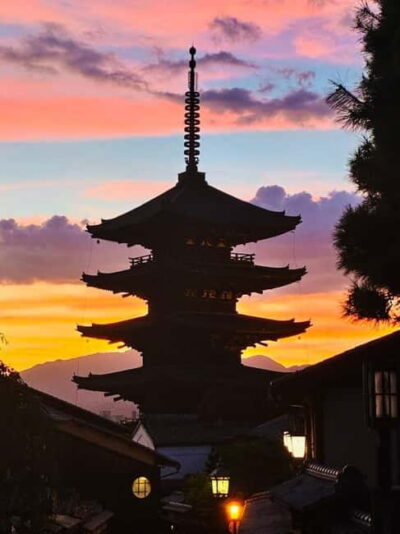
The tour also includes the Yasaka Pagoda, described here as a five-story landmark. Getting dedicated time for a pagoda matters because it is the kind of sight where angle and lighting change how it reads. You are not just walking past, you are set up to actually admire it.
A practical angle: the shrine area can be busy later in the day, so treat the early timing as part of the value. You are buying calm, not just access.
A quieter way to spend a day in Kyoto

Gion in the quiet morning hours
Then you move toward Gion, Kyoto’s famous geisha district. The big difference here is the time of day. In the quiet morning hours, Gion can feel more like a place where people live their routines than a stage for visitors.
You get about one hour here, so it is not just a quick “look and leave.” It is long enough to walk the streets, notice signage and traditional textures, and get a feel for the neighborhood without constant crowd pressure.
If you are traveling with kids, this pacing can also work well. One of the strengths mentioned for this tour is that it is doable even with children, helped by a guide who can adjust how the walk unfolds.
The short local train ride to Fushimi Inari Taisha
After the walking sections, you take a local train for about 15 minutes. This is one of those details that makes the day feel manageable instead of exhausting.
You are also resetting your focus. A train segment breaks up the walking rhythm, and it ensures the final stop is reached efficiently, not by a long hike.
The tour ends at Fushimi Inari Taisha, with an easy connection onward by train. If you want to keep exploring after the tour, ending there is convenient because the transportation links are strong.
Fushimi Inari Taisha: torii gates, not just a queue
Fushimi Inari Taisha is famous for a reason: the torii gates can feel endless. You get about one hour at the shrine, which is enough time to experience the famous tunnel-like effect without turning it into a whole day project.
The red torii gates are the headline, but what makes them memorable is how you move through them. In the early timing of this tour, you are more likely to enjoy the walkway with less crowd friction, so you can actually look up and walk at a comfortable pace.
If you want photographs, this is also where the morning value shows. Better spacing between people means you spend less time waiting for the shot and more time enjoying the scene.
What you get with a private group (and why it matters)
This is a private group tour, up to 10 people, with a live English or Italian guide. That private format is not just a luxury detail. It changes how the morning feels.
With a small group, you can adjust on the fly. Based on what you can expect from the guide Michele, the tour tends to include not only the historical pieces, but also observations about Japanese daily life and social routines. That kind of context helps you connect what you are seeing to the way Kyoto operates beyond the sightseeing script.
Flexibility is another big part of the experience. If you have a slower group or you are traveling with children, you can typically adapt the pace rather than forcing everyone to keep up with the fastest walker.
Price and value: $316 for up to 10 people
At $316 per group (up to 10 people) for a 6-hour experience, the real value depends on how many spots your group fills. If your group reaches the full 10-person cap, the cost works out to about $31.60 per person. If it is fewer people, the per-person number rises, but you still get a guided route and structured visits across multiple major areas.
What you are paying for is not just walking between famous places. You are paying for early timing, a guide-led order that makes sense geographically, and specific coverage of key stops: Kiyomizu-dera, Chion-in, Yasaka Shrine, Gion, Sannen-zaka and Ninen-zaka, plus Fushimi Inari Taisha.
Two additional cost notes to keep your budget clean:
- Food and drinks are not included.
- Kiyomizudera entrance fee is not included (3 USD).
For a half-day that hits several top Kyoto sights with less crowd pressure, the pricing can feel fair, especially if you are traveling with family or friends and can fill a chunk of the group slots.
What to bring for an easy, comfortable morning
The tour is built for walking. Bring:
- Comfortable shoes
- Camera
- Sunscreen
- Water
Also, think about your first hour at Kiyomizu-dera. Even in cooler mornings, the sun can hit quickly once you step outside temple shade. Water matters, and sunscreen prevents that awkward mid-day face burn that ruins photos.
Who this tour is best for
This tour fits you best if you want Kyoto’s major icons but also want calmer momentum. It is a strong match for:
- People who hate crowd crush and want temples and shrines in quieter hours
- Travelers who like guided context, including everyday Japanese life observations
- Families who need a route that stays practical even with kids
It also suits you if you like photography, because you get dedicated moments for spots like the Yasaka Pagoda area and the torii gates at Fushimi Inari.
Should you book the Kyoto early morning walking tour?
Yes, if your ideal Kyoto morning includes less crowd stress and a guide who keeps the day organized without making you feel rushed. The strongest reason to book is the early timing, paired with a route that ties together Kiyomizu-dera, traditional streets, temple highlights, Gion, and the Fushimi Inari torii gates.
I would say book with confidence if you are traveling in a small group and want value through shared cost, plus the bonus of flexible guidance from Michele. If you are determined to control every stop yourself or you hate walking no matter what, you might prefer a do-it-yourself plan. But if you want a smooth, efficient half-day that still feels personal, this is a great way to start.
FAQ
Where does the tour start?
The meeting point is at the Family Mart in front of Higashiyama Fire Station (4 Chome-182-18 Kiyomizu, Higashiyama Ward, Kyoto 605-0862). You can also request to meet at your hotel in Kyoto city.
How long is the tour?
The tour duration is 6 hours.
Is this tour private?
Yes. It is a private group tour, with up to 10 people.
What is included in the tour price?
The guided walking tour includes visits to Kiyomizu-dera Temple, Gion District (geisha district), Sannen-zaka and Ninen-zaka streets, Yasaka Pagoda, Yasaka Shrine, Chion-in Temple, and Fushimi Inari Shrine.
Is food or drinks included?
No. Food and drinks are not included.
Is the Kiyomizudera entrance fee included?
No. The Kiyomizudera entrance fee is 3 USD and is not included.
Do I need to arrange transportation to the meeting point?
Transportation to the meeting point is not included. The tour includes a short local train ride during the day.
Where does the tour end?
The tour ends at Fushimi Inari Shrine, with easy access to trains.
What should I bring?
Bring comfortable shoes, a camera, sunscreen, and water.
What is the cancellation and payment flexibility?
You can cancel up to 24 hours in advance for a full refund. You can also reserve now and pay later.
New This Season
- Koyasan Day Trip by Private Car from Kyoto
- Old Port Town and Ultimate Sake Tasting Private Tour From Kyoto
- Sacred Peak & Ancient Paths: Kurama-Kibune Hiking Experience
- Kyoto’s Timeless Charm: 3hr Exploration of History and Peace
- Kyoto: 5 Types of Sushi Making
- Kyoto: Exclusive ZEN practice at Manpukuji temple in Uji
- Kyoto: Private Seasonal Aroma Yoga Class
- Traversing Kyoto’s Scenic West – Arashiyama to Kinkakuji
Walking Tours, compared.
Kyoto Geisha Walking Tour: Gion District & Hidden Gems
Read our review →
Gion Magical Night Walking Tour with Geisha Trivia
Read our review →
Gion Geisha District Walking Tour – Stories of Geisha
Read our review →
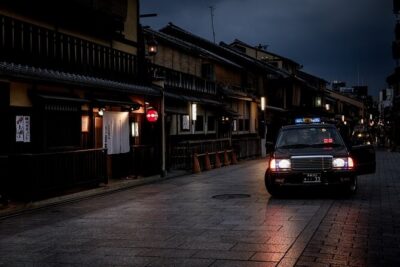
Kyoto Gion Geisha District Walking Tour – The Stories of Geisha
Read our review →
Nishiki Market Brunch Walking Tour (7 Tastings + Brunch)
Read our review →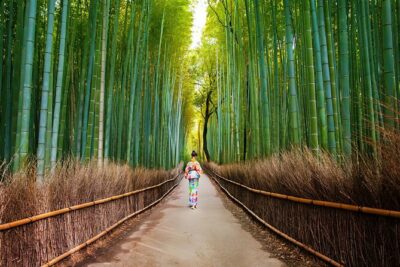
Kyoto Arashiyama Walking Tour: Bamboo, Monkeys, Gardens & Secrets
Read our review →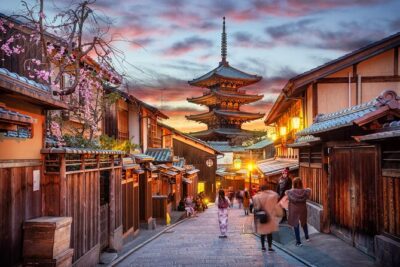
Kyoto Gion: 2-Hour Geisha Culture & History Walking Tour
Read our review →Also filed under