
Reviewed · WALKING TOURS
Kyoto East Early Morning Walking Tour
Kyoto before the crowds is a different city. This Kyoto East early morning walking tour sets you up in Higashiyama with a local English-speaking guide, so you’re not just ticking off sights, you’re learning what to look for and where to go next. I especially love the early start, which helps the streets feel calm, and the guide’s practical local tips that make the rest of your day easier.
The main consideration is that it is a true walk, about 2.3 km over roughly 2 hours, mostly on foot. If you want frequent long breaks or you’re managing mobility issues, build extra time into your day and plan for shorter stops rather than expecting a sit-down pace.
In This Review
- Key highlights you will feel fast
- Why the 7:30 start in Higashiyama changes everything
- Minamiza Theater: Kabuki’s Kyoto roots, without needing a costume
- Yasaka Shrine: Shinto traditions you can actually spot
- Yasakanoto and the five-story Yasaka Pagoda photo moment
- Kiyomizu-dera: UNESCO views and time to explore after
- The sloped street of Sannenzaka and the stories behind the name
- What you really get for $50.73 and why it can be worth it
- Logistics that matter: walking-only format, mobile ticket, and timing
- What to do after the tour near Kiyomizu-dera
- Who this Kyoto East morning walk suits best
- Should you book this tour in Kyoto’s Higashiyama?
- FAQ
- Where does the tour start?
- What time does the tour begin?
- How long is the tour?
- What is the walking distance?
- Is this tour only on foot?
- Are entrance fees included?
- Is food or drinks included?
- Is this a Gion Geisha tour?
- Do I need a mobile ticket?
- What is the cancellation policy?
- Is the tour private?
Key highlights you will feel fast
- Kabuki origins at Minamiza Theater in the heart of Higashiyama
- Yasaka Shrine context for Shinto traditions and festival connections
- Yasakanoto for photos with the iconic five-story Yasaka Pagoda
- Kiyomizu-dera views from the wooden stage, plus time to explore after the tour ends
- Sannenzaka storytelling as you walk a sloped old-street lined with traditional shops
Why the 7:30 start in Higashiyama changes everything
Higashiyama is famous for a reason, but morning is when it feels livable. Starting at 7:30 am means you get to see Kiyomizu-dera’s area and the surrounding streets before the daytime crush kicks in.
You’ll also want to handle breakfast smartly. Cafes tend to open around 9:00 am, so eat before the tour, then let your guide point you toward options after the walk. The tour ends near Kiyomizu-dera, so you’ll be well placed to grab something right after you finish.
Finally, the tour is designed to be a smooth on-foot overview rather than a slow museum day. You’ll cover about 2 hours and 2.3 km (1.45 miles), with multiple short stops that keep energy up and time losses down.
Minamiza Theater: Kabuki’s Kyoto roots, without needing a costume
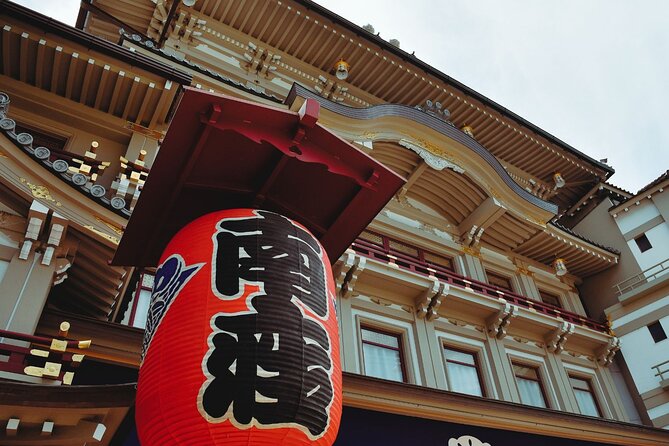
You begin at Minamiza Theater at 208 Nakanochō, Higashiyama Ward. The stop is short, about 15 minutes, but it’s a great way to warm up your understanding of Kyoto’s performing arts before you jump into the temple and shrine scenery.
What I like about starting here is that it frames the area beyond postcards. Kabuki is part of Japan’s living culture, and you’ll get a quick sense of why Minamiza Theater matters in Kyoto, especially as the birthplace of Kabuki in the city.
Practical note: since the stop is brief, go in with a simple goal: learn what you can in that window, then move on. This tour is built for momentum, not for lingering.
Beat the crowds with an early start
- Kyoto Early Morning Tour with English-Speaking Guide
★ 5.0 · 1,427 reviews - Kyoto: Early Morning Tour with English-Speaking Guide
★ 4.9 · 1,128 reviews - From Kyoto: Nara Guided Morning Tour
★ 4.6 · 335 reviews - Kyoto Morning Tour from Kyoto or Osaka
★ 4.0 · 281 reviews
Yasaka Shrine: Shinto traditions you can actually spot
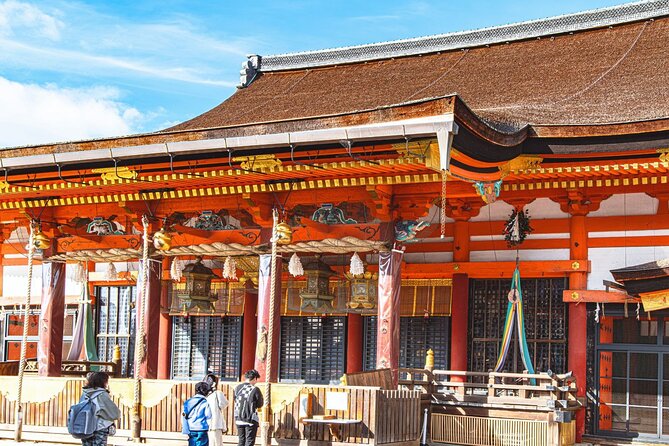
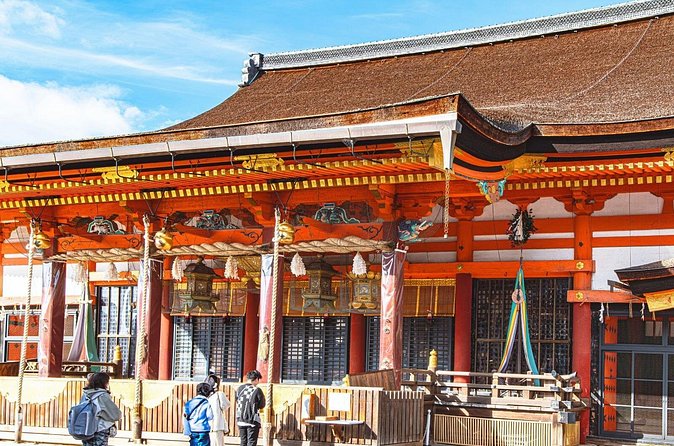
Next up is Yasaka Shrine, another 15-minute stop. Instead of treating it like a quick photo stop, the guide focuses on the shrine’s history and why it matters culturally, including its role in local festivals and Shinto traditions.
I like this kind of guided context because it changes what you notice. After a short explanation, the shrine grounds stop being just decorative and start becoming meaningful. You’ll also get a feel for how religious spaces work in daily Japanese life, not only as tourist stops.
This stop also helps you pace the walk. You have time for a careful look around, take photos if you want, and keep moving without feeling rushed.
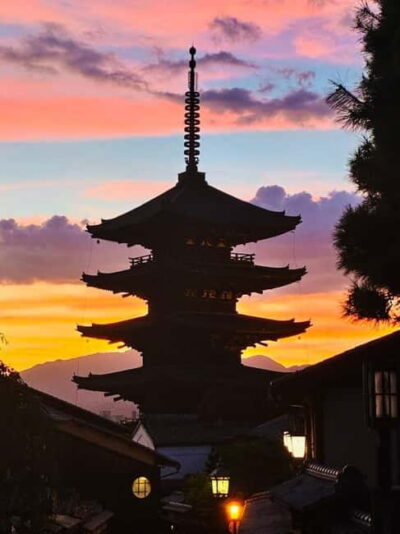
Yasakanoto and the five-story Yasaka Pagoda photo moment
Then you hit Yasakanoto, where the star is the five-story Yasaka Pagoda. The tour gives you about 5 minutes here, which sounds short until you remember why people stop in the first place: this is a classic sight with postcard-level angles.
This is your best photo window on the route, so treat it like one. If you care about pictures, have your camera ready, and pick your spot quickly so you can enjoy the view without blocking others.
One consideration: because the time is tight, you may not get every possible angle you want. If you’re the type who needs 30 photos to feel satisfied, you might want to take a quick first round here, then come back later independently.
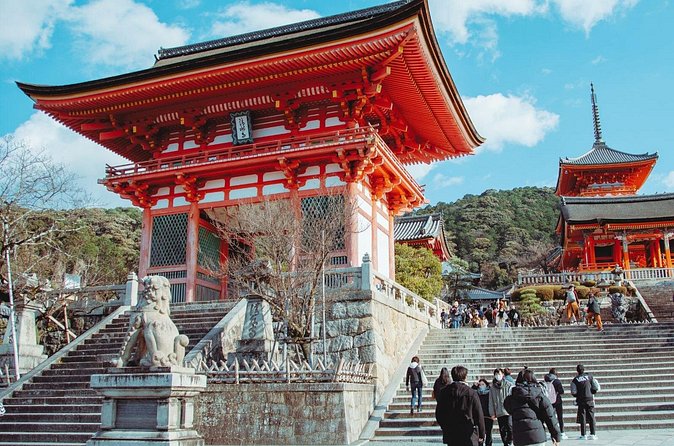
Kiyomizu-dera: UNESCO views and time to explore after
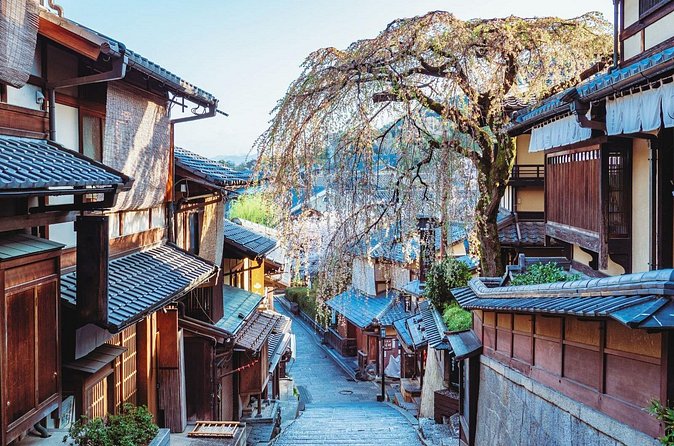
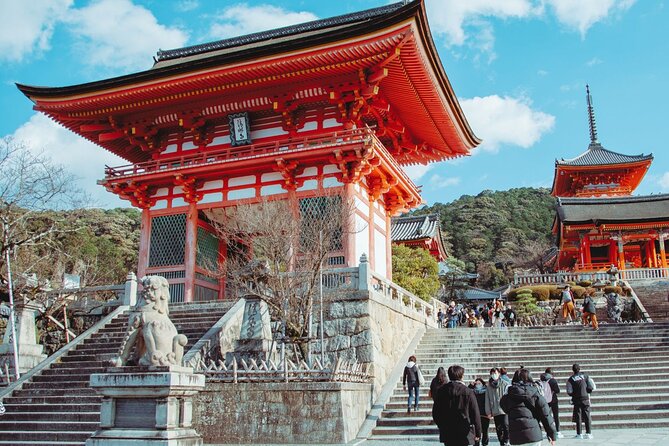
The tour’s final major stop is Kiyomizu-dera Temple, around 10 minutes during the guided portion, then you’re set loose to explore at your own pace after the tour ends.
The overview calls out panoramic views from the temple’s wooden stage, and that’s the big payoff you’re walking toward. Even with only a short guided window, you’ll be positioned to appreciate what makes this site famous: views, layout, and the sense of looking out over the city.
Ending near the complex also matters for practical sightseeing. When you finish, you’re not far from places to eat, and the area has plenty of options for after the walk. Since the tour format avoids long downtime, you get a clean transition into the rest of your day.
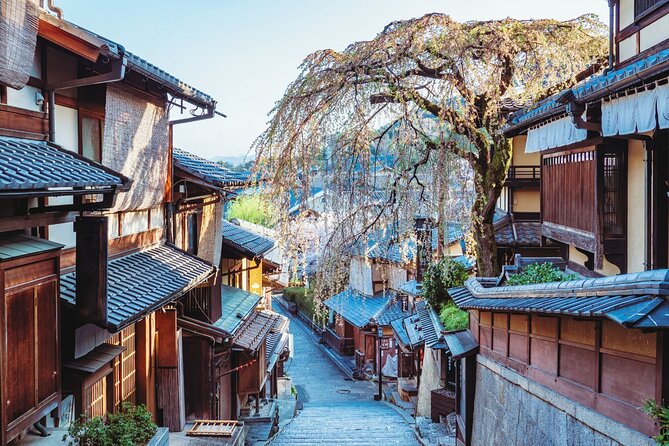
The sloped street of Sannenzaka and the stories behind the name
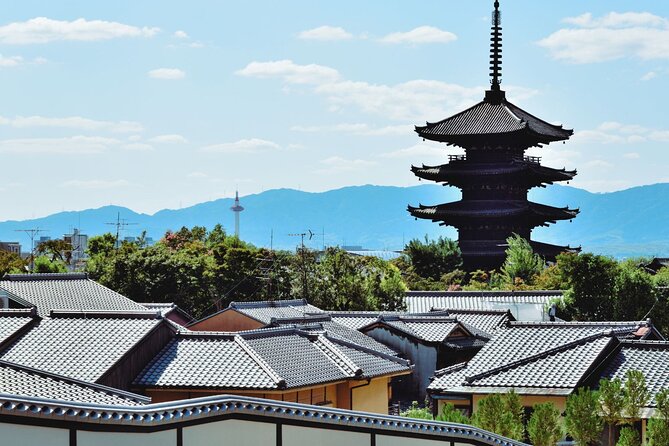
Between the shrine area and Kiyomizu-dera, you also walk a charming sloped street lined with traditional shops, known for its old-town atmosphere. This is where the tour adds atmosphere, with the guide sharing local legends behind the name Sannenzaka.
What makes this part useful is that it connects the geography to the culture. You’re moving through Kyoto, but you’re also learning how locals interpret the street, the area, and its meaning. It turns a walk into a story you can carry to your next stop.
The main drawback here is simple: this is a photo-and-stroll section. If you’re expecting a museum-style explanation, you won’t get that. If you want to walk, look, and understand what you’re seeing, it’s exactly the right tempo.
A quieter way to spend a day in Kyoto

What you really get for $50.73 and why it can be worth it
At $50.73 per person, this isn’t a bargain on paper, but it can be good value for the right traveler. Here’s why: you’re paying for guided interpretation, English-speaking help, and practical direction after the tour.
The tour includes:
- An English guided walking tour
- Local tips and recommendations
- Free admissions at the stops listed
Even better, it’s a private tour/activity, meaning only your group participates. That tends to make the experience feel less rushed and more personal, especially when you ask for advice about where to eat, shop, or explore after the walking portion ends.
Also, because it’s a walking tour, you avoid extra costs and friction from hotel pickup and drop-off. You meet at 208 Nakanochō and finish at Kiyomizu-dera1-chōme-294 Kiyomizu, then you’re already in position for your next move.
If you’re the kind of visitor who enjoys piecing Kyoto together by theme, this pays off fast. If you prefer long stays inside each monument, you might find the guided time short. It’s a morning orientation with cultural context, not a full-day deep study.
Logistics that matter: walking-only format, mobile ticket, and timing
This is a walking tour with no hotel pickup and no transportation to or from the meeting point. You’ll want to plan your route to 208 Nakanochō, Higashiyama Ward ahead of time, since it’s part of the deal.
You get a mobile ticket, which is convenient. It also keeps the start simple, which matters a lot when you’re meeting at 7:30 am.
The tour is also positioned as near public transportation, so you should be able to reach the starting area without a complicated schedule. Still, because it begins early, give yourself buffer time so you’re not sprinting across Kyoto with a hot coffee and regret.
Duration is listed as about 2 hours, and the stop lengths are mostly short. That means the day stays yours after the tour ends, which is a big plus if you want to choose your own lunch and next sights.
What to do after the tour near Kiyomizu-dera
Once the guided portion ends, you can explore Kiyomizu-dera at your own pace. That’s a smart design because it lets you slow down when you find something you care about, instead of being pulled along at a fixed schedule.
Since cafes open around 9:00 am, you can plan to eat right after the tour. The guidance also suggests there are plenty of places near Kiyomizu Temple once you finish, so you won’t feel stranded searching for food in a rush.
A good strategy is to keep your next plans flexible. You’ll already have the route in your head from the morning walk, and that makes it easier to wander without getting lost.
Who this Kyoto East morning walk suits best
This tour fits you if:
- You want a clear first day start in Kyoto, with direction and context
- You like walking and can comfortably handle a 2.3 km stroll
- You’re traveling solo or as a small group and want a private guide experience
- You prefer short, meaningful stops over long temple timelines
It may not be your best match if:
- You want lots of seated time or long indoor visits
- You’re sensitive to early mornings and struggle to manage breakfast timing
- You expect a single focus like Gion Geisha culture, because this is not that kind of tour
If you’re planning your first visit to Kyoto, this can act like a mental map. You learn what each area is, then you can decide later which places deserve a return visit.
Should you book this tour in Kyoto’s Higashiyama?
I’d book it if you want to start strong, see key Higashiyama icons, and get help making the rest of your day less guessy. The biggest reasons are the early timing, the English guidance, and the way the tour blends theater, shrine context, photo viewpoints, and temple views into a manageable morning.
Skip it if your ideal Kyoto day is slow and heavy on long stays at fewer sites. This tour is efficient by design, and the guided portions are intentionally short so you can explore after.
If you’re ready to walk, learn, and then move on with confidence, this is a solid way to begin Kyoto.
FAQ
Where does the tour start?
It starts at 208 Nakanochō, Higashiyama Ward, Kyoto, 605-0075, Japan.
What time does the tour begin?
The start time is 7:30 am.
How long is the tour?
The tour lasts about 2 hours.
What is the walking distance?
The route is listed as 2.3 km (1.45 miles).
Is this tour only on foot?
Yes. It is a walking tour, and hotel pickup or drop-off is not included.
Are entrance fees included?
All admissions are free.
Is food or drinks included?
No. Food and drinks are not included.
Is this a Gion Geisha tour?
No, this is not a Gion Geisha tour.
Do I need a mobile ticket?
Yes, the tour uses a mobile ticket.
What is the cancellation policy?
Free cancellation is available up to 24 hours before the experience starts for a full refund.
Is the tour private?
Yes. Only your group will participate.
New This Season
- Koyasan Day Trip by Private Car from Kyoto
- Old Port Town and Ultimate Sake Tasting Private Tour From Kyoto
- Kyoto’s Timeless Charm: 3hr Exploration of History and Peace
- Kyoto: 5 Types of Sushi Making
- Sacred Peak & Ancient Paths: Kurama-Kibune Hiking Experience
- Kyoto: Exclusive ZEN practice at Manpukuji temple in Uji
- Kyoto: Private Seasonal Aroma Yoga Class
- Traversing Kyoto’s Scenic West – Arashiyama to Kinkakuji
Walking Tours, compared.
Kyoto Geisha Walking Tour: Gion District & Hidden Gems
Read our review →
Gion Magical Night Walking Tour with Geisha Trivia
Read our review →
Gion Geisha District Walking Tour – Stories of Geisha
Read our review →
Kyoto Gion Geisha District Walking Tour – The Stories of Geisha
Read our review →
Nishiki Market Brunch Walking Tour (7 Tastings + Brunch)
Read our review →
Kyoto Arashiyama Walking Tour: Bamboo, Monkeys, Gardens & Secrets
Read our review →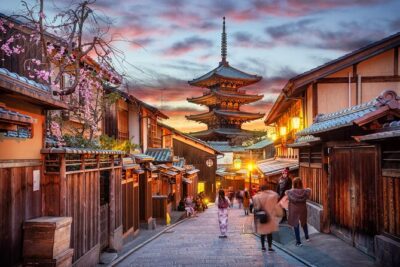
Kyoto Gion: 2-Hour Geisha Culture & History Walking Tour
Read our review →Also filed under