
Reviewed · ARTISAN CRAFT WORKSHOPS
Kyoto: Japanese Calligraphy Experience in a Historic House
Some lessons feel like a souvenir. This one feels like a skill.
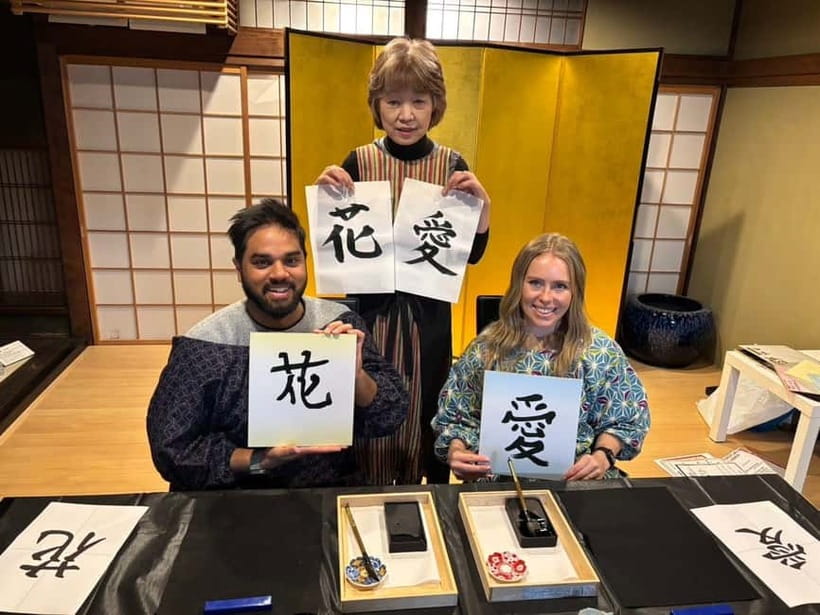
You get to practice Japanese calligraphy in a 160-year-old historic house, using traditional tools while a local instructor guides you step by step. I especially like that it is beginner-friendly and doesn’t assume you can already write kanji.
I also appreciate the setting. This happens in a traditional Buddhist house, so the quiet and atmosphere are part of the lesson, not a background detail. The only real drawback to plan for is that the class is time-based and short, so if you want lots of repetition, you might feel a tiny bit rushed in a 1-hour session.
In This Review
- Key highlights you can plan around
- Kyoto calligraphy in a 160-year-old Buddhist house
- How the 1-hour lesson usually flows
- Traditional tools and what you are actually learning
- The feel of the group: small size, local care
- What the price includes and why it can be good value
- Practical prep before you show up
- Is this Kyoto calligraphy class for you?
- Should you book this Kyoto calligraphy experience?
- FAQ
- How long is the Kyoto Japanese calligraphy experience?
- How much does it cost?
- Where do I meet for the class?
- What is included in the experience?
- What languages are the instructors speaking?
- Is it suitable for children or people with mobility needs?
Key highlights you can plan around
- A 160-year-old historic house setting, not a studio room
- Shodo for beginners, with gentle, step-by-step guidance
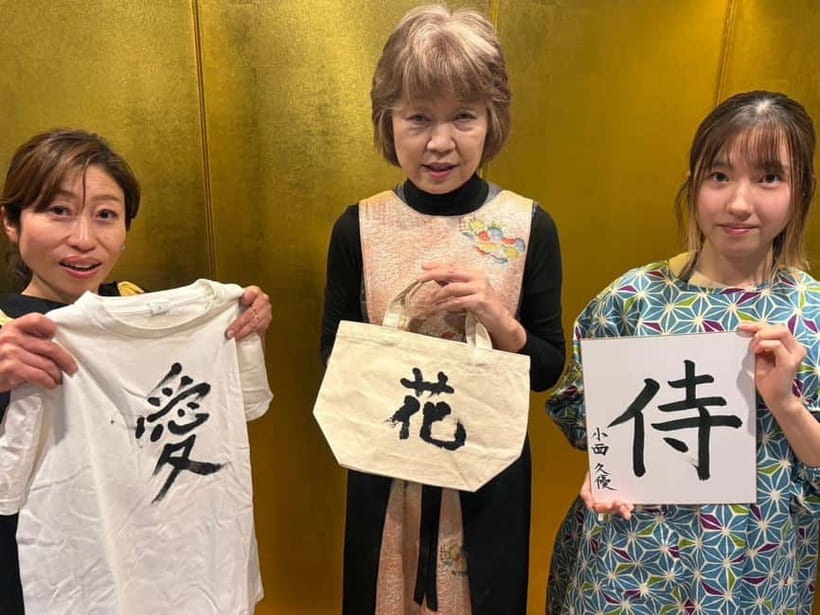
- Kanji practice with traditional tools, and you take your work home
- Local Kyoto instructors who teach Japanese calligraphy with patient care
- Small group size (up to 10), so you get real attention
- Your final piece as a souvenir, not just photos of the moment
Kyoto calligraphy in a 160-year-old Buddhist house
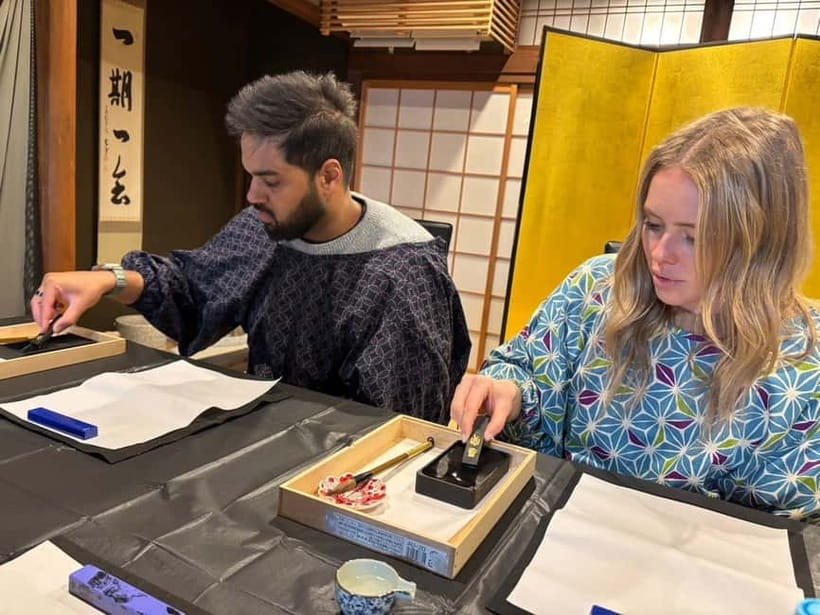
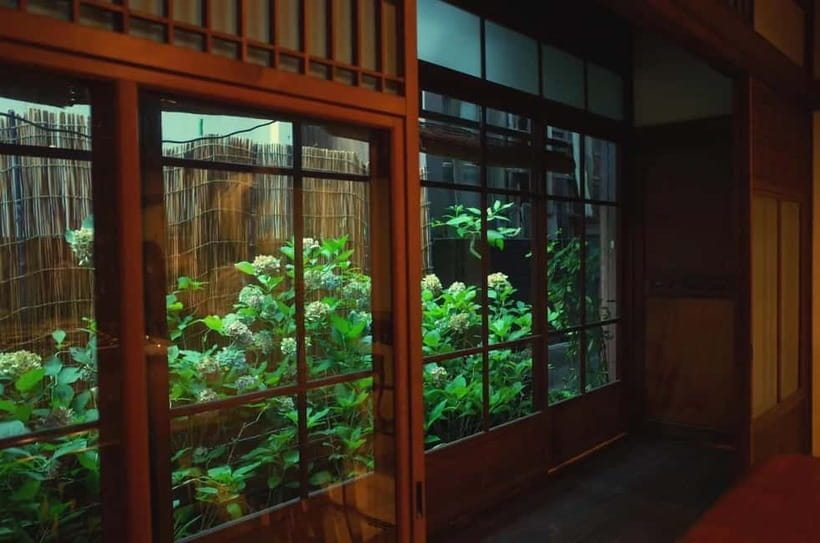
This experience is built around a simple idea: learn Japanese calligraphy in the kind of place where calligraphy makes sense. The workshop takes place in a traditional Buddhist house with a long life behind its walls, described as about 160 years old. That matters because Shodo is physical. It is about posture, brush control, and focus, and a calm older space helps you settle into the rhythm.
In practical terms, think of it as moving from modern Kyoto pace into something slower. The class is designed to feel peaceful and unique, and the venue reinforces that. Even if you have never written kanji before, you are in the right environment to start without feeling self-conscious.
If you are the type who likes learning a cultural craft in context, this setting makes the lesson stick. You are not just copying characters. You are watching how people treat brushwork as a daily art.
How the 1-hour lesson usually flows
The whole class runs about 1 hour, which is a good length for a first try. Long enough to learn the basics and produce a finished calligraphy piece. Short enough that you can fit it into a packed Kyoto day without wrecking your schedule.
Here is the shape of what you can expect once you arrive at kyoto izumo as the meeting point. You will check in and then go through an express security check, which helps keep the start time smooth. After that, the instructor and team bring you into the lesson and walk you through the writing process.
From there, you focus on Shodo basics and then apply them to your own character work. The guidance is meant to be step by step. So you are not expected to suddenly invent strokes on your own. You practice, adjust, and then you produce a piece you can take home.
At the end, you leave with your calligraphy as a souvenir. That is the point. Not a performance you barely remember. Something you can look at later and think, I made this with my own hand.
Make something with a Kyoto craftsman
- Authentic knife making experience at a blacksmith in Kyoto
★ 4.8 · 350 reviews - Kyoto: Calligraphy class at Buddhist temple in city center
★ 5.0 · 167 reviews - Roketsu dyeing experience: M course Roketsu Dyeing Experience
★ 5.0 · 163 reviews - Kyoto: Japanese Calligraphy Class
★ 4.8 · 89 reviews
Traditional tools and what you are actually learning
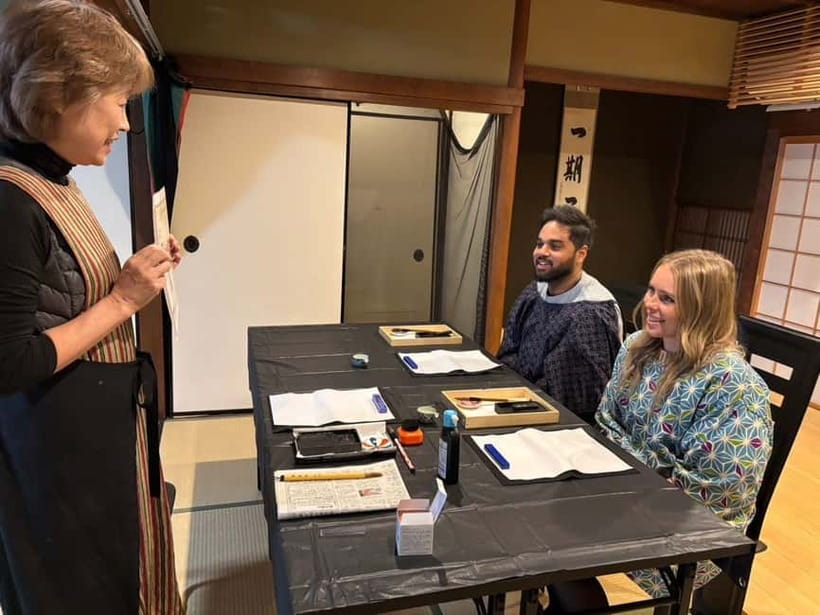
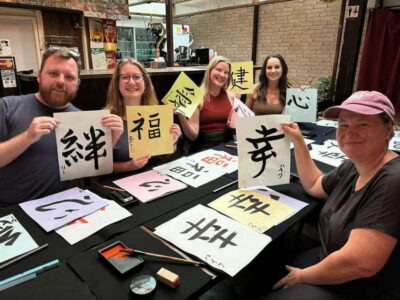
You get all necessary calligraphy tools included. That is a big deal for beginners. Brushwork can look simple in videos, but the tool setup changes everything. Having the right brushes, ink setup, and writing materials removes guesswork, and it lets the instructor correct you early.
The lesson centers on Shodo and on the beauty of Japanese kanji. Even if you do not know a kanji character today, the instructor’s job is to help you get to a point where your brush produces the right forms. The class is designed for beginners, and the instruction is described as kind and patient, with hand-on guidance through the steps.
One of the best parts of this kind of class is that you learn more than a single character. You learn how the strokes behave. You learn how pressure and direction matter. You learn how spacing affects the look of a character. Those are the fundamentals you can carry into future practice, even if you only keep writing occasionally.
And because this is a workshop, not a lecture, you actually do the writing. Your hand gets the story, not just your eyes.
The feel of the group: small size, local care
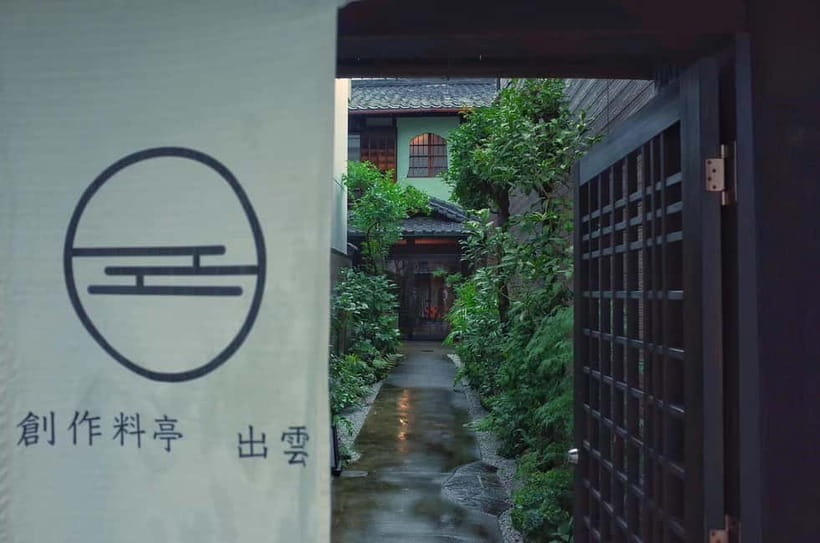
This is a small group experience, limited to 10 participants. In a class like calligraphy, smaller really helps. You can ask questions. You can get corrections before you form bad habits. And you are less likely to feel like you are in a crowd waiting your turn.
The instructor support is also described as local Kyoto locals. In one recent class, the instructor and team included names like Johan, with helpers named Wille, Eddie, and Lo. That kind of staffing matters because it typically means you get more than one pair of eyes on your strokes.
Language support is also practical: the instructor speaks Japanese and English. So even if your Japanese is basic, you can follow along and still understand the key points about brush movement and stroke order.
Expect the vibe to be calm. The goal is a peaceful moment in a historic setting, not a rushed tourist activity where you barely touch the activity before it ends.
What the price includes and why it can be good value
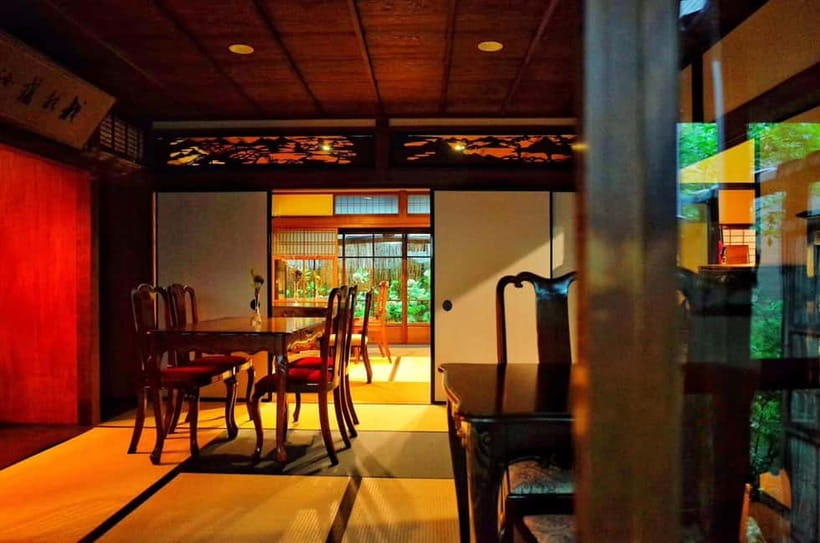
The price is $56 per person for about 1 hour, and it includes tools, guidance, and the calligraphy piece you take home. That is the core value equation: you are paying for instruction plus materials plus a finished souvenir.
For comparison, many craft experiences charge similarly but only include part of the value, like viewing time or paper without guidance. Here, you are getting enough support to produce a real piece. And because you receive the calligraphy work to keep, you are not leaving empty-handed besides photos.
If you care about authenticity, the historic house setting adds value too. The workshop is not sold as a quick demonstration. It is framed as a genuine practice session in a traditional space, with locals teaching you the basics.
Could it be expensive if you wanted a super long session? Yes, because the class is only 1 hour. But as a first-time calligraphy experience that still results in an actual takeaway, $56 can be a fair deal.
Practical prep before you show up
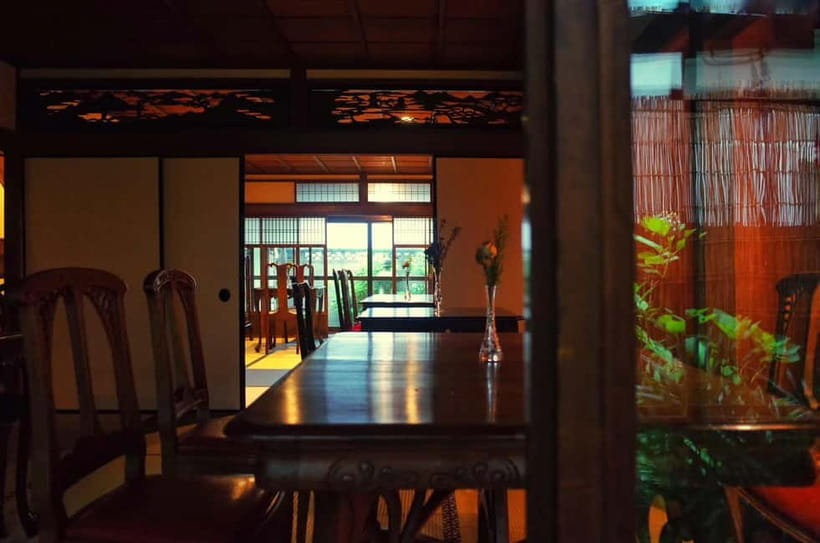
What to bring is simple: comfortable clothes. Calligraphy can make you sit or lean in a particular way for a while. Wear something you can move in and that you would not mind getting a little close to ink tools.
A tip I give everyone for brushwork classes: don’t plan a heavy itinerary right before this. Your brain needs to switch into slow mode. If you are sprinting from one Kyoto spot to the next, you may struggle to focus, and calligraphy rewards focus.
Also, expect that your first character may look uneven. That is normal. Beginner-friendly teaching is part of the promise here. The instructors are described as guiding you step by step so you can succeed rather than feel embarrassed by mistakes.
One planning note: the experience is described as wheelchair accessible, but it is also stated as not suitable for people with mobility impairments. If that matters for you, confirm with the provider before booking so you can match your needs to what the space and activity can handle.
More of Kyoto's centuries, explained



Is this Kyoto calligraphy class for you?
This is a strong fit if you are:
- Curious about Japanese culture beyond food and temples
- A total beginner who wants guided practice
- The type who loves bringing home a meaningful handmade souvenir
- Traveling with family, since one review describes a family group enjoying it together
It may not be the best fit if:
- You need a highly flexible, open-ended session. This is structured for a 1-hour experience.
- You want a fast photo stop. This is about actually writing.
- You are traveling with very young children. It is not suitable for children under 5.
Should you book this Kyoto calligraphy experience?
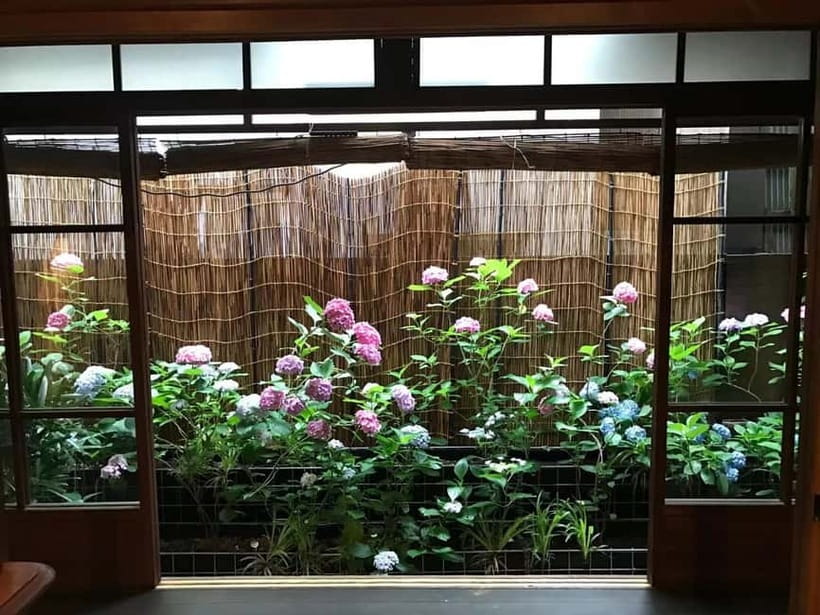
I think you should book it if you want a small, respectful craft lesson with real teaching and a keepsake you will still value weeks later. The combination of beginner guidance, traditional tools, and the historic Buddhist house setting makes it more than a casual activity. It becomes a moment you can re-live when you look at your calligraphy back home.
I would hold off only if you are sensitive to short time limits, or if mobility needs require extra clarity. For most visitors, though, this is an excellent use of an hour in Kyoto because it gives you something hands-on, calm, and culturally specific.
If you can fit it into a day when you are not rushed, you will get more out of it. And you will probably surprise yourself by finishing with a piece you genuinely want to keep.
FAQ
How long is the Kyoto Japanese calligraphy experience?
It lasts about 1 hour.
How much does it cost?
The price is $56 per person.
Where do I meet for the class?
The meeting point is kyoto izumo.
What is included in the experience?
You get all necessary calligraphy tools, guidance from a local Kyoto instructor, and you have the opportunity to take your calligraphy work home.
What languages are the instructors speaking?
The instructor provides Japanese and English support.
Is it suitable for children or people with mobility needs?
It is not suitable for children under 5. The activity is listed as wheelchair accessible, but it also says it is not suitable for people with mobility impairments, so it is worth checking your needs with the provider before booking.
New This Season
- Koyasan Day Trip by Private Car from Kyoto
- Old Port Town and Ultimate Sake Tasting Private Tour From Kyoto
- Kyoto’s Timeless Charm: 3hr Exploration of History and Peace
- Kyoto: 5 Types of Sushi Making
- Sacred Peak & Ancient Paths: Kurama-Kibune Hiking Experience
- Kyoto: Exclusive ZEN practice at Manpukuji temple in Uji
- Traversing Kyoto’s Scenic West – Arashiyama to Kinkakuji
- Kyoto: Private Seasonal Aroma Yoga Class
Artisan Craft Workshops, compared.
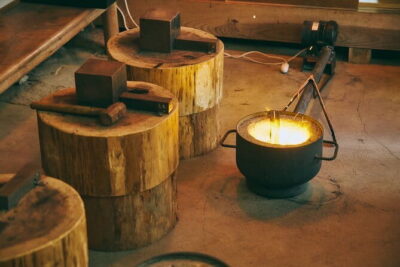
Authentic knife making experience at a blacksmith in Kyoto
Read our review →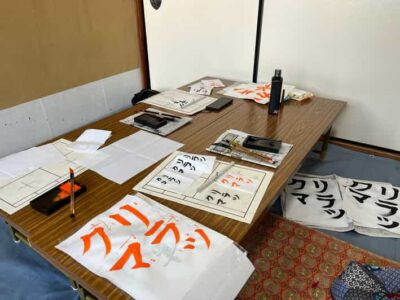
Calligraphy class at Buddhist temple in city center
Read our review →
Roketsu dyeing experience: M course Roketsu Dyeing Experience
Read our review →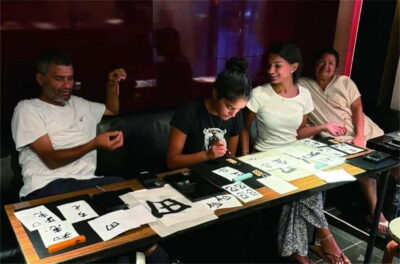

Traditional Japanese Washi Papermaking- Kyoto morning
Read our review →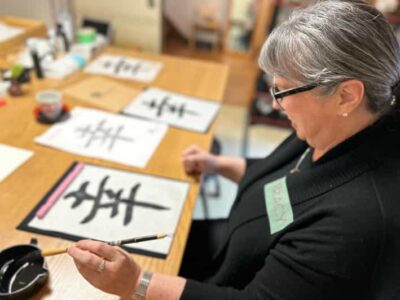
Also filed under