Reviewed · FUSHIMI INARI SHRINE WALKS
Kyoto: Kiyomizu-dera, Fushimi Inari & Gion Geisha District
Kyoto in four hours sounds intense, yet this plan feels smart because it mixes the big sights with real explanations. You’ll focus on Fushimi Inari and Kiyomizu-dera, then finish in Gion where the streets make sense once you know what to look for.
What I like most is the guide work, especially the way Roberto uses iPad images so concepts land fast. I also really appreciate the photo help, you can ask for as many pictures as you want and he’ll take them while you’re walking and pausing.
One thing to consider is that this is an active, walking-based half day. It includes multiple temple areas and steps, plus you’ll need to handle your own transport costs and pay the Kiyomizudera entrance fee.
In This Review
- Key highlights you’ll actually feel during the tour
- A tight, doable route through Kyoto’s top landmarks
- Finding Roberto at Kyoto Station, then heading out fast
- Fushimi Inari Taisha: Shinto roots and a torii trail built for walking
- Practical tips for this part
- Kiyomizu-dera: power spots, prayers, and why people keep coming back
- What to expect while you’re there
- Ninen-zaka and Sannen-zaka: old Kyoto streets you can read
- Gion geisha district: facts about geisha and maiko in the right setting
- How the ending works for your night
- Price and value: what you pay for, and what you pay separately
- Pace, comfort, and who this tour fits best
- About group size and flexibility
- Should you book this Kyoto private tour or DIY it?
- FAQ
- What is the duration of the Kyoto tour?
- How much does it cost?
- Where do we meet?
- What languages are available?
- Is transportation included in the price?
- Do I need to pay entrance fees?
- What should I bring?
- Is this tour suitable for limited mobility?
Key highlights you’ll actually feel during the tour
- A 75-minute guided walk at Fushimi Inari that focuses on Shinto and the shrine’s origins, not just the scenery
- Kiyomizu-dera “power spots” explained with the specific deities linked to love, longevity, and academic success
- Ninen-zaka and Sannen-zaka old-street walking with wooden buildings and traditional merchant shops to read like a story
- Gion geisha district facts from a certified guide including what geisha and maiko do in ochaya teahouses
- Photo support throughout, with the option to take lots of pictures and videos while you move
A tight, doable route through Kyoto’s top landmarks
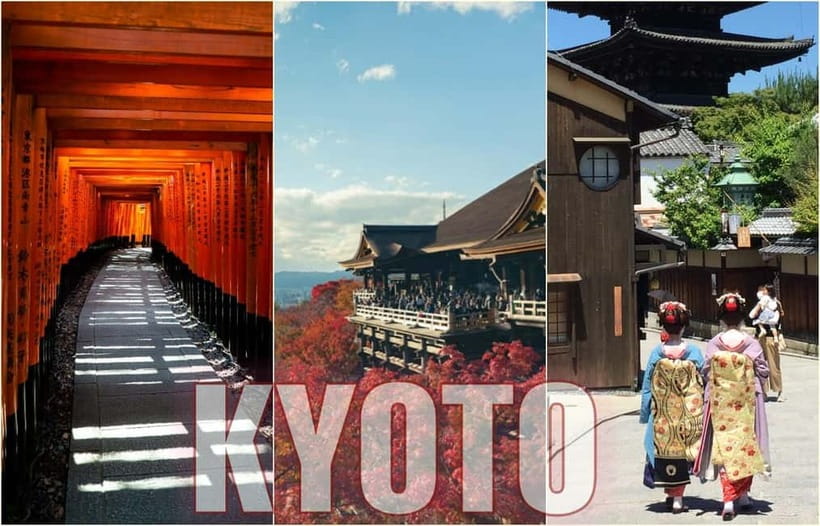
This is a 4-hour private tour built for people who want major Kyoto without losing the whole day to logistics. The route strings together three areas that can feel like separate worlds, then connects them with guided context: Shinto at Fushimi Inari, faith and prayers at Kiyomizu-dera, and cultural street life in Gion.
You’ll start at Kyoto Station and use public transportation, which keeps the plan simple and predictable. The payoff is that you finish in Gion, so you can hop on a bus or taxi back to your hotel with less backtracking.
Finding Roberto at Kyoto Station, then heading out fast
You meet in front of the door of 7-Eleven, JR Kyoto Station Building 1F, using the Kyoto Tower side exit. Roberto will be holding an iPad and a red card with the words RBRT (Roberto), so it’s easy to spot him without playing a guessing game.
From there, the tour uses city transport: it’s about 10 minutes by train to Fushimi Inari. After that, there’s another transport segment of about 30 minutes before you reach Kiyomizu-dera.
This kind of pacing matters in Kyoto. It means you spend your time walking where it counts, and you’re not wasting half your trip figuring out which line to take.
The wooden stage above the hillside
- Kyoto: Tea Ceremony in a Traditional Tea House in Kiyomizu
★ 4.9 · 3,519 reviews - Kyoto: Nijo Castle, Kiyomizu & Fushimi Inari Guided Tour
★ 4.7 · 700 reviews - Kyoto: Nijo, Kinkaku-ji, Arashiyama, Kiyomizu & Fushimi Inari
★ 5.0 · 699 reviews - Kyoto Tea Ceremony & Kiyomizu-dera Temple Walking Tour
★ 5.0 · 115 reviews
Fushimi Inari Taisha: Shinto roots and a torii trail built for walking
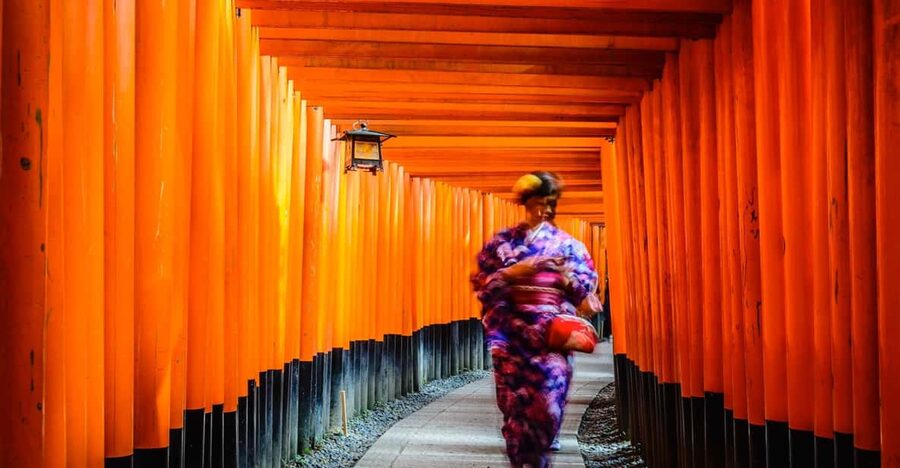
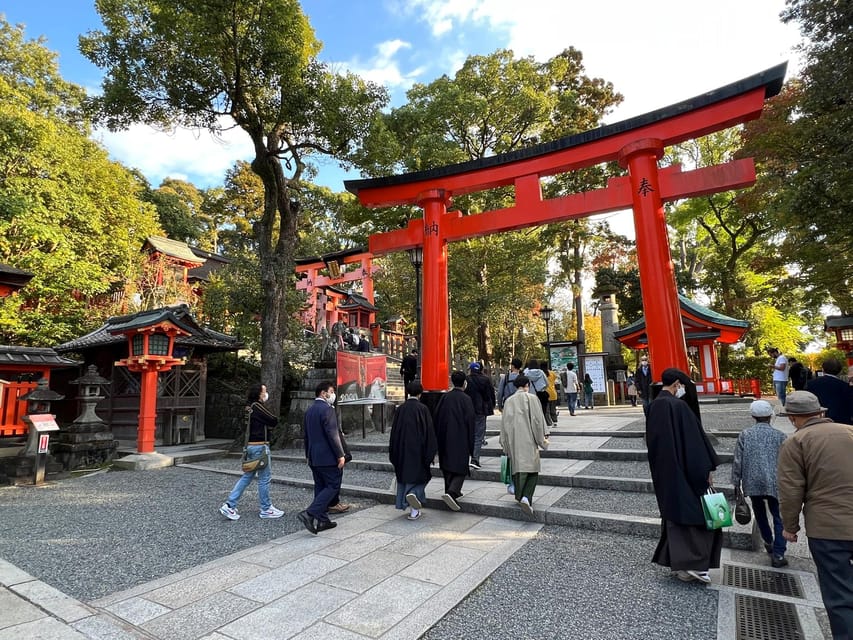
Fushimi Inari Taisha is the start for a reason. The experience isn’t just about seeing torii gates, it’s about understanding why the shrine is famous and why people come to pray there.
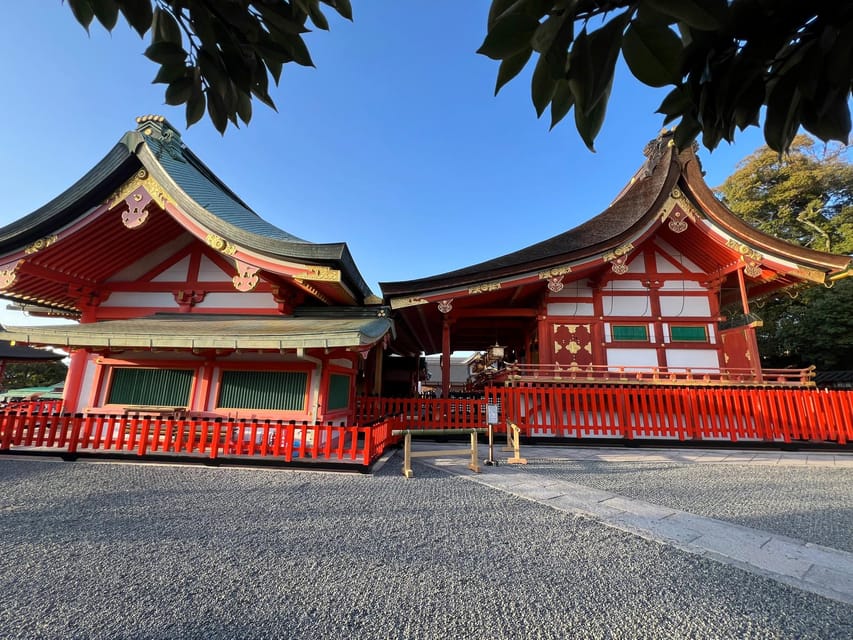
You’ll get a 75-minute guided visit at Fushimi Inari Taisha. The focus is on the ancient origins of the shrine and Shinto, so the torii trail reads like more than decoration.
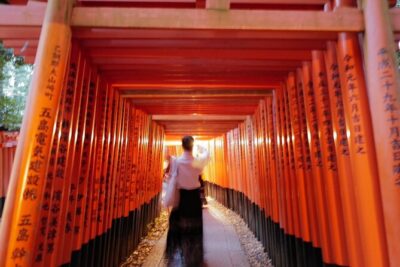
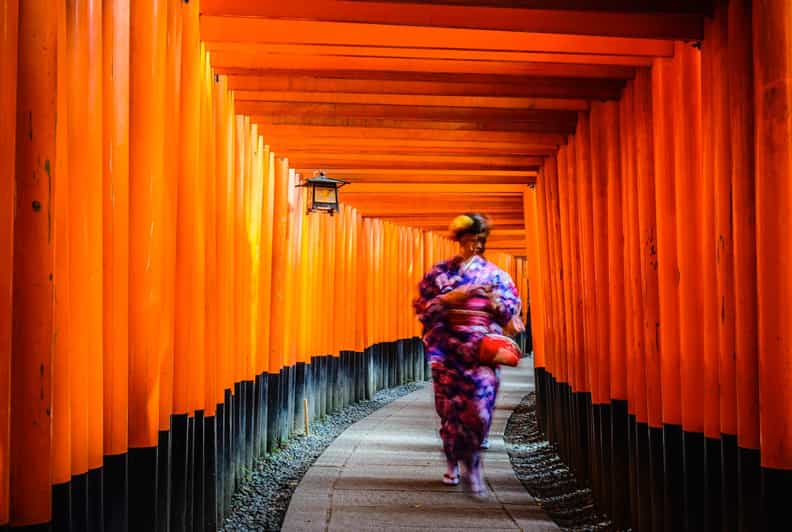
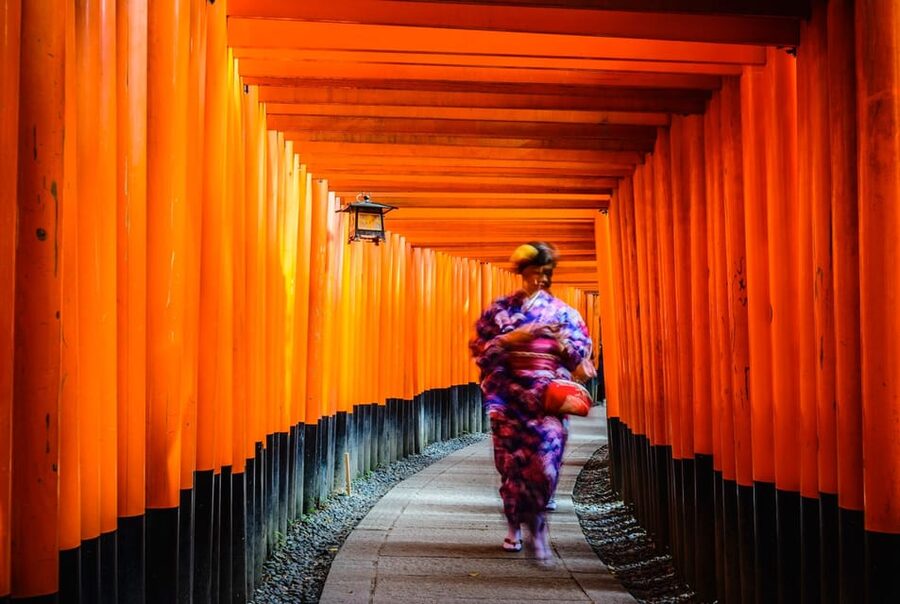
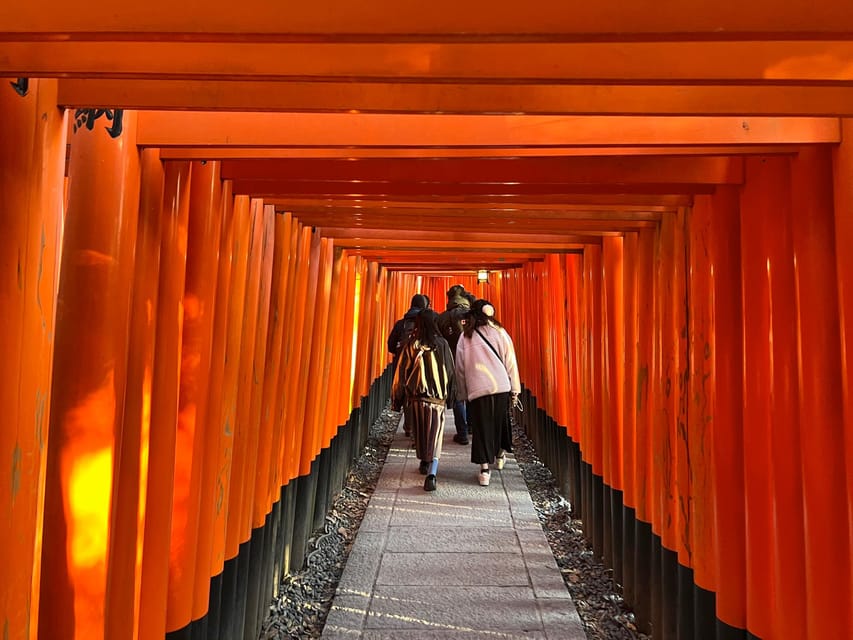
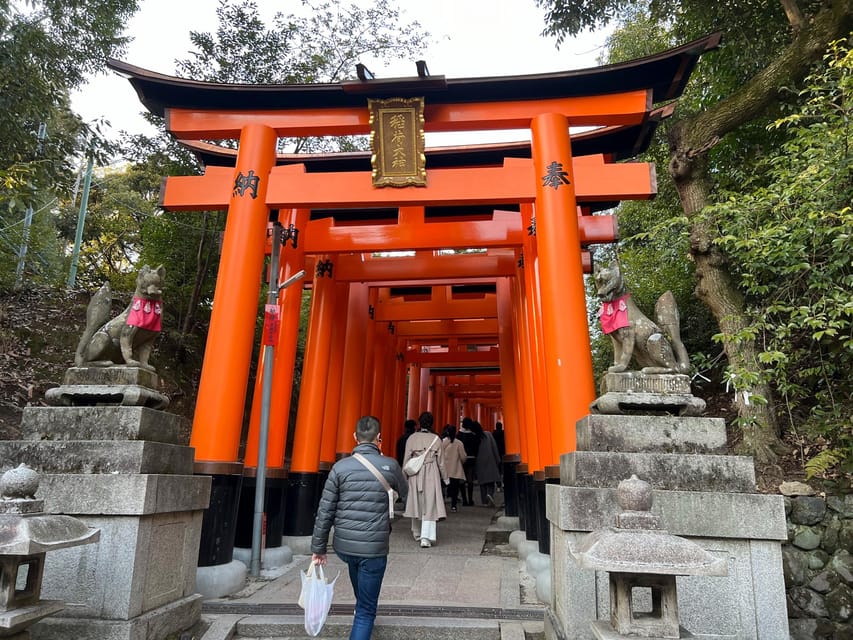
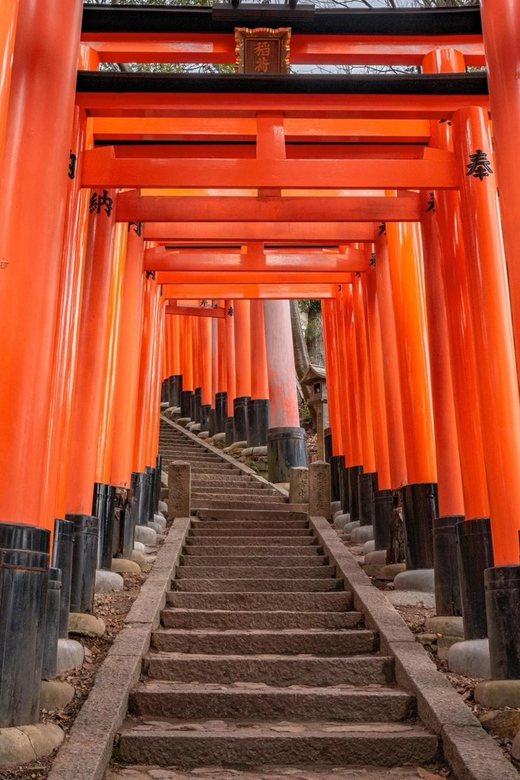
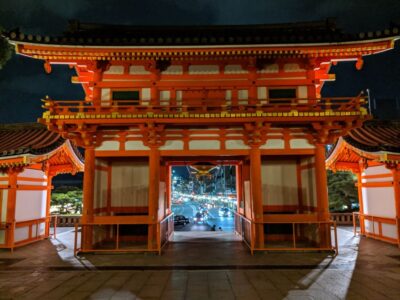
Then you walk through the iconic path of 1,000 vermilion torii gates. Even if you’ve seen photos before, walking the route changes your sense of scale fast. The gates create a corridor effect, and the guidance helps you know where to pause so you’re not simply marching forward.
Practical tips for this part
- Wear comfortable shoes because it’s walking-focused, not a quick photo stop.
- Bring water so you can keep your energy for the later temple and the old-street walk.
- Bring cash, since some key costs are not included, and you’ll want to handle that without stress.
Kiyomizu-dera: power spots, prayers, and why people keep coming back
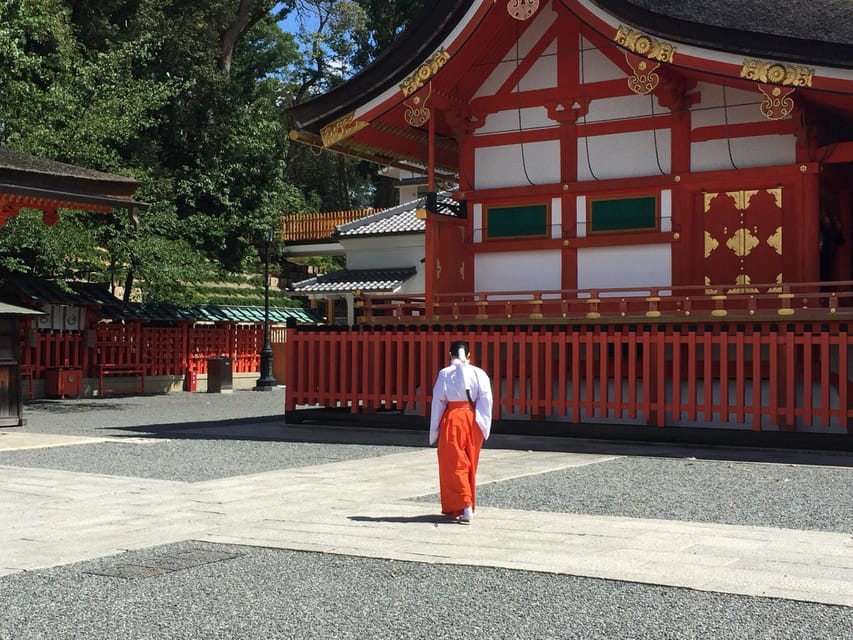
After Fushimi Inari, you head to Kiyomizu-dera for an 80-minute guided visit. This is one of Kyoto’s most famous temples, and the tour approach helps you understand why it’s a magnet for visitors.
The main theme here is the temple’s power spots. You’ll learn about the deities associated with love, longevity, and academic success, which gives meaning to where people stop, bow, and make wishes. You’re not just looking at architecture, you’re learning the “what for” behind the rituals.
Kiyomizudera has an entrance fee, and it’s 500 yen (about US$ 3.10). That fee is not included in the tour price, so having some cash ready makes the experience smoother.
What to expect while you’re there
You’ll also get guided explanation designed for fast comprehension, using images on an iPad. For many first-timers, that visual support makes temple details click, especially when you’re trying to connect symbols with what you’re actually seeing on-site.
Still climbing through the orange gates?

Ninen-zaka and Sannen-zaka: old Kyoto streets you can read
Next comes the walk through Ninen-zaka and Sannen-zaka, with about 10 minutes each built into the schedule. These streets are known for wooden buildings and traditional merchant shops, and the tour gives you a way to look beyond storefronts and scenery.
This is a good transition from temple space to everyday historical Kyoto. You’ll likely notice how the street layout supports slow wandering, with plenty of places to stop and take in the feel of the area.
Because the tour is private, the pacing can work well if you like photos and small observations. You’ll cover the streets without turning it into a rush job.
Gion geisha district: facts about geisha and maiko in the right setting
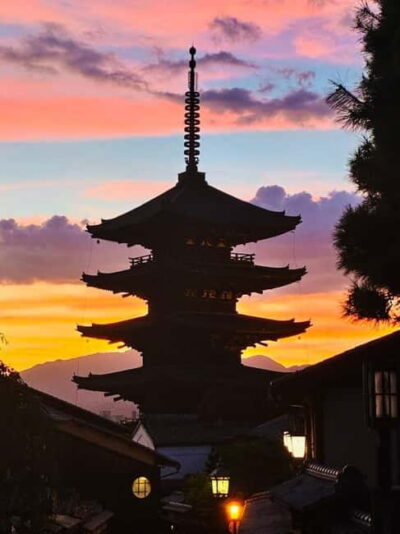
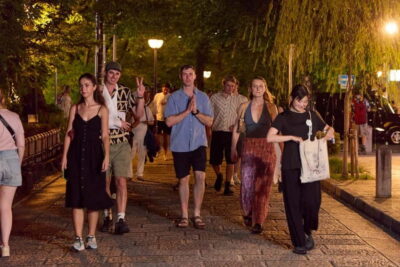
You finish in Gion, Kyoto’s best-known geisha district, with about 15 minutes of walking to soak in the area before heading to your hotel. The key is that the guide doesn’t treat Gion like a theme park.
You’ll learn facts about geishas and maiko, and how the entertainment connection fits with places like ochaya teahouses. The tour explanation also helps you understand why you see traditional machiya merchant houses in this area and how they tie to the district’s identity.
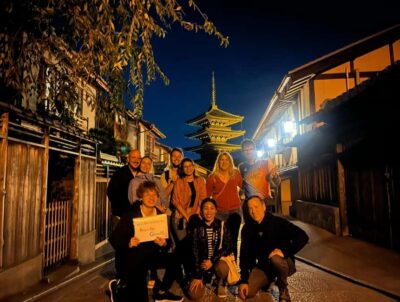
This stop is also very photo-friendly in practice. Based on feedback, Roberto takes photos and videos during your stops, and you can ask for as many pictures as you want. That matters here because Gion is one of those places where you want visuals for memory, not just one quick shot.
How the ending works for your night
The tour ends in Gion District. From there, it’s straightforward to take a city bus or a taxi back to your hotel, which is a big help if you’re not in the mood to fight Kyoto transit again right after walking.
Price and value: what you pay for, and what you pay separately
The price is $90 per person for a private 4-hour experience. For that money, you’re paying for a certified guide (Kyoto City Certified Tourist Guide), plus guided time at Fushimi Inari and Kiyomizu-dera and the walks that connect the themes.
What you do need to budget separately:
- Transportation costs are not included. The tour uses public transportation, so you’ll cover those rides yourself.
- Kiyomizudera entrance fee is 500 yen and not included.
- Food and drinks are not included.
So is it good value? I think yes, if you like understanding what you’re seeing and you don’t want to piece it together alone. Fushimi Inari and Kiyomizu-dera alone can eat up time and effort, and the guide adds structure so you know what to pay attention to. Add the photo support and the old-street and Gion finishing walk, and the half day feels full without feeling chaotic.
If you’re the type who already knows the basics and prefers independent wandering, then $90 may feel steep. But if you want context and help reading the sites, you’re paying for clarity.
Pace, comfort, and who this tour fits best
This isn’t designed for a slow, seated day. It’s walking-focused, including temple grounds and the iconic torii trail, plus old-street strolls and a final walk in Gion.
You should bring:
- Comfortable shoes
- Water
- Comfortable clothes
- Cash
And it’s not suitable for people with:
- Back problems
- Mobility impairments
- Wheelchair users
- Visual impairments
- People over 75
- People with low level of fitness
Also note the basic rules: no smoking, and no luggage or large bags. That’s normal for Kyoto touring, but it’s worth planning around if you’re traveling with a lot of stuff.
About group size and flexibility
This is a private group, and that flexibility matters. The tour is built around explanations, and the guide can tailor the flow so you’re not stuck listening to a script that doesn’t match your curiosity.
If you want a mix of photos, walking, and clear cultural context in a short time window, this setup fits well.
Should you book this Kyoto private tour or DIY it?
Book it if you want a guided route that connects Shinto at Fushimi Inari, prayers and specific power-spot themes at Kiyomizu-dera, and cultural context in Gion. You’ll also get iPad visuals for clearer explanations and real photo help, which is a practical bonus.
Consider DIY instead if:
- You don’t care about guided context and mostly want time to roam on your own.
- You prefer to skip walking sections and take everything at your own speed.
- You’re uncomfortable with active temple walking and steps.
If you’re set on hitting these three Kyoto zones in one half day, this tour is a solid way to do it without losing time to guesswork.
FAQ
What is the duration of the Kyoto tour?
The tour lasts about 4 hours.
How much does it cost?
The price is $90 per person.
Where do we meet?
Meet in front of the door of 7-Eleven, JR Kyoto Station Building 1F, Kyoto Tower side Exit. Roberto holds an iPad and a red card that says RBRT.
What languages are available?
The live guide is available in English and Spanish.
Is transportation included in the price?
No. The tour uses public transportation, but transportation fees are not included.
Do I need to pay entrance fees?
Yes. Kiyomizudera has an entrance fee of 500 yen (about US$ 3.10), and it is not included.
What should I bring?
Bring comfortable shoes, water, comfortable clothes, and cash.
Is this tour suitable for limited mobility?
No. It is not suitable for people with back problems, mobility impairments, wheelchair users, visually impaired people, people over 75, or those with low fitness.
Gion Geisha Quarter Walks
New This Season
- Koyasan Day Trip by Private Car from Kyoto
- Old Port Town and Ultimate Sake Tasting Private Tour From Kyoto
- Kyoto’s Timeless Charm: 3hr Exploration of History and Peace
- Kyoto: 5 Types of Sushi Making
- Sacred Peak & Ancient Paths: Kurama-Kibune Hiking Experience
- Kyoto: Exclusive ZEN practice at Manpukuji temple in Uji
- Traversing Kyoto’s Scenic West – Arashiyama to Kinkakuji
- Kyoto: Private Seasonal Aroma Yoga Class
Fushimi Inari Shrine Walks, compared.
Fushimi Inari, Kinkakuji, Bamboo Grove 1 Day Bus Tour
Read our review →
Fushimi Inari Hidden Hiking Tour (Private Option Available)
Read our review →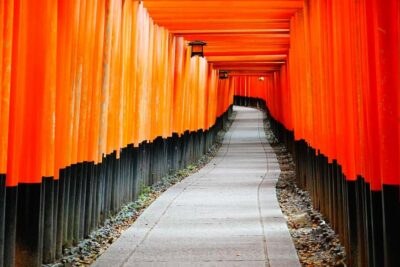
Kinkakuji,Arashiyama,FushimiInariShrine,NaraPark
Read our review →
Nara, Fushimi Inari Taisha, Arashiyama Bus Tour
Read our review →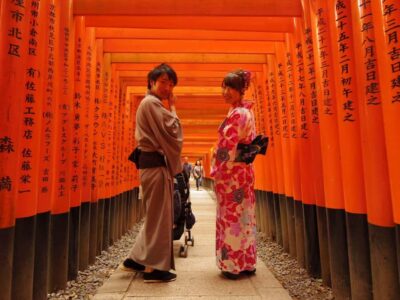
Arashiyama, Nara & Fushimi Inari Shrine w/Lunch
Read our review →
Nijo Castle, Kiyomizu & Fushimi Inari Guided Tour
Read our review →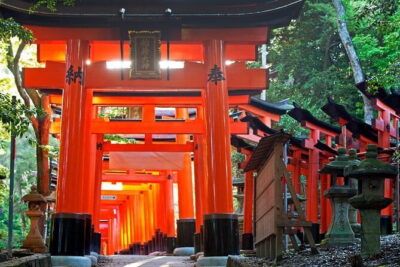
Nijo, Kinkaku-ji, Arashiyama, Kiyomizu & Fushimi Inari
Read our review →