Reviewed · MATCHA & GREEN TEA TASTINGS
Kyoto: Make Zen Garden and Taste Matcha in Pottery Shop
Turn sand into calm in Kyoto.
In a small pottery shop inside a renovated 100-year-old townhouse, you make a Zen garden style called karesansui, then sit in front of it to enjoy Ippodo matcha with seasonal wagashi. I love how hands-on the session is, because you are not just watching a garden from behind glass. I also like that the food part is real Kyoto culture, with matcha from a famous tea maker and sweets from a well-known Kyoto shop. One thing to consider: the Zen garden is very free-form, so if you want strict step-by-step instruction, this may feel a little light.
You can also add a practical souvenir after, since traditional pottery sold there is dishwasher and microwave safe. The class moves fast in just 30 minutes, which is perfect if you want a focused cultural stop without blocking your whole afternoon. If you prefer leisurely pacing, plan to arrive early for the calmest start.
In This Review
- Key points to know before you go
- A 30-minute Kyoto Zen and Matcha Session in a Machiya Pottery Shop
- Where You Meet, and How Easy It Is to Find
- What You Really Do: Making Your Own Karesansui Garden
- The Zen Plus Food Moment: Matcha From Ippodo and Wagashi in Front of Your Garden
- The Pottery Shop Part: Pottery That Works at Home
- A Renovated 100-Year Kyoto Townhouse That Changes the Mood
- Timing and Group Size: Why 30 Minutes Works
- Price Value: Is $12 Worth It in Kyoto Terms?
- Who This Experience Fits Best (And Who Should Skip It)
- Practical Tips to Get More From Your Zen Garden and Matcha
- Should You Book This Kyoto Zen Garden and Matcha Pottery Stop?
- FAQ
- How long is the Kyoto Zen garden and matcha pottery experience?
- How much does it cost?
- Where do I meet for the activity?
- What is the group size?
- What will I make during the experience?
- What matcha and sweets are included?
- Can I buy pottery during or after the experience?
- Is the pottery safe to use at home?
- What is the cancellation policy?
Key points to know before you go
- Make a Karesansui Zen garden yourself, not just admire one
- Matcha from Ippodo plus seasonal wagashi served right in front of your garden
- Free-form raking and decorating, so bring your creativity more than your precision
- Pottery-shopping in a Machiya townhouse, with souvenirs that are practical for home
- Small group size (up to 8) keeps the experience friendly and low-pressure
- In a great central area near Ippodo and Kyoto Imperial Palace Park, so it pairs well with nearby exploring
A 30-minute Kyoto Zen and Matcha Session in a Machiya Pottery Shop
This is the kind of Kyoto experience that fits neatly into a real travel day. You walk into a small shop, you work with sand and tools to create a Zen garden, then you enjoy matcha and sweets in front of it. The best part is that it is not split into separate worlds. The garden and the tea belong together, and you feel it in the pacing.
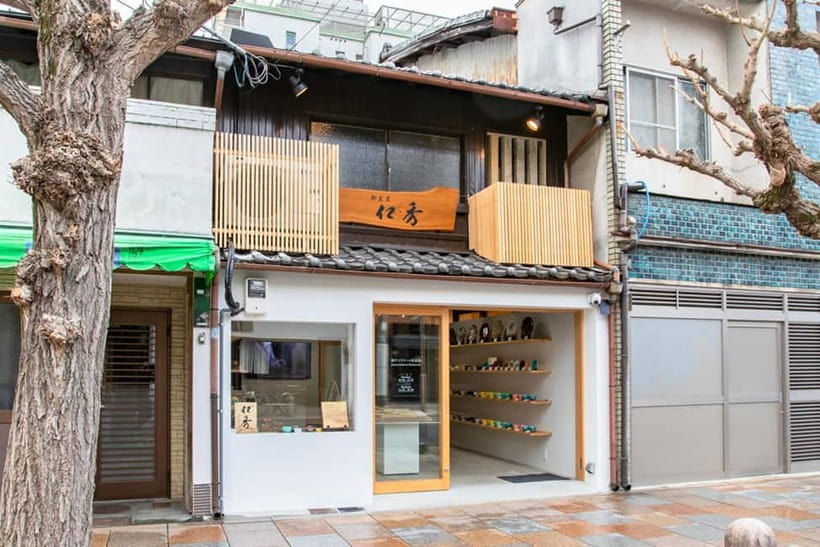
The setting matters too. The shop is a renovated 100-year-old Kyoto townhouse, so the experience sits in a traditional machiya space rather than a generic studio. That makes your Zen garden feel more “Kyoto” and less like a craft activity. Plus, the shop is associated with multiple Kyoto themes at once, including pottery and the spirit behind karesansui.
It is also a short commitment. At 30 minutes, you are not locked into a half-day plan, and you do not have to rush through a long workshop. If your schedule in Kyoto has you jumping between neighborhoods, this is a smart way to add something meaningful without the time cost.
Where You Meet, and How Easy It Is to Find
Your meeting point is close to major landmarks, which is a lifesaver in Kyoto. You will meet about 2 minutes walk north from Ippodo, and roughly 100 meters south from Kyoto Imperial Palace Park along Teramachi Dori. If you are using maps, the provided coordinates are 35.0157879, 135.7673992.
From transit, it is also walkable. It is about 11 minutes on foot from Kyoto Shiyakusho-mae Station on the Subway Tozai Line. You can also reach it in about 9 minutes from Jingu-marutamachi Station on the Keihan Railway Main Line.
Why this helps: when an activity is easy to reach, you show up less stressed. And with something labeled as Zen, that matters more than you think. You can arrive calm, settle in, and enjoy the quiet focus.
Moss, stone, and raked gravel gardens
- Kyoto Arashiyama Walking Tour: Bamboo, Monkeys, Gardens & Secrets
★ 5.0 · 1,216 reviews - Kyoto Zen Meditation & Garden Tour at a Zen Temple with Lunch
★ 5.0 · 441 reviews - Kyoto Arashiyama Bamboo forest & Garden Half-Day Walking Tour
★ 5.0 · 413 reviews - Kyoto: Zen Garden, Zen Mind (Private)
★ 5.0 · 126 reviews
What You Really Do: Making Your Own Karesansui Garden
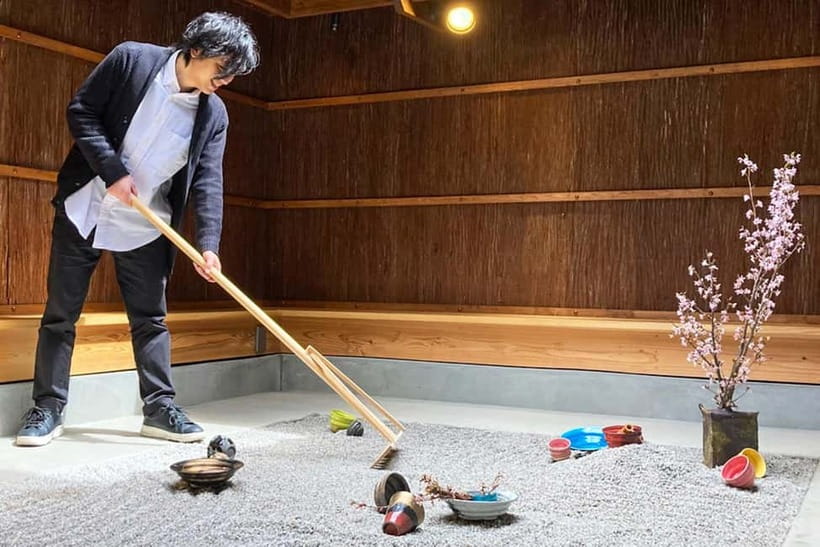
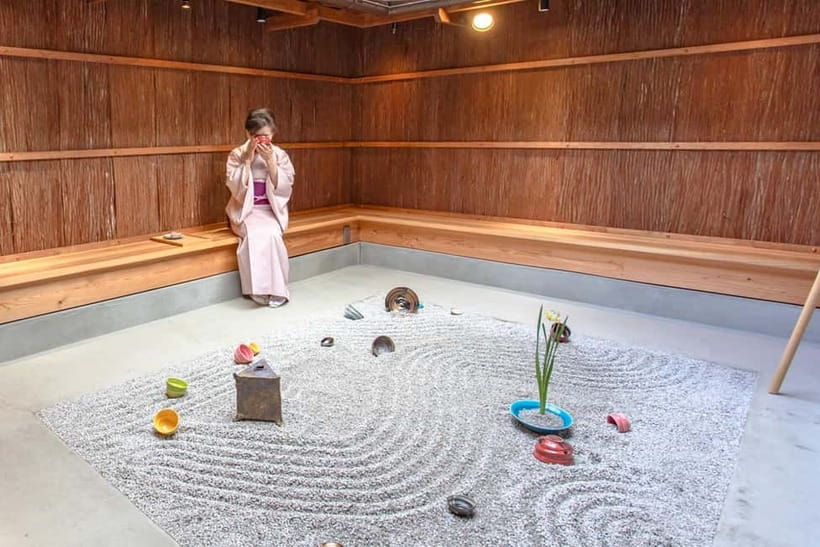
The heart of the experience is making a Zen garden in the karesansui style. In many places, Zen gardens are designed mainly to be appreciated visually, so you are usually the viewer, not the maker. Here, you get to become part of it.
You create your own original design using sand in the store’s garden area. Then you rake and decorate your garden to finish it. The tools and the time are limited, so you should think of this as a “make your own version” session rather than a museum-grade training course.
Also, do not expect a rigid script. One participant noted that there are not many instructions and that it is more free form. I would treat that as a feature, not a flaw. If you are the type who enjoys experimenting, you will probably have fun fast, and your garden will feel personal.
A practical tip from how this is set up: plan to take your time during the final look-over. Because you will be standing in front of your finished sand garden later for matcha and sweets, it is worth making sure you are happy with how it looks from where you will pose.
The Zen Plus Food Moment: Matcha From Ippodo and Wagashi in Front of Your Garden
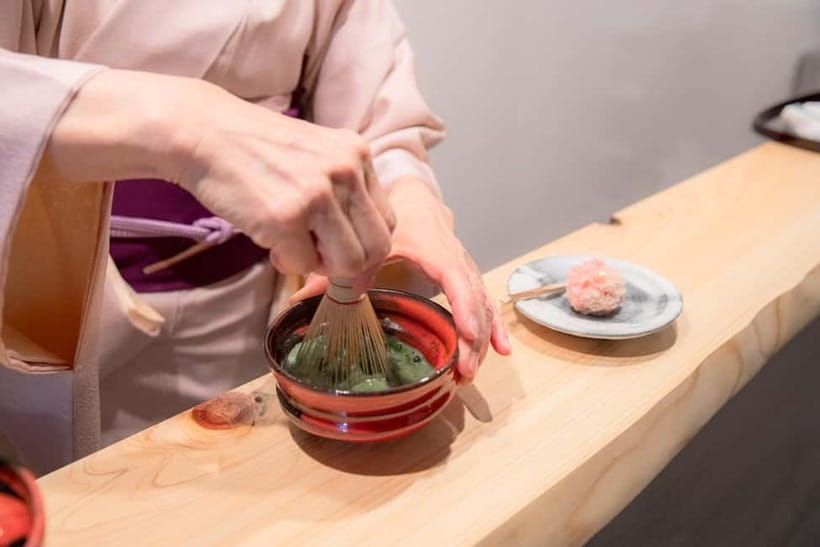
After you finish your sand garden, you get matcha and seasonal wagashi right in front of it. This is one of the most memorable parts, because it ties the visual calm of the garden to the taste ritual of tea.
The matcha comes from Ippodo, one of Kyoto’s famous tea companies. The sweets are seasonal wagashi from Senbon Tamajushuken, another well-known name. If you like Kyoto food culture, this pairing feels deliberate: bitter-green matcha plus delicate, season-based sweets is classic for a reason.
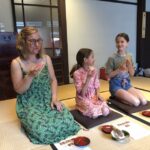
You can also take pictures while you eat. The experience is designed so you can get photos of yourself eating matcha and sweets in front of the Zen garden you made. That turns a small 30-minute activity into something you can actually remember, not just a blur of “we made something.”
One more practical note: matcha can be served hot or iced, depending on what is offered during your session. If you are sensitive to heat, you may want to choose iced. If you want to feel the traditional rhythm of a tea moment, hot matcha can be the better fit.
The Pottery Shop Part: Pottery That Works at Home
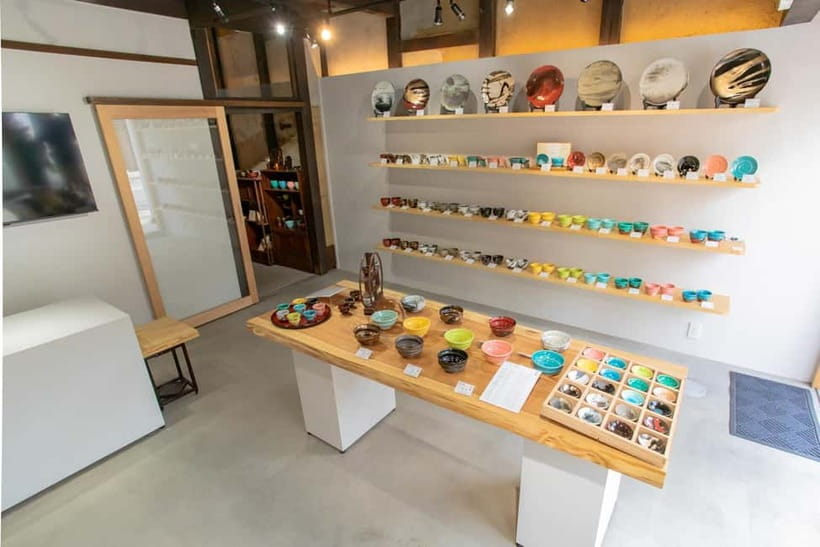
The title includes pottery, and that is not just a side note. This is a pottery-focused shop, and you have time to shop for handmade items after your garden and tea moment.
What makes the pottery especially appealing for real travelers is the practicality. The pottery sold there is described as dishwasher and microwave safe. That matters if you buy something to use at home, not only display. A souvenir that survives your kitchen routine feels like a smarter buy.
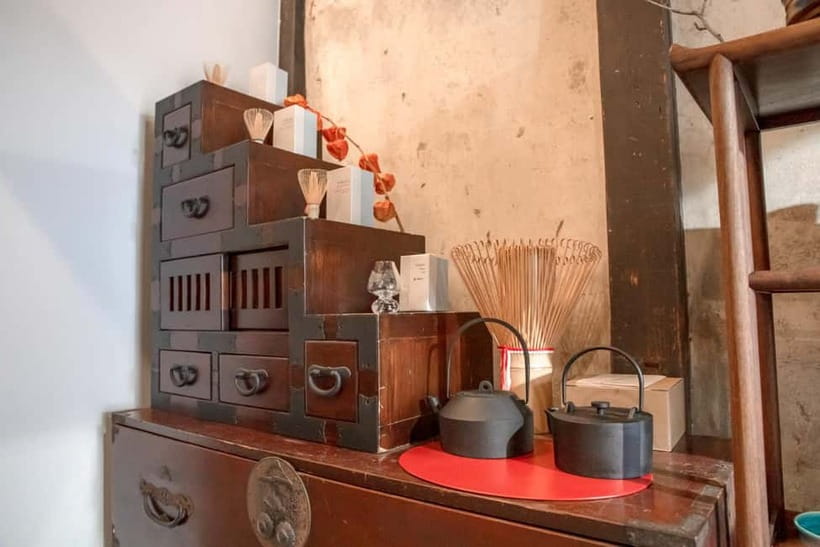
You also get the feeling of a traditional Kyoto retail space. The shop is small, and the overall area around it includes antiques and traditional home goods shops. If you want to wander after, this area gives you that “walk around with purpose” vibe instead of feeling stuck in a single spot.
If you are deciding what to buy, consider this simple strategy. Choose a piece that you will actually use, then check how it fits your plans for packing. Even if pottery is safe for dishes at home, it still needs careful transport, so go for items that are sturdy and reasonable in size.
A Renovated 100-Year Kyoto Townhouse That Changes the Mood
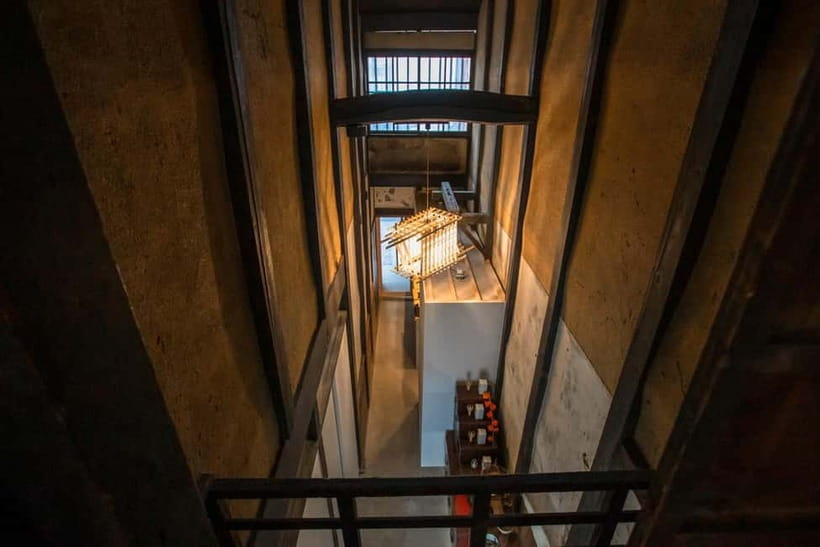
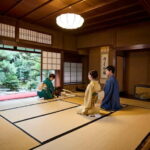
The setting is not just decoration. The experience happens in a renovated 100-year-old Kyoto townhouse, which shapes your pace and mood. It feels quieter than a big tourist shop, and you are surrounded by the kind of handmade craft atmosphere that Kyoto does well when it is done thoughtfully.
Why that matters for you: Zen experiences can feel staged when the space is modern and loud. Here, the townhouse structure supports the calm focus. Your raking, your tea sip, your photos in front of the sand garden all feel like they belong to the same moment.
It also helps that the group is small. With up to 8 participants, you are not elbow-to-elbow, and you do not have to fight for attention. You can ask questions, and the hosts can guide you without turning the session into a classroom.
Whisk your own bowl of matcha

Timing and Group Size: Why 30 Minutes Works
This is a short experience on purpose. 30 minutes sounds quick, and it is. But that quickness is part of the appeal. You will likely finish your garden, enjoy tea and sweets, and have a small window to shop, all without losing your entire afternoon.
Group size matters here too. Limited to 8 participants, you get a low-pressure pace. If you come alone or as a couple, it tends to feel friendly. You are doing something quiet, so people talking over each other would be annoying in a big group, and that risk is reduced.
If you are trying to plan around crowds, this helps. You do not need a perfect time slot, and you are not relying on a long reservation window to fit your day. Just pick a start time that avoids your strongest fatigue, especially if you plan to keep exploring after.
Price Value: Is $12 Worth It in Kyoto Terms?
At $12 per person, this is priced like an affordable cultural add-on. That is a good thing, because you are not paying for a long staged show. You are paying for a hands-on Zen garden session plus matcha and seasonal wagashi, and you get the chance to buy pottery as a souvenir.
In Kyoto, where some experiences can turn into expensive craft days, this stands out for the value per minute. The garden creation plus the tea ritual is the core. The inclusion of matcha from Ippodo and wagashi from Senbon Tamajushuken raises the value, because those brands give the experience credibility right away.
Here is how I would judge whether it is worth it for you. If you want a quick, authentic-feeling cultural moment and you like matcha, you will probably feel the price is fair. If you hate free-form creativity and want a highly guided class, you may feel shorted by the limited instruction style. But if you are okay experimenting with sand, it is a great deal.
Who This Experience Fits Best (And Who Should Skip It)
This works best for you if you:
- Enjoy hands-on cultural activities more than passive sightseeing
- Like matcha and Japanese sweets, especially in a Kyoto-focused setting
- Want a souvenir you can realistically use later, thanks to microwave and dishwasher-safe pottery
- Prefer small groups and a calm atmosphere over big-group tours
You might skip it if you want a lecture-heavy experience or a fully structured craft lesson. The garden is more free-form, and there is not a ton of step-by-step instruction. It is still fun, but your enjoyment will depend on whether you like shaping the result yourself.
Also, if you are traveling with someone who is very impatient with quiet tasks, the raking and sand work may feel slow. For most people, though, the pace is exactly right for a short cultural reset.
Practical Tips to Get More From Your Zen Garden and Matcha
I like to think about this as a photo and flavor moment, not just a craft. Your garden is the background for your matcha and wagashi, so aim for a finished look you can smile at.
A few simple ideas:
- Treat the sand garden like a small art piece. You do not need perfection, just a design you like.
- Plan where you will stand for photos before you lift your cup. That makes the moment smoother.
- If you are sensitive to sweetness, remember wagashi can be seasonal and delicate, but still sweet. Pair slowly with matcha.
- If you want pottery souvenirs, keep your shopping mindset ready before tea. Some people get so relaxed after matcha that they forget to browse.
If you want to add extra time nearby, this location is a solid base. You are near Teramachi Dori and close to Kyoto Imperial Palace Park, and the surrounding area has antiques and traditional home goods shops. A brief stroll before or after can turn a 30-minute class into a fuller neighborhood experience.
Should You Book This Kyoto Zen Garden and Matcha Pottery Stop?
Book it if you want a small, calm, and creative Kyoto experience with a strong food payoff. The combo of karesansui sand garden making plus Ippodo matcha and seasonal wagashi is the main reason. You also get the practical bonus of microwave and dishwasher safe pottery, which makes the souvenir feel useful, not just decorative.
Skip it if you need heavy instruction, or if you expect a long, guided temple-style narration. This is designed to be short, personal, and a bit free form. For the right mood, that is exactly what makes it work.
If you are sitting on the fence, use this decision test: if you would enjoy making a small Zen garden and then eating sweets in front of it, you will probably leave happy for the price. If not, Kyoto has plenty of other ways to experience Zen and matcha.
FAQ
How long is the Kyoto Zen garden and matcha pottery experience?
The experience lasts about 30 minutes.
How much does it cost?
The price is $12 per person.
Where do I meet for the activity?
Meet about 2 minutes walk north from Ippodo, and about 100 meters south from Kyoto Imperial Palace Park along Teramachi Dori.
What is the group size?
It is a small group limited to 8 participants.
What will I make during the experience?
You will create your own Zen garden in the Karesansui style using sand, and decorate it yourself.
What matcha and sweets are included?
You will have matcha from Ippodo and seasonal wagashi from Senbon Tamajushuken.
Can I buy pottery during or after the experience?
Yes. You can purchase handmade traditional pottery as souvenirs in the shop.
Is the pottery safe to use at home?
The traditional pottery sold there is described as dishwasher safe and microwave safe.
What is the cancellation policy?
Free cancellation is available up to 24 hours in advance for a full refund.
Artisan Craft Workshops
New This Season
- Koyasan Day Trip by Private Car from Kyoto
- Old Port Town and Ultimate Sake Tasting Private Tour From Kyoto
- Kyoto’s Timeless Charm: 3hr Exploration of History and Peace
- Kyoto: 5 Types of Sushi Making
- Sacred Peak & Ancient Paths: Kurama-Kibune Hiking Experience
- Kyoto: Exclusive ZEN practice at Manpukuji temple in Uji
- Kyoto: Private Seasonal Aroma Yoga Class
- Traversing Kyoto’s Scenic West – Arashiyama to Kinkakuji
Matcha & Green Tea Tastings, compared.

Arashiyama Bamboo Forest, Monkeys, Matcha & Temple Tour
Read our review →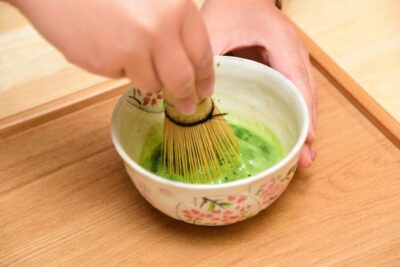
Tea Museum Tickets and Matcha Grinding Experience
Read our review →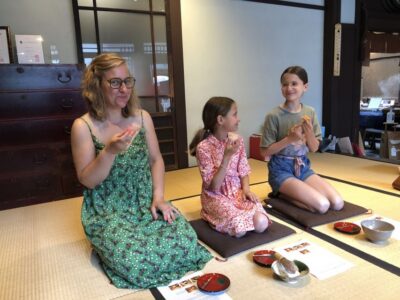
Tea Ceremony Meditation – Make Matcha with Tea Master
Read our review →Arashiyama Bamboo, Matcha, Monkeys & Temple Tour
Read our review →

Arashiyama Bamboo, Temple, Matcha, Monkeys & secret spots
Read our review →