Reviewed · FUSHIMI INARI SHRINE WALKS
Kyoto: Top Sights Guided Tour – Gion, Kinkaku, Fushimi, Nijo
Kyoto can feel like it takes a lifetime. This is a focused way to see the biggest icons in one day. I especially like the smart flow between neighborhoods, plus the way you get guided context at each stop instead of just wandering. The other big plus is how the route layers iconic views, classic streets, and a palace-like interior all in one run. One thing to consider: it is a full 8 hours, so if you love slow pacing and long café breaks, you may feel the schedule.
This tour is built around a friendly live guide, with real explanations at the sites, and it uses local-style transit to keep things moving. If your guide is Takashi, he’s the kind of person who can turn a checklist into actual understanding, with clear direction and a calm, thoughtful approach. The one practical drawback is lunch costs extra, so you’ll need to budget for what you eat in Gion.
In This Review
- Key highlights to look forward to
- A one-day Kyoto hit list that still feels human
- Meeting at 稲荷駅, then going where the day takes you
- Fushimi Inari Taisha: thousands of vermilion gates in a guided walk
- The train reset: useful time instead of dead time
- Kiyomizu-dera’s wooden stage: where the views do the talking
- Sannenzaka stroll: old-street vibes before Gion
- Gion: lunch plus traditional streets with a guided lens
- Nijo Castle: opulent architecture and preserved interiors
- Kinkaku-ji Golden Pavilion finish at 金閣寺
- Price and value: what $131 really covers
- Who this Kyoto day tour suits best
- Should you book this Kyoto top sights guided tour?
- FAQ
- Where do I meet my guide?
- How long is the tour?
- What is included in the price?
- Is lunch included?
- What languages are available for the live guide?
- Can I cancel or change my plans?
Key highlights to look forward to
- Fushimi Inari’s torii gate tunnel: walk through thousands of vermilion gates in a guided, meaningful route
- Kiyomizu-dera viewpoints: time at the famous wooden stage for panoramic Kyoto views
- Gion streets plus real pacing: traditional machiya houses and a guided walk, with lunch in the area
- Nijo Castle interiors: opulent architecture and preserved interiors, handled with a guided visit
- Kinkaku-ji Golden Pavilion finish: golden temple views over a serene Japanese garden, ending at 金閣寺
A one-day Kyoto hit list that still feels human
Here’s the deal with this tour: it compresses Kyoto’s top visuals into one day, but it doesn’t feel like you’re speed-running photo stops. You are walking through signature areas like Fushimi Inari and Gion, then you transition to major landmarks like Kiyomizu-dera, Nijo Castle, and Kinkaku-ji with guided time built in.
I like tours like this when I’m on a schedule. You get structure, you avoid the mental load of figuring out what’s close to what, and your guide helps you make sense of what you’re seeing. You also get a nice mix: spiritual gates, big hilltop views, traditional street scenery, and a palace-style complex at the end.
The “small groups or private” option matters too. A smaller group typically means fewer lost moments at meeting points and more time to ask questions without waiting your turn.
Meeting at 稲荷駅, then going where the day takes you
You’ll meet your guide right outside the central ticket gate at JR Inari Station, and the guide holds a yellow sign with the DeepExperience logo. That detail sounds small, but it matters in Japan. Getting matched up fast means you start your day already feeling relaxed.
From there, the flow is simple and efficient: guided time at Fushimi Inari, then a train segment, then more walking and a couple of bus or coach rides between major sights. Those transit windows (40 minutes by train, plus 30 minutes by bus/coach more than once) act like buffers. They turn the day into a sequence you can actually handle, instead of constant stop-start confusion.
If you hate feeling rushed between neighborhoods, this format still might work for you because your guide does the direction part. You just show up, wear comfortable shoes, and keep your energy for the sights.
Kinkaku-ji's gold roof over still water
- Kyoto: Fushimi Inari, Kinkakuji, Bamboo Grove 1 Day Bus Tour
★ 4.8 · 4,316 reviews - Osaka/Kyoto:Kinkakuji,Arashiyama,FushimiInariShrine,NaraPark
★ 4.1 · 1,596 reviews - Kyoto: Nijo, Kinkaku-ji, Arashiyama, Kiyomizu & Fushimi Inari
★ 5.0 · 699 reviews - Kyoto: Kinkakuji, Golden Pavilion Guided Tour
★ 4.7 · 71 reviews
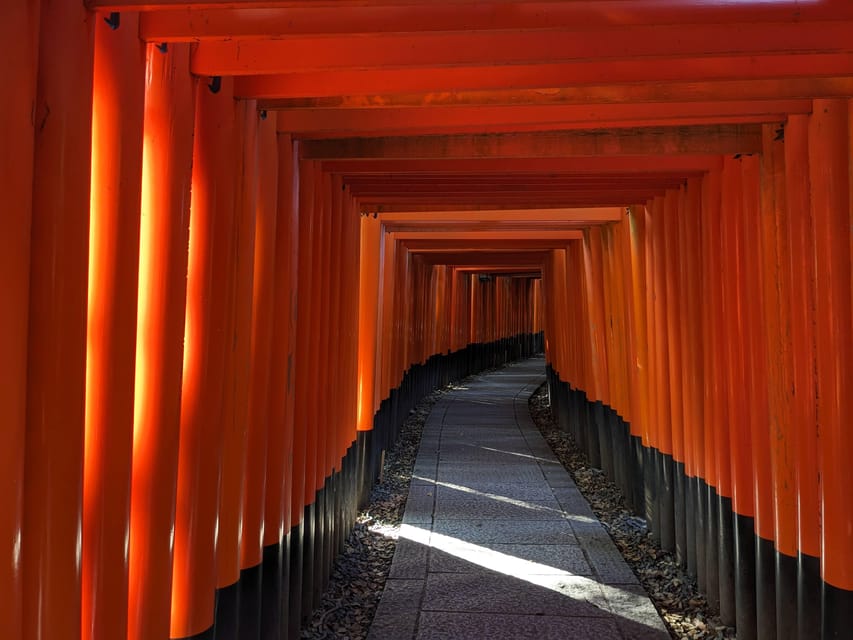
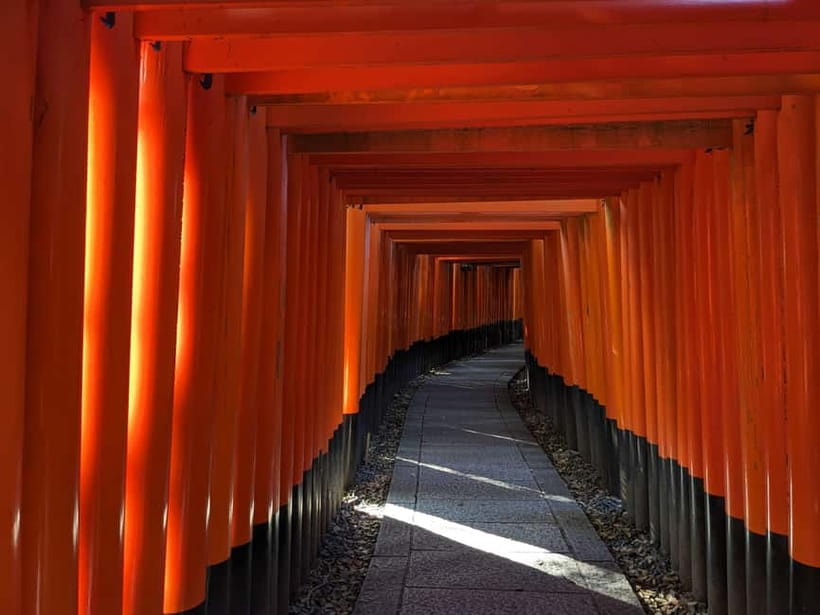
Fushimi Inari Taisha: thousands of vermilion gates in a guided walk
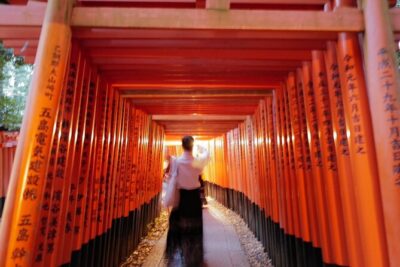
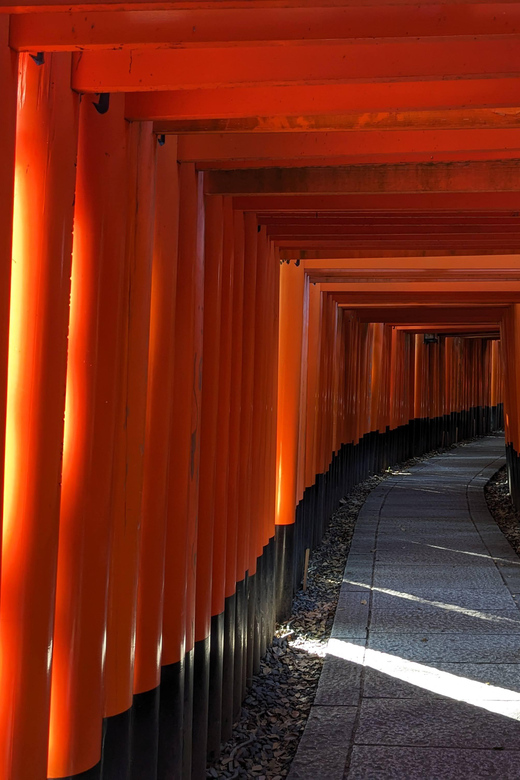
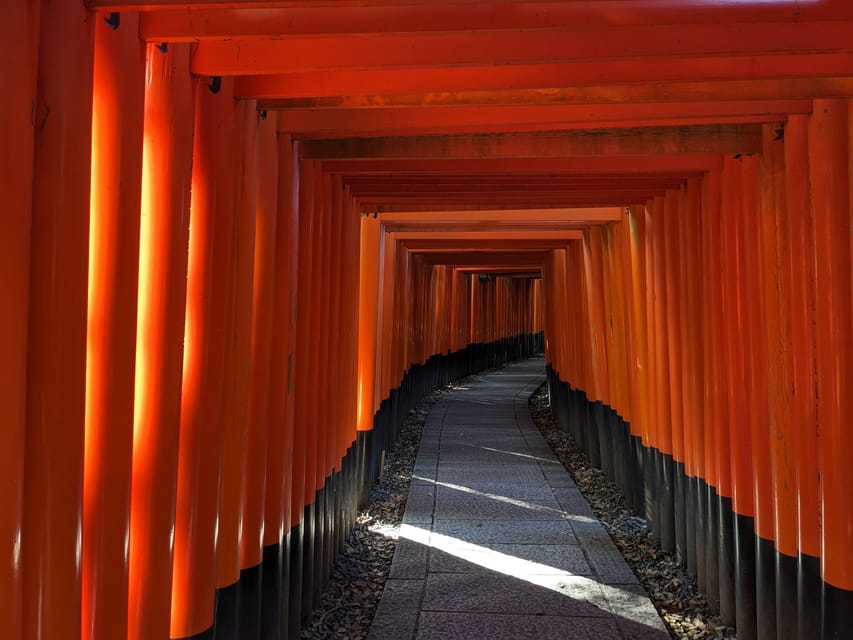
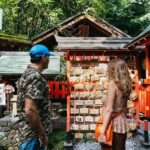
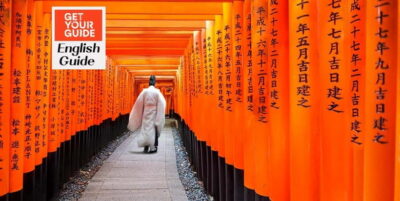
You start at Fushimi Inari Taisha, and yes, it is all about the gates. The headline here is the thousands of vermilion torii gates forming that famous path that feels both spiritual and slightly mind-bending once you’re in it.
Guided time is around 40 minutes, which is a sweet length. Long enough to get your bearings among the gates and notice what changes as you move along the path. Short enough that you do not end up totally drained before the rest of the day.
Practical tip: treat this as a walking-and-looking stop, not a sprint. Your guide’s explanations help the gates mean more than just scenery, and you’ll likely appreciate the turns and pacing more than if you tried to power-walk it on your own.
Also, if you’re into photos, this is one of your best chances for that “you are inside the famous Kyoto look” feeling. You’ll be surrounded by repeating shapes, which usually makes for great pictures even when crowds are present.
The train reset: useful time instead of dead time
Right after Fushimi Inari, you transition by train for about 40 minutes. I actually like having a transit block like this in a tour day. It gives your body a break from constant walking, and it gives your mind a break from constant scanning.
During these segments, you’re not stuck wondering where to go next. The route is planned, and the guide keeps you on track. That may sound obvious, but it’s exactly what turns a “sights list” into a day that feels organized.
If you tend to get tired after a big walking stop, use this train portion to recharge. Hydrate. Take a breath. Then you’ll be ready for Kiyomizu-dera, which is where the views and the stairs usually make people feel it.
Kiyomizu-dera’s wooden stage: where the views do the talking
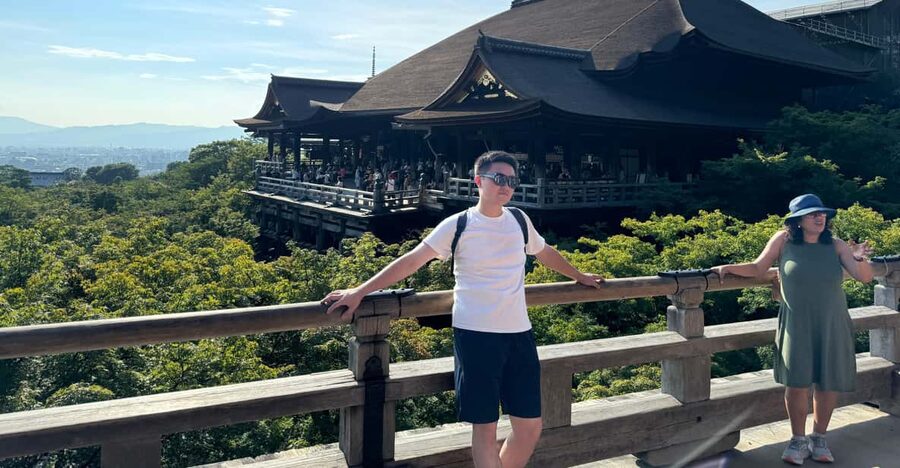
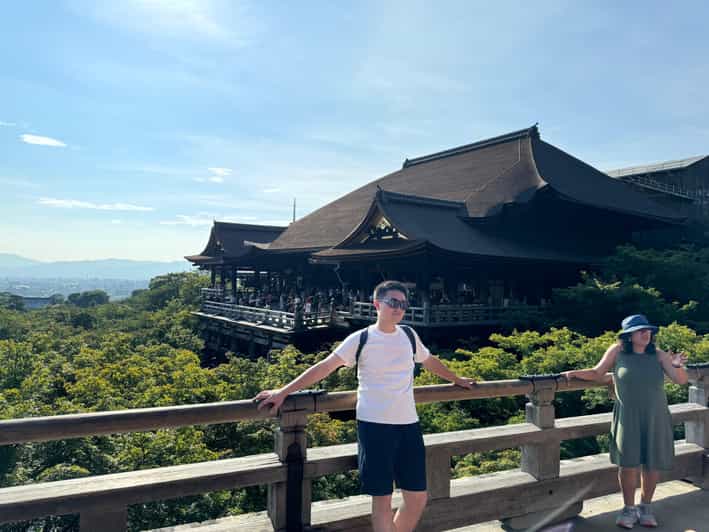
Next up is Kiyomizu-dera, with guided time of about 70 minutes. The signature experience is the famous wooden stage, where you can enjoy panoramic views of Kyoto.
This stop is a key reason the tour works. You don’t just get a single point view from the outside. You get enough guided time to arrive, orient yourself, and actually enjoy the setting at the stage rather than simply passing through.
Practical advice: wear shoes you trust on uneven ground and stairs. This area naturally encourages slow movement for photos, and you’ll want your feet to stay steady. Also, bring your camera plan to the stage itself. Once you’re there, you’ll understand where the best sightline moments are, and you can then move deliberately.
If you’re visiting Kyoto for the first time, Kiyomizu-dera is often the stop that makes you feel like, okay, this is really Kyoto. The wooden stage viewpoint is the kind of scene that makes you stop talking and just look.
Sannenzaka stroll: old-street vibes before Gion
After Kiyomizu-dera, you head into Sannenzaka, with about 15 minutes guided and then roughly 20 minutes on foot. This is one of those transitions that keeps the day from turning into five disconnected monuments.
Sannenzaka is the kind of street area where you feel older Kyoto rather than just seeing famous landmarks. It’s also a nice pacing change. You go from a major viewpoint to a more walkable, street-focused experience.
What to keep in mind: think of this as time to slow down and notice details, not time to shop your way through every stall. If you spend this section trying to cover everything, you can burn energy you’ll want later in Gion.
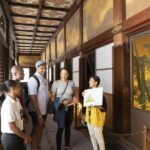
Nightingale floors that sing when you walk
Gion: lunch plus traditional streets with a guided lens
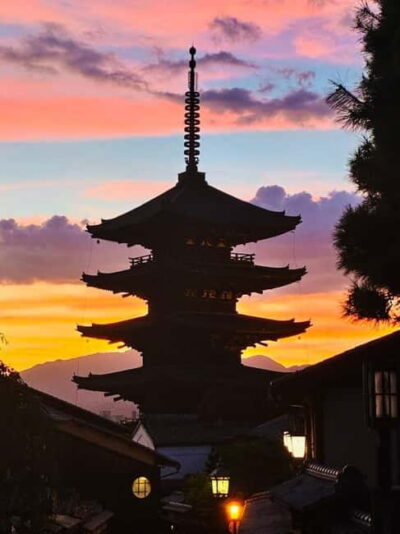
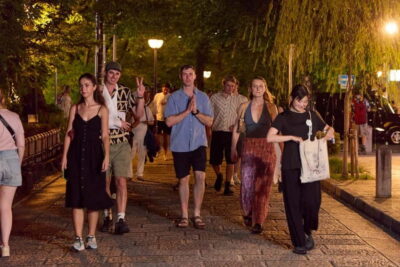
Then comes Gion, with lunch time and guided walking for about 1.5 hours. The tour’s description focuses on the traditional feel: wooden machiya houses and quaint streets.
I like Gion as a contrast to the temple stops. It adds a human-scale Kyoto moment. Instead of only looking up at architecture or looking out at views, you’re moving through a district that shows you how daily life and old design can share the same streetscape.
Lunch is in the Gion area, but it’s not included in the price. That’s not a deal-breaker, but it is something to plan. Decide ahead of time if you want casual comfort or you want to choose one specific type of meal. Either way, having lunch scheduled into the day means you’re not scrambling to find food at the worst moment.
One more practical point: if your guide is good at pacing, Gion can feel relaxed even though it’s in one of Kyoto’s most photographed districts. It helps because you are not just wandering. You are walking with purpose and getting explanations along the way.
Nijo Castle: opulent architecture and preserved interiors
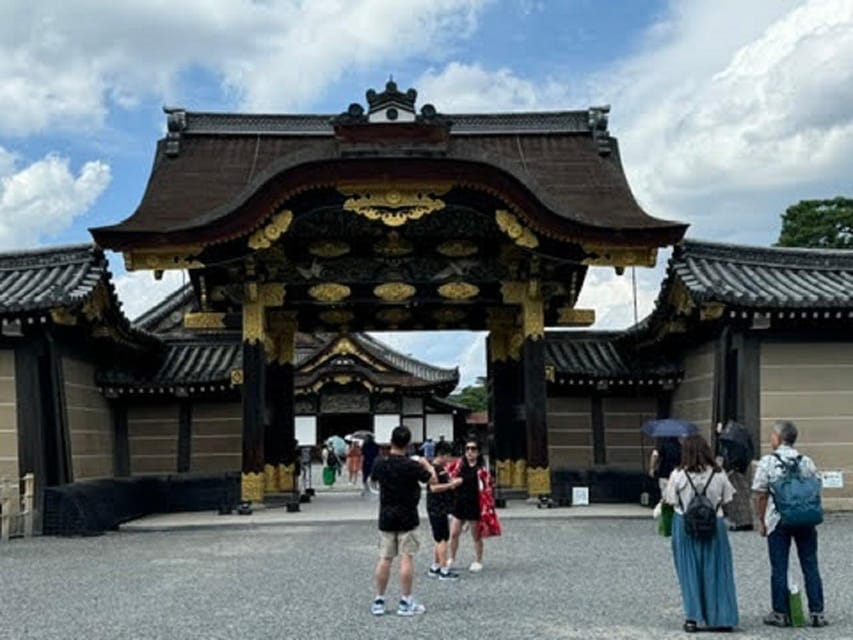
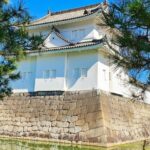
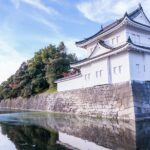
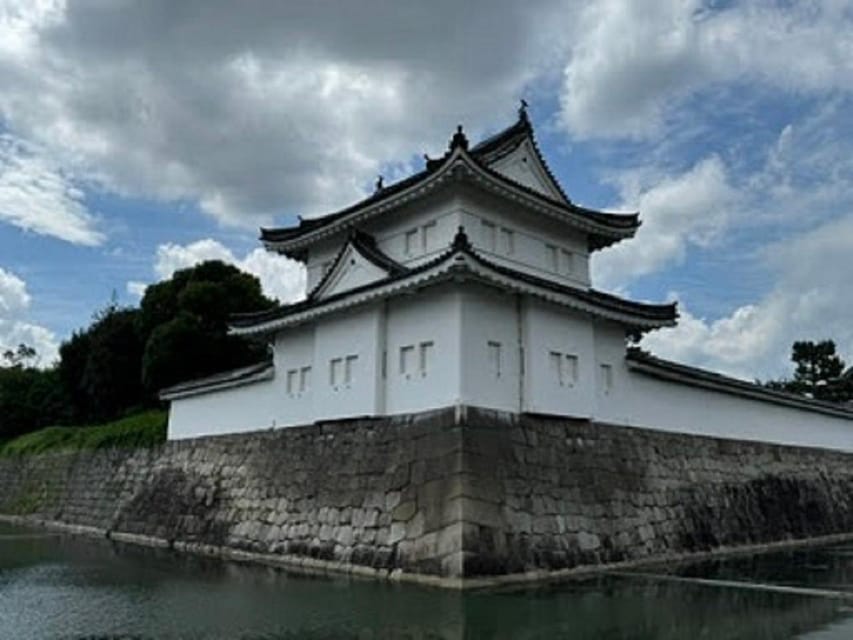
Next you ride by bus or coach for about 30 minutes, then arrive at Nijo Castle for a guided visit of around 1 hour. This is where the tour pivots from street and scenery into a more structured, interior-focused experience.
The highlight here is opulent architecture and beautifully preserved interiors. That phrasing matters, because it suggests you’re not just doing an exterior photo stop. You’re getting access to the inside experience, which is usually what makes castles feel different from temples.
One way to make this stop work for you: slow down once you’re inside. Interiors are where details matter, and guided time helps you focus on what’s most important instead of trying to read everything yourself while moving.
If your goal is “see the big Kyoto landmarks,” this is a solid inclusion. It gives you variety, and it balances the spiritual and scenic stops with something that feels ceremonial and official.
Kinkaku-ji Golden Pavilion finish at 金閣寺
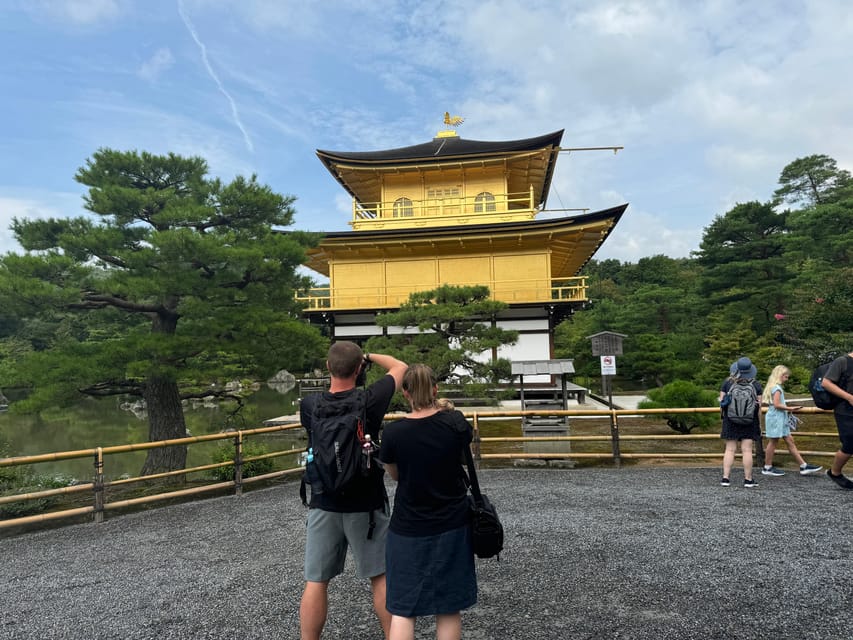
To wrap things up, you take another bus or coach ride for about 30 minutes to reach Kinkaku-ji. The guided time is about 1 hour, and you finish at 金閣寺.
This is the classic payoff. The Golden Pavilion glistens over a serene Japanese garden, and it’s the kind of ending that makes your whole day feel like it reached the main stage. If you’ve been doing lots of gates and viewpoints, Kinkaku-ji delivers a different mood: polished, iconic, and calm.
Practical tip for the final hour: don’t burn all your energy right at the start. Give yourself a minute to absorb the scene, then choose a couple of sightlines and stick with them. Trying to sprint for every possible photo angle can make you miss the quiet feeling that the garden provides.
Also, since this is the finish point, you don’t need to worry about “what’s next.” That’s a real comfort at the end of an 8-hour day.
Price and value: what $131 really covers
At $131 per person for 8 hours, this tour sits in the category of “worth it if you value time and guidance.”
Here’s what you actually get that supports the price:
- A live guide (English and Japanese options)
- Entry tickets included for the stops
- A full-day route that combines walking, train, and bus/coach between major sights
- Enough guided time at each location to feel like you learned something and not just lined up for photos
Lunch is the only clear extra, since the tour listing says lunch cost is not included. If you plan a meal anyway, you’re not paying twice for food. You’re just paying for your own choice in Gion.
Is it a bargain? Not the cheapest way to see Kyoto. But if you’re visiting with limited time and you want someone else to handle the sequencing, it’s good value. The included entry tickets alone help offset part of the cost, and the guide makes the difference between sightseeing and understanding.
Who this Kyoto day tour suits best
This is a strong fit if:
- It’s your first time in Kyoto and you want the top landmark mix
- You have one day and want a structured route that keeps moving
- You like having a guide explain what you’re seeing at each major stop
- You prefer small groups or private touring for a calmer pace
It may not be ideal if:
- You want lots of unplanned time to wander beyond a set route
- You dislike walking segments and you’d rather spend hours in one neighborhood
- You want a lunch included price with no extra decision-making
In short, it’s best for visitors who want a well-managed day with major sights, and you don’t mind that the schedule is tight because it’s designed to cover a lot.
Should you book this Kyoto top sights guided tour?
If your priority is to see Fushimi Inari, Kiyomizu-dera, Gion, Nijo Castle, and Kinkaku-ji in one day, and you’d rather spend your energy enjoying than figuring out logistics, then yes, I think you should book it. The big reason is the balance of guided time plus real landmarks, with a route that keeps you moving without making you feel lost.
Do keep in mind it’s an 8-hour day and lunch costs extra. If you plan for that, you’ll end the day with the kind of Kyoto “greatest hits” feeling that actually holds up.
FAQ
Where do I meet my guide?
Meet your guide in front of the central ticket gate at JR Inari Station. The guide will be holding a yellow sign with the DeepExperience logo.
How long is the tour?
The tour lasts 8 hours.
What is included in the price?
The price includes the guide fee and entry tickets.
Is lunch included?
No. Lunch cost is not included.
What languages are available for the live guide?
Live tour guidance is available in English and Japanese.
Can I cancel or change my plans?
You can cancel up to 24 hours in advance for a full refund. You can also reserve now and pay later.
Gion Geisha Quarter Walks
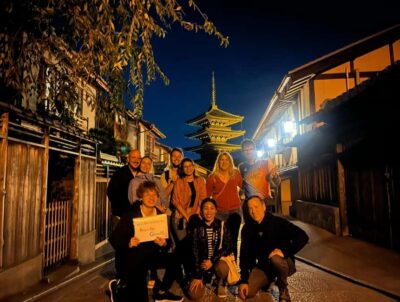
Fushimi Inari Shrine Walks
New This Season
- Koyasan Day Trip by Private Car from Kyoto
- Old Port Town and Ultimate Sake Tasting Private Tour From Kyoto
- Kyoto’s Timeless Charm: 3hr Exploration of History and Peace
- Kyoto: 5 Types of Sushi Making
- Sacred Peak & Ancient Paths: Kurama-Kibune Hiking Experience
- Kyoto: Exclusive ZEN practice at Manpukuji temple in Uji
- Kyoto: Private Seasonal Aroma Yoga Class
- Traversing Kyoto’s Scenic West – Arashiyama to Kinkakuji
Fushimi Inari Shrine Walks, compared.

Fushimi Inari, Kinkakuji, Bamboo Grove 1 Day Bus Tour
Read our review →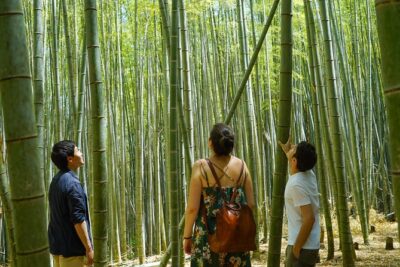
Fushimi Inari Hidden Hiking Tour (Private Option Available)
Read our review →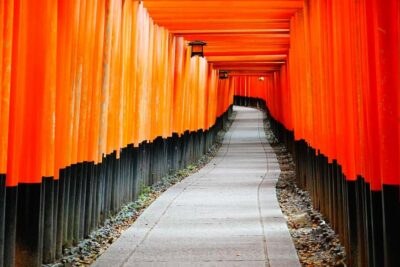
Kinkakuji,Arashiyama,FushimiInariShrine,NaraPark
Read our review →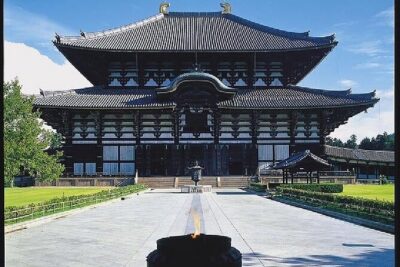
Nara, Fushimi Inari Taisha, Arashiyama Bus Tour
Read our review →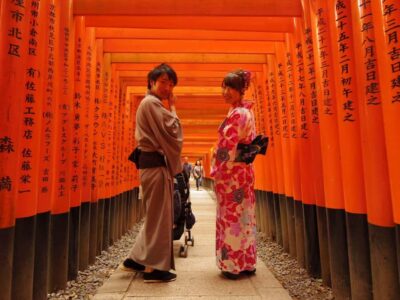
Arashiyama, Nara & Fushimi Inari Shrine w/Lunch
Read our review →
Nijo Castle, Kiyomizu & Fushimi Inari Guided Tour
Read our review →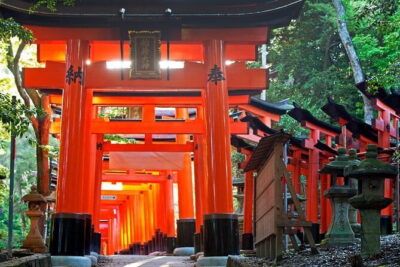
Nijo, Kinkaku-ji, Arashiyama, Kiyomizu & Fushimi Inari
Read our review →