
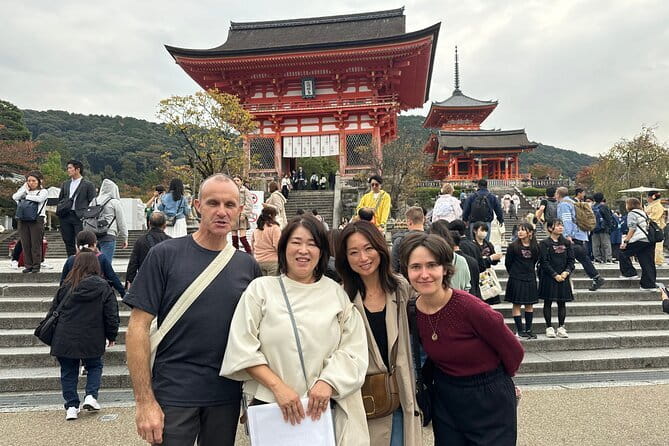
Reviewed · MATCHA & GREEN TEA TASTINGS
Kyoto WAKIMIZU Half Day Tour: Secrets of Matcha & Wagashi Sweets
Kyoto’s spring water is the real flavor secret. This half-day tour connects WAKIMIZU to why matcha and wagashi taste so different, with a hands-on stop-and-sip approach at famous and lesser-known shrine spots. I especially like the way it turns a food experience into a city walk, not a lecture.
I also really enjoy the matcha and wagashi finish at a long-established shop, with spring-water prepared matcha and fresh namagashi made for the tour. The group stays small, so the tasting feels personal, not rushed.
One thing to consider, though: it is built around walking between shrine sites and taking short water tastings. If you prefer a mostly seated food tour, this one may feel a bit more active than you want.
In This Review
- Key highlights I’d circle in your Kyoto notes
- WAKIMIZU: the Kyoto spring-water idea that changes your food
- Kyoto Station start, a small group, and a 2-hour 40-minute plan
- Yasaka Shrine and the Gion Shinsui power water story
- Nishiki Tenmangu: spring water tied to Tenjin and good outcomes
- Hiyoketemmangu: fire-prevention water and the Hamaguri-gomon incident
- Kameya Yoshinaga (founded 1803): the matcha and tour-only namagashi finale
- Why the matcha tastes different when it’s tied to WAKIMIZU
- Value for $80: what you get, and what you are paying for
- Who this tour fits best, and who might prefer something else
- Should you book the Kyoto WAKIMIZU Half Day Tour?
- FAQ
- Where does the Kyoto WAKIMIZU Half Day Tour start and end?
- What time does the tour start?
- How long is the tour?
- How much does the tour cost?
- What is included in the tour price?
- Is private transportation included?
- What locations are part of the experience?
- What kind of ticket do you get?
- How many travelers are on the tour at most?
- What happens if the minimum number of participants is not met?
Key highlights I’d circle in your Kyoto notes
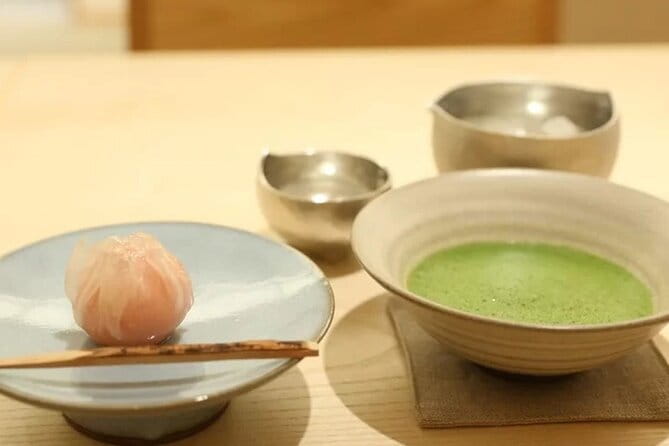
- WAKIMIZU water tasting at shrine spring spots, so you can taste the difference instead of just hearing about it
- Three shrine stops with specific spring-water stories, including learning-themed and fire-protection connections
- Ritual context for visiting shrines, including hand-washing fountain customs
- Kameya Yoshinaga style sweets, ending at a confectionery founded in 1803
- Tour-only namagashi and spring-water matcha, which you cannot usually get at the shop
WAKIMIZU: the Kyoto spring-water idea that changes your food
If you have had matcha and wagashi in Kyoto, you already know they can be very special. What this tour adds is the missing link: spring water. In Kyoto, people have long relied on natural groundwater in the city basin for daily life, tea ceremonies, and making wagashi. This tour takes that idea seriously by making you visit the places where the water is said to come from, then taste it on the spot.
The tour frames this as WAKIMIZU, spring water, and it’s not just a poetic concept. Water chemistry affects taste, and the guide’s main point is that the final sweetness and bitterness balance you get in matcha and wagashi is connected to the source. Even if you are not a food scientist, you will likely notice that each water spot seems to have its own character.
The sweet part is the final meal of sorts: matcha made with spring water and fresh wagashi prepared for this tour. That means you are not just looking at tradition, you are using it to understand flavor, then ending with a reward.
Kyoto Station start, a small group, and a 2-hour 40-minute plan
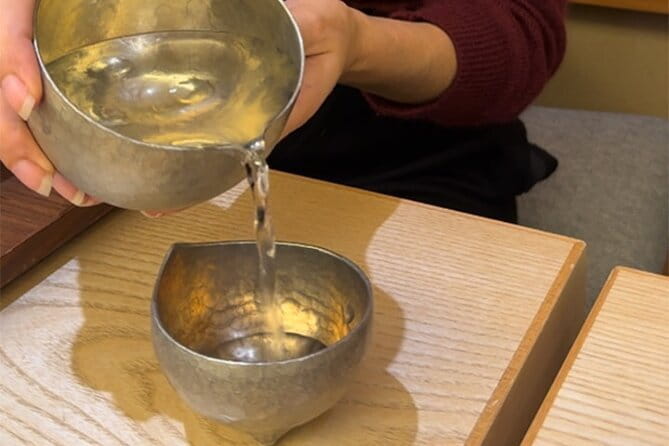
The tour begins at Kyoto Station (Higashishiokoji Kamadonocho, Shimogyo Ward) at 1:00 pm and runs about 2 hours 40 minutes. This timing is a smart slot for a daytime visit: you can still do a bigger evening plan afterward.
The group size is capped at 6 travelers, so you should expect a guided pace that actually lets you ask questions. That matters here, because the experience is built on small cultural details around shrines, plus short tasting moments that you do not want to rush.
Also, the tour uses a mobile ticket, which is convenient. And it is positioned as near public transportation, so it is easy to stitch into a typical Kyoto day.
If you are the type of traveler who likes food, but also wants a reason for the taste, this format makes sense. You get walking time and cultural context, but the day is still short enough to feel flexible.
Whisk your own bowl of matcha
- Kyoto: Arashiyama Bamboo Forest, Monkeys, Matcha & Temple Tour
★ 5.0 · 759 reviews - Kyoto: Tea Ceremony Meditation – Make Matcha with Tea Master
★ 4.8 · 406 reviews - Kyoto: Arashiyama Bamboo, Matcha, Monkeys & Temple Tour
★ 4.9 · 291 reviews - Kyoto: Kimono Tea Ceremony with Matcha and Sweet
★ 4.9 · 249 reviews
Yasaka Shrine and the Gion Shinsui power water story
The walking tour begins at Yasaka Shrine, and right away the guide sets up the shrine mythology that locals use to explain why this water matters.
Kyoto is described as being protected by the Shijin, four divine creatures tied to cardinal directions. Yasaka Shrine stands in the east, tied to the Azure Dragon. Under the main hall, there is a sacred pond, described as the dragon’s lair, and the spring water flowing from there is said to be Gion Shinsui, or power water.
This stop is more than a pretty start. You learn how locals connect water to purity, protection, and everyday ritual. You will also get a practical moment: a taste of the spring water and guidance on shrine customs, including use of the ritual hand-washing fountains found at these types of sites.
What I like about Yasaka Shrine in this context is that it’s a common name, but the tour steers you toward the less obvious parts of the experience. Instead of treating the shrine like a quick photo stop, it becomes a setting for learning a specific local idea: that water is not interchangeable, and that the act of drinking or using it is tied to meaning.
Possible drawback: if you are arriving expecting a long sit-down tea moment, this first stretch is still a walk and setup. You get your first taste early, but the full matcha payoff comes later.
Nishiki Tenmangu: spring water tied to Tenjin and good outcomes
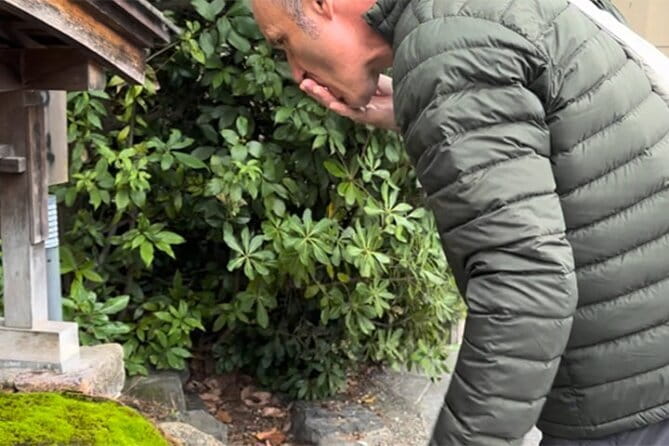
Next is Nishiki Tenmangu, with a shorter stop and a clear theme: scholarship and protection. The spring water here is described as blessed by Tenjin, the deity of learning, and it is believed to support wisdom and success in academics, along with protection from misfortune.
This is where the tour gets interesting if you like cause-and-effect stories in culture. The shrine is not only religious architecture. It is a map of what people hope for, and the water is one of the tools in that hope. Even if you do not share the belief, you can appreciate why locals would take water seriously enough to build ritual around it.
The quick time frame here means you do not overstay. You get the essential idea, you see the spring-water focus, and you move on. It also prevents the day from feeling like a march through shrine labels. Each stop stays tied to one clear story.
Practical tip: wear shoes you can walk in comfortably. Even if the stops are short, you will be moving between points.
Hiyoketemmangu: fire-prevention water and the Hamaguri-gomon incident
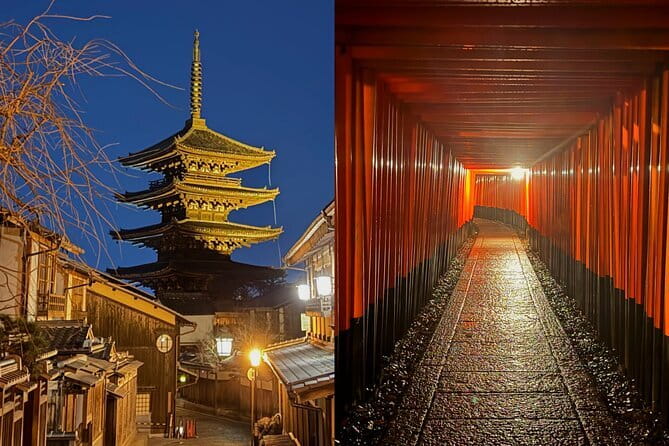
The third shrine spring stop is Hiyoketemmangu. This one comes with a dramatic historical angle tied to fire.
The water here is linked to a fire-preventing deity, and the tour explanation includes the story of the Hamaguri-gomon Incident in the late Edo period. The area is said to have miraculously avoided a major fire, and since then, there have been many tales about protection from fire.
This stop balances the other two themes. Yasaka Shrine gives you power and purification symbolism, Nishiki Tenmangu gives you wisdom and success symbolism, and Hiyoketemmangu brings in safety and survival symbolism. It’s a good reminder that in Japan, shrines often anchor practical hopes, not only spiritual ones.
The takeaway for me is how the tour uses those stories to make the concept of water feel grounded. You are not just tasting. You are tasting within a framework of why that water mattered to people at particular moments in Kyoto’s history.
Another practical angle: because these are shrine environments, you should keep things respectful and quiet. The tour helps with that, and the customs you pick up tend to make the next shrine stop feel more natural.
Kameya Yoshinaga (founded 1803): the matcha and tour-only namagashi finale

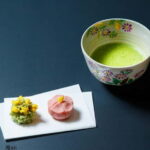
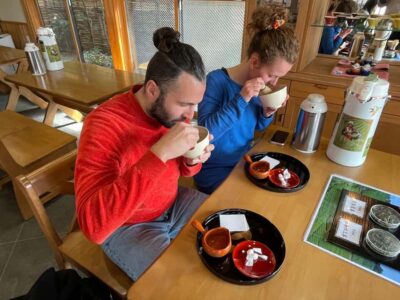
After the shrine circuit, the experience ends at Kameya Yoshinaga, a confectionery shop founded in 1803. This is where the tour earns its title: Secrets of Matcha and Wagashi Sweets.
Here you enjoy matcha prepared with spring water, plus namagashi. And the key detail is that the sweets are specially made for the tour, meaning you cannot usually taste them at the shop on your own.
This part matters because you finally connect water to food. Earlier, you are doing the exploration. Now you are doing the comparison by taste. Even if you only remember one thing, it should be this: the matcha you drink is not just generic green tea. It is prepared with the same water idea the tour built up, and the wagashi is made fresh in a way that fits the lesson.
What kind of experience is it, exactly? From what you can expect at a traditional shop like this, it is typically calm and slow. You get the bowl of matcha and the sweets, you pause, and you let the flavors settle.
In the reviews summary, people praise learning about shrine history and customs, and the sweets themselves. That makes sense here because the tour’s success is tied to the ending: if the tasting is forgettable, the whole water story falls flat. But this one aims to reward you with something specific, and the tour-only element makes it feel worth the effort.
A quieter way to spend a day in Kyoto
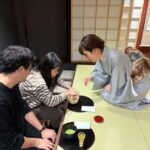
Why the matcha tastes different when it’s tied to WAKIMIZU
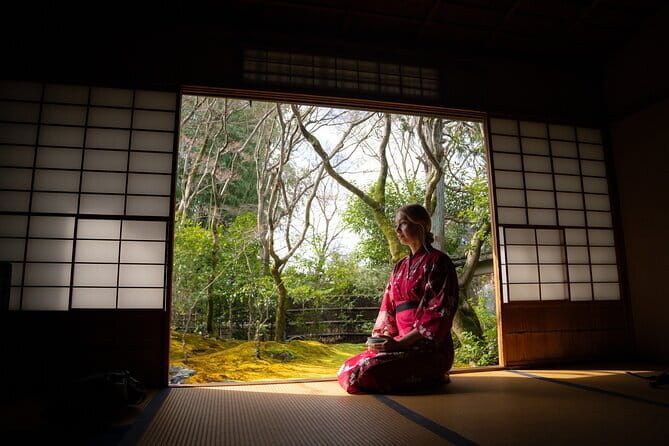
Let’s talk flavor without overhyping it. Matcha can taste like grass, like bitterness, like sweetness depending on how it is prepared and served. Wagashi can shift from soft bean-forward flavors to delicate seasonal textures. In practice, those differences come from ingredients and preparation, but water can influence the final impression by changing how flavors dissolve and how sweetness and bitterness land on your palate.
That is what makes this tour feel more educational than a standard food stop. You are not only sampling dessert. You are learning the idea of water sourcing as a flavor ingredient.
If you like to travel by food logic, this one fits your style. You start with small cultural details, then you test the idea with your own tongue. It is a simple model that works well in a city like Kyoto, where so much craft is tied to local resources.
Also, the tour includes coffee and/or tea along with the matcha bowl and sweets. That can help if you want a soft landing after the walking and water tasting moments.
Value for $80: what you get, and what you are paying for
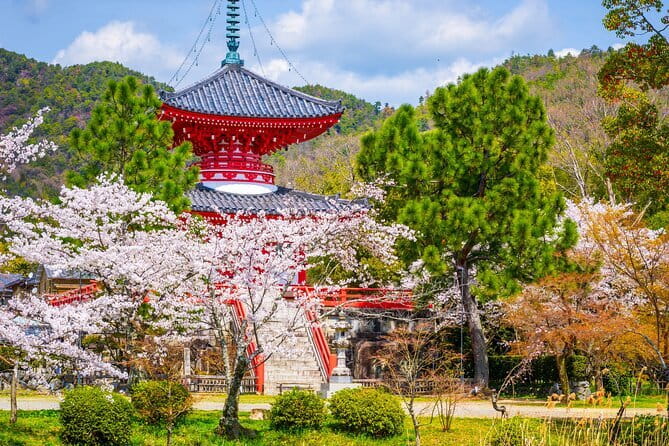
At $80 per person for about 2 hours 40 minutes, this tour is not the cheapest thing on a Kyoto list. But it does not price itself like a long day either. So where is the value?
You are paying for three things that add up:
- Guided access to multiple specific shrine spring-water points with story context, not just a single tasting stop
- Hands-on tasting of spring water at the sites themselves, tied directly to the matcha and wagashi lesson
- A final sit-down matcha and namagashi experience at a long-established shop, with sweets made specifically for the tour
If you were to do this on your own, you might be able to visit shrines and find wagashi, but replicating the water-focused storytelling plus a tour-only sweetness is harder. And the small group size, up to 6 travelers, helps justify the guide time.
So I’d frame it like this: the price buys you a focused mini-course in Kyoto taste, capped with a real reward at the end. If you want a broader day of sightseeing, you may choose something else. If you care about the meaning behind matcha and sweets, this price is easier to swallow.
Who this tour fits best, and who might prefer something else
This Kyoto WAKIMIZU tour makes the most sense if you:
- Like matcha and wagashi and want a reason they taste the way they do
- Enjoy shrine visits when you understand the customs and stories, not only the architecture
- Want a short, guided half-day plan that still feels thoughtful
- Prefer small groups, where you can ask questions without feeling lost
It might be less ideal if you:
- Want a food tour with minimal walking and no shrine etiquette learning
- Are extremely schedule-tight and hate any walking segments between stops
- Expect large portions or a long meal service, since this is still a tasting-focused experience with a short end session
Should you book the Kyoto WAKIMIZU Half Day Tour?
If you are serious about matcha and wagashi, and you like learning how traditions connect to local resources, I think you will enjoy this. The spring water tastings at shrine sites are the heart of the tour, and the ending at Kameya Yoshinaga gives you the proof in edible form, with spring-water matcha and tour-made namagashi.
Book it if you want a half-day that feels special without trying to be an all-day marathon. Skip it if you mainly want iconic temple photos and a casual dessert snack, because this one is built around learning the water story and moving between shrines.
Either way, it is a neat Kyoto contrast. One moment you are tasting water from revered spring spots, the next you are savoring a sweet that is tied to that exact idea. That simple connection is what makes the day memorable.
FAQ
Where does the Kyoto WAKIMIZU Half Day Tour start and end?
It starts and ends at Kyoto Station, at Higashishiokoji Kamadonocho, Shimogyo Ward, Kyoto, 600-8216, Japan.
What time does the tour start?
The start time is 1:00 pm.
How long is the tour?
The duration is about 2 hours 40 minutes.
How much does the tour cost?
The price is $80.00 per person.
What is included in the tour price?
Included are coffee and/or tea, plus a bowl of matcha and sweets.
Is private transportation included?
No. Private transportation is not included.
What locations are part of the experience?
You visit Yasaka Shrine, Nishiki Tenmangu, Hiyoketemmangu, and then a confectionery shop founded in 1803 where you enjoy matcha and namagashi.
What kind of ticket do you get?
You receive a mobile ticket.
How many travelers are on the tour at most?
The tour has a maximum of 6 travelers.
What happens if the minimum number of participants is not met?
The tour needs a minimum of 2 participants. If it does not reach that minimum, it may be canceled and you will be notified 4 days before departure with a full refund.
More Cooking Classes in Kyoto
New This Season
- Koyasan Day Trip by Private Car from Kyoto
- Old Port Town and Ultimate Sake Tasting Private Tour From Kyoto
- Kyoto’s Timeless Charm: 3hr Exploration of History and Peace
- Kyoto: 5 Types of Sushi Making
- Sacred Peak & Ancient Paths: Kurama-Kibune Hiking Experience
- Kyoto: Exclusive ZEN practice at Manpukuji temple in Uji
- Kyoto: Private Seasonal Aroma Yoga Class
- Traversing Kyoto’s Scenic West – Arashiyama to Kinkakuji
Matcha & Green Tea Tastings, compared.
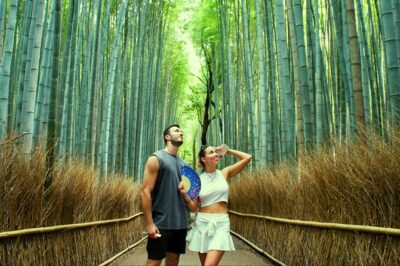
Arashiyama Bamboo Forest, Monkeys, Matcha & Temple Tour
Read our review →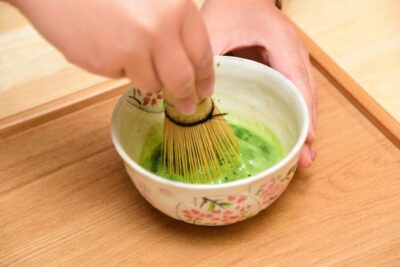
Tea Museum Tickets and Matcha Grinding Experience
Read our review →
Tea Ceremony Meditation – Make Matcha with Tea Master
Read our review →Arashiyama Bamboo, Matcha, Monkeys & Temple Tour
Read our review →

Arashiyama Bamboo, Temple, Matcha, Monkeys & secret spots
Read our review →
Green Tea Tour with Byodoin and Koshoji Temple Visits
Read our review →Also filed under