Reviewed · GION GEISHA QUARTER WALKS
Kyoto: Walking tour Kiyomizu, Geisha District with a Local
Kyoto is best when you slow down. This walking tour strings together Kiyomizu Temple and the old streets of Gion, guided by someone who grew up here and knows how locals read the place. I like that it steers you off the main roads into quieter lanes, and I like that you get context for what you are seeing, not just dates and facts.
Two things that make this tour feel worth the money: Kiyomizu Temple entry is included, and you also get a photo shoot timed for memorable Kyoto moments. The guide also brings Geisha culture into focus in a way that is easy to follow, with a Q&A at each stop to help you ask questions before your brain fills with random trivia.
One drawback to consider: this route uses steep slopes and stairs, so it is not a fit for people with walking difficulty, and it is not suitable for wheelchair users.
In This Review
- Key things I think you will notice fast
- Kyoto in Side Streets: Kiyomizu to Gion with a Local
- Price and Value: $40 With Temple Entry Plus a Photo Shoot
- Where You Meet, Where You Finish: Shijo Bridge to the Same Spot
- Kiyomizu Temple Stop: Entry Tickets, Omikuji, and the Big Meaning
- A realistic note about the temple route
- Walking Quiet Kyoto: Avoiding Main Roads for Better Moments
- Geisha Culture in Plain Talk: What You Learn Beyond the Signboards
- Gion Streets and Shopping Area: Photos That Look Like Kyoto
- Q&A at Each Location: Why This Beats Passive Tours
- Who This Tour Fits Best, and Who Should Skip It
- My Booking Advice: Should You Reserve the Kiyomizu and Gion Walk?
- FAQ
- Where does the walking tour start?
- Where does the tour end?
- Is entry to Kiyomizu Temple included?
- Does the tour include an omikuji fortune slip and a photo shoot?
- What should I bring?
- Is the tour suitable for wheelchair users?
- What languages are available, and can I pay later?
Key things I think you will notice fast
- Kyoto-native guidance that turns landmarks into human stories, especially around Kiyomizu and Geisha culture
- Q&A at each location, so you can clarify what you are seeing while it is still fresh
- Kiyomizu Temple entry ticket included, meaning you spend time learning instead of hunting tickets
- Photo shoot built into the walk, helpful if you want better photos than point-and-shoot luck
- Quiet-street route, with the tour avoiding main roads so the experience feels more like walking Kyoto
Kyoto in Side Streets: Kiyomizu to Gion with a Local
Kyoto can feel like a page full of must-sees. The trick is getting the story right while your feet are still moving. This tour is designed for that, with a steady walking flow between two of Kyoto’s most recognizable cultural zones, Kiyomizu Temple and Gion.
I like the approach of moving through the historic streets at an easy pace and using a guide who actually grew up in Kyoto. That matters because details are not just decoration. The angles of streets, the rhythm of temple lanes, and the everyday customs you notice once someone explains them are the whole point.
Also, you are not stuck staring at one viewpoint forever. You get multiple stops and questions along the way, which keeps the walk from turning into a checklist you forget the moment you leave.
Price and Value: $40 With Temple Entry Plus a Photo Shoot
At $40 per person, the value comes from what is bundled in. You are not only paying for a guide. You also have entry tickets to Kiyomizu Temple included, plus an omikuji (fortune slip) and a photo shoot.
That bundle can matter in Kyoto, where many tours skip the ticket part and then you pay extra later. Here, the plan starts with at least one paid cultural stop already handled, and the omikuji and photo time help you participate instead of only observing.
One practical thought: the walk is active. You will want comfortable shoes from the start, because the tour includes steep slopes and stairs, and that is where people lose patience if they dressed for sightseeing, not walking.
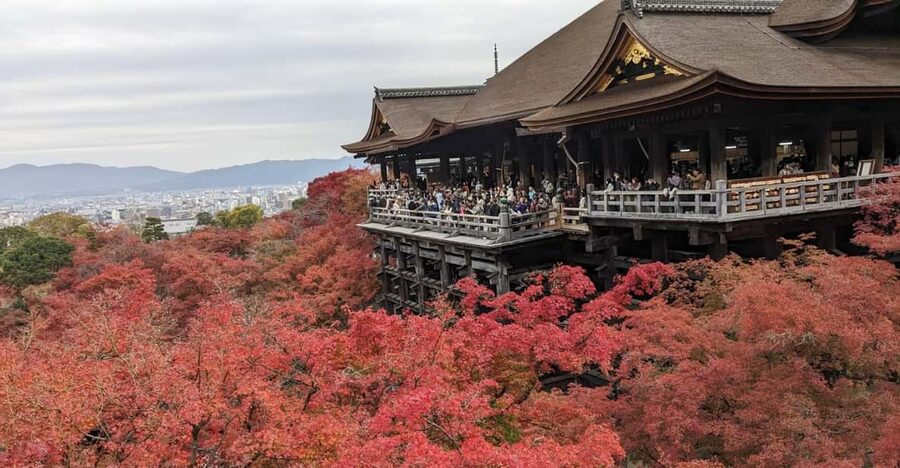
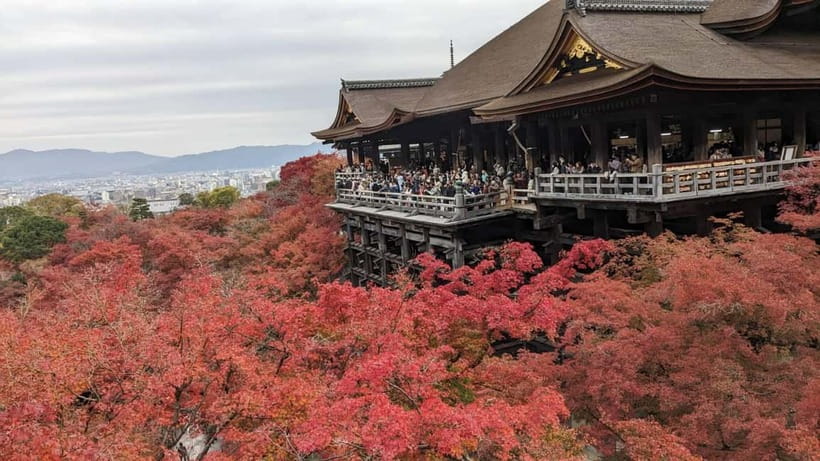
The wooden stage above the hillside
- Kyoto: Tea Ceremony in a Traditional Tea House in Kiyomizu
★ 4.9 · 3,519 reviews - Kyoto: Nijo Castle, Kiyomizu & Fushimi Inari Guided Tour
★ 4.7 · 700 reviews - Kyoto: Nijo, Kinkaku-ji, Arashiyama, Kiyomizu & Fushimi Inari
★ 5.0 · 699 reviews - Kyoto Tea Ceremony & Kiyomizu-dera Temple Walking Tour
★ 5.0 · 115 reviews
Where You Meet, Where You Finish: Shijo Bridge to the Same Spot
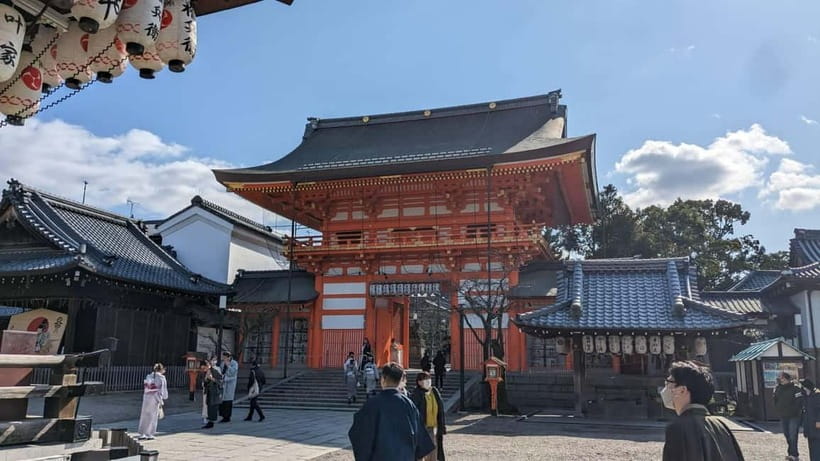
The tour starts on the southeast side of Shijo Bridge, with a guide holding a red flag. This is a small detail, but it helps you get oriented quickly. Kyoto station-to-hotel directions can be confusing, and having a clear meeting spot reduces the stress before the walk begins.
You also end back at the meeting point. That is convenient if you plan the rest of your day around that area. It also means you do not have to re-navigate the city after you are done, which helps when you are tired and ready to eat something good.
Kiyomizu Temple Stop: Entry Tickets, Omikuji, and the Big Meaning
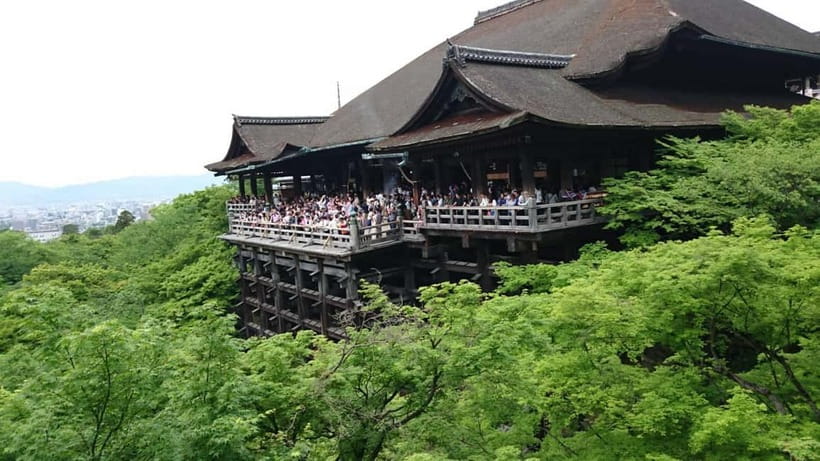
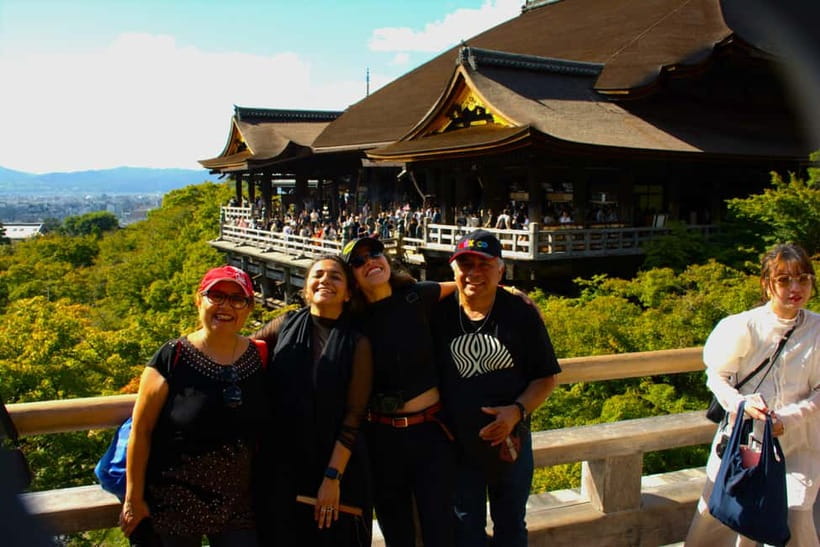
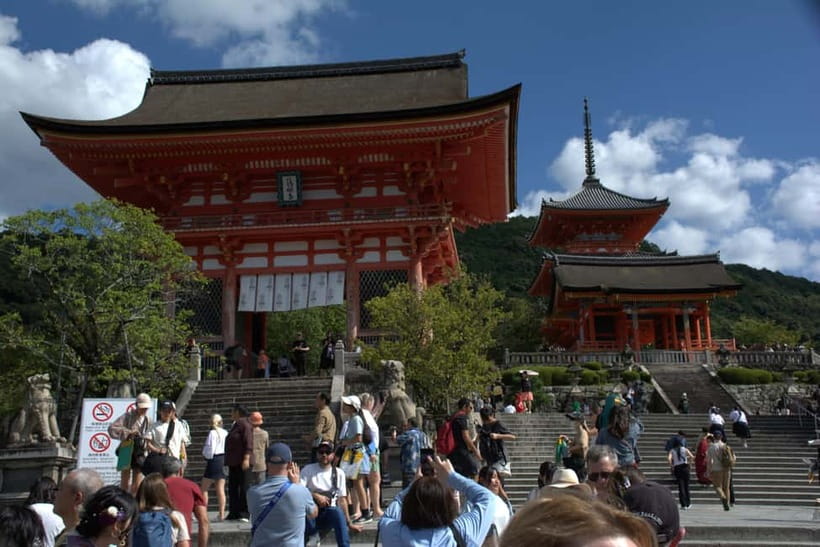
Kiyomizu Temple is one of Japan’s most important temple sites, and this tour treats it like that. You get entry tickets included, which lets you focus on understanding the place instead of pausing to manage logistics mid-walk.
What I like most about a guided Kiyomizu visit is how much easier it becomes to connect structure to meaning. A guide can point out what to look for and explain why it matters, not just what the temple is called. Since this walk also includes time for questions at locations, you are not stuck guessing what certain parts are or why people behave the way they do.
Then comes the hands-on custom: omikuji (fortune slip). It is a simple activity, but it adds texture. You are participating in a Kyoto tradition at the actual moment people do it, not reading about it later and wishing you had tried it in person.
And yes, this is a photo-friendly stop. The tour includes a photo shoot, so you are not left trying to time shots while also listening to the guide. That combination is how you get pictures that look intentional instead of random.
A realistic note about the temple route
Kiyomizu involves steep slopes and stairs, and this tour explicitly notes it is not recommended if you have difficulty walking. If you are fine on uneven ground but struggle with stairs, consider how you usually handle temple days. Even if you can go, you might spend more energy on your legs than on your listening, which reduces the benefit of the guide.
Walking Quiet Kyoto: Avoiding Main Roads for Better Moments
One of the most practical highlights is that the route avoids the main roads. In Kyoto, main streets can be crowded, loud, and visually chaotic. Off the main roads, you get a different experience, the kind where small details register and you can actually hear the guide.
This is also where you get a calmer pace for Q&A sessions. If the group is packed on a busy sidewalk, questions tend to turn into quick guesses. Quiet streets help the questions land. You get time to ask, then time to hear the answer before you move on.
I also like this style because it feels closer to how you would explore Kyoto if you lived there. You see the transitions, from temple approach to everyday lanes, and you start understanding how these districts function as lived neighborhoods, not only photo backdrops.
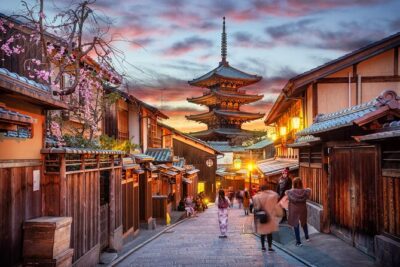
Lantern-lit streets of the geisha quarter
Geisha Culture in Plain Talk: What You Learn Beyond the Signboards
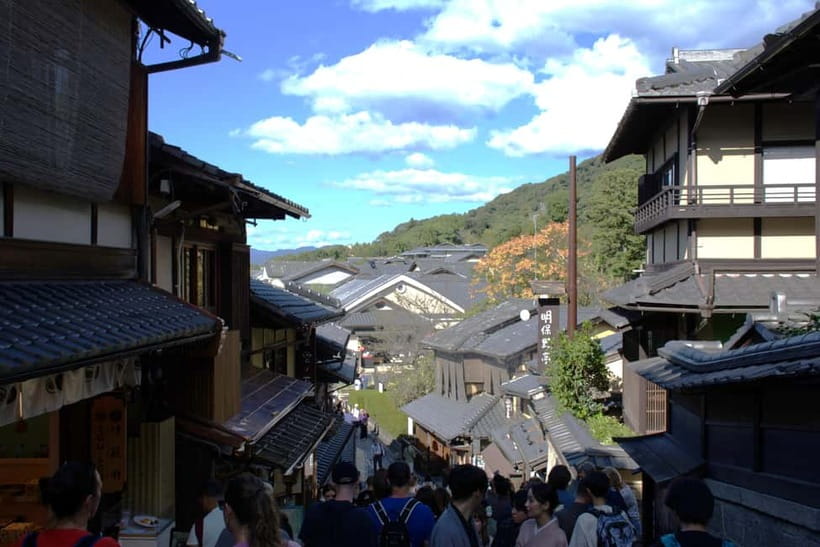
Gion is famous, but the name alone does not teach you much. The value here is the guide’s explanation of the history of Geisha and the details around the culture you see in the streets.
This kind of context changes your whole viewing. Instead of treating Geisha culture like a show performed for tourists, you start recognizing it as a tradition with rules, timing, and roles that people in Kyoto understand. The tour is designed to explain customs in a way you can actually remember, plus it includes a Q&A component so you can ask what you are really wondering about.
In particular, the tone of the guidance matters. One of the guides highlighted in the feedback is Naoya-san, praised for explanations that are easy to follow and a friendly, fun approach. That style is not just pleasant. It makes the information less intimidating and more usable, especially if you are not reading Japanese cultural terms already.
You also get time for recommended places in Kyoto from the guide. That is helpful because it turns the tour into a starting point, not an endpoint, for what to do next after you leave the group.
Gion Streets and Shopping Area: Photos That Look Like Kyoto
The tour includes time around the Gion district and also mentions the shopping area as part of the stroll. That combination works because you get both atmosphere and a sense of how the area feels day to day.
Gion can be intense for first-time visitors, mostly because it is easy to feel like you are either in a tourist funnel or lost in the crowd. A guide-led route helps you find the calmer corners where you can take pictures and still hear what is being said.
This tour’s built-in photo shoot is a practical advantage. Without it, people often end up rushing photos, missing the best sight lines, or feeling awkward asking a stranger to take one. With a photo shoot planned into the timing, you can focus on being present and listening, while still getting the images you want.
Q&A at Each Location: Why This Beats Passive Tours
A tour with only narration is easy to forget. A tour with frequent Q&A is different because you get to calibrate as you go.
Here, the tour includes Q&A sessions at each location, which helps you learn in small chunks. You can ask about etiquette, customs, or what a specific detail means, then move on with a clearer mental picture.
I also think the Q&A format respects your curiosity. Not everyone wants a deep lecture on every point. Some people just want to understand what they are looking at. This structure makes it easier to shape the tour toward what you care about, because questions keep the guide focused on the real needs of your group.
And if you are the type who likes culture but hates feeling lost, this is a good fit. It turns confusion into questions, instead of silence.
Who This Tour Fits Best, and Who Should Skip It
This experience is best for people who:
- want Kiyomizu and Gion without feeling overwhelmed
- enjoy walking and are comfortable with stairs
- like cultural context, not only sightseeing photos
- want a structured guide with room for questions
It is not recommended for people with difficulty walking, and it is not suitable for wheelchair users. It also is not listed as suitable for people with respiratory issues or people with altitude sickness, and it is not for people over 80 or with low level of fitness.
If you fall into one of those categories, you might be safer choosing a different format with fewer stairs and less uphill walking. Kyoto is gorgeous, but your comfort matters more than checking boxes.
My Booking Advice: Should You Reserve the Kiyomizu and Gion Walk?
If you want Kyoto that feels personal and explanatory, I would book this. The combination of Kiyomizu Temple entry, an omikuji fortune slip, and a photo shoot makes it more than a casual stroll. Add the Q&A at each location, and you get a way to turn your questions into answers while the guide’s context is still relevant.
Book it especially if you care about Geisha history and cultural customs, and you want someone local to translate what you are seeing into something you actually understand. And if you are excited to wander on quieter lanes, this tour’s off-main-road approach is exactly the right style.
Only hesitate if stairs are a real issue for you. Since the tour involves steep slopes and stairs, it is worth being honest about your walking limits before you commit.
FAQ
Where does the walking tour start?
The tour starts on the southeast side of Shijo Bridge. Your guide will be holding a red flag.
Where does the tour end?
This activity ends back at the meeting point.
Is entry to Kiyomizu Temple included?
Yes, entry tickets to Kiyomizu Temple are included.
Does the tour include an omikuji fortune slip and a photo shoot?
Yes. The tour includes a photo shoot and an omikuji (fortune slip).
What should I bring?
Wear comfortable shoes, since the tour uses steep slopes and stairs.
Is the tour suitable for wheelchair users?
No, it is not suitable for wheelchair users, and it is not recommended for people who have difficulty walking.
What languages are available, and can I pay later?
The tour is offered in English. It also offers Reserve & Pay Later, meaning you can book your spot and pay nothing today. Cancellation allows a full refund if you cancel up to 24 hours in advance.
More Walking Tours in Kyoto
New This Season
- Koyasan Day Trip by Private Car from Kyoto
- Old Port Town and Ultimate Sake Tasting Private Tour From Kyoto
- Kyoto’s Timeless Charm: 3hr Exploration of History and Peace
- Kyoto: 5 Types of Sushi Making
- Sacred Peak & Ancient Paths: Kurama-Kibune Hiking Experience
- Kyoto: Exclusive ZEN practice at Manpukuji temple in Uji
- Kyoto: Private Seasonal Aroma Yoga Class
- Traversing Kyoto’s Scenic West – Arashiyama to Kinkakuji
Gion Geisha Quarter Walks, compared.
Kyoto Geisha Walking Tour: Gion District & Hidden Gems
Read our review →
Gion Magical Night Walking Tour with Geisha Trivia
Read our review →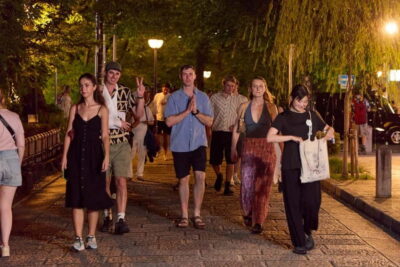
Gion Geisha District Walking Tour – Stories of Geisha
Read our review →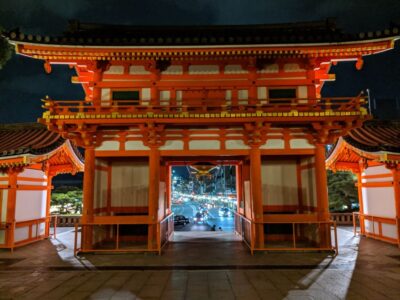
Best of Kyoto: Gion, Geisha, Pagodas & Cobblestones
Read our review →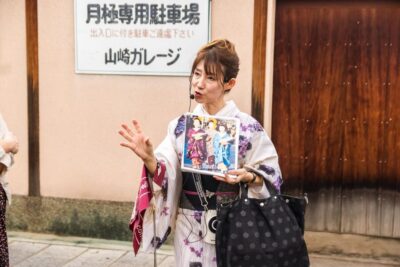
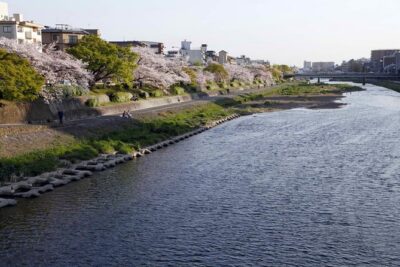
Kyoto Night Foodie Tour in Gion (9+ dishes + 6 Sake tastings)
Read our review →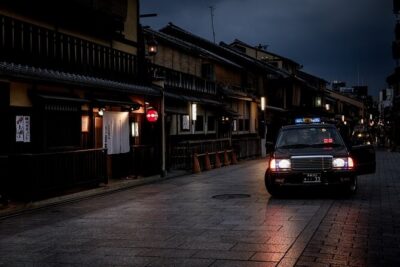
Kyoto Gion Geisha District Walking Tour – The Stories of Geisha
Read our review →