
Reviewed · TEA CEREMONIES
Kyoto: Wazuma Magic Show & Tea Ceremony
A 1,000-year trick happens centimeters away. I like that Wazuma magic is a very rare, ancient Japanese illusion tradition, and I like the private Gion tea room setup that keeps everything close and personal. One drawback to plan around is that the venue is not suitable for wheelchair users.
I also love how the experience stays calm and focused, with one group at a time and an English host who can explain what you’re seeing. The whole thing runs for one hour, so you get the wow factor without spending your day herding through lines.
Finally, it feels meaningful in a way regular entertainment usually does not. Wazuma is recognized in Japan as intangible cultural heritage, and the finale shifts from trickery to quiet ritual with Uji matcha and gentle guidance.
In This Review
- Key things to know before you go
- Why Wazuma magic in Kyoto feels different
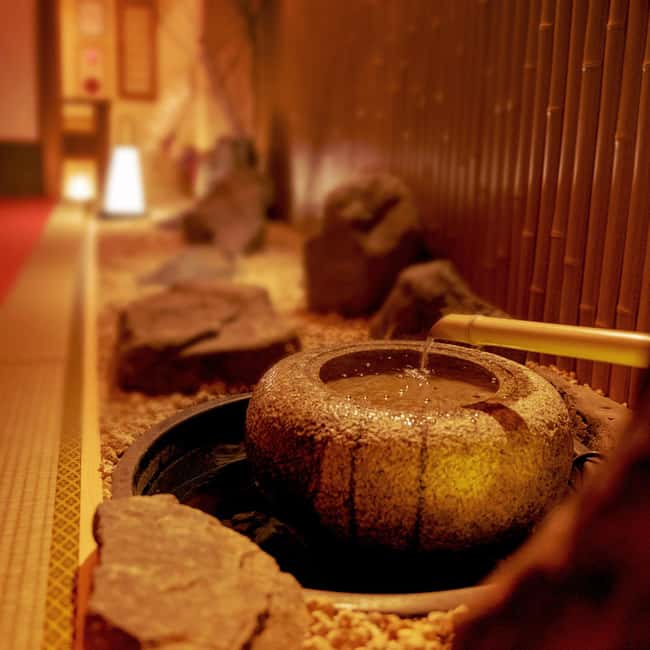
- Entering the Gion tea room: quiet alley, small seats, real attention
- The one-hour flow: 30 minutes of magic, 30 minutes of matcha
- Part 1: the 30-minute Wazuma magic show
- Part 2: the 30-minute Uji matcha tea time
- Price and value in Kyoto, when $77 is actually reasonable
- Timing tips that help you enjoy the show more
- Who this private magic and tea experience suits best
- What to expect from the host and language experience
- Should you book this Kyoto Wazuma magic and matcha experience?
Key things to know before you go
- A 1,000-year-old art form presented by extremely few current performers
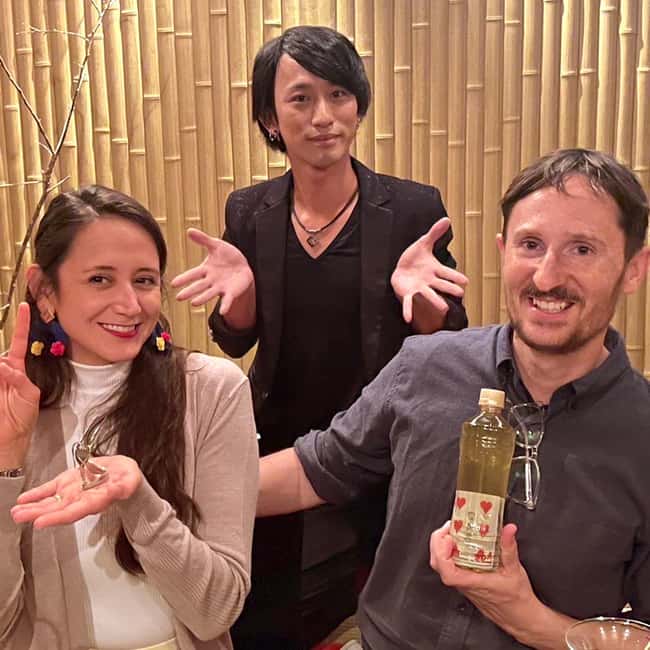
- Private seating for up to 6 people, so the magic stays truly up close
- Two parts in one hour: a 30-minute Wazuma show, then a 30-minute matcha tea time
- English host support, so you can follow the story and the gestures
- No flash photography during the performance (save your camera for outside the show room)
- It ends with matcha, and you may even receive a small souvenir at the finish
Why Wazuma magic in Kyoto feels different
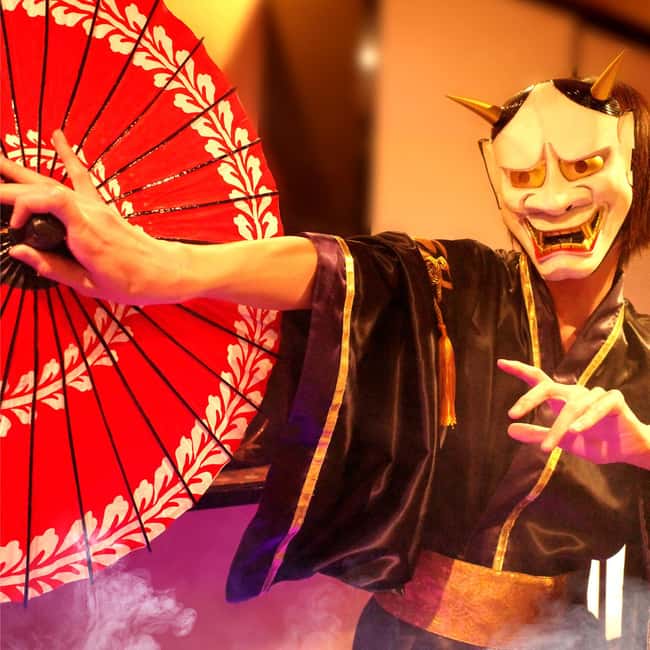
Most magic shows want distance. Wazuma wants the opposite. This tradition uses misdirection, timing, and disciplined hand work that land within arm’s reach. That is why the setting matters so much here.
Wazuma is ancient, and it is seldom seen. It is also recognized as intangible cultural heritage in Japan, which is a fancy way of saying this is not just a stunt. It is a living art that has been protected through teaching and performance over generations. When fewer than a handful of masters still practice it, you should expect fewer chances to see it in person.
I like that you are not watching from a big dark theater. You are seated in a traditional tea-room space where the host keeps the pacing smooth and the attention on you. If you enjoy hands-on theater, subtle gestures, or cultural performance where etiquette matters, you’ll get more from this than you would from a generic stage show.
The practical upside is also real. This is designed for one group at a time, which means you are not competing with other schedules, other languages, or the constant shuffle of a bigger tour crowd.
Entering the Gion tea room: quiet alley, small seats, real attention
The venue is in Kyoto’s Gion area, in a traditional tea room that feels tucked away. You meet a staff member in front of the building about five minutes before the show starts, then you go in and settle.
Here is what I think you’ll notice immediately: the seating is limited. You are looking at only 6 seats for the show. That small number is not marketing fluff. It changes how the performance feels. You can see tiny changes in posture and timing. You can read the rhythm of the host’s instructions. You are also close enough that the show does not rely on spectacle alone.
This kind of room also makes it easier to behave in the right way. In other words, you naturally slow down. Kyoto tea-room culture is about quiet attention, and Wazuma plays well with that tone. Keep your phone away during the performance, and plan to enjoy the moment instead of trying to document it.
Also, a reminder you should take seriously: flash photography is not allowed during the show. If you think you can ignore it, don’t. The whole point is focus and respect in an intimate room.
More bowls, poured the traditional way
- Kyoto: Tea Ceremony in a Traditional Tea House in Kiyomizu
★ 4.9 · 3,519 reviews - Kyoto: Tea Ceremony Ju-An at Jotokuji Temple
★ 4.9 · 3,207 reviews - Kyoto: 45-Minute Tea Ceremony Lesson Experience
★ 4.3 · 2,378 reviews - Kyoto: Table-Style Tea Ceremony at a Kyo-Machiya
★ 4.9 · 1,211 reviews
The one-hour flow: 30 minutes of magic, 30 minutes of matcha
This experience is built around two linked parts. The first is the Wazuma performance, and the second is the Uji matcha tea time.
Part 1: the 30-minute Wazuma magic show
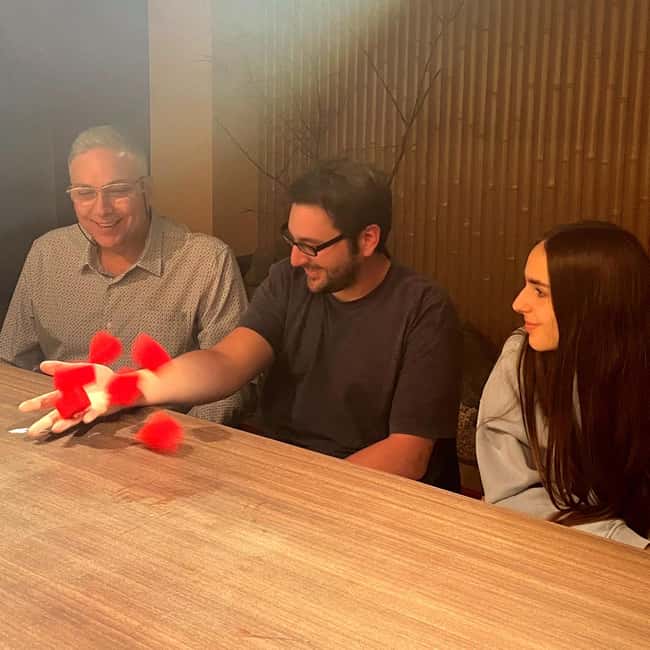
The Wazuma show lasts about 30 minutes. You sit close, and the magic unfolds in front of you, not far across a stage. The host guides you in English so you can follow what is happening and understand the rhythm of the performance.
Because you are in a small room, the show can feel interactive in a gentle way. Even when you are not directly participating, you still feel like part of the focus. Your reactions matter. That is why it does not feel like you are watching a routine for strangers. It feels like you are witnessing a real craft in progress.
You should also expect a polished, controlled show rather than loud comedy. Some performances are described as theatrical and full of personality, but the core is the illusion work and the precise gestures.
If you’re wondering what happens to the questions in your head, this is the fun part. Even when you think you’ve figured out the method, something small shifts in the timing or angle. That is the power of close-up Wazuma. You can see the work, yet you still can’t land on the mechanism.
Many people leave talking about the fact that the magician stays inches away and the effect still feels impossible. One guest highlighted that the tricks are right in front of your face, and the group came out smiling and impressed.
Some groups also mention receiving a cool souvenir at the end. That isn’t guaranteed in every telling, but it is worth knowing that the finish can include a small take-home token.
Part 2: the 30-minute Uji matcha tea time
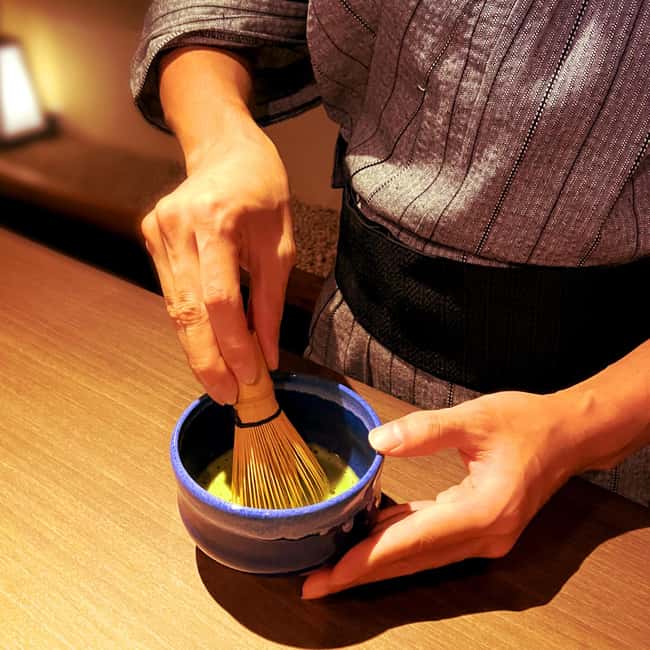
After the magic, the energy changes. The show ends, and then you move into the matcha portion for about 30 minutes.
This is not just you drinking something green. The tea time is part of the experience, and you’re given clear English guidance. Uji matcha is the highlight ingredient, and that matters because Uji is a tea-producing area in Japan known for high-quality matcha. The whole point is that you’re tasting something that fits the tone of the room.
I like the pacing here. It gives your eyes a break after close-up illusion. It also gives your brain a moment to catch up to what you just experienced. If you’re the type who likes understanding, tea time is a comfortable way to ask questions and let the experience settle.
One guest specifically praised the room and setup as beautiful, and said the matcha followed the show in a way that made the whole session feel balanced, not just entertaining.
Price and value in Kyoto, when $77 is actually reasonable
At $77 per person for a one-hour private experience, you might ask if it’s worth it. In Kyoto, you can find lots of activities cheaper. But this is one of those cases where the pricing makes sense once you think about the structure.
Here’s the math that matters:
- You get a private, limited-seat setting with only your group in the room for the show
- You get a specialized cultural performance tied to intangible cultural heritage
- You get an English-guided tea time with Uji matcha
- The experience is short, so you are paying for concentrated access, not for hours of wandering
Also, you skip the ticket line. That doesn’t sound like much, but in Kyoto, saving time is part of what you’re paying for. This is designed to be smooth.
So the value is not just the content. It’s also the access. Wazuma is rare. A tea-room setting for just your group is rare. Put those together and the price is easier to justify.
If you’re traveling on a strict budget, this is still a splurge. But if you want one “small and special” experience that feels distinctly Kyoto, it’s a strong candidate.
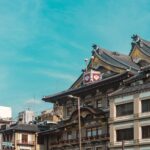
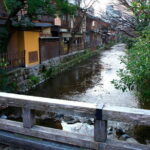
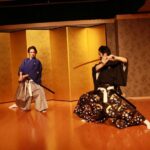
A quieter way to spend a day in Kyoto
Timing tips that help you enjoy the show more
Plan to arrive about five minutes early. A staff member will meet you in front of the building five minutes before the start. Kyoto backstreets can be easy to misread, especially if you are navigating on foot, so I recommend giving yourself a little cushion.
Once you’re inside, behave like you would in a tea room. Keep your voice down, follow the host’s cues, and be ready to set your phone away during the performance.
If you’re late, it might still work out, but don’t gamble on it. One person noted they arrived late and the guide adjusted. That’s kind of you to hope for, but better to be on time and let the show go smoothly.
And if you’re the type who likes to take photos, remember the rule: no flash during the performance. That means you might still be able to take pictures before or after, but keep your focus where it belongs during the show.
Who this private magic and tea experience suits best
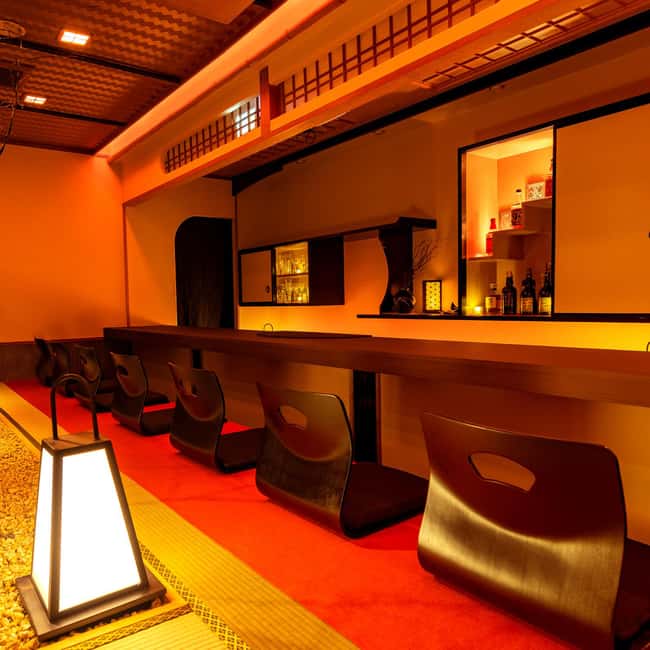
This fits best if you want a calmer, smaller Kyoto experience rather than another big group schedule.
You’ll likely love it if you:
- Enjoy close-up performance and want to see skill rather than rely on big theater effects
- Like cultural traditions, especially when they pair entertainment with ritual
- Prefer one-on-one or small-group attention
- Want an easy one-hour plan in Kyoto that still feels culturally meaningful
It may not be your best choice if you:
- Need wheelchair access, since the venue is not suitable
- Want lots of sightseeing stops, since this is focused on one setting
- Are hoping for a long, multi-course tea program, since the tea time here is part of a one-hour structure
What to expect from the host and language experience
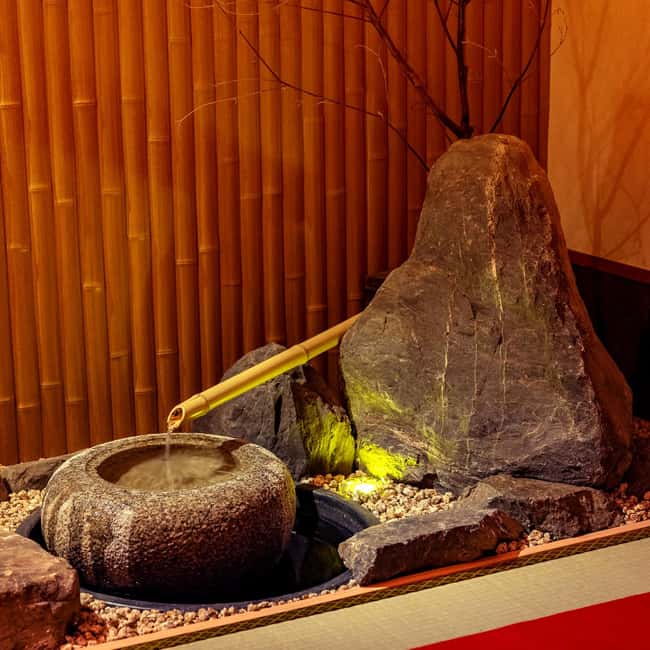
The experience includes an English-speaking host or greeter. That matters because Wazuma is artful, not just visual. The host helps translate the flow, so you can follow the gestures and the mood.
Guests have also praised the friendliness of the staff and the way the host adjusts for timing. That kind of flexibility is what helps small-room experiences feel smooth rather than stressful.
If you’re traveling with friends, couple time works well too. In a room with only a few seats, everyone feels involved in the moment.
If you’re traveling solo, it can be a very good use of your time. You are not stuck waiting for a group to catch up, and the show naturally draws your attention in.
Should you book this Kyoto Wazuma magic and matcha experience?
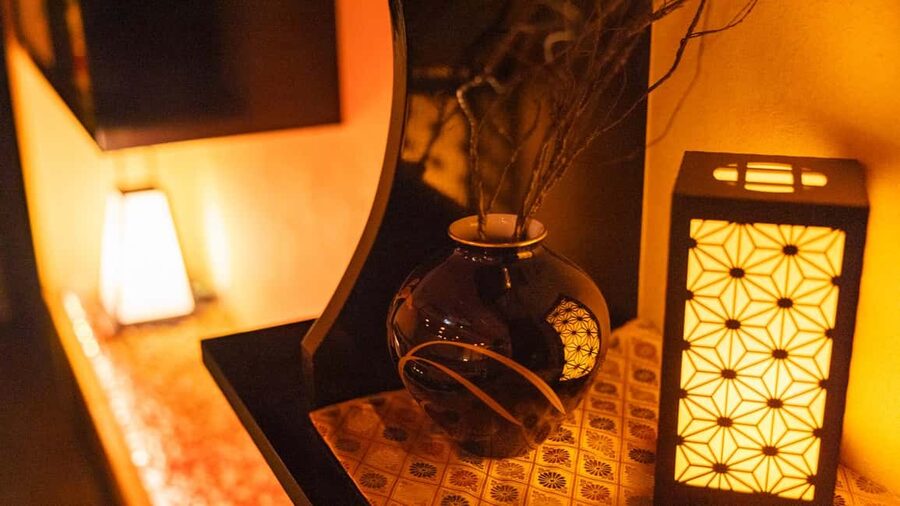
Book it if you want one high-impact Kyoto moment that feels private, cultural, and close-up. Wazuma is rare, and the limited-seat tea-room format is the kind of detail that turns a simple activity into a memorable story.
Don’t book it if you require wheelchair access, if you hate rules like no flash in performance settings, or if you’re looking for a long itinerary. This is one hour, two parts, one room. It’s built for focus.
If you’re already planning your Gion evening, I’d treat this as a perfect add-on. It scratches the cultural itch without turning into another exhausting day of transit. And after the magic, you get a gentle landing with Uji matcha and English guidance, which is a nice way to end something that makes your brain spin.
In short: if you can swing $77 for a small, well-run, truly Kyoto experience, this is one of the most sensible splurges you can make.
New This Season
- Koyasan Day Trip by Private Car from Kyoto
- Old Port Town and Ultimate Sake Tasting Private Tour From Kyoto
- Kyoto’s Timeless Charm: 3hr Exploration of History and Peace
- Kyoto: 5 Types of Sushi Making
- Sacred Peak & Ancient Paths: Kurama-Kibune Hiking Experience
- Kyoto: Exclusive ZEN practice at Manpukuji temple in Uji
- Kyoto: Private Seasonal Aroma Yoga Class
- Traversing Kyoto’s Scenic West – Arashiyama to Kinkakuji
Tea Ceremonies, compared.
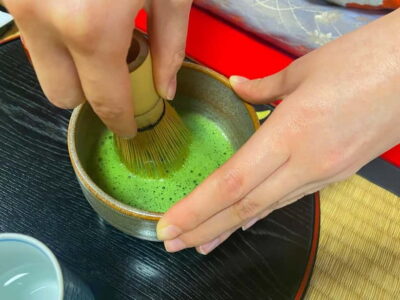
Tea Ceremony in a Traditional Tea House in Kiyomizu
Read our review →
Kimono Tea Ceremony at Kyoto Maikoya, NISHIKI
Read our review →
Tea Ceremony in 100-year-old Kyo-Machiya Townhouse
Read our review →
Also filed under