
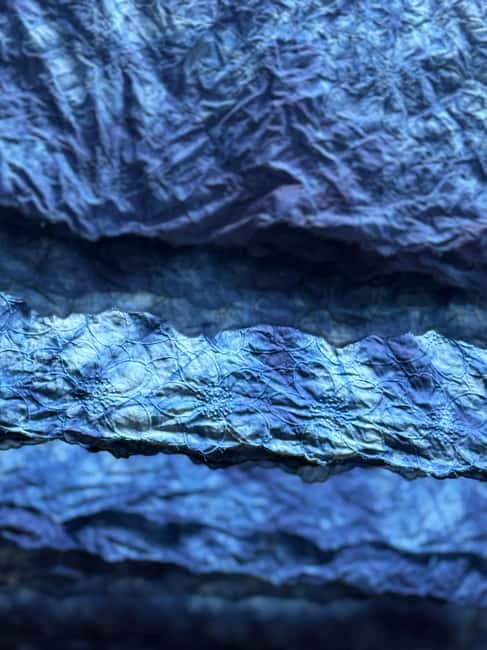
Reviewed · ARTISAN CRAFT WORKSHOPS
Natural Indigo Dyeing with Local Masters (Private Atelier)
Kyoto turns dyeing into a real workshop. I loved the 300-year-old studio setting and the chance to work with sukumo vats that are fermented and truly used for indigo, not just for show. You dye your own small textile, learn the why behind the craft, and walk away with something you made yourself.
One thing to plan for: the studio has no wheelchair access, and it is a traditional space with wooden floors. If stairs or uneven footing are an issue for you, check with your contact before you book.
In This Review
- Key highlights to look for
- Finding your way into a genuine Kyoto indigo atelier
- What happens when you arrive: welcome, studio tour, and context
- Dyeing 101, Kyoto style: sukomo vats and the color change you watch
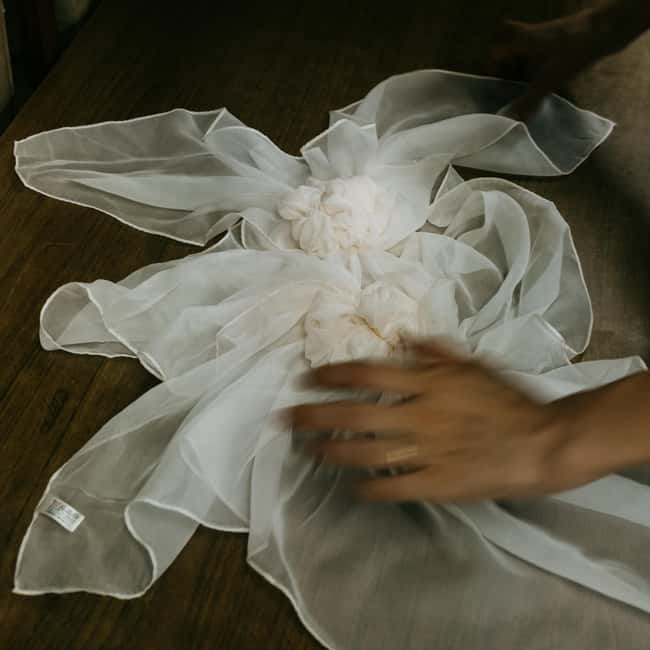
- The hands-on workshop: folding, binding, and dipping (with real support)
- Tea time and cultural stories you can actually use
- What you get to dye, and how to decide on upgrades
- Why the location and “not a tourist replica” line matters
- Price and value: what $95 is really buying you
- Practical tips so you enjoy the process (and not worry about stains)
- Who should book this indigo workshop in Kyoto
- Should you book this Kyoto natural indigo atelier?
- FAQ
- How long is the natural indigo dyeing workshop?
- What is the group size?
- What does the $95 per person price include?
- What textile can I dye during the workshop?
- Can I upgrade to something else?
- Are there bathrooms at the studio?
- Is wheelchair access available?
- What languages are supported during the workshop?
- What should I wear?
- Is shipping available for the dyed item?
- Where is it located and how do I get there?
Key highlights to look for
- A real 300-year-old working indigo studio in western Kyoto, not a replica
- Natural fermented indigo (sukumo) and a dyeing process you can actually watch happen
- Small group size (max 6) with hands-on help throughout
- Indigo leaf tea plus cultural stories led in English support (and Japanese)
- Upgrade options on the day for scarves and a wool stole, if you want more than the included piece
- A dye-shop style viewing area where you can see finished work and purchase souvenirs
Finding your way into a genuine Kyoto indigo atelier
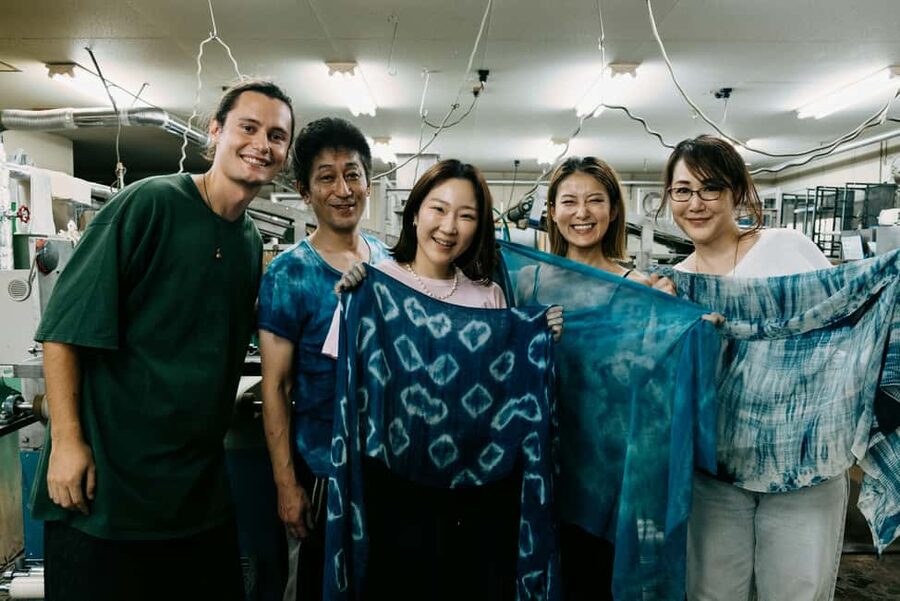
This workshop feels like you are stepping into someone’s real workday, not a staged craft show. It takes place in a historic indigo studio hidden in the calmer western side of Kyoto, and the setting matters because indigo is a slow, patient material. You do not rush it, and the space does not let you rush it either.
The payoff is simple. You get close to the tools, the vats, and the atmosphere of an indigo workshop that has been operating for a very long time. The studio itself is the first lesson: wood floors, old equipment, and that specific kind of quiet you only find in places where people care about craft details.
And since this experience is offered exclusively to international guests for the first time, it also brings an extra sense of trust. You are not treated like a drive-by tourist. You are treated like someone being invited in through a real connection.
What happens when you arrive: welcome, studio tour, and context
Before you touch dye, you get a welcome and studio tour for about 15 minutes. This is where the experience earns its cultural weight. You hear how indigo became part of daily life in Japan, and why the color is more than decoration. Indigo has been used historically because it stains well, ages well, and fits practical clothing needs. The workshop frames it as a living craft tradition, not a hobby.
You also get to see the core of the process: the tools and the vats used to ferment and dye. In many craft classes, you only see the final step. Here, you are shown the bigger system, including the vats that hold the fermented indigo.
From the feel of the room and how staff explain it, you learn something important right away: natural indigo is not instant dye. The color comes from chemistry, time, and repeated dipping, plus the oxidation step that transforms the surface color.
Make something with a Kyoto craftsman
- Authentic knife making experience at a blacksmith in Kyoto
★ 4.8 · 350 reviews - Kyoto: Calligraphy class at Buddhist temple in city center
★ 5.0 · 167 reviews - Roketsu dyeing experience: M course Roketsu Dyeing Experience
★ 5.0 · 163 reviews - Kyoto: Japanese Calligraphy Class
★ 4.8 · 89 reviews
Dyeing 101, Kyoto style: sukomo vats and the color change you watch
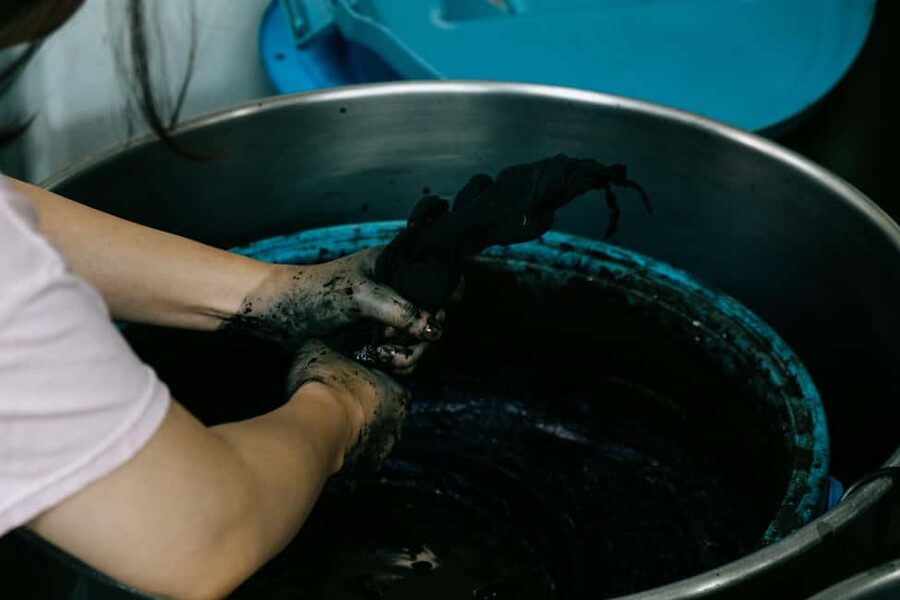
The workshop centers on aizome, natural indigo dyeing. The key ingredient is fermented indigo, often referred to as sukumo. In plain terms, fermentation helps create the active dye state used for traditional natural indigo processes.
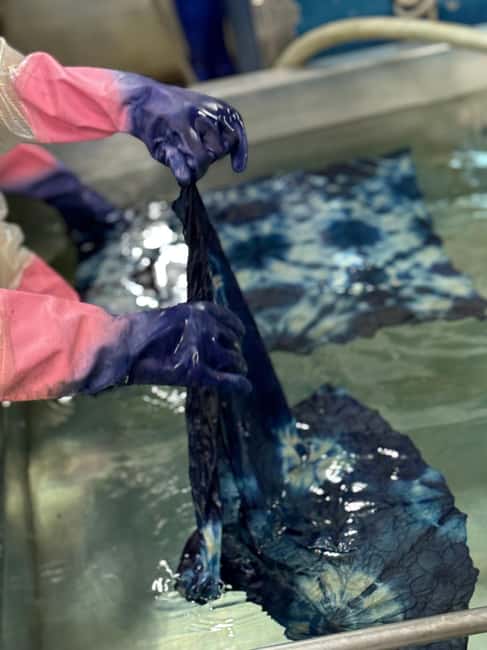
During the dye session, you see the practical part of this science. Your cloth goes into the vat, and the initial color often looks greener. Then, as it oxidizes in the air, it shifts toward the deep blue that indigo is known for.
That moment is a big deal for first-timers. You are not just copying a pattern and hoping it works. You are observing what the dye is doing, step by step, and getting help when your folds, bindings, or timing need adjusting.
The hands-on workshop: folding, binding, and dipping (with real support)
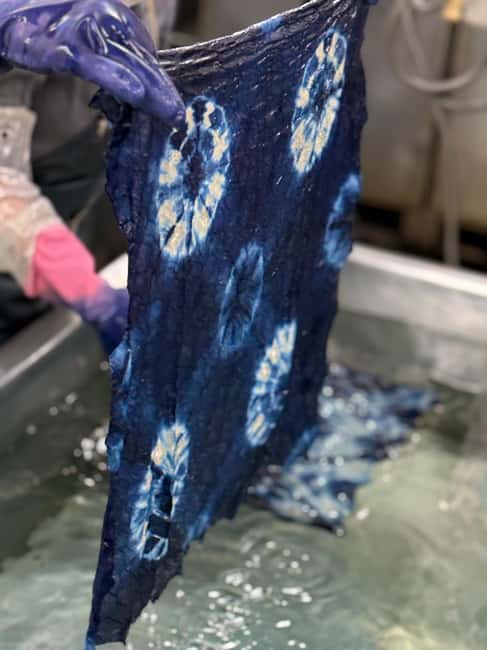
The dyeing portion runs about 60 minutes, and it is structured so you are never left guessing. You choose your textile on-site, and then the artisans guide you through the work.
Expect to learn a few core skills:
- Folding the fabric correctly so your pattern forms as intended
- Binding techniques that control dye access
- Dipping into the indigo vats and understanding how long and how thoroughly
You also get practical protection because indigo stains. Staff provide aprons, gloves, and shoe covers. That detail makes a difference. It reduces the stress of worrying about ruining your outfit, and it lets you focus on getting the folding right.
You might be guided by staff members who have translated clearly for past participants. One name that came up in multiple experiences is Sakura, an apprentice who helped make the process feel understandable, even when you are hearing technical craft terms in a second language.
Tea time and cultural stories you can actually use
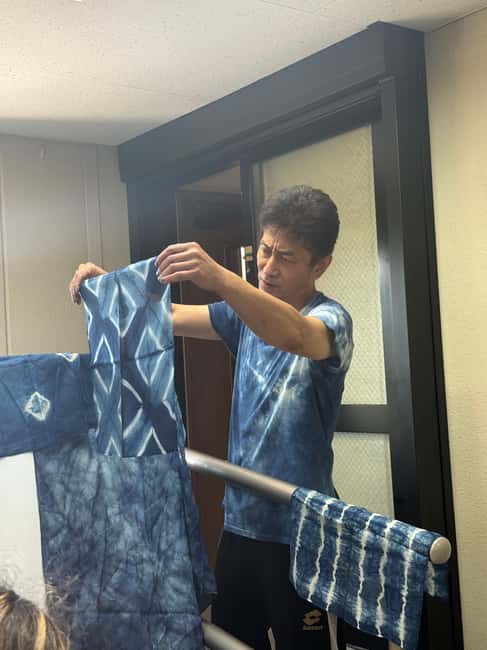
After dyeing, you slow down for indigo leaf tea and a closing reflection. This part runs about 15 to 20 minutes. It is not just a snack break. It is when the workshop brings the craft back into a cultural frame.
You hear stories tied to indigo’s role in Japan, plus the symbolism of patience and craft skill. You also get time for questions and photos with your finished work.
This tea pause is also practical. Indigo dye work is hands-on and a little messy, even with protection. The tea gives you a reset before you head back out into Kyoto’s streets.
What you get to dye, and how to decide on upgrades
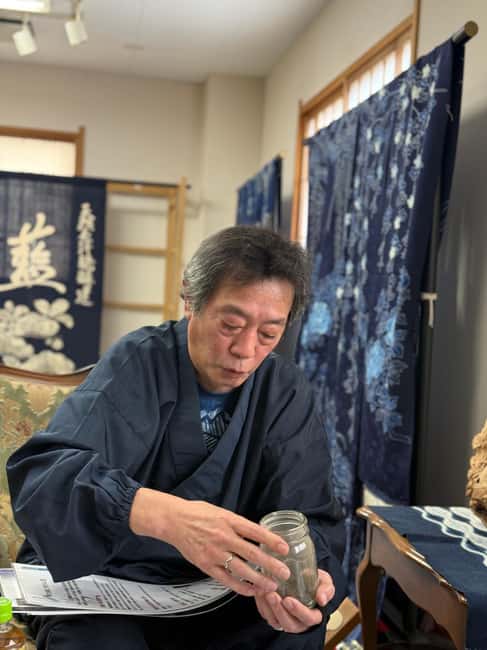
Your included piece is one small cotton textile. The workshop fee covers one dyeable item, and the included option is described as a cotton furoshiki piece (around 45 to 50 cm). You also may have smaller format choices on the day, such as a traditional tenugui or a handkerchief with cherry-blossom embroidery, with upgrades available.
If you want something bigger or more wearable, you can typically upgrade on the day for an added fee. Options mentioned include:
- Cotton scarf (lightweight, soft, wearable year-round)
- Silk scarf (luxurious texture with deep tones)
- Wool stole (made from Mongolia’s finest quality wool)
I like this setup because it respects reality. Sometimes people start with the included item and then realize they want more usable fabric. In past experiences, upgrading has been seen as worth it because the finished indigo color looks genuinely rich when it has room to show on the fabric.
One caution: if you upgrade, it is smart to bring a bit more cash or be ready with extra payment, since upgrades are handled on-site.
A quieter way to spend a day in Kyoto

Why the location and “not a tourist replica” line matters
Many dye experiences look good in photos but still feel like a classroom. This one leans hard into authenticity: it is a historic studio that is already set up for work. You get a behind-the-scenes feeling because you are in the space where artisans normally do the craft.
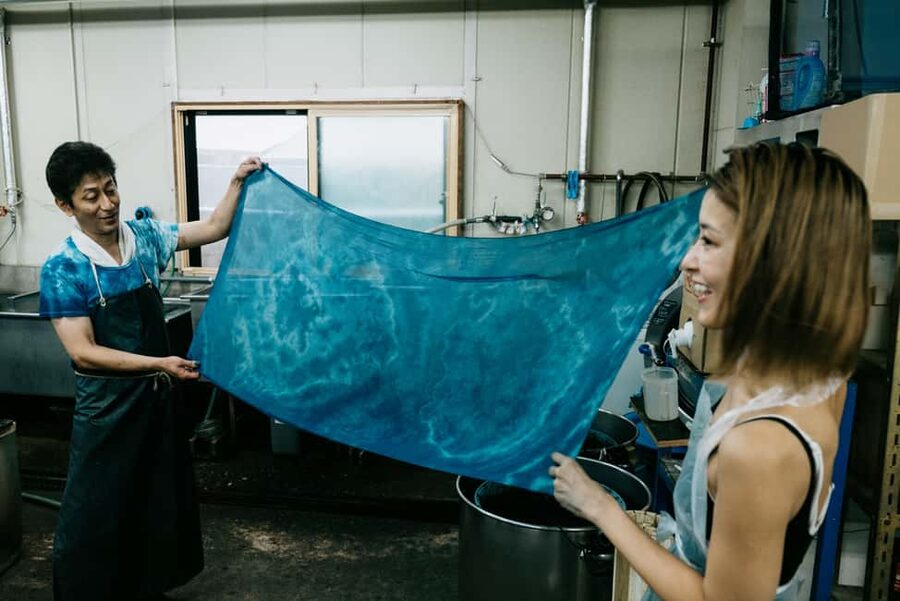
That affects your learning in a subtle way. You are not just watching someone perform steps. You are surrounded by how the studio operates. The vats, the tools, the display areas, even the way people move around the work surfaces all reinforce the fact that indigo is lived craft.
In addition, the studio connection is important for the experience’s tone. The workshop is described as a genuine collaboration with a dyeing family, opening their doors to international visitors through a trusted connection. That is why the group stays small and why the pace feels calm.
Price and value: what $95 is really buying you
At $95 per person for a roughly 2-hour experience, you might compare it to other craft workshops. Here is what makes it feel like better value than a typical tourist class.
You are paying for:
- Hands-on dye access to natural fermented indigo vats, not just demonstrations
- Tools, materials, and protection gear (apron, gloves, shoe covers)
- English-language support through a bilingual cultural host and artisans
- A historic working studio environment
- Indigo leaf tea
- A take-home item you personally dyed, plus a small souvenir
If you have ever taken a craft class where you leave with something that feels more like a sample than a real product, this workshop aims higher. Your textile goes through an authentic indigo process with the oxidation shift that gives natural indigo its character.
Also, small group size matters. With a max of 6, you are more likely to get correction when your folding or dipping technique needs it. That is hard to price, but you feel it the moment you are not scrambling for instructions.
Practical tips so you enjoy the process (and not worry about stains)
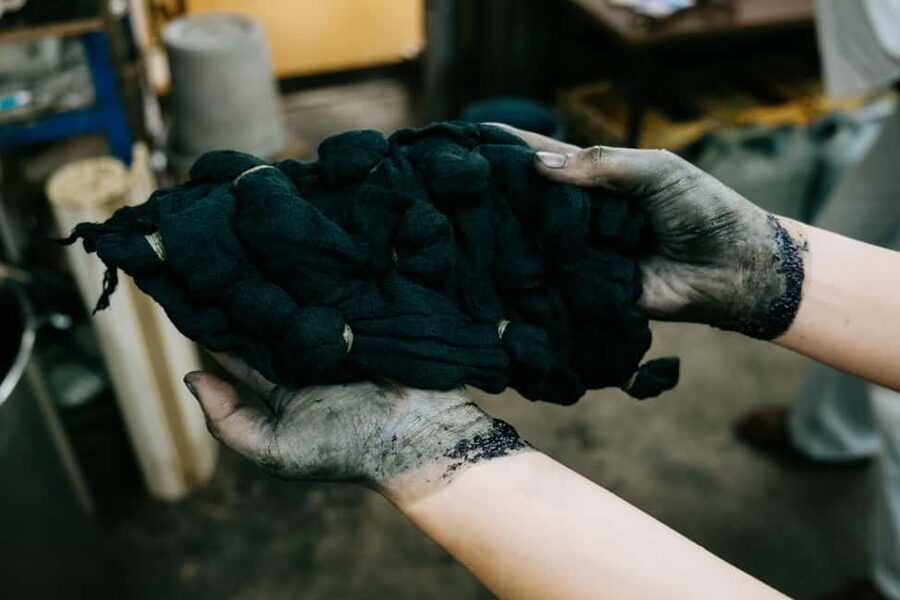
Indigo dyeing is not a sit-and-watch activity. It is messy work, even when staff are careful.
Wear:
- Comfortable shoes you do not mind getting stained (shoe covers help, but still)
- Casual clothes that can get dirty
- Clothes that you can handle wearing for a couple hours in a traditional wooden-floor studio
Bring:
- Nothing fancy, you want mobility and comfort
Studio feel:
- The space has wooden floorboards, and it is a traditional setting
- There is a restroom on-site
- There is no wheelchair access, so plan accordingly
If you are worried about getting indigo on your hands or sleeves, trust the gear, but also keep your expectations realistic. You will be working around vats and textiles.
Who should book this indigo workshop in Kyoto
This is a great fit if you:
- Like real craft processes and want to understand how the color happens
- Want a Kyoto experience that feels local, not manufactured for crowds
- Are shopping for meaningful souvenirs that come from your own hands
It also works for a wide age range, since the minimum age is 8+, and past experiences highlighted that it can work for both kids and adults.
If you are someone who wants a high-energy, sightseeing-packed afternoon, this may feel slower than you expect. But if you enjoy calm focus, small group attention, and watching chemistry turn cloth into blue, you will likely enjoy it.
Should you book this Kyoto natural indigo atelier?
Book it if you want something rare in Kyoto: a hands-on workshop in a working indigo studio, using natural fermented indigo (sukumo), with real artisans guiding you and time for tea and reflection. The small group size and practical support gear make it accessible even if you have never done dyeing before.
Skip or reconsider if wheelchair access is a must for you, since the studio is not wheelchair accessible. Also, if you hate any chance of stains at all, you should be aware that dye sessions are inherently hands-on and require practical clothing choices.
FAQ
How long is the natural indigo dyeing workshop?
It runs about 2 hours, with a schedule that includes a studio tour (about 15 minutes), dyeing (about 60 minutes), and tea and closing reflection (about 15 to 20 minutes).
What is the group size?
The group is kept small, with a maximum of 6 participants.
What does the $95 per person price include?
It includes all tools and materials, one cotton item to dye, use of natural fermented indigo vats, hands-on guidance from local artisans, bilingual cultural host support, indigo leaf tea, and a small souvenir gift.
What textile can I dye during the workshop?
You dye one small cotton item included with the fee. Options mentioned include a cotton furoshiki, and the experience also describes included choices like a tenugui or a handkerchief with cherry-blossom embroidery, depending on what is available and selected on-site.
Can I upgrade to something else?
Yes. You can upgrade on the day to items such as a cotton scarf, silk scarf, or a wool stole, for additional fees.
Are there bathrooms at the studio?
Yes, a restroom is available on-site.
Is wheelchair access available?
No. The studio does not offer wheelchair access.
What languages are supported during the workshop?
Support is provided in English and Japanese.
What should I wear?
Wear comfortable clothes and comfortable shoes that can get dirty. The workshop includes aprons, gloves, and shoe covers, but you should still dress for possible staining.
Is shipping available for the dyed item?
Shipping is not included. It is available only upon request at an extra cost.
Where is it located and how do I get there?
It is in a historic dye studio in western Kyoto. From Kyoto Station, it is approximately 30 minutes by train and walk. The exact address is provided after booking.
New This Season
- Koyasan Day Trip by Private Car from Kyoto
- Old Port Town and Ultimate Sake Tasting Private Tour From Kyoto
- Kyoto’s Timeless Charm: 3hr Exploration of History and Peace
- Kyoto: 5 Types of Sushi Making
- Sacred Peak & Ancient Paths: Kurama-Kibune Hiking Experience
- Kyoto: Exclusive ZEN practice at Manpukuji temple in Uji
- Kyoto: Private Seasonal Aroma Yoga Class
- Traversing Kyoto’s Scenic West – Arashiyama to Kinkakuji
Artisan Craft Workshops, compared.
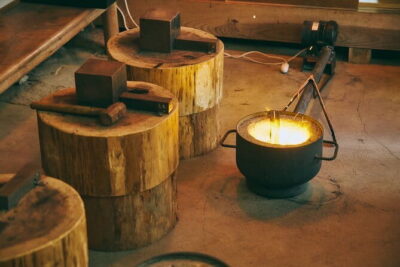
Authentic knife making experience at a blacksmith in Kyoto
Read our review →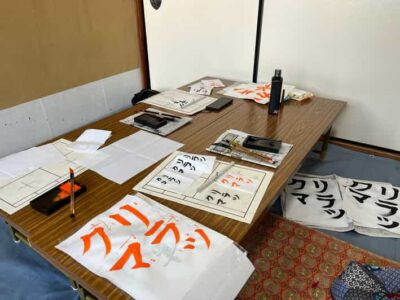
Calligraphy class at Buddhist temple in city center
Read our review →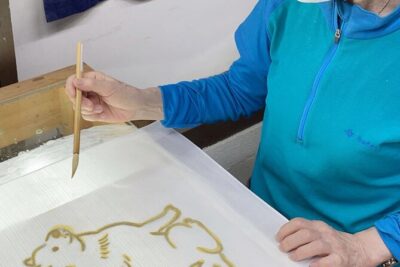
Roketsu dyeing experience: M course Roketsu Dyeing Experience
Read our review →

Traditional Japanese Washi Papermaking- Kyoto morning
Read our review →
Also filed under