
Reviewed · ARTISAN CRAFT WORKSHOPS
Private Ikebana in a Kyoto Machiya
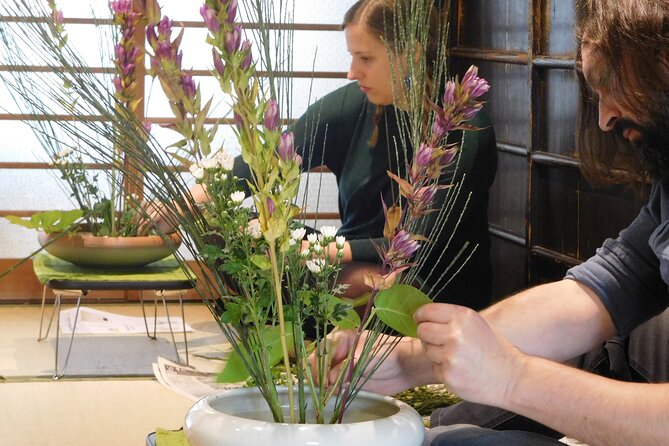
A flower lesson in a real Kyoto townhouse. I love that this private ikebana class turns something that looks intimidating into a calm, step-by-step skill you can use right away. I also like the machiya setting and the way your instructor brings in the history of ikebana so your arrangement feels more meaningful than just pretty flowers. One thing to consider is that the class is not built around casual watching. If you want the best experience, come ready to participate and take your own arrangement home.
In Kyoto, an ikebana lesson isn’t just about putting stems in a vase. It is about the Japanese way of looking at nature, using line, space, and balance. This lesson takes place in an elegant traditional townhouse in the Ami Kyoto area, and you will work with an instructor who has practiced ikebana for 20 years, inspired by family masters.
If you like hands-on activities with a local touch, this one fits well. You are in control of the pace, since it is private, and the guide can explain in English and Japanese.
In This Review
- Key Things That Make This Ikebana Lesson Worth Your Time
- Why Ikebana Feels Different When You Learn It in Kyoto
- Inside the Machiya at Ami Kyoto: What the Setting Adds
- Getting Oriented: How the Class Starts With Ikebana History
- Learning the Basics: Turning Rules Into Creative Choices
- Your Hands-On Arrangement Time: Creating a Unique Work of Art
- Duration and Pacing: What 1 Hour 30 Minutes Feels Like
- Price and Value: Is $71.20 a Fair Deal
- Who This Private Ikebana Lesson Is Best For
- Practical Tips Before You Go
- Should You Book This Private Ikebana in a Kyoto Machiya?
- FAQ
- How long is the private Ikebana experience?
- What is the price per person?
- Is this a private activity or shared with other people?
- What languages are available for the guide?
- Where is the meeting point?
- What is included in the price?
- Are transportation fees included?
- Are there age restrictions?
- What is the cancellation policy?
Key Things That Make This Ikebana Lesson Worth Your Time
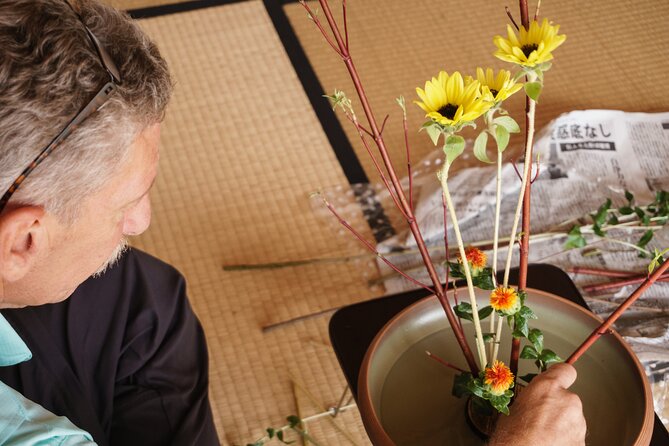
- Machiya setting: You learn inside a traditional Kyoto townhouse, not a generic classroom.
- History first, then practice: You get context before you start arranging.
- Private format: Only your group participates, so questions get answered quickly.
- Licensed guide support: English and Japanese guidance during the lesson.
- All fees and taxes included: The price you see is the price you pay for the activity itself.
- Take your arrangement away: You create your own unique work of art with instructor guidance.
Why Ikebana Feels Different When You Learn It in Kyoto
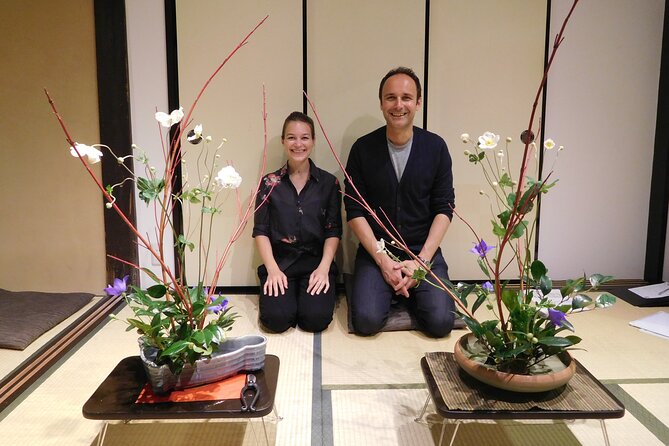
Ikebana often gets described like a strict art form, the kind that feels for experts only. That is not how it needs to feel. In this class, you start with the basics in a way that helps you understand what you are doing and why. Once you get the fundamentals, arranging stops being random decoration and starts becoming a language.
You are learning an approach shaped by centuries of Japanese culture. Flower arranging was once a required manner for well-educated men, including samurai and Buddhist monks. That history matters because it explains the attitude behind ikebana: restraint, intention, and respect for nature. Even if you have never touched a flower arrangement before, the class frames it so you can build something personal.
And learning in Kyoto helps. Kyoto is where the machiya townhouse identity still lives in neighborhoods like Shimogyo Ward. A machiya is not just a backdrop. Its quiet, thoughtful atmosphere makes the activity feel natural, like the space is already teaching you how to slow down.
Inside the Machiya at Ami Kyoto: What the Setting Adds
The experience starts at Ami Kyoto, at 605 Nishidachō in Shimogyo Ward, Kyoto (600-8397). The location is near public transportation, which matters in Kyoto, where walking can be beautiful but time-consuming.
Once you arrive, you are not thrown into a rushed demo. The goal is a tranquil, elegant feel so you can focus. In my view, that matters a lot for ikebana. This is not a fast souvenir craft. It is a mindful process. When the room is calm and the setting is authentic, you can actually pay attention to spacing, angles, and how each stem changes the overall balance.
Also, private means you are not competing with other people for attention or explanations. If something feels unclear, you can ask. That is usually what makes the difference between an arrangement that looks fine and one that feels like yours.
Make something with a Kyoto craftsman
- Authentic knife making experience at a blacksmith in Kyoto
★ 4.8 · 350 reviews - Kyoto: Calligraphy class at Buddhist temple in city center
★ 5.0 · 167 reviews - Roketsu dyeing experience: M course Roketsu Dyeing Experience
★ 5.0 · 163 reviews - Kyoto: Japanese Calligraphy Class
★ 4.8 · 89 reviews
Getting Oriented: How the Class Starts With Ikebana History
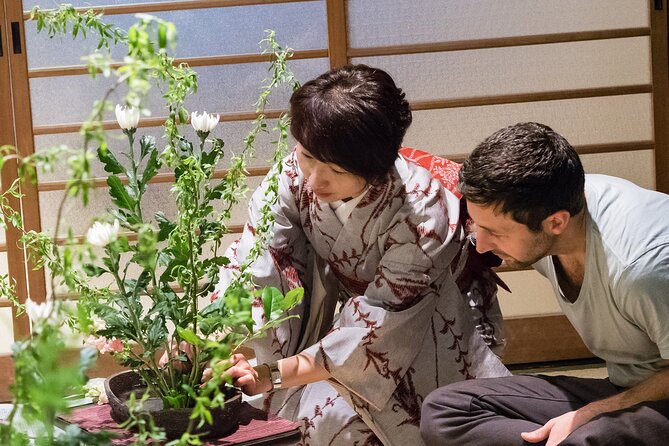
Your first block of learning is about the history and the purpose of ikebana. You get introduced to what ikebana is, how it developed over time, and why it has been valued for centuries. You also learn why the art form can look mysterious at first glance, but becomes practical once you understand the core ideas.
This is where the class earns its keep. Many flower activities skip the meaning and jump straight to making. Here, the instructor explains the background so you do not just copy steps. You start understanding the logic behind the arrangement choices.
You also hear about the lineage of the craft through your instructor’s experience. The guide has studied and practiced ikebana for 20 years, inspired by her mother and aunt, who are ikebana masters. Even without fancy talk, that kind of direct apprenticeship background typically shows in the teaching. You can feel it when explanations stay grounded and when the instructor connects techniques to intention.
Learning the Basics: Turning Rules Into Creative Choices
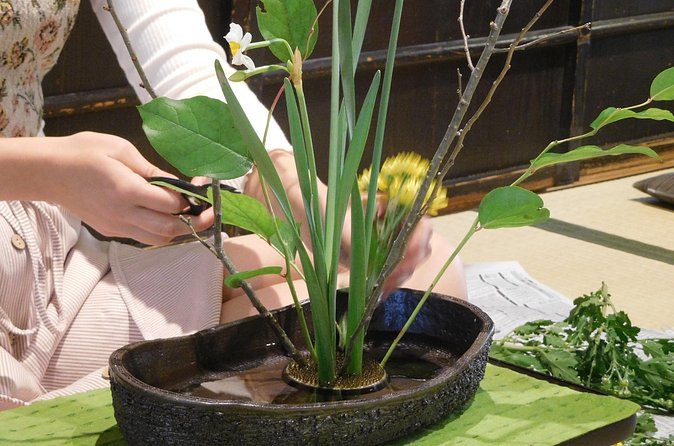
Before you start building, you learn the basics of ikebana. That phrase sounds simple, but it is actually the key to making this feel beginner-friendly. You will learn fundamental concepts so you can envision your own arrangement.
The big value here is that the class helps you get unstuck. A lot of people freeze at the start because they think ikebana means one correct style. Instead, the lesson teaches you how to see what you have. You learn how to think about shape, flow, and balance. Once you have those ideas, you can interpret the flowers yourself.
And because the guide speaks English and Japanese, you get a teaching style that can match your comfort level. That is useful in art lessons where one missing word can make the instructions harder to follow.
Your Hands-On Arrangement Time: Creating a Unique Work of Art
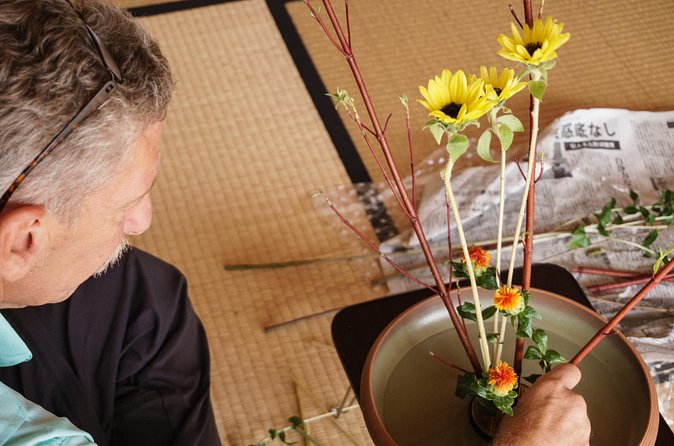
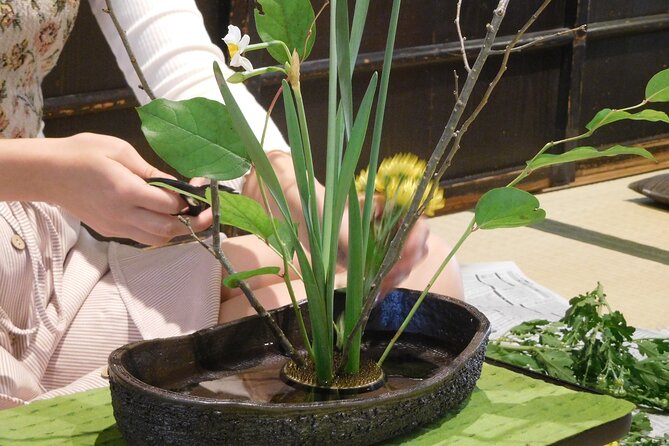
After you understand the fundamental concepts, it is your turn. With the guidance of the instructor, you arrange your flowers into a beautiful work of art. This is the part you will remember, because you end up with something tangible that reflects your choices.
The private setup supports that creativity. You are not under pressure to finish before the next person. The guide can tailor feedback based on what you are trying to do, and you can adjust your arrangement as you go.
If you have ever done crafts where the teacher talks, you copy, and then you feel done, this feels different. You are guided toward decisions. That is why the history lesson matters. When you understand the basics, you can make choices that look intentional, not accidental.
One practical note: ikebana takes patience. Your best results will come from going slow and checking the overall shape, not just individual stems. If you rush, the arrangement tends to feel lopsided. If you take a breath and look at your work from a step back, it usually clicks.
Duration and Pacing: What 1 Hour 30 Minutes Feels Like
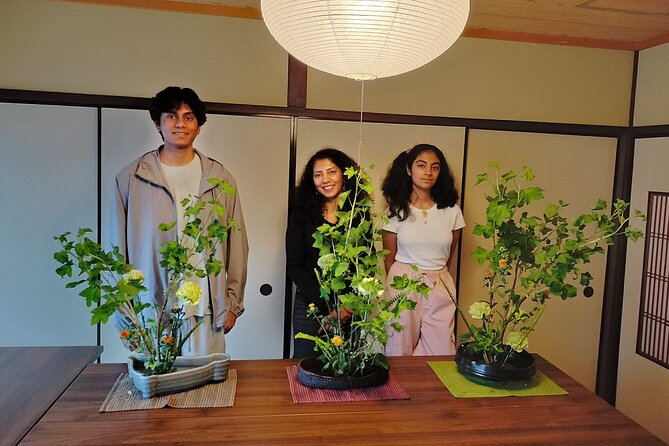
The activity is about 1 hour 30 minutes. For an art lesson, that is a sweet spot. It is long enough to learn, practice, and get guidance. It is also short enough that you can fit it into a day of Kyoto sightseeing without feeling like you are disappearing for half a day.
Because the class includes instruction plus arranging, expect a structured flow:
- introduction and history
- basic concepts
- hands-on arrangement with guidance
- wrap-up, returning to the meeting point area
You end back at the meeting point. That makes it easier to plan your next move, since you are not getting dropped off across town.
A quieter way to spend a day in Kyoto

Price and Value: Is $71.20 a Fair Deal
The price is $71.20 per person. On paper, it is not the cheapest thing to do in Kyoto. But the value can be strong, especially for a private lesson.
Here is why. Your booking includes all fees and taxes, plus a licensed guide. You are also in a private format, which usually means more direct time with the instructor compared to a class where you share attention with others.
You also get a meaningful setting, a machiya townhouse at Ami Kyoto. That kind of authentic space is hard to replicate if you try to DIY. Even if you buy flowers later, you often miss the guidance that helps you understand the underlying ideas.
One more practical advantage is that you get a mobile ticket, and confirmation is provided within 48 hours of booking, subject to availability. That makes the planning smoother if your itinerary is still shifting.
Who This Private Ikebana Lesson Is Best For
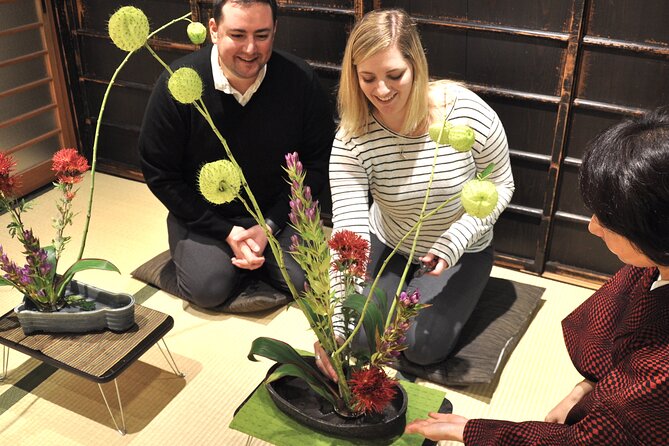
This experience is listed as suitable for most travelers, and I agree it works well for people with zero background in flower arranging. If you enjoy calm, hands-on lessons and you like learning something that you can apply again later, this fits.
It is especially good if you:
- want something more meaningful than a quick craft
- like small group or private instruction
- enjoy Japanese culture beyond temples and museums
- want a Kyoto experience inside an authentic machiya space
It might be less ideal if you are looking for a purely observational activity. The best version of this tour is active participation, since you create your own arrangement with guidance.
Practical Tips Before You Go
You will be in a Kyoto townhouse environment, so dress for comfort. You will likely spend time seated and focused on the arrangement, so prioritize shoes you can sit in comfortably and clothing that does not restrict movement.
Also, arrive with a flexible mindset. Ikebana is not about perfection on the first try. The point is understanding the basics and making a work of art that feels personal.
Finally, plan for timing. Since the tour ends back at the meeting point, you can pair it with nearby meals or a short walk through Shimogyo Ward. Just avoid stacking back-to-back commitments right at the end, since art lessons take focus.
Should You Book This Private Ikebana in a Kyoto Machiya?
I think you should book it if you want a Kyoto experience that feels quiet, intentional, and genuinely hands-on. The combination of machiya atmosphere, instructor-led history plus technique, and the fact that it is private makes it a strong value for the money.
Skip it only if you are specifically looking for something low-participation, or if your schedule is so packed that you cannot give the full 1 hour 30 minutes your attention. Otherwise, this is the kind of activity that gives you a skill and a memory that sticks.
FAQ
How long is the private Ikebana experience?
It lasts about 1 hour 30 minutes.
What is the price per person?
The price is $71.20 per person.
Is this a private activity or shared with other people?
It is private. Only your group will participate.
What languages are available for the guide?
The licensed guide provides English and Japanese.
Where is the meeting point?
You meet at Ami Kyoto, 605 Nishidachō, Shimogyo Ward, Kyoto, 600-8397, Japan.
What is included in the price?
All fees and taxes are included, and you get a licensed guide (English, Japanese).
Are transportation fees included?
No. Transportation fees to/from the experience location are not included.
Are there age restrictions?
Guests under 18 must be with an adult. A viewing fee applies even if the adult does not participate, ¥3,500 per booking.
What is the cancellation policy?
This experience is non-refundable and cannot be changed for any reason. If you cancel or ask for an amendment, the amount you paid will not be refunded.
New This Season
- Koyasan Day Trip by Private Car from Kyoto
- Old Port Town and Ultimate Sake Tasting Private Tour From Kyoto
- Kyoto’s Timeless Charm: 3hr Exploration of History and Peace
- Kyoto: 5 Types of Sushi Making
- Sacred Peak & Ancient Paths: Kurama-Kibune Hiking Experience
- Kyoto: Exclusive ZEN practice at Manpukuji temple in Uji
- Kyoto: Private Seasonal Aroma Yoga Class
- Traversing Kyoto’s Scenic West – Arashiyama to Kinkakuji
Artisan Craft Workshops, compared.
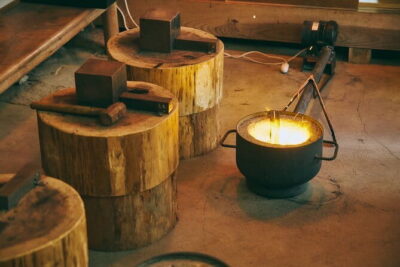
Authentic knife making experience at a blacksmith in Kyoto
Read our review →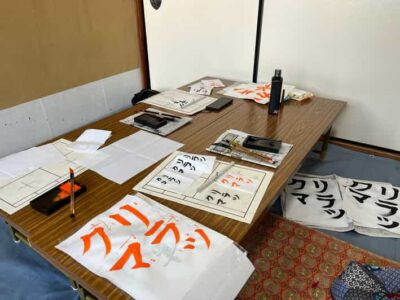
Calligraphy class at Buddhist temple in city center
Read our review →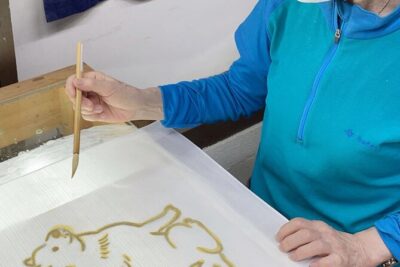
Roketsu dyeing experience: M course Roketsu Dyeing Experience
Read our review →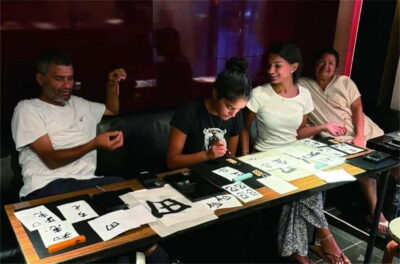

Traditional Japanese Washi Papermaking- Kyoto morning
Read our review →
Also filed under