
Reviewed · TEA CEREMONIES
Silent Beauty of Kyoto Zen Walk and Tea Experience
Kyoto at 7:30am feels like a secret. This small-group walk threads Higashiyama tradition into four spiritual stops, then ends with a tea ceremony that slows everything down. I love how the route stays focused on meaning, not just photos, and I like that the guide shares stories and hidden paths you will not get from a typical checklist.
The only real consideration is pace. This is about a 3-hour experience and you should have moderate physical fitness for walking through narrow stone streets.
In This Review
- Key Highlights You Will Care About
- Where the Morning Begins: Yasaka Shrine in Gion
- Kodai-ji Zen Garden: Raked Gravel and Seasonal Color
- Rokudo Chinno-ji: The Gate to the Afterlife Concept
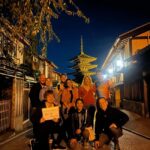
- Hōkan-ji Temple and Yasaka Pagoda Views from the Streets
- Tea Ceremony at Camellia FLOWER: How the Calm Lands
- Price and Value: What $78.57 Buys You in Kyoto
- The Guide Experience: Local Stories Make the Difference
- Practical Tips So You Enjoy Every Stop
- Who Should Book This Kyoto Zen Walk and Tea Experience
- Should You Book It?
- FAQ
- What is the tour duration?
- Where does the tour start and end?
- What time does the tour begin?
- How large is the group?
- Are admission tickets included?
- What is the cancellation policy?
Key Highlights You Will Care About
- Small group size (max 8) means you can actually hear your local English-speaking guide.
- Four spiritual sites in Higashiyama keeps the morning calm and cohesive, not scattered.
- Yasaka Shrine, Kodai-ji, Rokudo Chinno-ji, and Hōkan-ji each add a different flavor of Kyoto tradition.
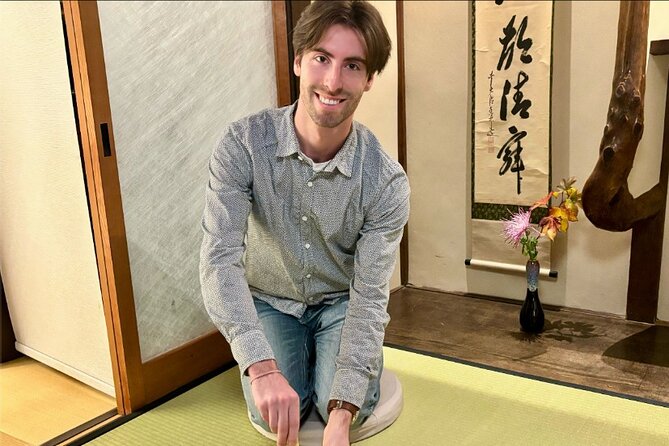
- Tea ceremony at Camellia FLOWER gives you a hands-on cultural reset after temple time.
- Admission tickets included for the stops helps you plan without extra ticket hunting.
Where the Morning Begins: Yasaka Shrine in Gion
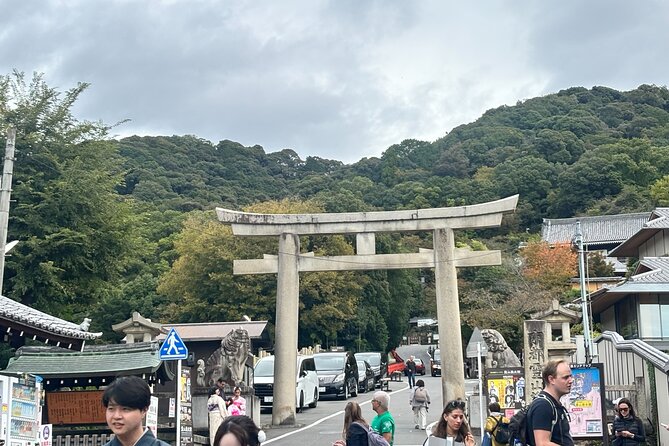
You start at Yasaka Shrine in the Gion area, meeting at 625 Gionmachi Kitagawa, Higashiyama Ward, Kyoto. The tour kicks off at 7:30am, which is a big deal in Kyoto. Early means you are more likely to experience these streets at a gentler tempo, before the day fully ramps up.
Yasaka Shrine is famous for its lanterns and vermilion gates, and it carries serious weight as a 1,300-year-old site. I like that the tour frames it as more than scenery. You are there to understand why places like this matter to Kyoto’s traditional culture, and you will hear context you can use later when you notice the details on your own.
A nice plus here is the first stop stays efficient. You get about 30 minutes at the shrine with admission included, so you do not lose momentum before moving into the quieter temple lane.
Kodai-ji Zen Garden: Raked Gravel and Seasonal Color
Next up is Kodaiji Temple (Kodai-ji), built in 1606. The tour gives you another 30 minutes, and that time slot is just right for taking in a Zen garden without feeling rushed or bored.
Kodai-ji’s gardens are described through elements you can actually look for: raked gravel, tranquil ponds, and trees that change color with the seasons, like maple and cherry. I like this stop because it teaches you how to see. Instead of chasing one must-take photo, you learn to notice the design logic of the garden, and that makes your other Kyoto visits click faster.
One practical thing: gardens in Kyoto can mean uneven ground in places. You are not looking at a long hike, but still expect to do some light walking and standing.
More bowls, poured the traditional way
- Kyoto: Tea Ceremony in a Traditional Tea House in Kiyomizu
★ 4.9 · 3,519 reviews - Kyoto: Tea Ceremony Ju-An at Jotokuji Temple
★ 4.9 · 3,207 reviews - Kyoto: 45-Minute Tea Ceremony Lesson Experience
★ 4.3 · 2,378 reviews - Kyoto: Table-Style Tea Ceremony at a Kyo-Machiya
★ 4.9 · 1,211 reviews
Rokudo Chinno-ji: The Gate to the Afterlife Concept
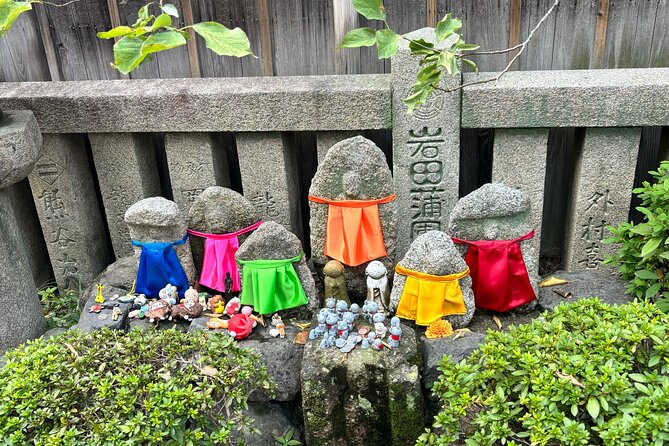
Then you head to Rokudo Chinno-ji Temple, tucked away in Kyoto’s Higashiyama district. It may be small, but the theme is unforgettable: it is known as the Gate to the Afterlife.
What makes this stop stand out is the way it is presented. You hear legends about the afterlife and about Rokudo Chinno-ji marking a boundary between the world of the living and what comes next. Even if you are not the spiritual type, it is a powerful example of how everyday Kyoto faith and storytelling can be. This is not only a place you look at, it is a place you think about.
You get 30 minutes here too, with admission included. That’s enough time to absorb the mood and listen, without turning it into a long detour.
Hōkan-ji Temple and Yasaka Pagoda Views from the Streets
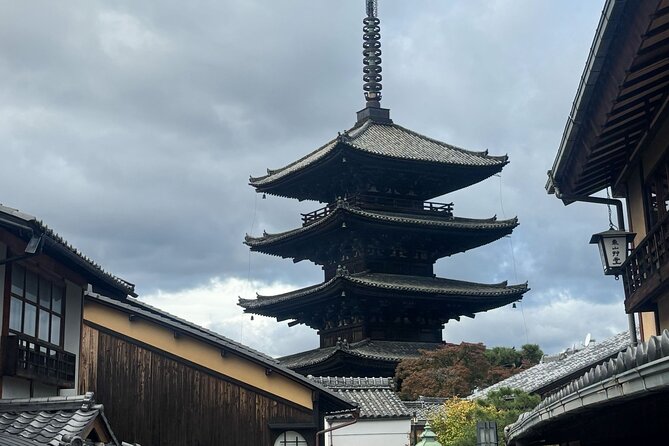
After the quieter, story-heavy stop, the tour shifts to one of the most recognizable sights in the area: Hōkan-ji Temple, also known as the Yasaka Pagoda.
You spend about 30 minutes here, and the focus is simple and effective: the elegant five-story pagoda rises above the traditional streets of Higashiyama, and the structure gives you iconic views that are easy to frame. If you like photography, this is your moment to slow down and look up. The pagoda is tall enough that your surroundings feel layered, street first, then architecture, then sky.
Also, this is where having a local guide pays off. You are not just standing somewhere and snapping. You are moving through streets with purpose, guided by stories and smaller details along the way.
Tea Ceremony at Camellia FLOWER: How the Calm Lands
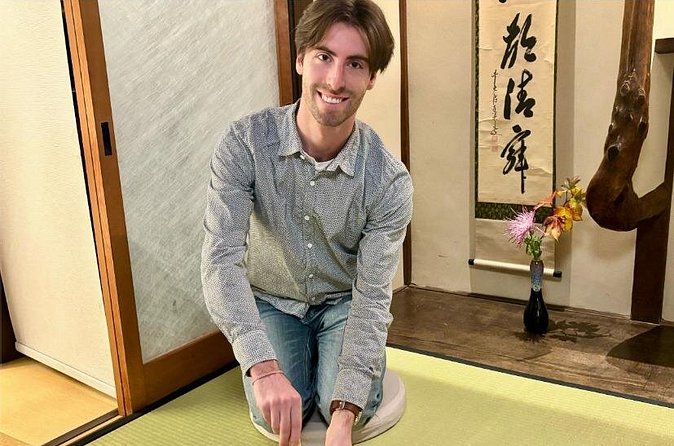
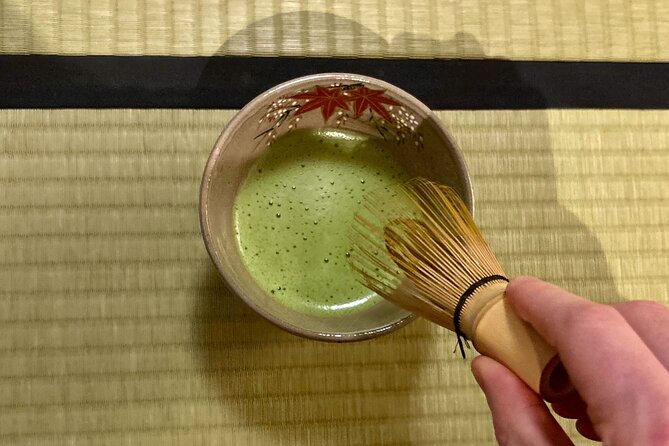
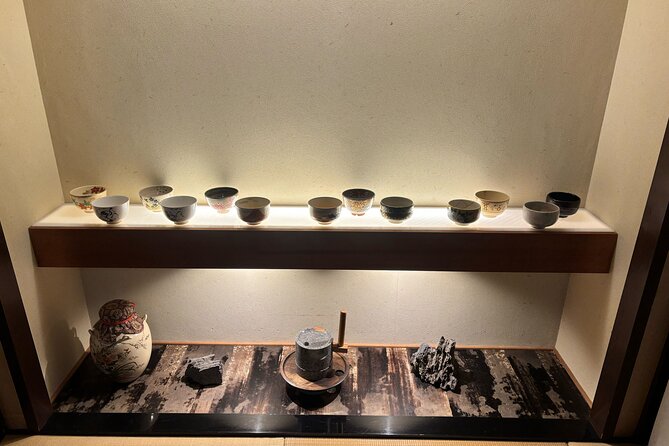
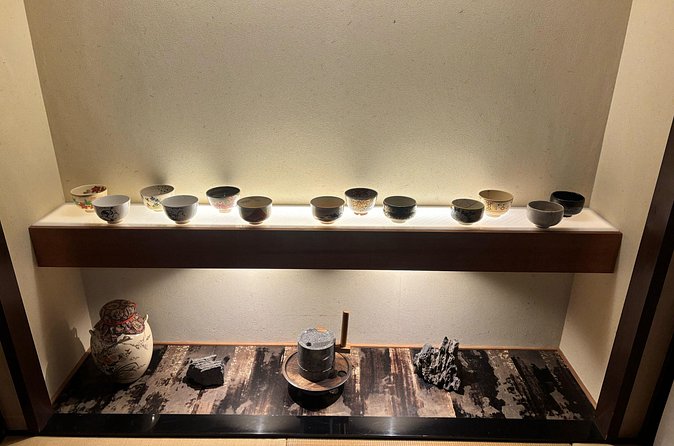
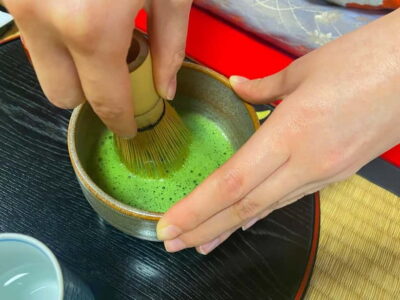
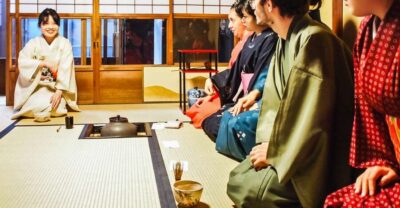
The final part is the most relaxing: a tea ceremony at Camellia FLOWER. The session lasts 1 hour, and it is guided by an expert tea master.
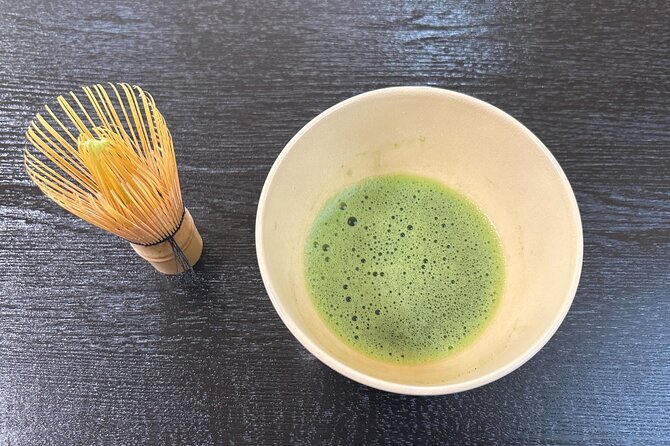
This is where the tone changes from walking and listening to doing something slower. The tour includes admission for this portion too, and you learn the art of preparing tea and the etiquette around it, with guidance throughout. Even if you have seen tea ceremonies before, this kind of structured lesson helps you notice what you usually miss, like the pace and the care built into the whole ritual.
When the tea ceremony ends, the tour finishes at Tea Ceremony Chayu, at 4-chōme-172-7 Kiyomizu, Higashiyama Ward, Kyoto. That is a helpful detail because you can plan the rest of your day right away instead of wondering where the group will disappear.
Price and Value: What $78.57 Buys You in Kyoto
At $78.57 per person for about 3 hours, this tour is priced like a small-group experience that includes key costs. Admission tickets are included for Yasaka Shrine, Kodai-ji, Rokudo Chinno-ji, and Hōkan-ji, and the tea ceremony ticket is included as well.
So you are not paying for sightseeing only. You are paying for guided time with a local English-speaking guide, plus paid entry where it matters. That makes the overall value feel stronger than tours that are basically a long walking route with optional add-ons.
The group size also matters. With a maximum of 8 people, you are less likely to get lost in the back. In the reviews, guides like Yoshino (including one noted as Taira Yoshino) were praised for being very informative and for having English that was very well spoken. That is exactly what you want on a spiritual, symbolism-heavy morning, because the details are the point.
One more value note: the schedule keeps your attention anchored. Four temple stops plus tea is a focused arc. It is not a half-day that stretches too long and turns into temple overload.
A quieter way to spend a day in Kyoto

The Guide Experience: Local Stories Make the Difference
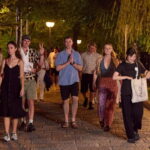
This is led by a local English-speaking guide, and the tour’s whole idea is that you will go beyond the obvious. The promise is stories, hidden paths, and insights you will not find in the usual sightseeing approach.
That matches the feedback style from past participants. One person highlighted how guide Yoshino explained the importance of temples and shrines in Japanese culture, and another praised Taira Yoshino for being very informative with very clear English. When a guide can do both, you get more than facts. You get a way to interpret what you are seeing while you are still there.
If you enjoy travel when a guide actually talks, not just points, this format will suit you.
Practical Tips So You Enjoy Every Stop
A calm morning sounds great, but Kyoto walks have their own rules. Here’s how to set yourself up for an easier experience based on what the tour involves:
- Wear comfortable shoes you trust on stone paths. You will be walking narrow streets and transitioning between sites.
- Expect some standing time at each stop. The tour is tightly timed at about 30 minutes per site, plus 1 hour for tea.
- Bring a small layer for morning air. The tour starts at 7:30am, and early Kyoto can feel cooler than you expect.
- Come ready to listen. This is built around interpretation, so if you keep your head down, you miss half the experience.
Also, this is listed as suitable for moderate physical fitness. If you are comfortable with walking through a historic district, you should be fine.
Who Should Book This Kyoto Zen Walk and Tea Experience
This tour is a good match if you want Kyoto with a quieter brain. It is best for people who like spiritual context, enjoy small-group pacing, and want their morning to end with something soothing rather than rushing to more sights.
You will likely love it if:
- You prefer calm mornings over busy late-day crowds
- You enjoy garden and architecture details, not just landmark hunting
- You want a guide who can explain meaning in clear English
- You want tea culture as part of your Kyoto day, not an afterthought
It may be less ideal if you are looking for a fast, photo-only route where you can wander independently. This experience is structured, and it works best when you follow along and listen.
Should You Book It?
Yes, I think you should book this if you want Kyoto that feels intentional. The combination of Yasaka Shrine, Kodai-ji, Rokudo Chinno-ji, and Hōkan-ji (Yasaka Pagoda) gives you spiritual variety in just a few hours, and the tea ceremony at Camellia FLOWER is a gentle finish that turns the morning into a full experience, not just separate stops.
If you value clear English, a small group, and guided meaning, this is strong value for the money, especially because admissions are included for each site and the tea ceremony.
FAQ
What is the tour duration?
The experience is about 3 hours.
Where does the tour start and end?
It starts at Yasaka Shrine, 625 Gionmachi Kitagawa, Higashiyama Ward, Kyoto. It ends after the tea ceremony at Tea Ceremony Chayu, 4-chōme-172-7 Kiyomizu, Higashiyama Ward, Kyoto.
What time does the tour begin?
The start time is 7:30am.
How large is the group?
The tour has a maximum of 8 travelers.
Are admission tickets included?
Admission tickets are included for each stop listed in the itinerary, and the tea ceremony admission is also included.
What is the cancellation policy?
You can cancel for free up to 24 hours in advance for a full refund. If you cancel less than 24 hours before the experience’s start time, the amount you paid will not be refunded.
New This Season
- Koyasan Day Trip by Private Car from Kyoto
- Old Port Town and Ultimate Sake Tasting Private Tour From Kyoto
- Kyoto’s Timeless Charm: 3hr Exploration of History and Peace
- Kyoto: 5 Types of Sushi Making
- Sacred Peak & Ancient Paths: Kurama-Kibune Hiking Experience
- Kyoto: Exclusive ZEN practice at Manpukuji temple in Uji
- Kyoto: Private Seasonal Aroma Yoga Class
- Traversing Kyoto’s Scenic West – Arashiyama to Kinkakuji
Tea Ceremonies, compared.
Tea Ceremony in a Traditional Tea House in Kiyomizu
Read our review →
Kimono Tea Ceremony at Kyoto Maikoya, NISHIKI
Read our review →
Tea Ceremony in 100-year-old Kyo-Machiya Townhouse
Read our review →
Also filed under