Reviewed · MATCHA & GREEN TEA TASTINGS
Zen Garden Making and Matcha Tasting in Handmade Pottery Shop
A Zen garden you can build in half an hour. This hands-on workshop at Ninshu vessel shop & matcha cafe lets you create your own Zen sand garden design using vessels, then photograph it right alongside Kyoto’s tea culture. You’ll also get Ippodo matcha plus seasonal wagashi from Senbon Tamajushuken, served in front of your finished little garden.
I especially like how relaxed the activity feels. There’s no hard choreography, so kids and older adults can participate without getting left behind. I also like that the shop itself adds value beyond the workshop, with handmade pottery you can take home and actually use day to day.
One consideration: the experience is about 30 minutes, so it is more structured than a slow, linger-and-chat type of class. Also, one past participant felt a bit of separation between the snack area and the garden area, so manage your expectations if you want everything in one continuous moment.
In This Review
- Key things to know before you go
- Zen garden making in Kyoto, without the pressure
- Ninshu: machiya vibes plus a pottery shop you can shop for
- The 30-minute flow: sand patterns, vessel choices, then photos
- A realistic expectation on “your design”
- What you learn from making a Zen sand garden
- Matcha and wagashi: Ippodo tea, Senbon Tamajushuken sweets
- Photo moment you’ll actually use
- Handmade pottery shopping: useful souvenirs, not clutter
- Who this Kyoto workshop is best for
- Value check: $14.12 for 30 minutes plus matcha
- Practical tips so your visit feels smooth
- Should you book Zen Garden Making and Matcha at Ninshu?
- FAQ
- How long does the Zen garden and matcha experience take?
- Where do I meet for the activity?
- What is the group size limit?
- What do I do during the workshop?
- What food and drink are included?
- Can you accommodate food allergies?
- Is the experience dependent on the weather?
- What is the cancellation policy?
Key things to know before you go
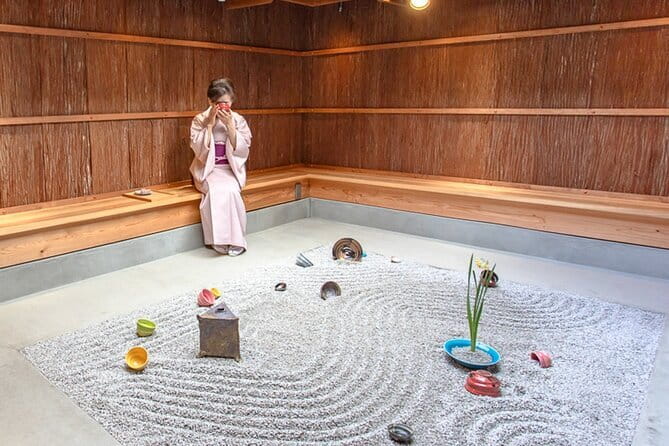
- A true hands-on Zen garden design built with sand and arranged in a small “temple style” setting
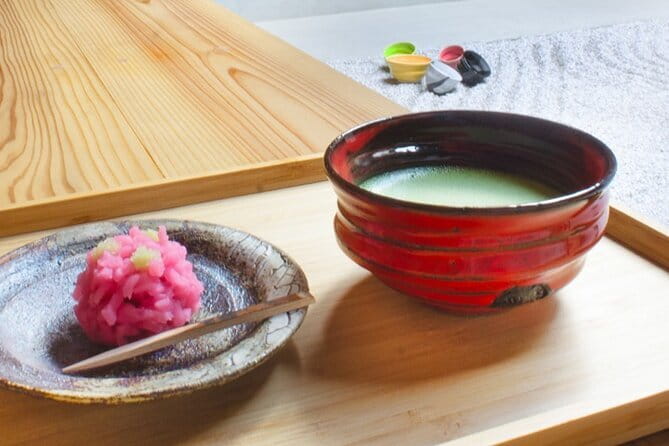
- Ippodo matcha and seasonal wagashi from Senbon Tamajushuken, served where you can enjoy the mood of Kyoto tea time
- Very small group size (maximum 8 travelers), which makes it easier to keep things moving without feeling crowded
- No special movements required, so it works well for mixed ages and mobility levels
- Souvenir pottery that’s practical (dishwasher and microwave safe), not just decorative
Zen garden making in Kyoto, without the pressure
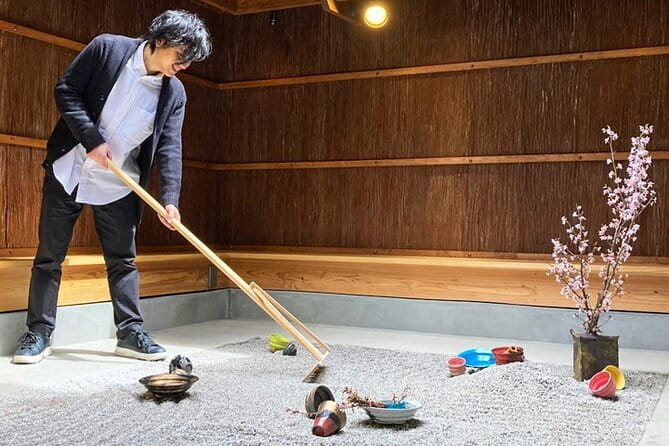
Kyoto is famous for stillness, and Zen gardens are a big part of that. The neat twist here is that the garden isn’t only something you look at from a distance. You actually build a tiny version of the experience yourself, using sand and the arrangement you create.
What makes this feel different is how approachable it is. Zen gardens can sound mysterious or delicate, like you might need to be artistic to do it well. In practice, it’s more about playing with patterns and taking your time with the sand surface. If you can sprinkle sand and gently shape a line, you can do this.
The other strong point is the pairing. You’re not just making something, then rushing off. You’re designed to enjoy matcha and wagashi in the presence of your own creation. That is the Kyoto logic: make it, taste it, and remember it as a single moment.
Ninshu: machiya vibes plus a pottery shop you can shop for
Your meeting point is Ninshu vessel shop & matcha cafe at 18-1 Fujikichō, Nakagyo Ward, Kyoto (604-0992). The shop is set up so you get a slice of Kyoto everyday culture, not a staged performance. One detail I like from the description is the connection to traditional Kyoto atmosphere, including a machiya townhouse more than 100 years old. Even if you come for the workshop, that setting helps the whole thing feel rooted in place.
Also, you’re not just inside a classroom. This is a pottery shop, and that changes the tone. Instead of only learning and leaving, you can browse and buy handmade items that feel connected to what you just did.
And if you care about souvenirs that actually work at home, you’ll appreciate this: the handmade pottery is described as dishwasher and microwave safe. That’s a big deal if you want something beyond a shelf decoration.
Moss, stone, and raked gravel gardens
- Kyoto Arashiyama Walking Tour: Bamboo, Monkeys, Gardens & Secrets
★ 5.0 · 1,216 reviews - Kyoto Zen Meditation & Garden Tour at a Zen Temple with Lunch
★ 5.0 · 441 reviews - Kyoto Arashiyama Bamboo forest & Garden Half-Day Walking Tour
★ 5.0 · 413 reviews - Kyoto: Zen Garden, Zen Mind (Private)
★ 5.0 · 126 reviews
The 30-minute flow: sand patterns, vessel choices, then photos
This experience runs about 30 minutes. That short time is part of the appeal. You get a complete activity, and you can still pack the rest of your day with other Kyoto classics.
Here’s the practical rhythm you should expect:
- You start in the Ninshu shop area.
- You’re guided through the pottery garden setup that works like a Zen garden miniature.
- You create your own sand patterns, using the vessels provided for arrangement.
- You add your personal touch with colors (the experience mentions designing your own colors using vessels).
- Then you enjoy matcha and seasonal wagashi while you’re in front of your garden, with the chance to take photos.
The good news: there are no hard movements involved. That means you can focus on the design process, not on keeping up. It also means you can bring grandparents along without worrying they’ll feel stressed.
A realistic expectation on “your design”
Because the garden is small, the design is also compact. Don’t expect a full scale landscape. Expect a personal, neat, photo-friendly Zen composition. For many people, that’s actually the sweet spot: you leave with something you made that still feels special, even if it’s not an enormous display.
What you learn from making a Zen sand garden
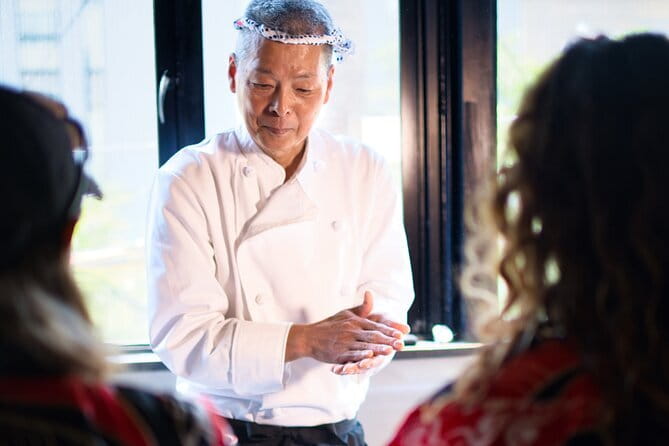
Zen gardens are often treated like art you study. This flips it into something you do. Even though you’re working in a miniature space, you still get the core Zen idea: repetition, contrast, and calm lines in sand.
The activity is framed around creating sand patterns in a traditional Kyoto temple style setting. While you’re doing it, you’ll naturally start thinking about how the sand lines guide the eye, how negative space matters, and how small choices shape the whole look.
You also get a gentle reminder that the “right” way might just mean your way. In a small workshop like this, you’re not being graded on symmetry. You’re being given room to put your own personality into the composition.
If you’re traveling solo, this is also a nice reset. You can slow down for half an hour and do something tangible instead of just walking and taking photos.
Matcha and wagashi: Ippodo tea, Senbon Tamajushuken sweets
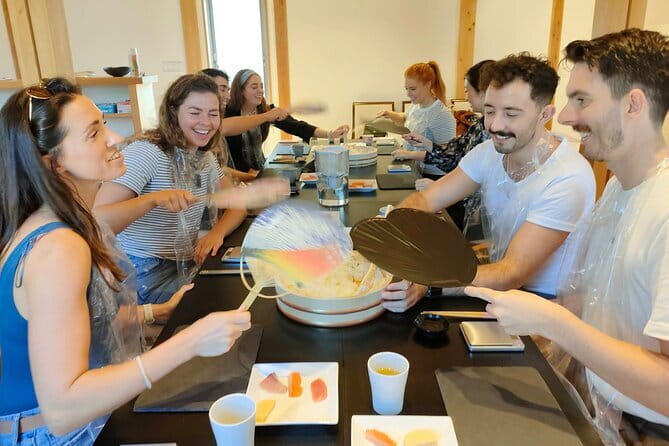
After the sand, you’ll enjoy matcha made with Ippodo, Kyoto’s famous tea company. Ippodo is one of those names that carries weight in Kyoto tea culture, so it’s a solid match for an activity built around a Japanese aesthetic.
You’ll also get seasonal wagashi from Senbon Tamajushuken. Seasonal matters here because wagashi is often tied to time of year, not just flavor. It helps your memory of the day feel specific to Kyoto and not like a generic snack stop.
Whisk your own bowl of matcha

Photo moment you’ll actually use
A highlight is the chance to take pictures of yourself eating matcha and Japanese sweets in front of the Zen garden you made. That’s not just for fun. It’s a smart souvenir strategy. Instead of only buying objects, you bring home a visual record tied to your own effort.
One caution from an earlier experience: one person noted that the snack was made in another room. If that is your biggest concern, know that you might not have a full open-kitchen show happening at your exact spot. But the matcha and sweets are still part of the experience, and the garden moment is still the centerpiece.
Handmade pottery shopping: useful souvenirs, not clutter
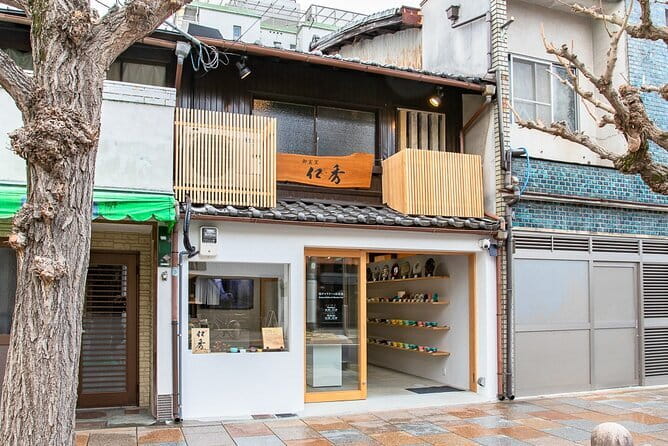
The shop component is more than a side quest. Pottery is part of why the experience works, and it is also a reason to stay longer in the area.
What you can buy depends on what is on display, but the key point is that these are handmade pottery items from Ninshu. Even better, the description says they are dishwasher and microwave safe. That addresses a common overseas-purchase worry. You can buy something you’ll actually use instead of something that just survives in a cabinet.
If you like practical souvenirs, this is one of Kyoto’s better styles of shopping. You get a connection between the workshop you did and what you can bring home. It also helps you avoid the trap of buying something pretty but fragile.
Who this Kyoto workshop is best for
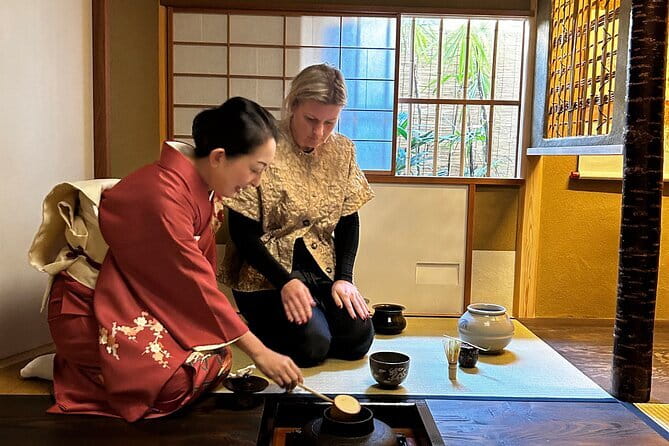
This is one of those activities that fits more people than you’d expect.
- Families: because there’s no hard movement required.
- Older travelers: because the pacing is friendly and the task is straightforward.
- Solo travelers: because a small group and a calm task make the time feel manageable.
- Tea lovers: because you get Ippodo matcha and wagashi from Senbon Tamajushuken.
If you hate structured, timeboxed activities, you might find it a little brief. But if you like neat outcomes, a short “do it now, then enjoy it” setup, this is a good match.
Also, if you’re the type who prefers authentic cultural actions over just looking, you’ll likely enjoy the hands-on nature more than you expect.
Value check: $14.12 for 30 minutes plus matcha
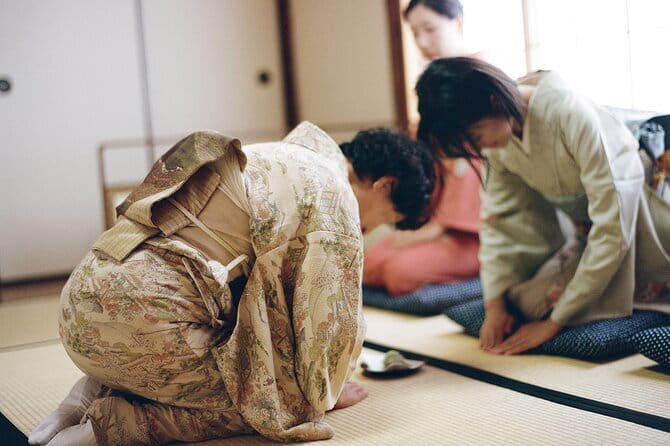
At $14.12 per person, the price is surprisingly easy to justify if you’re already a matcha person. You’re not just paying for the Zen sand activity. You’re also getting tea and seasonal sweets included, plus access to a pottery shop setting where you can browse afterward.
The value gets even better because the group is capped at 8 travelers. Small groups usually mean more attention and less chaos, even in short experiences.
The only real “value threat” would be if you’re expecting a long cultural lecture or a deep, multi-stage workshop. This is 30 minutes. It gives you a complete experience, but it does not try to replace a full artisan class.
Practical tips so your visit feels smooth
A few details can make a big difference.
First, plan your timing so you’re not rushing in right before the next part of your day. Thirty minutes goes fast when you’re deciding what you like and trying to form a composition.
Second, consider allergies. Some Japanese sweets may contain wheat, egg, or yams. If you have allergies, you should inform the shop so they can serve wagashi that does not include those allergens.
Third, if photos matter to you, think about your posture before the matcha moment. You’re taking pictures in front of your garden, and you’ll want your sand piece looking good in the background.
Fourth, the location is near public transportation. That makes it easier to fit into a Kyoto walking day without turning the workshop into a transit headache.
Finally, go in expecting calm. Zen gardens work best when you let your brain slow down for a bit.
Should you book Zen Garden Making and Matcha at Ninshu?
I’d book this if you want a Kyoto experience that is both hands-on and delicious, without needing special skills. It is a compact, family-friendly workshop where you make something personal, then enjoy Ippodo matcha and Senbon Tamajushuken wagashi in a setting tied to Kyoto tradition. The small group size is another strong point, and the fact that pottery souvenirs are described as dishwasher and microwave safe adds real-world value.
I’d skip it or reconsider if you hate short, structured activities, or if your main goal is a long, in-depth artisan process. This one is about finishing, tasting, and leaving with a memory you can point to.
If you’re building a Kyoto itinerary and want one activity that feels quiet, creative, and practical all at once, this is a very solid bet.
FAQ
How long does the Zen garden and matcha experience take?
It runs for about 30 minutes.
Where do I meet for the activity?
You meet at Ninshu vessel shop & matcha cafe, 18-1 Fujikichō, Nakagyo Ward, Kyoto, 604-0992, Japan.
What is the group size limit?
The experience has a maximum of 8 travelers.
What do I do during the workshop?
You make a small Zen garden by creating sand patterns and designing colors using vessels.
What food and drink are included?
You get matcha from Ippodo and seasonal wagashi from Senbon Tamajushuken.
Can you accommodate food allergies?
Some wagashi may contain wheat, egg, or yams. If you have allergies, you should inform the staff, and they can provide wagashi that does not contain those allergens.
Is the experience dependent on the weather?
Yes, it requires good weather. If it is canceled due to poor weather, you will be offered another date or a full refund.
What is the cancellation policy?
You can cancel for free up to 24 hours in advance for a full refund. If you cancel less than 24 hours before the start time, the amount paid is not refunded.
More Food & Drink in Kyoto


Artisan Craft Workshops
New This Season
- Koyasan Day Trip by Private Car from Kyoto
- Old Port Town and Ultimate Sake Tasting Private Tour From Kyoto
- Kyoto’s Timeless Charm: 3hr Exploration of History and Peace
- Kyoto: 5 Types of Sushi Making
- Sacred Peak & Ancient Paths: Kurama-Kibune Hiking Experience
- Kyoto: Exclusive ZEN practice at Manpukuji temple in Uji
- Kyoto: Private Seasonal Aroma Yoga Class
- Traversing Kyoto’s Scenic West – Arashiyama to Kinkakuji
Matcha & Green Tea Tastings, compared.

Arashiyama Bamboo Forest, Monkeys, Matcha & Temple Tour
Read our review →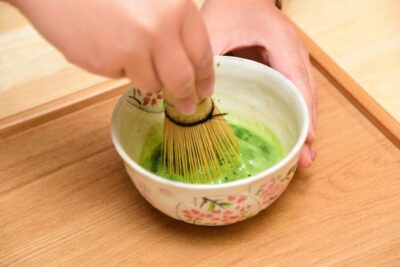
Tea Museum Tickets and Matcha Grinding Experience
Read our review →
Tea Ceremony Meditation – Make Matcha with Tea Master
Read our review →Arashiyama Bamboo, Matcha, Monkeys & Temple Tour
Read our review →

Arashiyama Bamboo, Temple, Matcha, Monkeys & secret spots
Read our review →